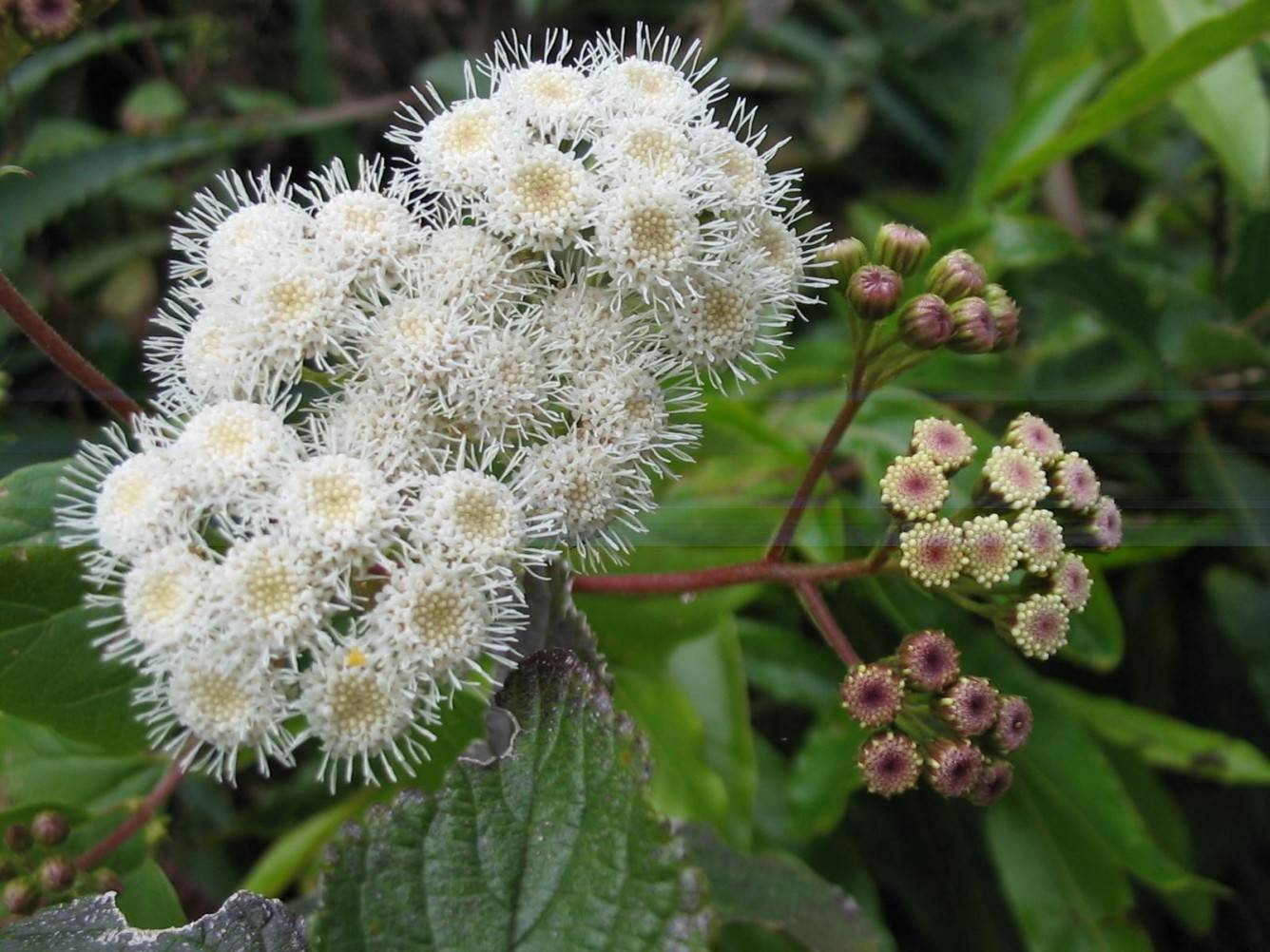
Ageratina adenophora
-
 Wild and common weed
 - Also known as Crofton Weed or Sticky Snakeroot,
 Wild and common weed
Nursing Skills
Ageratina adenophora thrives in full sun to partial shade and well-drained soil. Water regularly, allowing soil to dry between waterings. Fertilize monthly during growing season for optimal growth. Prune back in late winter to promote bushier growth. Be mindful of its invasive nature and prevent it from spreading to unwanted areas. Protect from frost, as its not cold-hardy.
Advertisement
Plant Properties
-
- Toxicity
- Toxic to livestock
-
- Growth cycle
- Perennial herb/subshrub
-
- Flowering period
- Autumn
-
- Plant height
- 0.5-3 m
-
- Leaf color
- dark green
-
- Fruit color
- black, dark brown
-
- Leaf type
- opposite, ovate to lanceolate
-
- Fruiting period
- autumn to early winter
-
- Flower color
- white to lavender
Plant Care Requirements
-
Difficulty of care
Low
-
Planting time
Spring or early summer
-
Light requirements
full sun to semi-shade
-
Humidity requirement
moderate humidity
-
Soil requirements
Well-drained soil
-
Fertilizer requirement
Low requirement
-
Ideal temperature
Above 0℃
Advertisement
Plant Care Guide
-
How often should I water Ageratina adenophora?
RegularlyAgeratina adenophora requires a balanced watering regimen to ensure healthy growth. Regular watering is essential, particularly during dry spells or in the heat of summer. However, as with many plants, it's crucial to allow the soil to dry out slightly between waterings to prevent root rot. Overwatering can be as harmful as underwatering. Aim for a weekly watering schedule, adjusting as necessary based on climate and soil conditions. Always check the soil's moisture level before watering - it should feel dry to the touch about an inch below the surface.
-
What is the ideal temperature?
Above freezingAs a plant native to warmer climates, Ageratina adenophora thrives in temperatures that stay consistently above freezing. It can tolerate a range of temperatures but is vulnerable to frost and freezing conditions. In regions where temperatures drop below freezing, consider growing Ageratina adenophora in a container that can be easily moved indoors during the colder months to protect it from frost damage.
-
What type of soil is best?
Well-draining soilAgeratina adenophora grows best in well-draining soil. It can tolerate a variety of soil types, including sandy, loamy, and clay soils, as long as they are well-draining. Poorly draining soil can lead to waterlogging and root rot, which can severely damage or even kill the plant. If your soil retains too much water, consider improving its structure by amending it with organic matter such as compost or well-rotted manure, which can improve drainage and provide vital nutrients.
-
How much sunlight does it need?
Full sun to partial shadeAgeratina adenophora prefers a location that receives full sun to partial shade. While the plant can tolerate some shade, providing it with plenty of sunlight will result in more vigorous growth and more abundant flowering. If you live in a particularly hot climate, a location with some afternoon shade can help protect the plant from the intense heat of the midday sun.
-
How to fertilize?
Monthly during growing seasonFor optimal growth and flowering, fertilize Ageratina adenophora monthly during the growing season. Use a balanced, water-soluble fertilizer, following the package instructions for dosage. Fertilizing provides the plant with necessary nutrients that it might not receive in adequate amounts from the soil, especially if the soil is poor or depleted. Always water the plant thoroughly after fertilizing to help distribute the nutrients through the soil.
-
When to repot?
When root-boundAgeratina adenophora should be repotted when it becomes root-bound, which is typically every 2-3 years. You can tell if a plant is root-bound if you notice roots growing out of the drainage holes of the pot or if the plant's growth seems to have stalled. The best time to repot is in the spring, just before the start of the growing season. When repotting, always choose a pot that is one size larger than the current pot to give the plant plenty of room to grow.
Advertisement
Frequently Asked Questions
-
1 Why is Eupatorium adenophorum called a "plant killer"?
Eupatorium adenophorum has strong reproductive ability and adaptability. Each plant can produce tens of thousands of seeds each year and spread widely through wind, water, animals, etc. Its rhizomes are well-developed and can spread quickly. It will release allelopathic substances to inhibit the growth of other plants, forming a monodominant community, which seriously damages the ecological balance.
-
2 What harm does Ageratina adenophora do to animal husbandry?
Ageratina adenophora will occupy grassland resources, resulting in a serious reduction in forage production. After being invaded by it for three years, natural grasslands have almost lost their grazing value. In addition, its plants are poisonous, and livestock may be poisoned and die after eating them by mistake.
-
3 What is special about the seeds of purple loosestrife?
The seeds of Ageratina adenophora (actually achenes) are small and light, with pappus on the top, and can be blown away by the wind. Its seeds are highly resistant to adversity, can survive in arid and barren environments, and have a slow sedimentation rate and a wide range of propagation.
-
4 What is the value of Ageratina adenophora?
Although Ageratina adenophora is an invasive species, it has certain value. For example, it can be used to prepare activated carbon, organic fertilizer, or extract essential oils to make biological pesticides. In addition, its stems and leaves can also be used as culture medium for edible fungi.
Advertisement
Introduction
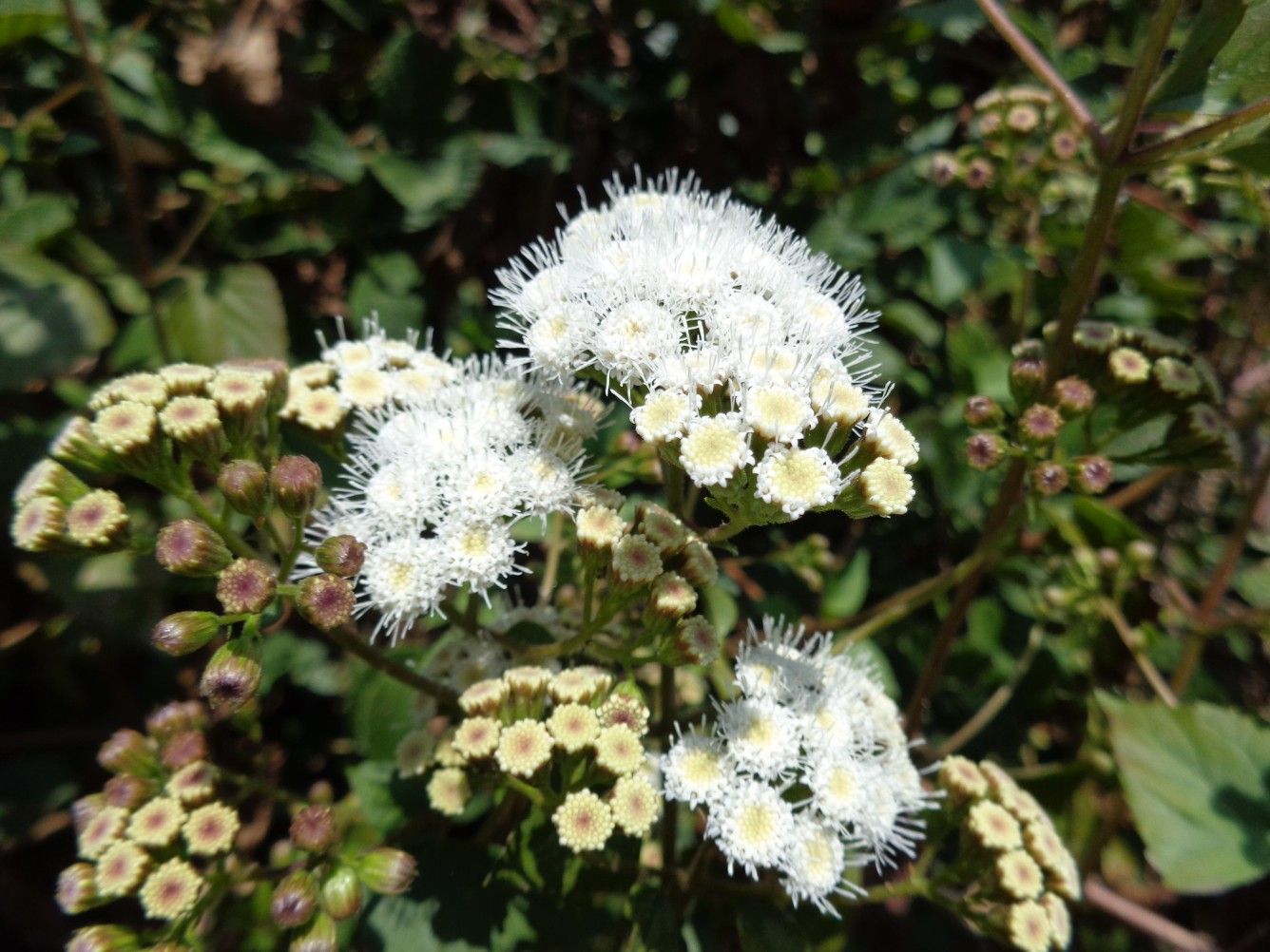
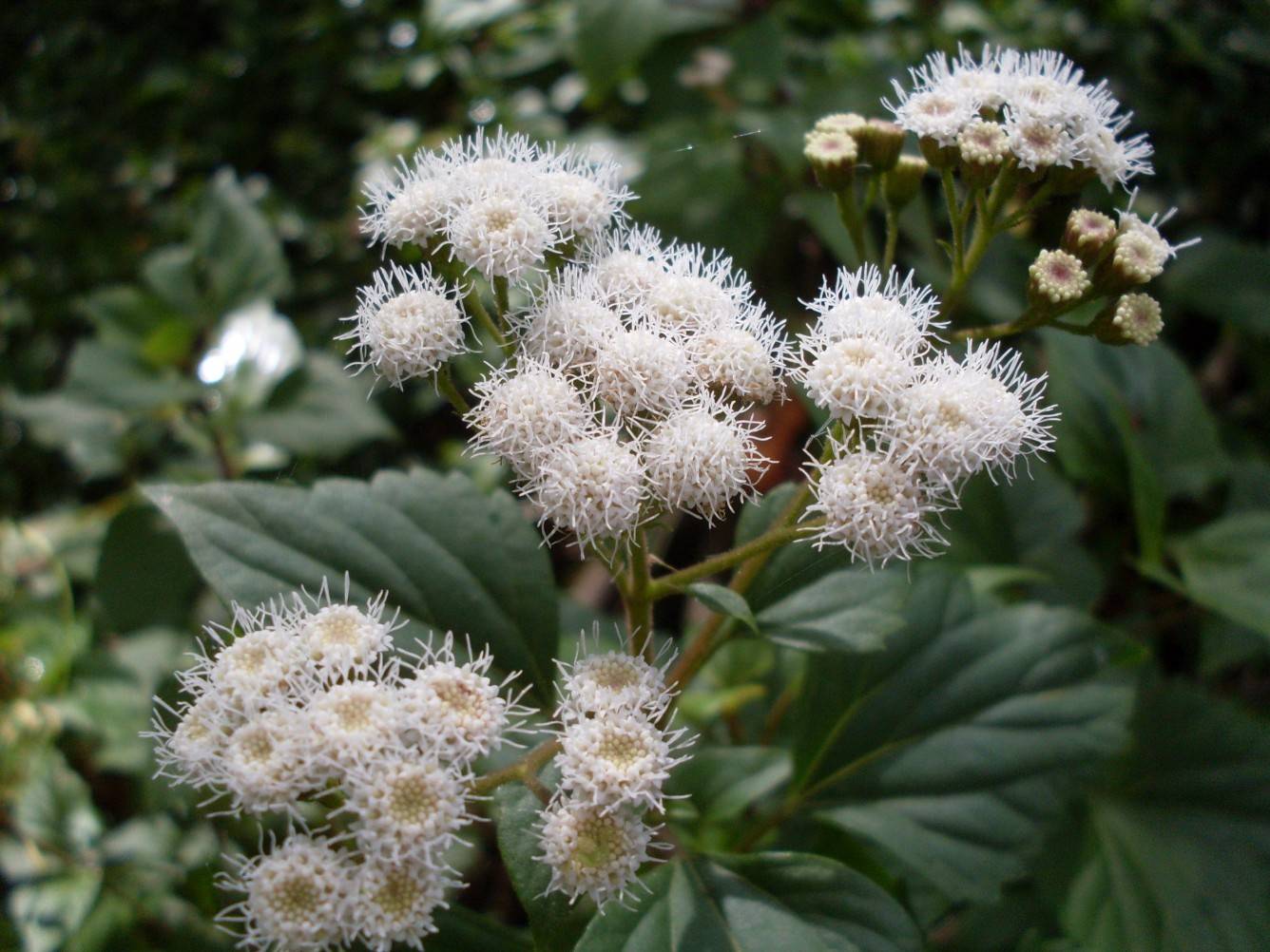
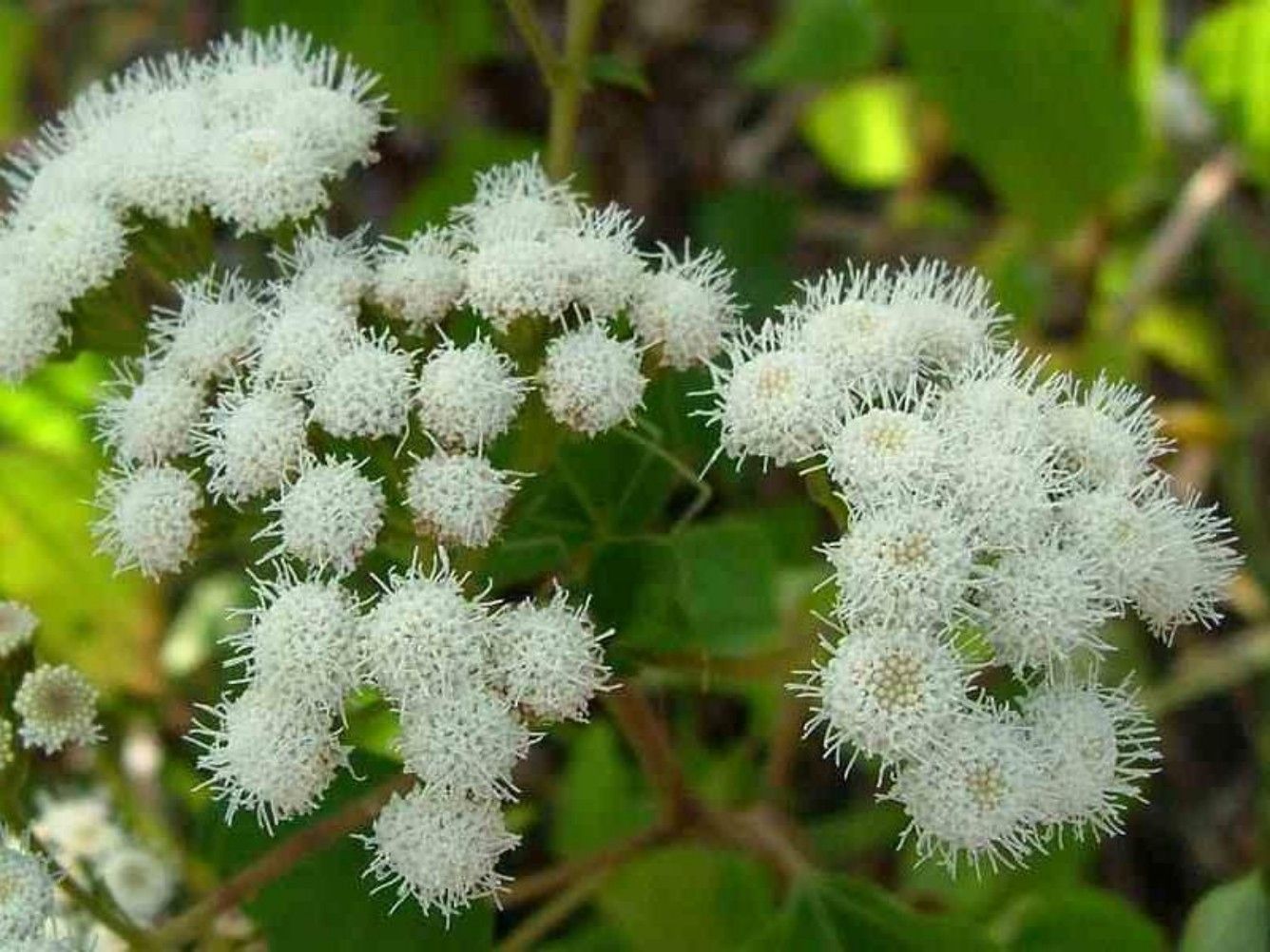
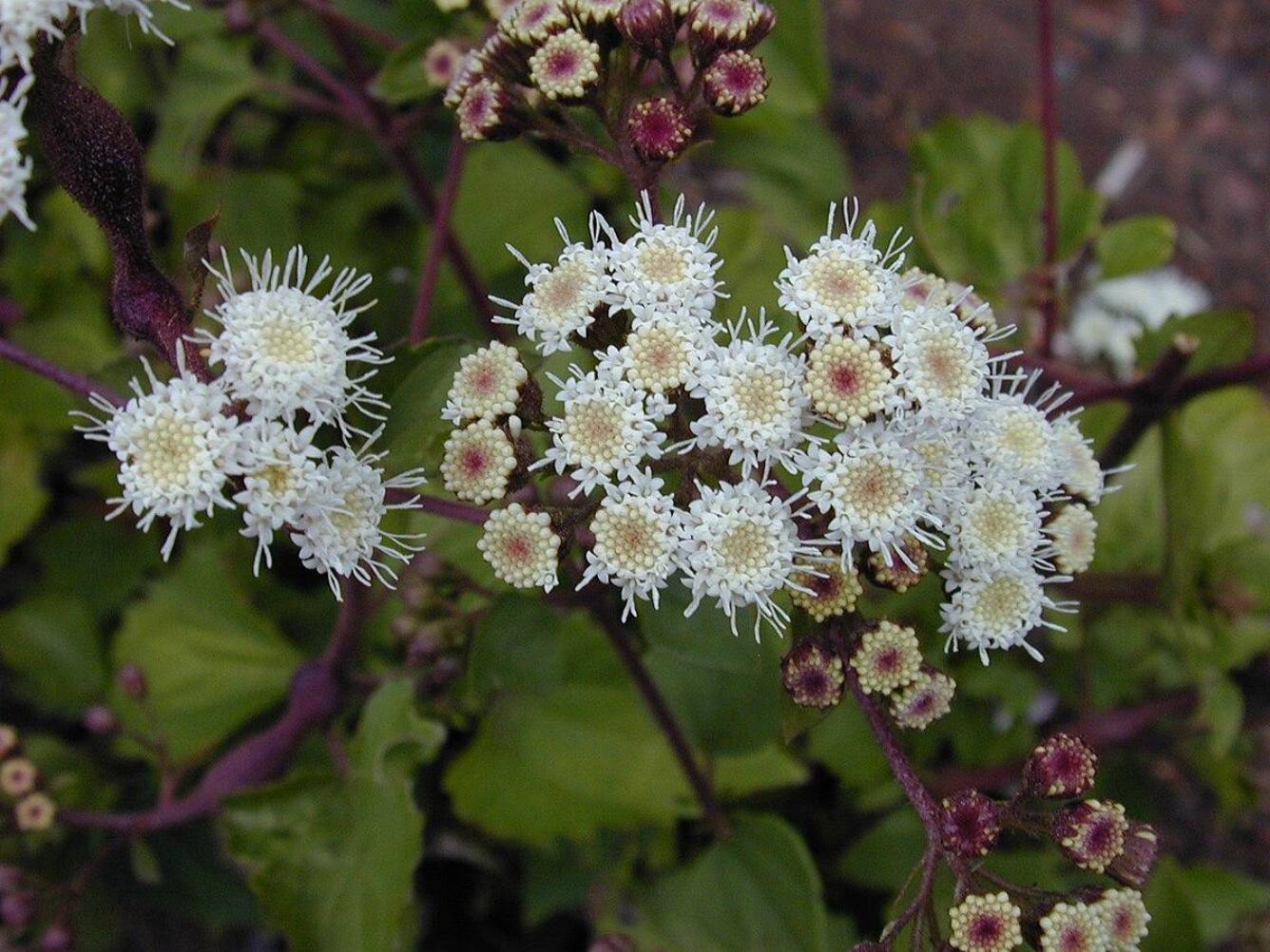
Ageratina adenophora is a perennial herbaceous plant native to Mexico. It has a bushy growth habit, typically reaching heights of 1-2 meters. This plant is easily recognized by its dark green, glossy leaves and clusters of small, white, fluffy flowers that bloom from summer to fall. Despite its attractive appearance, Ageratina adenophora is considered an invasive species in many parts of the world due to its fast growth and ability to crowd out native vegetation. It grows best in well-drained soil and full sun to partial shade.
Popular Plant Encyclopedia
-
-
Poisonous and danger
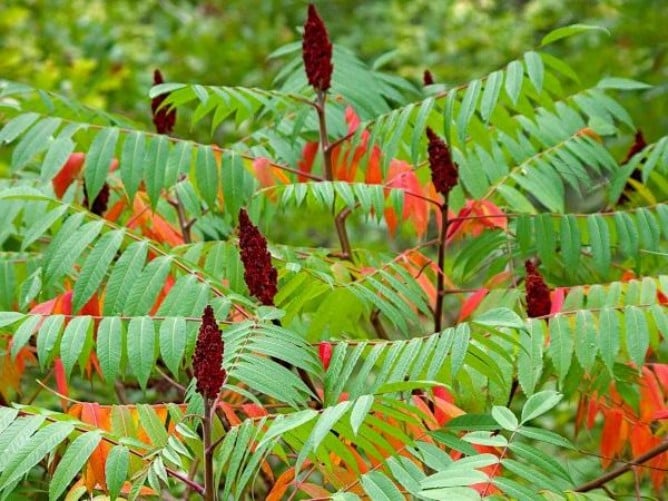
- Rhus typhina
-
-
-
Edible and medicinal
- Common sunflower
-
-
-
Poisonous and danger
- Plumeria rubra
-
-
-
Wild and common weed
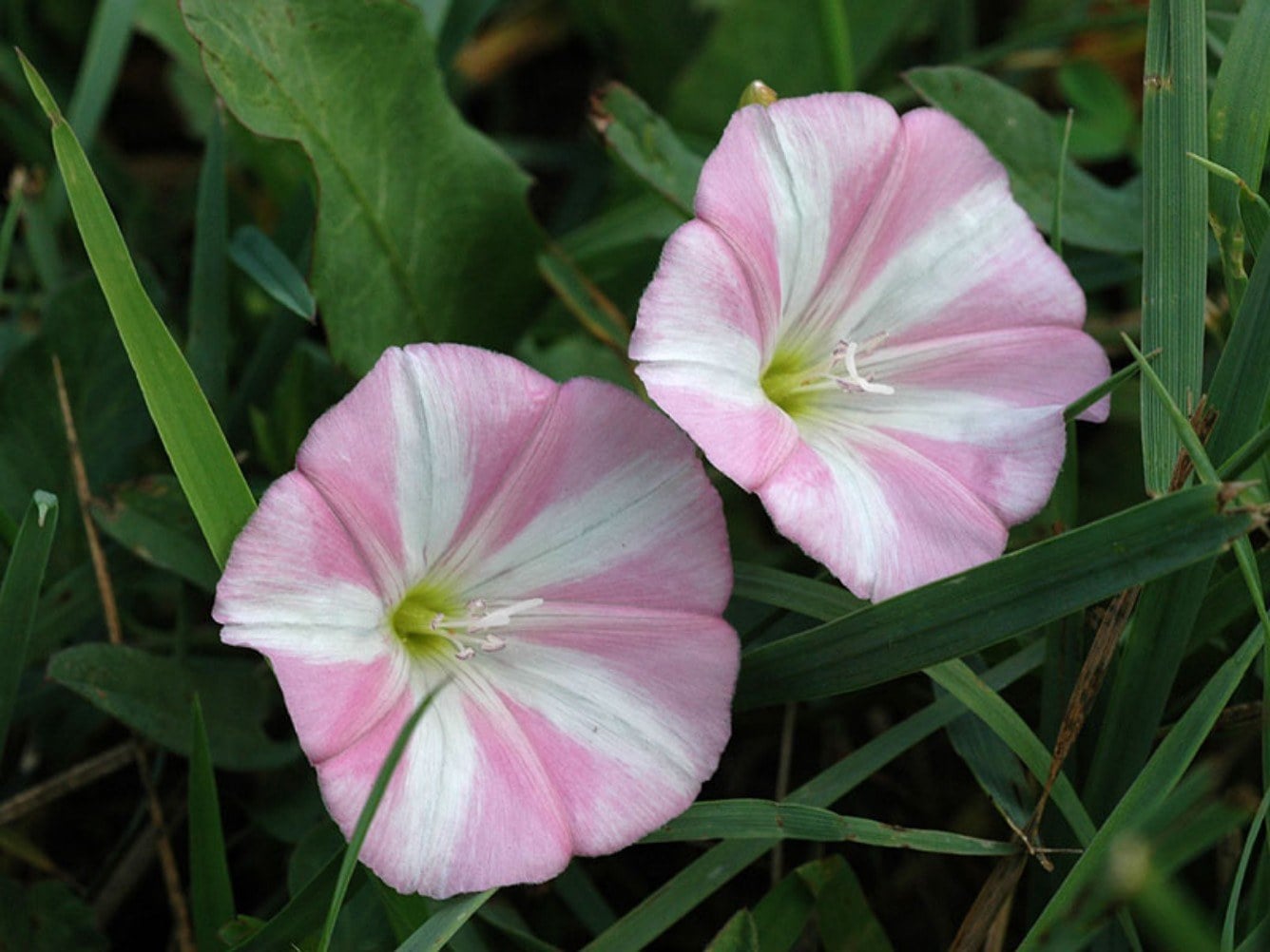
- Convolvulus arvensis
-
-
-
Edible and medicinal
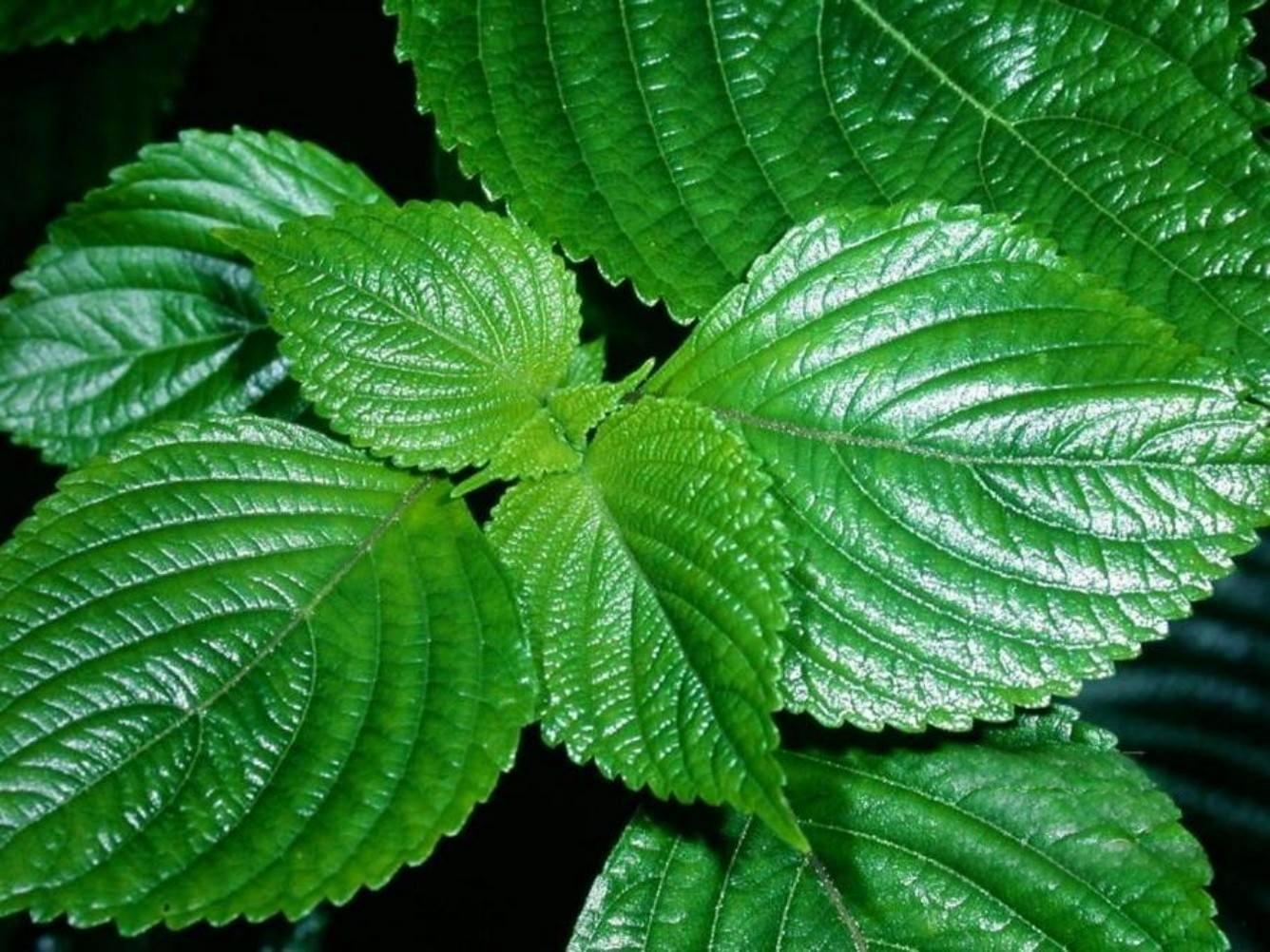
- Perilla frutescens
-
-
-
Edible and medicinal
- Pogostemon cablin
-
-
-
Edible and medicinal
- Common fenugreek
-
-
-
Edible and medicinal
- Garden Thyme
-
 Poisonous and danger
 Edible and medicinal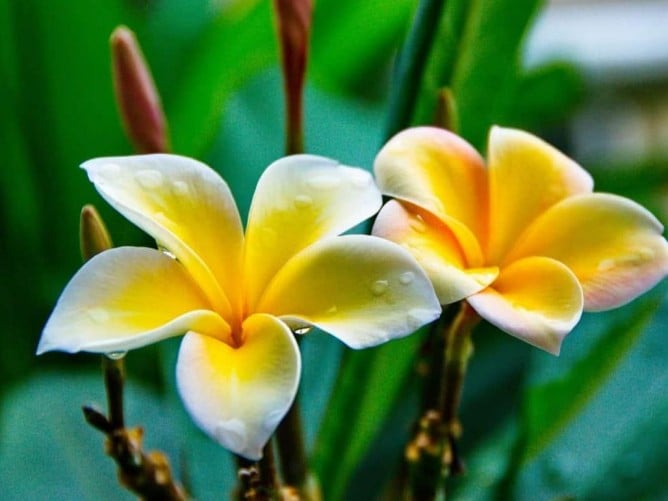
Advertisement