
7 Aloe Vera Care Tips You Need to Know
Advertisement
Aloe vera is a versatile plant that can be used as an indoor potted decoration, as well as for skin care, medicinal purposes and air purification. Its thick and juicy leaves store a lot of water, making it very drought-tolerant and suitable for busy people or beginners in gardening. However, to keep aloe vera healthy and avoid problems such as root rot and yellowing leaves, it is still necessary to master the correct maintenance methods.
1. Choose the right light environment
Aloe vera is native to arid, sunny areas, so it likes bright light, but long-term exposure to the sun may cause sunburn on the leaves (brown or dry).
(1) Indoor maintenance
The best location: near a south-facing or west-facing window, receiving 4-6 hours of indirect light every day.
Symptoms of insufficient light: thinning leaves, lighter color, and elongated plants (slender stems).
(2) Outdoor maintenance
It is suitable to place it in a semi-shaded place, such as a balcony or shaded area in the courtyard, avoiding strong direct sunlight at noon.
In summer, when the temperature is high, it can be moved to a diffuse light environment to prevent leaf burns.
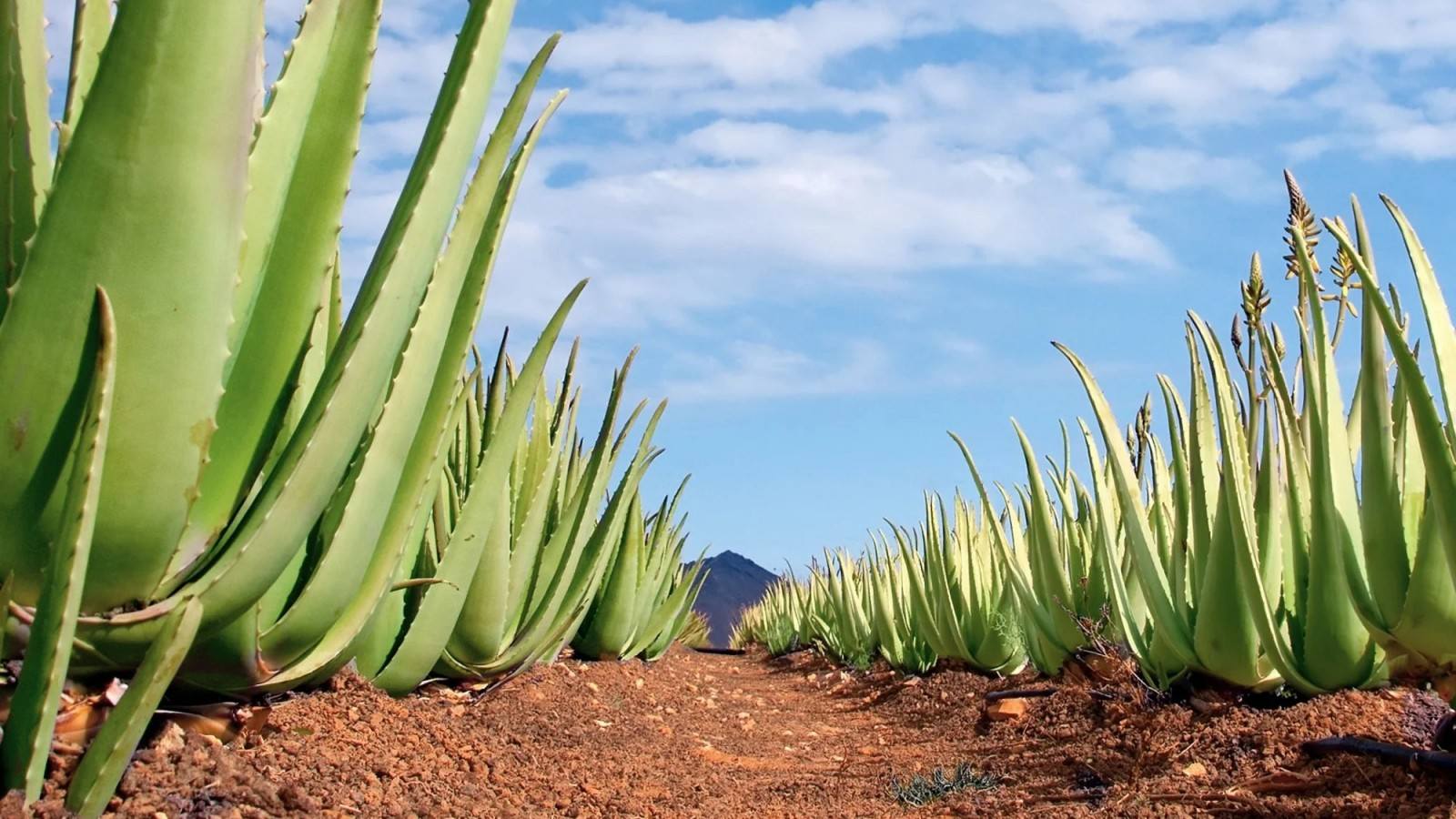
Tip: If aloe vera grows in the shade for a long time, do not suddenly move it to strong light. The light should be gradually increased to allow the plant to adapt.
2. Master the correct watering method
Aloe vera is a drought-tolerant plant. Excessive watering can easily cause root rot, while long-term lack of water will cause the leaves to shrivel.
(1) Watering frequency
During the spring and summer growing season: water thoroughly every 2-3 weeks, and make sure the soil is completely dry before watering.
During the autumn and winter dormancy period: reduce watering to once a month or less to avoid low temperature and humidity causing root rot.
(2) Watering tips
Avoid water accumulation in the center of the leaves: water should be poured on the soil, not on the center of the leaves, otherwise it will easily cause rot.
Use breathable flower pots: ceramic pots or plastic pots with drainage holes are best to avoid water accumulation.
How to judge whether watering is needed?
Insert your finger 2-3 cm into the soil. If it is completely dry, water it.
Slightly wrinkled and softened leaves are also signs of water shortage.
3. Use suitable soil
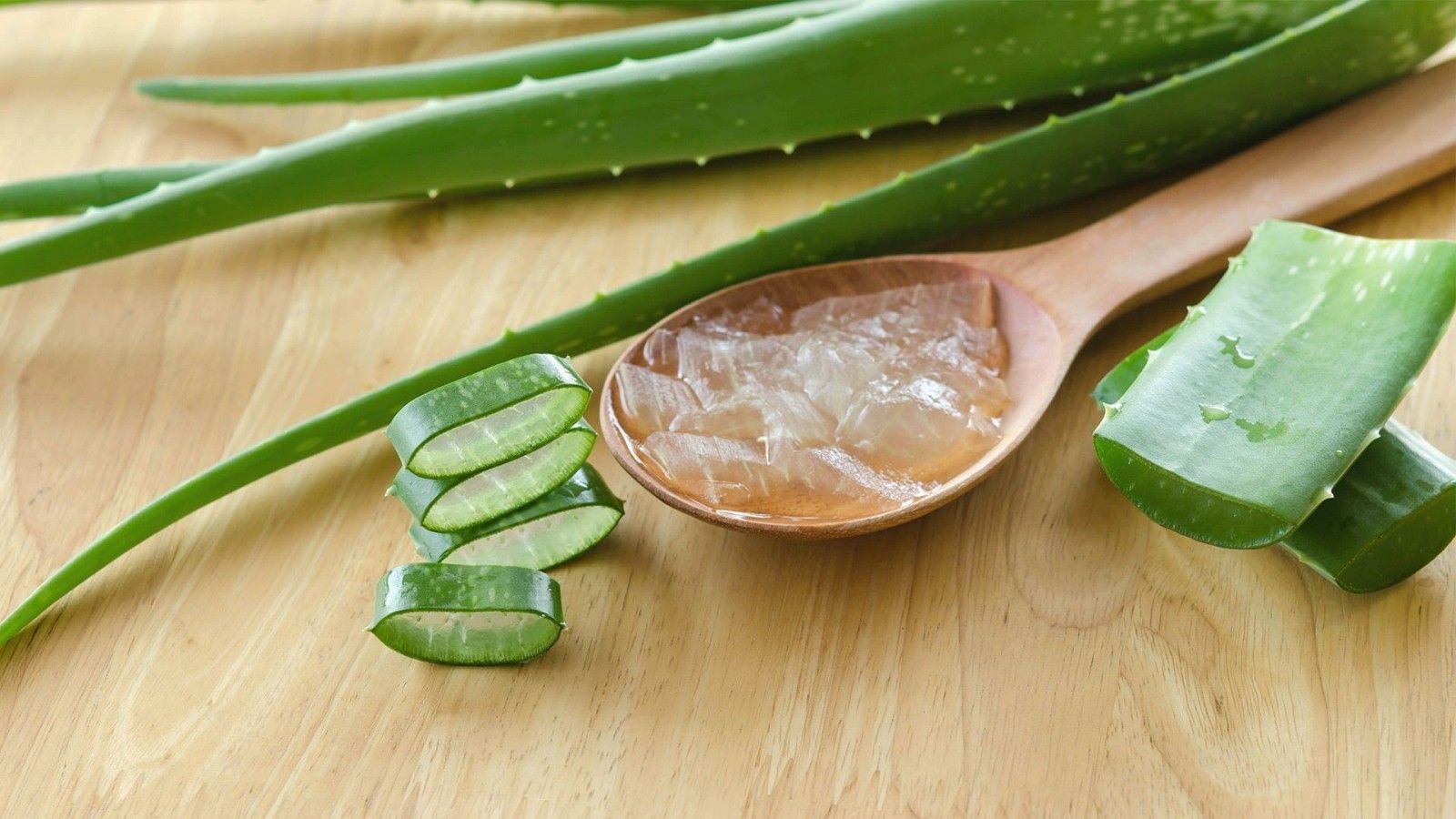
Aloe vera requires loose, well-drained soil. Ordinary garden soil is easy to compact and cause root suffocation.
(1) Recommended soil solution
Special soil for succulent plants (containing perlite, vermiculite and other particles).
Homemade mixed soil: garden soil + coarse sand + leaf mold (ratio 1:1:1).
(2) Avoid using pure coconut bran or clay
Coco bran has too strong water retention and is easy to rot the roots.
Clay has poor air permeability and is not conducive to root growth.
Tip: Change the soil every 1-2 years to prevent soil nutrients from being exhausted.
4. Control the appropriate temperature and humidity
Aloe vera prefers a warm and dry environment and is not resistant to cold and humidity.
(1) Ideal temperature
18-28°C (best growth).
Minimum tolerance is 5°C, below which frostbite may occur.
(2) Winter maintenance
Move to a warm place indoors, away from cold winds and window gaps.
Reduce watering to avoid low temperature + humidity causing root rot.
(3) Humidity management
Aloe vera adapts to dry environments and does not need to be sprayed with water to increase humidity.
High humidity environments (such as bathrooms) are prone to fungal diseases.
5. Apply fertilizer appropriately and avoid excessive fertilizer
Aloe vera has a low demand for fertilizer. Excessive fertilizer application may burn the root system.
(1) Fertilization frequency
During the growth period (spring and summer): apply diluted liquid fertilizer (such as special fertilizer for succulent plants) once every 1-2 months.
During the dormant period in autumn and winter: stop fertilizing.
(2) Recommended fertilizers
Organic fertilizers: earthworm castings, decomposed compost (mild and will not burn the roots).
Low nitrogen fertilizers: such as 5-10-10 (nitrogen, phosphorus and potassium ratio) to prevent excessive growth of branches and leaves.
Note: Newly repotted aloe vera does not need to be fertilized within 3 months to avoid irritating the root system.
6. Pruning and division
Appropriate pruning and division can promote the healthy growth of aloe vera and propagate new plants.
(1) Pruning dead and old leaves
Use clean scissors to cut off the yellow or dry leaves at the bottom to reduce nutrient consumption.
Avoid tearing the leaves to avoid infection with bacteria.
(2) Division propagation
Aloe vera tends to grow side shoots (seedlings) from the base, and can be divided in spring:
Gently dig out the mother plant and separate the rooted seedlings.
Let the cut dry for 1-2 days (to prevent root rot).
Transplant to a new pot and water again after 1 week.
7. Prevention and control of common diseases and pests
Aloe vera has few diseases and pests, but improper management may still cause the following problems:
(1) Root rot (overwatering)
Symptoms: leaves turn black and soft, and the base rots.
Solution:
Stop watering immediately, dig out the plant, and cut off the rotten part.
After drying, replace with new soil and replant.
(2) Red spiders or aphids
Symptoms: white spots or sticky secretions appear on the leaves.
Solution:
Wipe the infested area with a cotton swab dipped in alcohol.
If the infestation is severe, spray with soapy water or neem oil.
(3) Leaves turn yellow or brown
Possible reasons:
Too much sunlight → move to semi-shaded area.
Overwatering → adjust watering frequency.
Lack of fertilizer → add diluted fertilizer.
Aloe vera is a low-maintenance, high-return plant. As long as you master the seven key techniques of light, watering, soil, temperature, fertilization, pruning and pest control, you can make it thrive. Whether as a home green plant or for natural skin care, aloe vera can add a touch of fresh green to your life.
Advertisement
Learn More
-

- October 20,2026
- Lily Disease Guide: Whats Killing Your Lilium longiflorum and How to Stop It
-
- September 17,2026
- Wax-Leaf Privet Diseases: Identification, Treatment & Prevention Guide
-
- September 1,2026
- Vinca Minor Diseases: Identification, Treatment and Long‑Term Garden Management
-
- August 18,2026
- Tree Philodendron Diseases: Identification, Treatment and Long‑Term Prevention
-
- August 6,2026
- Common Ailments of Plantago major: Identifying, Treating and Preventing Diseases in Broadleaf Plantain
-
- July 30,2026
- Zodiac-themed Bouquets Combined with Floral Language: Different Color Schemes Create More Artistic Birthday Surprises

Advertisement
 Poisonous and danger
 Edible and medicinal
 Wild and common weed