Plumeria rubra
-
 Poisonous and danger
 - Also known as:Frangipani, jasmine Mango, Pagoda Tree, Red Nosegay Tree, Temple Flower, Temple Tree, West indian jasmine
 Poisonous and danger
Nursing Skills
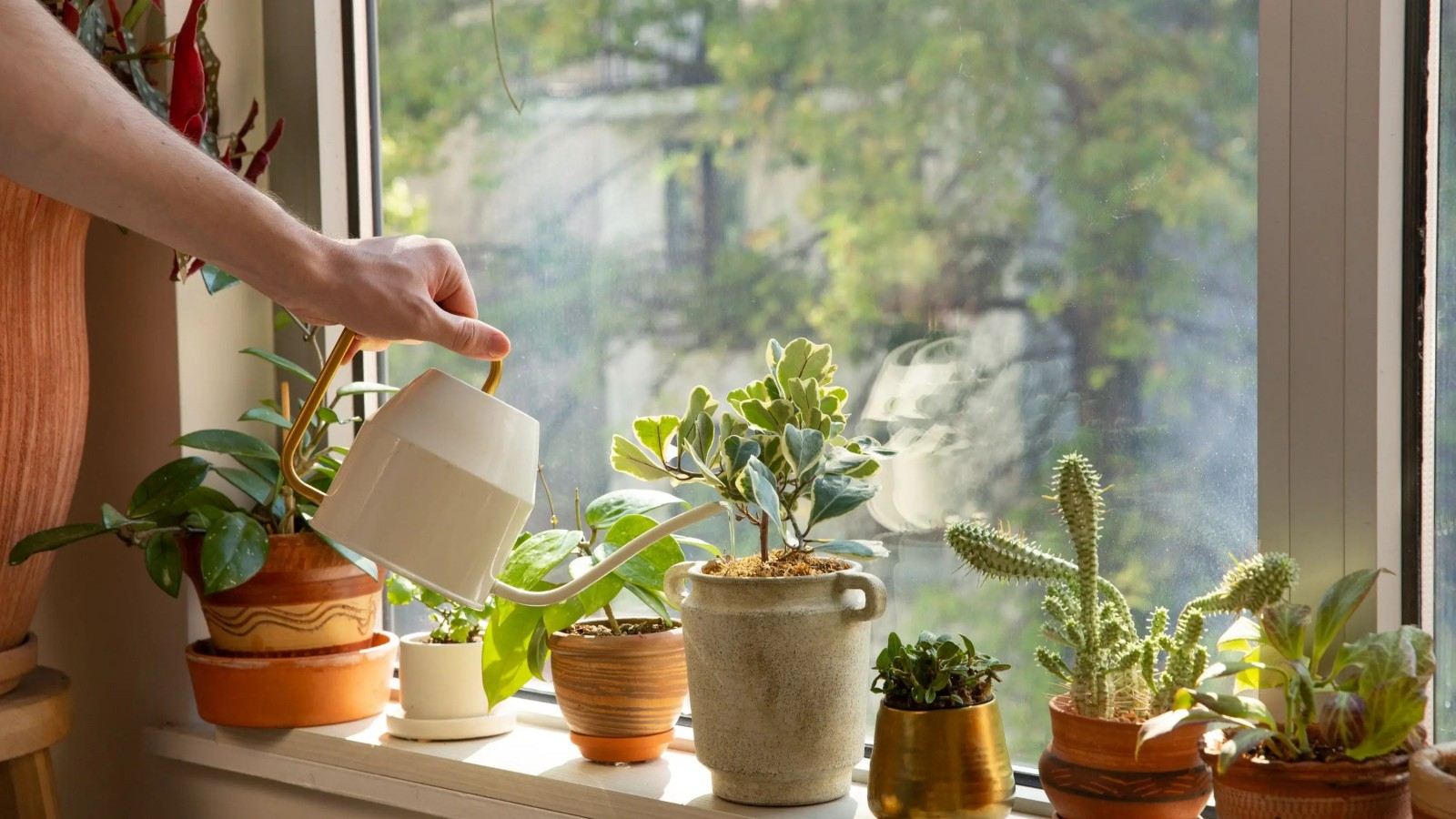
Plumeria rubra prefers full sun, requiring at least 6 hours of direct sunlight daily. Use well-draining sandy soil (you can mix in perlite/volcanic rock) to prevent waterlogging and root rot. During the growing season (spring-autumn), water once a week; during the winter dormancy period, reduce watering until the soil is completely dry.
Advertisement
Plant Properties
-
- Toxicity
- Toxic to pets and humans
-
- Lifespan
- Annual
-
- Plant Type
- Shrub
-
- Plant Height
- 4.6 m -7.6 m
-
- Flower Color
- Pink, red, yellow, white
-
- Growth Season
- Spring, Summer
Plant Care Requirements
-
Difficulty of Care
Medium
-
Watering Schedule
Keep soil slightly moist in spring and summer; keep soil dry in winter
-
Light Requirements
Full sun, at least 6 hours daily
-
Soil pH
pH6.0-7.0
-
Planting Time
Spring
-
Harshness Zone
USDA Zones 10-12
-
Growth Rate
Moderate
Advertisement
Plant Care Guide
-
I just bought a potted Plumeria rubra. Where should I put it in my home? What are its specific light requirements?
Plumeria rubra is a typical tropical sun-loving plant. Please make sure it receives at least 6 hours of direct sunlight per day, such as a south-facing balcony, terrace, or garden. Sunlight is the most crucial factor for its growth and flowering. Ample sunlight promotes robust growth, dark green leaves, and abundant flower buds. Insufficient light will cause the frangipani to become leggy, have sparse leaves, and fail to flower or produce few flowers. When kept indoors, the light intensity is weakened by glass, so it's best to place it outdoors. In short, give it as much sunlight as possible, and it will reward you with abundant blooms.
-
How should I water my Plumeria rubra? Does the watering frequency differ depending on the season?
Keep soil slightly moist in spring and summe keep soil dry in winter.Watering Plumeria rubra requires following the principle of "alternating between dry and wet conditions," and is highly seasonal. During the vigorous growth period in spring and summer, follow the principle of "water only when dry, and water thoroughly," meaning wait until the top 2-3 cm of soil is dry before watering fully, until water flows out of the drainage hole at the bottom of the pot. Avoid keeping the soil constantly wet, as this easily leads to root rot. In autumn and winter, as temperatures drop, frangipani will enter a dormant or semi-dormant state. At this time, watering should be significantly reduced, keeping the soil dry, and even watering only 1-2 times throughout the winter to prevent the roots from drying out.
-
How should I fertilize my Plumeria rubra to encourage more and more fragrant blooms?
Fertilize every 2-3 weeks from late spring to late summer Stop fertilizing in winterScientific fertilization is key to a profusion of flowers for your Plumeria rubra. During the growing season (late spring to late summer), regularly apply fertilizers rich in phosphorus and potassium, such as "flower-promoting" or "flower-type" liquid fertilizers, or slow-release fertilizers. Follow the principle of "frequent, light fertilization," applying fertilizer every 2-3 weeks. Avoid excessive nitrogen fertilizer, as this can lead to excessive vegetative growth and inhibit flowering. Gradually stop fertilizing as temperatures drop in autumn, and completely stop fertilizing during the winter dormancy period to prevent burning the dormant roots.
-
My Plumeria rubra needs to overwinter indoors. How should I do this?
Keep the temperature above 10°CPlumeria rubra are very sensitive to cold. When nighttime temperatures consistently drop below 10°C, they should be moved indoors immediately. Before bringing them indoors, you can lightly prune them, removing tender shoots and spent flowers to reduce nutrient consumption. Throughout the winter, place them near a sunny window and strictly control watering, keeping the soil dry, just enough to keep the roots from drying out. Maintaining an indoor temperature above 10°C is safe. During this period, many or all leaves will fall off; this is a normal dormancy phenomenon and nothing to worry about. Gradually resume watering and sunlight the following spring when temperatures stabilize and rise.
-
My Plumeria rubra is growing very tall but doesn't branch much. How can I prune it to make it fuller?
Early Spring PlantingPlumeria rubra an effective way to shape a beautiful plant. The best time to prune is in early spring when the plant is about to end its dormancy and begin to sprout. You can choose to cut off the overly long branches at your desired height. After pruning, a white sap will flow from the wound. Wipe it dry with a paper towel and apply sulfur powder or carbendazim to the cut to prevent infection. More importantly, 2-3 new buds will usually sprout below each cut, resulting in new flowering branches, which makes the plant fuller and more compact. The healthy branches that are pruned can also be dried and then used for cuttings to propagate new plants.
-
I'm planning to repot my Plumeria rubra. What kind of soil should I choose? What precautions should I take when repotting?
Repotting is best done in springPlumeria rubra prefers loose, well-draining soil and dislikes heavy, waterlogged soil. You can buy pre-mixed potting mix specifically for succulents or cacti, or make your own, for example, by mixing garden soil, leaf mold, and coarse sand (or perlite) in a 1:1:1 ratio. Choose a pot with large drainage holes at the bottom; terracotta pots are best. Repotting is best done in spring. Be careful not to damage the main root and ensure the planting depth remains the same as before. After repotting, place the plant in a semi-shaded area for a week to allow it to recover. Do not fertilize during this time; resume normal care once it resumes growth.
Advertisement
Frequently Asked Questions
-
1 Why is my Plumeria rubra lush and green, but it doesn't bloom?
Plumeria rubra not blooming is usually caused by several key factors. The most common reason is insufficient light; it needs at least 6 hours of direct sunlight daily to perform sufficient photosynthesis to develop flower buds. Secondly, improper fertilization can also cause only leaf growth and no flowers. Using too much high-nitrogen fertilizer will promote vegetative growth and inhibit reproductive growth; instead, use a fertilizer with a higher phosphorus and potassium content to promote flowering. In addition, improper winter care can also affect flowering. If the plant is not given sufficient dormancy in winter (such as being placed in an overly warm, overwatered indoor environment), it will deplete its nutrient reserves, resulting in no flowers the following year. Ensuring sufficient light, proper fertilization, and proper dormancy are key to promoting flowering.
-
2 I noticed that the leaves of my Plumeria rubra are yellowing, curling, or covered in a sticky substance. What kind of pest or disease is this? How should I treat it?
These symptoms are very likely caused by pest infestation. Yellowing leaves with tiny red or yellow spots on the underside may indicate spider mite infestation, as spider mites thrive in dry, poorly ventilated environments. Curled leaves with sticky honeydew likely indicate aphid infestation. For both pests, initially wash the undersides of the leaves with a strong stream of water, then spray with diluted soapy water or a biological pesticide such as matrine. In severe cases, specialized insecticides are necessary. Improving ventilation is also an effective preventative measure. If the top of the branch turns black and rotten, it's a sign of root rot; immediately check the potting soil, reduce watering, and improve drainage.
-
3 I want to propagate new Plumeria rubra using pruned branches. How do I properly perform cuttings?
Plumeria rubra cuttings have a high success rate. First, select a healthy, robust, disease-free branch, ideally 30-45 cm long. Cut it with a sterilized sharp knife and place it in a cool, well-ventilated place for at least 1-2 weeks to allow the cut end to dry completely and form a scab. This step is crucial and effectively prevents rotting after planting. Next, insert the dried cuttings into moist perlite, coarse sand, or loose nursery soil to a depth of about 5-8 cm. Place them in a bright location with indirect light, keeping the substrate slightly moist but never too wet. Usually, the cuttings will root and grow new leaves after 4-8 weeks, at which point they can be gradually transplanted into normal potting soil for further care.
Advertisement
Introduction
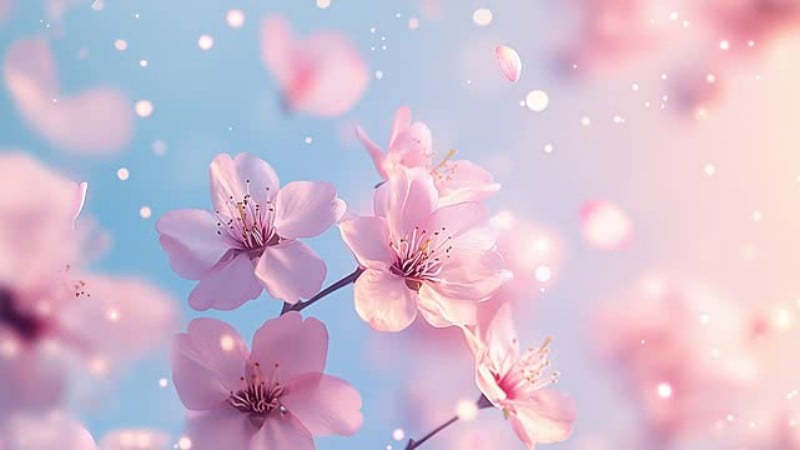
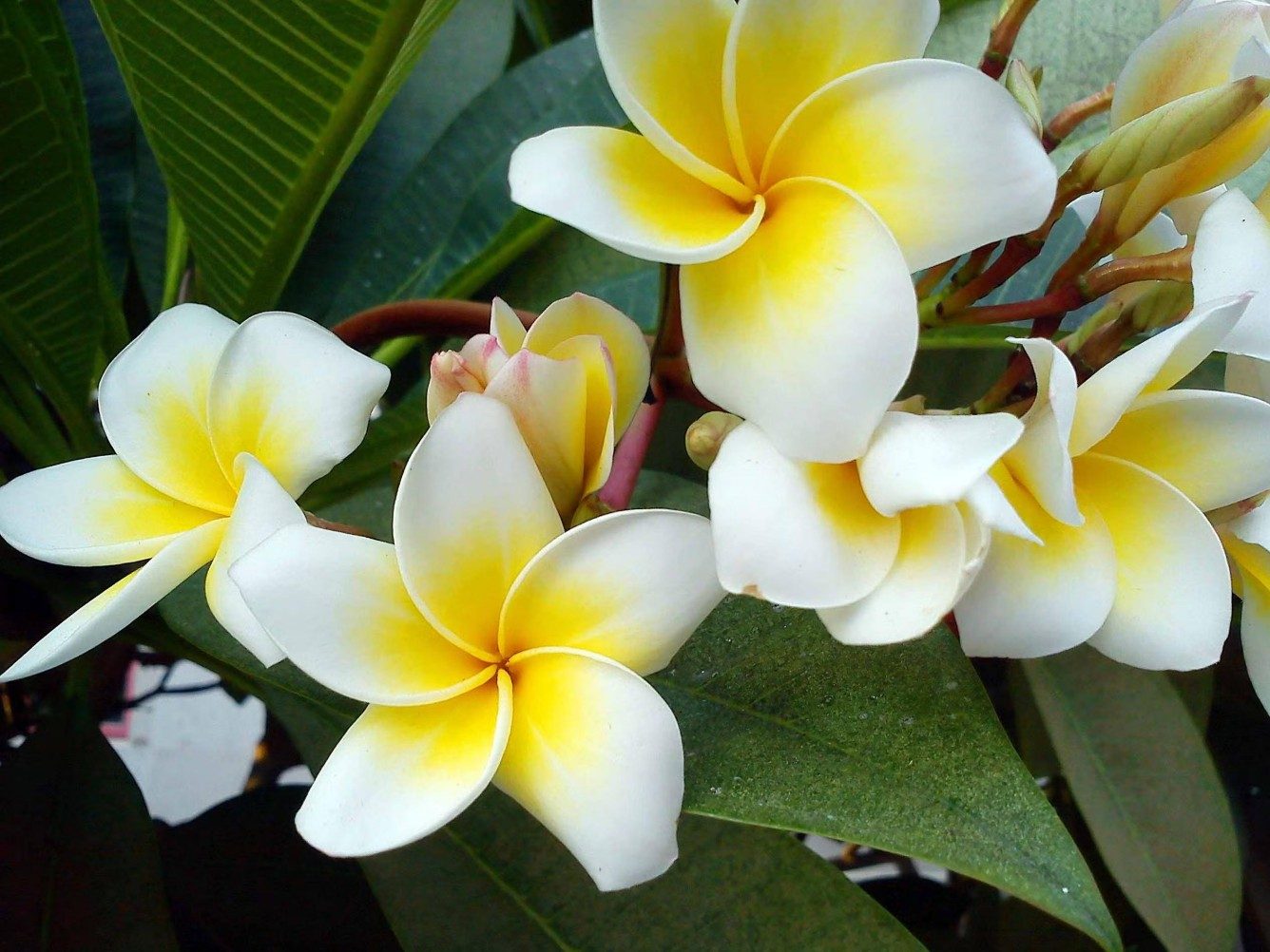
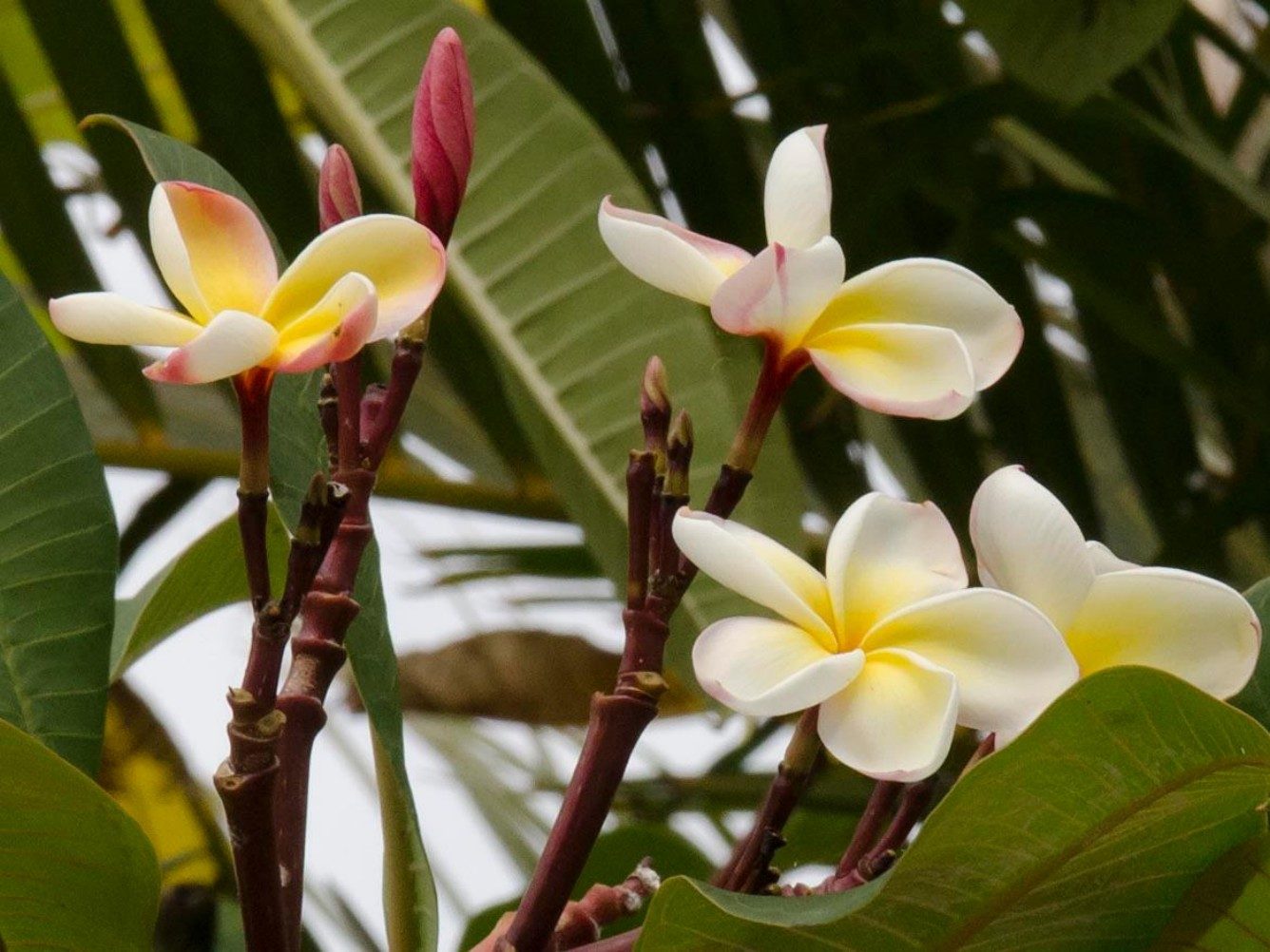
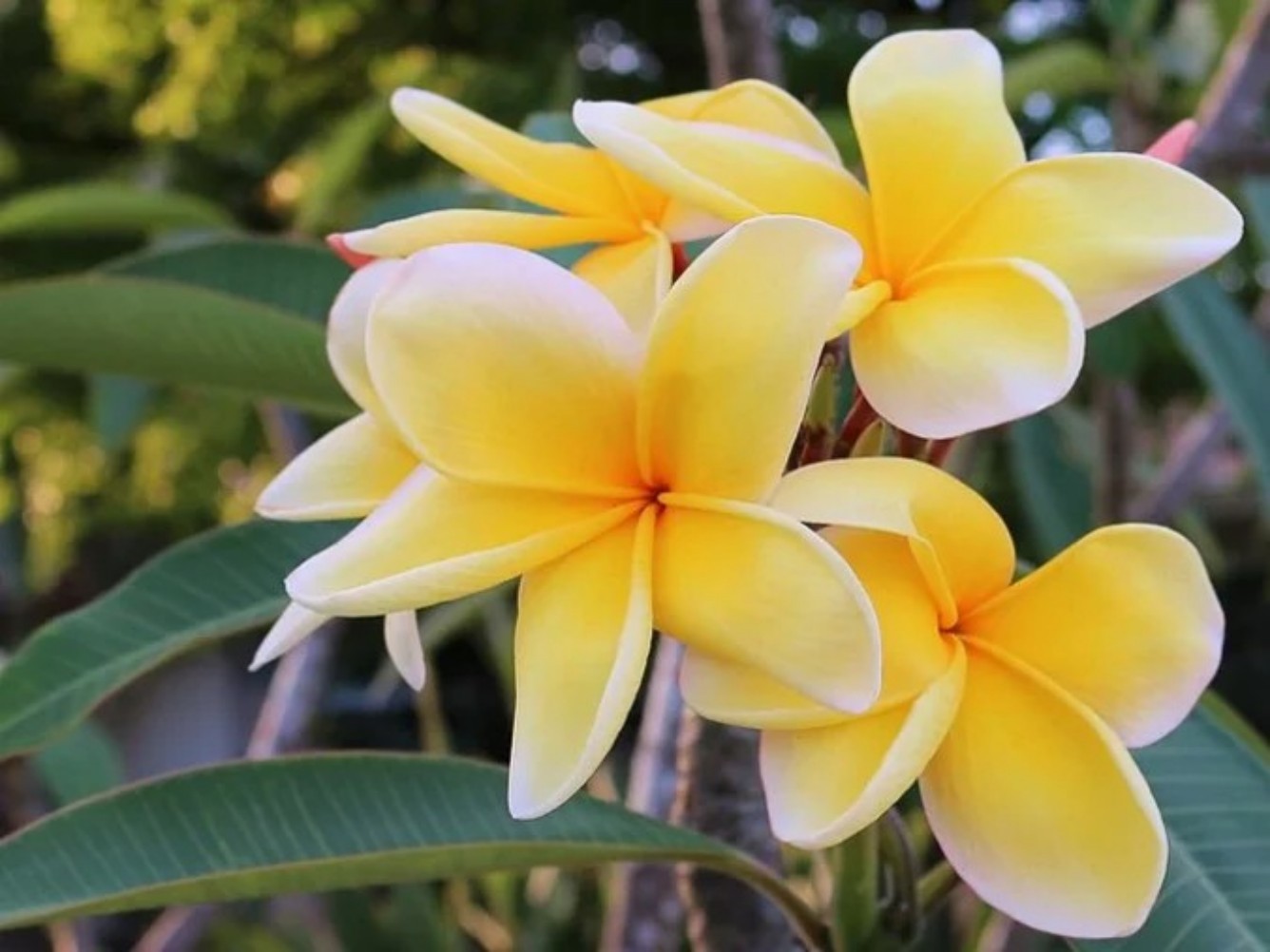
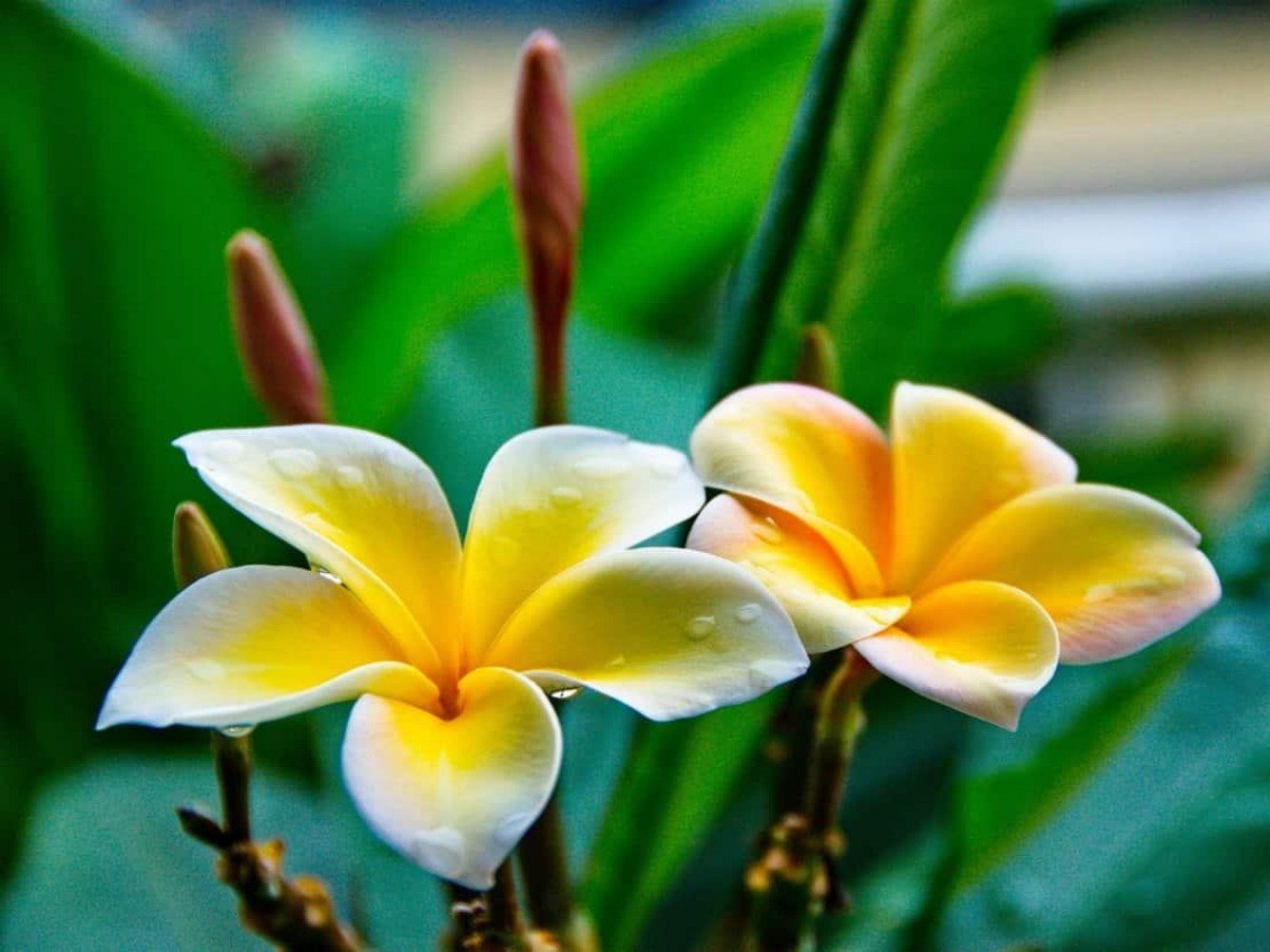
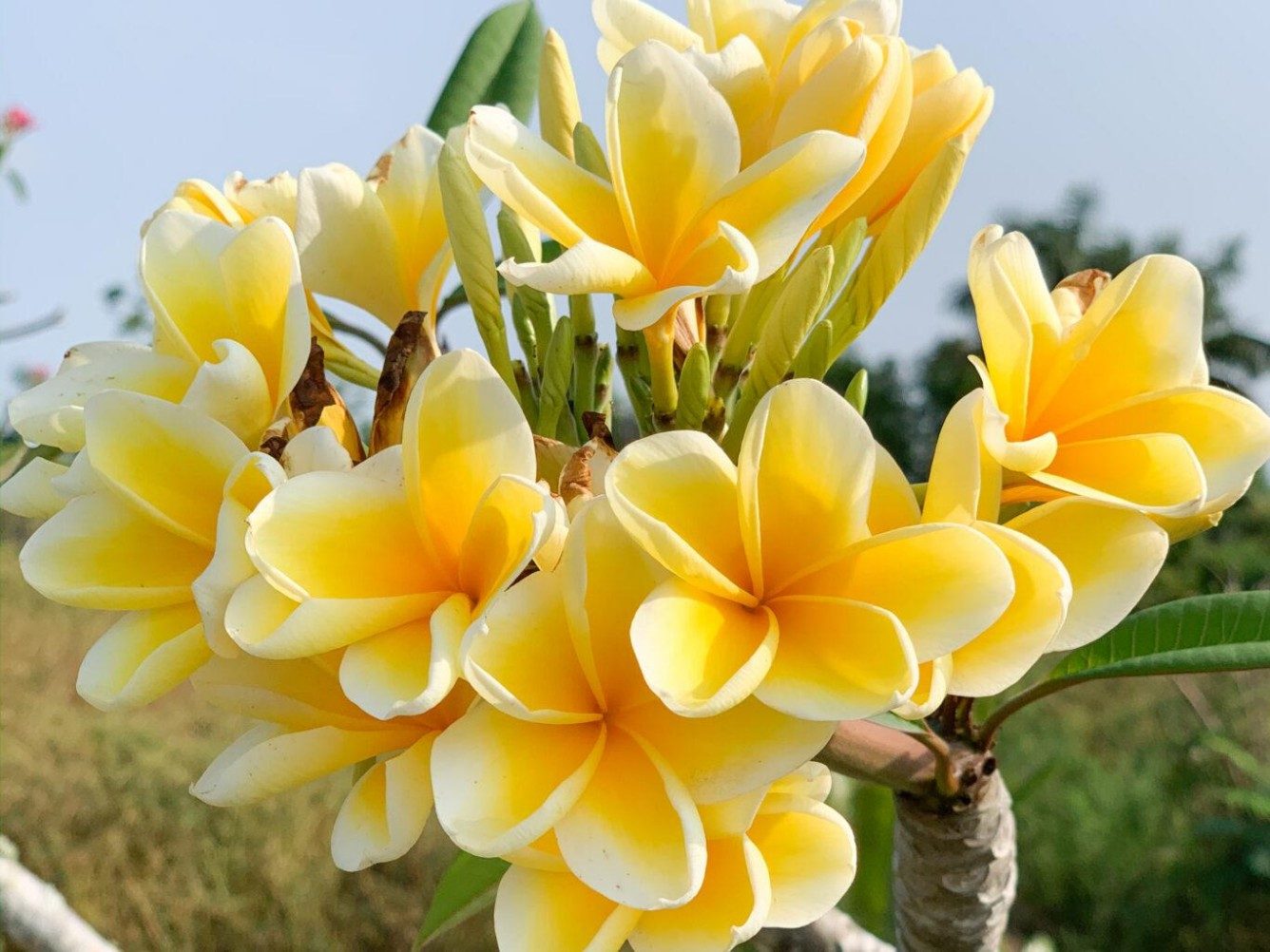
Plumeria rubra, commonly called red frangipani, is a tropical flowering shrub or small tree beloved for its vibrant, fragrant blooms. Native to Central America, Mexico, and the Caribbean, it features large, glossy green leaves and clusters of showy flowers in shades of red, pink, orange, or white—often with contrasting yellow centers. Thriving in full sun and well-drained soil, it’s a staple in tropical gardens and landscaping, symbolizing grace in many cultures. Though deciduous (losing leaves in cool seasons), its long blooming period and iconic scent make it a favorite for adding tropical charm.
Popular Plant Encyclopedia
-
-
Poisonous and danger
- Rhus typhina
-
-
-
Edible and medicinal
- Common sunflower
-
-
-
Poisonous and danger
- Plumeria rubra
-
-
-
Wild and common weed
- Convolvulus arvensis
-
-
-
Edible and medicinal
- Perilla frutescens
-
-
-
Edible and medicinal
- Pogostemon cablin
-
-
-
Edible and medicinal
- Common fenugreek
-
-
-
Edible and medicinal
- Garden Thyme
-
 Edible and medicinal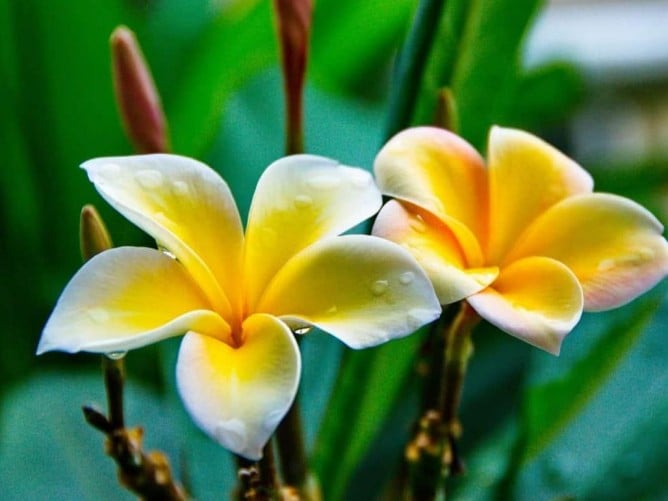
 Wild and common weed
Advertisement