Common sunflower
-
 Edible and medicinal
 - Also known as:Sunflower
 Edible and medicinal





Nursing Skills
Sufficient sunlight is key to growing healthy sunflowers. Keep the soil consistently moist but not waterlogged when watering. Provide fertile loam and adequate nitrogen fertilizer, especially important in the early growth stages. Taller varieties require support stakes to prevent them from falling over. Regularly check for pests and diseases.
Advertisement
Plant Properties
-
- Plant Type
- Annual Herb
-
- Plant Height
- 60 cm to 3 m
-
- Flower Color
- Yellow, Orange, Reddish Brown, Bicolor
-
- Leaf Color
- Dark Green
-
- Flowering Period
- Summer to Early Autumn
-
- Flower Head Diameter
- 10–45 cm
-
- Growth Cycle
- 70–100 days
-
- Cold Hardiness
- Low
Plant Care Requirements
-
Light Requirements
Full sun
-
Watering Requirements
Keep soil moist
-
Temperature Range
18–30°C
-
Soil Requirements
Fertile, well-drained
-
Fertilization
Apply balanced fertilizer or nitrogen fertilizer every 2–3 weeks
-
Support Requirements
Tall varieties require support
-
Humidity Requirements
Moderate
-
Humidity Requirements
Moderate
Advertisement
Plant Care Guide
-
How should I properly water sunflowers?
Keep moistSunflowers need consistently moist soil during their rapid growth phase to support root expansion. Watering should be done when the soil surface begins to dry, and the soil should be thoroughly soaked to ensure water reaches the root zone. Avoid frequent, light watering, as this will cause shallow root growth and reduce the plant's wind resistance. In the hot summer months, watering frequency can be increased, but avoid waterlogging to prevent root rot. Covering outdoor sunflowers with mulch helps retain moisture and reduce evaporation.
-
What fertilizer should I use for sunflowers? How often?
Nitrogen fertilizer promotes growthSunflowers need a higher nitrogen content in the early stages of growth to support rapid stem and leaf growth. You can use a general-purpose water-soluble fertilizer or slow-release fertilizer, applying it every two to three weeks. After entering the flowering period, reduce the nitrogen content and switch to fertilizers with higher phosphorus and potassium content to promote fuller flower heads. Avoid direct contact between fertilizer and the base of the stem to prevent burning. Excessive fertilization can lead to weak stems or lodging, so it's better to fertilize less rather than more and maintain a regular application schedule.
-
Do sunflowers need pruning? How to prune?
Light pruningSunflowers generally don't require regular pruning, but light pruning can be done to maintain their health. You can remove withered or diseased leaves at the base to reduce the growth of bacteria and pests. If you are growing a branching sunflower, you can prune weak side shoots to concentrate nutrients in the main inflorescence. Use clean garden shears when pruning and avoid pruning in wet weather to reduce the risk of infection. After pruning, the plant should be kept well-ventilated to promote recovery.
-
How to prevent tall sunflowers from lodging?
Support systemTall sunflowers are prone to lodging in strong winds or during the rainy season, so support poles need to be installed in advance. You can use bamboo, wooden, or metal poles, inserting them deeply next to the plant, and then easily tying the stems to the support with soft rope. Keep the ties loose to avoid damaging the stems. As the plant grows taller, more tying points need to be added to maintain stability. If the growing environment is frequently windy, the support system can be set up at the beginning of planting to improve overall wind resistance.
-
Can I successfully grow sunflowers in pots?
Choose a dwarf varietyGrowing sunflowers in pots is feasible, simply by choosing a dwarf or medium-height variety. Use a large pot at least 30–40 cm deep and ensure good drainage at the bottom. The potting soil should be fertile and contain a moderate amount of organic matter. Potted sunflowers dry out more easily than those planted in the ground, so they need more frequent watering. Place them in a sunny location and add liquid fertilizer every two weeks. To prevent the potted plant from tipping over, you can gently insert a support stick into the side of the pot for support.
-
How to Make Sunflowers Bloom Larger?
Optimized NutritionTo encourage large sunflower blooms, provide ample nitrogen fertilizer during the early growth stages to support strong stem and leaf development. As the plant approaches flowering, switch to a high-phosphorus fertilizer to promote flower head expansion. Maintaining full sun is crucial, as insufficient light will result in smaller flower heads. Keeping the soil consistently moist but not waterlogged allows for more stable nutrient transport. Removing side shoots from single-stem varieties also helps concentrate energy on the main flower head, resulting in larger and more uniform growth.
Advertisement
Frequently Asked Questions
-
1 Why aren't my sunflowers blooming?
Sunflowers not blooming is usually related to light, nutrient ratio, or growth cycle. Full sun is essential for flowering. Insufficient light will cause the plant to grow too tall but without flower buds. Excessive nitrogen fertilizer will also cause the plant to invest energy in the leaves instead of the flower head. Check if you've used a fertilizer with too much nitrogen; if necessary, adjust to a fertilizer with a higher phosphorus and potassium ratio. Also, some varieties bloom later; just be patient. Ensuring a stable temperature within a suitable range will also help promote flower bud formation.
-
2 What causes sunflower leaves to turn yellow?
Yellowing leaves can be caused by improper watering, nutrient deficiency, pests, or poor drainage. If the soil is too wet, the roots will lack oxygen, leading to yellowing leaves; if it's too dry, it will also wilt. Check soil moisture and adjust watering frequency. Nitrogen deficiency can also make leaves pale; you can supplement with a balanced fertilizer. If you find small insects or curled leaves, it may be aphids or mites; treat them promptly with a safe insecticide soap. Ensure proper drainage and observe for a few days; leaf color should usually improve.
-
3 What to do if sunflower stems become soft and droopy?
Softening stems are often related to overwatering, improper fertilization, or lack of support. Overly wet soil can lead to root rot, causing the stem to lose its support. Allow the soil to dry completely and check the root system. Excessive nitrogen fertilizer can cause the stems to grow too quickly and become soft, making them more prone to lodging. In this case, reduce the amount of fertilizer and add support. For tall varieties, support stakes must be installed early to help maintain uprightness. After adjustment, provide sufficient sunlight, and the plant will gradually regain its strength.
Advertisement
Introduction
The sunflower is a powerful plant with a striking appearance; its large, golden flower heads seem to sway with the sun. Native to the Great Plains of North America, it is commonly used for garden ornamentation, cut flowers, birdseed production, and oil extraction. Sunflowers are highly adap and grow rapidly in sunny, well-drained soil. Due to its intuitive growth rhythm and vigorous vitality, it is often considered an ideal introductory plant for novice gardeners. It can quickly develop a tall, upright form, bringing a positive and open visual atmosphere to the garden.
Popular Plant Encyclopedia
-
-
Poisonous and danger
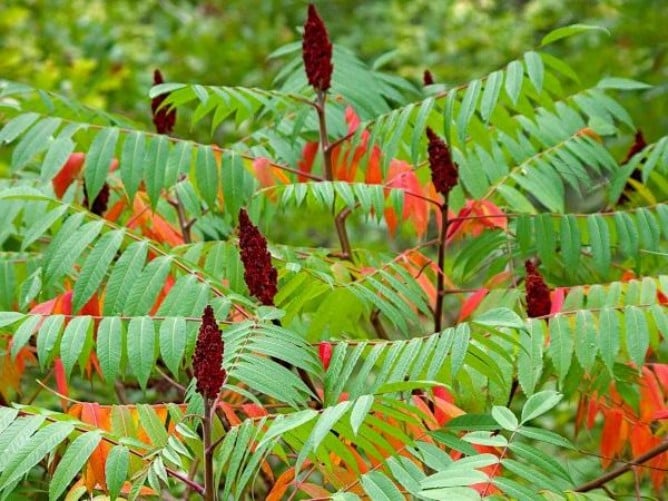
- Rhus typhina
-
-
-
Edible and medicinal
- Common sunflower
-
-
-
Poisonous and danger
- Plumeria rubra
-
-
-
Wild and common weed
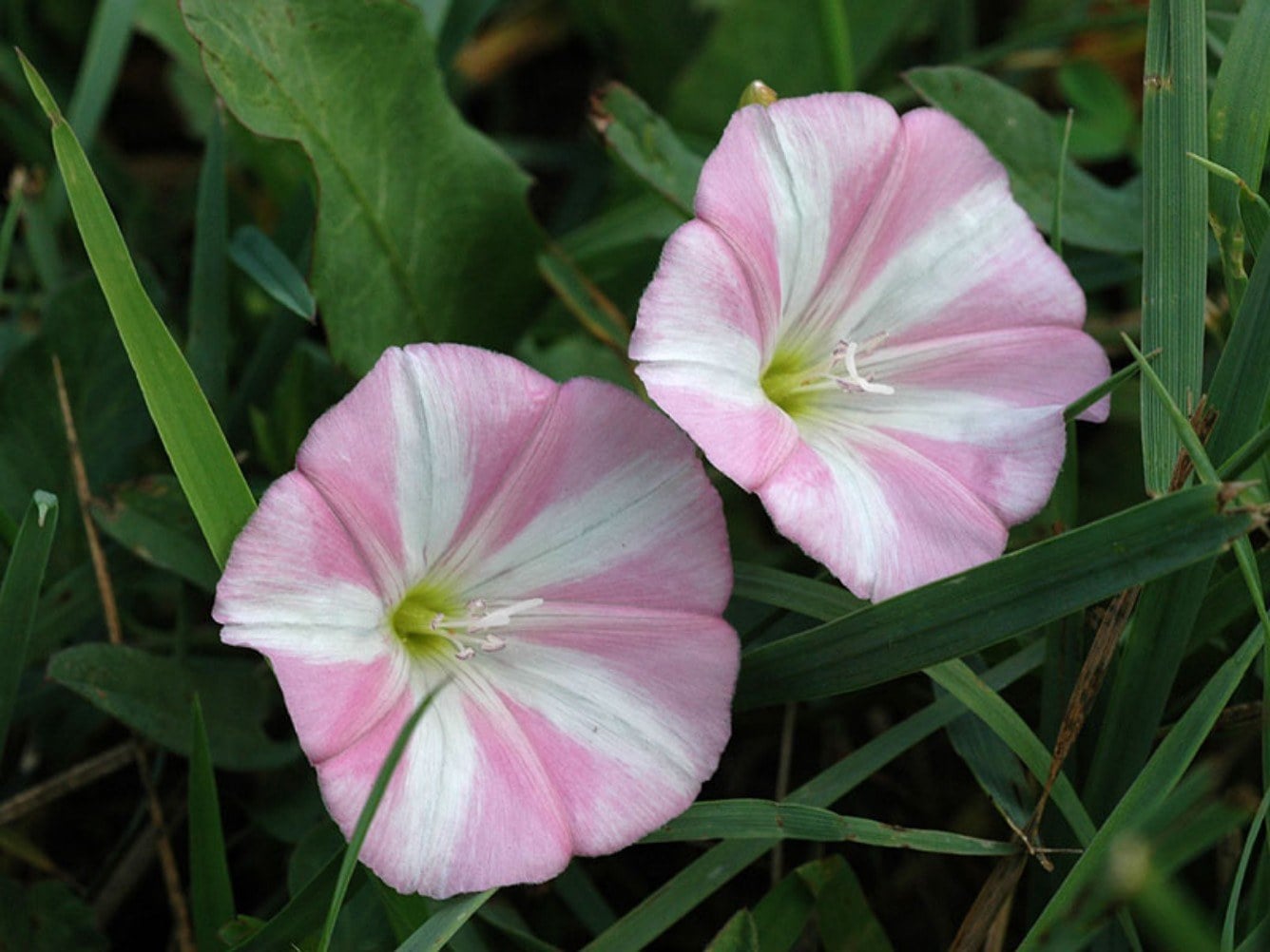
- Convolvulus arvensis
-
-
-
Edible and medicinal
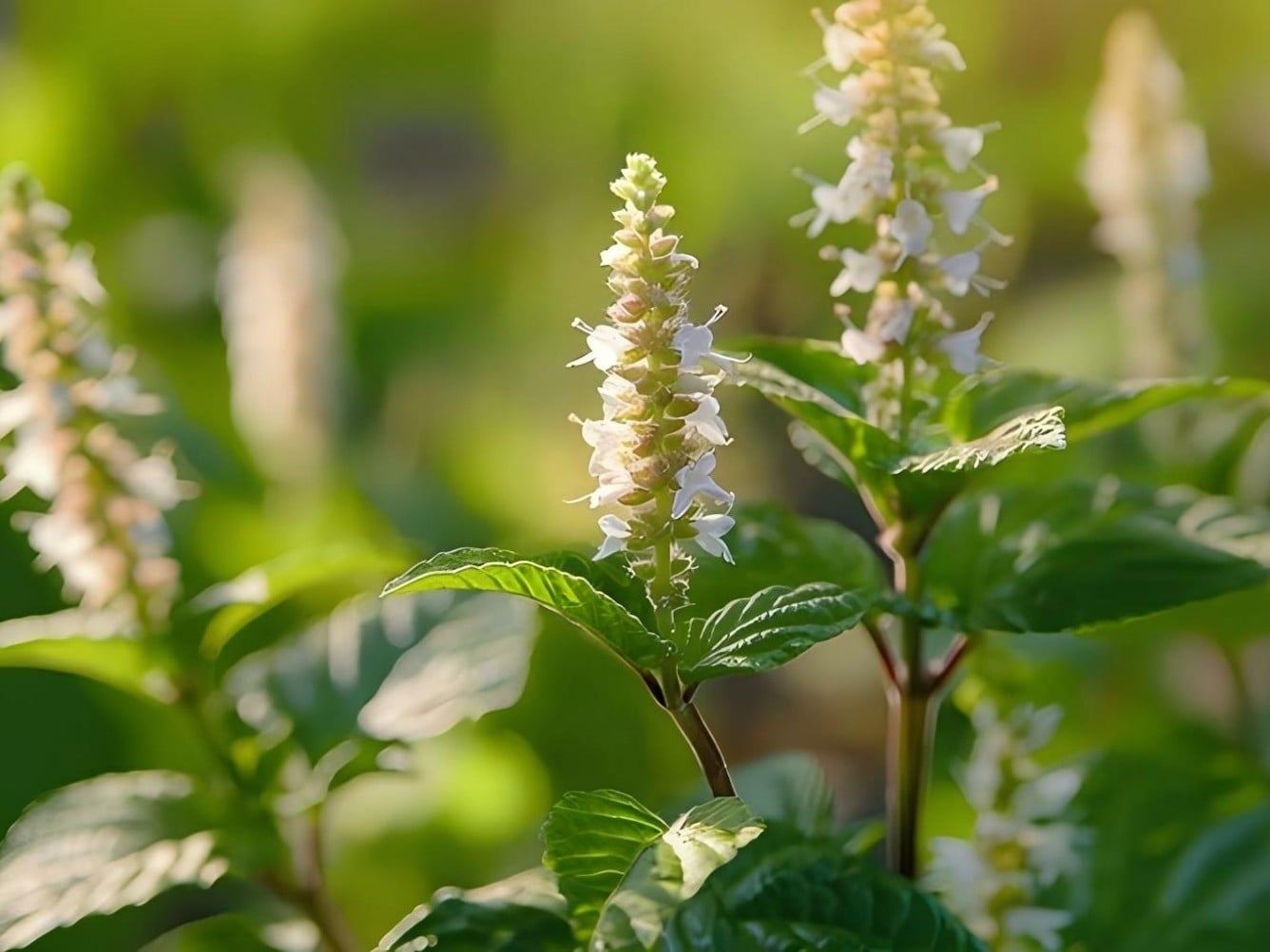
- Perilla frutescens
-
-
-
Edible and medicinal
- Pogostemon cablin
-
-
-
Edible and medicinal
- Common fenugreek
-
-
-
Edible and medicinal
- Garden Thyme
-
 Poisonous and danger

 Wild and common weed
Advertisement