
Lavender wont bloom? Dont overlook these care details!
Advertisement
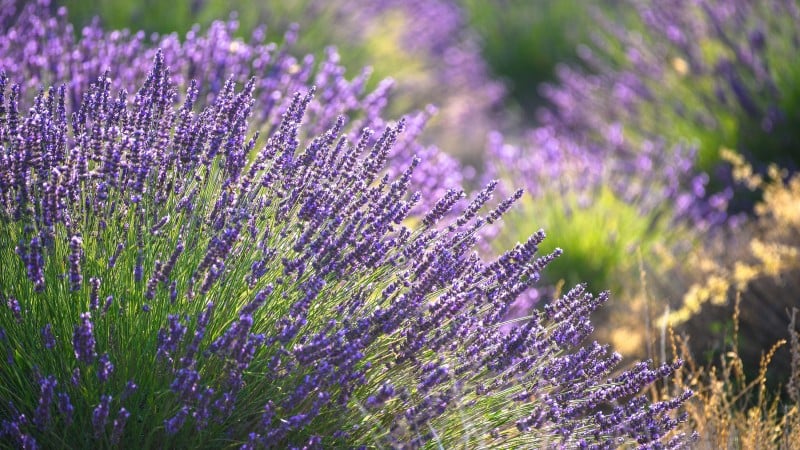
If you were to ask which plant embodies romance, lavender would undoubtedly be on the list. Its sea of purple flowers is not only visually stunning but also exudes a delicate fragrance, making it a popular choice for fragrances, essential oils, teas, and decorations. Many flower lovers eagerly anticipate a full bloom of lavender in their gardens or balconies, only to find it constantly growing leaves and no flowers. Why does this happen? Lavender is quite picky about its growing environment and care, and improper conditions can hinder its flowering.
Today, we'll detail the common causes and solutions for lavender not blooming, along with care tips to restore your plant's vibrant purple blooms.
1. Insufficient light: Lavender hates shade
Lavender is native to the Mediterranean region and naturally loves sunlight. If left in low light for extended periods, it will overgrow its leaves to absorb more light, but this significantly reduces its chances of blooming. Symptoms: Branches grow excessively long, leaves appear pale, and flower buds are sparse or absent.
Solution:
Ensure at least 6–8 hours of direct sunlight daily.
If growing indoors, move to a balcony or windowsill, or use a plant light.
Avoid placing the plant on a north-facing windowsill or in a shaded area for extended periods.
Tip: Light is essential for lavender to bloom profusely. Lavender is not a shade-tolerant plant, so no amount of fertilizer will help if light levels are insufficient.
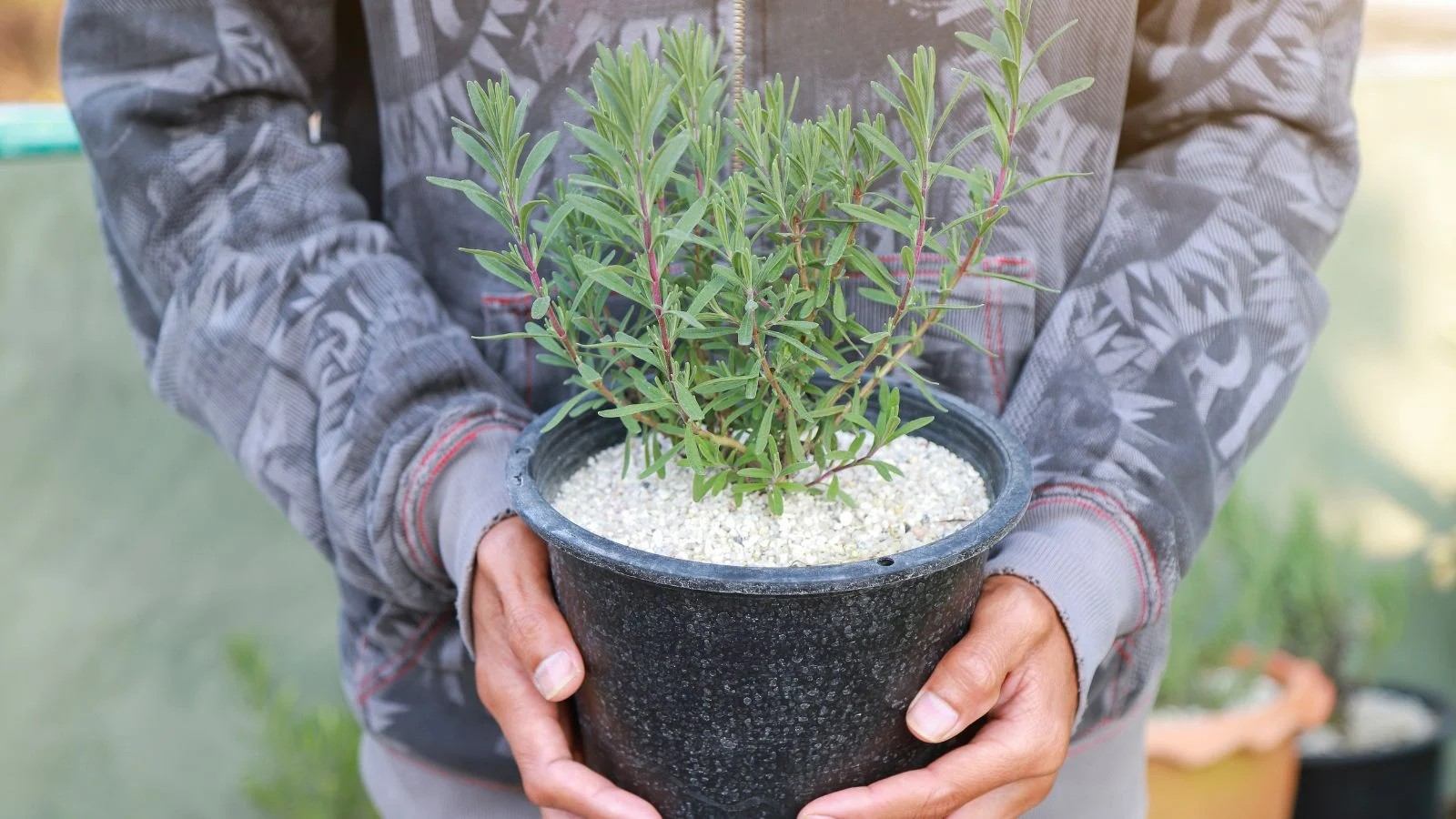
2. Incorrect Soil Conditions: Too Fertile Leads to Less Flowering
Many people believe that by adding nutrient soil and plenty of organic fertilizer to lavender, it will bloom vigorously. However, they often find only leaves and no flowers. This is because lavender prefers poor, well-drained alkaline soil. Overfertilization or excessive moisture can hinder flower bud formation.
Symptoms: Leaves appear dark green, the plant grows lushly, but no flower buds are formed.
Solution:
Use sandy loam or potting soil with perlite or coarse sand to improve drainage. Maintain an alkaline pH of 6.5–7.5. If necessary, mix a small amount of lime powder into the soil.
Apply nitrogen fertilizer sparingly to prevent excessive leaf growth. A small amount of phosphorus and potassium fertilizer can be added before flowering to promote flower bud differentiation.
Tip: Lavender prefers lean to fat. Too much fertilizer in the soil is a hidden killer for non-flowering.
3. Overwatering: Root damage affects flowering
Lavender's roots cannot tolerate waterlogging. Excessive watering can cause root rot, weakening the plant and naturally preventing flowering.
Symptoms: Yellowing and drooping leaves, and even a rotting odor from the roots.
Solution:
Adhere to the "wet when dry" principle, preferring a little dryness to prolonged wetness.
Keep the drainage holes at the bottom of the pot clear to prevent water accumulation.
During high temperatures in summer, water more frequently, but ensure that the soil is dry and rewatered quickly. Tip: To determine if watering is needed, insert your finger about 3–5 cm into the soil. Water only if it's dry.
4. Improper Pruning: New flowers are difficult to produce without pruning
In the wild, lavender plants constantly renew their branches through wind and animal contact. However, in captive environments, if left unpruned, their branches gradually age, hindering the growth of new buds and flower buds.
Symptoms: The center of the plant becomes woody, the outer branches become sparse, and the number of flowers decreases.
Solution:
Post-flowering pruning: Prune away spent flowers after they fade to encourage a second bloom.
Seasonal Pruning: Light pruning in spring promotes new growth; pruning in autumn helps maintain a compact plant.
Avoid cutting old, woody branches, as this may prevent them from producing new buds.
Tip: Regular pruning not only stimulates flowering but also maintains the plant's attractive appearance.
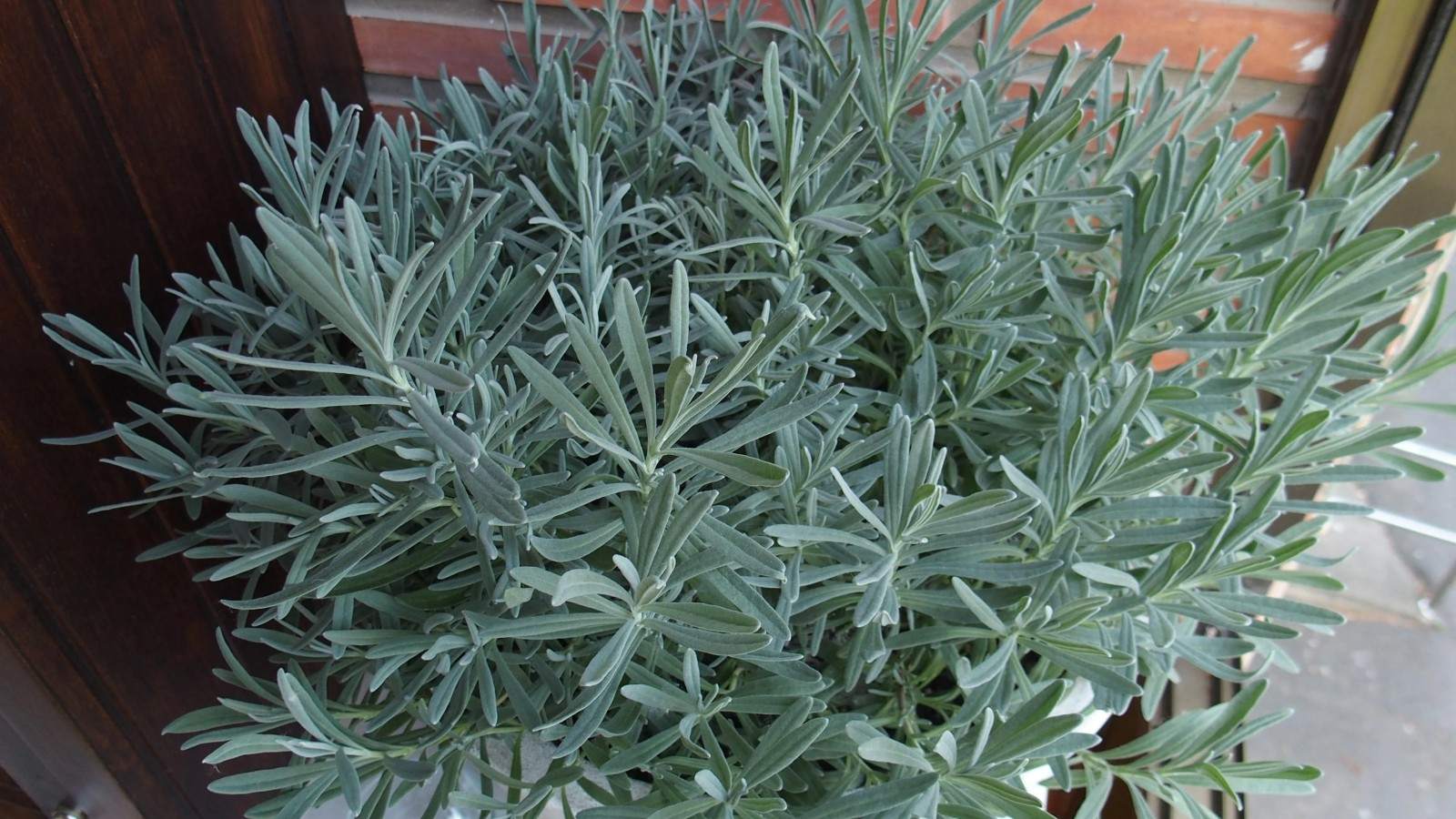
5. Variety Selection: Not all lavender plants are prone to flowering
There are over 40 lavender varieties, and each variety has varying adaptability to climate and environment. Some varieties thrive in cool, dry environments, while others prefer warmth. Choosing the wrong variety can make it difficult to bloom, even with the most meticulous care.
Common Varieties:
English Lavender: Highly cold-tolerant and fragrant.
French Lavender: Long-flowering, but less cold-tolerant.
Spanish Lavender: Unique inflorescences and highly ornamental, but demanding on the environment.
Recommendation: Choosing a variety appropriate for your climate will make it easier to grow flowers.
6. Fertilizing Incorrectly: Excessive Nitrogen Fertilizer Suppresses Flowering
Many people constantly feed lavender with compound fertilizer, but excessive nitrogen fertilizer will only lead to excessive leaf growth and fewer flower buds.
Solution:
Control nitrogen fertilizer use and increase phosphorus and potassium fertilizers appropriately during the early flowering period.
A single application of slow-release fertilizer in spring is sufficient; frequent fertilization is unnecessary.
Remember to "apply small amounts frequently" to avoid excessive application at once.
Tip: For blooms, focus on phosphorus and potassium fertilizers, not nitrogen.
7. Improper Winter Care: Frostbite or Excessive Humidity Affects Flower Buds
Although lavender is drought-tolerant, excessive humidity or low temperatures in winter can affect flower bud formation the following season.
Solution:
Keep the soil slightly dry in winter and reduce watering.
Control the temperature appropriately, avoiding prolonged periods below 5°C.
When growing indoors, maintain good ventilation to prevent dampness and cold that can damage the root system.
If lavender doesn't bloom, it doesn't mean you haven't done a good job; rather, it has its own unique preferences for the environment and care it provides. Insufficient light, infertile soil, excessive watering, improper pruning, the wrong fertilizer, or even the wrong variety can all cause it to produce leaves without blooms. By identifying the root cause and gradually addressing it, your lavender will quickly recover and produce clusters of purple flower spikes.
Remember this: To ensure more lavender blooms, return it to its "natural habitat"—full sun, good drainage, minimal fertilizer and water, and moderate pruning. When it blooms on your balcony or patio, you'll find that the wait and effort were all worth it.
Advertisement
Learn More
-

- October 20,2026
- Lily Disease Guide: Whats Killing Your Lilium longiflorum and How to Stop It
-
- September 17,2026
- Wax-Leaf Privet Diseases: Identification, Treatment & Prevention Guide
-
- September 1,2026
- Vinca Minor Diseases: Identification, Treatment and Long‑Term Garden Management
-
- August 18,2026
- Tree Philodendron Diseases: Identification, Treatment and Long‑Term Prevention
-
- August 6,2026
- Common Ailments of Plantago major: Identifying, Treating and Preventing Diseases in Broadleaf Plantain
-
- July 30,2026
- Zodiac-themed Bouquets Combined with Floral Language: Different Color Schemes Create More Artistic Birthday Surprises
Advertisement
 Poisonous and danger
 Edible and medicinal
 Wild and common weed