
Why are the leaves of Prunus laurocerasus attacked by caterpillars?
Advertisement
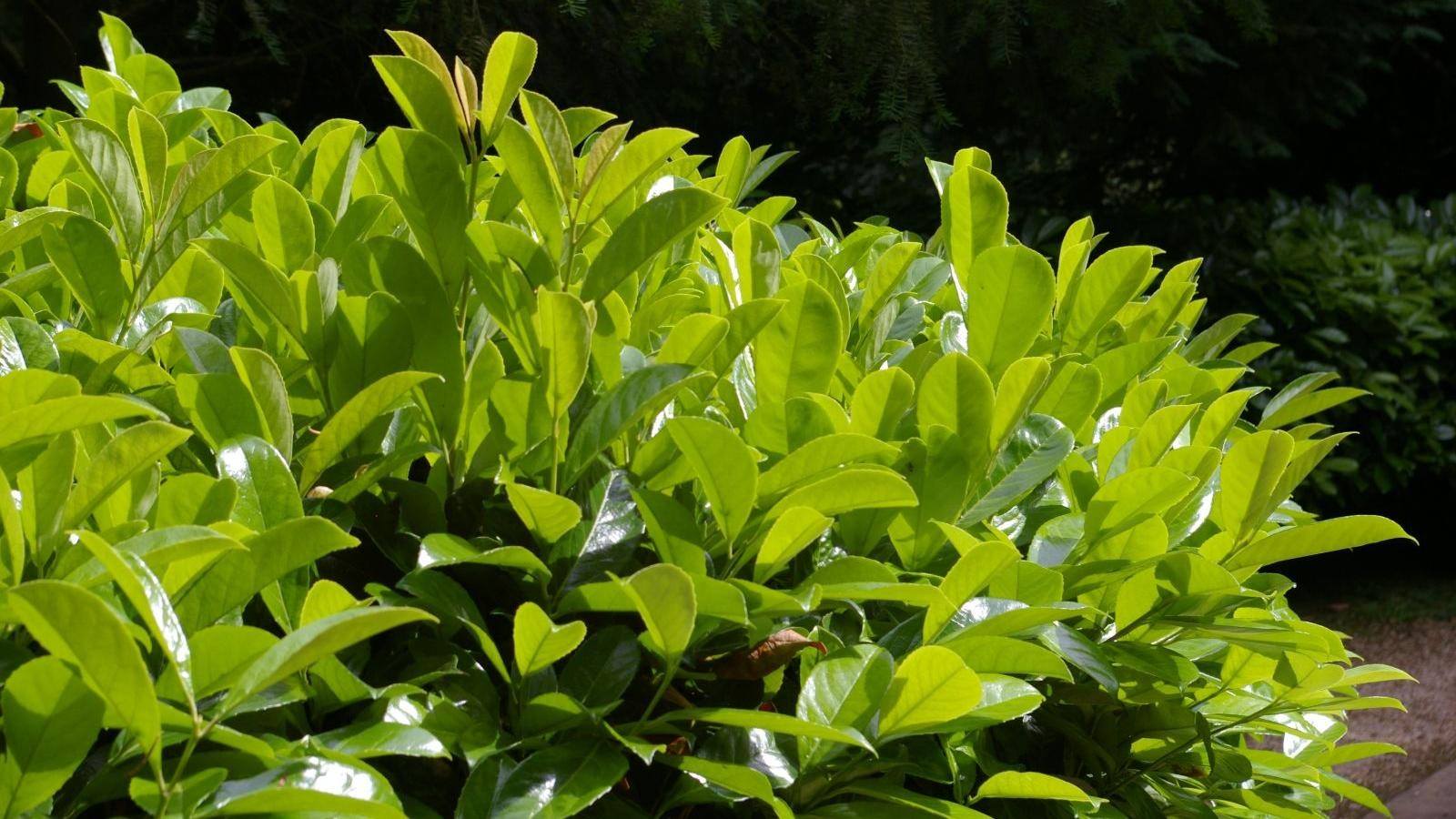
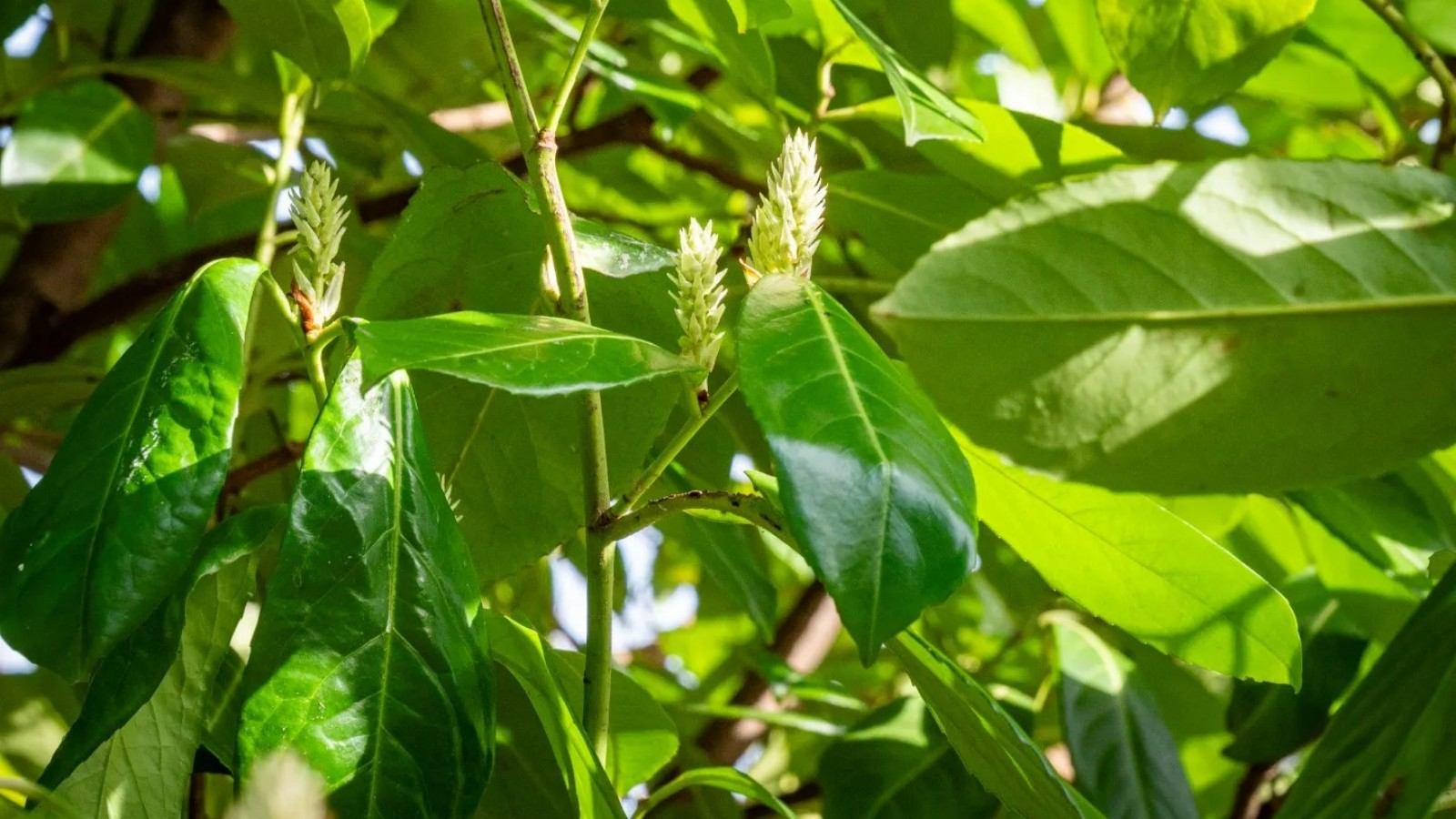
Prunus laurocerasus, commonly known as cherry laurel or English laurel, is one of the most beloved evergreen shrubs across Europe, North America and many temperate regions worldwide. Valued for its dense, glossy deep-green foliage, fragrant white spring blossoms and strong adaptability, it is widely planted as formal hedges, landscape backdrops, privacy screens and standalone ornamental shrubs in residential gardens, public parks, commercial landscapes and roadside green belts. This hardy plant can thrive in full sun or partial shade, tolerates various soil conditions and cold climates, and requires only basic routine maintenance, making it a top choice for both beginner gardeners and professional landscape designers.
Despite its overall resilience, cherry laurel frequently faces a common pest threat: caterpillar infestations. Many gardeners have noticed irregular holes, ragged edges, skeletonized leaf surfaces and even partially defoliated branches on their Prunus laurocerasus. In severe cases, large areas of foliage are devoured, ruining the shrub’s neat ornamental appearance. Repeated caterpillar damage also weakens the plant gradually, slowing down its growth rate, reducing flowering in the next season and making it more vulnerable to fungal diseases and other pests. This article will comprehensively explore why cherry laurel leaves are so attractive to caterpillars, identify the main caterpillar species involved, analyze the underlying environmental and biological causes, and share practical prevention and control methods to help gardeners protect their Prunus laurocerasus effectively.
1. Biological traits of Prunus laurocerasus: The core reasons for caterpillar preference
The fundamental reason why caterpillars actively feed on cherry laurel leaves lies in the unique physical and nutritional characteristics of the foliage, which perfectly match the survival and growth needs of multiple caterpillar species. Unlike some plants with strong natural insect repellent compounds, Prunus laurocerasus produces leaves that serve as an ideal food source for many lepidopteran larvae. First of all, cherry laurel leaves are thick, succulent and rich in organic nutrients such as carbohydrates, proteins and trace minerals. For caterpillars, which spend almost their entire larval stage eating to store energy for pupation and metamorphosis, nutrient-dense foliage means faster growth, higher survival rates and stronger vitality. Compared with thin, dry or bitter leaves of other shrubs, the tender and plump leaves of cherry laurel can provide sufficient energy for caterpillars to complete their life cycle.
Secondly, the dense growth habit of Prunus laurocerasus creates an excellent living environment for caterpillars. As an evergreen shrub that grows vigorously and forms thick canopies, it layers countless leaves closely together. This dense foliage shields caterpillars from direct sunlight, strong winds, heavy rain and natural predators such as birds, ladybugs and predatory wasps. Many small caterpillars hide on the back of leaves or between overlapping foliage during the day, only coming out to feed at dawn, dusk or night. The humid, stable microclimate inside the cherry laurel hedge also avoids extreme temperature changes, greatly improving the survival probability of eggs and young larvae. In addition, cherry laurel keeps its leaves all year round. While most deciduous plants lose leaves in autumn and winter, this evergreen shrub provides a continuous food supply for overwintering or early spring caterpillars, so it becomes a permanent feeding habitat for pest populations.
2. Main caterpillar species that infest Prunus laurocerasus and their living habits
A variety of caterpillar species target cherry laurel, and different regions have dominant pest types. The most widespread and destructive one is the laurel moth caterpillar, a species specifically adapted to feed on plants of the Prunus genus. The adult moths lay clusters of tiny pale yellow eggs on the undersides of cherry laurel leaves from late spring to early summer. After hatching, the young larvae start to gnaw small holes on leaf surfaces. As they grow, their appetite surges, and they will devour large areas of leaves, leaving only leaf veins in serious infestations. These caterpillars are gregarious in the early stage; dozens of larvae gather on the same branch to feed, which leads to rapid spread of damage across the whole shrub in a short time.
Another common pest is the winter moth caterpillar, which is prevalent in cold temperate zones. Adult winter moths are active in late autumn and winter. They crawl onto cherry laurel branches to lay eggs, and the eggs remain dormant on twigs through the cold season. When the temperature rises in early spring and new leaves sprout, the larvae hatch immediately and start feeding on young tender leaves. Since new foliage is the most nutritious part of the shrub, winter moth caterpillars can cause devastating damage to new growth. Besides, garden webworm caterpillars are also frequent invaders. They spin thin silk webs to wrap groups of leaves together, hide inside the webs and feed on leaves. The silk webs not only affect the beauty of cherry laurel, but also create a closed environment that makes traditional spraying methods less effective. Some generalist caterpillars, such as cabbage moth larvae and tortricid moth caterpillars, will also turn to cherry laurel when their preferred host plants are insufficient, expanding the scope of infestation.
3. Environmental and gardening management factors that trigger severe caterpillar infestation
Natural biological properties make Prunus laurocerasus a potential host for caterpillars, while unreasonable environmental conditions and daily gardening practices will further exacerbate pest problems. The first major factor is poor ventilation and excessive humidity. Cherry laurel is often planted as continuous hedges. If gardeners trim the hedge into an overly thick and tight shape, air cannot circulate inside the canopy. After rainfall or watering, water droplets stay on leaves for a long time, forming a humid microclimate. This kind of environment is not only conducive to the hatching of moth eggs, but also accelerates the reproduction of caterpillars. What is more, humid conditions will induce leaf spot fungus and powdery mildew on cherry laurel. Weakened diseased leaves have reduced natural resistance, and are more likely to be selected by caterpillars for feeding, forming a vicious cycle of pests and diseases.
Improper watering and fertilization are also important inducements. Many gardeners water cherry laurel from above, spraying water directly onto the foliage instead of irrigating the root zone. Wet leaves all day long create favorable conditions for moth activities and egg attachment. In terms of fertilization, excessive application of nitrogen fertilizer will make cherry laurel grow too rapidly, producing soft, tender new leaves. Such leaves have weaker cell walls and lower content of natural defensive substances, which are far more attractive to caterpillars than normally grown foliage. In addition, inadequate garden cleaning is a common oversight. Fallen leaves, broken branches and weeds around the base of Prunus laurocerasus can shelter moth pupae and overwinter eggs. If these debris are not cleaned up regularly, pest populations will survive through the winter and break out in large numbers in the next growing season. Moreover, the excessive use of broad-spectrum pesticides in the surrounding garden will kill a large number of natural enemies of caterpillars, such as parasitic wasps and insectivorous birds. Without natural ecological restraint, caterpillar populations will multiply wildly.
4. Seasonal rules and life cycle of caterpillars on Prunus laurocerasus
To fully understand caterpillar damage, it is necessary to master their seasonal activity rules combined with the growth cycle of cherry laurel. In most temperate regions, the first round of infestation occurs in early spring. At this time, cherry laurel sprouts new bright green leaves, and overwintered moth eggs begin to hatch. Young caterpillars concentrate on eating tender new leaves, which is the first peak of damage throughout the year. As the temperature rises steadily in late spring and early summer, adult moths complete mating and lay the second batch of eggs. This period sees the largest number of caterpillars, and the damage spreads to mature leaves. For dense cherry laurel hedges, obvious leaf holes and defoliation can be observed within one to two weeks.
In mid-summer, high temperatures and occasional heavy rains will inhibit the activity of some caterpillar species, and the pest pressure will temporarily ease. However, heat-resistant caterpillar types will continue to reproduce, and hidden larvae inside the canopy keep feeding. When autumn comes, the temperature turns mild again, which is suitable for the growth of the third generation of caterpillars. At this stage, caterpillars mainly feed on mature old leaves. Although the damage is not as obvious as in spring and summer, long-term feeding will consume a lot of nutrients stored by the shrub, affecting its cold resistance in winter. In late autumn, most caterpillars stop feeding, crawl down to the soil layer or hide in leaf litter at the base of the shrub to pupate and overwinter. This complete annual life cycle allows caterpillar populations to stably reproduce year after year. If no intervention is carried out, the infestation will become more and more serious over time, and the health of Prunus laurocerasus will be continuously damaged.
5. Practical integrated solutions: Prevention and control of caterpillars on Prunus laurocerasus
Combined with the above analysis of causes and habits, an integrated management strategy combining prevention, physical control, biological control and chemical control is the most scientific way to protect cherry laurel. Prevention is always the first priority. When planting cherry laurel hedges, reserve proper gaps between shrubs to ensure internal air circulation. When pruning, avoid over-trimming to form an airtight canopy; properly thin out inner branches regularly to reduce humidity inside the foliage.
Change the watering method: always water the soil around the roots, and never spray water on leaves for a long time. Use balanced compound fertilizer instead of excessive nitrogen fertilizer to maintain robust but not overly luxuriant growth of the shrub, and enhance its natural pest resistance. Every autumn and early spring, thoroughly clean up fallen leaves, weeds and dead branches around the plants to eliminate overwintering pupae and eggs.
For existing caterpillar infestations, physical removal is the safest method for small-area damage. Check the back of leaves and branch gaps regularly every week. Manually pick off caterpillars, egg clusters and silk webs, and destroy them in a sealed container. For garden webworms with wrapped leaves, cut off the damaged branches and dispose of them centrally. Install bird feeders and birdbaths near the cherry laurel to attract insectivorous birds, which are natural predators to control caterpillar quantities. Biological pesticides are recommended for moderate infestation.
Bacillus thuringiensis (Bt) is a highly effective biological agent specifically targeting lepidopteran larvae. It is non-toxic to humans, pets, birds and beneficial insects, and will not pollute the environment. Spray Bt solution on the front and back of leaves in the early morning or evening, and the caterpillars will stop feeding and die after eating the sprayed foliage.
When facing large-scale severe infestation, low-toxicity chemical insecticides can be used reasonably. Select targeted insecticides for caterpillars, and strictly follow the dosage and usage instructions on the product label. Conduct spraying on a windless and sunny day, and make sure the liquid penetrates into the dense inner canopy to reach hidden larvae.
Avoid using high-toxic broad-spectrum pesticides, and do not spray repeatedly for a long time to prevent pests from developing drug resistance. It is also necessary to rotate different types of pesticides regularly. After the pest situation is under control, return to daily maintenance and preventive work. By combining multiple methods, we can effectively curb caterpillar damage, keep Prunus laurocerasus with dense and glossy foliage, and maintain its excellent ornamental and landscape value for a long time.
In summary, caterpillars attack the leaves of Prunus laurocerasus for a combination of biological, environmental and human management reasons. The nutrient-rich, thick foliage and dense evergreen canopy of cherry laurel provide caterpillars with ideal food and shelter. Various moth species have evolved to regard this shrub as a major host plant, forming stable reproductive populations.
Meanwhile, poor ventilation, excessive humidity, improper watering and fertilization, incomplete garden cleaning and the reduction of natural enemies will all aggravate pest outbreaks. The seasonal life cycle of caterpillars also makes the infestation present regular periodic changes throughout the year.
As one of the most popular evergreen landscape shrubs, Prunus laurocerasus does not need complicated maintenance, but targeted pest management is indispensable. Understanding the root causes of caterpillar damage helps gardeners move from passive pest elimination to active scientific prevention.
By optimizing planting and trimming methods, standardizing water and fertilizer management, insisting on regular garden cleaning, and flexibly using physical, biological and chemical control means according to the severity of infestation, we can perfectly resolve the caterpillar problem. Let your cherry laurel stay lush and healthy all year round, and continue to add beautiful green scenery to gardens and landscapes.
Advertisement
Learn More
-

- October 20,2026
- Lily Disease Guide: Whats Killing Your Lilium longiflorum and How to Stop It
-
- September 17,2026
- Wax-Leaf Privet Diseases: Identification, Treatment & Prevention Guide
-
- September 1,2026
- Vinca Minor Diseases: Identification, Treatment and Long‑Term Garden Management
-
- August 18,2026
- Tree Philodendron Diseases: Identification, Treatment and Long‑Term Prevention
-
- August 6,2026
- Common Ailments of Plantago major: Identifying, Treating and Preventing Diseases in Broadleaf Plantain
-
- July 30,2026
- Zodiac-themed Bouquets Combined with Floral Language: Different Color Schemes Create More Artistic Birthday Surprises



Advertisement

 Poisonous and danger
 Edible and medicinal
 Wild and common weed