
Potted Plants or Cut Flowers for Holidays? A Comparison of Aromatic Plant Gift Options
Advertisement
During holidays, people often express their blessings and sentiments through a plant gift. From birthdays and housewarmings to Mother's Day, Teacher's Day, Spring Festival, and Mid-Autumn Festival, fresh flowers and potted plants are always popular gift choices. In recent years, aromatic plants with natural fragrances have gained increasing attention from consumers, leading many to hesitate when choosing a gift: is a bouquet of cut flowers more ceremonial, or a potted aromatic plant that can provide long-term companionship more valuable?
In fact, there is no absolute superiority or inferiority between these two gift-giving methods; rather, they are suitable for different occasions, recipients, and expressive needs. Only by understanding their respective characteristics can a plant gift truly fulfill its emotional value.
1. Cut Flowers: Creating a Festive Atmosphere with Fleeting Yet Stunning Beauty
The greatest charm of cut flowers lies in their ability to quickly create a strong sense of festive ritual. The moment the recipient opens the package, the rich colors, exquisite flower shapes, and intoxicating fragrance often bring a strong visual and olfactory impact. This immediate sense of happiness is a major reason why cut flowers have always been so popular.
For many important holidays, people prefer gifts that convey emotions immediately. Whether expressing gratitude, celebrating success, or conveying romance, a professionally arranged fragrant bouquet can quickly make the recipient feel the giver's thoughtfulness. Flowers with natural fragrances, such as roses, lilies, lisianthus, violets, and freesias, are frequently popular choices during holidays, and different scents can create a warm, elegant, or relaxed atmosphere.
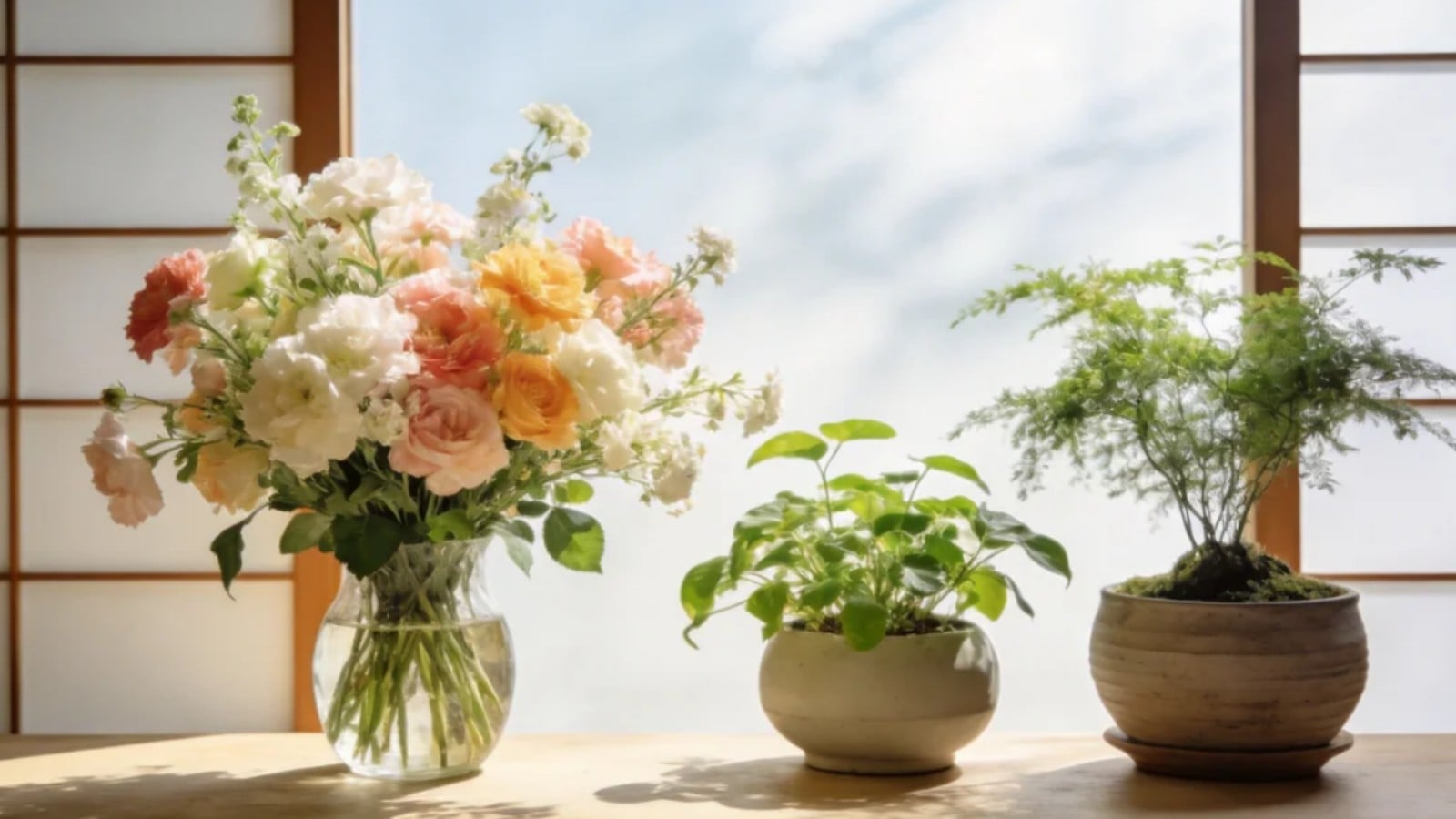
Furthermore, modern floral design is constantly enriching the forms of cut flowers. Besides traditional bouquets, there are now flower baskets, flower boxes, table centerpieces, and hand-held flower bags, making gifts more stylish and suitable for different age groups and holiday occasions. For corporate gifts, business visits, or large celebrations, cut flowers can often quickly enhance the atmosphere, becoming a choice that combines decoration and gift-giving functions.
However, the biggest characteristic of cut flowers is also their biggest limitation—their relatively short lifespan. Even with preservation treatments, most fresh flowers can only maintain their best condition for a few days to about two weeks. Therefore, cut flowers are more suitable as gifts for immediate emotional expression than as long-term companionship gifts.
2. Potted Plants: Transforming Blessings into Continuously Growing Companions
Compared to cut flowers, aromatic potted plants emphasize long-term value. They are not just a gift, but a "green companion" that accompanies life. As the plant grows, the recipient will continuously recall the giver's blessings while caring for it, thus carrying a more enduring emotional significance.
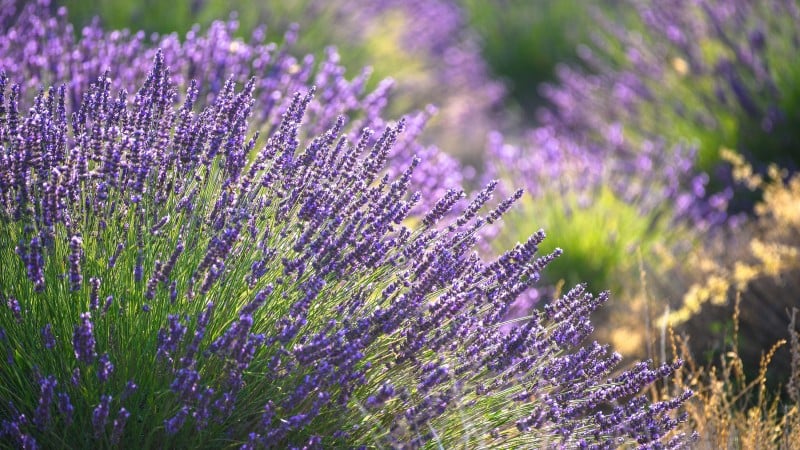
In recent years, more and more consumers have begun to favor aromatic potted plants such as rosemary, lavender, mint, lemon balm, gardenia, and jasmine. These plants not only possess natural fragrances but also have both ornamental and practical value. Some can be used to make tea or sachets, some can be used as culinary herbs, and others can improve the home environment, enriching the gift's purpose.
For occasions such as moving to a new home, business openings, graduation anniversaries, or retirement celebrations, potted plants often carry more symbolic meaning than cut flowers. The continuous growth of plants represents hope, growth, prosperity, and vitality, making it easier to convey lasting blessings. Especially in modern homes, more and more people prefer to create natural and comfortable living spaces. A delicate, fragrant plant can seamlessly integrate into the living room, balcony, study, or office desk, becoming a part of daily lifea.
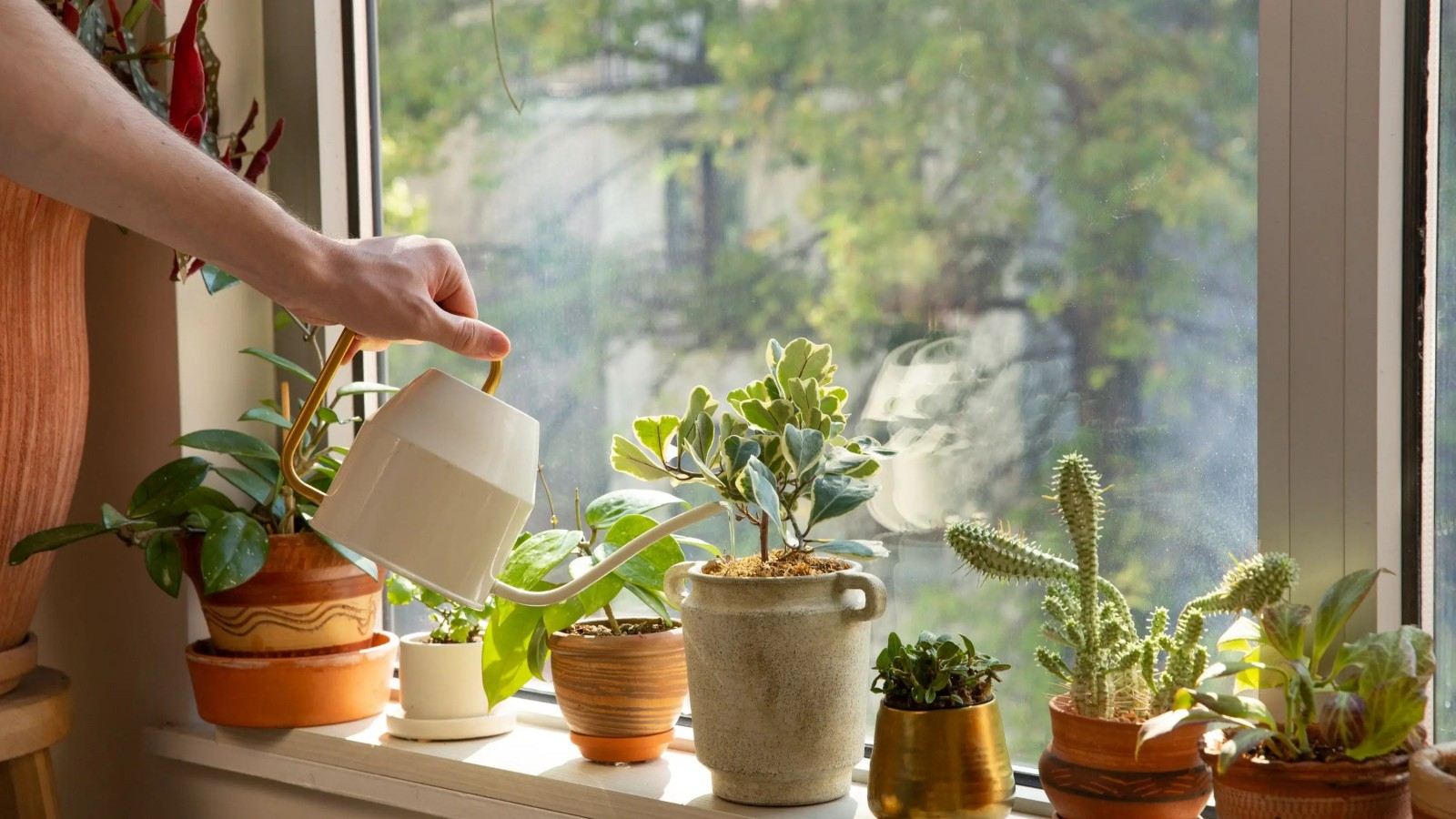
Of course, potted plants also require a certain level of care. Different plants have different requirements for light, watering, temperature, and ventilation. If the recipient is busy or lacks experience in plant care, choosing a hardy variety is particularly important. Only when the plant grows healthily can the gift truly reflect its long-term value.
3. Different Gift-Giving Methods for Different Holidays Better Express Sincerity
The appropriateness of a gift largely depends on the occasion. Different holidays express different emotions, so plant gifts should also vary.
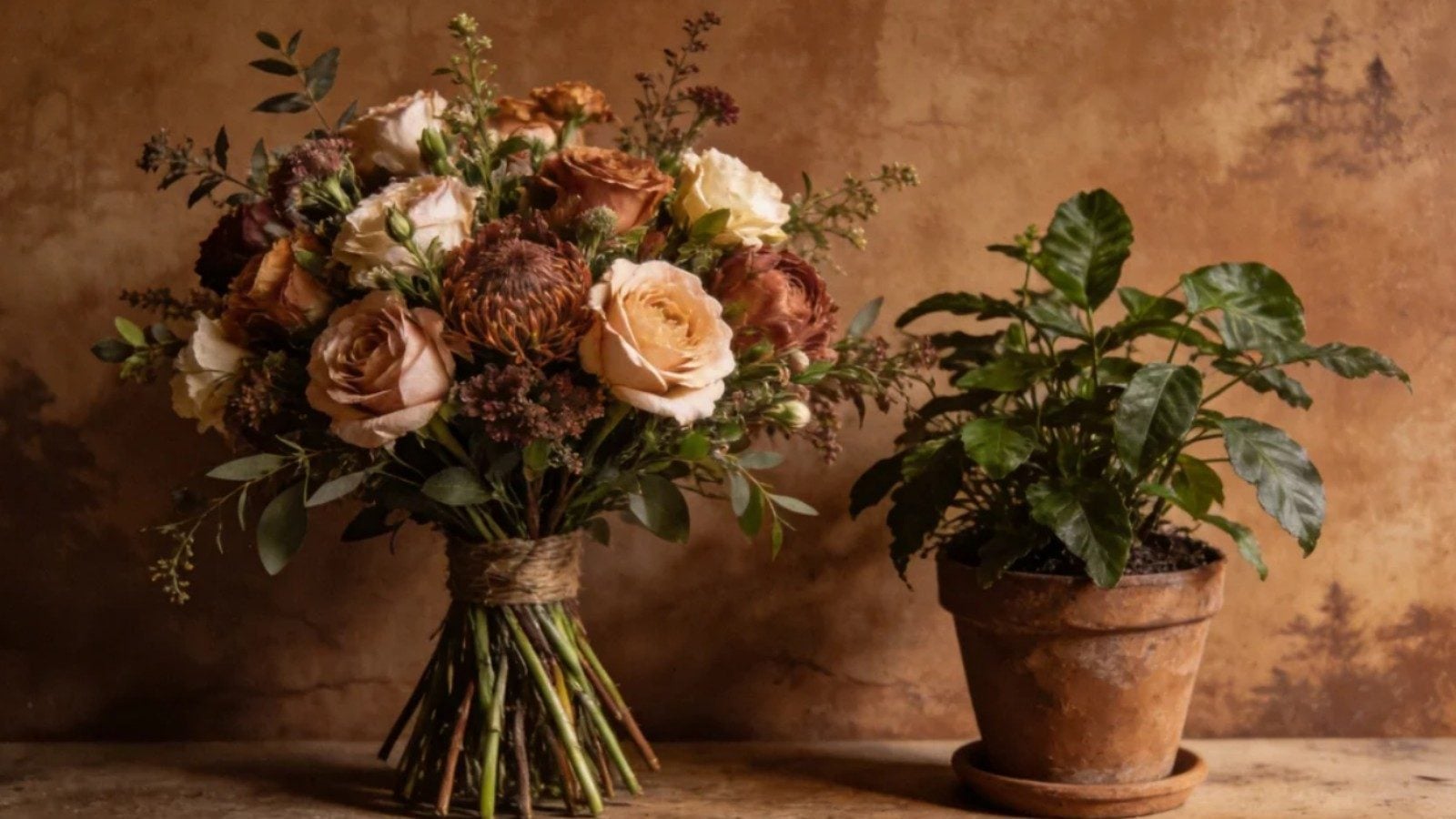
For holidays emphasizing romance, such as Valentine's Day, anniversaries, proposals, or birthday parties, cut flowers are usually more likely to create a surprise. Fresh flowers can quickly brighten the scene, and the photos are more striking, perfectly matching the consumption habits of modern young people who value a sense of ritual.
For family-oriented celebrations such as housewarmings or business openings, potted plants are easier to integrate into the home environment. Especially plants with natural fragrances not only decorate spaces but also provide lasting companionship, extending holiday blessings.
Teacher's Day, Father's Day, and Mother's Day are holidays where both options are suitable. If you want to express gratitude and respect, a delicate bouquet can create an immediate feeling; if you want to convey long-term companionship and wishes for good health, a potted fragrant plant is more meaningful.
As consumers increasingly value personalized expression, many combination gift options have emerged. For example, combining small potted plants with a few fresh flowers in a package retains the ritualistic feel of fresh flowers while offering the long-term value of plants. This innovative combination has gradually become a new trend in plant-based gifting in recent years.
4. In-depth comparison of core dimensions for precise matching of gift-giving scenarios
Many people struggle with gift-giving because they haven't distinguished between the scenario and their needs. Considering the fragrance experience, maintenance costs, emotional value, and suitable target audience, the suitable scenarios for the two gift-giving methods are completely different.
If you're looking for an immediate sense of ritual, zero burden, and a strong atmosphere, prioritize fragrant cut flowers. For couples' dates, short holiday visits, and short celebrations for young people, the exquisite romance and stunning opening of cut flowers are irreplaceable. No need for the recipient to worry about maintenance; simply enjoy the beauty and fragrance in the moment, without the burden of subsequent care. Perfect for casual social occasions.
If you value lasting symbolism, practicality, and enduring companionship, fragrant potted plants are the top choice. For housewarming gifts, birthday wishes for elders, expressions of gratitude to teachers, and deep friendships, the evergreen vitality and lingering fragrance of potted plants show thoughtfulness. It's not just a holiday gift, but a daily companion; every time you smell the fragrance and see the greenery, you'll remember the giver's sentiment, allowing blessings to last.
From a fragrance perspective, cut flowers have a strong, concentrated, and powerful scent, suitable for short-term atmosphere creation; potted plants have a light, lingering, and soothing fragrance, suitable for long-term home companionship. In terms of maintenance costs, cut flowers only require watering and pruning, making them effortless; potted plants require regular care, suitable for those with leisure time, a love of life, and knowledge of plant care.
5. How to choose a more suitable plant gift based on the recipient?
A truly successful gift isn't just about price; it's about matching the recipient's lifestyle.
For young people, aesthetics and social sharing are often key considerations, making beautifully presented and stylishly packaged cut flowers more appealing. If the recipient enjoys gardening, a small, well-designed, fragrant potted plant can also be a cherished gift.
For elders, potted plants are often more acceptable. Many enjoy gardening, and a plant that continuously blooms or emits fragrance not only enriches their daily lives but also adds to the enjoyment of caring for plants.
For office colleagues or business partners, aesthetics and practicality are both important. Cut flowers create a celebratory atmosphere, while easy-to-care-for small herbs and desktop plants are more convenient to display, don't take up much space, and can improve the office environment.
If the recipient travels frequently, has a busy schedule, or lacks gardening experience, prioritize hardy, easy-to-care-for plants. If the recipient is a gardening enthusiast, choose a long-blooming, richly scented plant to make the gift more collectible.
6. Aromatic Plant Gifts Are Shifting from "One-Time Consumption" to "Emotional Companionship"
In recent years, people's understanding of plant gifts has been changing. In the past, flowers were primarily a holiday consumer good; now, more and more people are paying attention to the life value, emotional value, and environmental protection concepts behind plants. Consumers not only want gifts that are beautiful, but also that they can accompany life, improve the environment, and become part of daily memories.
Therefore, whether it's cut flowers or potted plants, they are no longer just simple plant products, but important mediums for emotional exchange between people. Cut flowers excel at creating instant surprises, making holidays more romantic and vibrant; potted plants, through continuous growth, extend blessings into every day of the future.
For gift givers, there is no absolutely right choice, only the most suitable way of expression. Understanding the holiday atmosphere, the recipient, and the characteristics of the plant, combined with the unique natural charm of aromatic plants, a plant gift can transcend the item itself and become a cherished emotional memory. When the fragrance of flowers blends into life, and when plants accompany growth, every gift-giving is not only a holiday ritual, but also a continuation of warm relationships between people.
Advertisement
Learn More
-

- October 20,2026
- Lily Disease Guide: Whats Killing Your Lilium longiflorum and How to Stop It
-
- September 17,2026
- Wax-Leaf Privet Diseases: Identification, Treatment & Prevention Guide
-
- September 1,2026
- Vinca Minor Diseases: Identification, Treatment and Long‑Term Garden Management
-
- August 18,2026
- Tree Philodendron Diseases: Identification, Treatment and Long‑Term Prevention
-
- August 6,2026
- Common Ailments of Plantago major: Identifying, Treating and Preventing Diseases in Broadleaf Plantain
-
- July 30,2026
- Zodiac-themed Bouquets Combined with Floral Language: Different Color Schemes Create More Artistic Birthday Surprises
Advertisement
 Poisonous and danger
 Edible and medicinal
 Wild and common weed