
Wax-Leaf Privet Diseases: Identification, Treatment & Prevention Guide
Advertisement
Wax-leaf privet, remains one of the most popular evergreen landscape shrubs across warm temperate and subtropical gardening zones. Gardeners prize it for its glossy, leathery foliage, dense growth habit, tolerance to urban pollution, salt resistance, and versatility as hedges, topiaries, foundation plantings, and standalone specimen shrubs. It grows reliably in USDA hardiness zones 8 through 10, coping well with drought once established and adapting to most soil types. Even with its tough reputation, wax-leaf privet is far from immune to disease pressure. Many gardeners mistakenly assume this robust shrub will thrive indefinitely with minimal care, only to discover discolored leaves, dieback, or gradual decline months after planting.
Most wax-leaf privet diseases are triggered by environmental stress: overwatering, poor air circulation, overcrowded hedges, overhead irrigation, and nutrient imbalance. Fungal pathogens dominate the list of common infections, while soil-borne vascular diseases and pest-associated secondary infections can cause permanent damage if left unchecked. Early symptom recognition is the single most powerful tool for protecting your privet hedge. Waiting until large branches start dying back often means the pathogen has spread deep into the plant’s vascular system, limiting recovery options. This guide breaks down all major wax-leaf privet diseases, explains how to tell them apart, walks through organic and chemical control strategies, and outlines long-term cultural practices to keep shrubs healthy year-round. Whether you manage a residential garden hedge or a commercial landscape planting, understanding these disease cycles will save you time, money, and prevent the loss of mature privet plantings.
Leaf Spot Diseases: Cercospora, Anthracnose & Phoma Blotch
Leaf spot is the most frequently reported disease on wax-leaf privet, and several fungal pathogens are responsible, including *Cercospora*, *Colletotrichum* (anthracnose), and *Phoma destructiva*. Each creates slightly different lesions, but all thrive in warm, humid weather when leaf surfaces stay wet for extended periods. Overhead watering, dense hedge pruning that traps moisture inside the canopy, and piles of fallen infected leaves at the base of shrubs create perfect conditions for spores to splash onto new foliage and germinate. Home gardeners often first notice small, isolated brown, purple, or black specks scattered across the upper leaf surface. As the infection progresses, spots expand and merge into large irregular blotches. Infected leaves turn yellow around lesion edges, curl slightly, and drop prematurely. Heavy infections can defoliate large sections of the shrub, weakening the plant and reducing its ornamental appeal. Anthracnose tends to attack young tender growth and twig tips, while Phoma dark blotch creates near-black lesions that can spread onto small stems and fruit clusters.
Correct diagnosis matters for treatment, but cultural control works similarly for all leaf spot pathogens. Start by removing all fallen infected leaf debris from under the shrub; these fallen leaves hold dormant fungal spores ready to re-infect the plant during rain or irrigation. Thin overcrowded hedges to open up airflow through the interior canopy. Many gardeners shear privets into tight solid walls, which locks in humidity and blocks sunlight deep inside the bush. Instead, selectively prune inner branches to create gaps for air movement. Always water at the base of shrubs using drip lines or soaker hoses, never spraying water directly onto leaves. For active infections, copper-based fungicides work well as a protective spray, applied every 7 to 14 days during wet humid periods. Mancozeb and propiconazole are also effective options, following all label instructions carefully. Fungicides will not repair spots already present on leaves; they only protect new healthy foliage from infection. Severe, repeated leaf spot infections signal a fundamental moisture or spacing problem that fungicides alone cannot solve.
Powdery Mildew and Sooty Mold
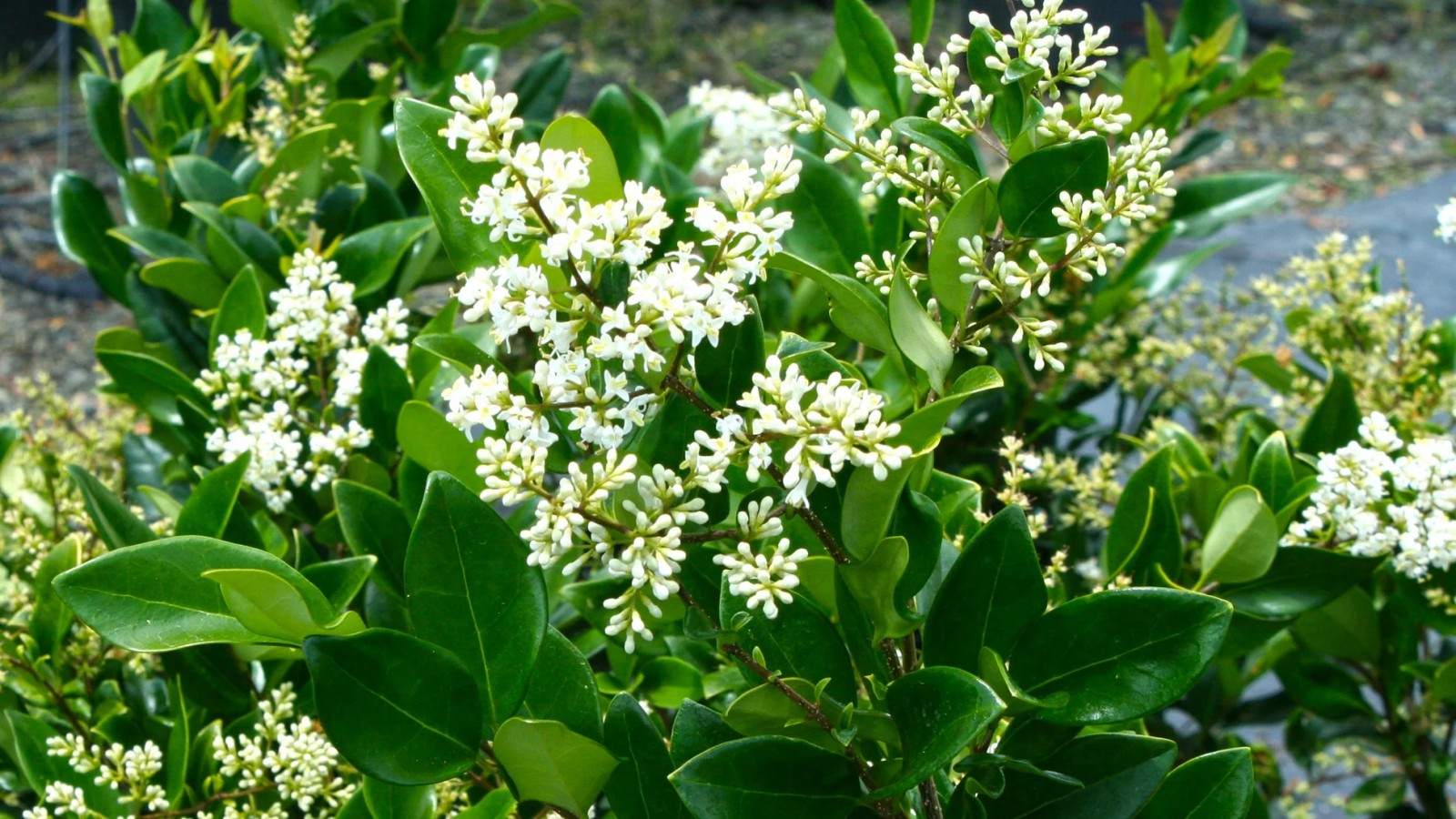
Powdery mildew is instantly recognizable by the white, talcum-powder-like fungal coating covering leaf surfaces, young stems, and flower buds. Unlike many fungi, powdery mildew does not require standing water on leaves to germinate. It flourishes in high humidity combined with dry leaf surfaces, a common scenario in shaded gardens, tightly spaced hedges, and areas with poor morning sun. Early infection shows scattered white patches; over time the coating spreads across the leaf, causing leaf distortion, yellowing, and premature leaf drop. Wax-leaf privet planted in partial shade is far more vulnerable than shrubs growing in full sun. While powdery mildew rarely kills mature privet outright, persistent infection weakens the shrub, slows growth, and opens it up to other diseases and pests.
Sooty mold is often confused with powdery mildew, but it is a secondary fungal issue with a very different root cause. Sooty mold appears as a thick black crust covering leaves and stems. The fungus itself does not infect plant tissue; it feeds on sticky honeydew excreted by sap-sucking insects such as whiteflies, scale insects, and aphids. The black coating blocks sunlight, reducing photosynthesis and causing leaves to yellow and drop. Controlling sooty mold requires targeting the insect pest producing honeydew, not just spraying fungicide on the black coating. Once pests are eliminated, rain and gentle washing will gradually remove sooty mold over time. For powdery mildew control, improve sunlight exposure and air circulation. Prune heavily shaded branches. Organic treatments include potassium bicarbonate and sulfur sprays applied at the first sign of white growth. Avoid heavy nitrogen fertilization, which produces soft, succulent new growth highly susceptible to mildew infection.
Root Rot and Stem Canker Diseases
Root rot is a devastating soil-borne disease caused by oomycete pathogens from the *Phytophthora* and *Pythium* genera. It almost always develops due to waterlogged soil and poor drainage. Wax-leaf privet tolerates drought well once established, but its roots cannot survive sitting in saturated soil for long periods. Gardeners often misdiagnose root rot symptoms, because above-ground signs look like drought stress: leaves turn dull green or yellow, new growth wilts, branches die back, and the whole shrub gradually declines, even when soil remains wet. If you dig carefully around the root zone, infected roots turn mushy, dark brown or black, and slough off their outer bark easily. Healthy privet roots are firm and pale tan. Root rot spreads rapidly in heavy clay soil, low-lying planting spots that collect rainwater, and overwatered landscape beds. Once extensive root rot sets in, recovery is difficult, making prevention the top priority.
Stem canker and twig blight are fungal diseases caused by *Botryosphaeria* and related pathogens. These fungi enter the shrub through pruning wounds, broken branches, or damaged bark, especially when the plant is stressed by drought, heat, or nutrient deficiency. Cankers appear as sunken, dark lesions on stems and branches. The bark around the canker dies, cutting off water and nutrient flow to foliage beyond the infection point. Individual branches wilt, turn brown, and die back. Many gardeners see random dead twigs scattered across the privet hedge and dismiss it as normal seasonal damage, missing the early canker infection. For canker and twig blight, prune infected branches back to healthy green tissue well below the canker margin. Disinfect pruning shears between every cut with rubbing alcohol or bleach solution to avoid spreading fungal spores. Never prune privets during wet rainy weather. Improve soil drainage to reduce plant stress, and avoid wounding bark during lawn maintenance. If root rot is suspected, stop irrigation immediately. Aerate compacted soil around the root zone. Severely infected plants should be removed, and avoid replanting wax-leaf privet in the same poorly drained location.
Verticillium Wilt
Verticillium wilt is a serious vascular fungal disease caused by *Verticillium dahliae*, a long-lived soil pathogen that can survive in soil for many years without a host plant. This fungus invades the plant’s water-conducting xylem tissue, blocking water movement. Symptoms typically emerge in mid-summer during hot weather. Often only one side or a few branches of the shrub show symptoms first, which is a key identifying trait. Leaves turn pale yellow, develop scorched brown edges, wilt, and drop. If you slice open an infected branch, you can often see dark brown streaks inside the vascular tissue. Verticillium wilt does not always kill wax-leaf privet, but repeated infections weaken the shrub permanently and make it prone to other diseases and pest outbreaks.
Verticillium wilt is extremely challenging to treat once established in the plant, because fungicides cannot fully eradicate the fungus living inside the vascular system. Management focuses on reducing plant stress to help the shrub survive. Water deeply during prolonged heat and drought to minimize wilting stress. Use balanced, low-nitrogen fertilizer; excess nitrogen stimulates tender growth that increases susceptibility. Remove and destroy completely dead branches. Avoid injuring roots or stems around infected shrubs. If the shrub suffers severe dieback and cannot recover, remove the entire plant and its root ball. Do not plant other susceptible shrubs such as maples, roses, or lilacs in the contaminated soil. Resistant plant alternatives are the most reliable long-term solution for gardens with confirmed Verticillium wilt.
Pest-Associated Problems & Nutrient Disorders
While this article focuses on diseases, many privet health issues arise from insect pests that create entry points for fungal infection. White peach scale, whiteflies, privet rust mites, Japanese weevils, and aphids all commonly infest wax-leaf privet. Scale insects attach to stems and leaf undersides, sucking sap and secreting honeydew that fuels sooty mold. Whitefly populations explode in dense hedges, and their feeding causes leaf yellowing and premature drop. Weevils chew distinctive notches along leaf margins. Regular visual inspection every few weeks helps catch pest outbreaks early before they weaken the shrub and trigger secondary disease. Horticultural oil and insecticidal soap work well for light infestations, while systemic insecticides may be needed for heavy scale populations. Always apply sprays according to label directions and avoid spraying during extreme heat.
Nutrient deficiencies are another non-infectious issue frequently mistaken for disease. Wax-leaf privet is susceptible to copper deficiency, especially in alkaline soils. Copper deficiency symptoms include stunted new growth, small distorted leaves, leaf tip dieback, and pale discoloration. Soil testing is the only reliable way to confirm nutrient imbalance. Avoid over-fertilizing privets; excessive nitrogen causes soft growth vulnerable to mildew, leaf spot, and insect feeding. Apply a slow-release balanced shrub fertilizer in early spring only when soil tests indicate a need. Mulch with organic material to stabilize soil moisture, moderate soil temperature, and reduce soil splash that carries fungal spores up onto lower leaves. Keep mulch pulled back slightly from the shrub trunk to prevent stem rot.
Integrated Disease Prevention Strategy for Wax-Leaf Privet
The best defense against wax-leaf privet disease is building plant resilience through smart cultural practices, rather than relying on fungicides after symptoms appear. Start at planting time. Choose a full-sun location with well-drained soil. Space individual shrubs generously, accounting for mature width, so air can circulate between plants. Many hedges fail because gardeners place young privets too close together, creating a crowded disease-prone wall within just two or three years. Select healthy nursery stock with green, firm foliage and no leaf spots, stem cankers, or insect signs. Inspect every shrub before bringing it into your landscape to avoid introducing pathogens or pests into an established garden.
Adjust irrigation practices to keep foliage dry and root zones moderately moist but never soggy. Use drip irrigation for hedges whenever possible. Schedule watering early in the morning so any water that touches leaves dries quickly in sunlight. Clean up leaf litter, pruned branches, and debris around privets routinely. Disinfect pruning tools between shrubs, especially when working with plants showing disease signs. Prune hedges selectively instead of constant tight shearing. Open the interior canopy to sunlight and airflow. Monitor shrubs weekly throughout spring, summer, and early fall, checking leaf undersides, twigs, and base for early warning signs of disease or pests. When infections appear, act fast: remove infected tissue, improve airflow, adjust watering, and use fungicides only as a supplementary tool. Integrated pest and disease management keeps wax-leaf privet vigorous, beautiful, and resistant to pathogens for decades.
Wax-leaf privet’s reputation as a tough, low-maintenance landscape shrub is well earned, but it is not invincible. Nearly all of its most destructive diseases are directly tied to poor growing conditions and plant stress. Leaf spot, powdery mildew, root rot, canker, and Verticillium wilt all have clear environmental triggers that gardeners can manage. The key distinction between a thriving privet hedge and a declining one lies in consistent observation, proper spacing, thoughtful irrigation, and good garden sanitation. Learning to separate fungal disease symptoms from insect damage or nutrient deficiency prevents wasted effort on incorrect treatments.
Keep in mind that wax-leaf privet is classified as invasive in many regions of the United States. Birds spread its abundant seeds into natural woodland areas, displacing native plant species. Its berries and foliage contain toxic compounds dangerous to dogs, horses, and humans if ingested. Before planting new privet shrubs, check local invasive species regulations and consider native alternative shrubs that support local pollinators without escaping cultivation. If you already maintain established wax-leaf privet plantings, proactive disease management will preserve your hedge while minimizing pesticide use. By combining careful monitoring, cultural controls, and targeted treatments only when necessary, you can successfully protect your wax-leaf privet from disease and enjoy its glossy green foliage year after year.
Advertisement
Learn More
-

- October 20,2026
- Lily Disease Guide: Whats Killing Your Lilium longiflorum and How to Stop It
-
- September 17,2026
- Wax-Leaf Privet Diseases: Identification, Treatment & Prevention Guide
-
- September 1,2026
- Vinca Minor Diseases: Identification, Treatment and Long‑Term Garden Management
-
- August 18,2026
- Tree Philodendron Diseases: Identification, Treatment and Long‑Term Prevention
-
- August 6,2026
- Common Ailments of Plantago major: Identifying, Treating and Preventing Diseases in Broadleaf Plantain
-
- July 30,2026
- Zodiac-themed Bouquets Combined with Floral Language: Different Color Schemes Create More Artistic Birthday Surprises



Advertisement


 Poisonous and danger

 Edible and medicinal
 Wild and common weed