
Vinca Minor Diseases: Identification, Treatment and Long‑Term Garden Management
Advertisement
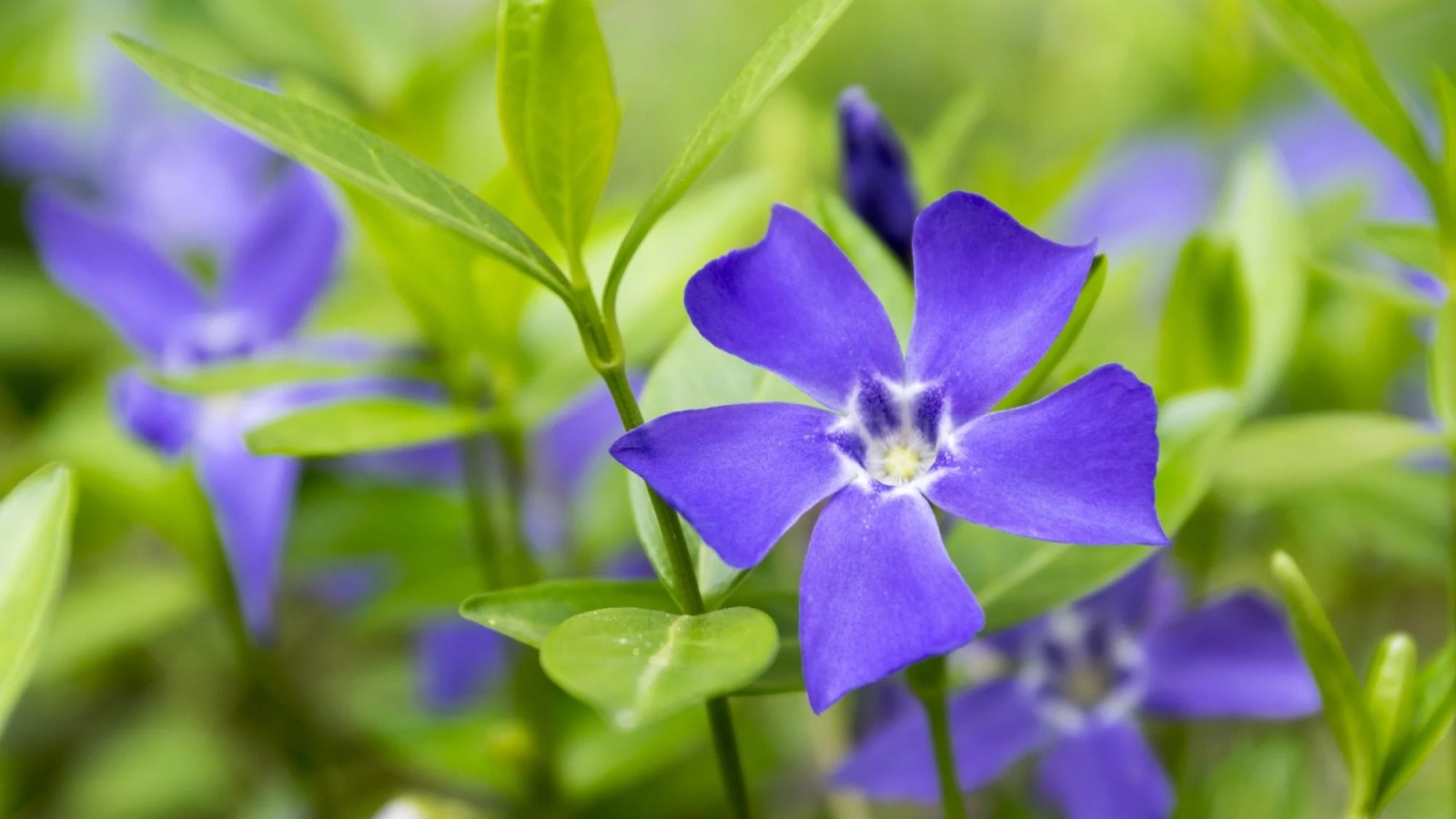
Vinca minor, widely known as common periwinkle or creeping myrtle, is one of the most popular evergreen ground‑covers across temperate home landscapes. Valued for glossy dark‑green foliage and soft violet‑blue spring blooms, this trailing perennial spreads steadily to suppress weeds and fill shaded garden beds. Gardeners frequently select Vinca minor for low‑maintenance plantings under trees, along borders and on slopes, assuming it will thrive with minimal attention. While it is genuinely tough under ideal circumstances, prolonged wet spring weather, heavy clay soil, overcrowded growth and poor airflow can trigger a range of destructive fungal and oomycete diseases that wipe out large sections of established beds.
Many home gardeners misinterpret early warning signs. Random brown patches, wilting runners and premature leaf drop are often written off as winter damage or temporary drought stress. By the time large bare dead areas appear in the ground‑cover mat, pathogens have already spread through soil and plant debris, making recovery far harder. Successful disease management for Vinca minor starts with learning to tell infectious disease apart from simple environmental stress, recognizing early symptoms, and adjusting cultural habits before small problems turn into landscape‑wide failures.
Destructive Stem Blight: Phoma / Boeremia exigua
Phoma stem blight ranks as the most devastating and widespread disease of Vinca minor plantings in North America and Europe, capable of destroying well‑established ground‑cover beds over just a few growing seasons. The causal fungus Phoma exigua survives for multiple years inside old infected plant debris and soil, waiting for cool wet spring conditions to activate. New symptoms usually emerge in late April or early May, as fresh spring shoots begin to unfurl. Dark brown to black sunken lesions form close to the soil line on overwintered trailing runners. These lesions quickly girdle stems, cutting off water and nutrient flow, which causes shoots to wilt and collapse even when soil holds plenty of moisture.
As stem blight advances, lesions travel along runners at leaf nodes wherever stems rest against damp soil. Entire clumps turn brown and die back, while dark lesions may spread into leaf stalks and produce irregular brown leaf spots. It is easy to misdiagnose stem blight for drought damage because infected foliage wilts rapidly. To confirm, examine stem bases near ground level; healthy Vinca minor stems stay firm and green, while diseased stems show black, rotted girdling tissue. Once stems are fully girdled, no chemical product can reverse the damage. Management starts with aggressive sanitation: dig out all dead and dying runners, remove them completely from the garden and discard in household waste, never compost infected material. Thin thick crowded mats to open airflow through the planting. Avoid overhead sprinkler irrigation, because splashing water spreads fungal spores across the bed. Fungicides can protect healthy new growth, but they cannot rescue stems already invaded by the fungus, so timing sprays for early spring before symptom breakout is criticalUniversity.... In sites with repeated severe outbreaks, replanting Vinca minor may not be practical, and gardeners should consider switching to alternative shade‑tolerant ground‑cover species.
Root and Crown Rot Caused by Phytophthora and Rhizoctonia
Root and crown rot diseases create quiet, progressive decline in Vinca minor, almost always triggered by poorly drained soil, heavy clay, over‑mulching or excessive irrigation. Phytophthora species are oomycete pathogens that thrive in saturated soil conditions, attacking fine feeder roots before moving upward to rot the plant’s crown right at soil level. Rhizoctonia solani creates very similar crown rot symptoms, most active during warm humid summer spells. Above‑ground early signs are subtle: foliage turns pale yellow, growth slows, and sections of the ground‑cover wilt even in moist soil. When you lift affected runners, root systems appear dark brown or black, soft and mushy, with a faint rotten odour, compared to firm pale tan healthy roots.
Gardeners often mistakenly add more water to wilting Vinca minor, which accelerates rot and speeds plant death. Once crown tissue turns soft and water‑soaked, there is little chance to save individual plants. Infected specimens must be dug out, including surrounding contaminated topsoil. Do not replant new periwinkle directly into the same spot without improving drainage. Heavy clay ground should be amended with coarse compost and grit to open soil structure. Raised bed planting offers excellent protection against Phytophthora pressure. Keep mulch thin around Vinca minor, never pile thick organic mulch directly against stem crowns, because trapped moisture creates perfect infection points. Drip irrigation is strongly preferred over sprinklers. While phosphite‑based soil drenches can offer some protective benefit for still‑healthy surrounding plants, they cannot cure heavily rotted specimens. Long‑term success depends on fixing drainage rather than relying on chemical treatments.
Foliar Diseases: Leaf Spot, Botrytis Gray Mold and Powdery Mildew
Multiple fungal pathogens create leaf‑spot symptoms on Vinca minor, most commonly Alternaria and Phoma species. Circular brown or black lesions develop across leaf surfaces, frequently ringed with distinct yellow halos. As spots expand, they merge into large necrotic patches, and badly affected leaves drop prematurely. These foliar infections spread fastest when water sits on leaf surfaces for extended hours, caused by overhead watering, persistent spring rain, and dense un‑thickened ground‑cover mats with minimal air movement. While leaf spot rarely kills Vinca minor outright, it weakens the plant, opens entry points for stem‑rotting organisms, and ruins the attractive evergreen foliage gardeners value.
Botrytis cinerea, known as gray mold, targets old spent periwinkle flowers first, then spreads onto adjacent leaves and young shoots in cool humid weather. Infected tissue develops soft water‑soaked decay covered with fuzzy grey‑brown spore growth. Powdery mildew forms a pale dusty‑white coating across upper leaf surfaces under conditions of high humidity paired with dry leaf surface periods, another common issue in partly shaded gardens. For all these foliar diseases, core cultural adjustments deliver the greatest results. Remove fallen dead leaves and spent flower debris regularly. Water only at soil level, avoid wetting foliage. Thin over‑thick ground‑cover once per year to improve air circulation through the mat. Pick off and dispose of heavily spotted leaves. Copper‑based fungicides or chlorothalonil can slow further spread during wet disease‑prone seasons, though they will not repair leaf tissue already damaged. Always apply fungicides as a protective measure on healthy foliage, not as a rescue for already heavily infected plants.
Pest‑Associated Secondary Infections and Viral Concerns
Vinca minor is relatively resistant to major insect pests, but occasional pest activity creates small wounds on leaves and stems that give fungi and bacteria easy access to plant tissue. Aphids gather on tender new spring shoots, sucking sap and excreting sticky honeydew. Spider mites appear during hot dry conditions, creating fine stippled pale leaf markings and thin webbing on leaf undersides. Slugs and snails chew holes through young foliage, leaving ragged wounds. Honeydew deposits from sap‑feeding pests also feed sooty‑mold fungi, forming an unattractive black dusty coating across leaves, blocking sunlight and lowering overall plant vigour.
Managing pest‑linked disease means addressing the insect or mollusc problem first. Blast aphids off shoots with sharp jets of water early in the morning. For mite outbreaks, apply horticultural oil, fully covering leaf undersides. Iron‑phosphate baits safely reduce slug and snail pressure without harsh poisons. Avoid broad‑spectrum insecticides that wipe out beneficial predatory insects that naturally keep aphid and mite numbers under control. Viral infections occur less frequently on Vinca minor but do appear in garden settings. Virus‑infected plants show mottled yellow‑green leaf patterns, distorted foliage and stunted weak growth. There is no treatment for viral disease; infected plants must be dug out and destroyed to stop potential spread by sap‑feeding insects to nearby healthy periwinkle.
Holistic Prevention and Practical Diagnostic Workflow For Home Gardeners
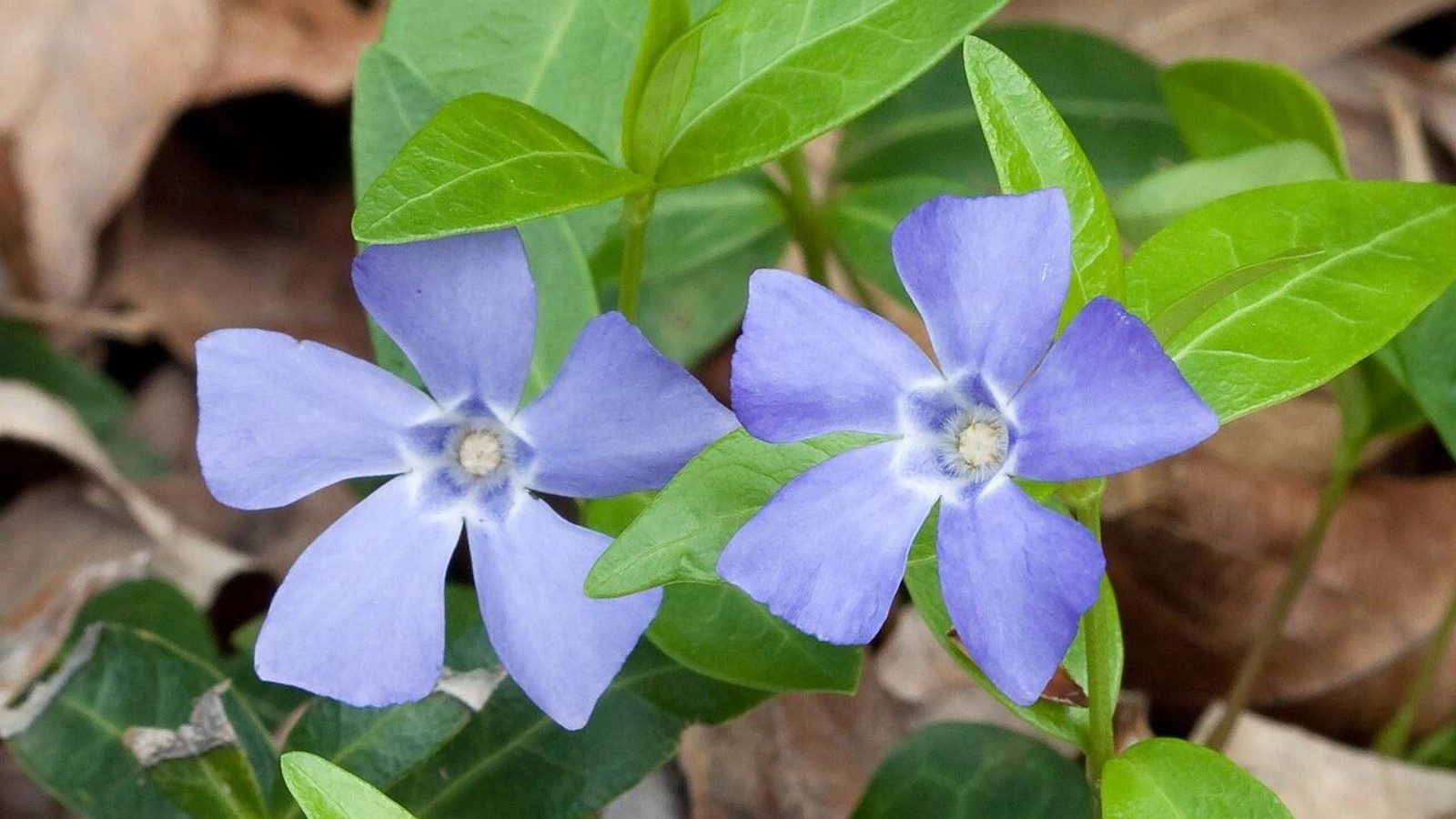
Nearly all Vinca minor disease outbreaks trace back to environmental stress rather than random bad luck. This ground‑cover thrives in partial shade, well‑drained loamy soil, and moderate moisture. It hates waterlogged clay ground, constant overhead wetting, deep mulch piled on crowns, and overcrowded growth with zero airflow. Many gardeners treat Vinca minor as “plant‑and‑forget”, yet established beds still need basic maintenance. Every spring, walk through your periwinkle planting and trim back overly dense sections, clear accumulated leaf litter trapped inside the mat, and remove any obviously dying runners before pathogens multiply on dead tissue.
When buying new Vinca minor stock, inspect every plant carefully before purchase. Reject any nursery material showing blackened stem bases, brown spotting foliage or dieback. Quarantine new plants for two‑three weeks before setting them into existing mature beds, to avoid introducing hidden pathogens. Water management makes or breaks disease resistance: water early in the morning, use soaker hoses or drip lines to keep foliage dry, and avoid frequent light irrigation that keeps soil surface perpetually damp. Learn to distinguish normal stress symptoms from real infectious disease. Scattered brown leaf tips can stem from winter wind burn or dry soil; infectious disease usually spreads outwards, creating expanding dead patches across the ground‑cover mat.
When disease strikes, resist the urge to immediately spray multiple fungicides. First diagnose what you are observing: check stem bases, root condition, look for fungal growth or spotting patterns, and assess soil drainage. Sanitation, thinning and improved watering often deliver better results than chemical sprays. In locations with repeated catastrophic Vinca minor disease pressure, accept that periwinkle may not be well‑suited to that micro‑site. Replacing it with alternative shade‑loving ground‑covers saves ongoing frustration. With attentive basic care and smart moisture management, gardeners can maintain lush, disease‑resistant Vinca minor beds for many years.
Advertisement
Learn More
-

- October 20,2026
- Lily Disease Guide: Whats Killing Your Lilium longiflorum and How to Stop It
-
- September 17,2026
- Wax-Leaf Privet Diseases: Identification, Treatment & Prevention Guide
-
- September 1,2026
- Vinca Minor Diseases: Identification, Treatment and Long‑Term Garden Management
-
- August 18,2026
- Tree Philodendron Diseases: Identification, Treatment and Long‑Term Prevention
-
- August 6,2026
- Common Ailments of Plantago major: Identifying, Treating and Preventing Diseases in Broadleaf Plantain
-
- July 30,2026
- Zodiac-themed Bouquets Combined with Floral Language: Different Color Schemes Create More Artistic Birthday Surprises


Advertisement

 Poisonous and danger

 Edible and medicinal
 Wild and common weed