
Tree Philodendron Diseases: Identification, Treatment and Long‑Term Prevention
Advertisement
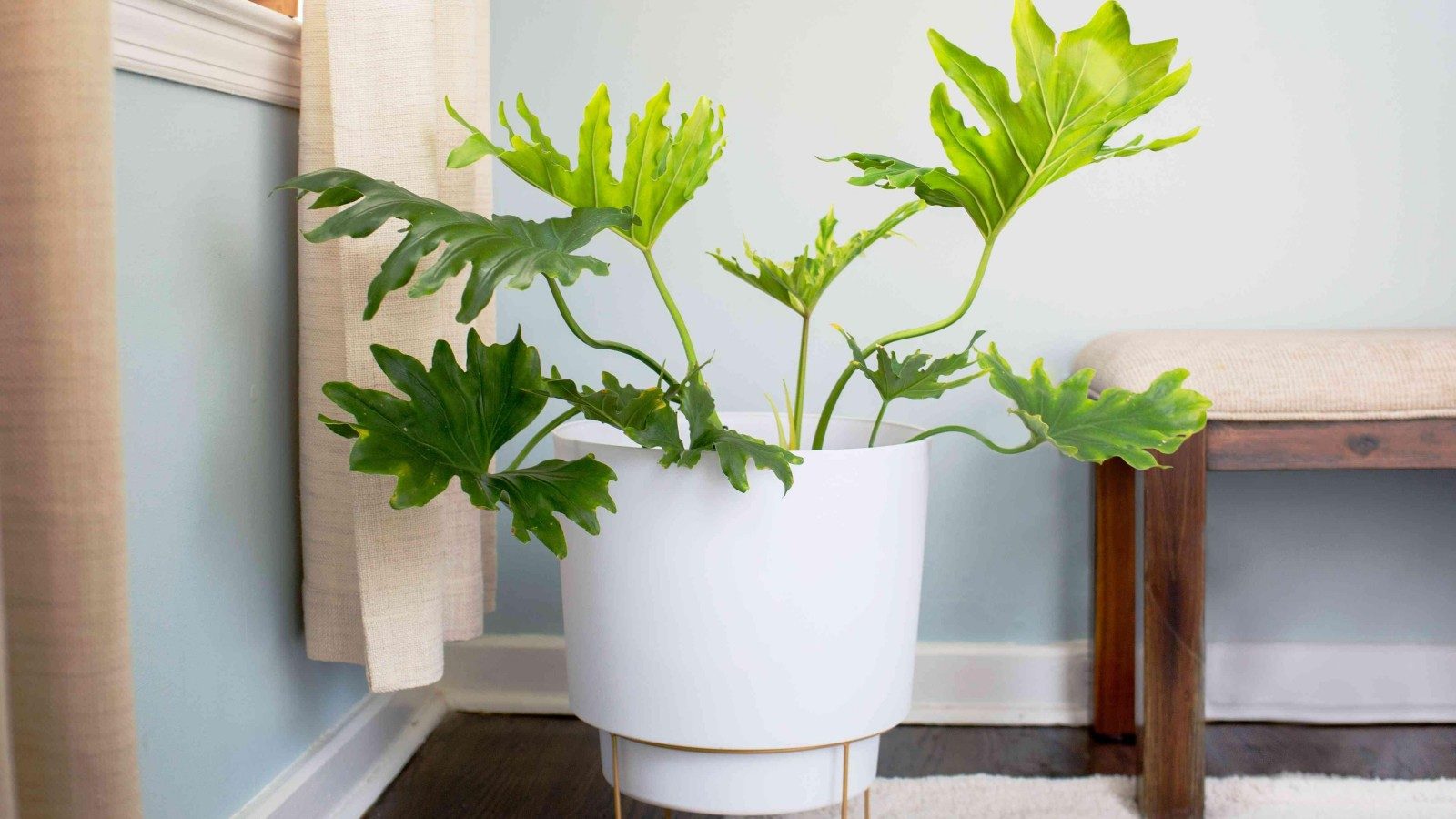
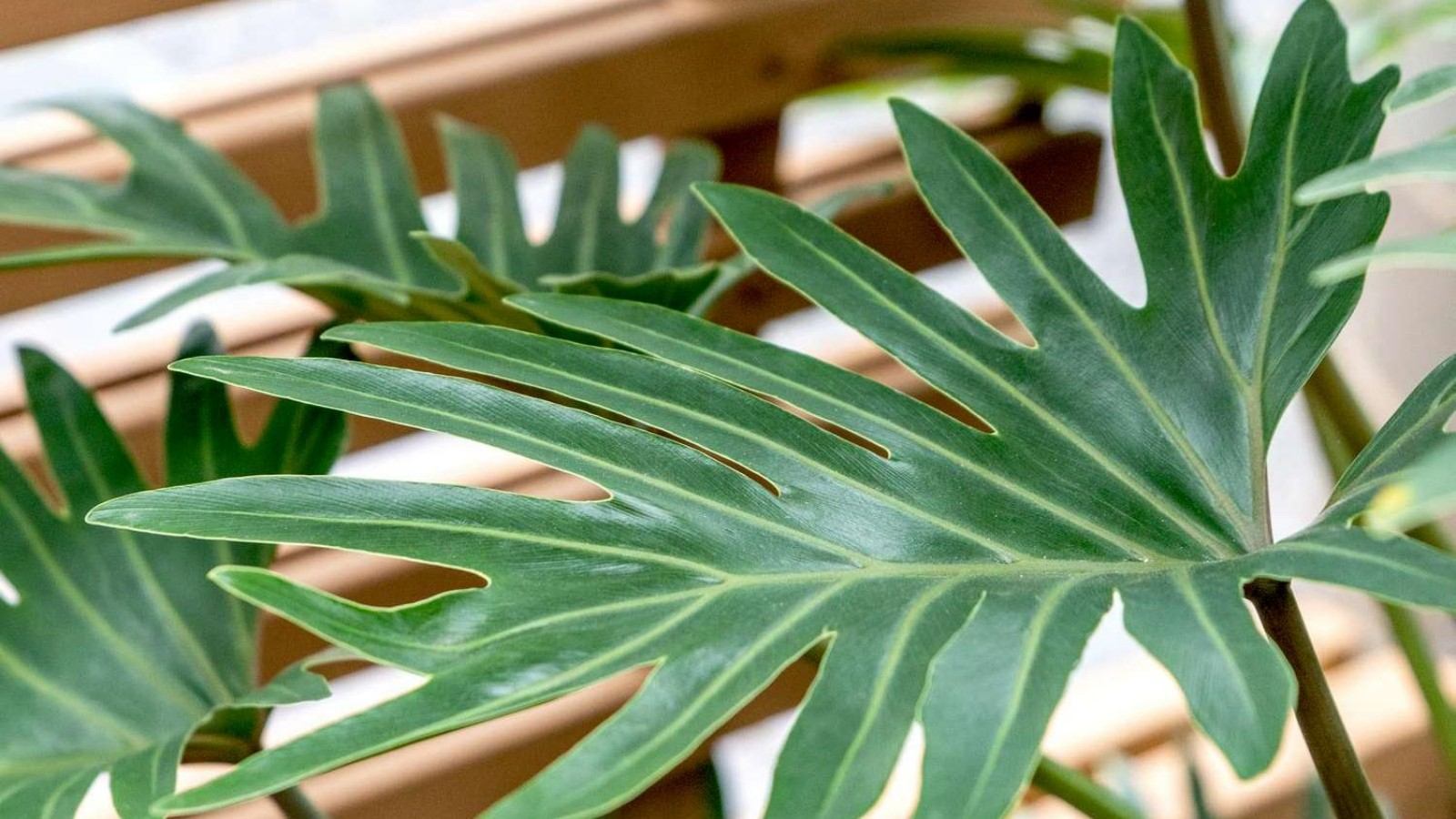
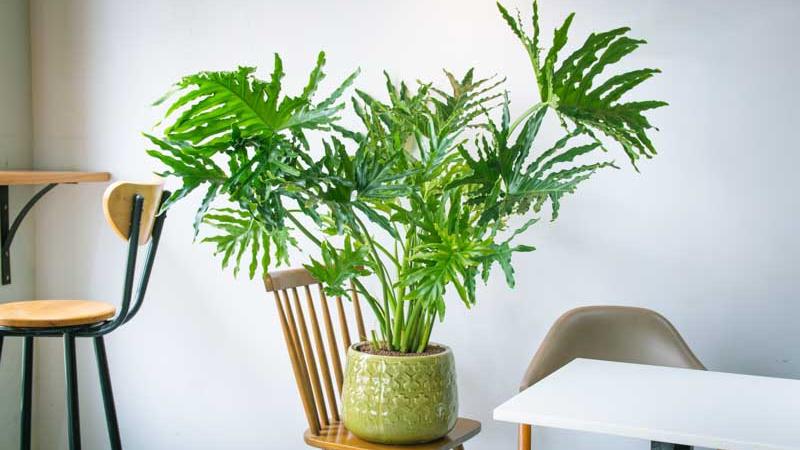
Tree philodendron, also known as Philodendron bipinnatifidum, is a striking tropical houseplant admired for its large, deeply lobed foliage and sturdy upright trunk‑like stem. Native to South American rainforests, this robust aroid can grow into an impressive floor‑standing specimen indoors, bringing bold jungle aesthetics to living rooms, offices and conservatories. Many new plant owners assume tree philodendrons are nearly indestructible because of their hardy reputation, but they face a clear set of infectious diseases triggered by indoor growing mistakes. Most sickness does not arrive randomly; pathogens take hold when humidity, airflow, watering or soil conditions slip out of balance.
Unlike small vining philodendrons, tree philodendrons develop thick stems, heavy leaf canopies and abundant aerial roots, which create unique micro‑climates around stems and leaf axils where moisture can become trapped for hours or days. These damp sheltered spots become perfect entry points for bacteria, fungi and secondary pest‑related infections. Home growers often misread early warning signs: yellow foliage, small brown spots or mild wilting are frequently written off as normal aging, until irreversible damage spreads through roots and main stem. Learning to spot disease onset early drastically improves your chance of saving your mature tree philodendron, and avoids spreading pathogens to your other houseplant collection.
Common Fungal Diseases in Tree Philodendron
Root rot is the most destructive fungal disease threatening tree philodendrons, caused by soil‑borne pathogens including Phytophthora, Pythium and Rhizoctonia that thrive in water‑logged, oxygen‑depleted potting medium. It almost always originates from chronic overwatering, insufficient drainage holes, oversized pots or compacted heavy soil. Early above‑ground symptoms are deceptive: leaves turn pale yellow, the whole plant wilts even while soil stays wet, and older lower foliage begins dropping without obvious leaf damage. If you tip the plant out of its container, infected roots turn dark brown or black, feel mushy and give off a distinct sour, decaying odour; healthy roots are firm and pale cream‑tan colour. Advanced root rot moves upward into the main stem, turning trunk tissue soft and water‑soaked, at which point recovery becomes very unlikely.
Treating root rot demands fast, decisive action. First isolate your tree philodendron away from other plants to stop contaminated soil or water splashes spreading spores. Rinse away all old potting mix from the root ball under luke‑warm running water. Using sharp, disinfected pruning shears, cut away every soft, discoloured root section, making clean cuts back to firm, healthy tissue; disinfect blades between every cut with 70% isopropyl alcohol to avoid cross‑contamination. Many large tree philodendrons will survive losing a large portion of their root system, as long as the central stem remains solid and hard. After trimming, you can dip remaining healthy roots in a diluted 3% hydrogen peroxide water solution for roughly 90 seconds to suppress surface fungi. Repot into a brand‑new fast‑draining aroid mix with plenty of perlite and orchid bark, inside a clean pot with multiple drainage openings. Hold off watering for around one week after repotting, then resume watering only once the top two inches of soil have fully dried out. Even with perfect treatment, recovery for a large mature specimen can take several months.
Anthracnose is another widespread fungal disease for tree philodendron, triggered by Colletotrichum gloeosporioides spores that germinate when leaf surfaces stay wet for six or more hours in warm, humid indoor air. Symptoms start as irregular tan‑grey necrotic leaf patches framed by sharp dark‑brown borders, most often appearing on older outer leaves first. Tiny black pin‑prick spore bodies develop inside damaged lesions under high humidity. Home gardeners frequently mix anthracnose up with sun scorch or chemical fertiliser burn, but sun damage does not produce these tiny black reproductive specks. On tree philodendron, water gets trapped in deep leaf folds and stem‑leaf junctions, so upper canopy leaves are just as vulnerable as lower shaded foliage.
Management for anthracnose combines physical removal of infected tissue and environmental adjustment. All leaves showing any lesion must be pruned off and discarded, never composted, because spores can remain viable in plant debris. Stop misting the foliage entirely, water directly at soil level, and improve air circulation around your plant with a small gentle fan. Increased airflow cuts down the length of time water droplets sit on leaf surfaces, breaking the fungal reproduction cycle. For moderate active infections, potassium bicarbonate or copper‑based fungicide sprays can be applied on dry days, following manufacturer label instructions, repeating every seven days for three total rounds of treatment. Remember fungicides do not repair already dead leaf tissue; they only stop new infection from forming. Long‑term prevention requires thinning crowded inner foliage once per year to open up the canopy and reduce trapped moisture within the dense tree‑like structure.
Bacterial Infections and How They Develop
Bacterial leaf spot, driven by Xanthomonas and Erwinia species, creates frustrating cosmetic damage that can progress into systemic plant failure on tree philodendron. The first visible signs are small translucent water‑soaked dots across leaf blades, which expand into reddish‑brown lesions surrounded by bright yellow halos. As bacteria spread, large sections of leaves turn mushy, dark and collapse, occasionally releasing a foul rotting smell. Bacteria spread through water splashes, contaminated pruning equipment, or entering through tiny leaf tears and insect feeding wounds. Tree philodendron’s huge easily‑damaged leaves get scraped and nicked during house movement, repotting or regular home activity, creating natural entry wounds for bacterial pathogens. Conditions of warm temperatures paired with high stagnant humidity dramatically speed up infection rates.
Once bacterial leaf spot takes hold, there is no chemical cure that fully eradicates bacteria inside leaf tissue, so early intervention is everything. Immediately remove every infected leaf, even those with only one small spot, and place in household waste. Isolate the specimen away from your plant collection, as splashing water can carry bacteria onto nearby healthy foliage. Switch strictly to bottom watering, so no moisture hits the top sides of leaves. Boost indoor air movement, and avoid raising humidity above 70% while fighting an active bacterial outbreak. Many hobbyists mistakenly crank up humidity for tropical plants during disease, yet excess moisture makes bacterial issues far worse. Copper‑based bactericidal products can slow new lesion development, yet will not heal existing damaged leaves. Monitor new growth closely over four to six weeks; if fresh emerging leaves keep developing spots, bacteria have moved into the plant’s vascular system, and full recovery is improbable.
Erwinia stem rot is a dangerous bacterial disease targeting the thick central trunk of mature tree philodendron specimens. It usually starts at the base of the main stem, where soil moisture sits against stem tissue for long periods. The trunk loses its firm rigidity, turning soft, watery and dark, and unpleasant rotten odour emanates from stem tissue. Lower leaves suddenly wilt and collapse, even when roots look relatively healthy. This disease commonly occurs after overwatering combined with cool indoor temperatures in winter months. When soil stays cold and wet around the stem base, bacterial populations explode and invade stem tissue. Many growers confuse stem rot with root rot, yet stem rot can advance even when roots remain partially intact.
Saving a tree philodendron with bacterial stem rot depends on how far rot has travelled upward along the trunk. If decay is confined only to the very bottom base, you can cut away all soft infected stem material with sterile sharp tools until only solid, clean white‑green stem tissue remains. Allow the fresh cut surface to dry and callus over for several days in warm, dry, well‑ventilated space before repotting into sterile loose growing medium. Do not bury the stem deeper than it originally sat; keep the healed callus positioned just above soil level to prevent re‑infection. If soft rotting tissue extends high up the main trunk, rescue via stem cuttings is your only realistic option. Take healthy upper stem cuttings from non‑infected sections, root them, and discard the diseased original trunk and root ball. Never reuse old contaminated potting soil.
Pest‑Associated Secondary Diseases
Houseplant pests rarely kill tree philodendrons directly, yet they create extensive hidden damage that opens pathways for fungal and bacterial disease. Sap‑sucking insects pierce leaf and stem cells, leaving micro‑wounds where pathogens enter plant tissue. Mealybugs, scale insects, spider mites and aphids are the most frequent pests on tree philodendron, and heavy infestations produce sticky honeydew waste coating leaf surfaces. Honeydew feeds sooty mould fungi, forming unattractive black dusty layers across large philodendron leaves. Sooty mould does not feed on plant tissue itself, but it blocks sunlight, interferes with photosynthesis and weakens overall plant vigour. Many gardeners treat the black mould without addressing the underlying pest population, so the mould quickly comes back again and again.
Regular thorough inspection is your best defence against pest‑linked disease. Every two weeks, examine leaf undersides, deep leaf axils, aerial root crevices and stem joints, places pests prefer to hide. Early‑stage mealybug infestations show up as small white cotton‑like clusters; scale appears as hard brown stationary bumps; spider mites leave fine silk webbing plus tiny stippled yellow speckling across leaf surfaces. At the first sign of pests, isolate the plant. For light infestations, wipe leaves down using isopropyl alcohol‑dampened cloth. For more widespread outbreaks, apply neem oil or insecticidal soap, making certain you fully coat leaf undersides and stem gaps, repeating treatments following product cycles to kill newly hatched pest generations. Once pests are suppressed, gently wipe sooty mould residue off foliage with soft damp cloth. If pests persist, secondary leaf spot infections often keep appearing no matter how many fungicide sprays you apply.
Fungus gnats represent another pest‑related hazard for tree philodendron. Adult gnats are mostly harmless, but their larvae live inside damp potting soil, feeding on fine young feeder roots. Damaged root systems become far more susceptible to root rot fungi. You will spot small dark flies rising up whenever you water your plant. Larvae thrive in perpetually wet soil mixes. To control them, allow soil to dry deeper between watering cycles. A 3% hydrogen peroxide diluted with water can be watered through potting medium to kill larvae. Sticky yellow traps catch flying adults. Beneficial nematodes offer effective biological control for persistent gnat problems, safe for indoor home environments. The core fix remains adjusting watering habits; fungus gnats will disappear when soil stops staying continuously soggy.
Holistic Disease Prevention & Diagnostic Best Practices
Most tree philodendron disease struggles stem from mismatched environmental care rather than bad luck with contagious pathogens. Even genetically healthy vigorous plants fall victim when growing conditions push the plant into chronic stress. Tree philodendron favours bright indirect light, consistent 18‑27°C temperatures, moderate humidity around 55‑65 percent, and porous, fast‑draining aroid potting mix. Heavy moisture‑retentive potting soil, cold drafts beside windows or air‑conditioning units, over‑potting into excessively large containers, and frequent overhead leaf misting all raise disease risk significantly. Many plant owners mist philodendron leaves thinking it replicates rainforest conditions; short‑lived surface moisture encourages spore germination, while stable ambient humidity from humidifiers delivers far safer long‑term moisture without wetting foliage.
Build a simple regular plant‑check routine to catch issues before crisis hits. Every 10‑14 days, look over all foliage for odd spots, discolouration or wilting. Stick your finger two inches deep into potting substrate to assess real soil moisture, instead of watering on rigid fixed calendar schedules. Observe how water drains out from pot base. Empty standing water out of saucers promptly after watering. When pruning, always disinfect cutting tools between different houseplants. When bringing brand‑new plants home, keep them quarantined separate from your collection for two‑three weeks, to avoid introducing soil‑borne pathogens or hidden pests. Repot mature tree philodendron every two to three years, refreshing old compacted soil that builds up fertiliser salt accumulation and dormant pathogen spores.
Knowing how to tell apart environmental stress symptoms versus actual infectious disease saves you from unnecessary chemical treatments. Brown leaf tips on tree philodendron frequently come from low humidity or tap‑water mineral salt build‑up, not fungus. Uniform yellowing of one‑two old bottom leaves can be normal natural ageing. True infectious disease usually creates spreading spots, rotting tissue, fuzzy mould growth, or symptoms that jump from leaf‑to‑leaf across the plant.
If your plant shows distress, run through quick diagnostics: check soil moisture and drainage, inspect roots if possible, look for pests, evaluate light and temperature conditions, before reaching for fungicide or bactericide products. Chemical treatments only work against infections; they cannot repair harm caused purely by poor care conditions.
When disease strikes, accept realistic expectations. Severe root rot, advanced bacterial stem rot, or widespread vascular infection cannot always be reversed. Pouring multiple chemical products on a gravely sick plant wastes time and money. In hopeless cases, salvage healthy stem cuttings to start new plants, and discard the heavily infected original specimen. Through attentive observation, sensible watering, good air circulation and clean gardening hygiene, you can keep your tree philodendron large, lush and largely free of serious disease for many years.
Advertisement
Learn More
-

- October 20,2026
- Lily Disease Guide: Whats Killing Your Lilium longiflorum and How to Stop It
-
- September 17,2026
- Wax-Leaf Privet Diseases: Identification, Treatment & Prevention Guide
-
- September 1,2026
- Vinca Minor Diseases: Identification, Treatment and Long‑Term Garden Management
-
- August 18,2026
- Tree Philodendron Diseases: Identification, Treatment and Long‑Term Prevention
-
- August 6,2026
- Common Ailments of Plantago major: Identifying, Treating and Preventing Diseases in Broadleaf Plantain
-
- July 30,2026
- Zodiac-themed Bouquets Combined with Floral Language: Different Color Schemes Create More Artistic Birthday Surprises

Advertisement
 Poisonous and danger

 Edible and medicinal
 Wild and common weed