Convolvulus arvensis
-
 Wild and common weed
 - Also known as: wild morning glory, ground bindweed, field morning glory, soil morning glory
 Wild and common weed
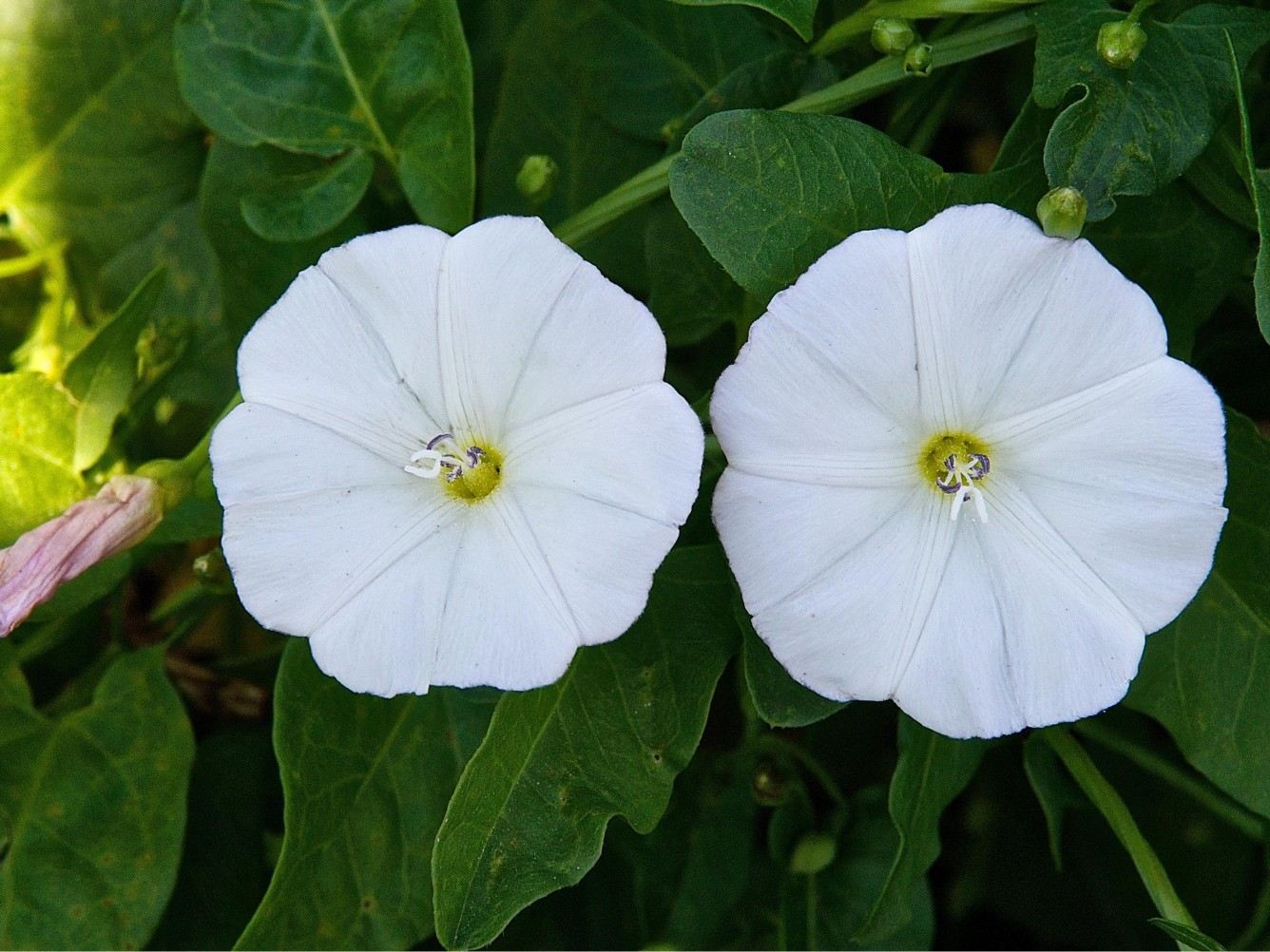
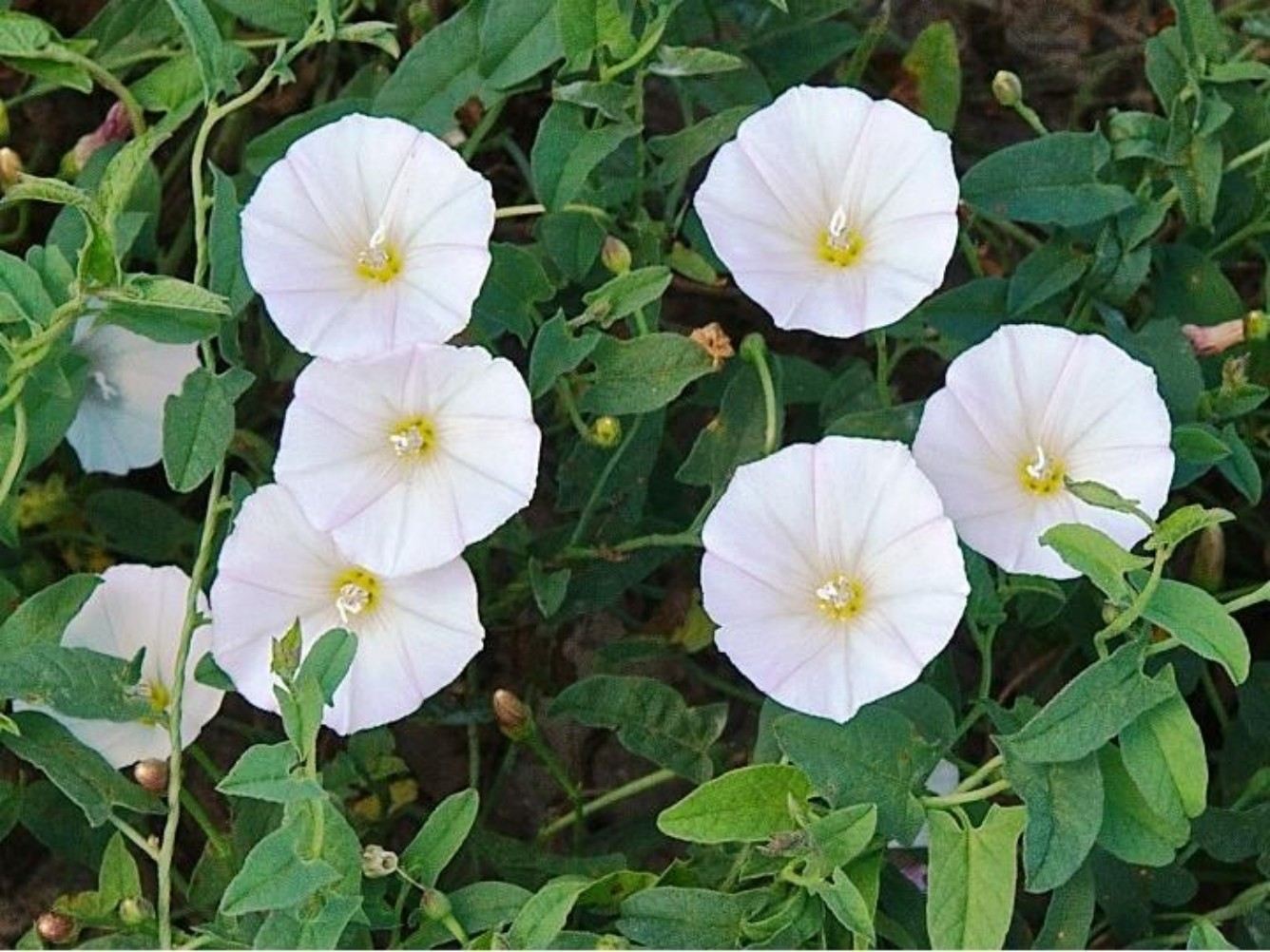
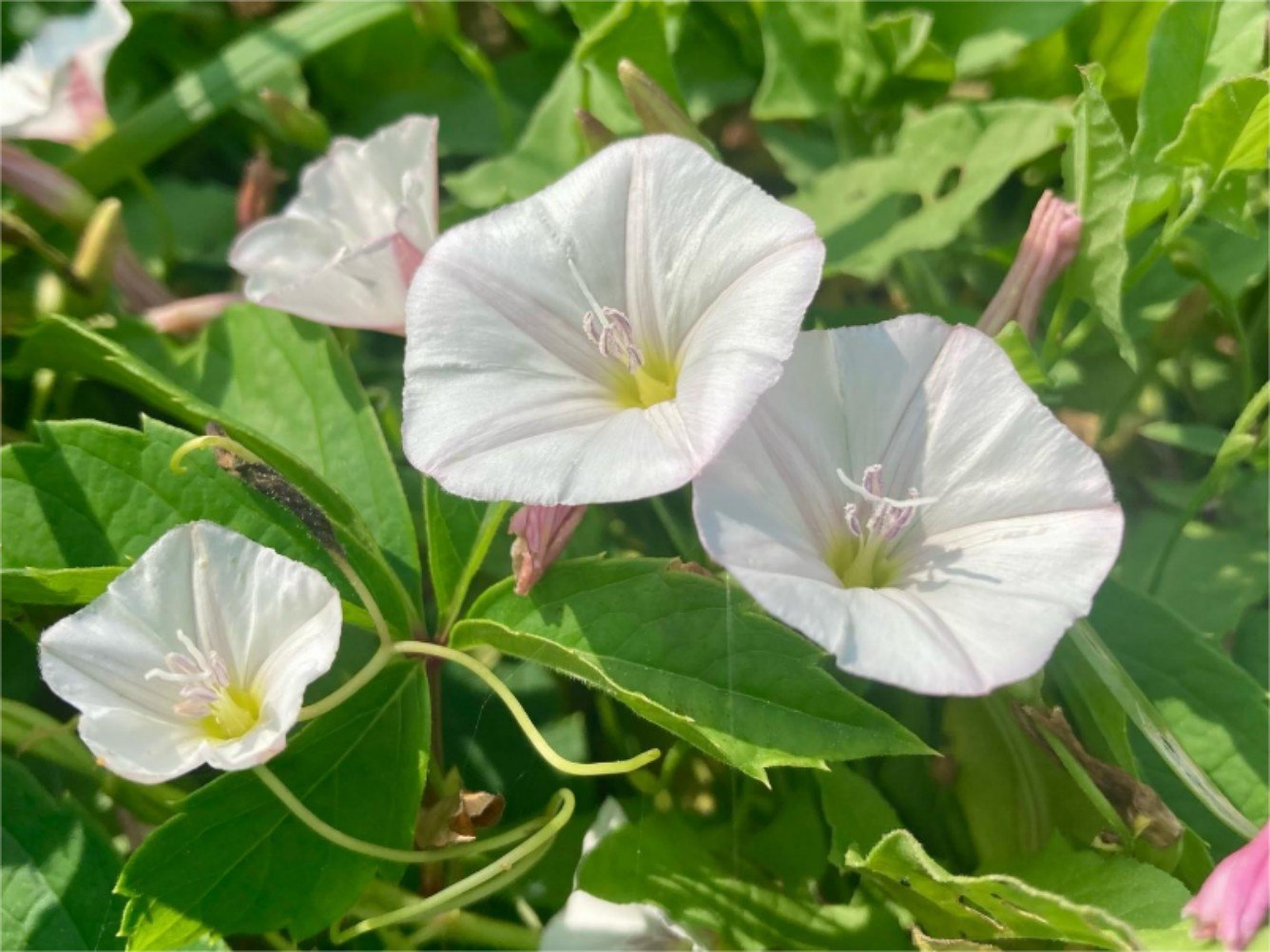
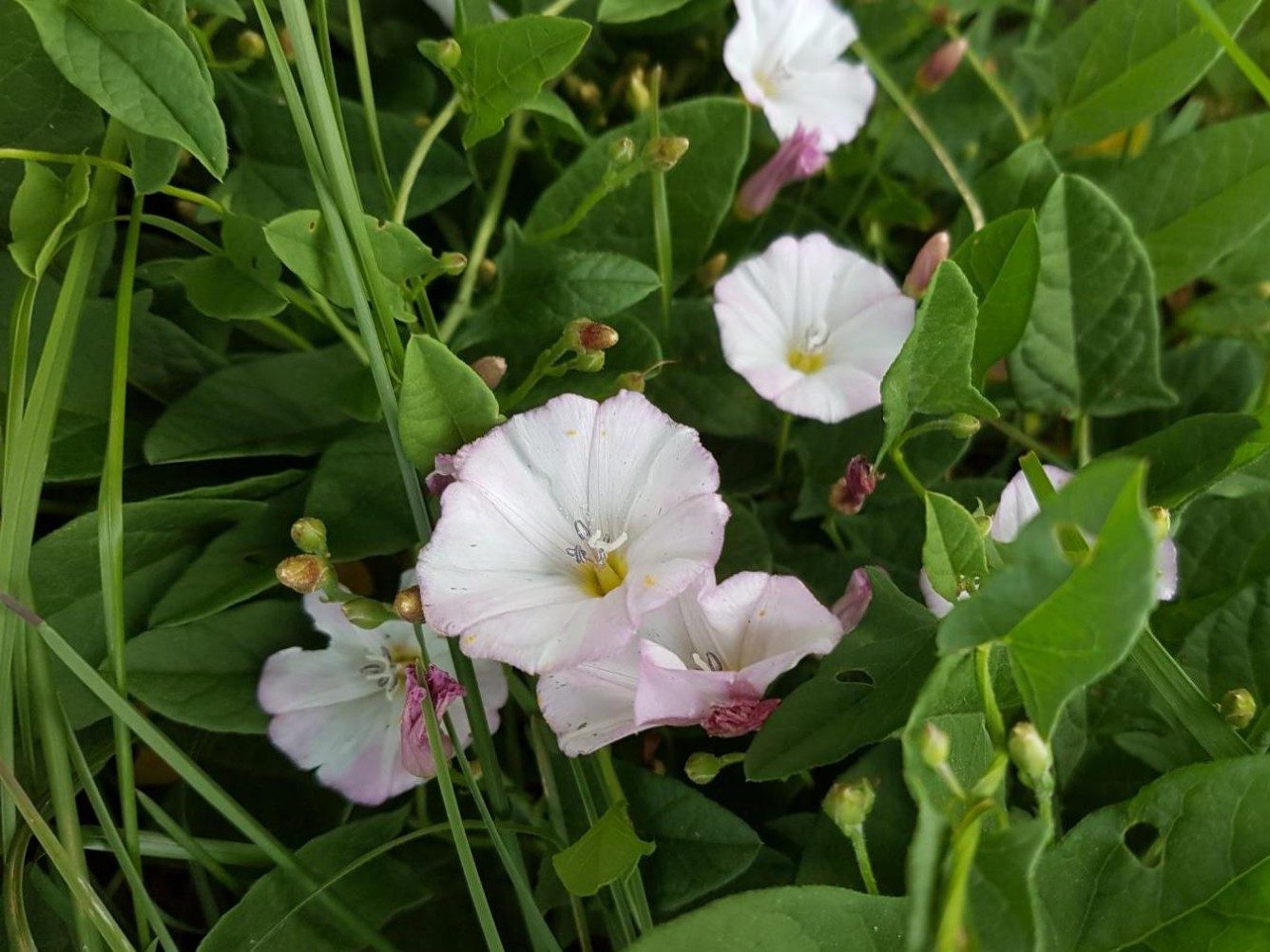
Nursing Skills
Convolvulus arvensis has strong adaptability to the environment and can grow well with almost no special care. If used for gardening, it should be pruned regularly to control the growth range and prevent it from spreading too quickly. When planting at home, it is recommended to use a flower stand or support to guide its growth and maintain a beautiful shape.
Advertisement
Plant Properties
-
- Toxicity
- non-toxic
-
- Flower size
- 2~3 cm
-
- Plant type
- perennial vine herbaceous plant
-
- Flower color
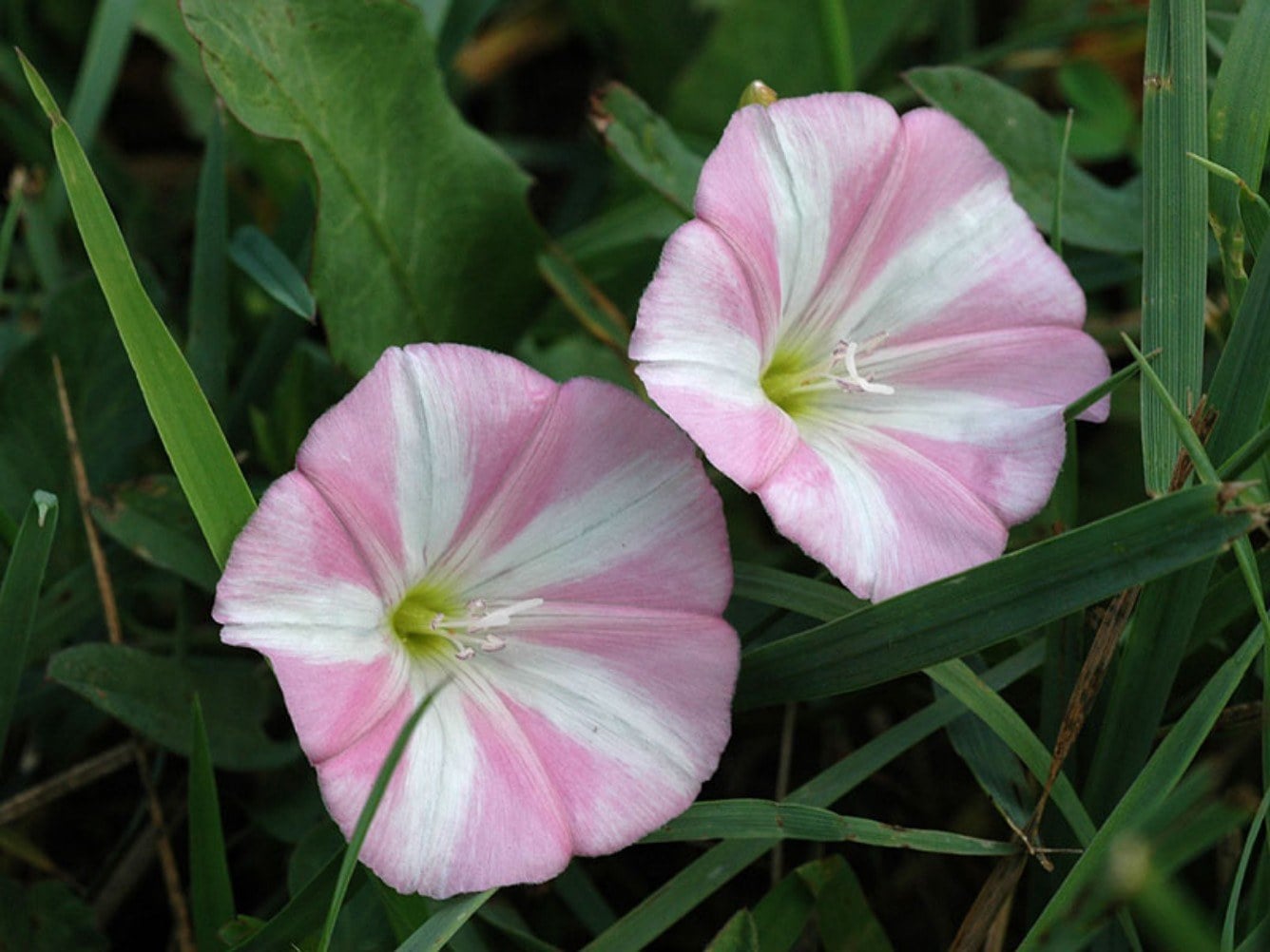
- light pink, white, lavender
-
- Flower shape
- trumpet-shaped corolla
-
- Leaf shape
- leaves are arrow-shaped or lanceolate
-
- Flowering period
- late spring to early autumn (May–September)
-
- Growth rate
- grows rapidly and spreads strongly
Plant Care Requirements
-
Sunlight requirements
full-sun plant
-
Drought tolerance
strong drought tolerance
-
Planting time
spring (March-May)
-
Watering requirements
no frequent watering
-
Planting method
mainly through rhizome division and seed propagation
-
Cold tolerance
strong cold tolerance, can overwinter in colder climates
-
Soil requirements
loose and breathable loam or sandy loam
Advertisement
Plant Care Guide
-
Where does field bindweed usually grow?
Farmland, garden, roadside, wasteland, lawnField bindweed is a highly adaptable plant that can grow in almost all soil and climatic conditions. It is commonly found in farmland, garden, roadside, wasteland, lawn and other disturbed open areas. It especially likes sunny environments, but can also tolerate partial shade.
-
Is field bindweed suitable for planting on the edge of a flower bed?
Suitable, but requires regular pruning and managementField bindweed is very suitable for planting on the edge of a flower bed because of its strong spreading and soft branches. It can form a beautiful natural hanging landscape and increase the layering and ornamental value of the flower bed. However, because field bindweed grows rapidly and easily spreads into the flower bed, affecting the growth of other plants, it needs regular pruning and management to control its growth range and ensure the overall neatness and coordination of the flower bed. This can not only play the decorative effect of field bindweed, but also avoid the problems caused by its excessive spread.
-
Is field bindweed suitable for bonsai?
Suitable for hanging potted plantsField bindweed has a strong spreading and vigorous growth habit, and its branches are soft and grow rapidly, which makes it less suitable for traditional bonsai modeling because it is difficult to control its shape and growth direction. However, field bindweed is very suitable for making hanging potted plants. Using its hanging vines and fresh and beautiful flowers, it can create a natural and casual decorative effect, adding a touch of vitality to the balcony or interior.
-
How long is the life span of field bindweed seeds?
5~20 yearsField bindweed seeds have extremely strong vitality and adaptability. Under natural conditions, they can remain dormant in the soil for many years without losing their activity. Once the environmental conditions are suitable, such as rising temperatures and moist soil, they can quickly germinate and grow. According to research, field bindweed seeds can survive in the soil for 5 to 20 years, or even longer, so they are considered one of the difficult weeds to eradicate in farmland management and require long-term prevention and control.
-
What is the growth cycle of field bindweed?
Sprouting in spring and growing most vigorously in summerField bindweed is a perennial plant. Its above-ground parts may wither in winter, but the underground roots will survive. When the temperature rises in spring, the roots will sprout new buds again. Summer is the period of its most vigorous growth, and it will bloom and set seeds. It may continue to spread throughout the growing season.
-
When is the best time to control field bindweed?
Early GrowthThe best time to control field bindweed is in its early growth, when seedlings appear or before flowering and seeding. At this time, the plant's root system is not yet fully developed, so removal is relatively easy and can effectively prevent the spread of seeds. Continuous monitoring and removal are very important throughout the growing season.
Advertisement
Frequently Asked Questions
-
1 Is field bindweed an invasive plant? Why?
Yes, in many countries and regions, field bindweed is considered a highly invasive weed. Its strong ability to reproduce (through seeds and rhizomes), rapid growth rate, and habit of entwining other plants enable it to quickly occupy space and inhibit the growth of other crops or native plants, causing harm to agricultural production and ecosystems.
-
2 Why is field bindweed difficult to control?
The main reason why field bindweed is difficult to control is due to its strong root system and reproductive ability. Its roots can penetrate several meters into the soil, and even if the above-ground part is removed, the underground rhizomes can quickly germinate. In addition, the seeds are long-lived and can survive in the soil for many years, making continuous removal work necessary.
-
3 Is it effective to pull field bindweed by hand? What are the tips?
Manual removal is effective for seedlings or small areas of field bindweed, but it must be thorough. When pulling, try to pull out the roots together, preferably when the soil is moist, so that the roots are easier to pull out. It should be noted that field bindweed can regrow even if a small piece of rhizome is left, so it needs to be continued.
-
4 Is field bindweed toxic to pets or livestock?
Although field bindweed is not generally considered to be highly toxic to livestock, it contains alkaloids, and large amounts of ingestion may cause symptoms such as indigestion. For pets, it is best to avoid contact or consumption. If you suspect your pet has ingested it, consult a veterinarian immediately.
Advertisement
Introduction
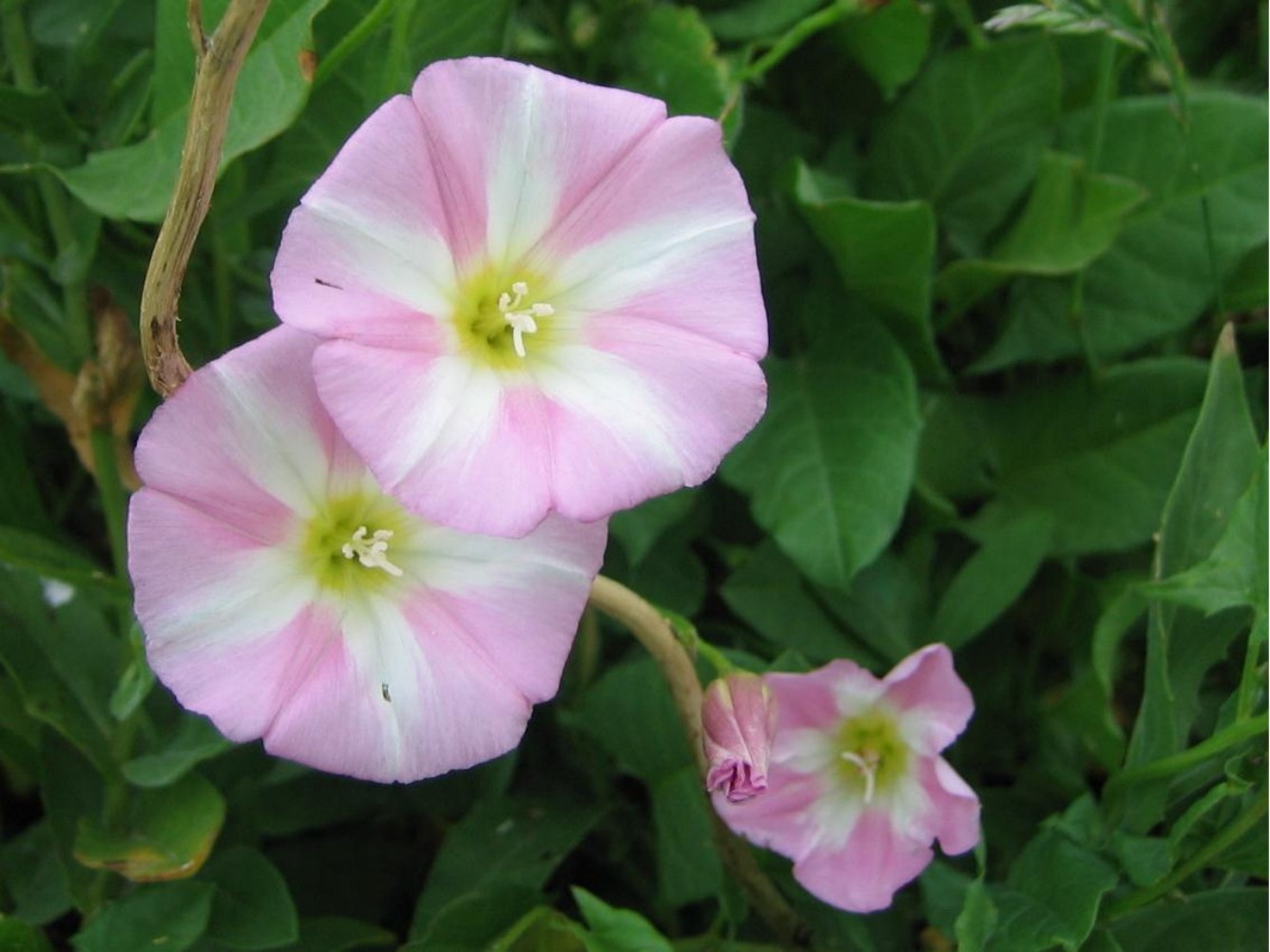
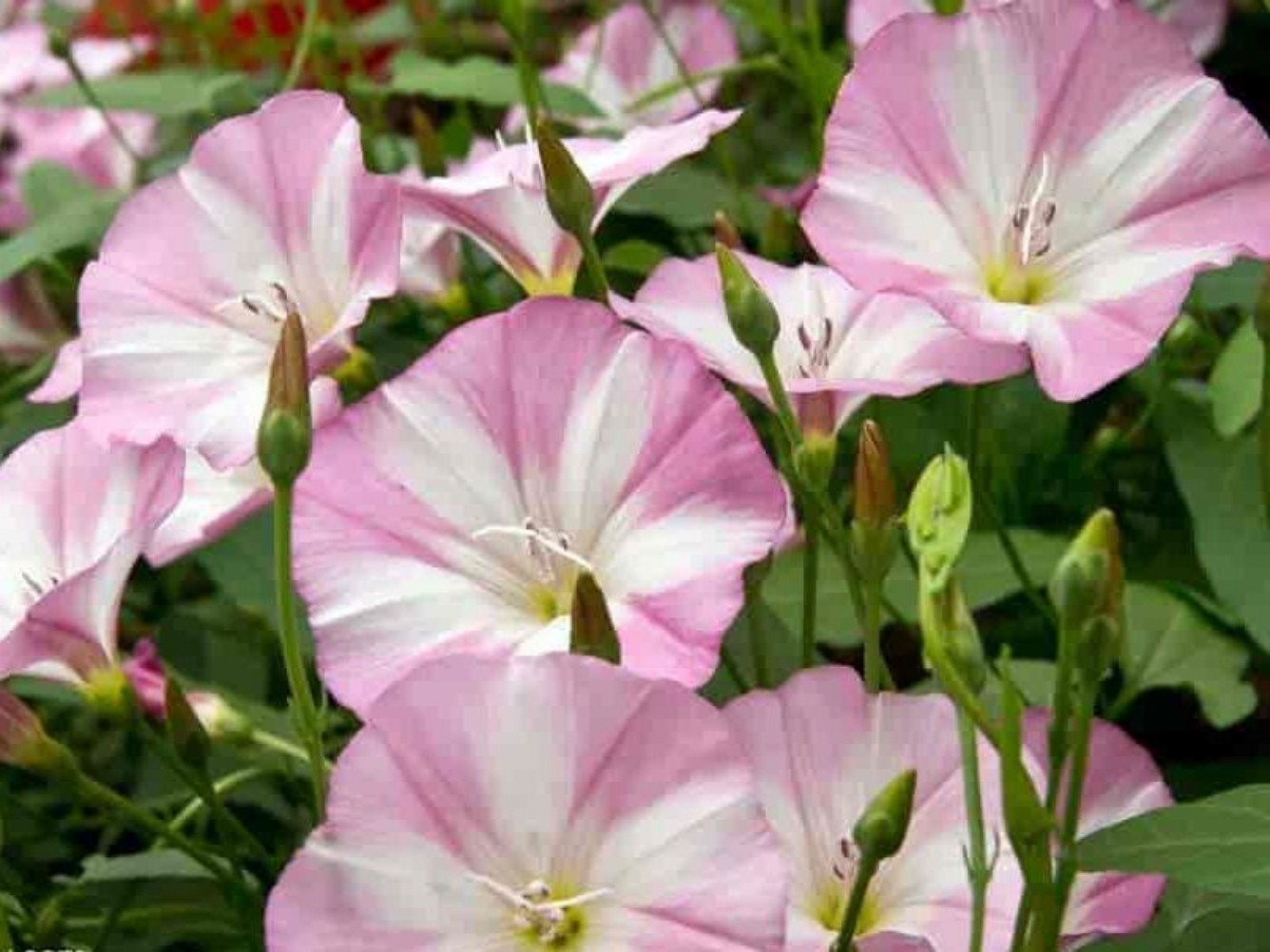
Convolvulus arvensis is commonly found in fields, roadsides or wastelands. Its stems are slender and soft, and it can wrap around other plants and grow upwards, with strong reproductive capacity. The flowers are mostly pink or lavender, shaped trumpets, and very fresh. Despite its beautiful flowers, it is often regarded as a weed in agriculture because of its well-developed root system and tenacious vitality, which easily invades the growth space of crops.
Popular Plant Encyclopedia
-
-
Poisonous and danger
- Rhus typhina
-
-
-
Edible and medicinal
- Common sunflower
-
-
-
Poisonous and danger
- Plumeria rubra
-
-
-
Wild and common weed
- Convolvulus arvensis
-
-
-
Edible and medicinal
- Perilla frutescens
-
-
-
Edible and medicinal
- Pogostemon cablin
-
-
-
Edible and medicinal
- Common fenugreek
-
-
-
Edible and medicinal
- Garden Thyme
-
 Poisonous and danger
 Edible and medicinal
Advertisement