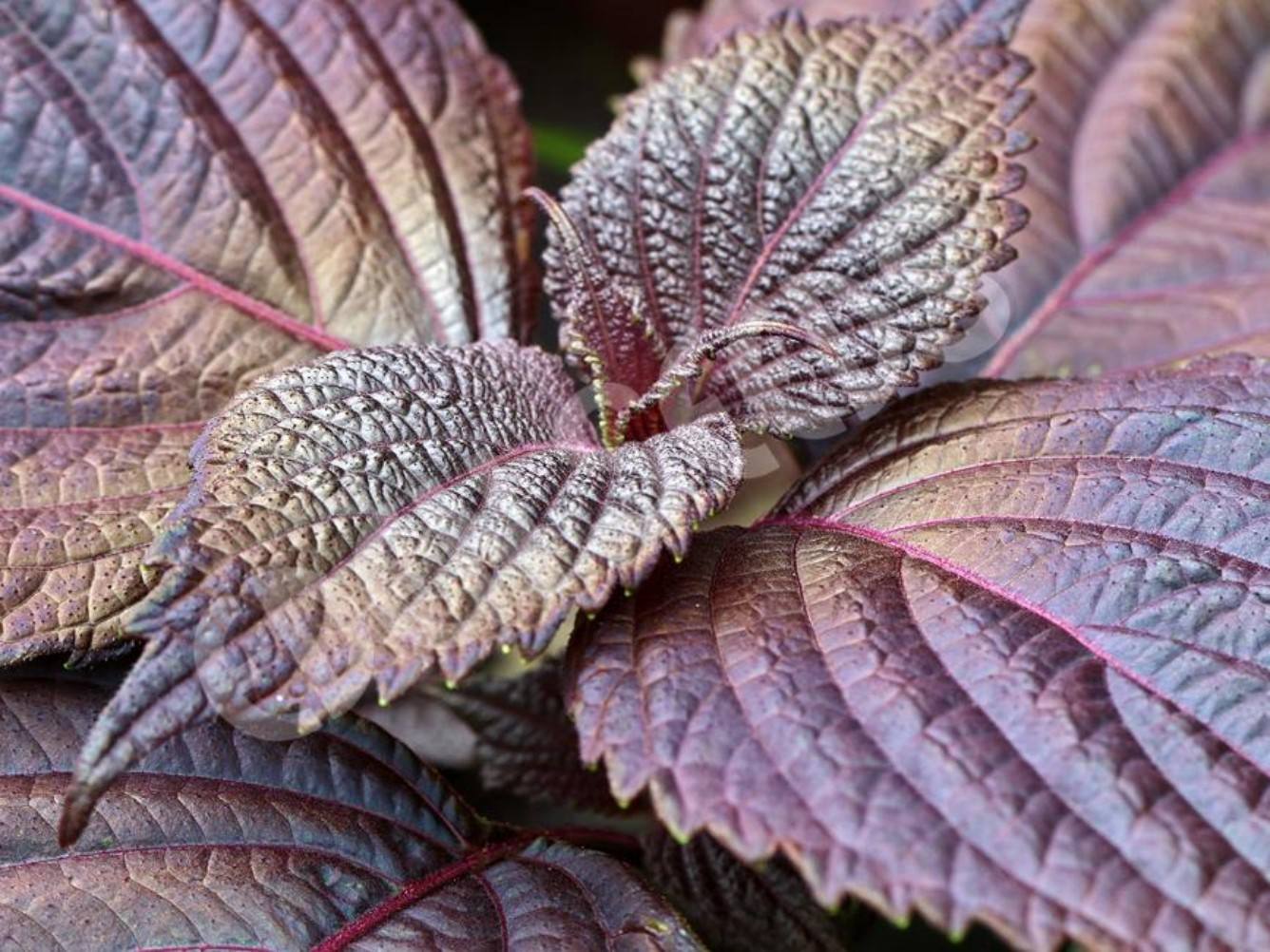
Perilla frutescens
-
 Edible and medicinal
 - Also known as: perilla, shiso, or beefsteak plant
 Edible and medicinal
Nursing Skills
Perilla frutescens thrives in full sun to partial shade and prefers well-drained, moderately fertile soil with a pH of 5.5–7.5. Water regularly to keep the soil lightly moist but not soggy. Plant after the last frost, and pinch back tips to encourage bushier growth. Avoid over-fertilizing.
Advertisement
Plant Properties
-
- Bloom Time
- Summer, Fall
-
- Harvest Time
- Fall
-
- Plant Height
- 60 cm to 90 cm
-
- Leaf Color
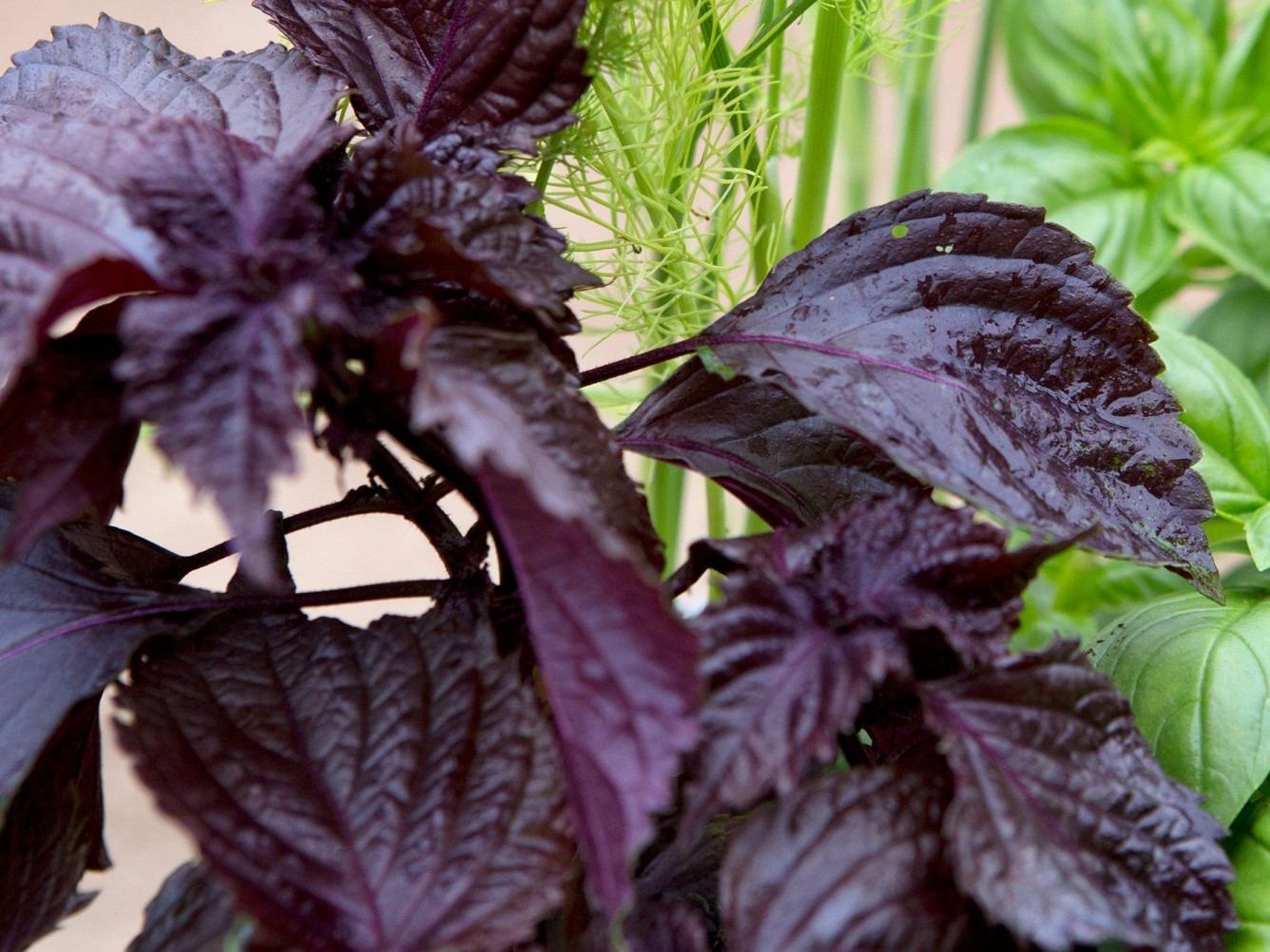
- Green, Red, Purple
-
- Flower Size
- 15 cm
-
- Fruit Color
- Brown, Green, Copper, Black, Silver, Gray
-
- Flower Color
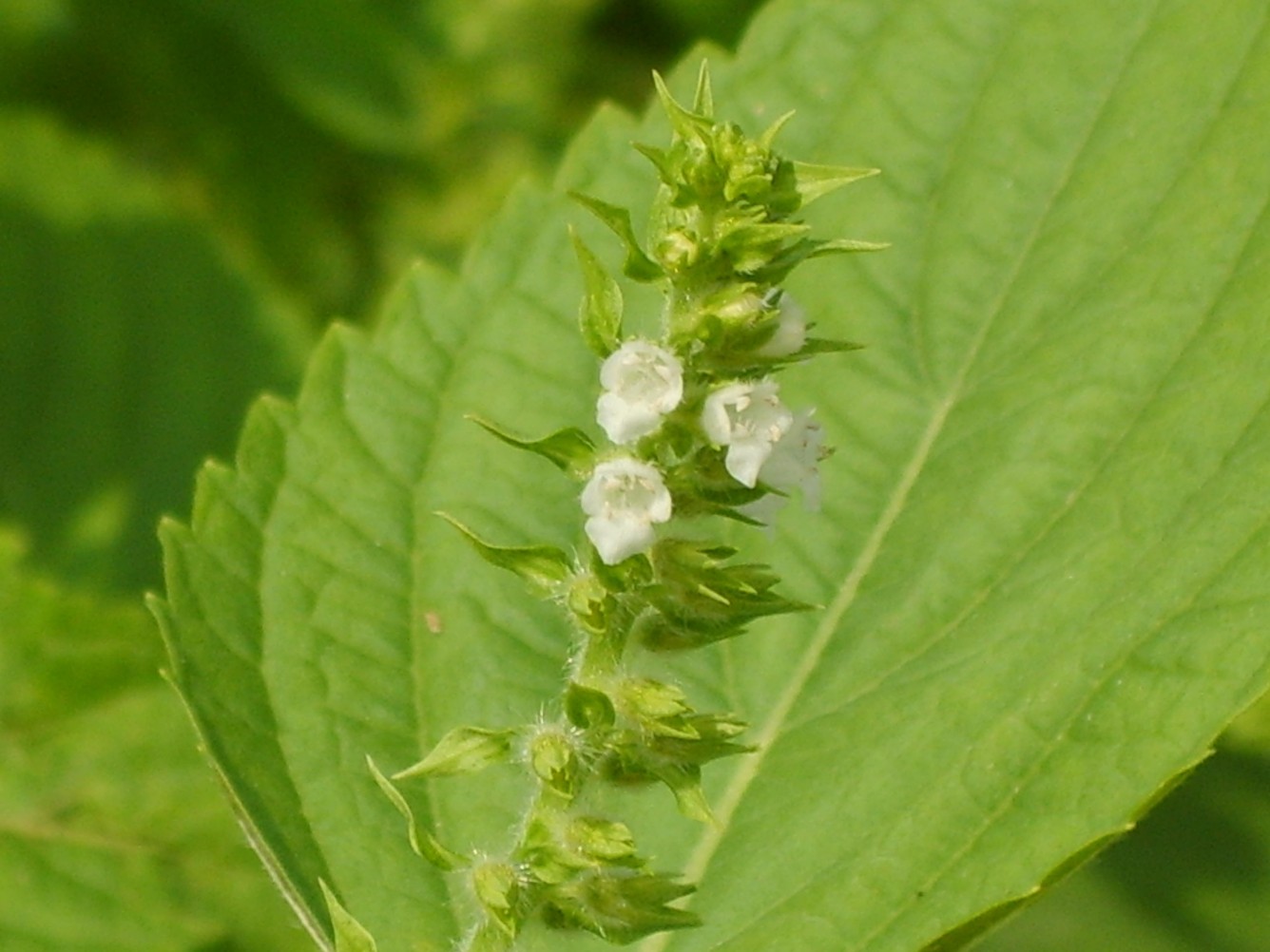
- White, Pink
-
- Stem Color
- Green, Red, Purple, Burgundy, Lavender
-
- Leaf type
- Deciduous
Plant Care Requirements
-
Difficulty of Care
Easy, suitable for beginners
-
Watering Frequency
Keep the soil consistently moist but not waterlogged
-
Light Requirements
Full sun to partial shade
-
Soil pH
pH 5.5–7.5
-
Planting Time
Sow seeds in spring after the last frost
-
Hardiness Zone
USDA zones 2–11
Advertisement
Plant Care Guide
-
How much sunlight does Perilla frutescens need to grow well?
Perilla frutescens thrives best in full sun to partial shade. Ideally, it should receive 4 to 6 hours of direct sunlight daily, especially in cooler climates. In hotter regions, some afternoon shade can help prevent leaf scorch and excessive drying. While it tolerates partial shade, too little light can lead to leggy growth and reduced flavor intensity in the leaves. Growing it in a bright spot ensures strong stems and vibrant foliage, which is especially important if you’re harvesting for culinary or medicinal use.
-
What kind of soil is ideal for growing Perilla frutescens?
Well-drained, rich in organic matterPerilla prefers well-drained, loamy soil rich in organic matter. It grows best in slightly acidic to neutral soil, with a pH range of 5.5 to 7.5. To improve soil fertility and drainage, you can mix in compost or aged manure before planting. Avoid compacted or overly wet soil, as waterlogged roots can lead to rot. For potted plants, use a high-quality potting mix with good aeration. A raised bed or container with drainage holes is ideal in heavy clay or poorly draining areas.
-
How often should I water Perilla frutescens?
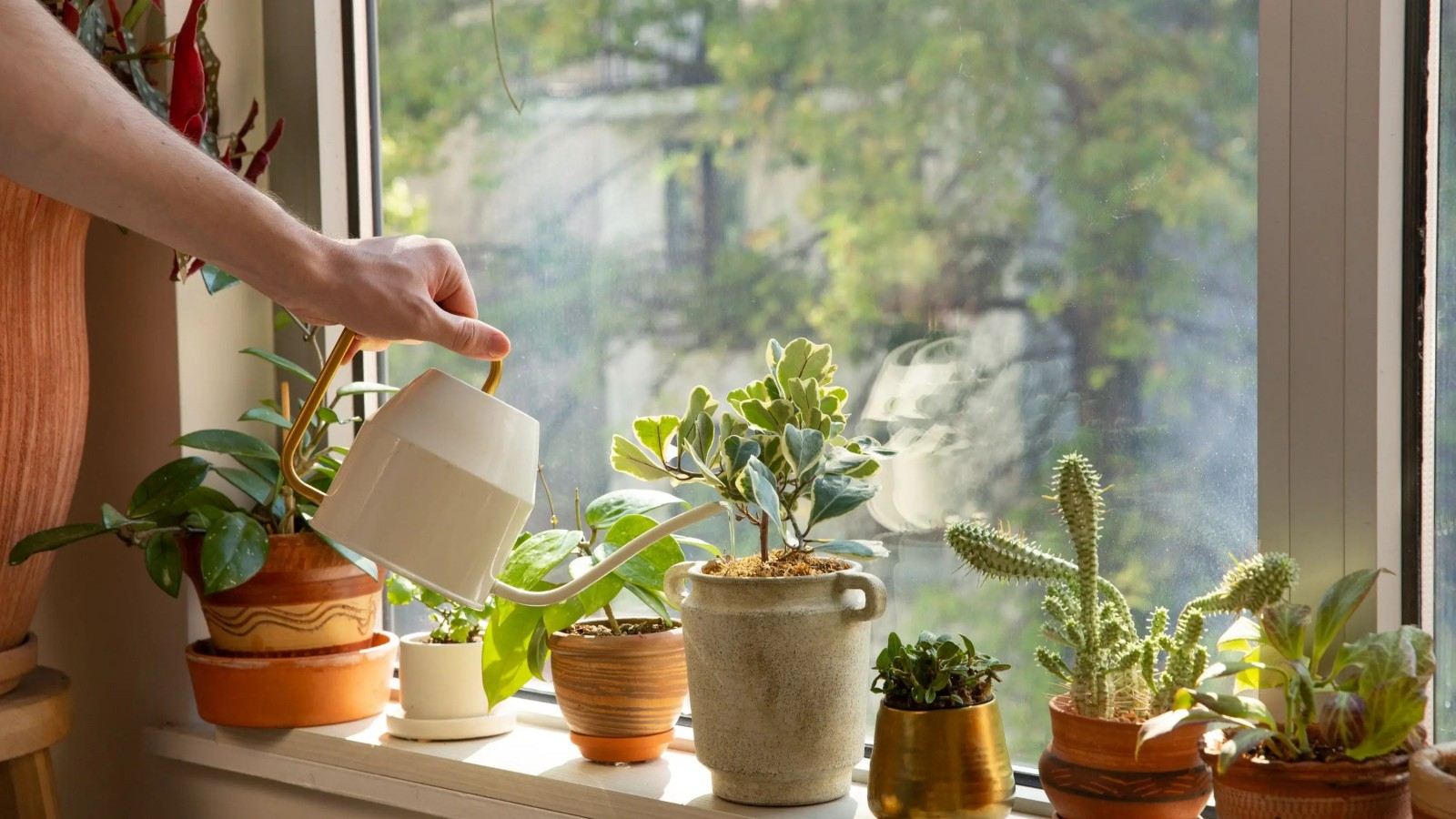
Keep the soil constantly moistWater Perilla frutescens regularly to maintain consistently moist soil, especially during hot or dry weather. It prefers evenly moist conditions but does not tolerate soggy soil. A moderate watering schedule, such as every 2–3 days during peak summer, works well, depending on your climate and soil type. In containers, check moisture more frequently. Always water at the base of the plant to avoid fungal diseases on the foliage. Mulching around the plant helps retain moisture and reduce watering frequency.
-
When is the best time to plant Perilla frutescens?
SpringThe ideal time to plant Perilla is in spring, after the last frost date in your region. The soil should be warm—at least 15°C (59°F)—to encourage proper seed germination and early root development. You can start seeds indoors 4–6 weeks before the last frost and transplant outdoors once temperatures are stable. Direct sowing is also an option, but be sure to thin the seedlings once they sprout. Early planting ensures a full growing season, especially since Perilla grows quickly and thrives in warm weather.
-
What is the ideal temperature range for Perilla frutescens?
18-30°CPerilla grows best in temperatures between 18–30°C . It is a warm-season annual, sensitive to frost and cold snaps. Sudden temperature drops below 10°C may cause growth to slow, while frost will kill the plant entirely. In cooler climates, you may need to start Perilla indoors or protect it with cloches or row covers during chilly nights. In very hot climates, providing partial afternoon shade can prevent heat stress and maintain leaf quality.
-
How fast does Perilla frutescens grow and when can I harvest it?
Maturity in 60-80 daysPerilla is a fast-growing herb, typically maturing in 60–80 days from seed. Seedlings emerge within 7–14 days and grow rapidly with adequate warmth, water, and light. You can begin harvesting tender young leaves once the plant reaches 6–8 inches tall. For continuous harvesting, snip leaves from the top to encourage bushier growth. Regular harvesting actually promotes more foliage and delays flowering, which can signal the end of leaf production. Full maturity brings seeds and flower spikes, which are also sometimes used culinarily.
-
Does Perilla frutescens require fertilization, and how often should I apply it?
No need for heavy fertilizationPerilla doesn’t require heavy fertilization, but light feeding helps boost growth and leaf production. Use a balanced organic fertilizer (like 10-10-10) once every 3–4 weeks during the growing season. Alternatively, enrich the soil with compost or worm castings at planting time for a steady nutrient supply. Avoid excessive nitrogen, which may cause lush foliage with reduced flavor and increased susceptibility to pests. In containers, fertilize slightly more often, as nutrients leach out faster due to frequent watering.
Advertisement
Frequently Asked Questions
-
1 Can Perilla frutescens be grown in containers, and how should I care for it in pots?
Yes, Perilla frutescens grows well in containers, making it ideal for patios, balconies, or limited garden space. Choose a container that is at least 10–12 inches deep with drainage holes. Use a well-draining, loamy potting mix enriched with compost. Place the pot where it will receive at least 4–6 hours of sunlight daily. Water consistently, as containers dry out more quickly than ground soil—typically every 1–2 days during hot weather. Fertilize monthly with a balanced, water-soluble fertilizer. Pinch back growing tips to promote bushiness. Monitor for pests like aphids or mites. In cooler climates, pots can be brought indoors at night to extend the growing season before frost.
-
2 What are the culinary uses of Perilla frutescens, and are there different varieties?
Perilla frutescens is highly valued in Asian cuisine. The green-leaf variety, often called Korean perilla or “kkaennip,” is used fresh in salads, wraps, and pickles. The red-leaf variety, often called shiso in Japan, is used to color pickled plums (umeboshi), garnish sashimi, or flavor rice dishes. The seeds are also edible and are pressed to make perilla oil, which is rich in omega-3 fatty acids. Different cultivars may vary slightly in flavor—green perilla is grassy and slightly nutty, while red perilla has a stronger, almost cinnamon-like taste. Both types can be used raw or cooked. Always harvest young leaves for the best flavor and texture.
-
3 Is Perilla frutescens easy to grow for beginners?
Yes, Perilla frutescens is relatively easy to grow, even for beginners. It germinates easily from seed, requires minimal fertilization, and has moderate water needs. It adapts well to various soil types, as long as the soil drains well. The plant is generally low-maintenance and fast-growing, maturing in 60–80 days. It’s also fairly pest-resistant and disease-tolerant. Its biggest challenge is frost sensitivity—make sure to plant after the last frost and harvest before cold weather arrives. Regular pinching back promotes bushier growth. For beginners interested in edible herbs or medicinal plants, perilla is a versatile and forgiving choice that provides continual harvests throughout the season.
-
4 How do I harvest and preserve Perilla frutescens for later use?
To harvest Perilla frutescens, use clean scissors to snip young leaves once the plant is about 6–8 inches tall. Always harvest from the top to encourage branching and new growth. Leaves can be used fresh, but for longer storage, they can be air-dried in a shaded, well-ventilated area. Dried leaves retain much of their flavor and can be stored in airtight containers for months. You can also freeze the leaves between sheets of parchment paper or blend them into pastes. Perilla seeds can be harvested when they turn brown and dry—store them in cool, dark places for use in cooking or replanting the following season.
-
5 Are there any pests or diseases that commonly affect Perilla frutescens?
Perilla frutescens is relatively resistant to pests and diseases, but some issues may arise. Aphids and spider mites are the most common pests, especially in hot, dry weather. Regular inspection and the use of insecticidal soap or neem oil can control infestations. Slugs and snails may also nibble on young plants. Disease-wise, poor drainage can lead to root rot or fungal leaf spots. To prevent issues, avoid overhead watering and provide proper spacing for air circulation. Companion planting with herbs like basil or mint can deter insects naturally. Healthy, well-cared-for plants tend to resist problems better, so routine care is key to prevention.
Advertisement
Introduction
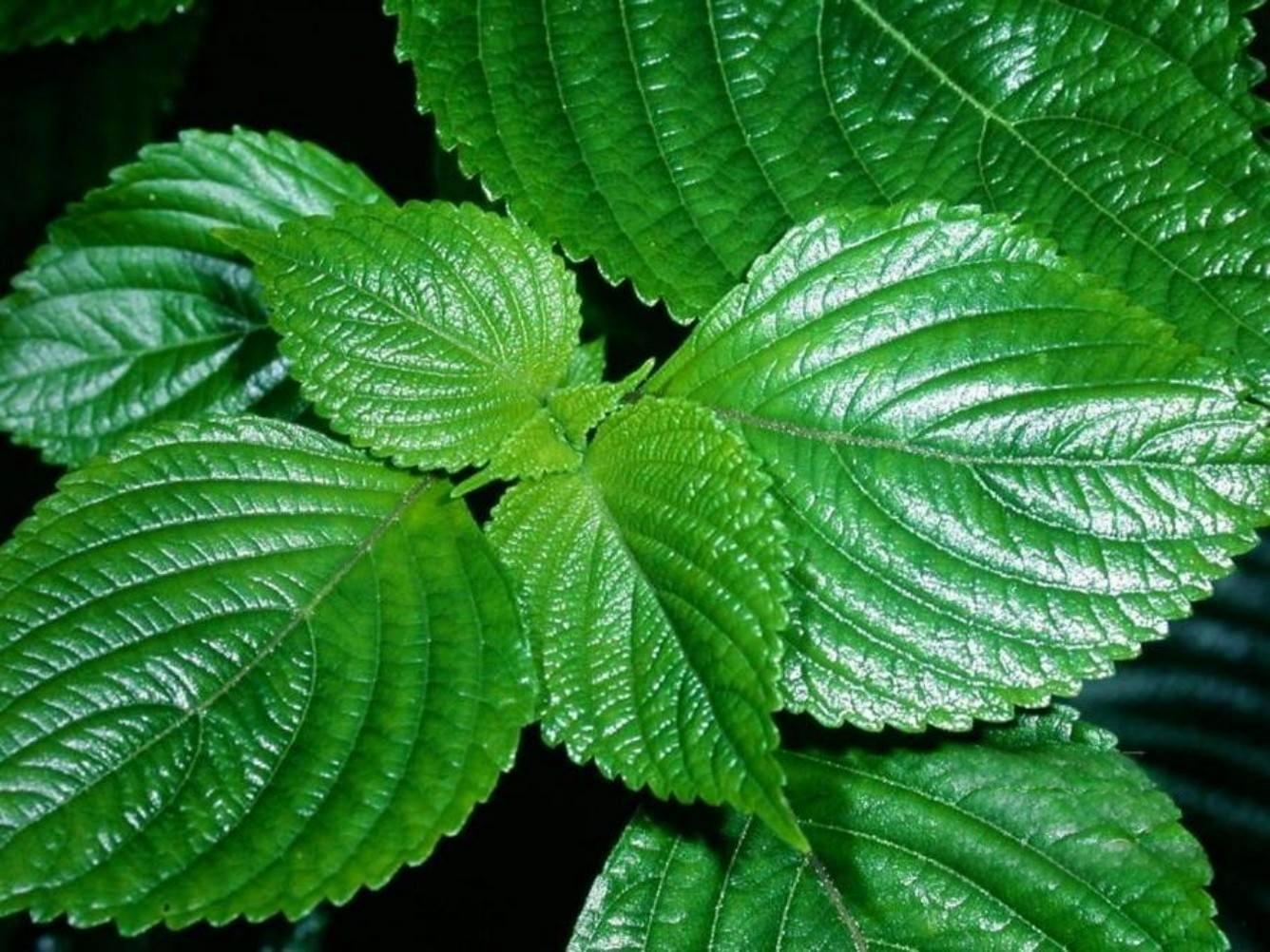
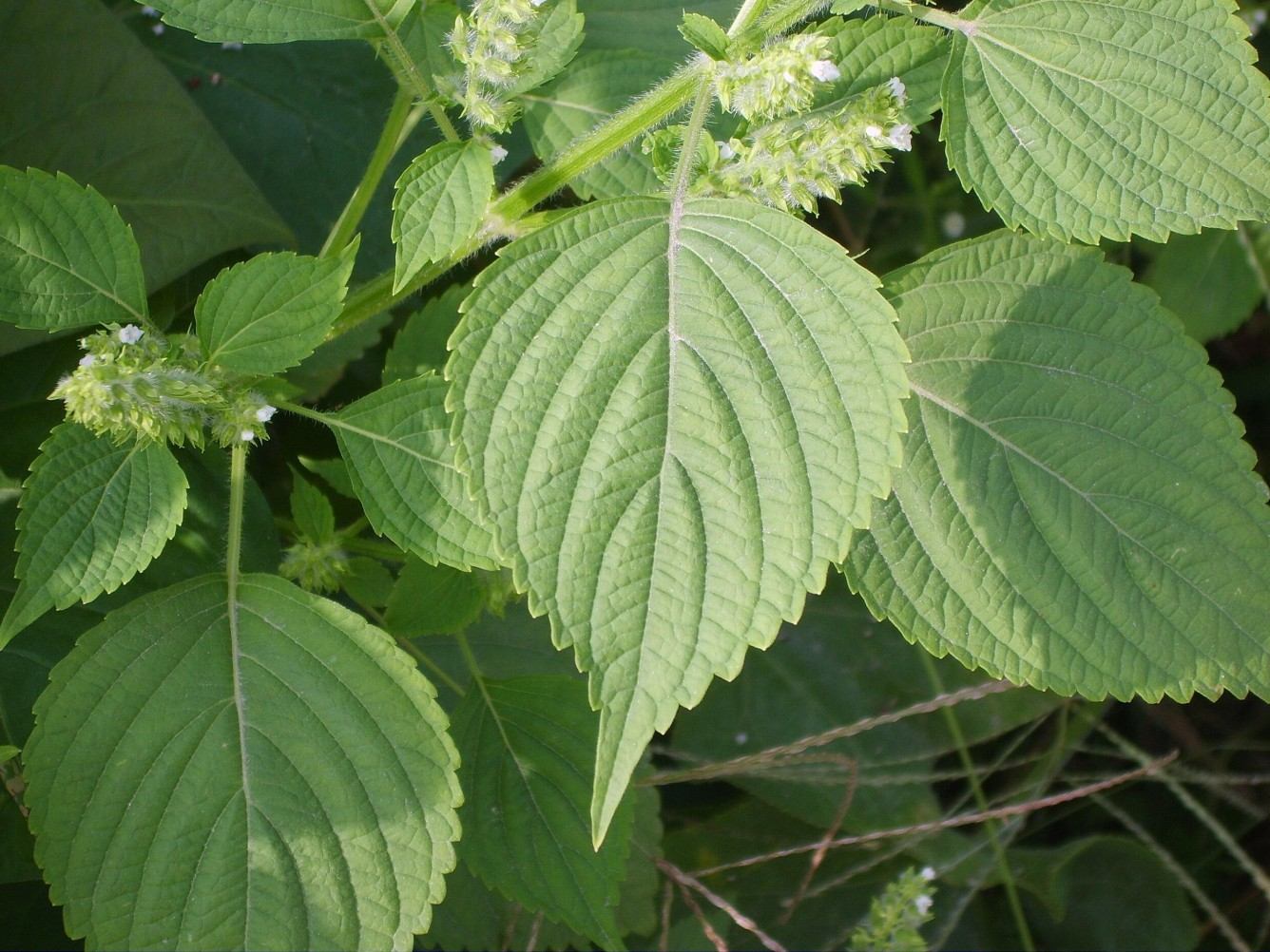
Perilla frutescens is an aromatic annual herb belonging to the mint family (Lamiaceae). Native to East Asia, it features broad, serrated leaves that may be green or purple, depending on the variety. Highly valued for its culinary, medicinal, and ornamental uses, perilla is used in Asian cuisine for garnishing, flavoring, and wrapping foods. The plant emits a distinct fragrance and grows well in warm, sunny conditions with well-draining soil. It attracts pollinators and supports biodiversity.
Popular Plant Encyclopedia
-
-
Poisonous and danger
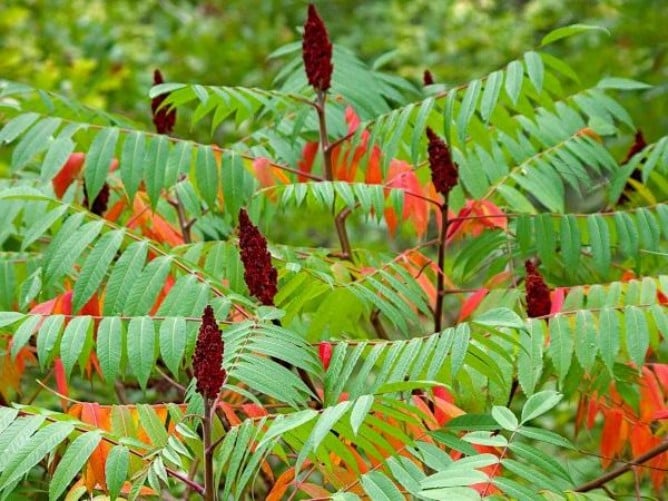
- Rhus typhina
-
-
-
Edible and medicinal
- Common sunflower
-
-
-
Poisonous and danger
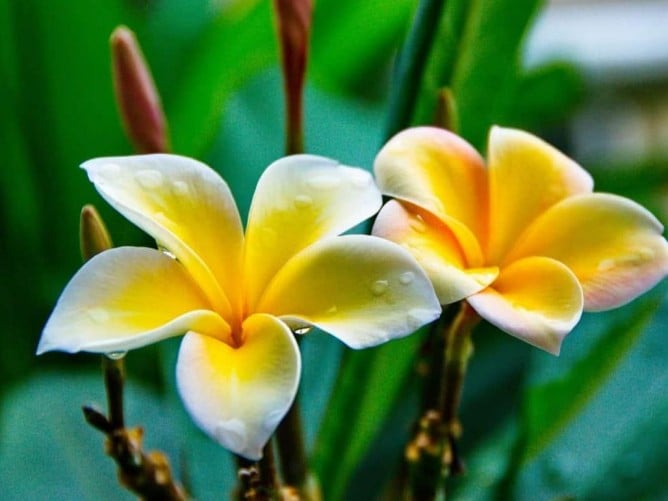
- Plumeria rubra
-
-
-
Wild and common weed
- Convolvulus arvensis
-
-
-
Edible and medicinal
- Perilla frutescens
-
-
-
Edible and medicinal
- Pogostemon cablin
-
-
-
Edible and medicinal
- Common fenugreek
-
-
-
Edible and medicinal
- Garden Thyme
-
 Poisonous and danger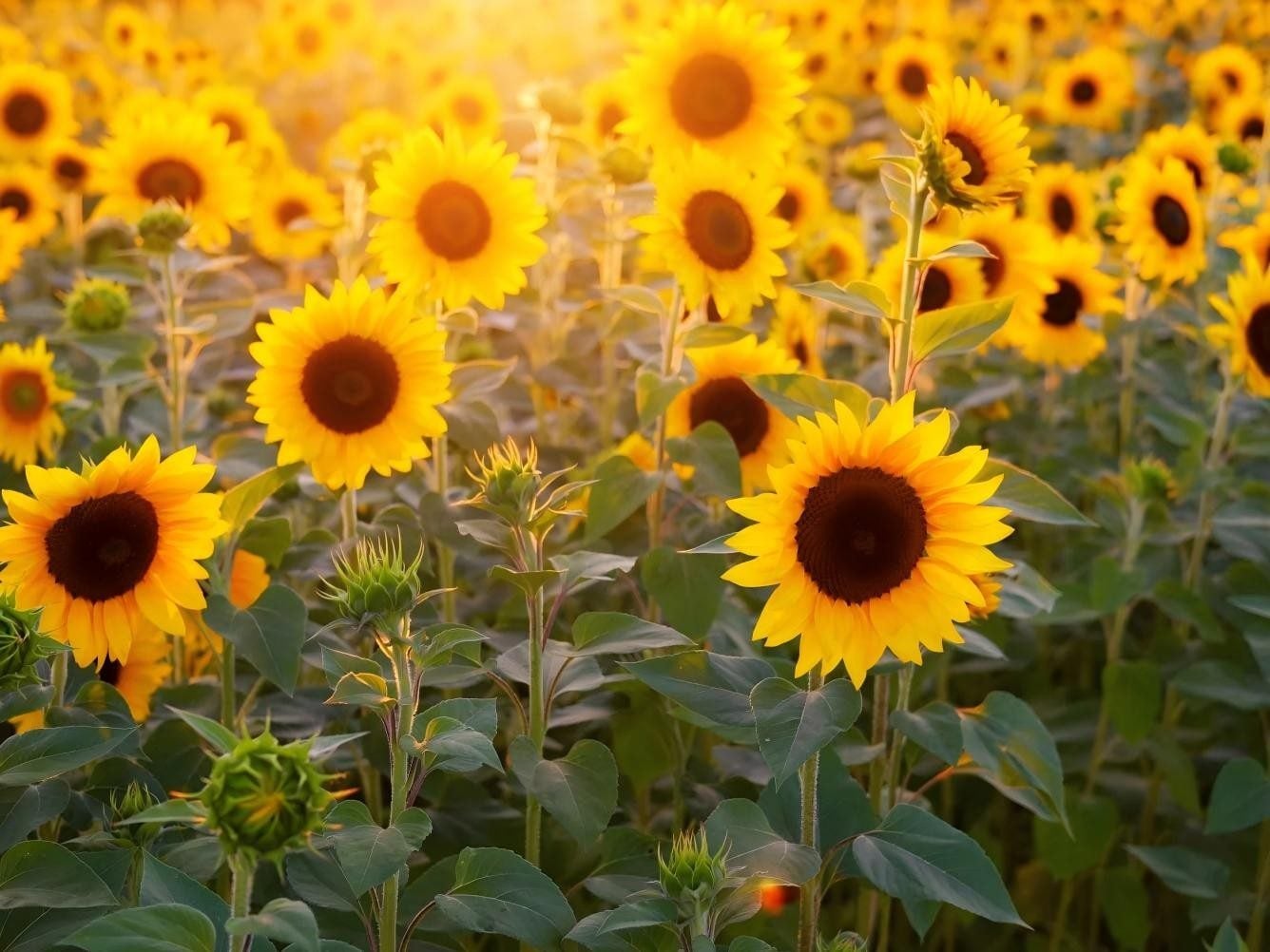
 Wild and common weed
Advertisement