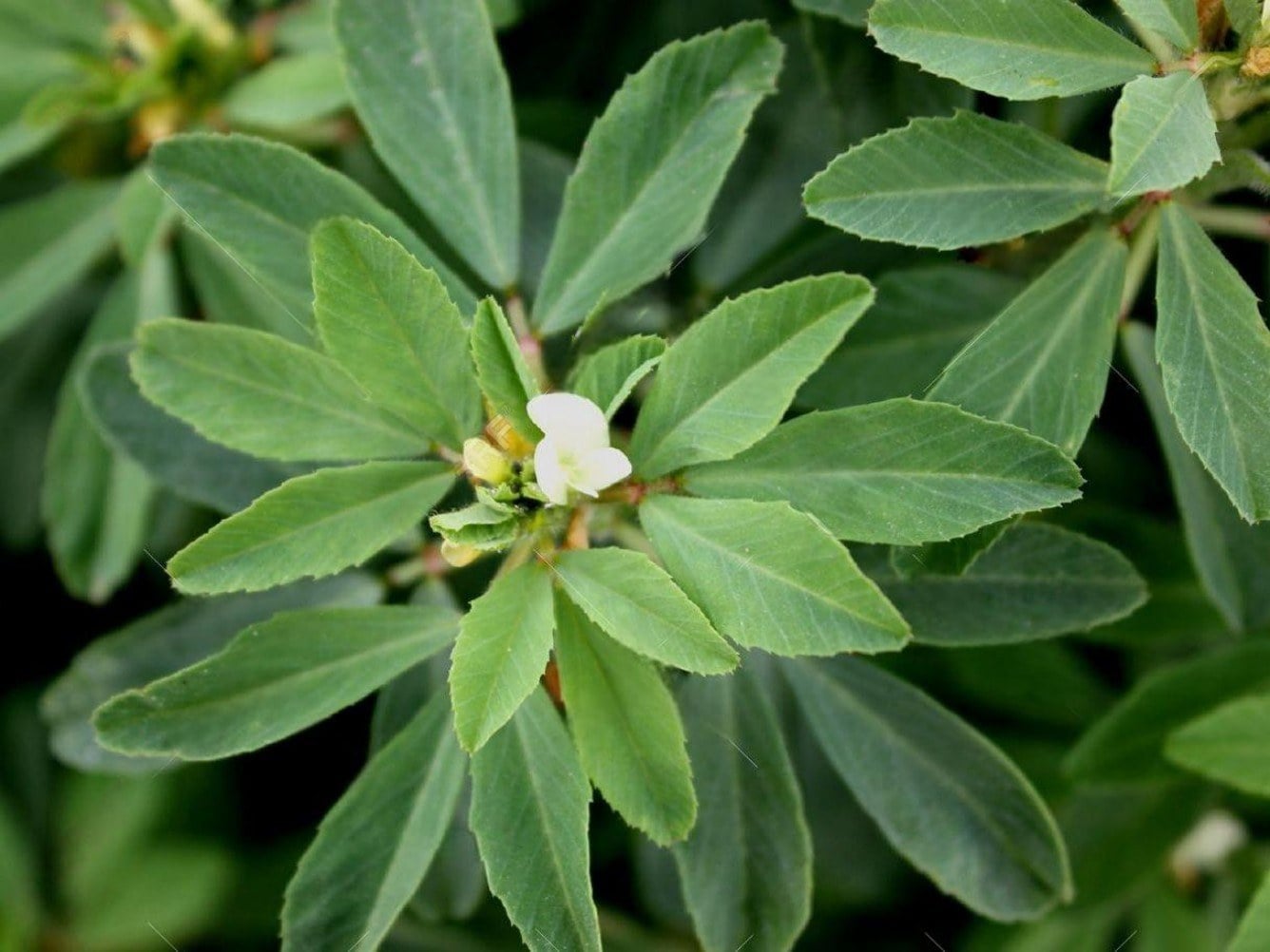
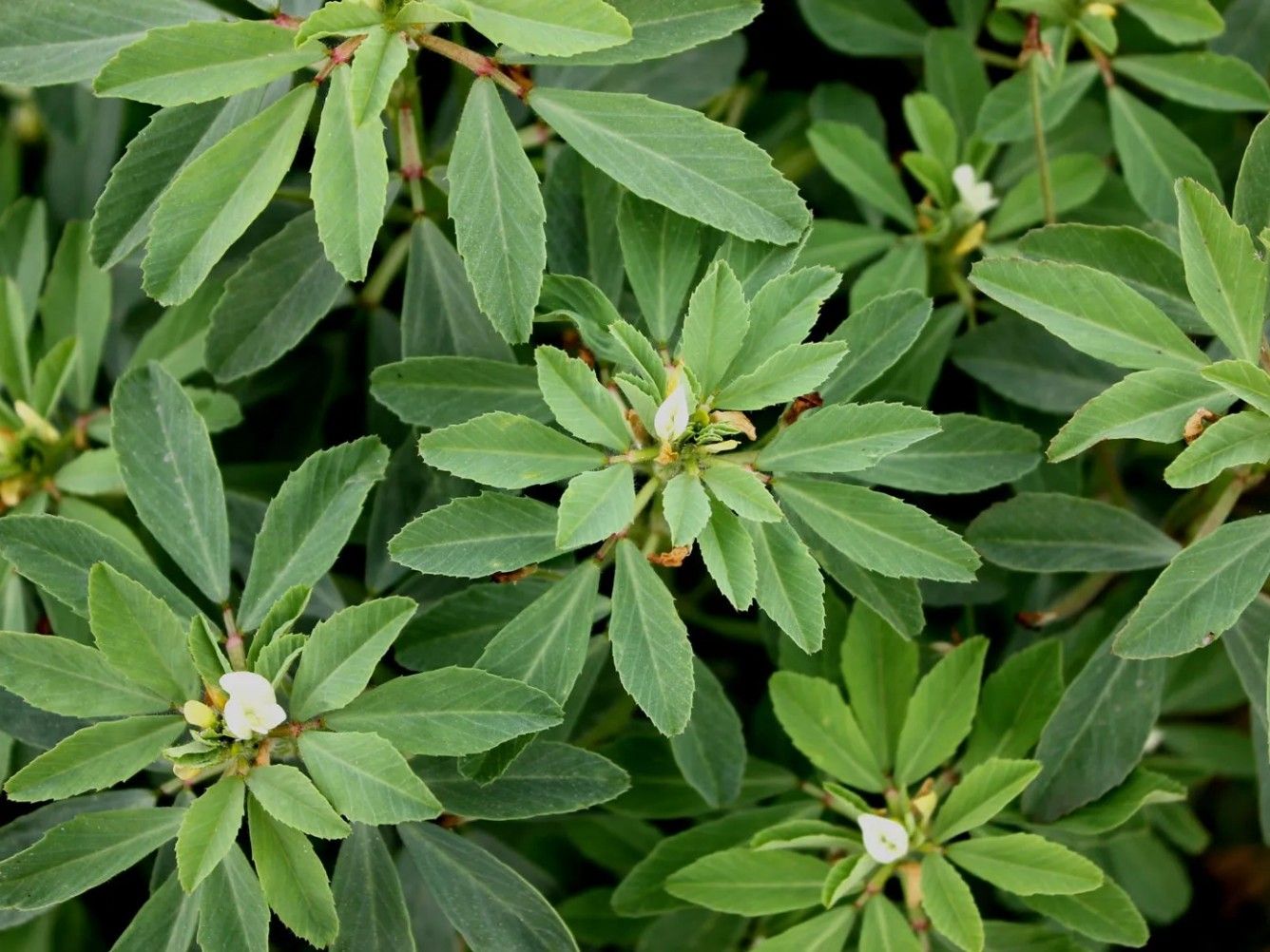
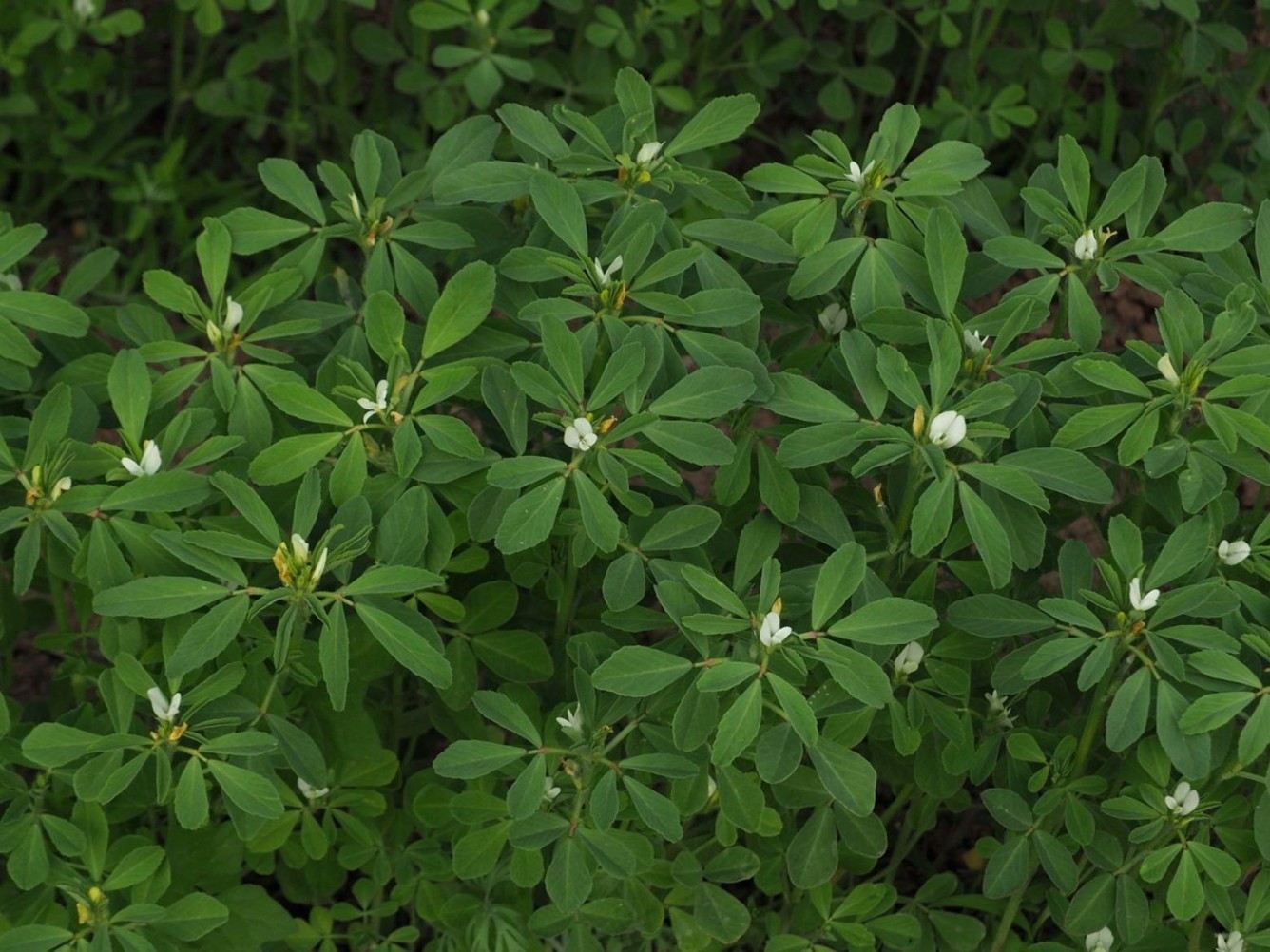
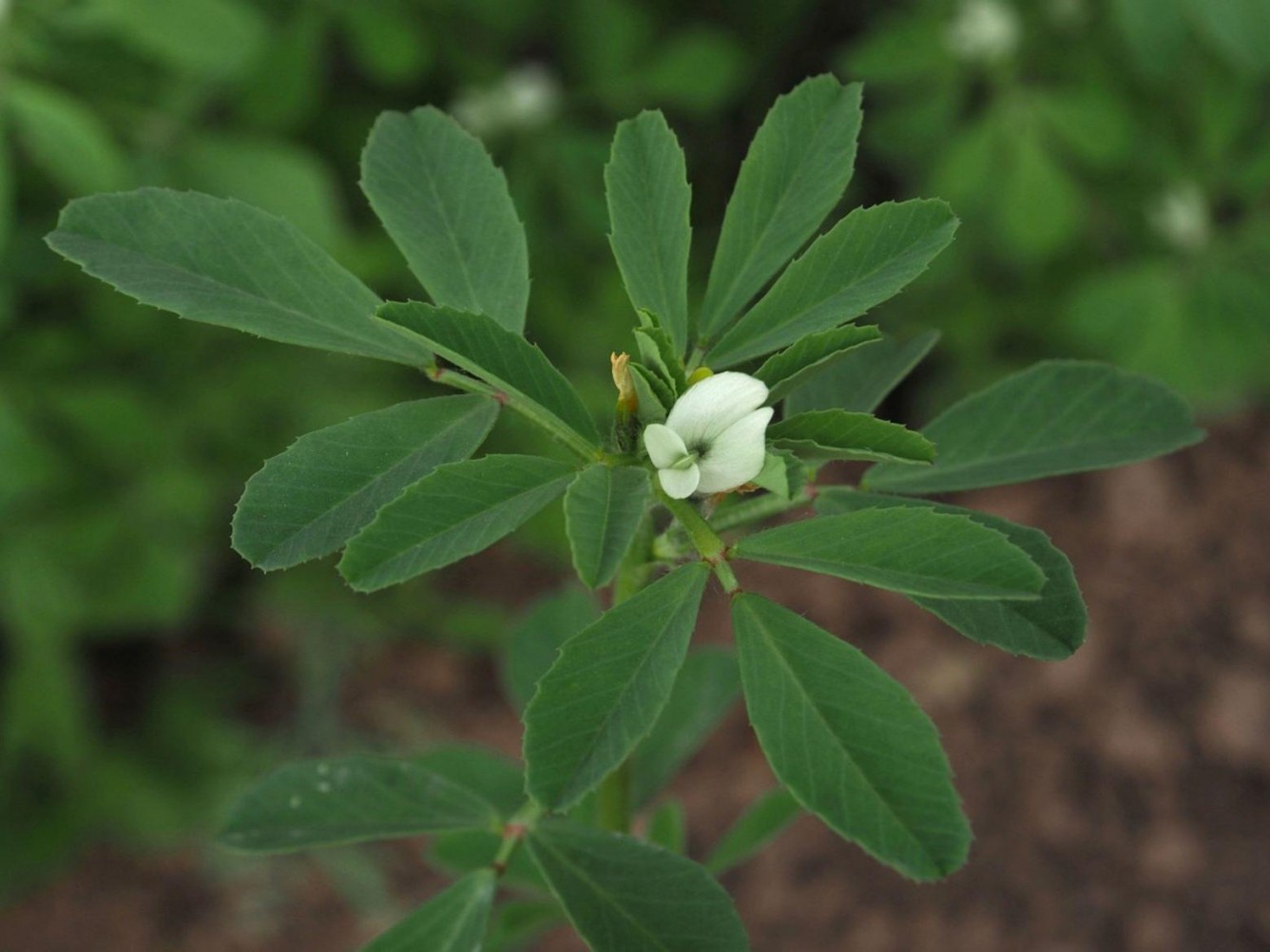
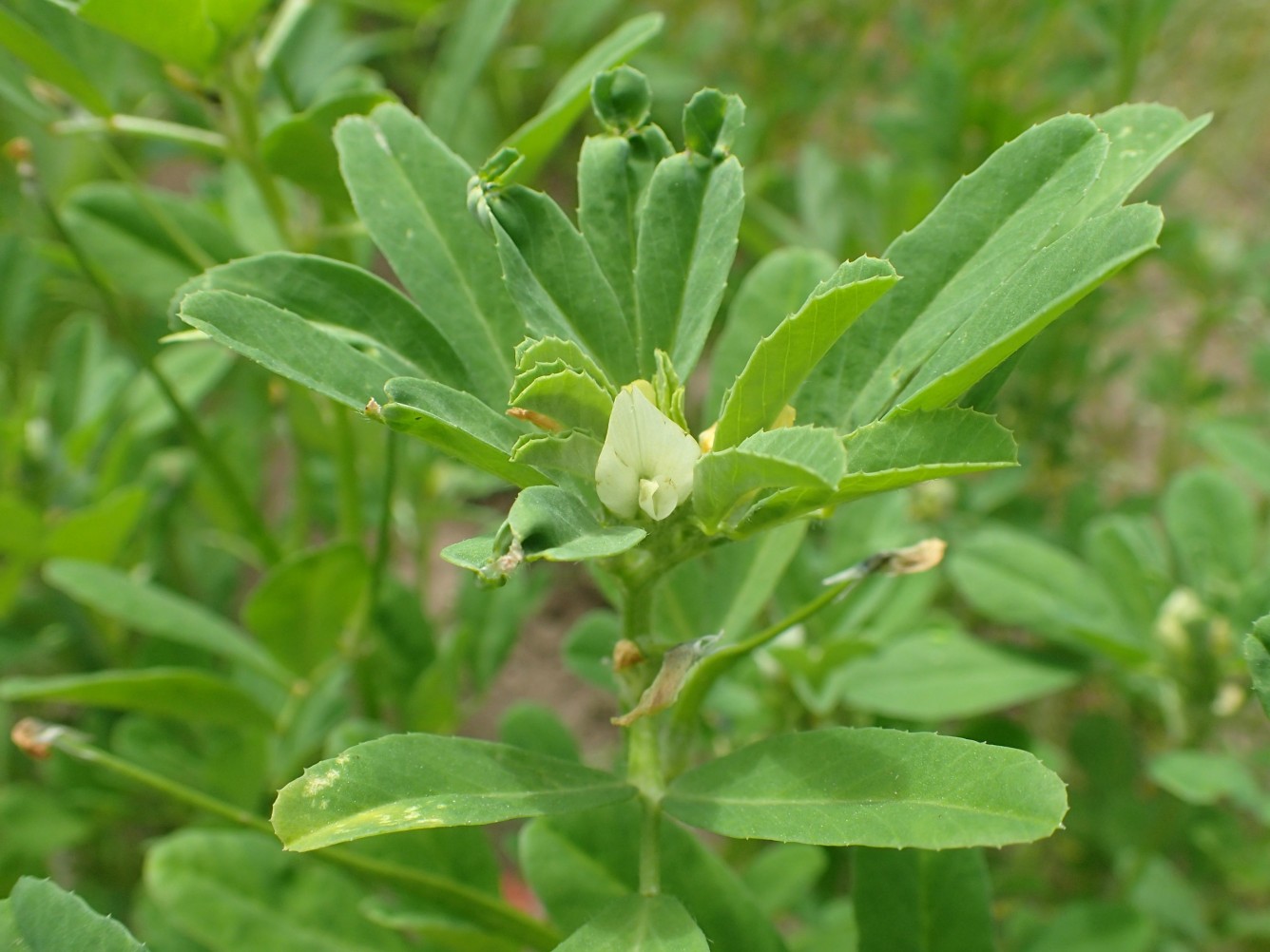
Common fenugreek
-
 Edible and medicinal
 - Also known as: Fenugreek
 Edible and medicinal
Nursing Skills
Common fenugreek thrives in full sun and well-drained, loamy soil with a neutral pH. Water moderately, keeping the soil slightly moist but not soggy. Plant in spring after frost, and avoid over-fertilizing. It grows quickly, requires minimal care, and benefits from regular harvesting to encourage bushier growth.
Advertisement
Plant Properties
-
- Lifespan
- Annual
-
- Plant Type
- Herb
-
- Leaf Color
- Green
-
- Flower Color
- White, Yellow
-
- Leaf type
- Deciduous
-
- Growth Season
- Summer
-
- Growth Rate
- Rapid
Plant Care Requirements
-
Difficulty of care
Easy, suitable for beginners
-
Watering frequency
Moderate, water when the topsoil feels dry
-
Light requirements
Full sun
-
Soil pH
pH 6.0–7.0
-
Planting time
Early spring or fall in mild climates
-
Hardiness zone
USDA zones 9–11
-
Dormancy period
None
-
Ideal temperature
10–30°C
Advertisement
Plant Care Guide
-
How much sunlight does Common fenugreek need?
Common fenugreek thrives in full sun, which means it requires 6 to 8 hours of direct sunlight daily. Sunlight encourages vigorous leaf and stem growth and is essential for healthy flowering and seed production. If grown in partial shade, the plant may stretch toward the light, becoming leggy and less productive. In colder regions, choose the sunniest spot in your garden. For indoor growing, place it near a south-facing window or supplement with grow lights to ensure proper development.
-
What is the best soil type and pH for growing fenugreek?
pH 6.0 to 7.0Fenugreek grows best in loamy, well-drained soil with a pH level between 6.0 and 7.0, which is slightly acidic to neutral. It dislikes compacted or heavy clay soils, which can lead to waterlogging and root diseases. To improve drainage, mix in organic compost, aged manure, or sand before planting. If growing in containers, use a potting mix designed for vegetables or herbs. Consistent soil quality enhances not only growth but also the medicinal potency of the leaves and seeds.
-
How often should I water Common fenugreek?
Moderate but constant wateringFenugreek requires moderate but consistent watering. In the early stages, water 2–3 times per week or whenever the top inch of soil feels dry. Once established, reduce watering to once a week or as needed, depending on weather conditions. Overwatering can lead to fungal issues and root rot, especially in cooler, humid climates. To avoid this, always water at the base and early in the morning. Mulching around the base can help retain moisture and reduce weed competition.
-
When is the best time to plant fenugreek?
After the last frost in springThe ideal time to sow fenugreek is in spring, after the last frost, when soil temperatures consistently stay above 15°C (59°F). In warmer or tropical climates, it can also be planted in fall or winter, as long as frost is not a threat. Since fenugreek matures quickly, you can plant it successively every 2–3 weeks for a continuous harvest. It’s suitable for both outdoor gardens and container planting, making it a versatile choice for many gardeners.
-
What are the temperature and climate requirements for fenugreek?
10°C to 30°CFenugreek prefers warm, temperate to subtropical climates with an optimal growing temperature between 10°C and 30°C (50°F to 86°F). It tolerates mild cold but not frost. In cooler climates, it's best grown during the warmest months as an annual. In hot and arid regions, provide occasional shade during peak afternoon sun to prevent leaf scorching. It adapts well to most environments but performs best when temperature fluctuations are minimal and it receives steady moisture and light.
-
How fast does fenugreek grow and when can I harvest it?
Ready to harvest in 3 to 5 weeksFenugreek is a fast-growing plant. You can begin harvesting young leaves in as little as 3 to 5 weeks after planting. If your goal is seed collection, allow the plant to reach full maturity, which takes approximately 90 to 120 days. Harvest leaves by snipping them with scissors, which encourages bushier growth. For seed harvest, wait until the seed pods dry and turn brown. Fenugreek can be harvested multiple times in one season when grown in succession.
-
Does fenugreek require fertilizer or any special nutrients?
Avoid excessive use of high nitrogen productsFenugreek is a legume, which means it has the ability to fix nitrogen in the soil through symbiotic relationships with soil bacteria. This reduces the need for nitrogen-rich fertilizers. However, enriching the soil with well-rotted compost or balanced organic fertilizer at the time of planting can give it a good start. Avoid excessive use of high-nitrogen products, which can lead to lush foliage at the expense of seed and root development. Regular soil amendments are usually sufficient for healthy growth.
Advertisement
Frequently Asked Questions
-
1 What are the primary uses of Common Fenugreek, and which parts are used?
Common fenugreek is widely used for both culinary and medicinal purposes. The leaves (known as “methi” in Indian cuisine) are consumed fresh or dried, often used in curries, flatbreads, or as a seasoning. The seeds are used as a spice with a slightly bitter, nutty flavor and are also key ingredients in herbal remedies. Medicinally, fenugreek is used to aid digestion, regulate blood sugar levels, boost lactation, and support metabolic health.
-
2 How do I grow fenugreek indoors or in containers?
Fenugreek grows well in containers as long as the pot is at least 6 inches deep and has proper drainage. Use loose, fertile potting mix and place the container in a sunny location—a south-facing window or balcony is ideal. Sow seeds directly, as fenugreek doesn't transplant well. Keep the soil consistently moist, but avoid waterlogging. You can harvest the leaves within 3–4 weeks, and even grow it year-round indoors in warm conditions.
-
3 How do I harvest and store fenugreek leaves and seeds?
For leaves, snip the young green foliage 3–5 weeks after planting using clean scissors. Harvest only the top portion to encourage regrowth. To harvest seeds, wait until the plant matures and the pods dry out and turn brown (after about 3–4 months). Remove the pods, dry them thoroughly, and extract the seeds. Store dried leaves and seeds in airtight containers in a cool, dark place to preserve flavor and medicinal properties for up to a year.
-
4 What pests or diseases affect fenugreek, and how can I manage them naturally?
Fenugreek is relatively pest-resistant, but it may occasionally be affected by aphids, cutworms, powdery mildew, and root rot. To prevent issues, ensure good air circulation, avoid overwatering, and rotate crops if planting in garden beds. Spray neem oil or insecticidal soap for mild pest infestations. Intercropping with pest-repelling herbs like basil or marigold can also help. Removing infected leaves promptly and using well-drained soil reduces fungal disease risks.
-
5 Can fenugreek improve soil quality?
Yes! As a leguminous plant, fenugreek forms symbiotic relationships with nitrogen-fixing bacteria in its roots, converting atmospheric nitrogen into a usable form for plants. When grown as a cover crop or green manure, fenugreek can enhance soil fertility, structure, and organic matter content. After harvesting or at the end of the season, the plant can be tilled into the soil to naturally enrich it, making it a sustainable option for crop rotation and organic gardening.
-
6 Is fenugreek suitable for all climates, and can it tolerate frost?
Fenugreek grows best in mild to warm climates, preferring temperatures between 10°C and 30°C (50°F–86°F). It is not frost-tolerant, and cold weather can stunt growth or kill young seedlings. In cooler regions, it should be grown in spring and summer after the last frost. In warmer climates, it can be planted during the cooler months. Fenugreek matures quickly, so even in short growing seasons, multiple harvests may be possible.
-
7 What are the health benefits of consuming fenugreek regularly?
Fenugreek offers a wide range of health benefits. Its seeds are rich in fiber, iron, magnesium, and plant compounds like saponins and flavonoids. Regular consumption may help lower blood sugar levels, reduce cholesterol, promote digestion, and support lactation in breastfeeding women. It also has mild anti-inflammatory and antioxidant properties. However, individuals on medications—especially for diabetes or blood thinning—should consult a healthcare provider before taking fenugreek supplements or in large quantities.
Advertisement
Introduction
Common fenugreek is an annual herb native to the Mediterranean region, widely cultivated for its culinary and medicinal uses. It produces small, aromatic yellow-brown seeds and trifoliate leaves. Fenugreek is valued for its slightly bitter, maple- flavor and is often used in spice blends, teas, and traditional remedies. Rich in fiber, protein, and antioxidants, it supports digestion, lactation, and blood sugar regulation. This hardy plant grows best in warm climates and is easy to cultivate in home gardens.
Popular Plant Encyclopedia
-
-
Poisonous and danger
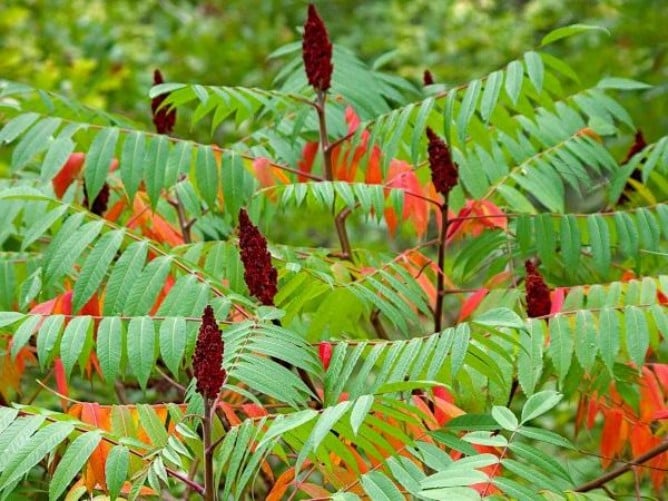
- Rhus typhina
-
-
-
Edible and medicinal
- Common sunflower
-
-
-
Poisonous and danger
- Plumeria rubra
-
-
-
Wild and common weed
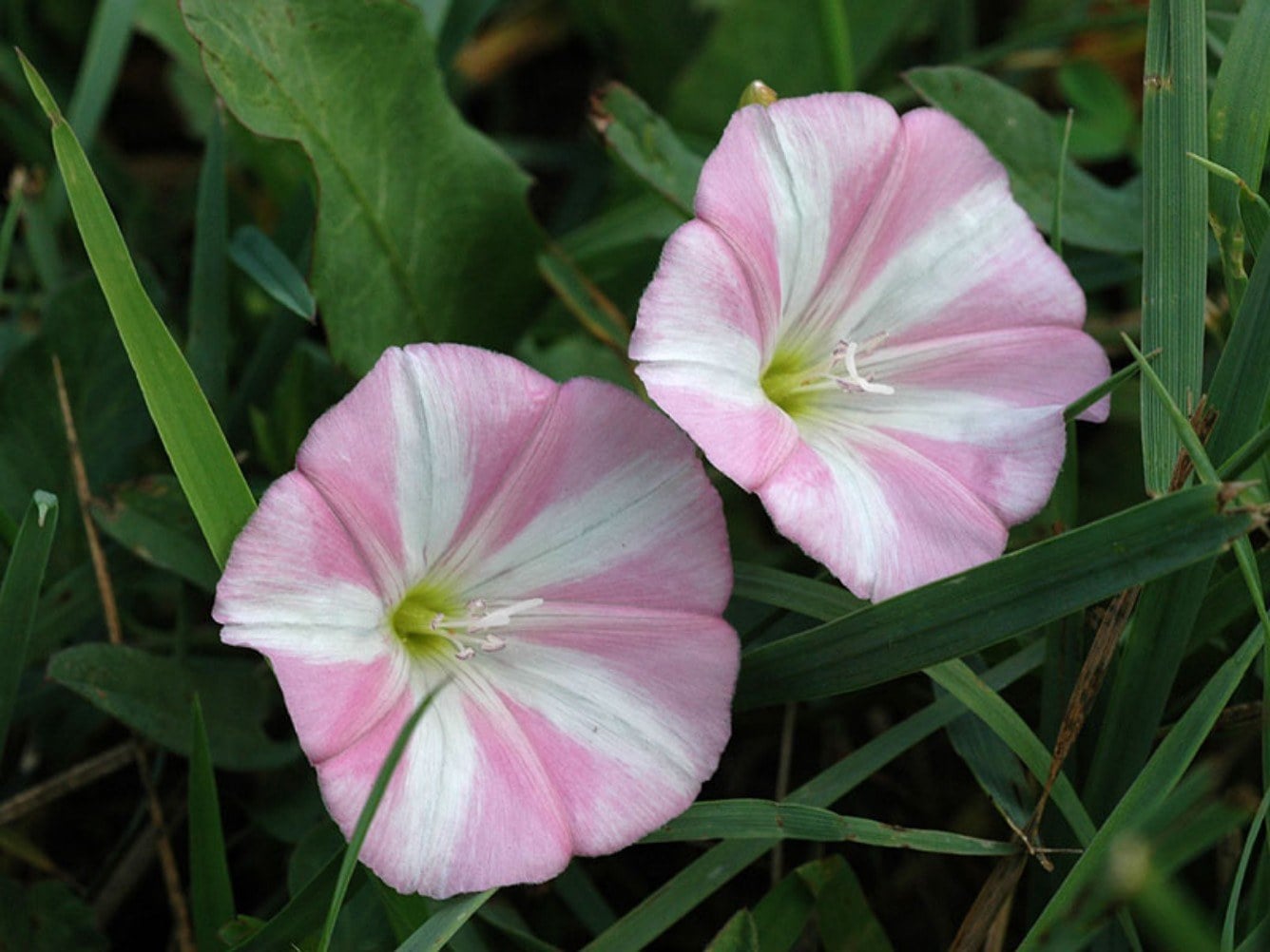
- Convolvulus arvensis
-
-
-
Edible and medicinal
- Perilla frutescens
-
-
-
Edible and medicinal
- Pogostemon cablin
-
-
-
Edible and medicinal
- Common fenugreek
-
-
-
Edible and medicinal
- Garden Thyme
-
 Poisonous and danger

 Wild and common weed
Advertisement