
A must-learn for novices! 10 watering tips for plants to thrive
Advertisement
Watering is the most basic but most error-prone key link in plant care. According to statistics, more than 70% of the causes of death of indoor plants are related to improper watering. This article will analyze 10 professional-level watering tips for gardening novices in detail, from judging the timing of watering to choosing the right tools, from the differences in the needs of different plants to seasonal adjustment strategies, to help you master the essence of scientific watering and let your plants truly thrive.
Understand the real needs of plants: the golden rule of watering
1. "Finger test method": professional skills to judge the timing of watering
The common mistake made by most plant lovers is to water according to a fixed schedule and ignore the actual moisture of the soil. The "finger test method" recommended by professional gardeners is the most reliable judgment method: insert the index finger into the second joint of the soil (about 2-3 cm deep) to feel the soil moisture. Watering is only necessary when the soil at this depth is dry. For drought-tolerant varieties such as succulents, you need to wait until the soil is completely dry before watering; while moisture-loving plants such as ferns should be replenished with water when the topsoil is slightly dry.
Advanced skills: Use bamboo sticks or wooden chopsticks to insert into the pot soil, stay for 30 seconds and then remove, observe the adhered soil particles and moisture traces, which is more accurate than the finger test. For large potted plants, you can consider investing in a soil moisture meter and choose a model with a long probe that can detect moisture changes at different depths.
2. Scientific calculation of watering amount: different needs of different plants
Watering is not simply summarized by the word "watering thoroughly". The scientific amount of watering should consider three factors: plant type, growth stage and environmental conditions. Generally speaking, the amount of watering each time should be 1/4-1/3 of the pot volume to ensure that the water can reach the root distribution area. For example:
Succulent plants: 1/5 of the pot volume, 2-3 times a month
Foliage plants: 1/3 of the pot volume, 1-2 times a week
Flowering plants: 1/4 of the pot volume, once every 3-5 days (increase in flowering period)
Record form: Establish a watering log to record the date, amount of water and plant response of each watering. After 2-3 months, you can master the personalized needs of each plant.
Professional watering methods and tool selection
1. Bottom watering method: the secret to promoting deep root growth
The traditional top-down watering method easily leads to the concentration of roots on the surface of the soil. The bottom watering method commonly used by professional nurseries can promote the development of strong deep roots in plants: put the flower pot in a water container, let the water be naturally absorbed through the drainage holes, and take it out after 10-15 minutes. This method is particularly suitable for:
African violets and other wet-sensitive leaf plants
Sowing seedlings and cuttings
Pots that have formed a "dry-wet cycle" problem
Note: Water from top to bottom 1-2 times a month to flush out the accumulated salt. After bottom watering, pour out the excess water in the tray to prevent root suffocation.
2. Choose the right watering tools: from watering cans to drip irrigation systems
Different plants and scenes require different watering tools:
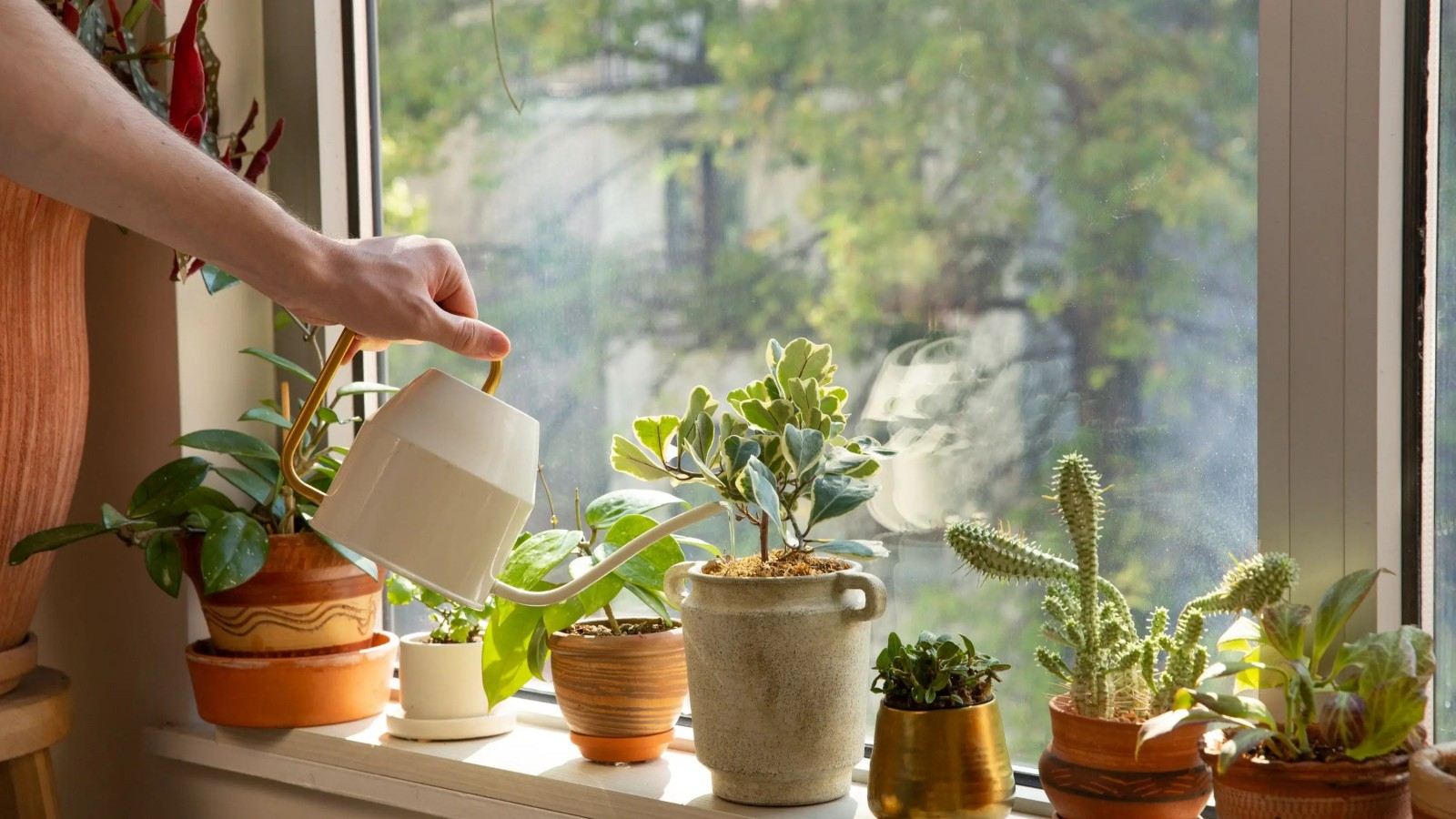
Long-mouthed watering cans: Precisely control the amount of water, suitable for indoor potted plants and small plants
Mist nozzles: Provide humidity for tropical plants, not a substitute for actual watering
Drip irrigation system: Ideal for balcony gardens, can be timed and quantitative
Seepage pipes: An efficient water-saving solution for ground gardens
Professional advice: Invest in a long-mouthed copper watering can with an adjustable water flow. The copper material can inhibit algae growth and is more durable and hygienic than plastic watering cans. Choose a model with a capacity of 1-2 liters for indoor use, and more than 5 liters is recommended for outdoor gardens.
Water treatment and watering timing
1. Water quality improvement tips: remove chlorine and adjust pH value
Chlorine and fluoride in tap water can harm plant roots and soil microorganisms. Simple and effective treatment methods:
Stationary method: leave it open for 24 hours after receiving water to allow chlorine to evaporate
Boiling and cooling: more thorough removal of chemicals
Adding vitamin C: add 1 tablet (100 mg) per 10 liters of water to immediately neutralize chlorine
Rainwater collection: the most ideal natural soft water
For acid-loving plants such as azaleas and gardenias, use diluted white vinegar (1 tablespoon/4 liters of water) to adjust the watering pH value every month. In areas with hard water quality, consider installing a simple activated carbon filter.
2. The best time of day to water: seasonal adjustment strategy
Watering time has a significant impact on water utilization:
Spring and summer season: 5-8 am is the best, the leaves have time to dry and reduce diseases
Autumn and winter season: 9-11 am, avoid freezing of roots caused by low temperatures at night
Extremely hot days: a second small amount of watering in the evening cannot replace the main watering in the morning
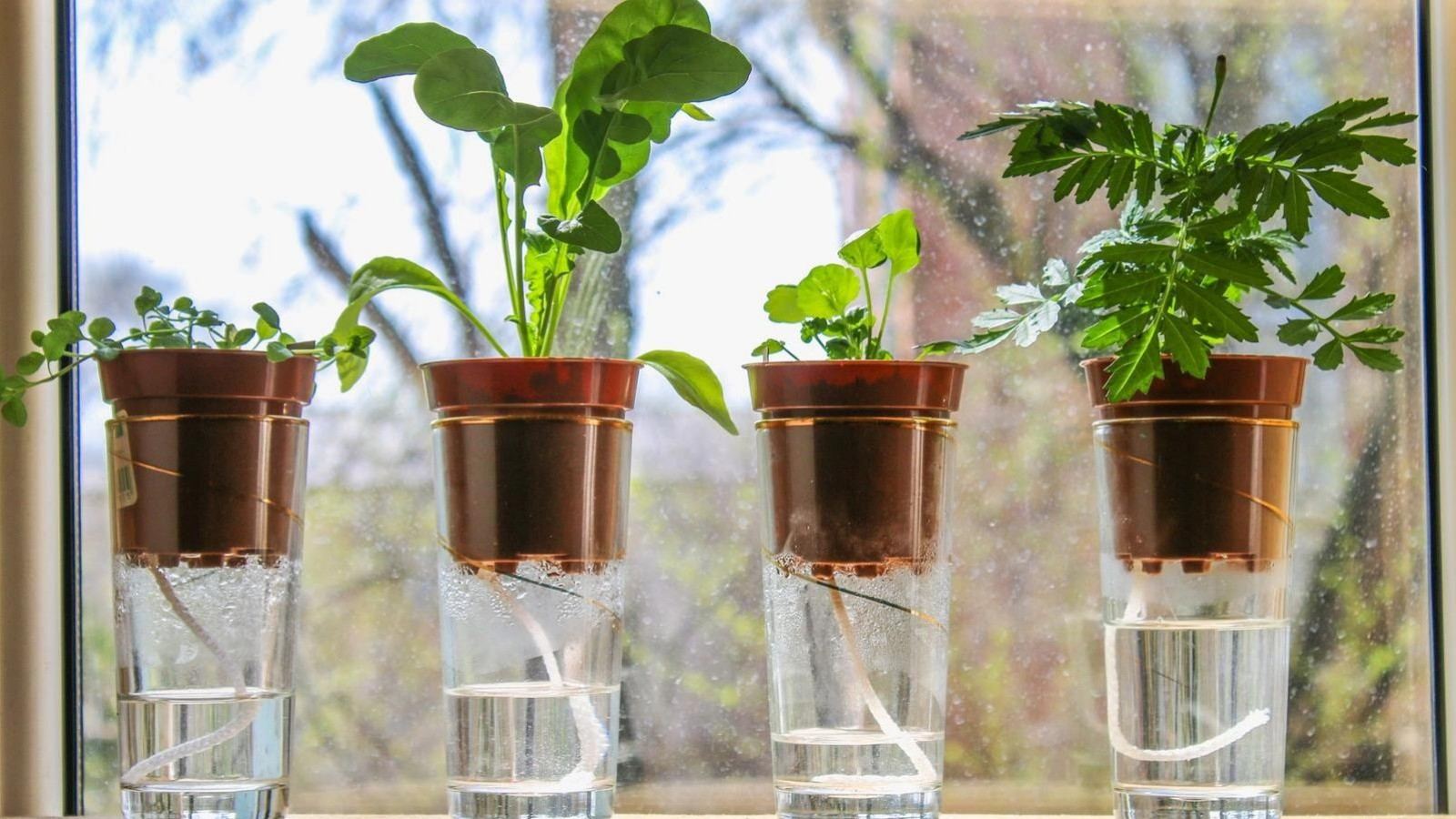
Absolutely avoid watering at noon, water droplets will burn the leaves like a magnifying glass, and 90% of the water will evaporate and lose immediately. When on a business trip or traveling, you can use the "cotton thread water diversion method": bury one end of the cotton rope in the soil and immerse the other end in a high water bottle to form a slow and continuous water supply system.
Special plants and special situations
1. Watering tips for succulents and cactiWatering succulents is a delicate art. A common mistake is overwatering, which leads to root rot. Key points for professional maintenance:
Growing season (spring and autumn): Use the "soak-dry" cycle, soak the pot for 10 minutes after it is completely dry
Drying season (winter and summer): Reduce to a trace amount of water once a month
Judging the water shortage signal: Water again when the lower leaves shrink slightly
Special technique: Use a syringe or a pointed bottle to accurately water the edge of the pot to avoid water accumulation on the stem
Beware of misunderstandings: It is a misconception that succulents do not need water. Reasonable drought only stimulates their storage mechanism. Sufficient water is still needed during the growing season to complete the growth cycle
2. "Immersion" watering method for orchids
The special root structure of orchids requires a different watering method:
Prepare water at room temperature (preferably rainwater or treated water)
Immerse the entire flower pot in water for 10-15 minutes
Take out and drain thoroughly to ensure that the planting material does not accumulate water
Wait for the planting material to be almost dry (the roots can be seen turning silvery white in transparent pots) before repeating
Key points: Phalaenopsis and other aerial orchids should be watered once a week, while Cattleya and other orchids need to be watered more frequently; reduce to once every 10-14 days in winter. After watering, use an electric fan at low speed for 1 hour to simulate the air flow of the native environment.
Advanced maintenance and common problem solving
1. Identify the signs of improper watering and first aid measures
Plants can express water discomfort in a variety of ways:
Symptoms of overwatering:
Yellowing and drooping of leaves at the same time
Both new and old leaves fall off
The soil is continuously damp and musty
The base of the stem becomes black and softened
First aid: Stop watering immediately, remove the pot to check the root system, cut off the rotten parts, replace with new breathable soil, and place in a ventilated place to recover.
Symptoms of insufficient watering:
Dry and curled leaves (starting from the edges)
Separation of soil from the pot wall
The whole plant wilts (can be recovered after watering)
Growth stagnation or too fast flowering and fruiting (survival response)
First aid: Use "progressive watering", first water a small amount of water to moisten the topsoil, and then water normally after 1 hour to prevent the dry soil from suddenly absorbing a large amount of water and causing cell rupture.
2. Seasonal adjustment and automated watering scheme
The water requirements of plants in different seasons can vary by more than 50%. Smart adjustment strategies:
Spring:
Gradually increase the frequency as the temperature rises
Focus on the growth of new buds and adjust
Start applying diluted liquid fertilizer
Summer:
Increase the frequency of watering but reduce the amount of watering per time
Mostly in the early morning, supplement with spraying in the evening
Set up a sunshade net for potted plants to reduce evaporation
Autumn:
Gradually reduce watering as the temperature drops
Deciduous plants begin to control water and prepare for dormancy
Clean drainage holes to prevent water accumulation in autumn rain
Winter:
Most plants enter water-saving mode
Raise the water temperature to room temperature before watering
Preferably do it in the morning on a sunny day
Smart solution: Invest in a soil moisture sensing automatic watering system, or use a gardening app with a calendar reminder (such as Planta, WaterMe), but still need to be combined with actual observation and adjustment.
After mastering these 10 professional watering tips, you have surpassed the level of most gardening enthusiasts. But to truly master watering, you need to cultivate a keen observation of plants. Check the condition of the plants at a fixed time every week, feel the changes in the weight of the pots (weigh and compare before and after watering), and observe the gloss and posture of the leaves. These can help you develop an accurate "watering intuition".
Advertisement
Learn More
-

- October 20,2026
- Lily Disease Guide: Whats Killing Your Lilium longiflorum and How to Stop It
-
- September 17,2026
- Wax-Leaf Privet Diseases: Identification, Treatment & Prevention Guide
-
- September 1,2026
- Vinca Minor Diseases: Identification, Treatment and Long‑Term Garden Management
-
- August 18,2026
- Tree Philodendron Diseases: Identification, Treatment and Long‑Term Prevention
-
- August 6,2026
- Common Ailments of Plantago major: Identifying, Treating and Preventing Diseases in Broadleaf Plantain
-
- July 30,2026
- Zodiac-themed Bouquets Combined with Floral Language: Different Color Schemes Create More Artistic Birthday Surprises
Advertisement
 Poisonous and danger
 Edible and medicinal
 Wild and common weed