
Fresh Flowers Bring Vitality, Dried Flowers Offer Delight: A Guide to Choosing High-Quality, Fragrant Plants for Long-Term Enjoyment
Advertisement
Fresh flowers and dried flowers, seemingly two stages in a plant's life cycle, embody vastly different aesthetic experiences. Fresh flowers possess the most vibrant colors and vitality, blooming to their fullest during their brief flowering period; dried flowers, on the other hand, freeze time, capturing the most beautiful posture of the blossoms, exuding a unique charm over the long years. In recent years, more and more people have begun to appreciate both fresh and dried flowers simultaneously, no longer viewing them as substitutes, but rather as different expressions of plant aesthetics.
From spring gardens to home décor, from holiday gifts to everyday companionship, fresh and dried flowers are entering people's lives with their unique charm. Fresh flowers allow us to feel the vibrant vitality of nature, while dried flowers allow us to savor the tranquility and elegance that comes with age. Together, they constitute an artistic language about time, life, and beauty.
I. The Beauty of Fresh Flowers: The Most Moving Expression of Vitality
Every fresh flower is a love letter written by nature.
As the morning sun shines on the petals and dewdrops slowly slide off, flowers reveal their most authentic and moving state of life. Whether it's the vibrant sunflower, the romantic and elegant rose, or the delicate and refreshing lisianthus, each flower interprets the vitality of life in its own way. In addition, the lively and playful daisy, the gentle and graceful lily of the valley, and the bright and romantic cosmos are also frequently seen ornamental flowers, their diverse forms showcasing the unique freshness of nature.
The greatest charm of flowers lies in their "present moment." Flowers bloom and fade in their own time; it is precisely because of their fleeting nature that they are precious. Many people like to place fresh flowers in their homes, not only to decorate the space but also to create a sense of continuous renewal in their lives. When a bouquet of fresh flowers is placed in a vase, the entire room seems to be infused with new energy.
Psychological research has also found that natural plants can effectively relieve stress and improve mood. The vibrant colors and natural forms of flowers can stimulate the senses, bringing pleasure and relaxation. After a busy day, seeing flowers still blooming on the table often evokes a warm and positive emotion.
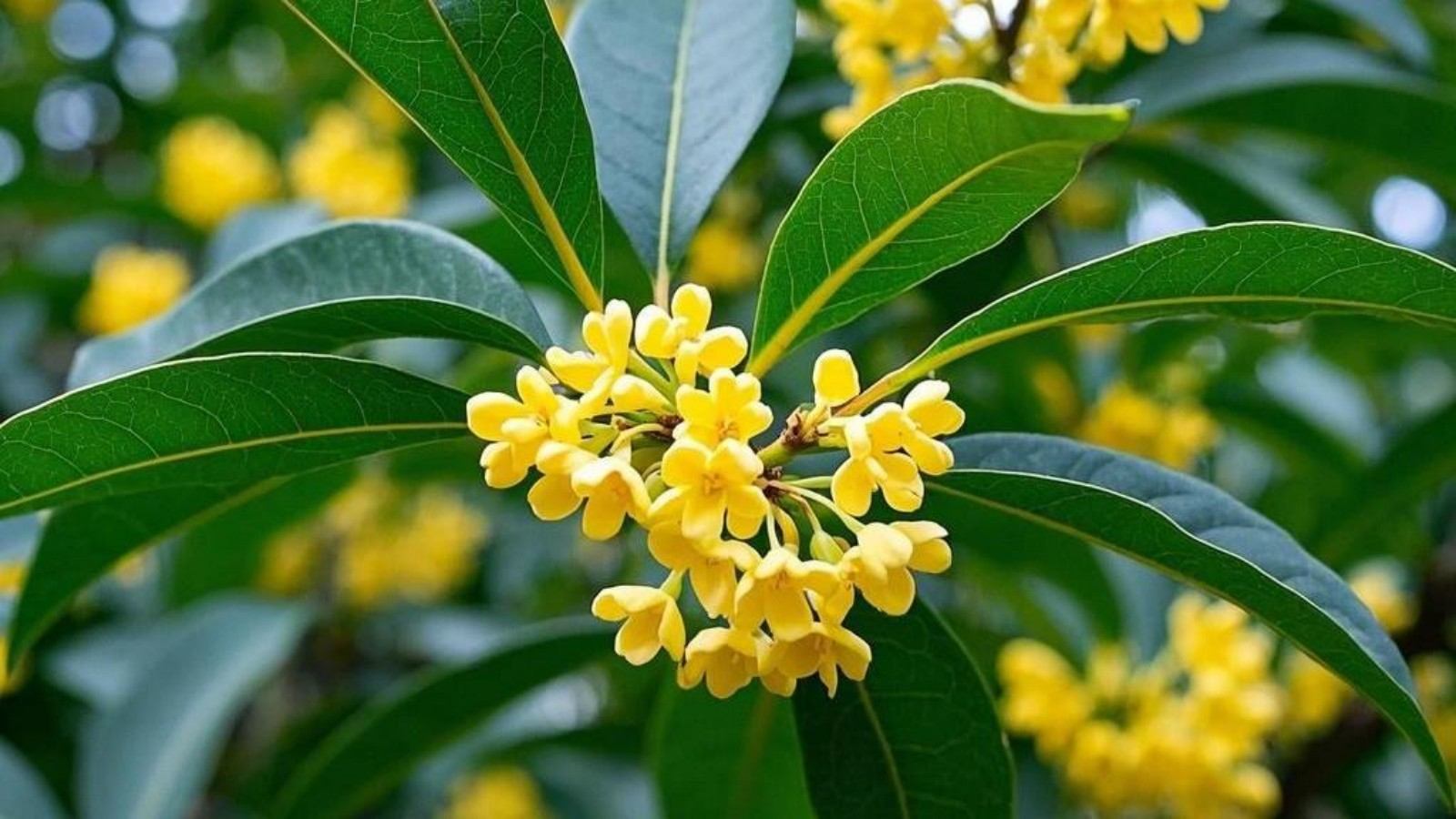
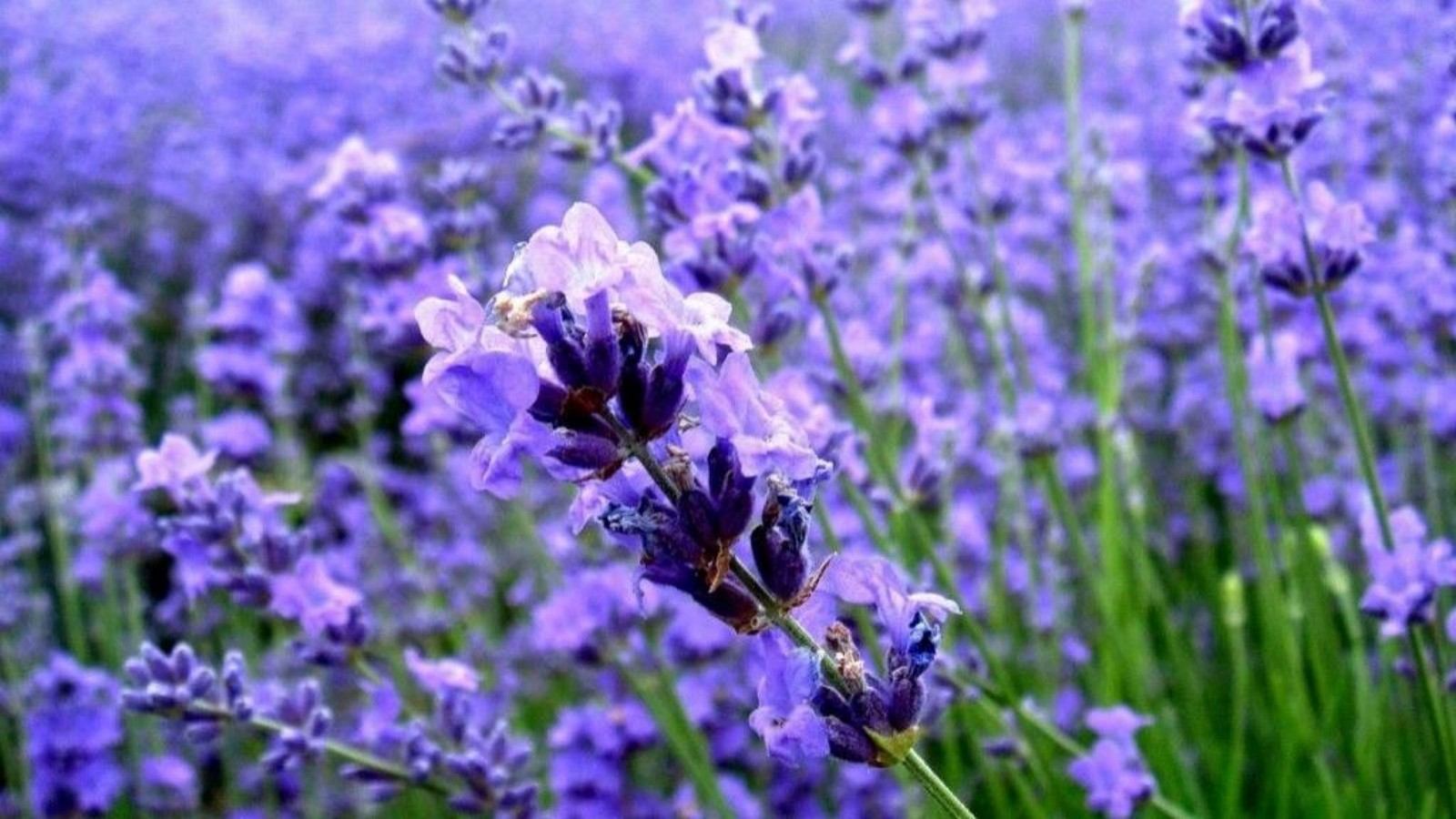
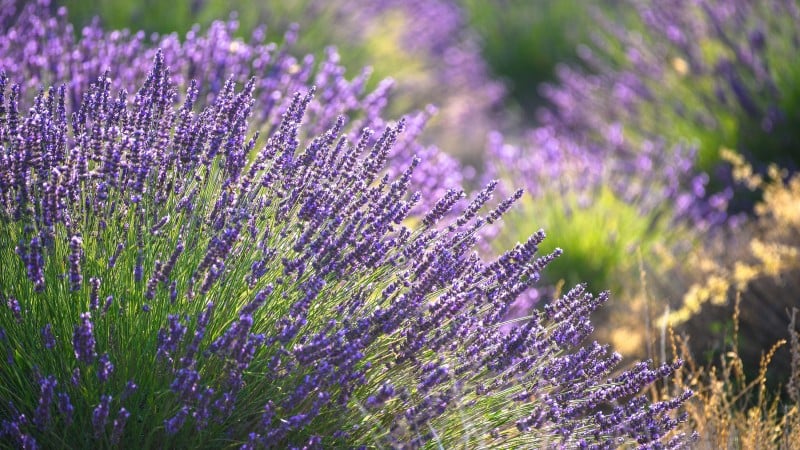
Flowers also possess a unique and captivating fragrance. The sweetness of jasmine, the richness of gardenia, the soothing aroma of lavender, and the fragrance of osmanthus can all fill a space with a natural ambiance. This fragrance, derived from the plants themselves, not only uplifts the mood but is also a major reason why many people love flowers. The sweet and fragrant tuberose and the delicate herbaceous scent of lily of the valley are also high-quality flowers with their own natural aroma; a gentle breeze carries their subtle fragrance throughout the house.
At the same time, flowers are the most direct manifestation of seasonal changes. Spring brings cherry blossoms and tulips; summer brings lotus and hydrangeas; autumn brings chrysanthemums and osmanthus; and winter brings wintersweet and camellias. The successive appearance of flowers in different seasons allows people to feel the passage of time and experience the beauty of the changing seasons through plants. In spring, hyacinths bloom in clusters, their fragrance intoxicating; in the height of summer, crape myrtle blossoms in full bloom, vibrant and enduring; in late autumn, hibiscus mutabilis is gentle and elegant; and in the depths of winter, red plum blossoms stand proudly against the snow. Each season's flowers and trees have their own unique charm, outlining the distinctive scenery of each season.
II. The Charm of Dried Flowers: Another Kind of Beauty Granted by Time
If fresh flowers represent youth, then dried flowers represent the passage of time.
Many people first truly appreciate dried flowers on a quiet afternoon. Those flowers, stripped of their vibrant colors, lack the intensity of fresh blooms, but possess a quiet depth and profundity. They seem to have preserved time, extending life in another way.
Dried flowers are not merely a helpless choice after fresh flowers have faded, but an independent aesthetic form. After natural drying or professional processing, the flowers retain their original outlines and structures, their colors gradually softening and becoming more understated, creating a unique vintage charm.
In recent years, the popularity of home decor styles such as Scandinavian, natural, and wabi-sabi has also made dried flowers increasingly popular. Plants like pampas grass, rabbit's tail grass, wheat ears, eucalyptus leaves, and goldenrod have become popular dried flower materials. These plants do not rely on bright colors to win over the heart, but rather showcase their beauty through lines, layers, and textures. Fluffy dried reeds, delicate dried forget-me-nots, and slender baby's breath are all excellent embellishments, simple yet poetic, and suitable for various home décor styles.
The most captivating aspect of dried flowers lies in their "sense of time's passage." Each bouquet records a moment of bloom, no longer clinging to fleeting splendor. They quietly reside on desks, windowsills, or living room corners, becoming the most intriguing scenery in the space.
Compared to fresh flowers, dried flowers also have a longer viewing period. If properly preserved, a bouquet of dried flowers can last for months or even years. This durability not only reduces the cost of frequent flower replacements but also allows one to appreciate the beauty of plants for a longer time.
Many people also create dried flowers to commemorate special occasions, such as wedding bouquets, graduation bouquets, and birthday bouquets. As fresh flowers gradually transform into dried flowers, the emotions they carry are also preserved, becoming precious carriers of memories. Full-bodied roses and dreamy baby's breath are often made into commemorative dried flowers, freezing beautiful moments and allowing warmth to endure.
III. From Fresh Flowers to Dried Flowers: A Romantic Journey Through Time
Fresh flowers and dried flowers are not opposites, but rather a natural continuation.
From bud to full bloom, and then to slow drying, a flower's life cycle is part of its complete journey. More and more plant enthusiasts are experimenting with drying fresh flowers, allowing their beauty to endure.
The methods for making dried flowers are not complicated. Common methods include hanging, pressing, and using desiccants. Hanging is the most popular method. Choose fresh flowers in good condition, hang the bouquet upside down in a cool, well-ventilated place, and after several weeks, you will have a naturally beautiful dried flower arrangement.
Not all fresh flowers are suitable for drying. Plants with thicker petals, a stable structure, and moderate moisture content usually produce better results. For example, roses, lavender, baby's breath, globe amaranth, strawflowers, and hydrangeas are all ideal choices for drying. Hard-stemmed flowers like the King Protea, the sturdy willow, and the delicate daisies with their resilient petals, retain their shape and texture beautifully after drying, making them ideal for handmade dried flowers.
In this process, one discovers a unique pleasure: observing the flowers slowly change. The color gradually lightens, the texture hardens, yet the form remains that of a flower in full bloom. This change is not decay, but a new birth.
From fresh flowers to dried flowers, it prompts a rethinking of the definition of beauty. Modern society often pursues freshness and immediacy, while dried flowers remind us that maturity, refinement, and preservation also possess unique value. The marks left by the passage of time are often more moving.
This aesthetic concept is influencing more and more people. Many are beginning to accept the different states plants present at different stages, no longer just pursuing the moment of full bloom, but learning to appreciate every stage of life.
IV. Fresh and Dried Flowers Coexist: Creating a Layered Living Space
Today's plant aesthetics are no longer about choosing between fresh and dried flowers, but about allowing both to coexist.
In home decor, fresh flowers can be placed prominently on dining tables and coffee tables to create a lively and bright atmosphere; dried flowers are suitable for bookshelves, entryways, or bedroom corners, adding warmth and texture to the space. Combining the two creates rich visual layers.
For example, a bunch of blooming lisianthus paired with a few dried eucalyptus leaves can simultaneously showcase the vibrancy of fresh flowers and the sophistication of dried flowers; a vibrant sunflower combined with golden wheat ears exudes both energy and natural charm. This combination is increasingly popular among young people. Fresh lily of the valley paired with fluffy dried pampas grass blends softness and freedom; delicate pink daisies adorned with small dried baby's breath create a strong pastoral atmosphere, offering a variety of styling ideas.
Beyond home spaces, fresh and dried flowers are also widely used in cafes, bookstores, guesthouses, and commercial spaces. Fresh flowers attract attention, while dried flowers create ambiance; together, they create a warm and inviting environment.
For many, plants are not just decorations, but a lifestyle. Fresh flowers remind us to cherish the present and enjoy the vibrancy of life; dried flowers tell us that the beauty that comes with time is equally worthy of appreciation. Together, they constitute a more complete aesthetic of nature.
When we learn to appreciate the blooming of fresh flowers and the preservation of dried flowers, we may be able to face the passage of time with greater composure. Because true beauty never exists only in the most dazzling moments, but also in those moments gently cherished by time.
Conclusion: Fresh flowers bring vitality, dried flowers bring charm. One represents the most vibrant posture of life, the other carries the gentlest traces of time. They interpret the beauty of nature in different forms, allowing people to find opportunities to converse with nature in their fast-paced lives.
Whether it's a bouquet of freshly bloomed flowers or a bouquet of quietly arranged dried flowers, they both tell the story of life in their own way. Fresh flowers allow us to feel the beauty of the present moment, dried flowers teach us to cherish time. When fresh and dried flowers are integrated into our lives, we gain not only visual enjoyment, but also a profound experience about life, time, and beauty.
Advertisement
Learn More
-

- October 20,2026
- Lily Disease Guide: Whats Killing Your Lilium longiflorum and How to Stop It
-
- September 17,2026
- Wax-Leaf Privet Diseases: Identification, Treatment & Prevention Guide
-
- September 1,2026
- Vinca Minor Diseases: Identification, Treatment and Long‑Term Garden Management
-
- August 18,2026
- Tree Philodendron Diseases: Identification, Treatment and Long‑Term Prevention
-
- August 6,2026
- Common Ailments of Plantago major: Identifying, Treating and Preventing Diseases in Broadleaf Plantain
-
- July 30,2026
- Zodiac-themed Bouquets Combined with Floral Language: Different Color Schemes Create More Artistic Birthday Surprises
Advertisement
 Poisonous and danger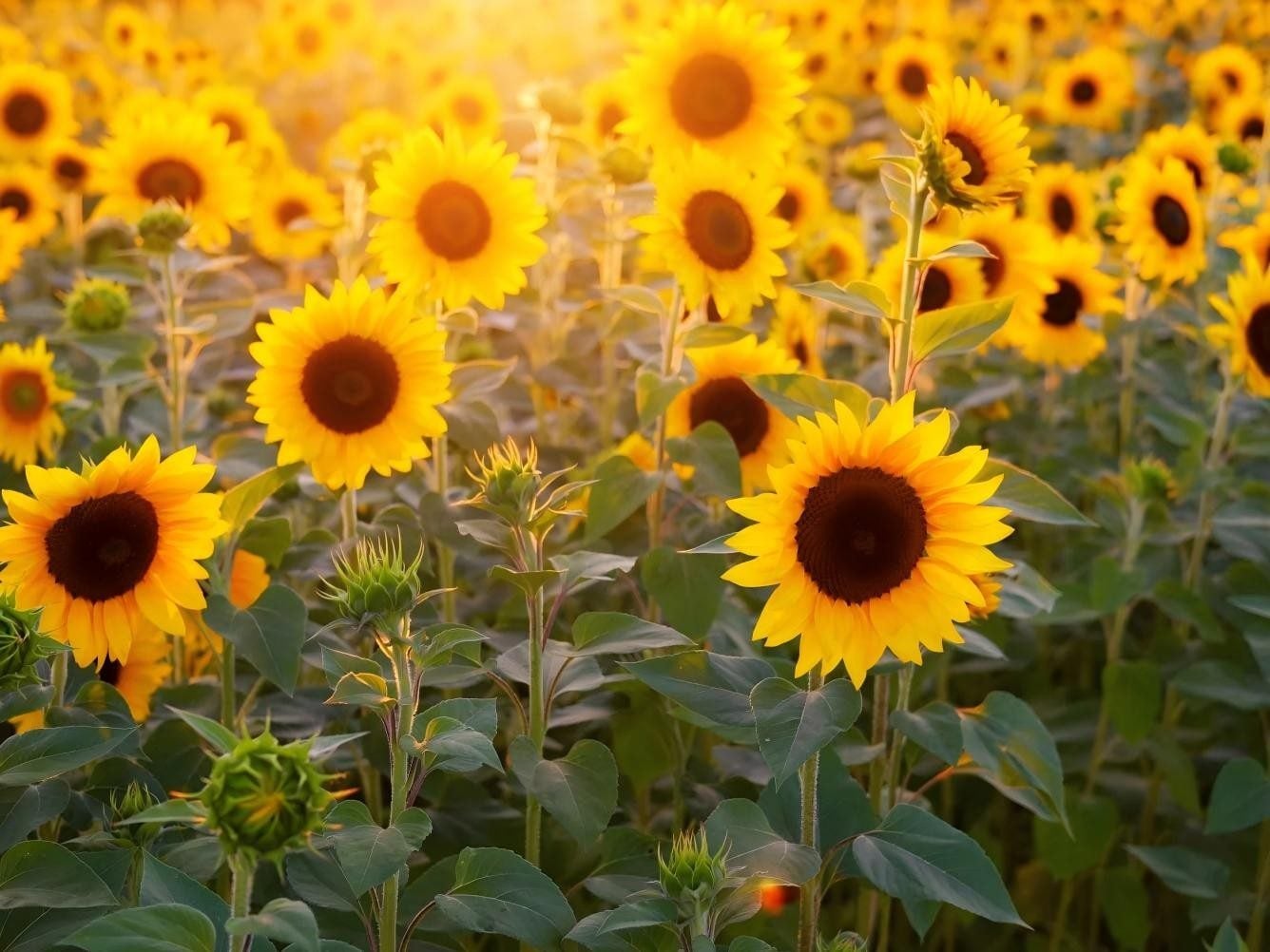
 Edible and medicinal
 Wild and common weed