
Conveying Sentiments Through Floral Fragrance: The Cultural Significance of Gifting Flowers on International Holidays
Advertisement
Throughout the long course of human civilization, flowers have consistently served as messengers of emotion. Regardless of language barriers, people have always used the colors, fragrances, and forms of flowers to express heartfelt blessings, gratitude, love, and longing. As global cultural exchange intensifies and more international holidays gain recognition, the customs surrounding flower-giving on these occasions reveal rich and unique cultural meanings.
A bouquet may appear simple, yet it carries a profound emotional code. Understanding the culture of flower-giving associated with various holidays not only adds warmth to one's well-wishes but also fosters more nuanced and sincere emotional connections between people.
I. Traditional Holidays Emphasize Cultural Heritage; Modern Holidays Prioritize Personal Choice
The choice of flowers for traditional holidays is often deeply rooted in convention. Over centuries, different regions have developed established customs regarding flower-giving. In China, for instance, displaying "New Year flowers" during the Spring Festival, admiring osmanthus blossoms during the Mid-Autumn Festival, and viewing chrysanthemums during the Double Ninth Festival are practices where specific flowers have become integral parts of the holiday culture itself.
Similarly, in Europe, lilies symbolize rebirth and hope during Easter, while poinsettias, holly, and mistletoe create a festive atmosphere at Christmas. In Japan, cherry blossom viewing (*hanami*) in spring celebrates the *sakura* as a symbol of life’s fleeting beauty. In Mexico, marigolds are widely used during the Day of the Dead, their vibrant blooms guiding the souls of departed loved ones back for a reunion. These flowers do more than decorate; they embody local history, beliefs, and folklore, having evolved over time into essential components of holiday culture.

Modern holidays, by contrast, place greater emphasis on personalized expression. Younger consumers select floral varieties based on the recipient's preferences, personality, and even profession. Beyond traditional roses, sunflowers, lisianthus, hydrangeas, tulips, and various creative bouquet arrangements are gaining popularity. The approach to gifting has shifted from adhering to tradition to curating bespoke floral gifts that reflect specific emotions.
II. Valentine’s Day: Roses Convey Love Across Borders
Valentine’s Day, celebrated annually on February 14th, stands as one of the most iconic occasions for flower-giving worldwide. In many countries, people choose to give roses to express admiration and romance.
Red roses are considered a symbol of true love; their rich color and elegant shape have long been closely associated with romance. Many people choose to give 11, 33, or 99 roses to convey beautiful sentiments such as "wholehearted devotion," "love spanning three lifetimes," or "everlasting love."
Beyond the classic red rose, pink roses represent tenderness and admiration, white roses symbolize purity and loyalty, and champagne-colored roses convey a mature, understated affection. Today, combining roses of different colors has also become a new way for young people to express their unique emotions.
In addition to roses, many European countries prefer tulips as Valentine's Day gifts; red tulips offer a more subtle declaration of love than red roses, signifying "unique affection," while purple tulips symbolize unwavering loyalty, making them ideal for couples wishing to make a long-term commitment. It is crucial to be aware of universal floral taboos: in most Western countries, yellow roses signify jealousy, separation, and the end of a friendship, so they should never be given to a romantic partner; white chrysanthemums are associated with mourning and should be strictly avoided on Valentine's Day. A bouquet that truly resonates with the recipient's feelings is far more moving than a generic arrangement of 99 red roses chosen simply to follow a trend.
Notably, in Western countries, the exchange of flowers on Valentine's Day is not limited to romantic partners; family members and friends also exchange flowers to express care and well-wishes. This transforms flowers from mere symbols of romance into vessels for warm, heartfelt emotions.
III. Mother's Day: Gratitude and Companionship in Carnations
Mother's Day is celebrated in many countries around the world on the second Sunday of May. As the quintessential flower of the occasion, the carnation has become a globally recognized symbol of the holiday.
Pink carnations symbolize a mother's selfless love and tenderness; red carnations represent gratitude and deep respect; and white carnations are often used to honor mothers who have passed away. Together, these different colored carnations create the unique language of flowers associated with Mother's Day.
Rather than expensive, lavish bouquets, many mothers value the heartfelt sentiment behind the flowers more than anything else. A bouquet of carnations carrying heartfelt wishes can often evoke the deepest emotional bonds among family members.
In recent years, people have begun pairing carnations with flowers such as lilies, sunflowers, and hydrangeas to add layers and depth to Mother's Day floral gifts. Yet, regardless of the specific blooms chosen, "gratitude" remains the core theme of the holiday's gift-giving culture.
IV. International Women's Day: Flowers Witnessing Female Strength and Beauty
Flowers are an indispensable element of International Women's Day, celebrated annually on March 8th.
In many countries and regions, people present flowers to mothers, wives, colleagues, and friends to express respect and well-wishes. Unlike Valentine's Day, which emphasizes romance, gift-giving on Women's Day focuses more on acknowledging the value and contributions of women.
In some European countries, the mimosa is considered a symbol of Women's Day. Its clusters of vibrant golden-yellow blossoms embody female resilience, confidence, and independence, while their tenacious vitality symbolizes the vital role women play in social progress.
In Asia, however, flowers such as tulips, lilies, and carnations are more popular. Tulips represent elegance and beauty, lilies symbolize purity and hope, and pink bouquets convey respect and appreciation.
The significance of giving flowers on Women's Day has evolved from traditional holiday etiquette into a gesture of encouragement for women's personal growth, struggles, and dreams. Behind every bouquet lies an affirmation and celebration of women's worth.
Moreover, the atmosphere of giving flowers on Women's Day differs from the romantic tone of Valentine's Day; the focus here is on respect and admiration. One should avoid gifting flowers that carry strong romantic connotations—such as bright red roses—to prevent social awkwardness. This reflects a global consensus on floral etiquette: when giving flowers for a holiday, it is essential to distinguish emotional boundaries before conveying one's sentiments.
V. Christmas: Blessings and Reunions Amidst Winter Floral Fragrance
Christmas, celebrated on December 25th, is a major holiday with global influence and a rich tradition of botanical symbolism.
Unlike the fresh blooms of spring and summer, Christmas emphasizes a festive atmosphere and family reunions. Consequently, winter-specific flowers and plants play a key role in holiday decorations.
The poinsettia is one of the most iconic holiday plants. Its vibrant red leaves symbolize festivity, hope, and blessings, and it is frequently displayed in living rooms, shopping malls, and public spaces.
In addition, plants such as holly, pine boughs, eucalyptus, and white lilies often feature in Christmas floral arrangements. Green symbolizes life and hope, red represents warmth and passion, while white conveys purity and peace.
In many countries, people bring floral gifts when attending Christmas gatherings or visiting friends and family. More than just a gift, fresh flowers serve as a warm expression of emotion, fostering a sense of closeness between people during the cold winter months.
VI. International Day of Friendship: Conveying Pure Friendship Through Flowers
Established by the United Nations, International Day of Friendship falls on July 30th each year and aims to promote peace, solidarity, and cross-cultural exchange. Compared to romantic love or familial affection, the expression of friendship is often more understated, yet it is equally worthy of being cherished.
The day was established to encourage people to value sincere friendships. On this day, people in some countries exchange flowers to mark the occasion.
Sunflowers are iconic symbols of friendship. Always turning toward the sun, they represent positivity, optimism, loyal companionship, and warm support—much like true friends who empower one another through the various stages of life.
Yellow tulips are another popular choice. Their bright color symbolizes happiness and blessings, effectively conveying sincere, friendly sentiments.
Unlike romantic bouquets, friendship bouquets tend to have a more natural, relaxed feel, emphasizing shared joy and mutual encouragement. They remind us that, amidst the fast pace of modern life, friendship is something worth nurturing and expressing wholeheartedly.
VII. Thanksgiving: Carnations Carry Gratitude; Flowers Foster a Two-Way Exchange of Warmth
Thanksgiving—which originated in the United States and is now celebrated worldwide—falls on the fourth Thursday of November. Its core themes are gratitude for the people we meet and the reciprocation of kindness; it is one of the few international holidays centered specifically on the sentiment of thankfulness. While many mistakenly believe that only carnations should be given on Thanksgiving, different countries actually have their own unique floral gifting customs. In North America, red and pink carnations remain the perennial favorites for Thanksgiving; their soft, enduring blooms symbolize gratitude and staying true to one’s roots—making them perfect gifts for parents, mentors, and benefactors.
Meanwhile, European countries often favor golden sunflowers and calendulas; these warm, golden hues echo the holiday’s origins in the harvest season, celebrating the gifts of time and the companionship of others. Lilies serve as a versatile choice—clean, elegant, and suitable for any expression of gratitude, regardless of age or the nature of the relationship.
There are no strict taboos when gifting flowers for Thanksgiving; sincerity is what matters most. Unlike other holidays that often turn into a competition of elaborate rituals, Thanksgiving flowers are not about the size of the bouquet. Instead, their fragrance serves as a gentle reminder: gratitude need not always be spoken aloud—the flowers themselves convey the heart's true intent.
VIII. Why Flowers Are a Universal Language of Emotion
A look at international holidays reveals that, despite diverse cultural backgrounds, flowers consistently hold shared emotional value.
Flowers transcend national borders, bridging linguistic and cultural divides. The sight of a blooming flower naturally evokes thoughts of beauty, hope, and vitality. It is precisely for this reason that flowers have become one of the most universally understood mediums for expressing emotion.
Moreover, every flower carries its own unique "language." Roses symbolize love; carnations, maternal affection; sunflowers, companionship; and lilies, blessings. These culturally ingrained symbols endow flowers with a rich capacity to convey complex emotions.
In an era dominated by digital communication, a tangible bouquet of fresh flowers feels all the more precious. It is more than just a gift; it is a heartfelt ritual of emotional expression.
IX. Flowers Speak Without Words; Sentiments Find Their Way
As the art of floristry becomes increasingly popular, we need not blindly chase after trendy bouquets. By understanding the floral culture behind the holidays and grasping the subtle meanings of colors and varieties, we can ensure that every bouquet we give perfectly reflects our true feelings. The most profound expression of affection is not found in an expensive floral gift, but in a deep understanding of flowers, the recipient, and the nuances of the moment. Using flowers as a messenger—letting their subtle fragrance convey sentiment—allows the silent blooms to speak volumes, ensuring our heartfelt intentions are fully understood. From Valentine’s Day roses to Mother’s Day carnations, and from Women’s Day bouquets to festive Christmas floral arrangements, fresh flowers have always played a unique role in human emotional connection. While different international holidays imbue flowers with varied meanings, these meanings ultimately converge on a single theme: the sincere emotional bonds shared between people.
When we learn to appreciate the cultural significance behind the gift of flowers, we better understand how to use their fragrance to express our truest emotions. A bouquet may not be able to articulate a thousand words, yet the warmth and blessings it conveys can leave behind lasting, beautiful memories in people's hearts.
Advertisement
Learn More
-

- October 20,2026
- Lily Disease Guide: Whats Killing Your Lilium longiflorum and How to Stop It
-
- September 17,2026
- Wax-Leaf Privet Diseases: Identification, Treatment & Prevention Guide
-
- September 1,2026
- Vinca Minor Diseases: Identification, Treatment and Long‑Term Garden Management
-
- August 18,2026
- Tree Philodendron Diseases: Identification, Treatment and Long‑Term Prevention
-
- August 6,2026
- Common Ailments of Plantago major: Identifying, Treating and Preventing Diseases in Broadleaf Plantain
-
- July 30,2026
- Zodiac-themed Bouquets Combined with Floral Language: Different Color Schemes Create More Artistic Birthday Surprises


Advertisement

 Poisonous and danger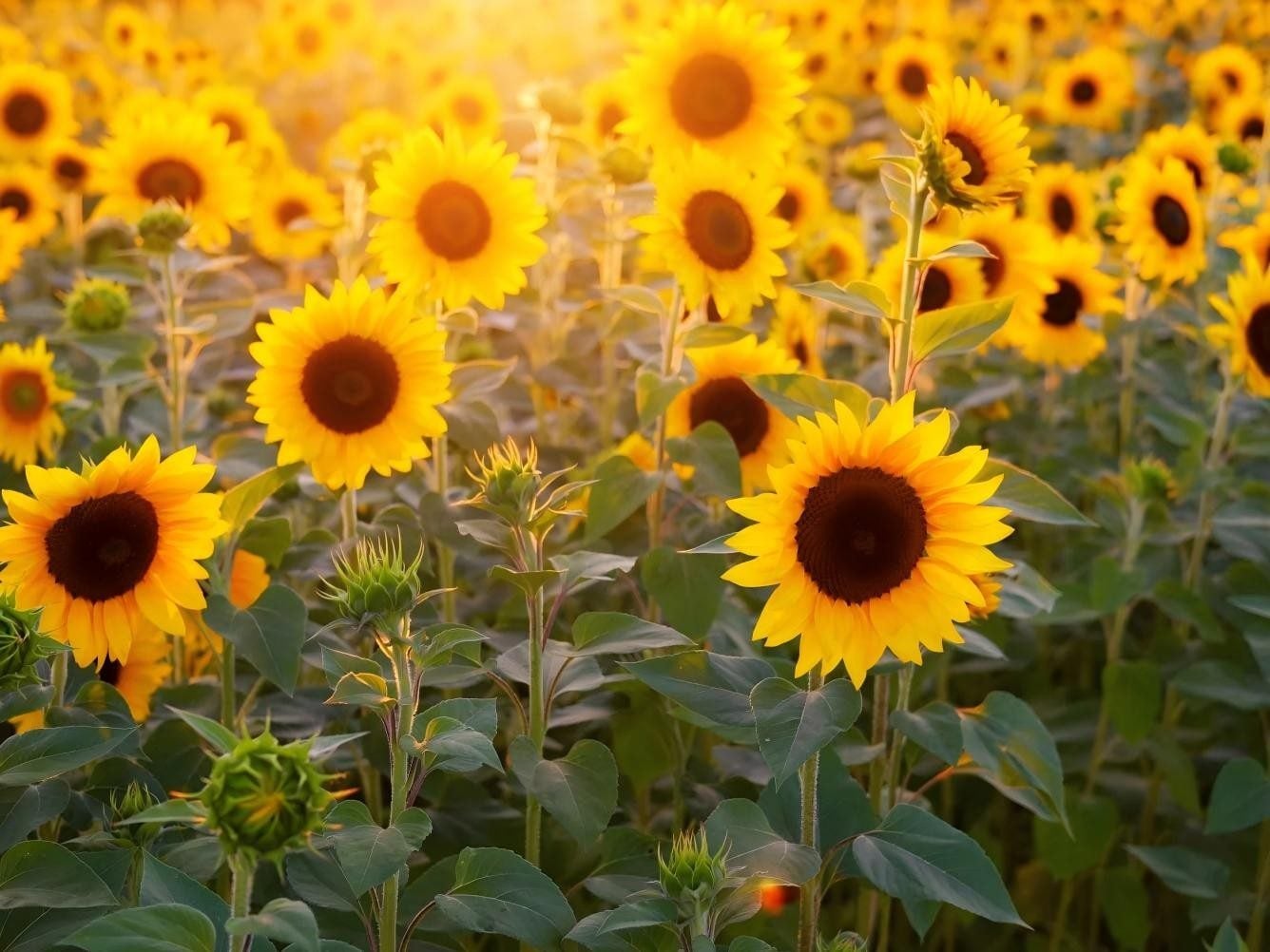
 Edible and medicinal
 Wild and common weed