
Lily Disease Guide: Whats Killing Your Lilium longiflorum and How to Stop It
Advertisement
The Opening: Why Easter Lilies Get Sick So Easily
Let's start with a hard truth every lily grower eventually learns: *Lilium longiflorum* is beautiful, and it's also a magnet for trouble. The big trumpet-shaped white blooms that make it the star of Easter and a favorite in cottage gardens come at a price. This species is more disease-prone than a lot of other lilies, and the reasons go back to how it's grown and shipped. Most commercially sold Easter lilies are forced into bloom in greenhouses under tight schedules, grown in dense bulb fields, and handled a lot before they ever reach your garden center. Every one of those steps is an open door for pathogens. If you've ever had a healthy-looking lily collapse within a few weeks, you already know the frustration this article is about.
The good news is that most lily diseases are preventable, and a surprisingly large share are manageable once you know what you're looking at. The bad news is that they don't announce themselves clearly. A yellowing leaf, a brown spot, a sudden wilt—each can mean half a dozen different things. Get the diagnosis wrong and you'll pour money and effort into the wrong treatment while the real problem spreads. So this guide walks through the diseases that actually hit *Lilium longiflorum* in real gardens, how to spot each one early, and what genuinely works to stop them. No vague advice, no guesswork—just the stuff that matters when your bulbs are on the line.
The Fungal Diseases That Destroy Most Lilies
Botrytis blight—the number-one killer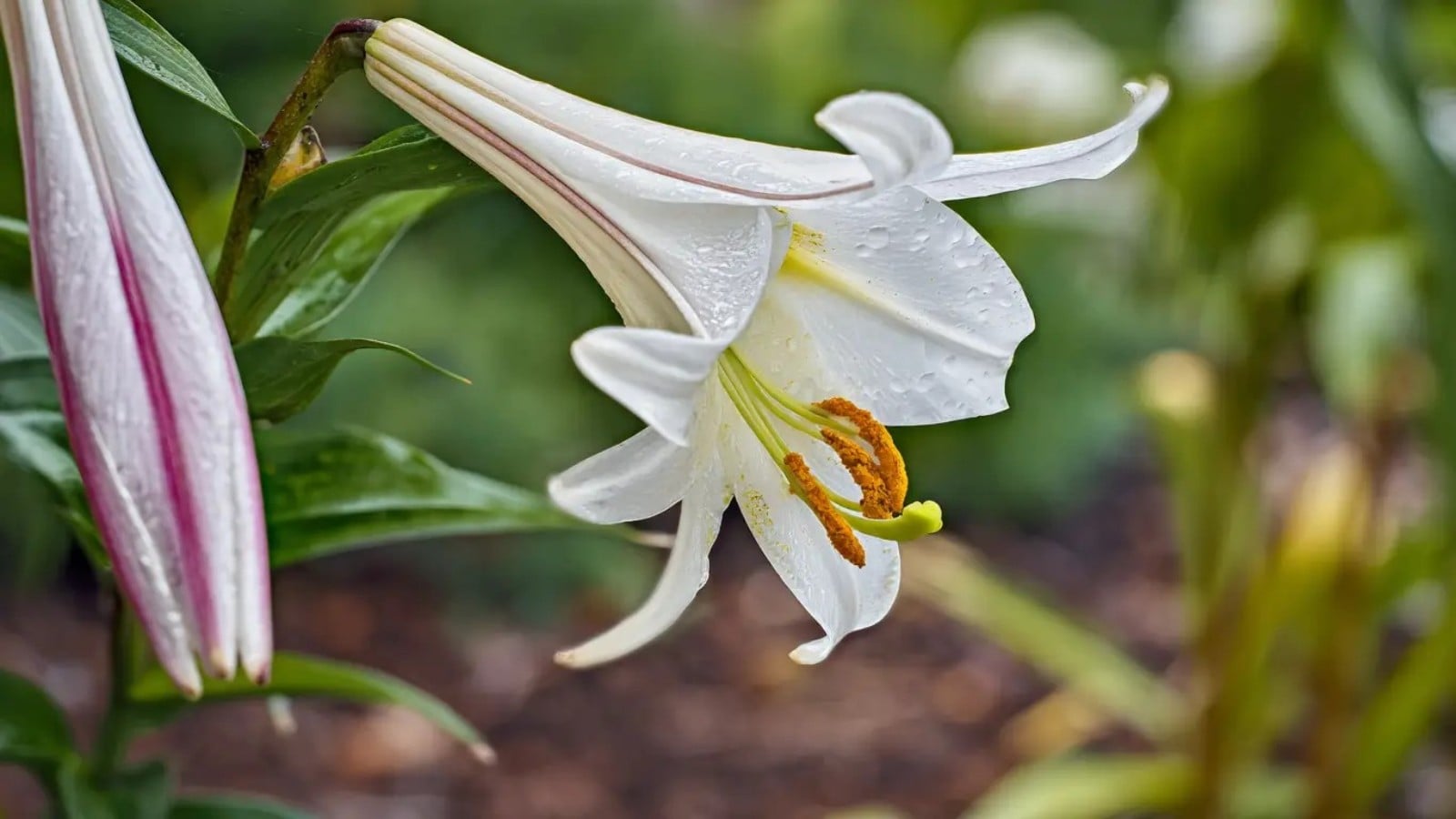
If there's one disease you need to know about, it's botrytis blight, sometimes called gray mold. It's the single most common and most damaging disease on *Lilium longiflorum*, and it's the reason so many lilies look terrible in cool, wet, humid springs. The fungus *Botrytis elliptica* is essentially always lurking in the environment. It waits for the perfect conditions—damp leaves, high humidity, poor air circulation—then strikes fast. Early signs are deceptively subtle: small, round, water-soaked spots on the leaves that look like pale bruises. Within days those spots turn brown or reddish, expand, and merge until entire leaves collapse. In heavy infections the buds themselves rot before they can open, which is heartbreaking when you've been waiting weeks for a bloom.
The real reason botrytis is so brutal is that it spreads through the air and through splashing water. One infected leaf releases thousands of spores, and overhead watering or a steady rain sends them straight to healthy tissue. By the time you see the damage, the fungus has often already moved on to its next victim. Prevention beats cure here every single time. Space your lilies far enough apart for air to flow, always water at the soil line instead of over the leaves, and water in the morning so foliage dries quickly in the sun. If you catch spots early, remove and destroy the infected leaves immediately—don't compost them, because the spores survive and come back to haunt you. For serious outbreaks, a targeted fungicide applied according to label directions can knock it back, but it's a rescue mission, not a strategy.
Bulb rot—the silent underground killer
Here's the disease that confuses people the most, because by the time you notice it, it's often too late. Bulb rot is caused by several soil-borne fungi, most commonly *Fusarium oxysporum* and various *Pythium* species. They attack the bulb underground, where you can't see them. The plant above ground just starts looking tired—leaves yellow from the base, growth slows, and the stem may flop over even though nothing visibly wrong appears on the foliage. When you finally dig up the bulb, you find it soft, mushy, and smelling rotten. That's the unmistakable signature: a bulb that's turned to mush.
The root causes are almost always the same three mistakes: poor drainage, overwatering, and planting in soil that already carries the fungus. *Lilium longiflorum* needs well-draining soil and absolutely cannot sit in standing water. If your garden has heavy clay, amend it with compost, sand, or peat before planting—or grow lilies in raised beds and containers where you control the drainage. Healthy bulbs resist rot far better than stressed ones, so buy from reputable suppliers who sell firm, mold-free bulbs. And practice rotation: don't keep planting lilies in the exact same spot year after year, because soil-borne fungi build up over time. Once bulb rot takes hold, there's no cure for that bulb—your only move is prevention for the next season.
The leaf spot family—brown spots and a mess of confusion
Beyond botrytis, a whole family of leaf-spotting fungi can mar *Lilium longiflorum* leaves. These show up as small brown, tan, or reddish lesions scattered across the foliage, often with a slightly darker border. *Cercospora* and various *Alternaria* species are frequent culprits. The pattern is usually more cosmetic than fatal—the plant rarely dies, but the leaves get ugly, and heavy spotting weakens the plant by reducing its ability to photosynthesize. In a garden, that matters because damaged leaves mean less energy stored in the bulb for next year's blooms.
These fungi thrive in the same conditions botrytis loves: wet foliage and stagnant air. So the fixes overlap heavily. Water at the base, keep the area tidy, remove and destroy badly spotted leaves, and make sure plants aren't crowded together. Improving airflow through proper spacing and strategic pruning of nearby overhanging plants goes a long way. In humid climates where leaf spot is a recurring annoyance every season, a preventative fungicide program timed to start before symptoms appear can protect the foliage through the worst of the wet weather. But for most home gardeners, cultural practices—space, water, cleanliness—are genuinely enough to keep leaf spots from becoming a real problem.
The Viral Diseases—The Ones You Can't Cure
The lily mosaic viruses
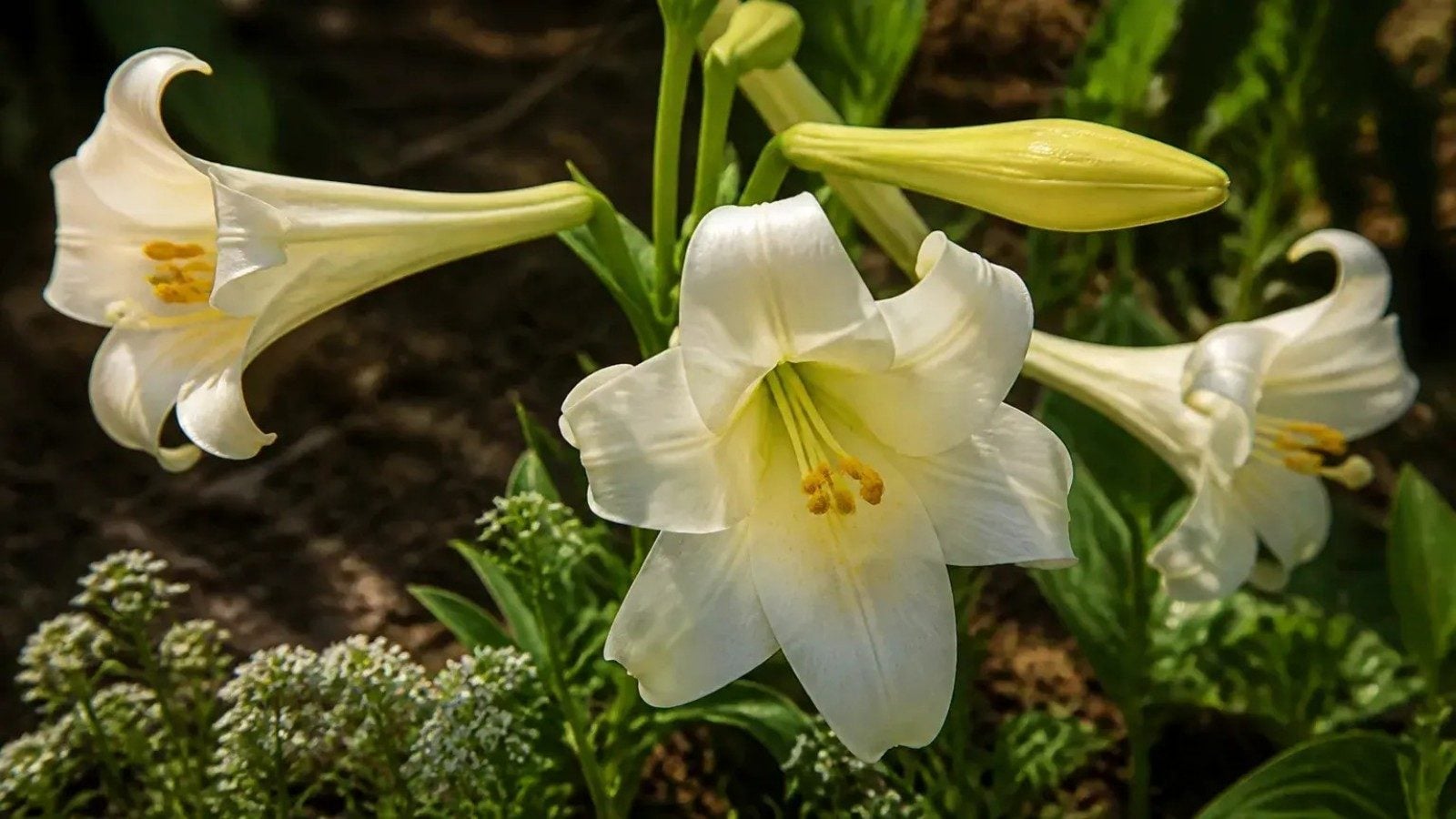
This is where things get genuinely scary, because unlike fungi, there's no spray, no treatment, no cure for viral diseases in lilies. The main culprits are lily symptomless virus, cucumber mosaic virus, and tulip breaking virus. Some of these cause dramatic symptoms; others are sneakier. Infected *Lilium longiflorum* may show mottled, streaked, or distorted leaves, unusual light-and-dark patterns that look nothing like the uniform green you expect, and in some cases the flowers themselves come out streaked, misshapen, or smaller than they should be. But here's the trap: lily symptomless virus lives up to its name. A plant can be infected and look perfectly healthy, while silently carrying and spreading the virus.
So how do viruses get into your garden? Almost always through infected bulbs or through insect vectors, with aphids being the chief culprits. An aphid feeds on an infected lily, picks up the virus, and carries it to your healthy plants. That's why pest control and virus control are the same battle. There is no treatment for an infected lily. The only responsible action is to dig up and destroy infected plants—burn them or bag them for the trash, never compost them—to prevent the virus from spreading through your whole bed. It feels harsh, but leaving one infected plant can quietly infect the entire collection over a couple of seasons. Prevention means buying certified virus-free bulbs from reputable sources and keeping aphid populations in check from the moment shoots emerge in spring.
Why "clean bulbs" are the whole game
Everything about virus management in lilies comes back to the starting material. Because you can't cure a viral infection, and because infected bulbs often look fine, the only real protection is starting clean. Reputable commercial growers run virus-testing programs and sell certified clean stock. That extra dollar or two per bulb is the cheapest insurance you'll ever buy in the lily garden. It's also why you should be wary of bargain-bin bulbs or swapping bulbs with neighbors who've had unexplained die-offs. You're not just buying a flower—you're buying a clean bill of health. For anyone serious about keeping *Lilium longiflorum* thriving year after year, starting with clean, certified bulbs and staying ruthless about removing anything that looks off is the entire strategy in one sentence.
Bacterial and Physiological Problems—The Confusing Ones
Bacterial soft rot—the fast-moving stinker
Not all rot is fungal. Bacterial soft rot, caused mainly by *Erwinia* bacteria, moves even faster than fungal rot and smells far worse. It attacks bulbs, stems, and even flowers, turning tissue into a soft, watery, foul-smelling mess almost overnight. One day your lily looks fine; two days later a stem is collapsing and the base reeks. The bacteria are everywhere in soil and water, but they need a way in—usually through a wound. Damaged bulbs, cuts from weeding, broken stems, or pest damage all give bacteria an entry point. Once inside, they multiply fast in warm, wet conditions.
The irony is that many cases of bacterial soft rot are self-inflicted through careless handling. Cut, bruised, or cracked bulbs are a welcome mat for the bacteria. So handle bulbs gently, avoid damaging the stem base when cultivating or weeding, and control the pests that chew on your plants. Good drainage and not overwatering also keep the bacteria from thriving. If you catch a soft, smelly spot early, remove the affected tissue and improve air circulation and drainage around the plant. But bacterial rot moves so fast that early action is usually the difference between saving part of the plant and losing it entirely. Prevention through gentle handling and clean growing conditions is really the only reliable defense.
When it's not a disease at all—physiological disorders
Here's a trap that sends gardeners on wild goose chases: not every sick-looking lily is sick. A surprising share of "diseases" are actually physiological problems—stress responses, not pathogens. Leaf scorch is a classic. It looks like a disease: brown, crispy leaf tips and edges. But it's usually caused by environmental stress—too much fertilizer, drought, extreme heat, or a combination. Excessive nitrogen, in particular, can burn leaf edges and produce soft, weak growth that's then more vulnerable to real diseases. Overcrowding and root disturbance can cause wilting and yellowing that mimic disease but are just the plant struggling to cope.
Distinguishing physiological problems from actual disease matters because the treatments are opposite. A fertilizer burn needs less feeding, while a nutrient deficiency needs more. A water-stressed plant needs moisture, while an overwatered one needs drainage. The best diagnostic tool you have is to know your own garden: have you fertilized heavily? Has it been unusually hot or dry? Did you recently transplant or disturb the roots? If the "symptoms" line up with a recent stress event and no spots, mold, or foul smell are present, treat it as stress first. Fix the environment and give the plant time, and many apparent diseases simply resolve on their own.
A Practical Prevention Plan That Actually Works
The foundation: start clean, plant right
Every disease conversation with lilies has to end in the same place: prevention is the whole ballgame, and it starts before the bulb ever goes in the ground. Buy certified, virus-free bulbs from reputable suppliers, inspect them for soft spots, mold, or damage before planting, and reject anything that looks questionable. Choose a planting site with full sun to partial shade and, above all, excellent drainage. Amend heavy soil before planting, or grow in raised beds and containers where you control the conditions. Space bulbs far enough apart for air to circulate, and plant at the right depth—roughly three times the bulb height—so they establish strong, healthy roots. A healthy, well-planted lily simply resists disease far better than a stressed one.
The daily habits that keep disease out
Prevention isn't a one-time event; it's a set of habits that become second nature. Water at the soil line in the morning, never over the foliage in the evening. Keep the base of plants clear of fallen leaves and debris, where fungal spores and bacteria overwinter. Inspect your lilies regularly—a quick walk-through every few days catches problems when they're still fixable, not after they've spread. Control aphids and lily beetles from the moment shoots emerge, because pests are both direct damage and disease vectors. Clean your tools between working on different plants, and never work on wet foliage, which spreads spores. And remove and destroy anything that looks infected immediately. Do these things consistently, and you'll sidestep the vast majority of lily disease disasters.
When to treat, when to remove, and when to accept it
The final skill is knowing the difference between "treat this" and "remove this." Fungal problems like botrytis and leaf spot, caught early, are worth treating—remove affected leaves, improve conditions, and use a fungicide if the outbreak is serious. Bacterial rot, caught very early, sometimes responds to removing affected tissue. But viral infections have no treatment, and badly rotted bulbs can't be saved; both need removal and destruction to protect the rest of your garden. And some losses are simply part of growing lilies—even the best gardeners lose the occasional bulb to the weather or bad luck. Accept it, learn from it, and don't let one setback chase you away from one of the most beautiful bulbs you can grow. *Lilium longiflorum* rewards patience, and a healthy plant, with years of those glorious white blooms.
Advertisement
Learn More
-

- October 20,2026
- Lily Disease Guide: Whats Killing Your Lilium longiflorum and How to Stop It
-
- September 17,2026
- Wax-Leaf Privet Diseases: Identification, Treatment & Prevention Guide
-
- September 1,2026
- Vinca Minor Diseases: Identification, Treatment and Long‑Term Garden Management
-
- August 18,2026
- Tree Philodendron Diseases: Identification, Treatment and Long‑Term Prevention
-
- August 6,2026
- Common Ailments of Plantago major: Identifying, Treating and Preventing Diseases in Broadleaf Plantain
-
- July 30,2026
- Zodiac-themed Bouquets Combined with Floral Language: Different Color Schemes Create More Artistic Birthday Surprises





Advertisement



 Poisonous and danger

 Edible and medicinal

 Wild and common weed