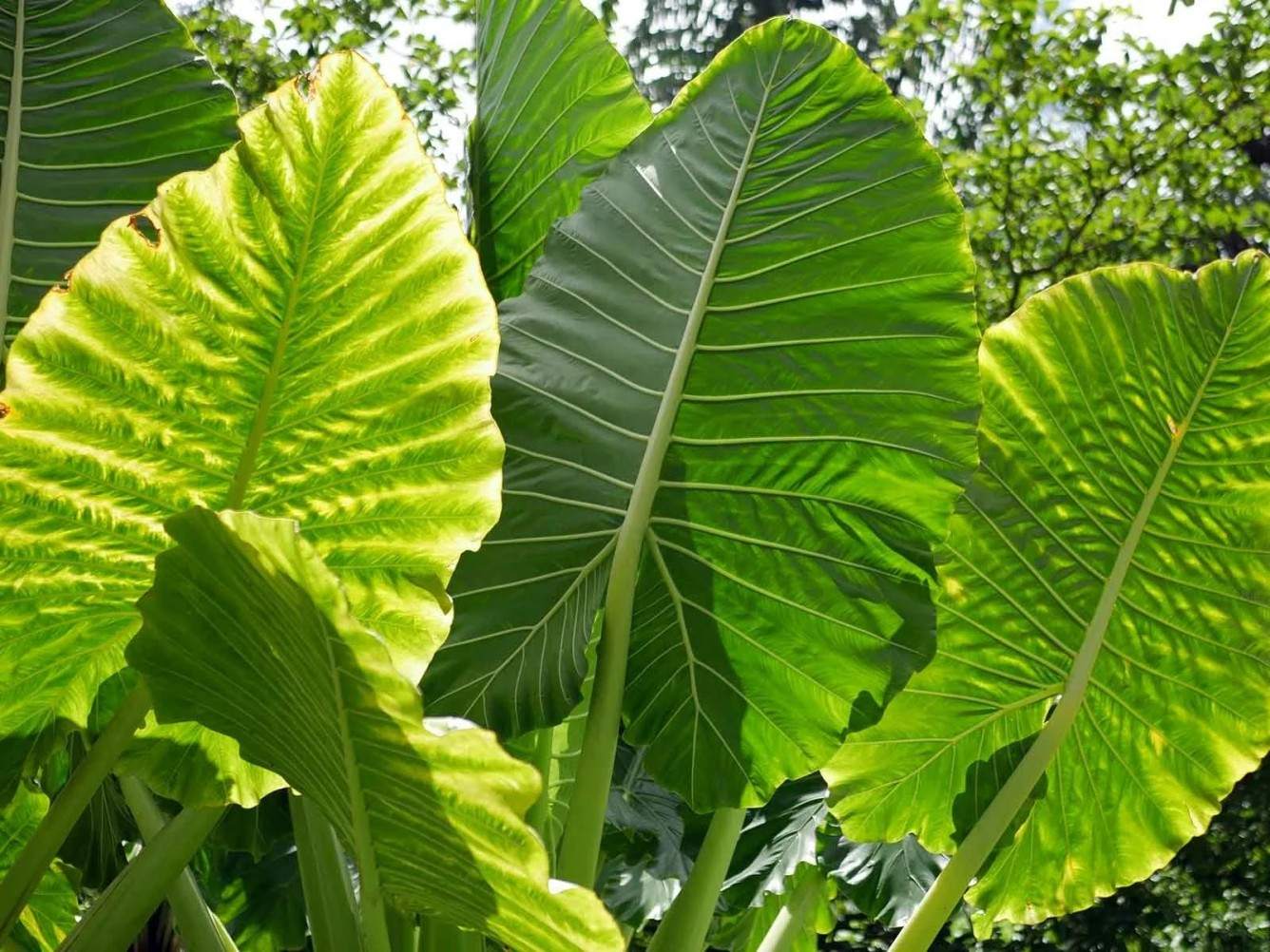
Alocasia macrorrhizos
-
 Poisonous and danger
- Also known as:Giant Taro
 Poisonous and danger
Nursing Skills
Alocasia macrorrhizos prefers bright indirect sunlight. Keep soil consistently moist but never waterlogged to avoid root rot. It needs high humidity and warm temperatures above 15°C. Use loose, well-draining fertile soil. Feed diluted liquid fertilizer in growing seasons. Protect it from frost; all parts are toxic, keep away from pets and children.
Advertisement
Plant Properties
-
- Toxicity
- Humans
-
- Flower Color
- Pale green, cream
-
- Plant Type
- Evergreen perennial
-
- Leaf Type
- Sagittate
-
- Bloom time
- Spring to summer
-
- Lifespan
- Long-lived perennial
Plant Care Requirements
-
Difficulty Level
Moderate
-
Watering Schedule
Keep soil evenly moist; reduce watering in cool winter, avoid waterlogging
-
Light Requirements
Bright indirect light / partial shade
-
Soil pH
pH 5.5–7.0
-
Planting Time
Spring to early summer, after all frost risk disappears
-
Hardiness Zones
USDA 9b–11
-
Growth Rate
Moderate
Advertisement
Plant Care Guide
-
What light conditions does Alocasia Macrorrhizos need for healthy growth?
Alocasia Macrorrhizos thrives best in bright indirect sunlight or soft partial shade throughout the day. It can tolerate gentle morning direct sun, which helps strengthen its stems and deepen the rich green color of its giant leaves. However, intense midday sunlight will quickly scorch the foliage, causing brown burnt spots, dry leaf edges, and faded texture. If placed in heavy full shade for long periods, the plant will become leggy, with thin weak stems, smaller new leaves, and slow overall development. For indoor growth, place it near east or west-facing windows with filtered light. Outdoor plants grow excellently under tree dappled shade. Consistent bright but diffused light ensures steady, vigorous leaf expansion and maintains the plant’s classic tropical lush appearance all growing season.
-
What is the correct watering routine for Alocasia Macrorrhizos to avoid common problems?
Keep soil evenly moistThis giant tropical alocasia prefers evenly moist, breathable soil and cannot tolerate completely dry or waterlogged conditions. During the active growing season in spring and summer, water thoroughly and regularly to keep the root zone consistently damp, as its large leaves consume plenty of moisture. Always water at the base instead of spraying leaves to prevent fungal spots. In fall and winter, when growth slows down significantly, gradually reduce watering frequency. Allow the top one to two inches of soil to dry slightly between waterings. Overwatering in cool weather easily triggers rhizome rot, the most fatal issue for this plant. Avoid standing water in pots or garden depressions. Proper balanced watering prevents yellowing leaves, root decay, and stunted seasonal growth.
-
What soil type and pH level are ideal for Alocasia Macrorrhizos?
pH 5.5–7.0Alocasia Macrorrhizos grows best in loose, fertile, well draining organic soil with a slightly acidic to neutral pH range of 5.5 to 7.0. It loves soil rich in humus, compost, and organic matter, which provides steady nutrition for its fast leaf growth. Heavy clay soil is unsuitable because it traps water and suffocates the thick rhizome, leading to rot. For potted plants, mix regular potting soil with perlite, peat moss, and decomposed compost to improve air circulation and drainage. Keeping the pH balanced helps the plant fully absorb nutrients and avoid yellow or stunted new foliage. Proper soil structure is the foundation of stable, vigorous long term growth for this large tropical foliage plant.
-
When is the best planting time for Alocasia Macrorrhizos, and how to transplant it safely?
spring to early summerThe ideal planting and transplanting window for Alocasia Macrorrhizos is spring to early summer, after all frost risk has completely passed. Warm rising temperatures and active root growth during this period allow the plant to adapt quickly and establish a strong root system before summer peaks. Planting in cold late fall or winter will cause severe transplant shock and dormancy failure. When transplanting, dig a wide hole to loosen surrounding soil, keep the rhizome at the same depth as before, and avoid burying the stem base. Water thoroughly after planting to settle soil. Provide slight shade for the first week to help recovery. Proper timing and gentle transplanting ensure fast regrowth and prevent seasonal dieback.
-
What hardiness zones can Alocasia Macrorrhizos survive in, and how to overwinter it?
USDA 9b–11Alocasia Macrorrhizos is hardy in USDA zones 9b through 11, where warm, frost free winters allow it to grow year round. It is extremely frost sensitive and cannot survive freezing temperatures. Temperatures below 10°C will stop growth, while cold frost will kill above ground foliage and damage underground rhizomes. In colder temperate regions, gardeners must grow it in movable pots or dig up rhizomes before winter arrives. Store rhizomes in a cool, dry, dark indoor place until spring. Outdoor plants in mild zones need thick mulch covering the root area for thermal insulation. Reduced winter watering is essential to avoid rot during dormancy.
-
What is the growth rate of Alocasia Macrorrhizos, and how to speed up its development?
In warm, humid, bright environments with rich soilAlocasia Macrorrhizos has a moderate to fast growth rate under ideal tropical conditions. In warm, humid, bright environments with rich soil and regular moisture, it produces massive new leaves rapidly throughout spring and summer. In poor light, dry air, or compacted soil, its growth slows dramatically and becomes stunted. To encourage faster, healthier growth, maintain high humidity, provide bright filtered light, and apply diluted balanced liquid fertilizer every two to three weeks during growing seasons. Regularly remove old yellow leaves to redirect energy to new foliage growth. With proper care, this plant can grow into a large, stunning tropical focal point within a single growing season.
Advertisement
Frequently Asked Questions
-
1 Why are the leaves of my Alocasia Macrorrhizos turning yellow?
Multiple factors trigger yellow leaves on Giant Taro. The most frequent cause is overwatering, which saturates soil, damages rhizomes and cuts off nutrient absorption. If lower aged leaves slowly yellow, this is natural aging and requires no worry. Too much direct sunlight can scorch foliage and create yellow discoloration. Severe dry air or prolonged drought also leads to yellow, limp leaves. Nutrient deficiency causes uniform pale yellow across new growth. You should first check soil moisture. Stop watering if soil stays wet, improve drainage. Adjust lighting to filtered shade. Feed diluted fertilizer in growing months and maintain moderate humidity. Distinguish natural leaf aging from unhealthy discoloration to take targeted corrective measures.
-
2 How do I treat fungal diseases and pest infestations on Alocasia Macrorrhizos?
Alocasia macrorrhizos easily suffers from leaf spot fungus and root rot in stagnant, humid conditions. Common pests include spider mites, aphids and mealybugs. To prevent issues, avoid wetting leaves when watering and leave enough space for air circulation. Minor fungal spots can be trimmed off, and you can apply organic fungicide. For pests, wipe leaves with diluted neem oil regularly. Serious root rot requires digging up the rhizome, cutting away rotted tissue, disinfecting and repotting into fresh well-draining soil. Do not reuse contaminated old soil. Keep humidity balanced; overly damp surroundings dramatically raise the risk of recurring disease and pest outbreaks.
-
3 Is Alocasia Macrorrhizos dangerous, and what safety precautions should I follow during maintenance?
All parts of Alocasia macrorrhizos contain sharp calcium oxalate crystals, making the plant toxic if eaten. Ingestion leads to burning, swelling and irritation inside the mouth and throat. Sap from broken stems and leaves may irritate sensitive skin. Therefore, keep this plant away from young kids, cats and dogs. When pruning or transplanting, wear gardening gloves to prevent direct contact with plant sap. Never place cut leaves or plant debris where pets can access them. If anyone accidentally consumes plant material, seek medical support quickly. While it is a gorgeous landscape plant, consistent safety habits are essential for household and garden cultivation.
Advertisement
Introduction
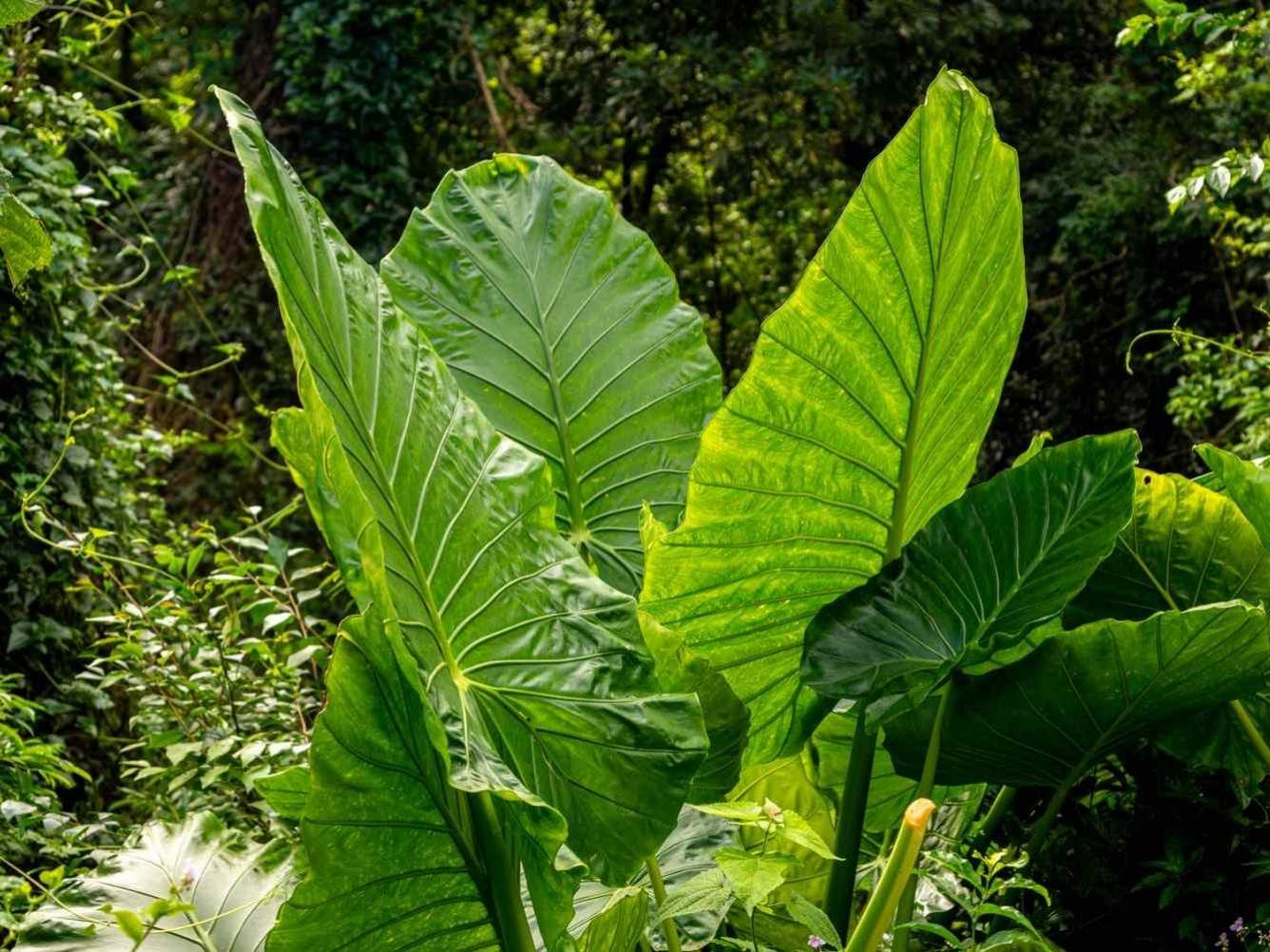
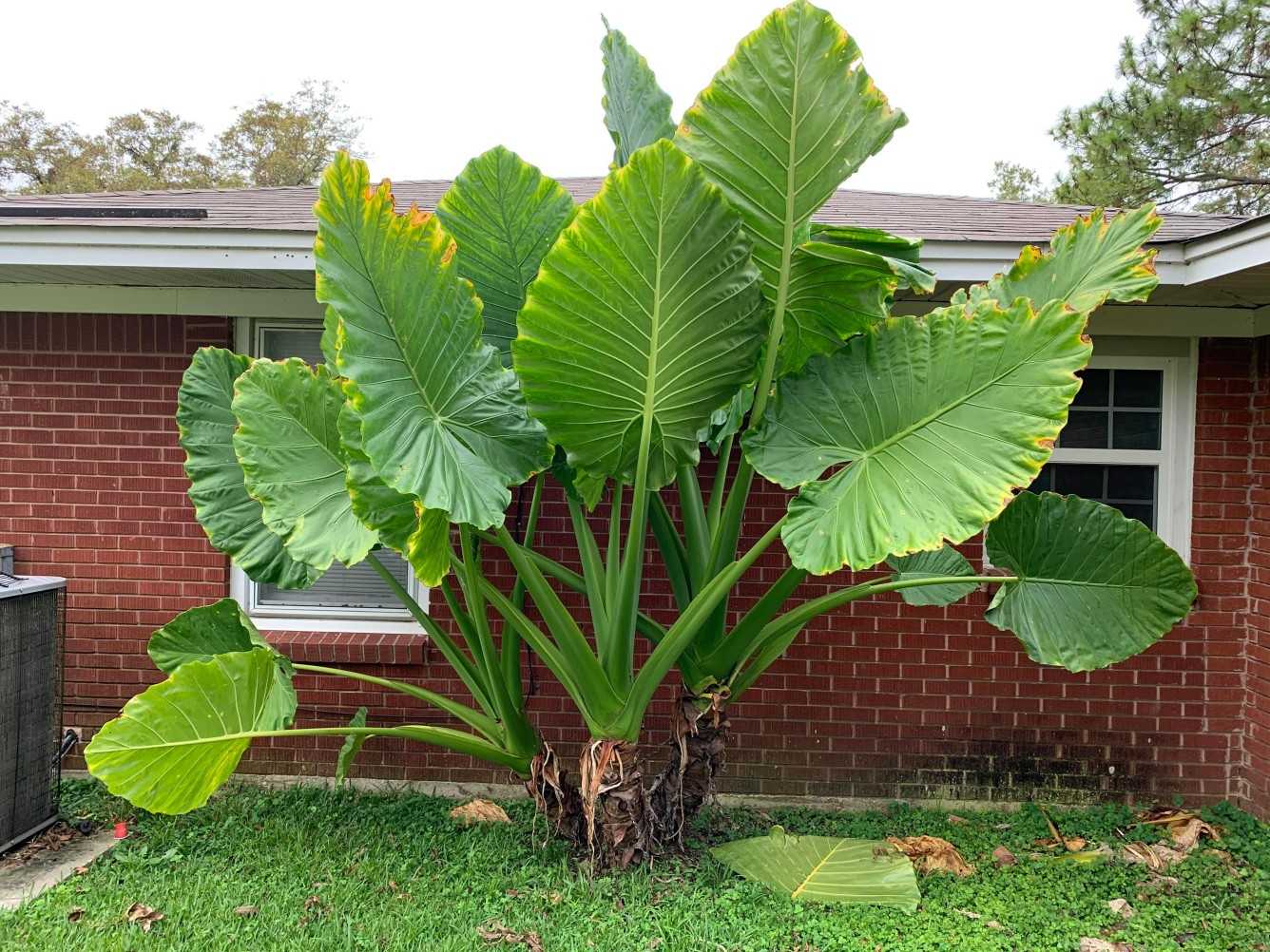
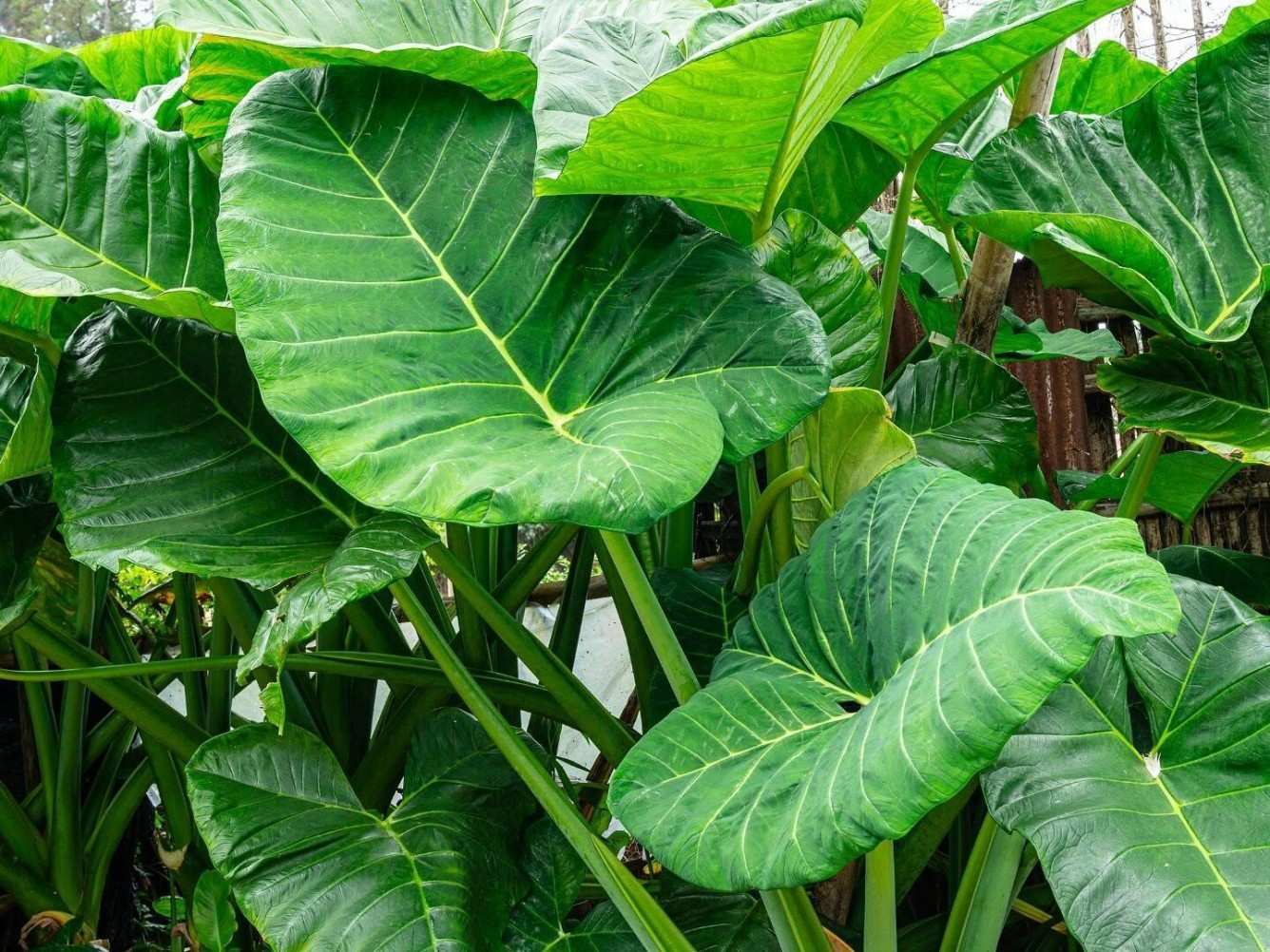
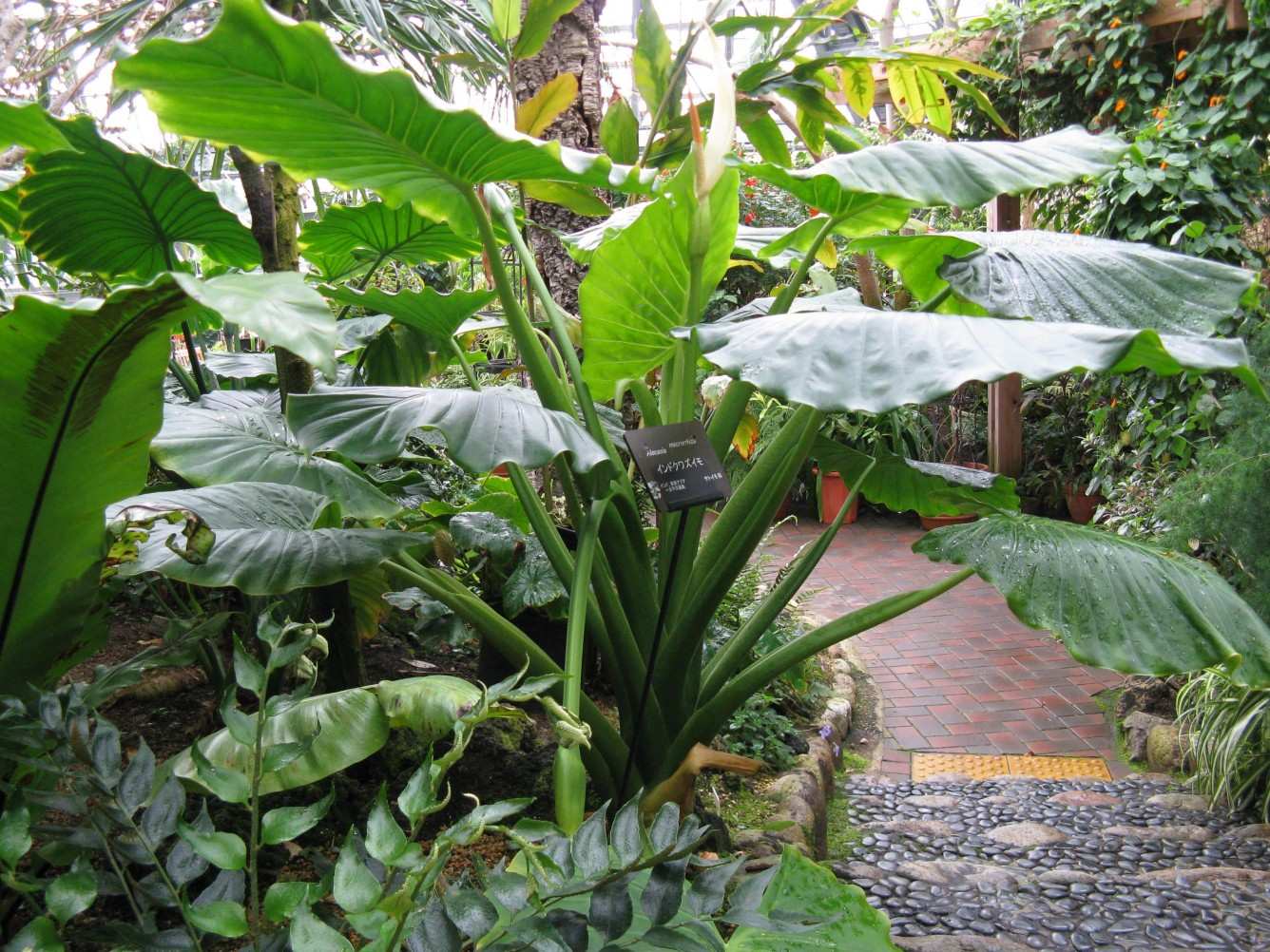
Alocasia macrorrhizos is a large evergreen perennial in the Araceae family. Native to Southeast Asia, it develops thick upright stems and enormous sagittate glossy green leaves. Its pale green spathe blooms appear in warm seasons. All plant parts contain calcium oxalate crystals and are toxic raw. Thriving in warm, humid conditions, it is widely used as a dramatic landscape specimen or tropical houseplant.
Popular Plant Encyclopedia
-
-
Poisonous and danger
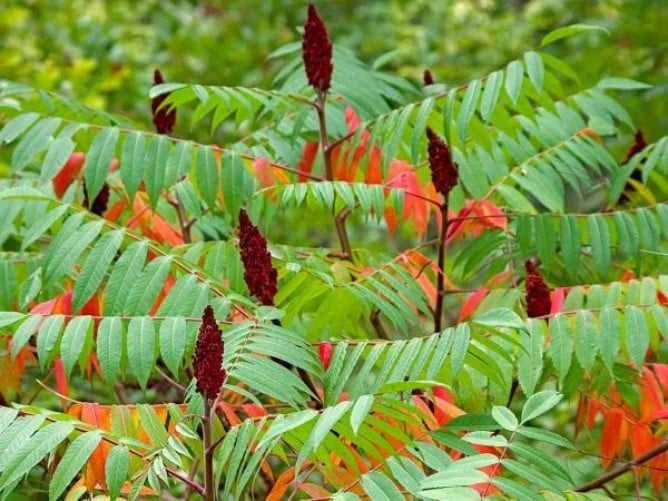
- Rhus typhina
-
-
-
Edible and medicinal
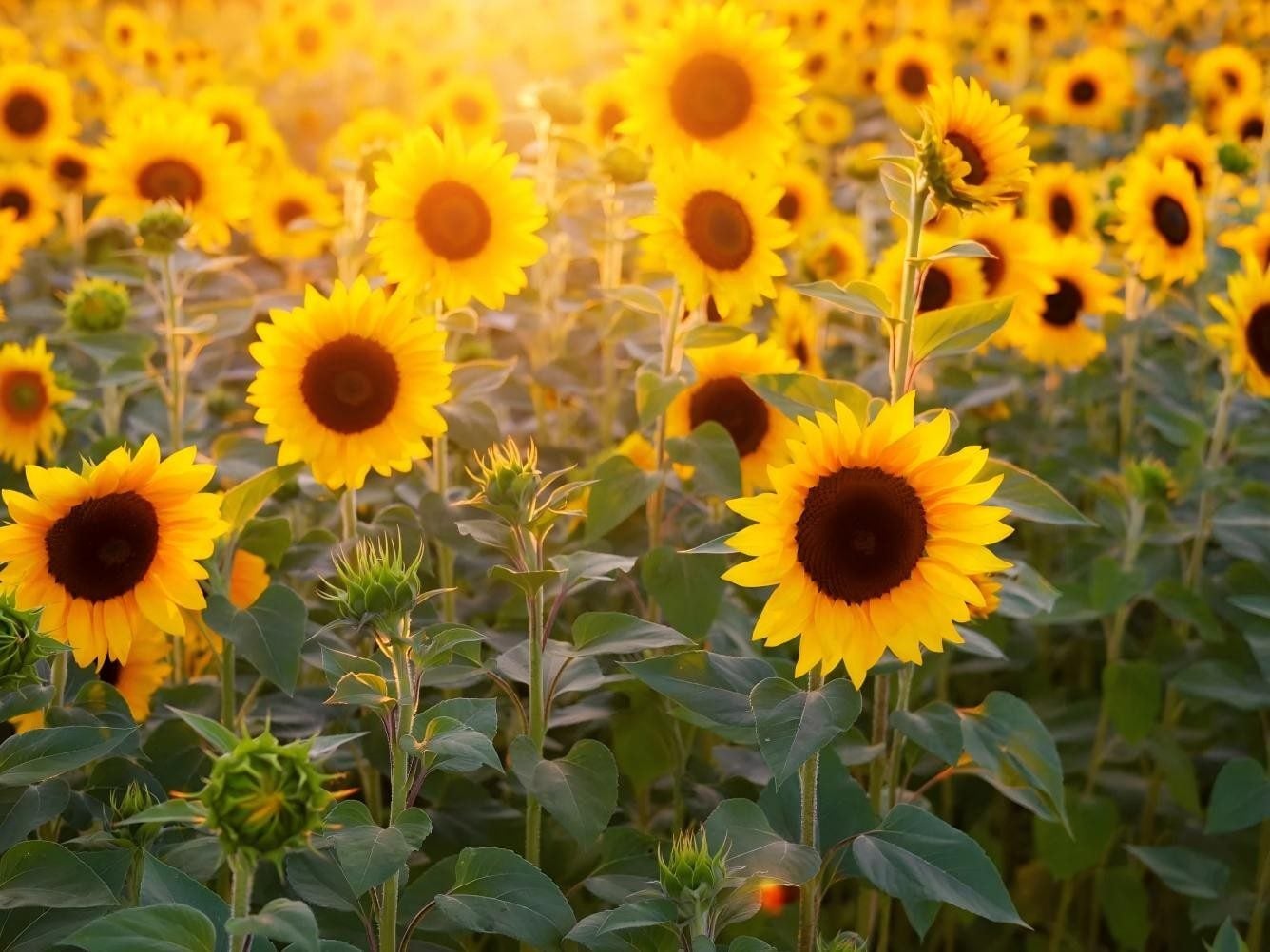
- Common sunflower
-
-
-
Poisonous and danger
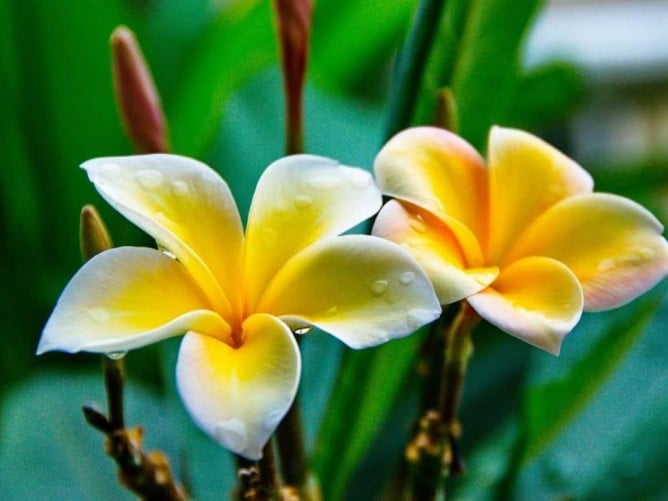
- Plumeria rubra
-
-
-
Wild and common weed
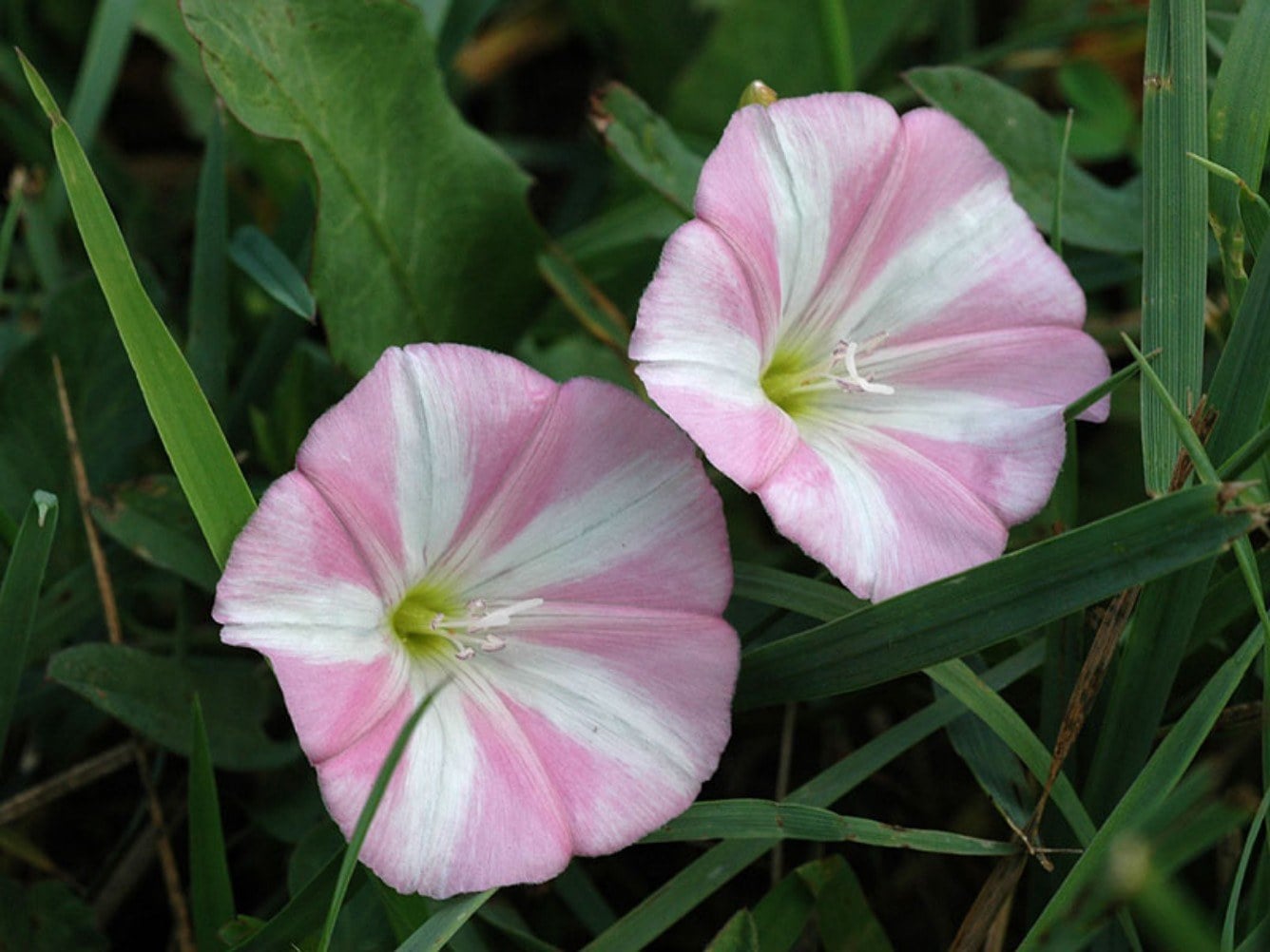
- Convolvulus arvensis
-
-
-
Edible and medicinal
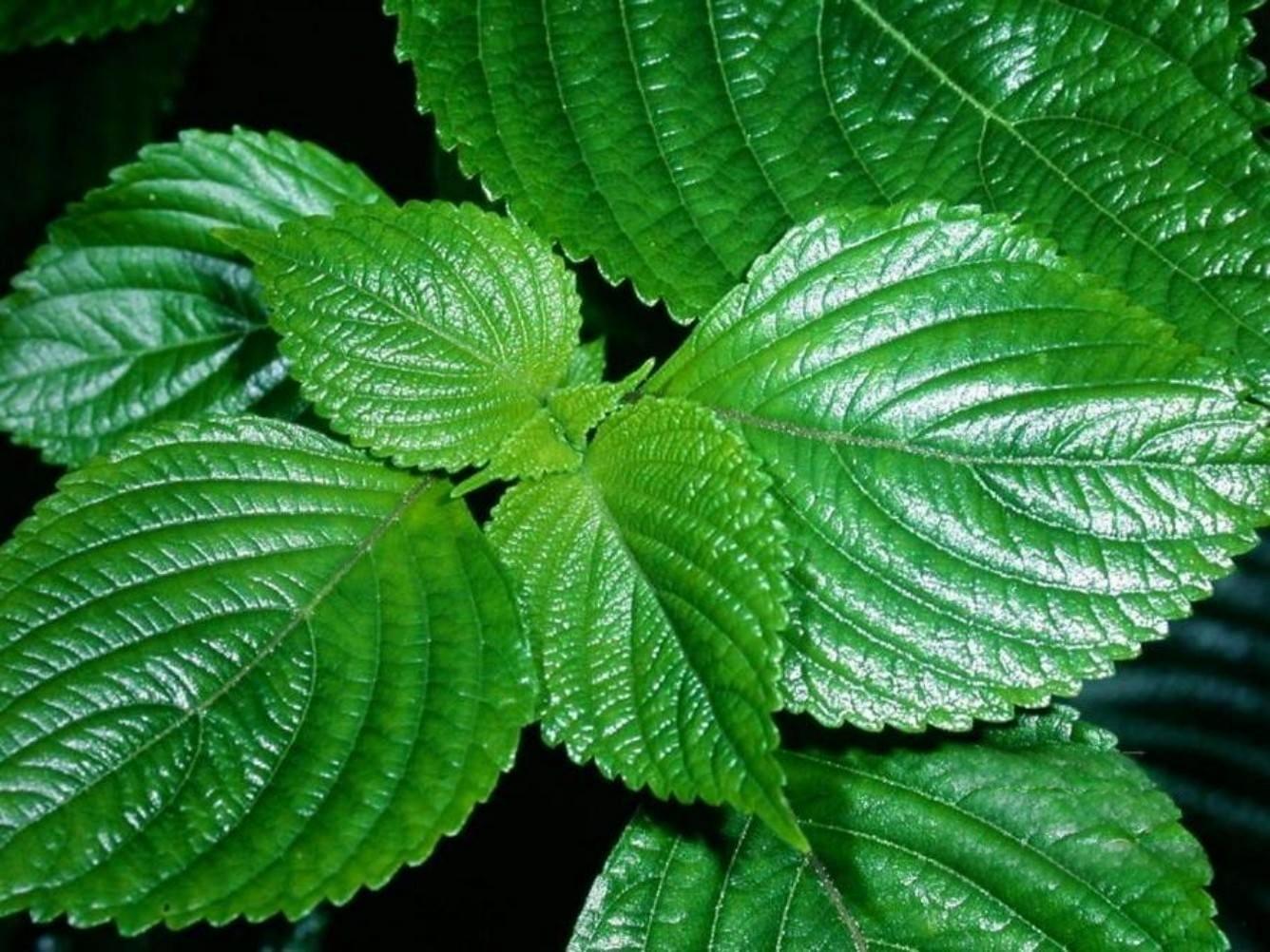
- Perilla frutescens
-
-
-
Edible and medicinal
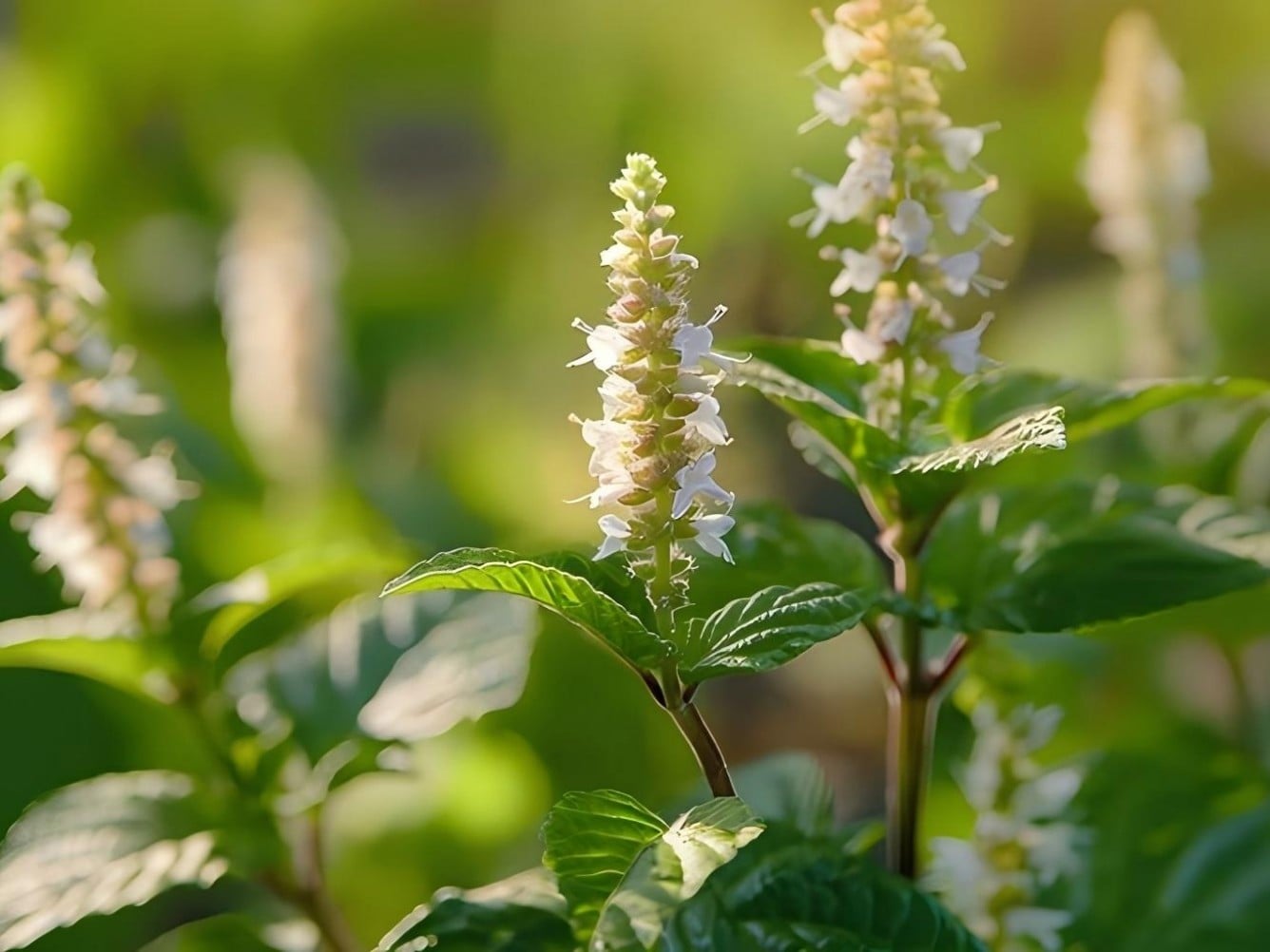
- Pogostemon cablin
-
-
-
Edible and medicinal
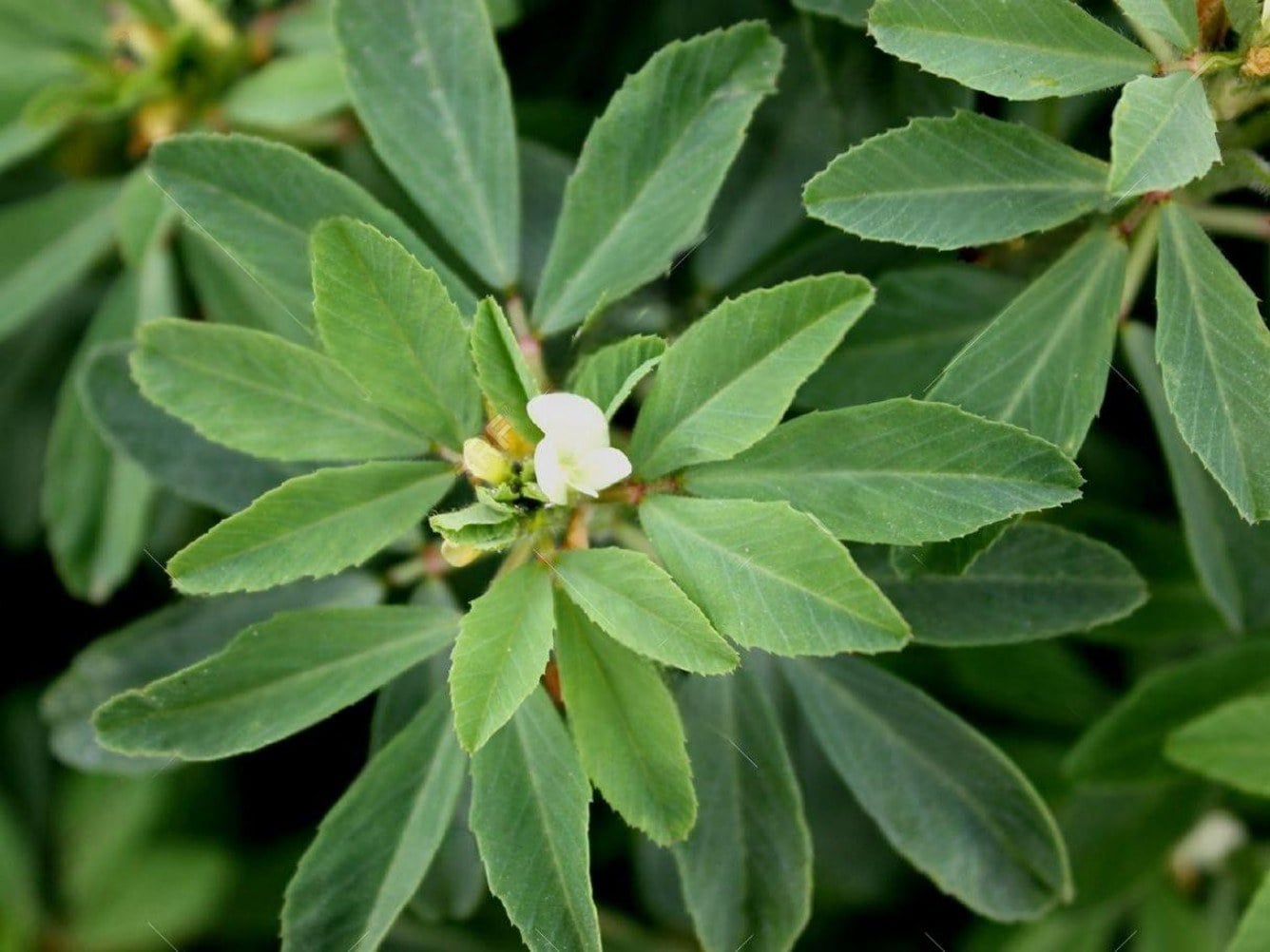
- Common fenugreek
-
-
-
Edible and medicinal
- Garden Thyme
-
 Edible and medicinal
 Wild and common weed
Advertisement