Aloe Vera
-
 Domestic and indoor
 Domestic and indoor
Nursing Skills
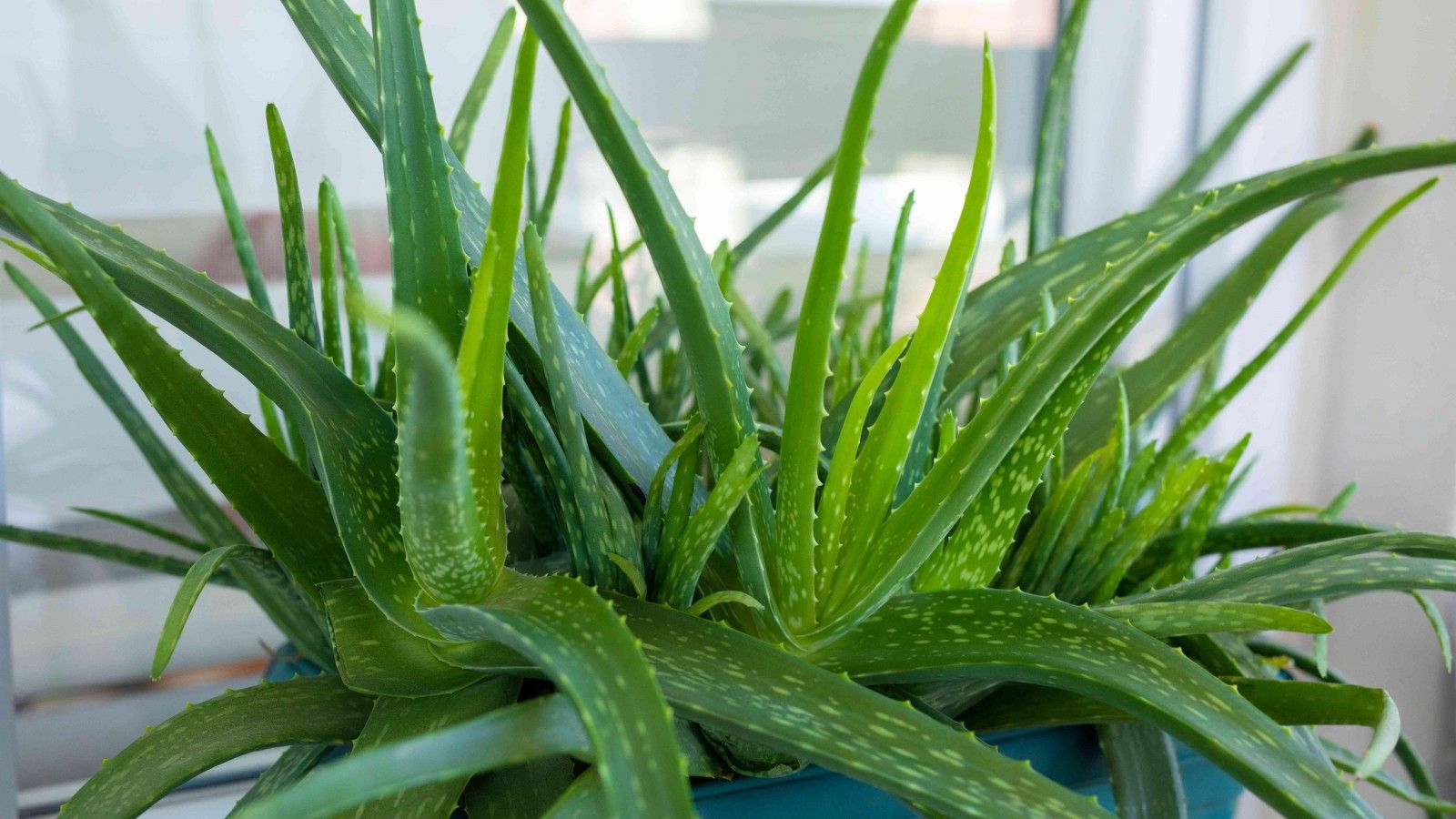
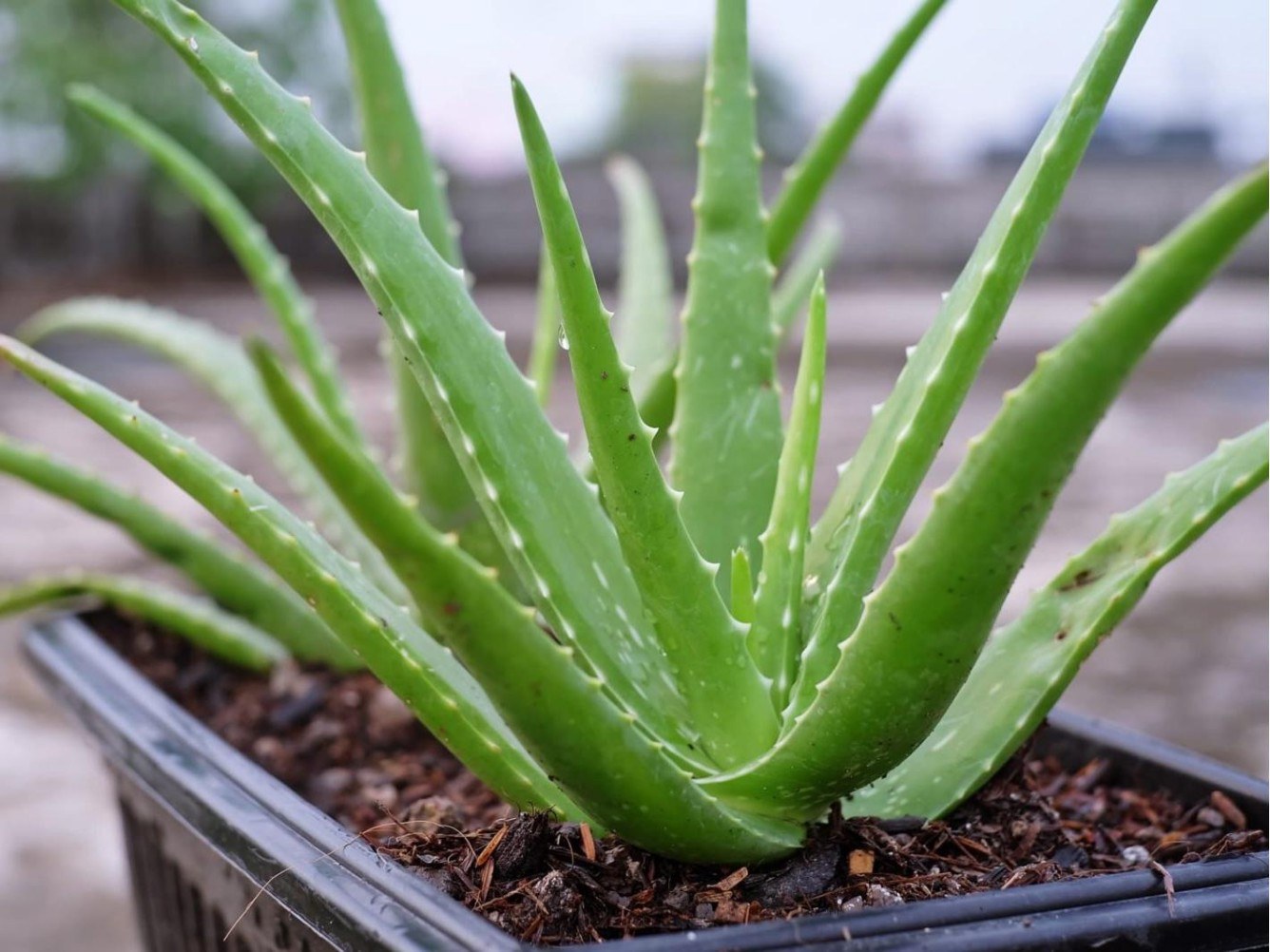
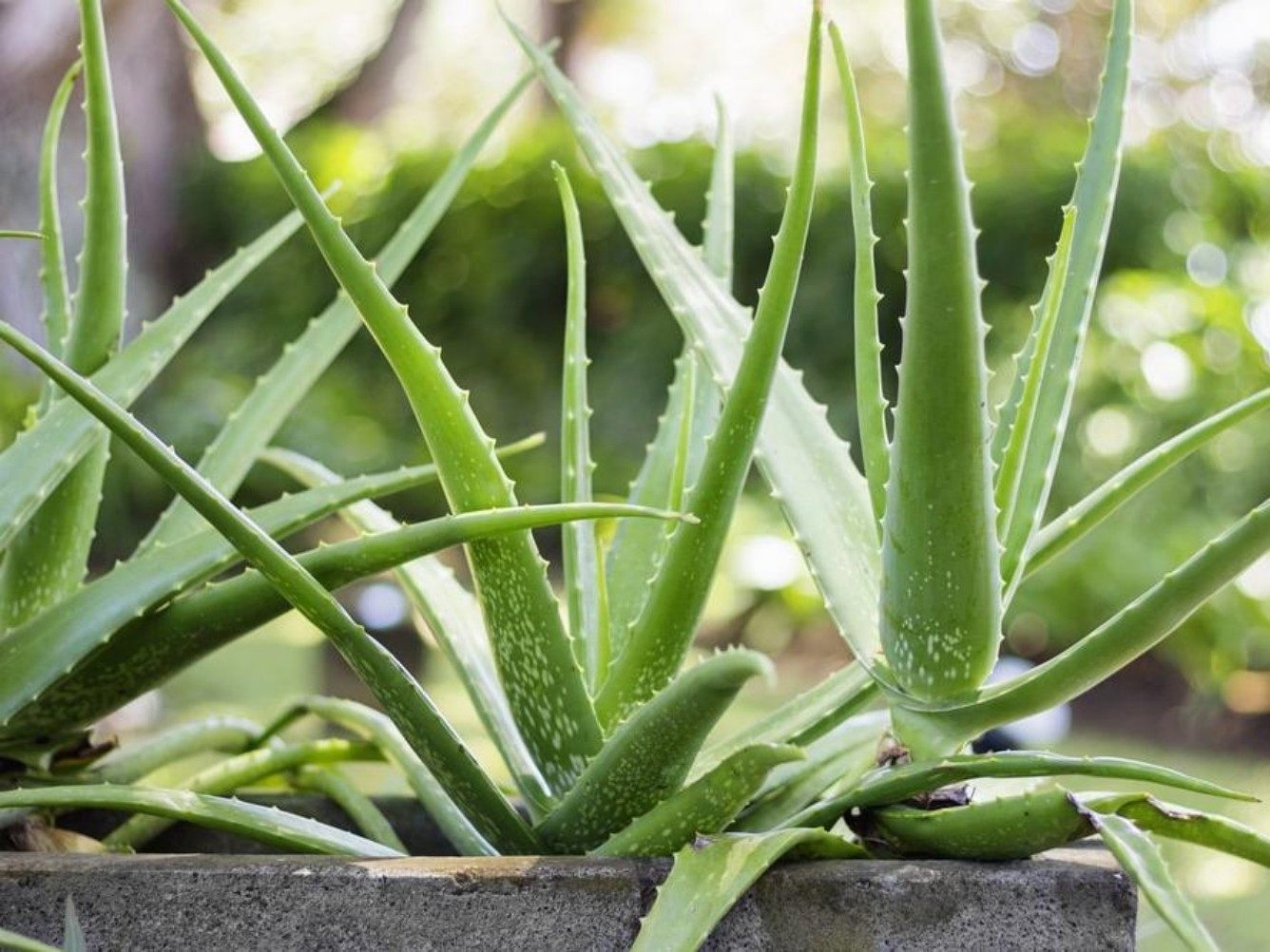
Aloe vera is drought-resistant and sun-resistant, not demanding on the environment, sui for indoor sunny or balcony planting.During the maintenance process, pay attention to good drainage of potting soil to avoid stagnant water leading to root rot.Spring and summer are the peak growing seasons, applying thin fertilizer once a month can promote the development of new shoots.In winter, reduce the frequency of watering, and keep the potting soil dry, which will help it overwinter safely.
Advertisement
Plant Properties
-
- Toxicity
- Slightly toxic to pets
-
- Growth cycle
- Perennial
-
- Plant type
- Succulent, herbaceous
-
- Flowering period
- Spring to early summer
-
- Plant height
- 30-60 cm
-
- Crown diameter
- 30-80 cm
-
- Leaf color
- Lime green
-
- Leaf blade type
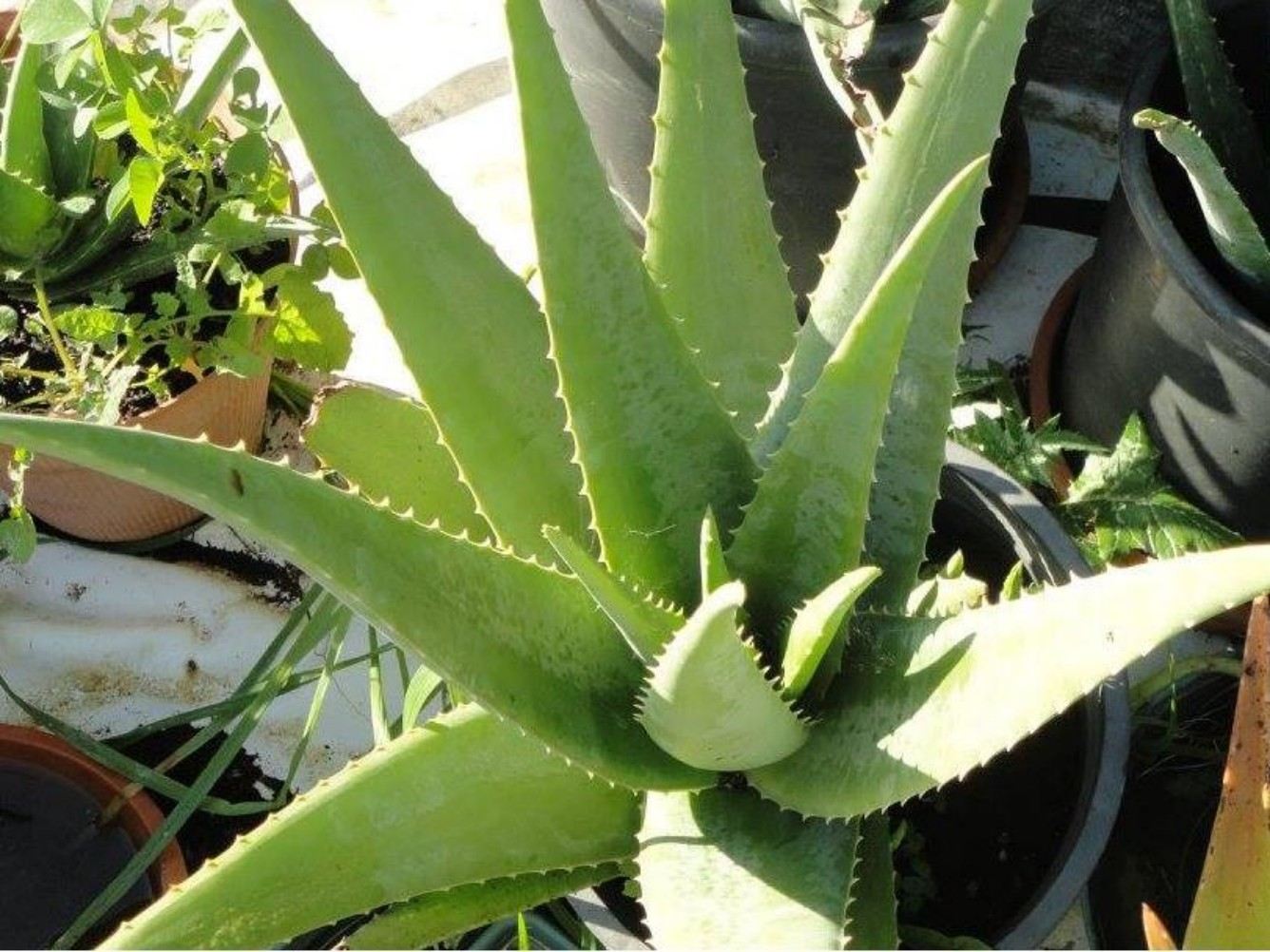
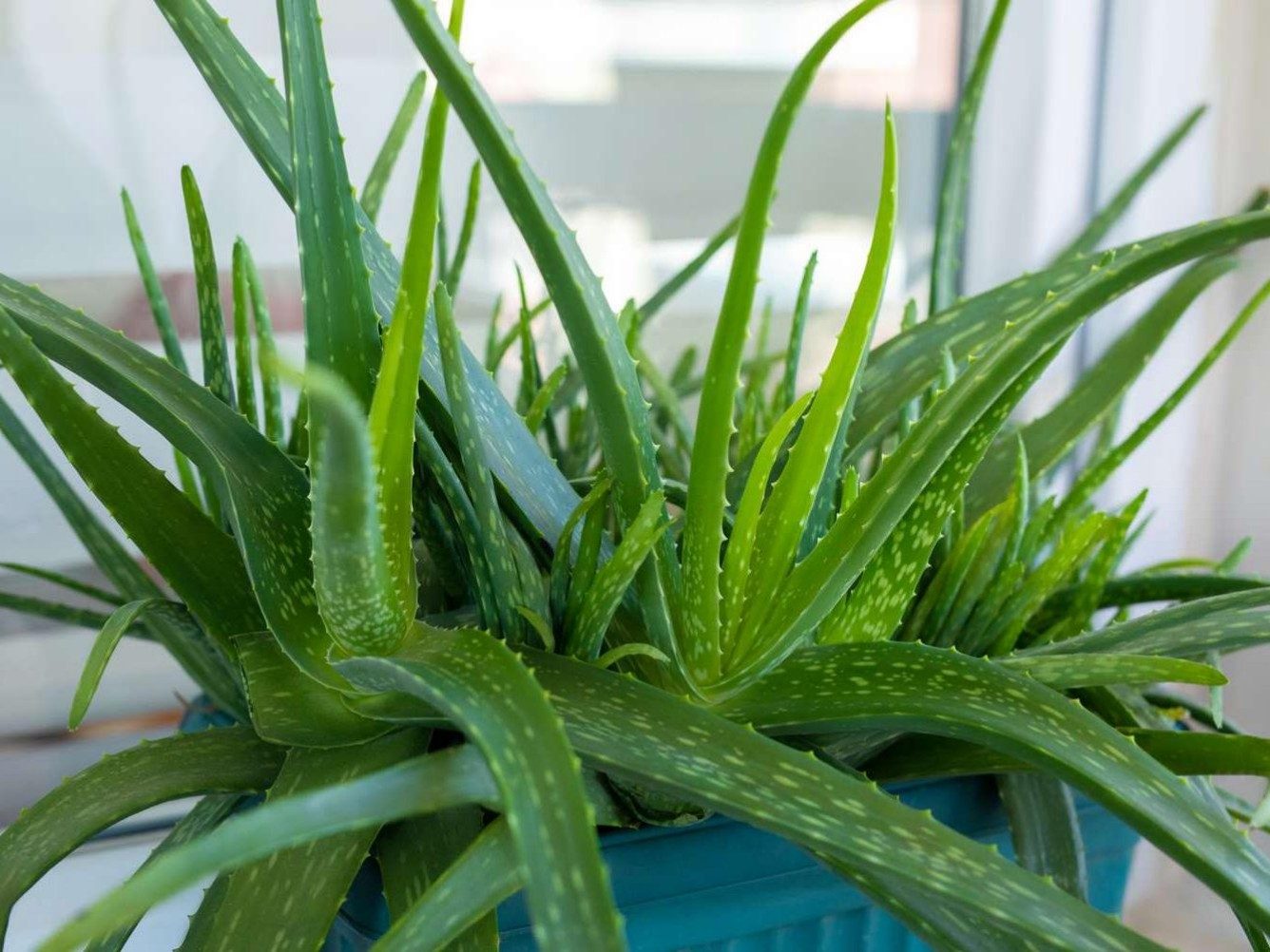
- Fleshy and lanceolate, with soft spines on the edges
Plant Care Requirements
-
Light
Prefer full sun, can tolerate semi-shade
-
Soil moisture
Dry, avoid waterlogging
-
Soil PH
Slightly acidic to neutral (pH 6.0-7.0)
-
Watering frequency
Once every two weeks in spring and summer, once a month or less in winter
-
Fertilizer frequency
Diluted liquid fertilizer once a month during the growing season
-
Temperature
15-30°C
-
Planting time
Best for spring potting and propagation
-
Lifespan
Perennial, the more you keep it, the more it flourishes
Advertisement
Plant Care Guide
-
How often should I water Aloe Vera?
10-14 daysAloe Vera is a typical drought-tolerant succulent and should not be watered frequently. During the spring and summer growing seasons, it is usually watered once every 10-14 days, and then replenished when the potting soil dries out. In the fall and winter, when temperatures are cooler, watering should be reduced to once a month or less. Do not stagnate water, as this may cause root rot. Try to water as thoroughly as possible, avoiding “little and often”.
-
Does Aloe Vera need full sunlight?
Light-lovingYes. Aloe vera loves light, and plenty of sunlight helps to keep its leaves full and its color healthy. Aloe vera should be kept indoors by a south or east-facing window and receive at least 4 hours of light a day. Insufficient light for a long period of time may cause the leaves to grow unduly long, yellow or thin. Appropriate shade can be provided during the hot summer sun to avoid burns. Proper lighting can also increase its medicinal content.
-
How to propagate Aloe vera?
Propagation by divisionAloe vera is commonly propagated by division. Spring is the most suitable time for dividing the plant. When small buds (“tillers”) grow from the base of the mother plant, gently remove them and let them dry for 2-3 days before replanting them in loose, airy, sandy soil. Water sparingly at first to avoid root rot. Usually, new roots can be seen after 2-3 weeks and the propagation success rate is high.
-
Does Aloe vera need pruning?
Cleaning of deteriorated leavesAloe vera does not require frequent pruning, but you should remove aged, dried or diseased leaves in a timely manner. Pruning should be done with clean, sharp scissors and cut from the base. If any leaves are broken, they should be cut off as soon as possible to avoid infection. In addition, if the leaves are too dense, they can be cut thinly at appropriate spacing to help ventilation and new leaf growth.
-
Can I leave Aloe Vera in a pot for a long time?
2-3 yearsNot recommended. Although Aloe Vera does not have a deep root system, as it grows with more leaves, the potting space will become crowded. It is recommended to change the pot every 2-3 years, along with replacing the soil and pruning old or rotting roots. Repotting is best done in the spring. If you don't change the pot, the plant may have limited growth, faded leaf color and be prone to diseases.
-
Is aloe vera edible?
Not allNot all aloe vera is edible. Common medicinal varieties of Aloe vera (e.g. Aloe vera barbadensis miller) can be eaten, but they need to be peeled, washed and the bitter yellow sap (which contains Aloe barbadensis rhodopsin and has laxative properties) removed. Do not accidentally eat ornamental varieties such as “Aloe barbadensis”, which may contain high levels of toxicity. Please check the safety of the species before consumption.
-
How do I keep my aloe vera leaves plump?
Adequate lightFertile foliage comes from good light, proper watering frequency and fertilizer supplements. Make sure the plant receives more than 4 hours of sunlight per day; apply diluted liquid fertilizer once a month to promote nutrient accumulation; and water the plant “through and through”, not frequently. Avoid excessive shade and small pot sizes that restrict root expansion.
Advertisement
Frequently Asked Questions
-
1 What causes Aloe Vera leaves to yellow?
Yellowing of Aloe Vera leaves can be caused by a variety of reasons such as over watering, insufficient light, root damage or over fertilization. First of all, check whether the soil is waterlogged or not, if there are rotten roots you need to prune and change the soil in time. If the indoor light is weak, the position should be adjusted. Fertilizer should be applied in small amounts and several times, and the concentration is too high, which may also burn the roots. Most aloe vera plants can recover after eliminating the adverse environment.
-
2 Can I put Aloe Vera in my bedroom?
Yes, especially during the daytime. Aloe vera is an air purifier and can absorb formaldehyde, benzene and other substances. It also releases a small amount of oxygen at night, which is beneficial to the indoor environment. However, since Aloe Vera loves light, it should not be placed in the corner of a dimly lit bedroom for a long period of time. It can be moved to a sunny place during the day and then moved into the bedroom at night, which is good for health and viewing.
-
3 Does Aloe Vera freeze to death in winter?
Yes. Aloe vera is not cold hardy and is susceptible to frostbite when the temperature is below 5°C. The leaves become soft, watery spots or discolored, and in severe cases the whole plant rots. In winter, it should be kept indoors in a well-lit place and the potting soil should be kept dry. You can cover it with heat-retaining cloth or use heaters to regulate the temperature at night to avoid too big a temperature difference.
-
4 What should I do if my aloe vera has rotten roots?
Rotten roots need to be removed from the pot immediately. Cut off the rotten part with clean scissors, sterilize the remaining roots with carbendazim or potassium permanganate solution, and then air-dry the roots for 2-3 days before replanting in clean sandy soil. Do not overwater at the beginning, and gradually resume normal management after the new roots grow. And check the bottom of the pot for smooth drainage to prevent recurrence.
Advertisement
Introduction
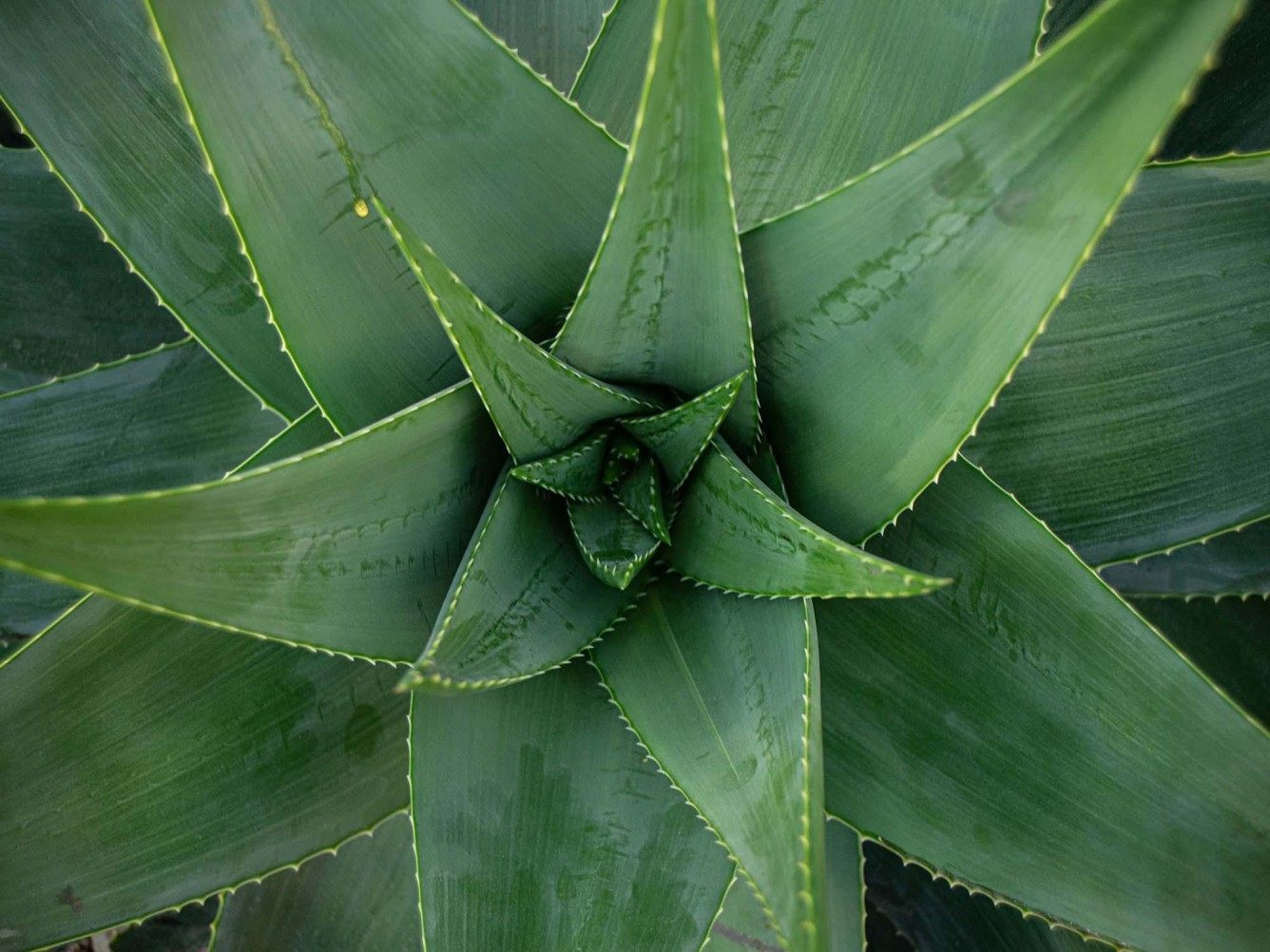
Aloe vera is a perennial succulent herb native to North Africa and the Mediterranean coast. The leaves are thick and succulent, with serrated edges and a gelatinous interior rich in many nutrients. It is not only ornamental, but also widely used for skin care, wound repair and minor burns. It is extremely adap and is a very functional plant for home growing.
Popular Plant Encyclopedia
-
-
Poisonous and danger
- Rhus typhina
-
-
-
Edible and medicinal
- Common sunflower
-
-
-
Poisonous and danger
- Plumeria rubra
-
-
-
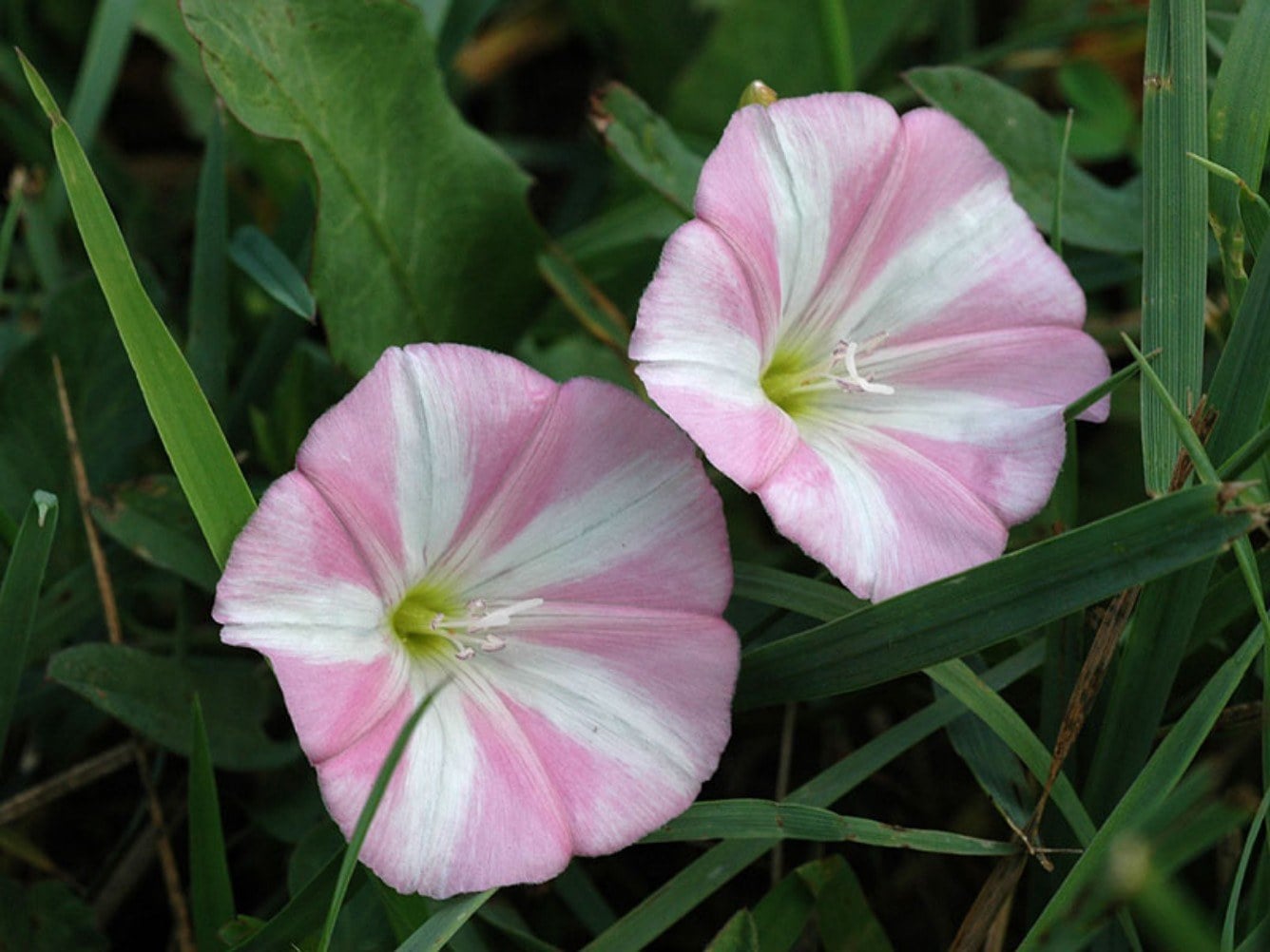
Wild and common weed
- Convolvulus arvensis
-
-
-
Edible and medicinal
- Perilla frutescens
-
-
-
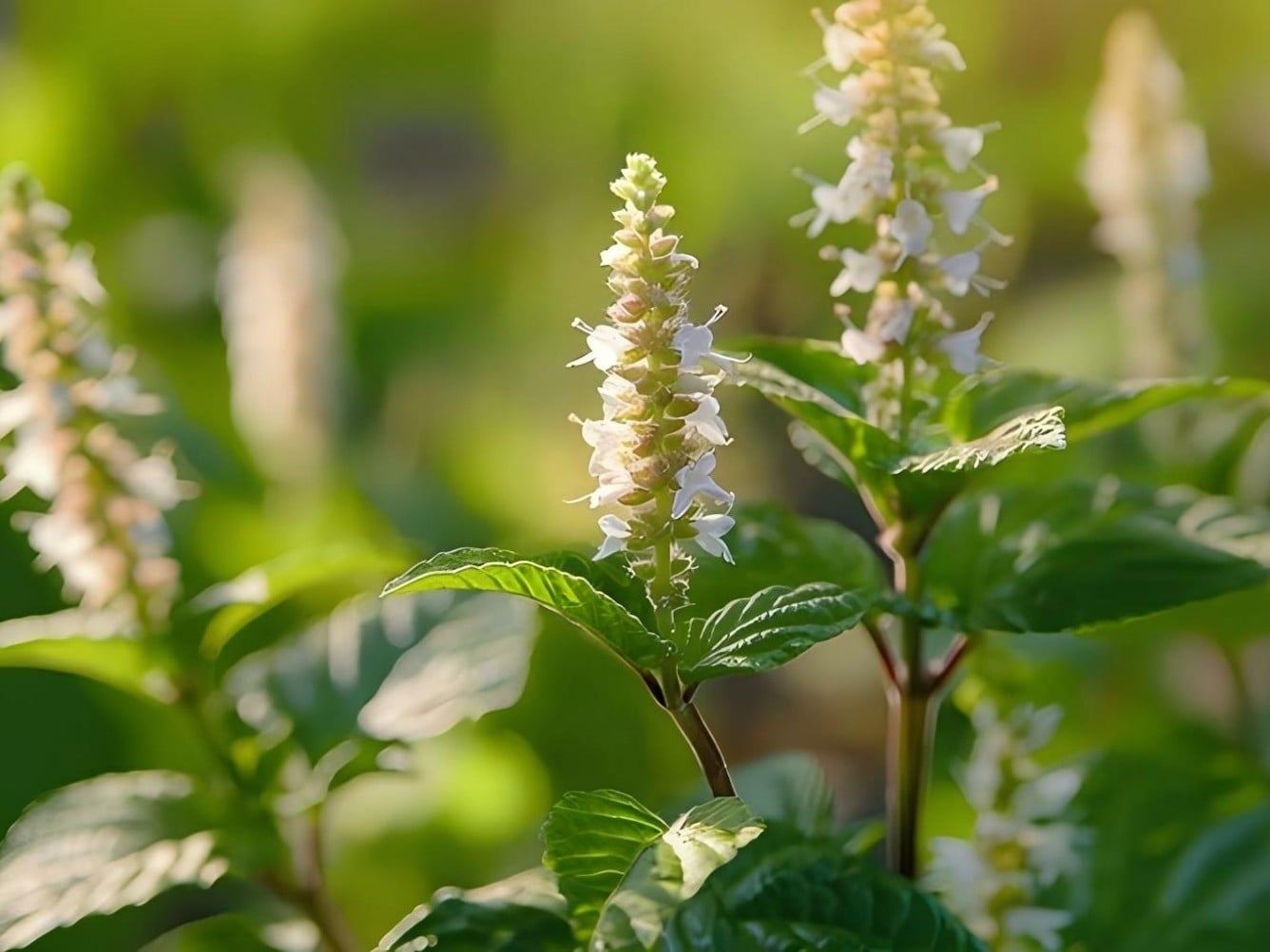
Edible and medicinal
- Pogostemon cablin
-
-
-
Edible and medicinal
- Common fenugreek
-
-
-
Edible and medicinal
- Garden Thyme
-
 Poisonous and danger
 Edible and medicinal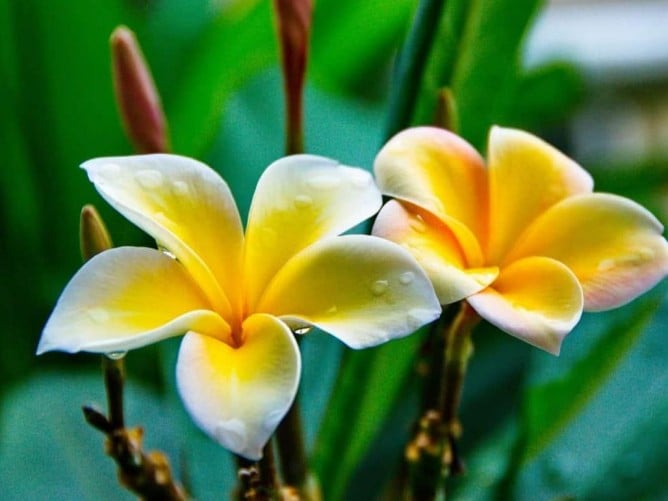
 Wild and common weed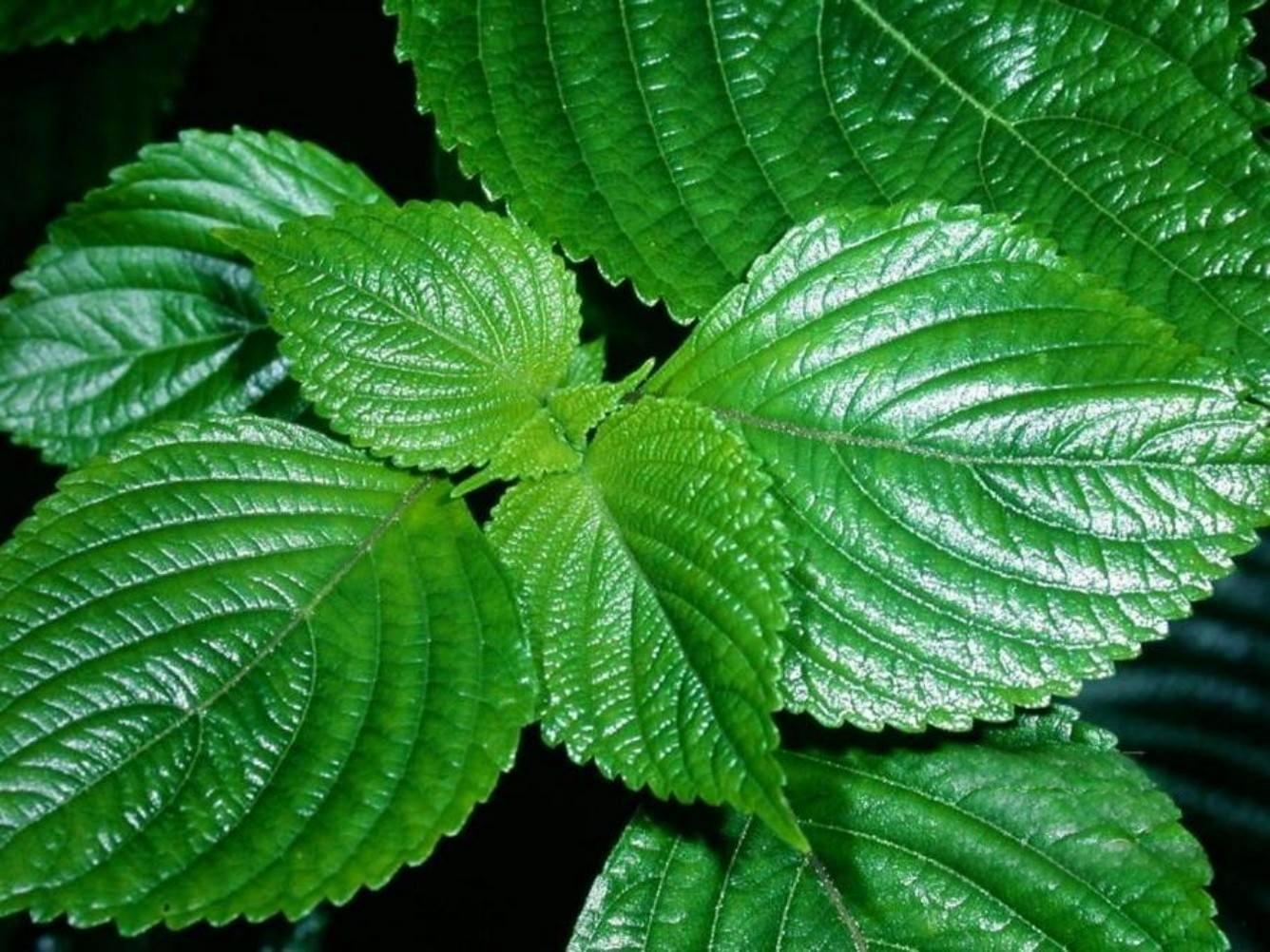
Advertisement