Atropa belladonna
-
 Poisonous and danger
 - Also known as:Deadly Nightshade
 Poisonous and danger
Nursing Skills
Belladonna should not be cultivated in home environments; its cultivation is restricted to research institutions or specialized botanical gardens. When observing this plant in a controlled environment, maintain cool conditions, moist yet well-drained soil, and avoid all direct contact. All handling must be performed while wearing gloves and in compliance with research safety protocols.
Advertisement
Plant Properties
-
- Plant Type
- Perennial herb
-
- Plant Height
- 90–150 cm
-
- Leaf Color
- Dark green, soft texture
-
- Flower Color
- Purple-brown or deep purple
-
- Flowering Period
- June–August
-
- Fruit Color
- Green initially, turning blackish-purple when ripe
-
- Fruiting Period
- August–September
-
- Native Region
- Europe, Central Asia, North Africa
-
- Toxicity Characteristics
- Entire plant is highly toxic
Plant Care Requirements
-
Light
Partial to full shade
-
Soil
Moist, humus-rich, well-draining
-
Temperature
Optimal 15–25°C
-
Humidity
Moderate to high
-
Planting Location
Restricted to outdoor isolation zones or greenhouse research areas
-
Fertilization
Low frequency; apply minimal organic fertilizer in spring
-
Toxicity
Entire plant highly toxic; contact or ingestion strictly prohibited
-
Handling Requirements
Wear gloves and safety goggles during operation
-
Spread Control
Isolate and regularly remove self-sown seedlings
Advertisement
Plant Care Guide
-
How to Safely Handle Belladonna Plants?
Full ProtectionSafety must be prioritized when handling belladonna. Always wear protective gloves, long-sleeved clothing, and goggles to prevent skin or eye contact with its sap. When managing plants in research settings or botanical gardens, ensure the work area is well-ventilated and use dedicated tools for pruning, fruit collection, or deadwood removal. Thoroughly clean all tools after use. Dispose of plant debris in sealed containers as hazardous biological material. Always wash hands thoroughly after handling. If skin contact occurs, immediately rinse with copious amounts of water and monitor for stinging or redness.
-
What growing conditions does belladonna require?
Shady, moist environmentsIn nature, belladonna typically thrives in shady, moist habitats such as forest edges, stream valleys, or thickets. When cultivated in controlled settings, select partially shaded areas with humus-rich soil that remains consistently moist. It cannot tolerate intense sunlight; excessive exposure causes leaf wilting or stunted growth. Maintaining moderate humidity while preventing waterlogging is crucial. In greenhouse settings, adequate air circulation and appropriate shading are particularly important to mimic its natural habitat. With shallow roots, nightshade plants should be supported to prevent wind-induced lodging.
-
Does belladonna require pruning? How should it be done?
Light pruningBelladonna generally does not require frequent pruning, but light trimming should be performed when necessary—such as removing withered branches and leaves or preventing excessive spread. Pruning must be done using sterilized tools, avoiding contact with the plant's sap. The optimal time for pruning is spring or early summer when the plant is actively growing and has strong recovery capabilities. Avoid heavy pruning, as it may stimulate new shoots to exude toxic sap. Seal pruning debris to prevent self-seeding or accidental contact. Clean tools and wash hands thoroughly after all operations.
-
How to prevent belladonna from spreading outside the study area?
Seed isolationBelladonna fruits easily fall and self-seed, making spread control critical. Establish ground cover around plants—such as bark mulch or weed fabric—to minimize seed contact with soil. Promptly remove mature fruits and seal them to prevent animals from consuming and dispersing seeds. Annually inspect surrounding areas for seedlings in spring and remove them immediately. When growing in greenhouses, use closed drainage systems to prevent seed dispersal via water flow. Document all dispersal control measures and conduct regular inspections.
-
Can belladonna be used for medicinal research? What precautions should be taken?
Strict ControlBelladonna is indeed used to prepare important drugs such as atropine, but medicinal research must only be conducted in specialized institutions. Harvesting leaves or roots requires adherence to strict laboratory safety protocols, including wearing double gloves, labeling samples, and ensuring processing occurs in designated areas. Raw materials must be handled by trained professionals, with every experimental step documented and supervised. Even during research, untreated samples must never be stored carelessly to prevent accidental contact or contamination. Belladonna must never be processed or used medicinally by individuals.
-
What should you do if you accidentally touch or ingest belladonna?
Seek immediate medical attentionAccidental contact with belladonna sap typically causes skin stinging, redness, or mild numbness. Immediately rinse the affected area with copious amounts of water. If eye contact occurs, continue flushing and seek medical assistance. Ingestion of the fruit, leaves, or roots is extremely dangerous, causing dry mouth, dilated pupils, rapid heart rate, hallucinations, and potentially respiratory failure. If ingestion is suspected, call emergency services immediately. Do not wait for symptoms to worsen or attempt to induce vomiting, as this may cause further harm. Medical professionals will promptly administer antidotes or supportive treatment.
Advertisement
Frequently Asked Questions
-
1 Why are belladonna berries often mistaken for edible berries?
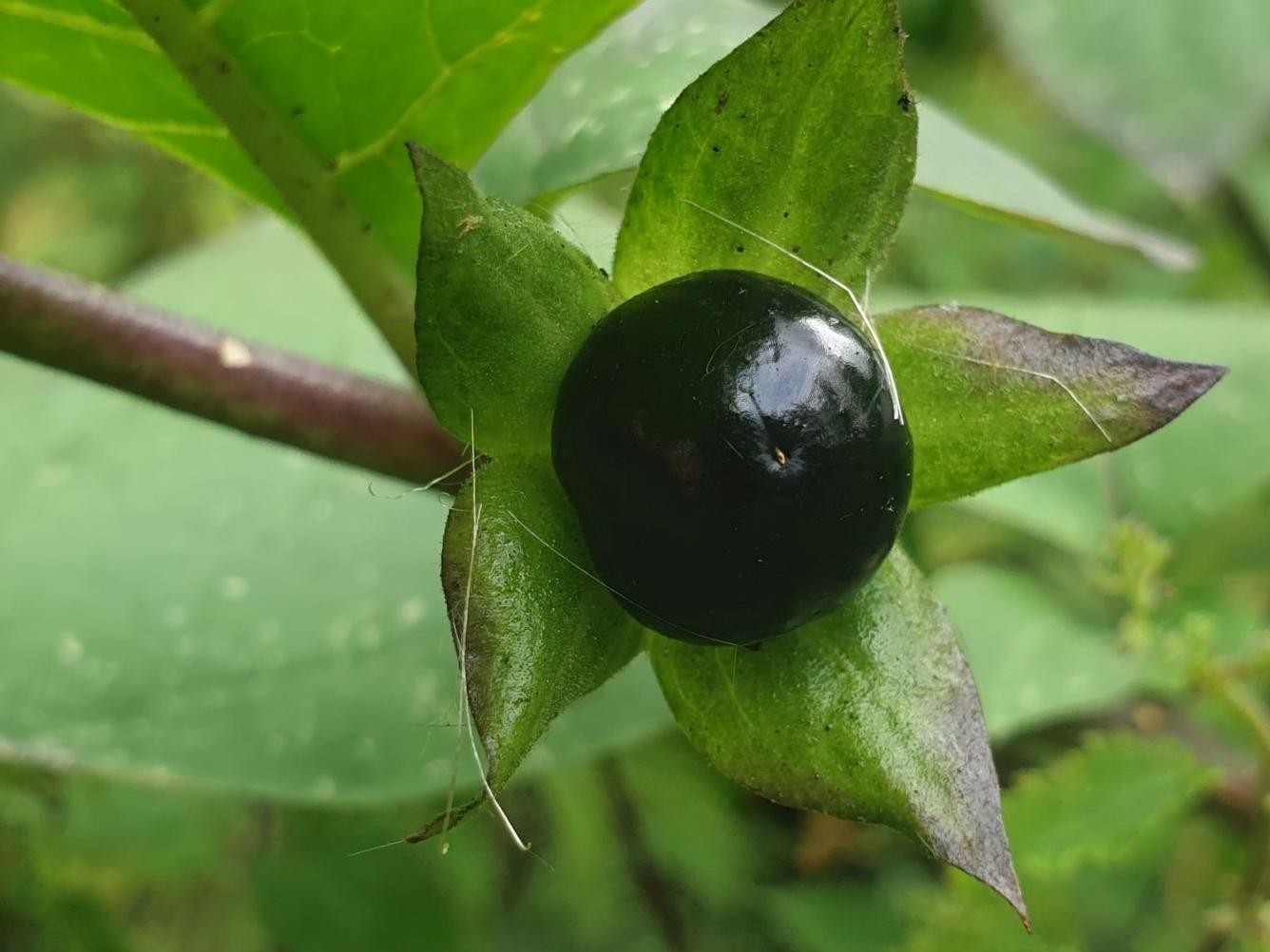
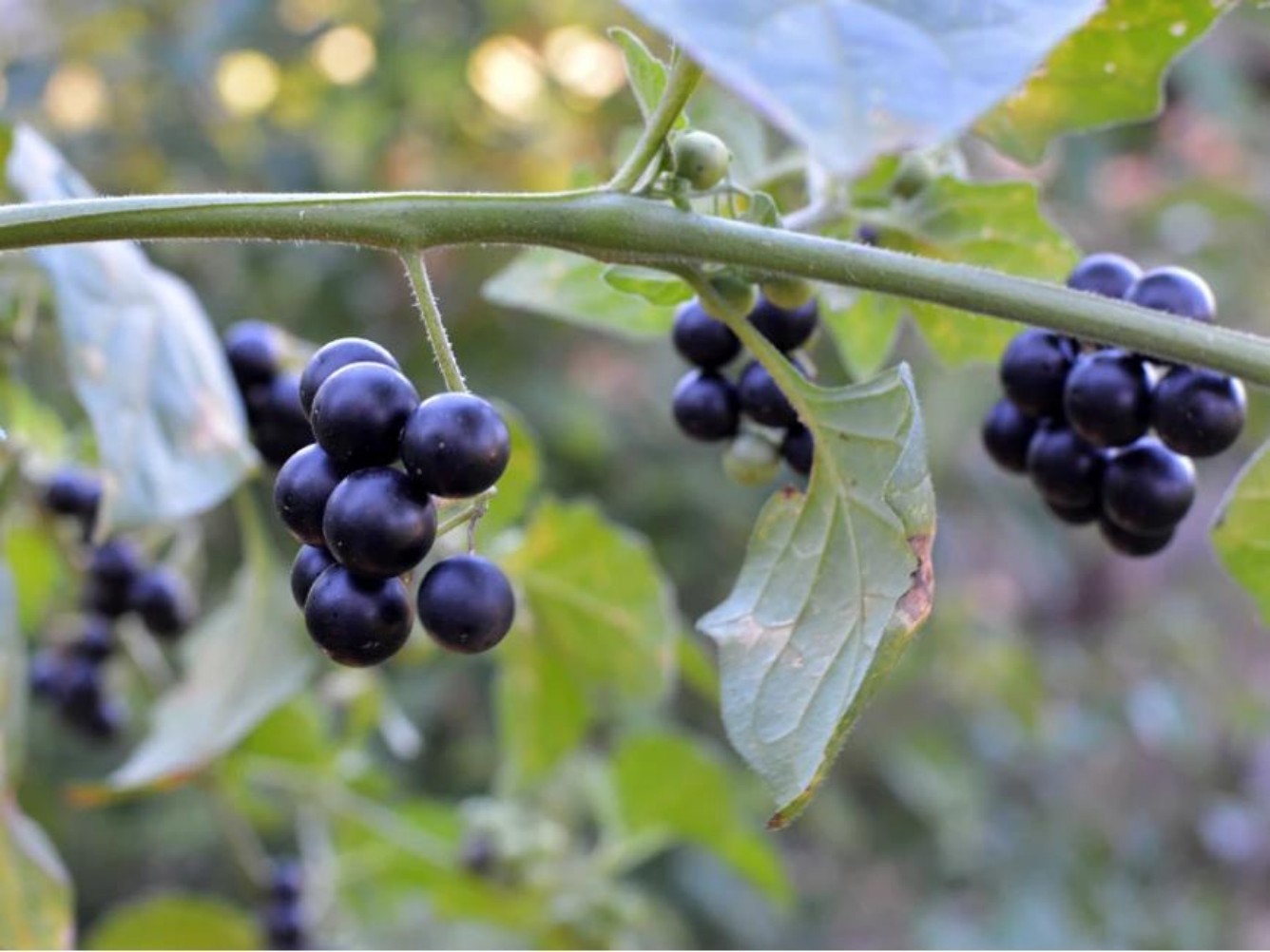
The ripe berries of belladonna are dark purple, glossy, and about the size of cherries or blackcurrants, making them highly deceptive to children or those unfamiliar with wild plants. Additionally, they often grow along forest edges or near trails, making them easily visible. Despite their appealing appearance, they contain high concentrations of atropine-like alkaloids, with even small amounts sufficient to cause severe poisoning. When foraging in the wild, always remember the principle of “When in doubt, don't eat it” and avoid picking any unknown berries. Many poisoning incidents stem from mistaking belladonna for edible fruits.
-
2 What role does belladonna play in natural ecosystems?
Despite its extreme toxicity, belladonna occupies a unique niche within ecosystems. Its flowers attract specific pollinating insects, while its berries are consumed by certain toxin-tolerant birds, aiding seed dispersal. As part of the native flora, it contributes to the structural diversity of understory plant communities. Its toxicity also helps prevent overgrazing, maintaining ecological balance. However, for humans and livestock, its presence requires management through warnings and isolation to avoid accidental ingestion risks.
-
3 How should suspected belladonna be handled if found at home?
If suspected belladonna is found in gardens or park areas, maintain distance and avoid contact. It is recommended to verify plant identification using photographs and contact local agricultural extension offices, botanical gardens, or field plant identification organizations for confirmation. Once confirmed, removal should be handled by professionals, especially near areas frequented by children and pets. Never attempt removal yourself, as contact with sap may pose risks, and improper handling could cause seed dispersal, leading to further spread. Ensure proper protective measures are taken during cleanup.
Advertisement
Introduction
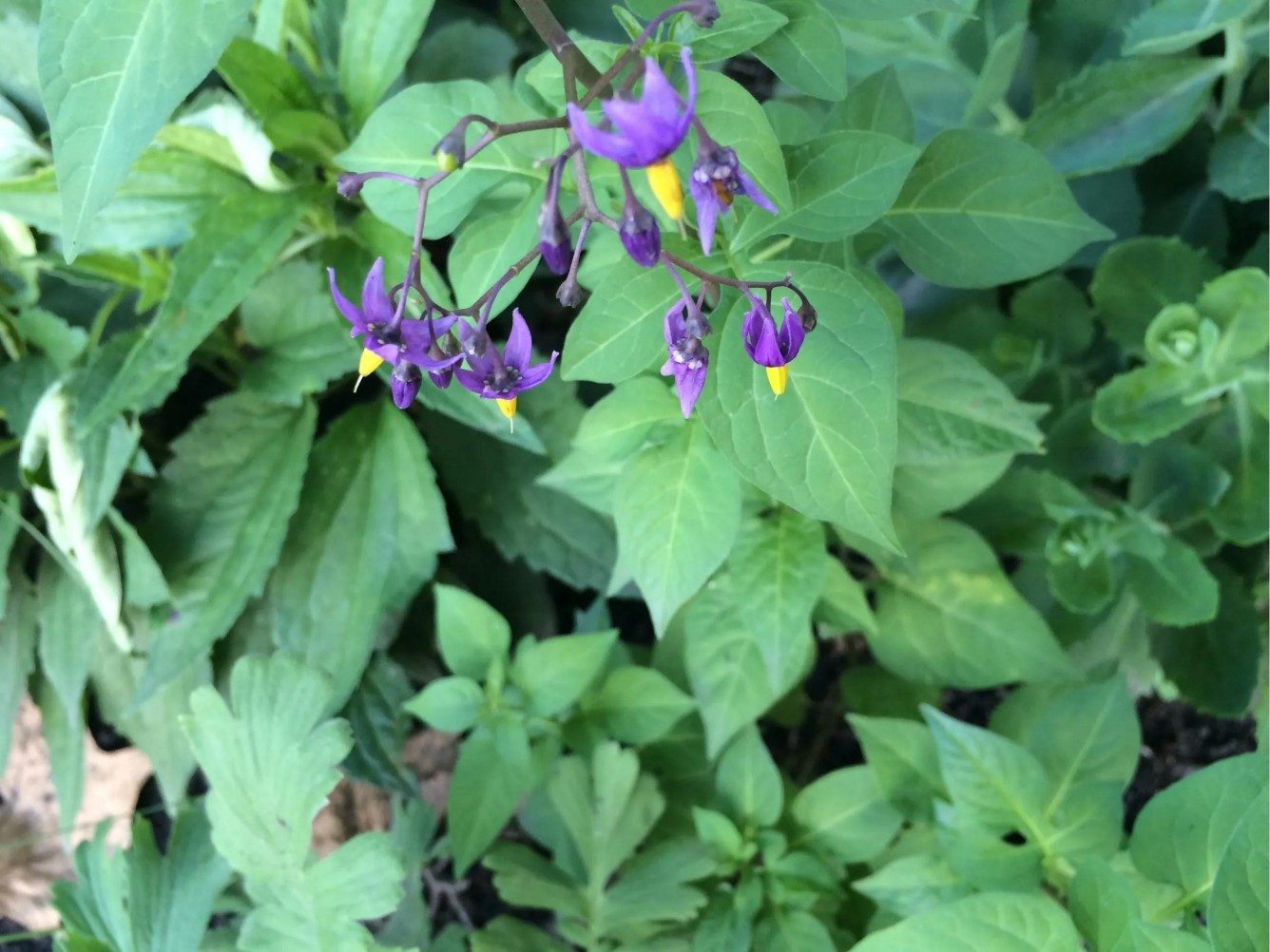
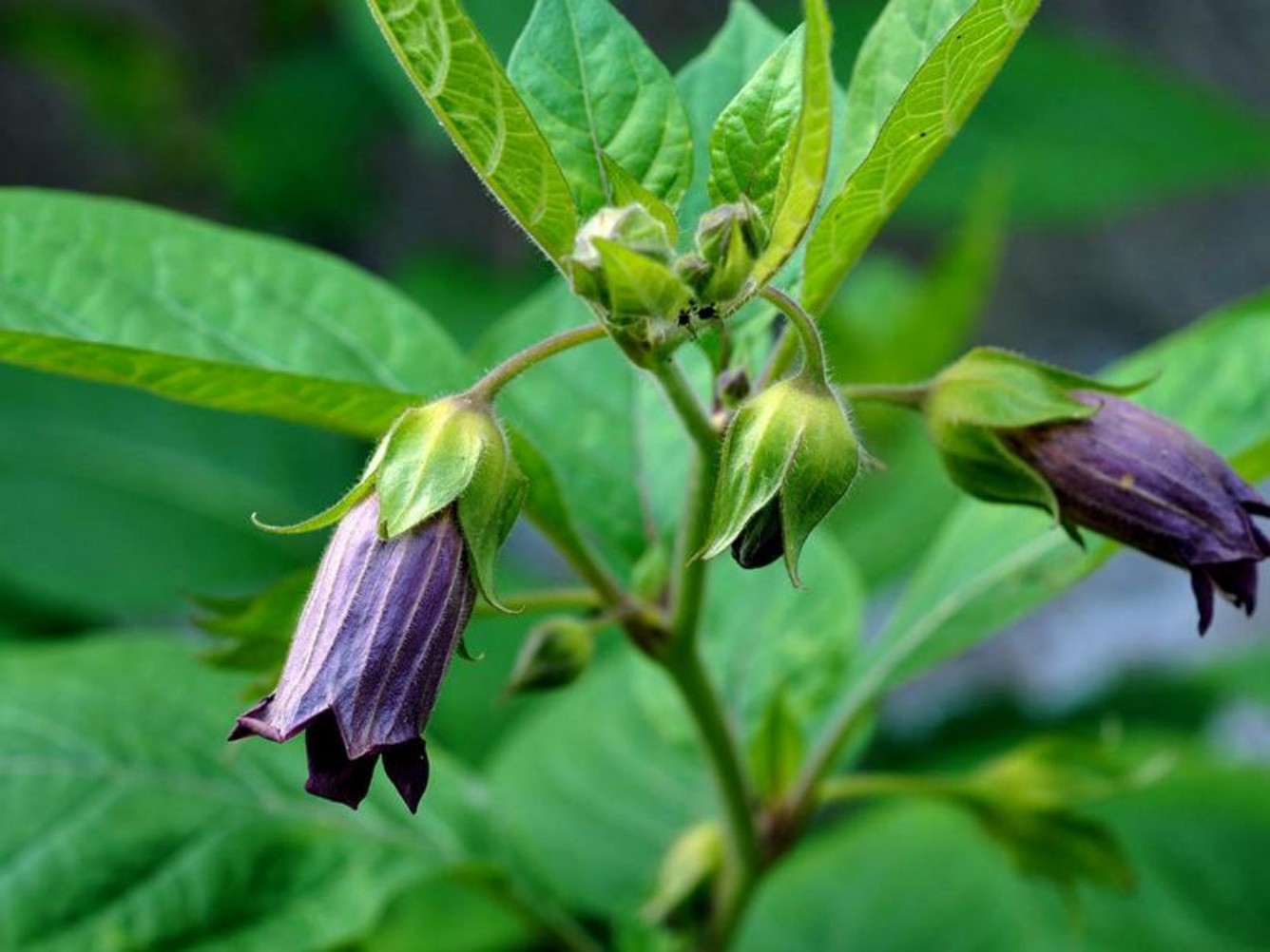
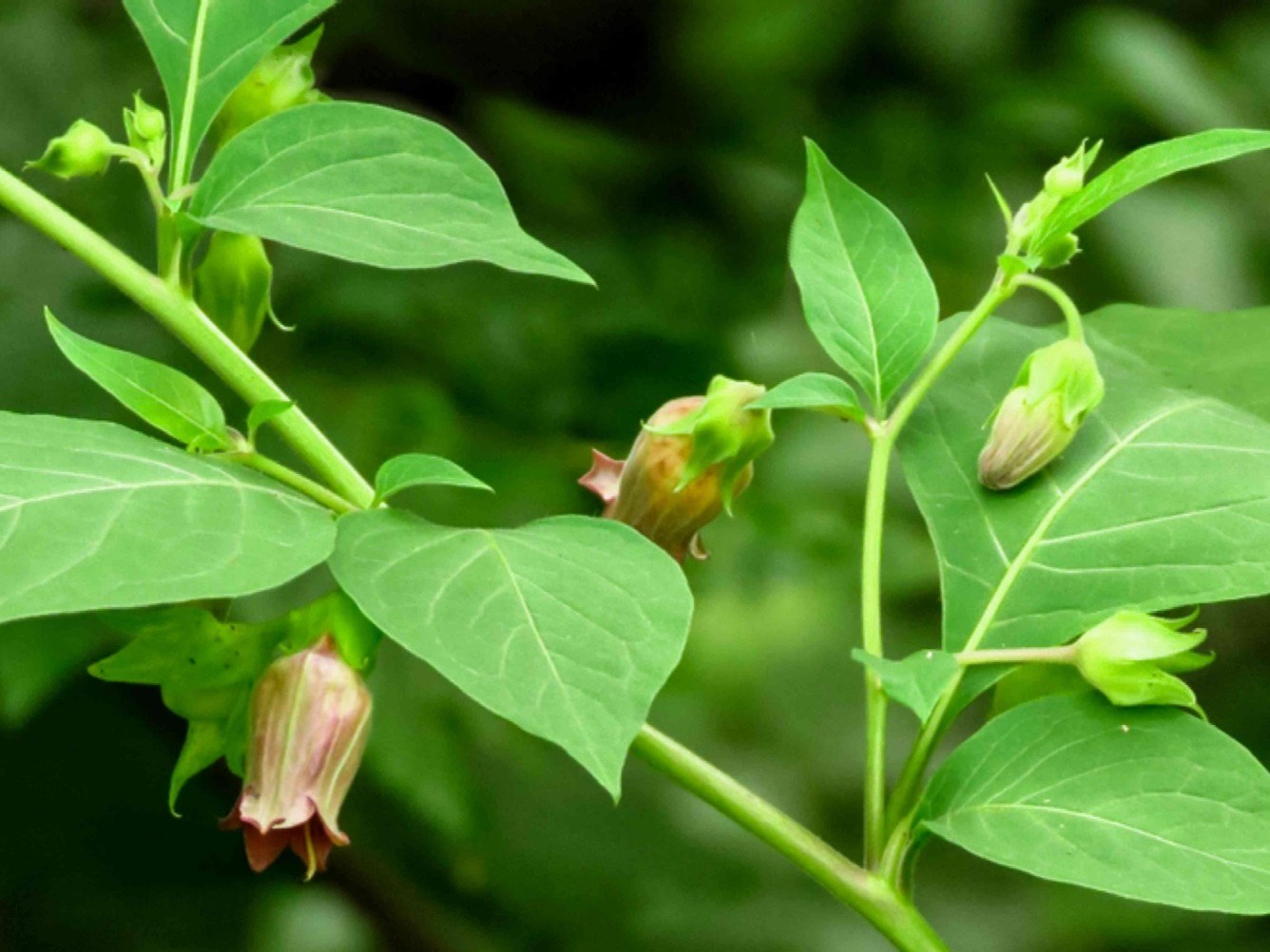
Atropa belladonna is a perennial herb native to Europe, Central Asia, and North Africa, renowned for its extreme toxicity and mysterious history. The plant typically grows along forest edges, shady slopes, and in thickets. Its glossy berries resemble small black cherries, making them highly deceptive. Its leaves are broad and soft, while its flowers are deep purple or brownish-purple, shaped inverted bells. Belladonna contains potent alkaloids such as atropine and scopolamine, which were utilized by ancient physicians and in witchcraft cultures. However, even slight accidental ingestion can prove fatal. Today, it is primarily cultivated for medicinal research and in controlled environments, rather than as a houseplant.
Popular Plant Encyclopedia
-
-
Poisonous and danger
- Rhus typhina
-
-
-
Edible and medicinal
- Common sunflower
-
-
-
Poisonous and danger
- Plumeria rubra
-
-
-
Wild and common weed
- Convolvulus arvensis
-
-
-
Edible and medicinal
- Perilla frutescens
-
-
-
Edible and medicinal
- Pogostemon cablin
-
-
-
Edible and medicinal
- Common fenugreek
-
-
-
Edible and medicinal
- Garden Thyme
-
 Edible and medicinal
 Wild and common weed
Advertisement