Begonia rex
-
 Poisonous and danger
 - Also known as:Rex Begonia
 Poisonous and danger
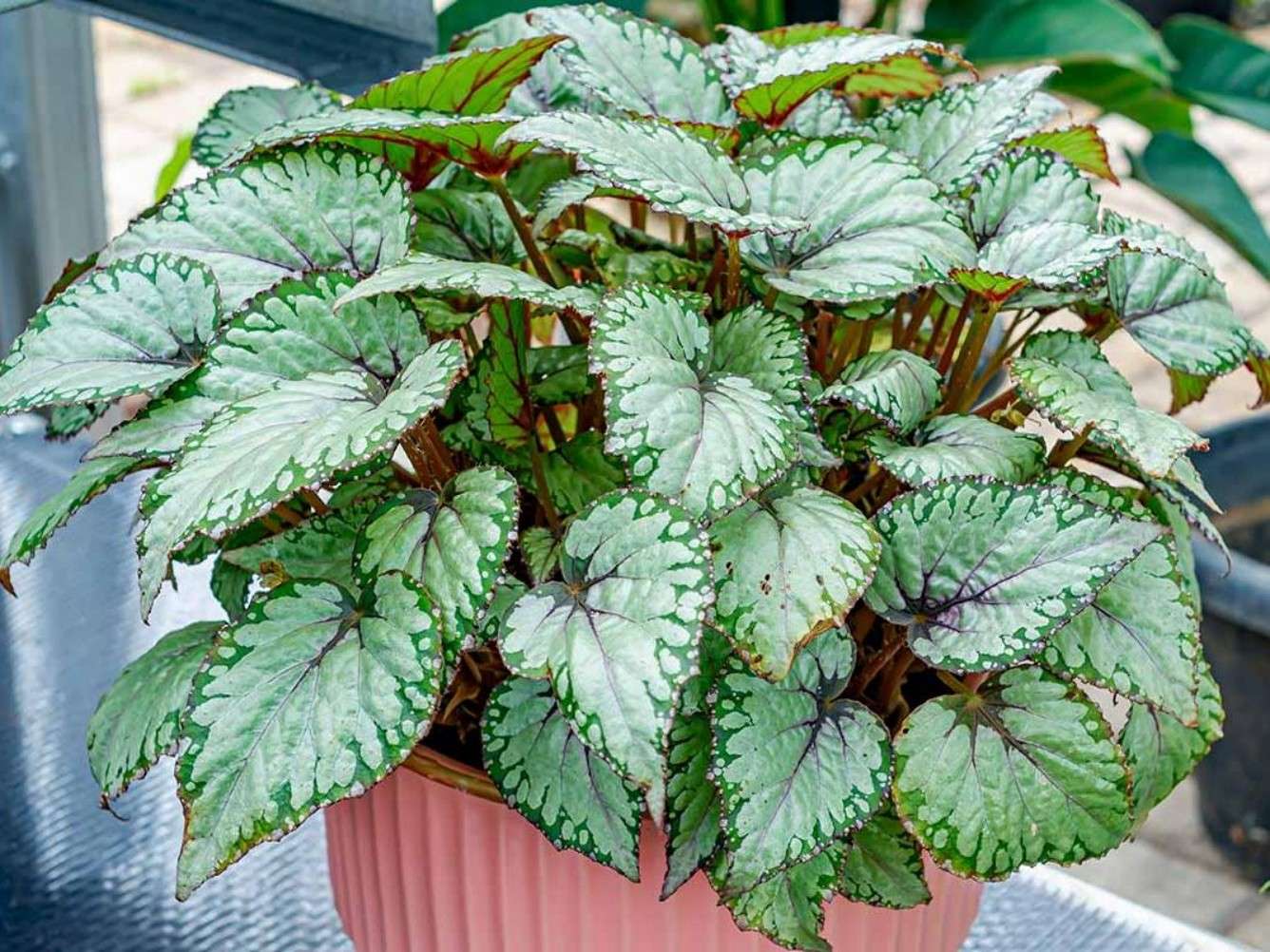
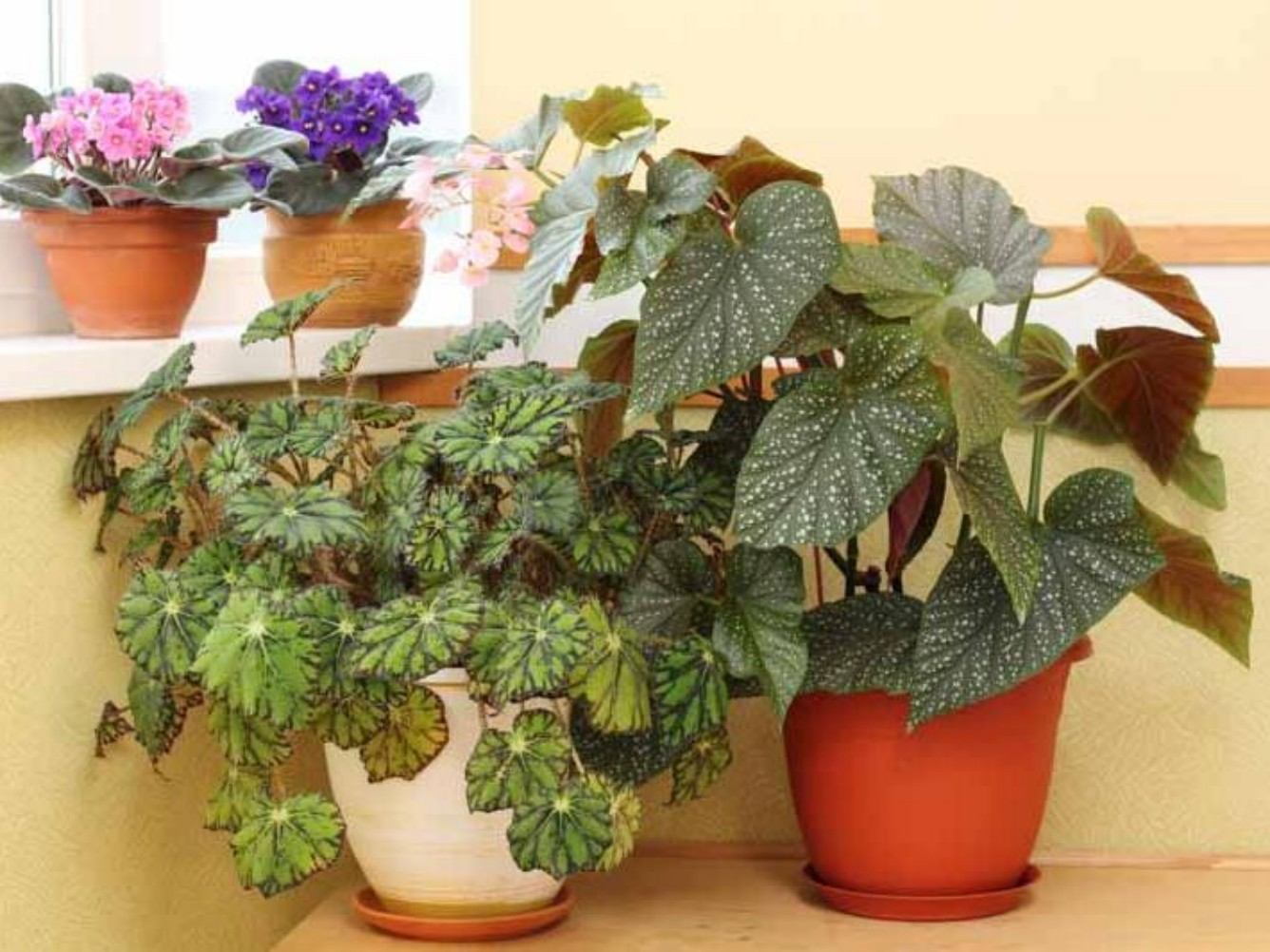
Nursing Skills
Begonia rex thrives in bright, indirect light and warm, humid conditions. Keep the soil lightly moist but well-drained, avoiding waterlogging. Use a loose, rich potting mix and ensure good airflow. Feed lightly during the growing season, and protect the plant from cold drafts and direct sunlight.
Advertisement
Plant Properties
-
- Toxicity
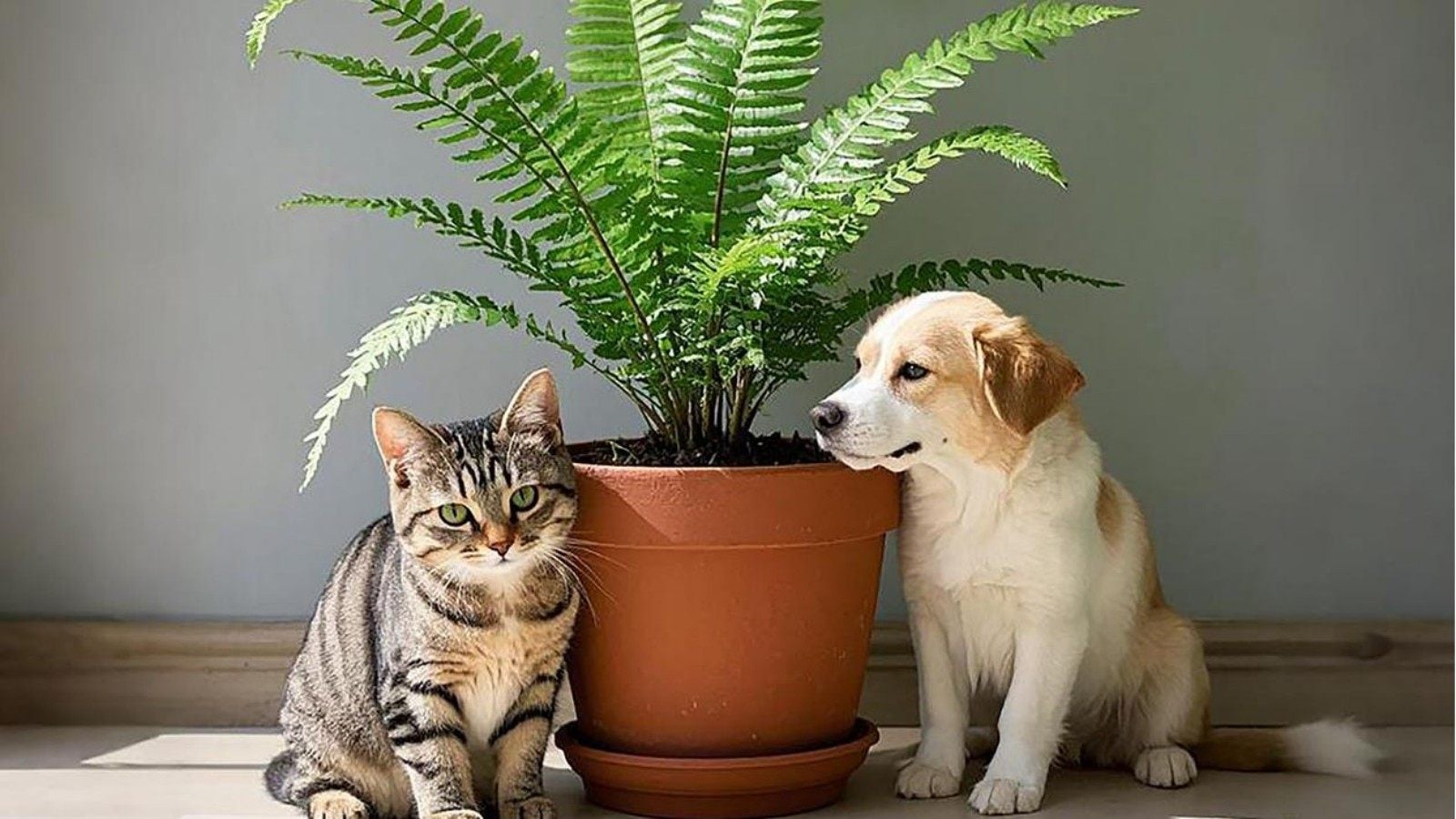
- Toxic to pets
-
- Flower Color
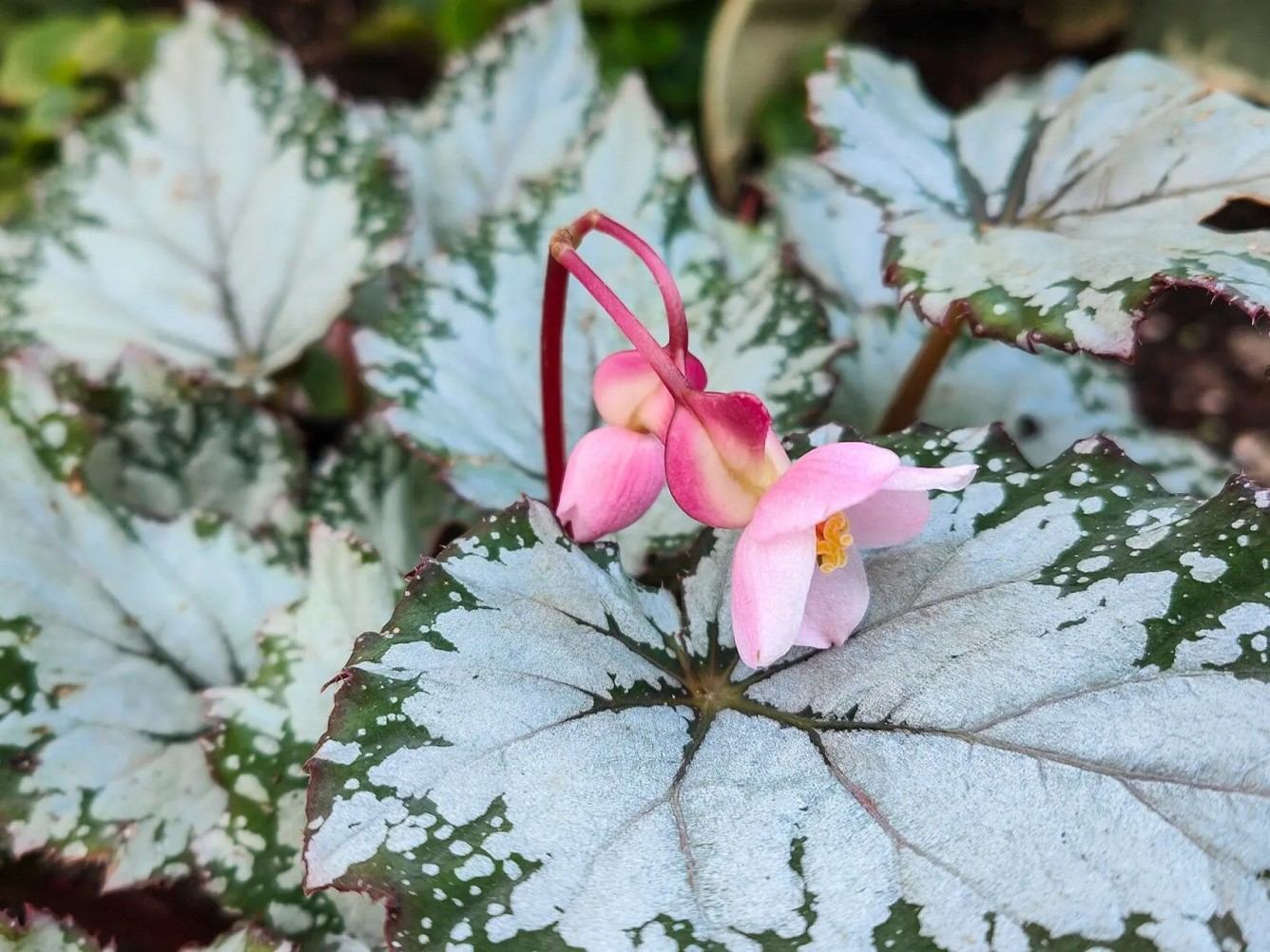
- Pale pink or white
-
- Plant Type
- Perennial foliage plant
-
- Leaf Type
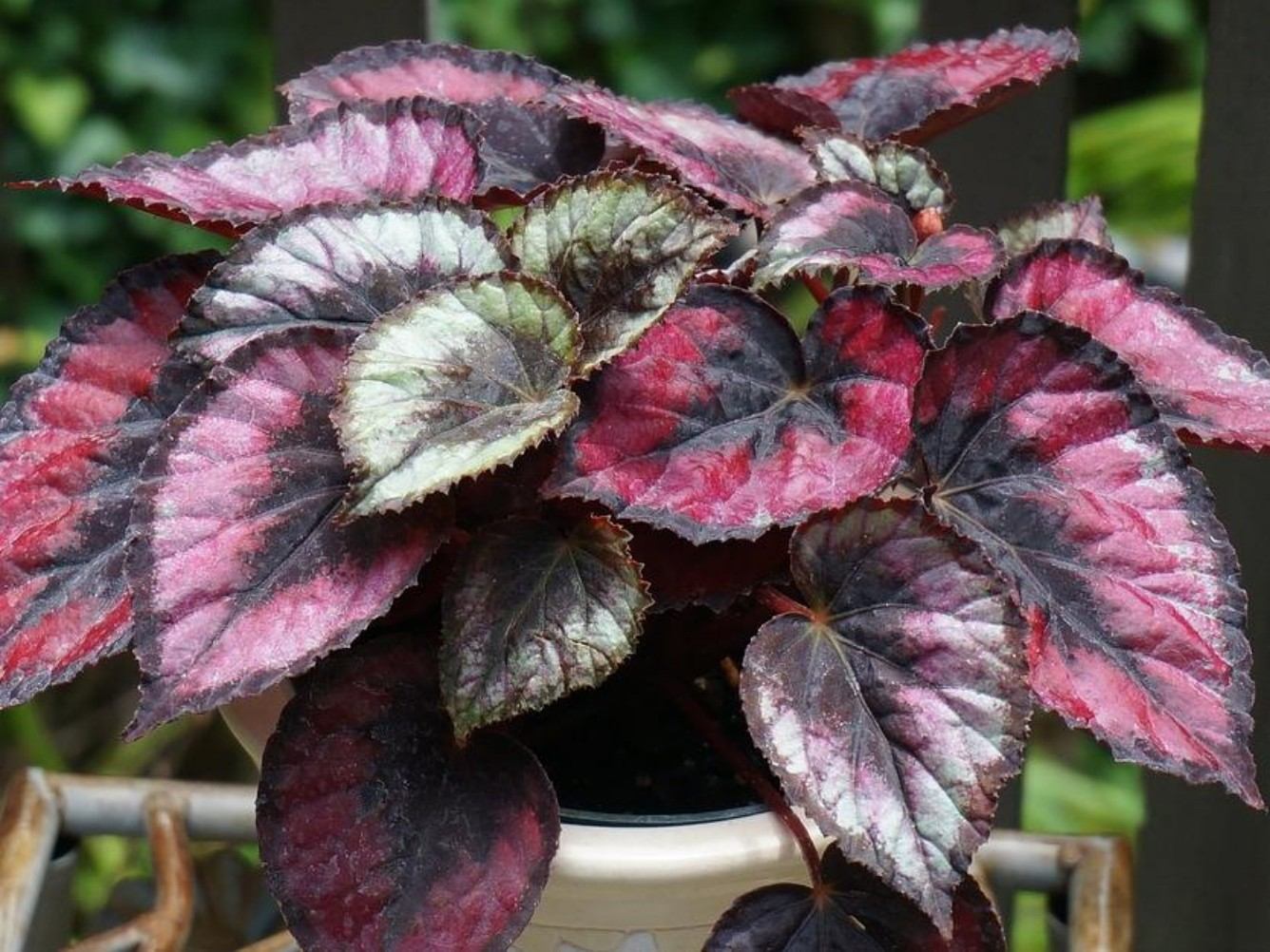
- Asymmetrical, heart-shaped
-
- BloomTime
- Late winter to spring
-
- Lifespan
- Several years with proper care
Plant Care Requirements
-
Maintenance Difficulty
Moderate
-
Watering
Keep soil lightly moist
-
Light Requirements
Bright, indirect light; avoid direct sun
-
Soil pH
PH5.5–6.5
-
Planting Time
Spring is ideal
-
Hardiness Zones
USDA 10–12
-
Growth Rate
Moderate
Advertisement
Plant Care Guide
-
What lighting conditions are ideal for Begonia rex to maintain its vibrant foliage and healthy growth?
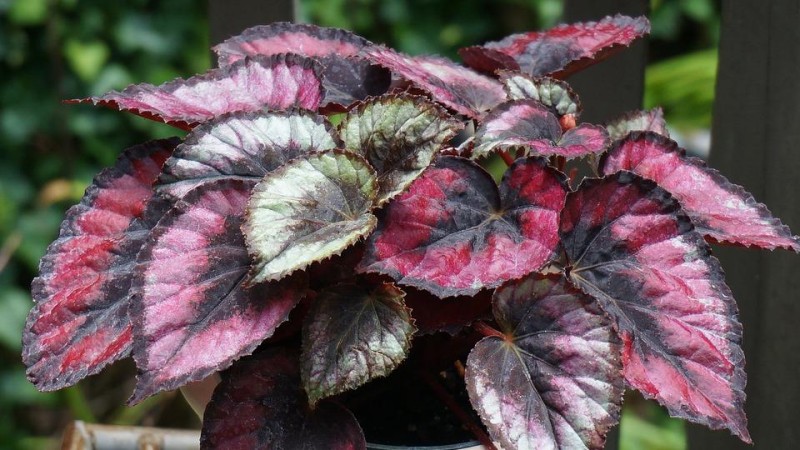
Begonia rex thrives in bright, indirect sunlight, which is crucial for preserving its striking leaf variegation (silver, purple, green, and red patterns) and promoting robust growth. It requires 4–6 hours of soft, filtered light daily—direct midday sun (especially in summer) will scorch its delicate leaves, causing brown, crispy edges and faded colors. The best placement is near an east or north-facing window; for south or west-facing windows, use a sheer curtain to filter harsh light. Low light will lead to leggy growth, dull leaf color, and sparse foliage, so avoid dark corners. If natural light is insufficient, use a full-spectrum grow light: position it 30–40cm above the plant, and keep it on for 12–14 hours daily to mimic its native tropical understory light conditions, ensuring the leaves remain vivid and the plant grows compactly.
-
How to water Begonia rex correctly to prevent root rot and dehydration?
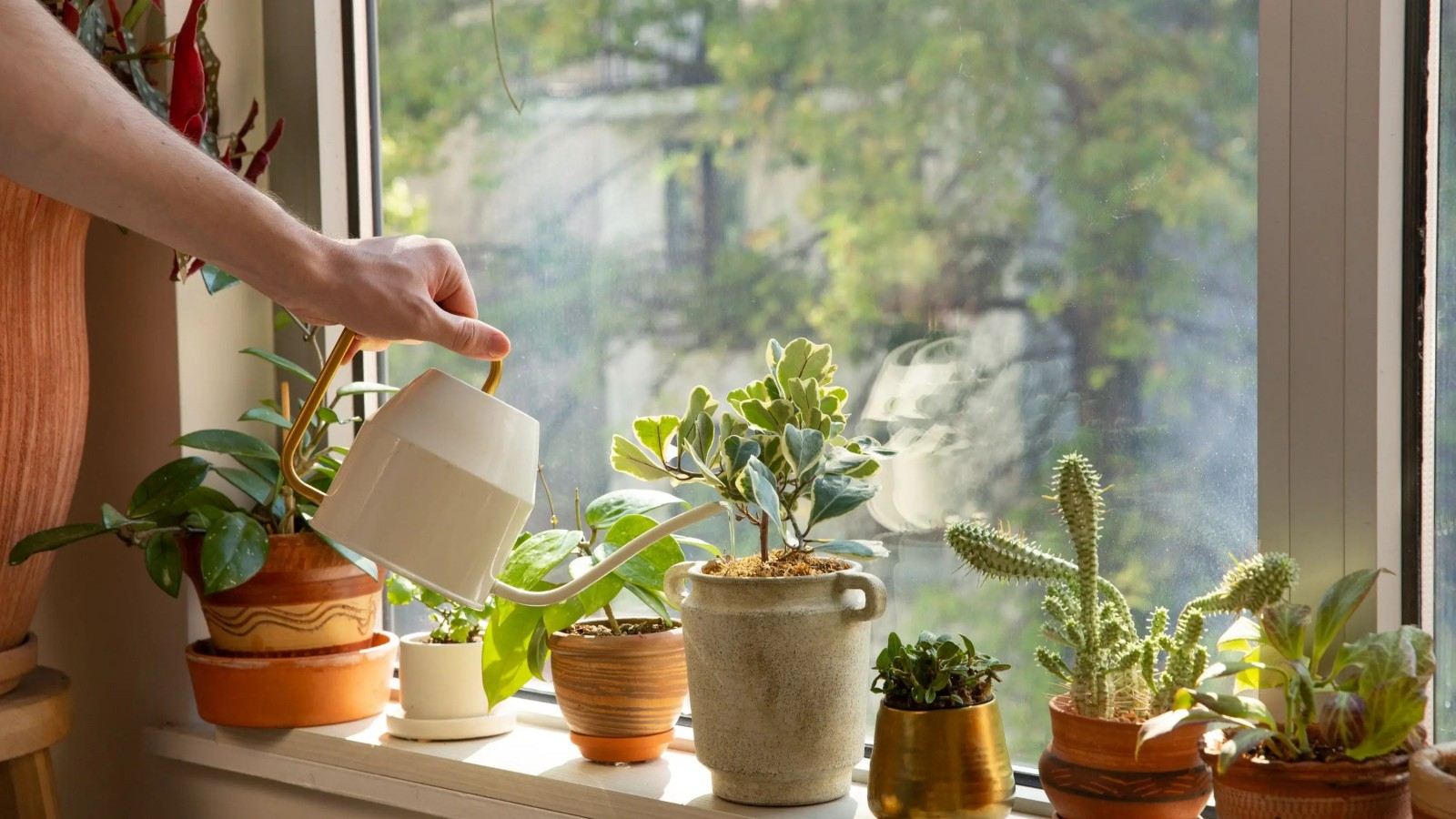
Keep soil lightly moistWatering Begonia rex requires balance—overwatering (leading to root rot) and underwatering (causing leaf wilting) are both common mistakes. The key is to follow the “dry-touch rule”: water only when the top 1–2cm of soil feels dry to the touch. Use room-temperature, filtered or distilled water (chlorinated tap water can damage its sensitive roots over time). Water thoroughly until the water drains freely from the pot’s drainage holes, then empty the saucer immediately—never let the pot sit in standing water, as this suffocates the roots and encourages fungal growth. In spring and summer (active growing season), water every 3–5 days; in fall and winter (dormant period), growth slows, so reduce watering to every 7–10 days. Additionally, avoid wetting the leaves while watering, as this can lead to fungal spots; if leaves get wet, gently wipe them dry with a soft cloth.
-
What humidity level does Begonia rex need, and how to maintain it indoors?
50–70%Begonia rex is native to tropical humid forests, so it requires high humidity (50–70%) to thrive. Dry indoor air (common in winter with heaters or summer with air conditioners) will cause brown, crispy leaf tips, leaf drop, and stunted growth. Maintaining proper humidity is key to its health. Practical methods include: grouping it with other humidity-loving plants (such as ferns, calatheas, or pothos) to create a microclimate; placing the pot on a pebble tray filled with water (ensure the pot’s bottom does not touch the water to avoid root rot); or using a small ultrasonic humidifier nearby, set to 50–70% humidity. Avoid placing the plant near heating vents, air conditioners, or drafty windows, as these dry out the air rapidly. For extra care, mist the air around the plant (not the leaves, to prevent fungal issues) once or twice a week in dry seasons.
-
What type of soil and pot is suitable for Begonia rex?
pH 5.5–6.5Begonia rex requires loose, well-draining, slightly acidic soil (pH 5.5–6.5) to support its shallow, sensitive root system. A suitable soil mix can be made by combining peat moss (or coco coir), perlite, and pine bark in a 2:1:1 ratio—this mix retains adequate moisture without becoming waterlogged, while also providing good aeration. Avoid heavy, compacted garden soil or potting mixes with high clay content, as they trap water and cause root rot. For pots, choose a container with drainage holes (essential for preventing water buildup) that is 1–2 inches larger than the plant’s root ball. Terra cotta pots are ideal because they are porous and allow excess moisture to evaporate, reducing the risk of overwatering. Avoid oversized pots, as they hold too much soil and retain moisture longer than needed; repot every 1–2 years when roots start to grow out of the drainage holes.
-
How to fertilize Begonia rex to promote growth and vibrant foliage?
N:P:K = 10:10:10Fertilizing Begonia rex is necessary during its active growing season (spring to early fall) to provide nutrients for foliage growth and color development, but it requires a light touch to avoid fertilizer burn. Use a diluted, balanced liquid fertilizer (N:P:K = 10:10:10) or a fertilizer specifically formulated for foliage plants, diluted to half the recommended strength. Apply the fertilizer every 2–3 weeks—over-fertilizing will cause salt buildup in the soil, leading to brown leaf tips, leaf drop, and root damage. In late fall and winter, when the plant enters dormancy and growth slows significantly, stop fertilizing entirely, as the plant cannot absorb excess nutrients during this period. Before fertilizing, water the plant lightly to moisten the soil, which helps prevent the fertilizer from burning the roots. If you notice salt deposits on the soil surface, flush the soil with water once a month to remove buildup.
-
How to prune Begonia rex and handle common propagation methods?
6–8 inches tallPruning Begonia rex helps maintain a compact, bushy shape and removes damaged foliage to redirect nutrients to healthy growth. Use clean, sharp pruning shears to trim yellow, brown, or diseased leaves at the base of the petiole (leaf stem) as soon as you notice them. To encourage bushier growth, pinch off the tips of new growth when the plant is 6–8 inches tall—this stimulates the growth of lateral branches. For propagation, Begonia rex is easiest to propagate from leaf cuttings, which is ideal for beginners. Select a healthy, mature leaf, cut it into sections (each with a vein), place the cuttings on top of moist potting soil, and lightly press them down (ensure the vein is in contact with the soil). Cover with a plastic bag to retain humidity, place in bright indirect light, and keep the soil moist. Roots will form in 3–4 weeks, and new plants will emerge shortly after. Avoid propagating during winter, as growth is slow and success rates are lower.
Advertisement
Frequently Asked Questions
-
1 Why do the leaves of my Begonia rex turn brown at the tips, and how to fix it?
Brown leaf tips on Begonia rex are one of the most common issues, usually caused by low humidity, improper watering, or fertilizer burn. As a tropical plant, it needs 50–70% humidity; dry indoor air (from heaters, air conditioners, or drafty areas) dries out leaf edges first. Overwatering or underwatering can also stress the plant, leading to brown tips—overwatering suffocates roots, while underwatering deprives leaves of moisture. Additionally, over-fertilizing causes salt buildup in soil, burning root tips and manifesting as brown leaf edges. To fix it: increase humidity with a pebble tray or humidifier, water only when the top 1–2cm of soil is dry (use room-temperature filtered water), and flush soil monthly to remove salt buildup. Trim brown tips with clean scissors (cut at an angle to mimic the leaf shape) and avoid placing the plant near vents or drafty windows.
-
2 How to maintain the vibrant leaf variegation of Begonia rex?
The striking leaf variegation (silver, purple, green) is Begonia rex’s biggest appeal, and maintaining it relies primarily on proper lighting, balanced nutrition, and avoiding stress. First, provide bright, indirect light for 4–6 hours daily—too little light causes variegation to fade (leaves turn mostly green) as the plant produces more chlorophyll to compensate, while too much direct sun scorches leaves and fades colors. Second, use a balanced, diluted fertilizer (N:P:K = 10:10:10) every 2–3 weeks during the growing season; excess nitrogen promotes green leaf growth at the expense of variegation. Third, avoid sudden changes in environment (temperature, light, humidity), which stress the plant and dull variegation. Keep temperatures stable at 18–24℃, maintain consistent humidity, and repot every 1–2 years in well-draining soil to ensure healthy root growth, which supports vibrant foliage.
-
3 Can Begonia rex be grown outdoors, and what are the key precautions if so?
Begonia rex can be grown outdoors, but only in mild, humid conditions that mimic its native tropical understory. It thrives outdoors in USDA hardiness zones 10–11; in zones below 10, it must be brought indoors before temperatures drop below 15℃ (it cannot tolerate frost or cold drafts). When growing outdoors, choose a shaded or partially shaded spot (e.g., under trees, on a covered patio) to avoid direct midday sun. Ensure the soil is loose, well-draining, and slightly acidic (pH 5.5–6.5), and water regularly to keep soil moist but not waterlogged. Protect it from strong winds, which can tear its delicate leaves. In summer, monitor for pests like spider mites and aphids (more common outdoors) and treat promptly with insecticidal soap. As fall approaches, gradually acclimate the plant to indoor conditions (reduce light and water) before moving it inside to avoid shock.
Advertisement
Introduction
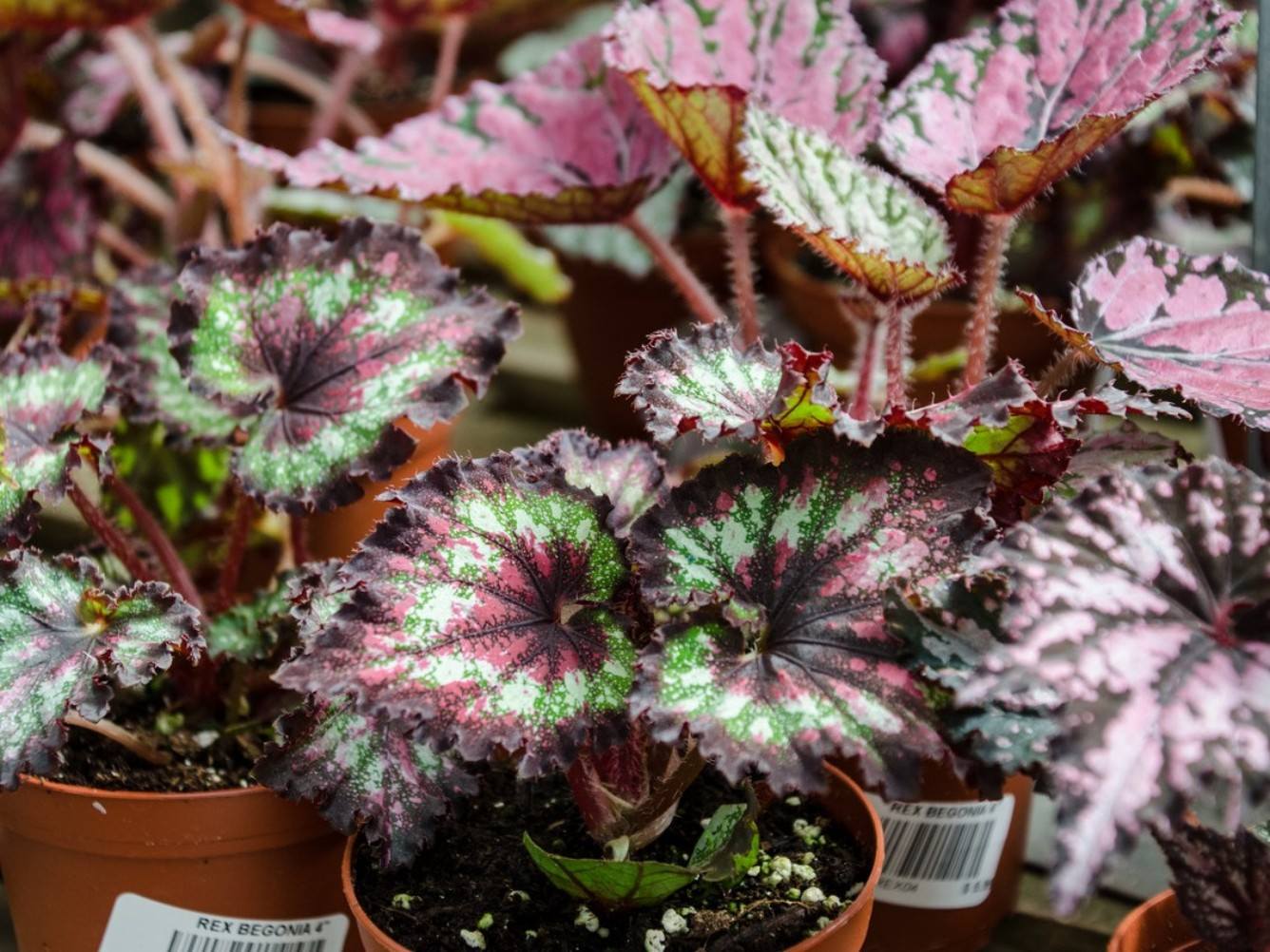
Begonia rex is prized for its striking, colorful foliage. Native to Northeast India and Southeast Asia, it features large, textured leaves in shades of silver, purple, pink, and green. This ornamental plant thrives in bright, indirect light and high humidity, making it popular indoors.
Popular Plant Encyclopedia
-
-
Poisonous and danger
- Rhus typhina
-
-
-
Edible and medicinal
- Common sunflower
-
-
-
Poisonous and danger
- Plumeria rubra
-
-
-
Wild and common weed
- Convolvulus arvensis
-
-
-
Edible and medicinal
- Perilla frutescens
-
-
-
Edible and medicinal
- Pogostemon cablin
-
-
-
Edible and medicinal
- Common fenugreek
-
-
-
Edible and medicinal
- Garden Thyme
-

 Edible and medicinal
 Wild and common weed
Advertisement