Begonia
-
 Ornamental and lands
 Ornamental and lands
Nursing Skills
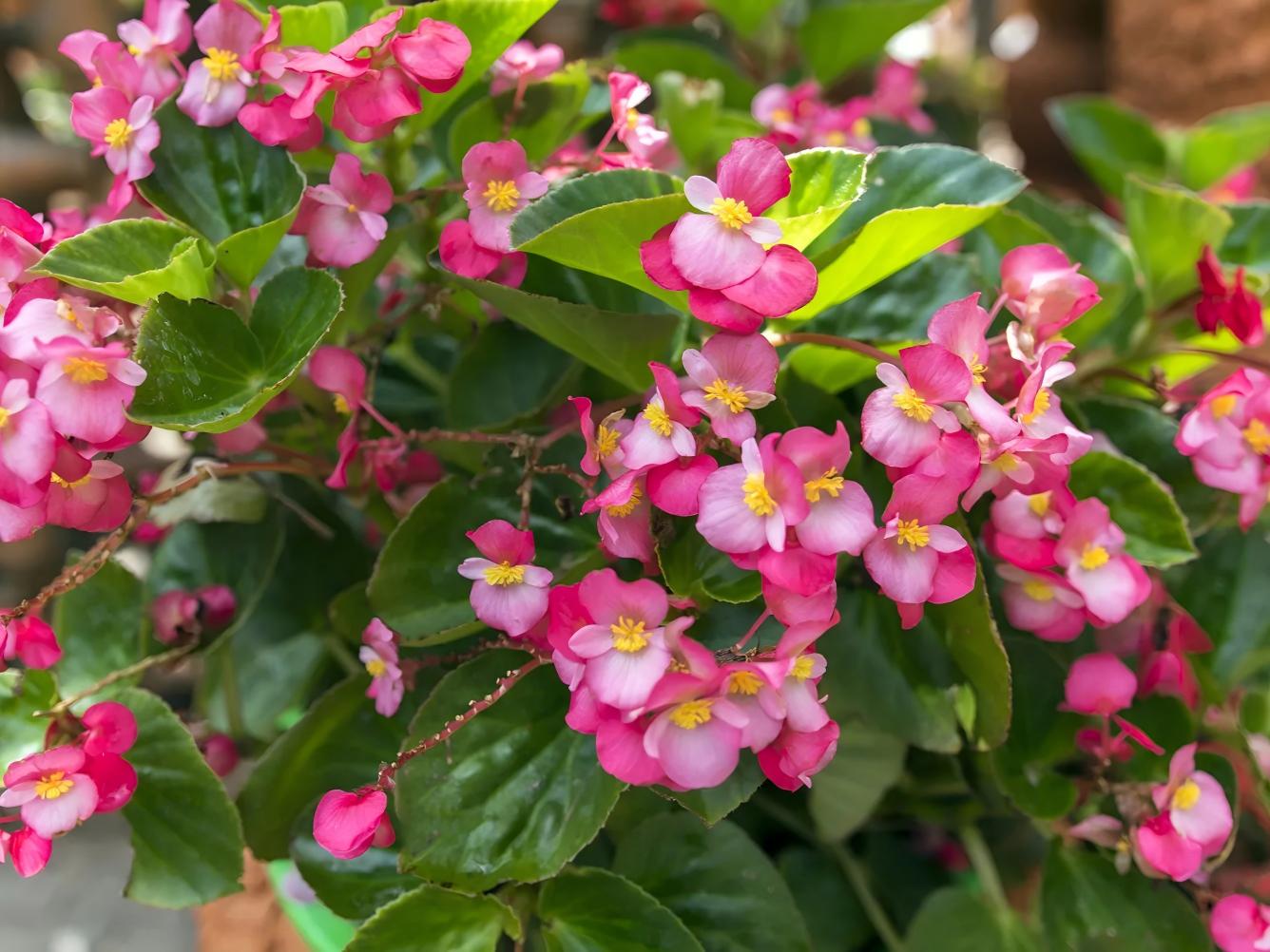
Begonias thrive in bright, indirect light and should be kept out of direct, intense sunlight. Maintain slightly moist soil without allowing waterlogging; ensure the top layer dries out slightly before watering. Increasing air humidity promotes healthy foliage. Reduce watering frequency during winter and avoid cold environments. Use a well-draining potting mix.
Advertisement
Plant Properties
-
- Plant Type
- Perennial herbaceous or semi-woody plant
-
- Plant Height
- 15–60 cm
-
- Leaf Type
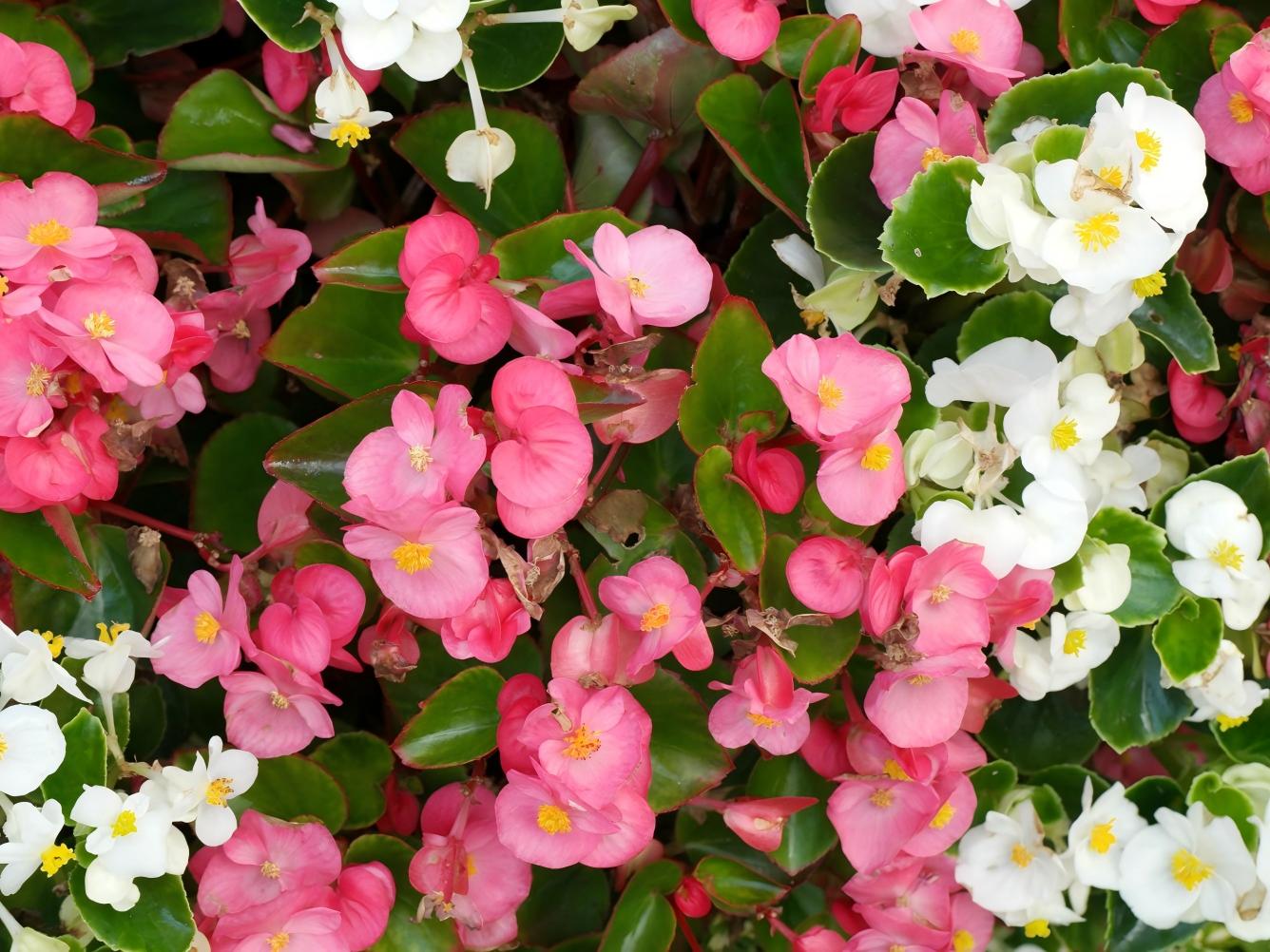
- Heart-shaped, wavy, or asymmetrical with silver or red variegation
-
- Flower Colors
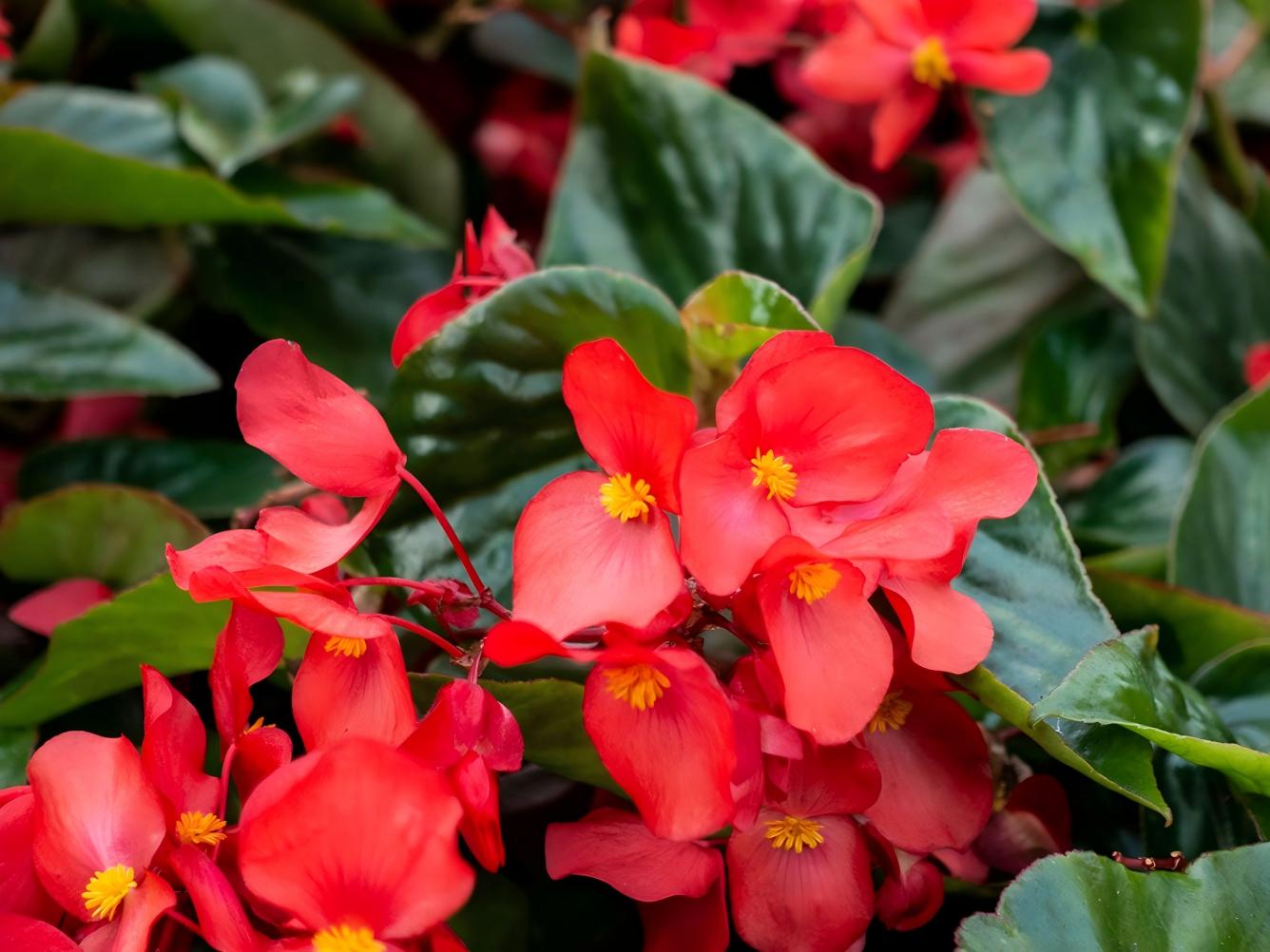
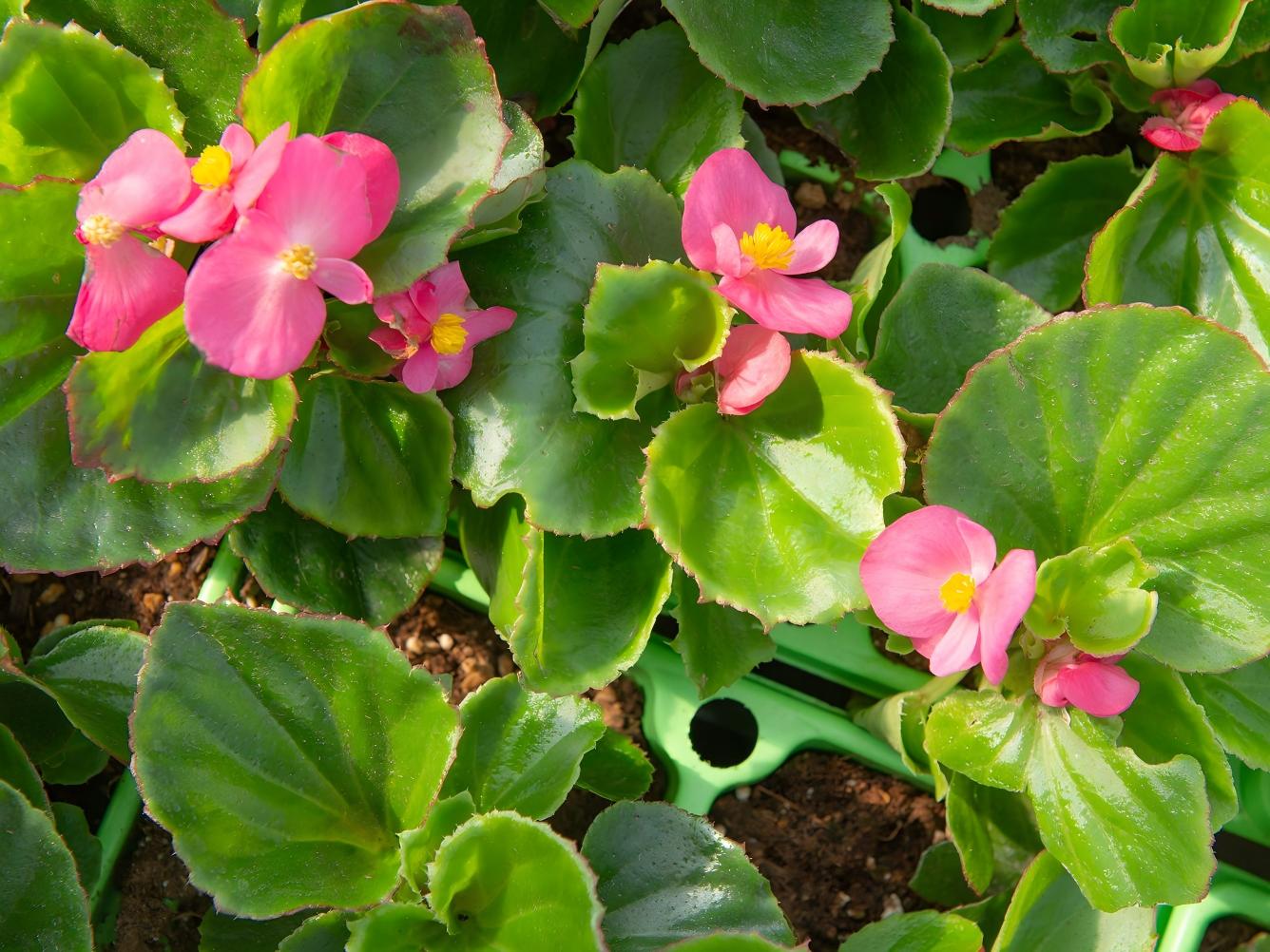
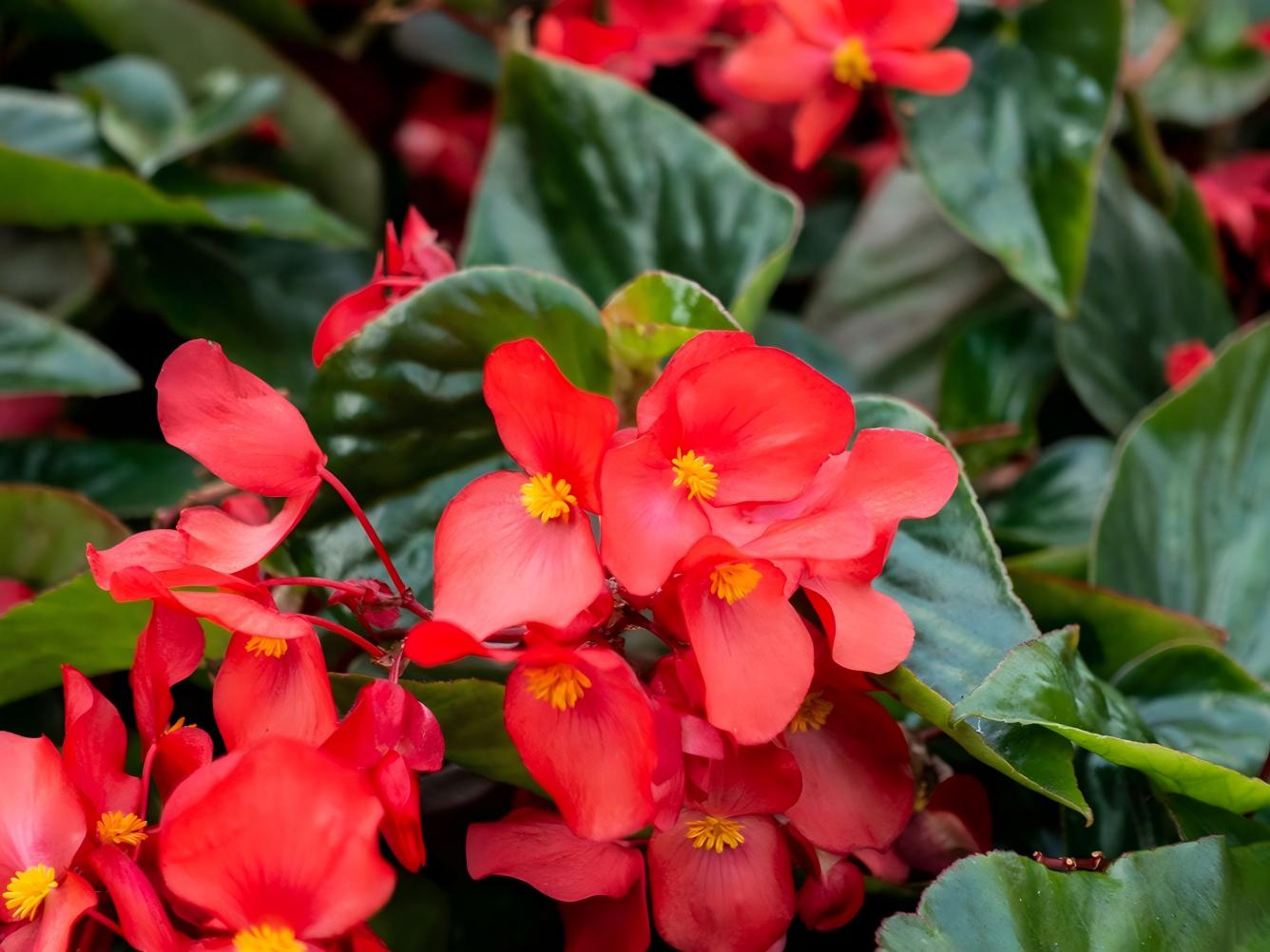
- White, pink, red, orange
-
- Flowering Period
- Spring to early autumn
-
- Growth Rate
- Moderately fast
-
- Stem Characteristics
- Fleshy stems or rhizomatous structure
Plant Care Requirements
-
Light Requirements
Bright, indirect light
-
Temperature Range
Optimal at 18–26°C
-
Humidity Requirements
Above 50% air humidity
-
Soil Type
Well-draining peat-based potting mix
-
Watering Frequency
Water when topsoil dries out
-
Fertilization Frequency
Every 4 weeks during the growing season
-
Toxicity
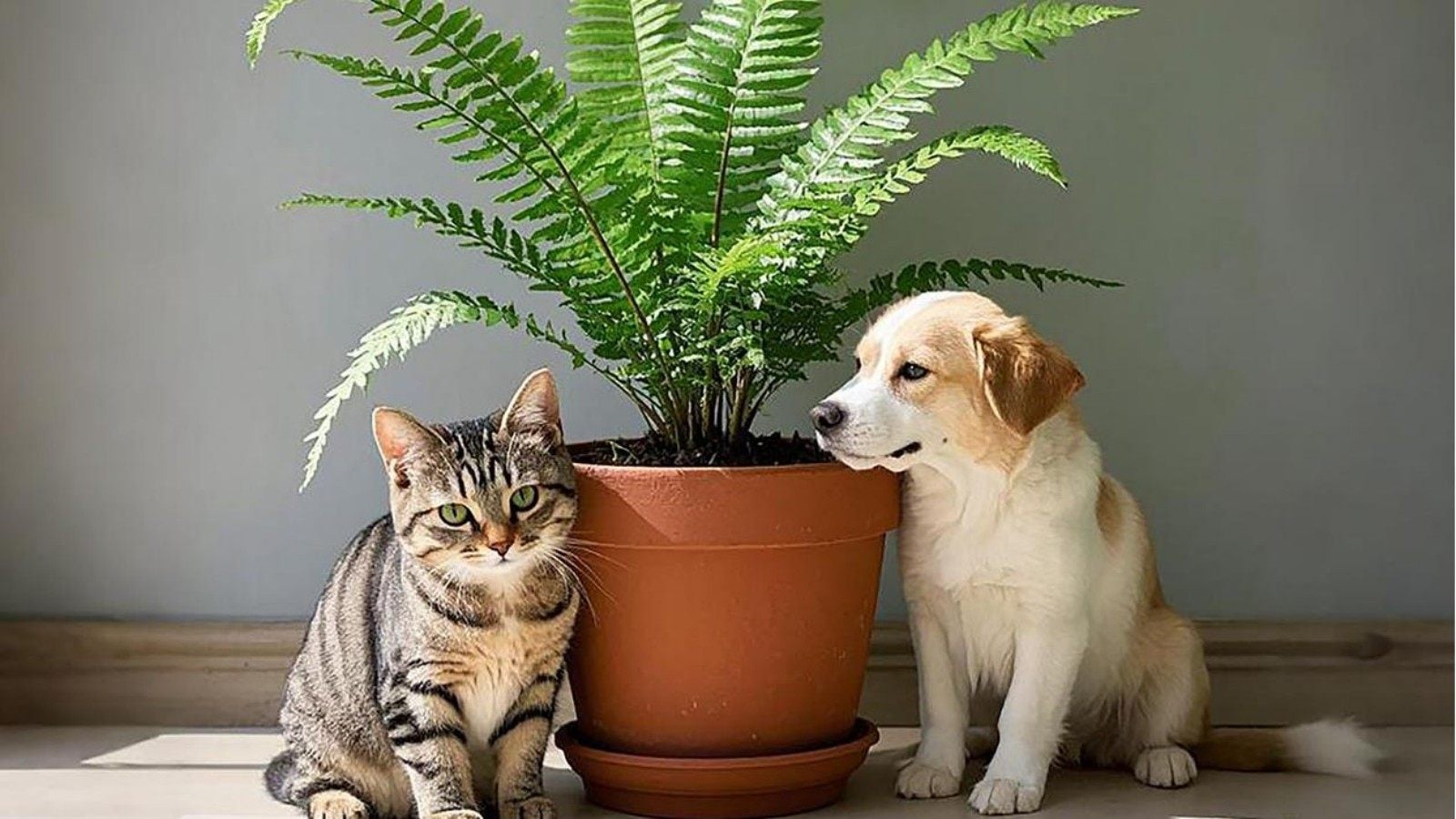
Mildly toxic to pets (cats and dogs)
-
Ideal Planting Season
Repotting or division in spring
Advertisement
Plant Care Guide
-
How should I properly water my begonia?
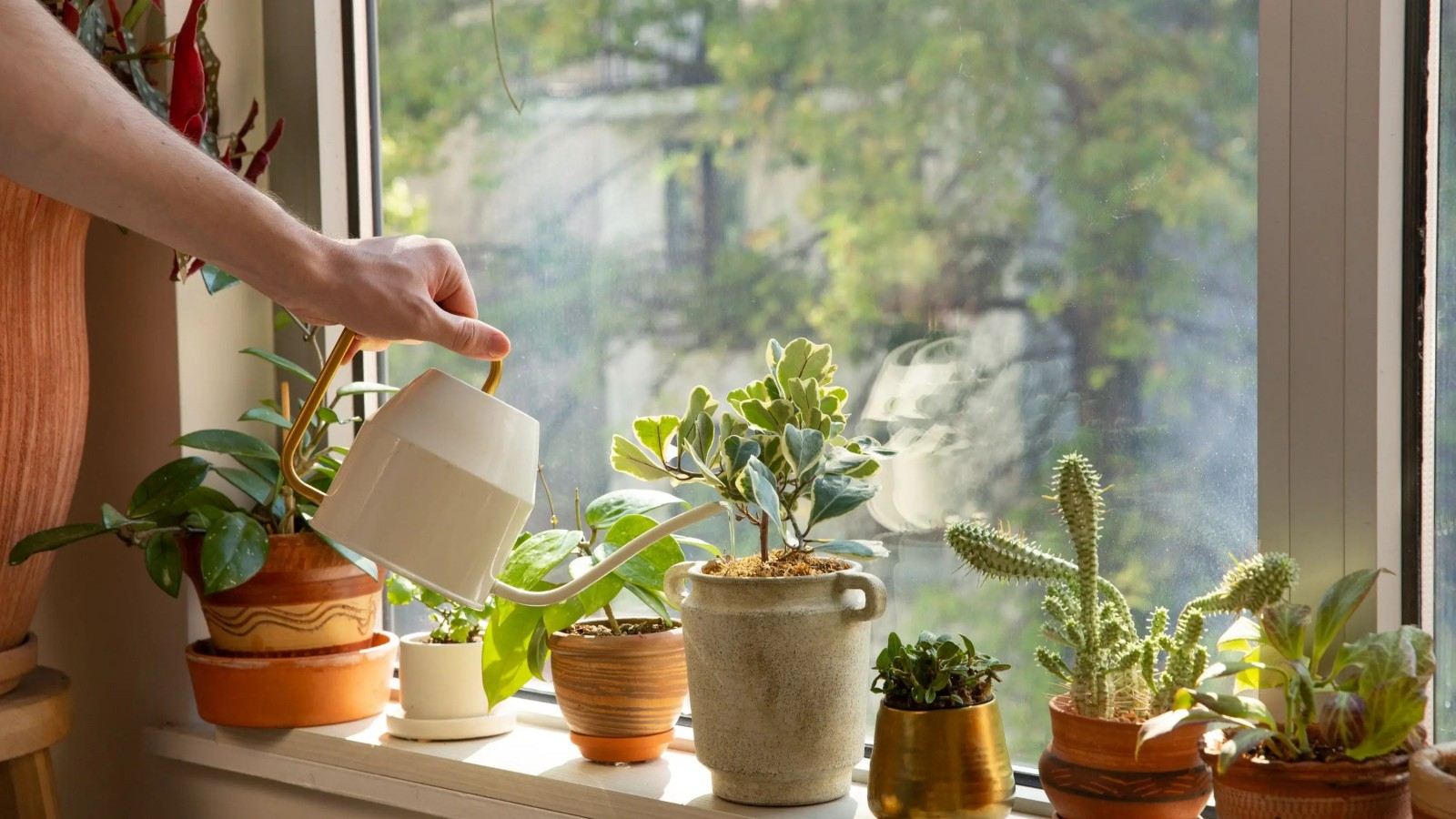
Dry-Wet CycleBegonias are highly sensitive to moisture management, and proper watering is central to successful care. In European and American home environments, indoor heating or air conditioning affects soil drying speed. Therefore, watering should not follow a fixed schedule but be determined by soil moisture levels. The “dry-wet cycle” principle is recommended: water only when the top 2–3 cm of potting soil is completely dry, rather than judging solely by surface appearance. Water slowly and evenly until water flows out the bottom drainage holes. Immediately empty any standing water from the saucer to prevent prolonged root submersion, which causes oxygen deprivation and root rot. Begonia roots are fine and fleshy, making them extremely sensitive to waterlogging—a common mistake for beginners. Reduce watering frequency significantly during winter's slower growth period. In summer's heat, check soil moisture more frequently but still avoid persistent dampness. If using tap water, let it stand for 24 hours to reduce chlorine levels, or use filtered water to prevent salt buildup causing leaf margin scorch. Maintaining a consistent yet moderate watering schedule is key to preserving healthy roots.
-
How much light do begonia plants need?
Bright, indirect lightBegonias thrive in bright but gentle diffused light, not intense direct sunlight. In North American and European homes, east- or north-facing windows are typically ideal locations, as the morning light is mild and won't scorch leaves. South-facing windows require sheer curtains to filter strong light, otherwise leaves may fade, develop dry edges, or even suffer sunburn. Insufficient light causes leggy growth with elongated internodes, smaller leaves, and faded coloration—especially in variegated varieties that lose their striking silver or red patterns. For low-light environments, supplement with full-spectrum plant grow lights for 10–12 hours daily, maintaining a 12–18-inch distance from the plant. Regularly rotate the pot to ensure even light exposure on all sides, preventing lopsided growth. Consistent, ample diffused light not only maintains a compact form but also enhances leaf coloration—a crucial factor in preserving the ornamental value of foliage-focused Begonias.
-
How should I fertilize my begonia?
Diluted FertilizationBegonias have relatively low fertilizer requirements, but moderate nutrient supplementation during the growing season can enhance leaf color and promote flower bud formation. Apply a balanced liquid fertilizer (e.g., 10-10-10 or 20-20-20) from spring through summer, diluting the concentration to half the label's recommended strength to prevent root damage from salt buildup. Fertilizing every 4 weeks is generally sufficient—avoid over-application. Signs of over-fertilization include yellowing leaf tips, scorched edges, and white crystalline salt deposits on the soil surface. If this occurs, thoroughly flush the soil with copious amounts of water to leach out excess salts. During autumn and winter when plants enter a dormant growth phase, suspend or significantly reduce fertilization to prevent nutrient buildup. For flowering varieties, a slightly higher phosphorus formula may be used during bud formation to promote flowering, but maintain low concentrations. Adhering to the principle of “dilute and frequent applications” is safer and more effective than single heavy doses.
-
How should I prune my begonia?
Light pruningPruning helps maintain a compact shape and encourages lateral branching, especially crucial in limited indoor spaces. The optimal time is during spring or early summer when growth is vigorous. Use sterilized, sharp shears to cut approximately 0.5 cm above a leaf node to stimulate side bud development. Avoid removing more than 15% of total foliage at once, as excessive pruning stresses the plant and may halt growth. Promptly remove yellowing leaves, damaged stems, and overly weak, leggy shoots to improve air circulation and reduce fungal infection risk. For flowering begonias, promptly removing spent blooms extends the overall flowering period. After pruning, place the plant in bright, indirect light. Maintain regular watering but suspend fertilization for about two weeks to allow the plant to reestablish its growth rhythm. Moderate pruning not only enhances visual appeal but also promotes overall plant health.
-
How to Increase Indoor Humidity to Meet Begonia Needs?
Environmental HumidificationBegonias originate from moist forest understory environments and require specific air humidity levels, ideally between 50%–60%. During winter heating seasons in European and American homes, indoor humidity often drops below 40%, leading to leaf margin drying, curling, or loss of luster. The most effective solution is using a household humidifier, especially during cold seasons. Alternatively, place the pot on a tray filled with wet pebbles to increase local humidity through evaporation—ensuring the pot bottom does not touch the water directly. Grouping multiple plants together also helps create a micro-humid environment. Avoid spraying water directly onto leaves, particularly for velvety-leaved varieties, as water accumulation can lead to fungal diseases. Maintaining air circulation is equally crucial to prevent mold growth caused by excessive humidity and poor ventilation. Proper humidity management significantly enhances leaf texture and overall plant vitality.
-
How to Care for Begonias in Winter?
Winter Care ManagementBegonias typically enter a state of slowed growth or even semi-dormancy during winter, especially in regions like North America and Europe where daylight hours shorten and indoor heating begins. Care practices require significant adjustment. First, reduce watering frequency, allowing the soil to dry out more thoroughly between waterings. However, avoid letting it dry completely to the bottom of the pot to prevent root damage. With reduced evaporation in winter, overwatering easily leads to root rot. Second, cease or drastically reduce fertilization, as plants require fewer nutrients in low-light conditions; fertilizing may cause salt buildup. For light, move plants to the brightest spot with indirect light in your home. If necessary, use plant grow lights to maintain 8–10 hours of light daily to prevent leggy growth. Keep temperatures above 16°C (61°F), avoiding cold windows or drafty doorways. Also, keep plants away from radiators and fireplaces to prevent excessive air dryness. Winter humidity often drops; use a humidifier to maintain around 50%, but avoid prolonged leaf wetness. The overall principle is “less water, less fertilizer, stable temperature, increased light” to help plants safely navigate the low-light season. Gradually resume normal c
Advertisement
Frequently Asked Questions
-
1 Why are my begonia leaves turning yellow?
Yellowing leaves are often closely related to watering issues, particularly root suffocation caused by overwatering. Begonia roots are delicate and fragile. If they remain in a persistently damp, oxygen-deprived environment, they will begin to rot, impairing nutrient absorption. This manifests as overall yellowing and even drooping. First, check if the soil remains persistently damp or has a musty odor. If waterlogging occurs, immediately improve drainage and temporarily withhold watering. Additionally, insufficient light can cause yellowing, especially in regions with short winter daylight hours—consider supplemental lighting. Over-fertilization or salt buildup may also lead to yellowing or scorched leaf edges; in such cases, flush the soil with clean water. Temperatures below 15°C (59°F) can also impair metabolic function. By systematically examining watering, light, temperature, and fertilization practices and adjusting each factor, plant health can typically be restored.
-
2 Why do leaf edges dry out or turn brown? Why do leaf edges dry out or turn brown?
Dried leaf edges are often linked to excessively low air humidity or high fertilizer salt levels. In heated indoor environments during winter, a sudden drop in humidity causes rapid leaf dehydration, manifesting as scorched edges. Additionally, frequent fertilization or undiluted fertilizer application can cause salt buildup in the root zone, leading to “fertilizer burn” and similarly causing browning at the edges. Solutions include increasing air humidity, suspending fertilization, and flushing the soil with clean water. Avoid placing plants in drafts, near heating vents, or under direct air conditioning, as both cold and hot air currents accelerate moisture evaporation. Ensuring a stable environment is key to preventing such issues.
-
3 Why won't my begonia bloom?
For flowering varieties that fail to bloom, common causes include insufficient light, excessive nitrogen fertilizer, or unstable temperatures. Inadequate light causes plants to prioritize leaf growth over flower bud formation, so increase diffused light intensity or use grow lights for supplemental lighting. High-nitrogen fertilizers promote lush foliage but suppress flowering; switch to a formula rich in phosphorus and potassium. Maintain temperatures between 18–24°C (64–75°F), as excessive day-night temperature fluctuations disrupt flower bud differentiation. Additionally, recently repotted or pruned plants may require a full growth cycle to regain flowering capacity. With patient environmental adjustments, most begonias will resume blooming once conditions stabilize.
Advertisement
Introduction
Begonia (Begonia) is a plant belonging to the genus Begonia within the family Begoniaceae. Native to the tropical and subtropical regions of South America, Africa, and Asia, it is commonly found in shaded, moist forest understories. Its most distinctive feature lies in the extraordinary variety of leaf shapes and colors, including heart-shaped, spiral-shaped, and variegated patterns, with hues ranging from deep green and silvery gray to burgundy and pinkish purple. Some varieties produce delicate, small flowers in soft hues. Begonias serve both as indoor foliage plants and as decorative elements in shaded garden beds. They are highly popular ornamental plants in European and American households, particularly suited for apartments and spaces with limited sunlight.
Popular Plant Encyclopedia
-
-
Poisonous and danger
- Rhus typhina
-
-
-
Edible and medicinal
- Common sunflower
-
-
-
Poisonous and danger
- Plumeria rubra
-
-
-
Wild and common weed
- Convolvulus arvensis
-
-
-
Edible and medicinal
- Perilla frutescens
-
-
-
Edible and medicinal
- Pogostemon cablin
-
-
-
Edible and medicinal
- Common fenugreek
-
-
-
Edible and medicinal
- Garden Thyme
-
 Poisonous and danger
 Edible and medicinal
 Wild and common weed
Advertisement