Bird of Paradise
-
 Poisonous and danger
 - Also known as:Strelitzia reginae,Orange Strelitzia
 Poisonous and danger
Nursing Skills
Bird of Paradise is a warm, humid and sunny environment. Keep the soil moist during the growing season, but avoid waterlogging. Apply thin liquid fertilizer once a month. Pay attention to shade and cool down in summer, and keep warm in winter, with the temperature not lower than 5℃. Prune dead leaves regularly and keep ventilation good.
Advertisement
Plant Properties
-
- Toxicity
- Toxic to humans and pets
-
- Growth cycle
- Perennial
-
- Flowering period
- Blooms in all seasons, mainly in winter and early spring
-
- Plant height
- 1-2 meters
-
- Leaf color
- Dark green
-
- Fruit color
- Green when immature, orange-red or yellow when mature
-
- Leaf type
- leathery, oblong
-
- Fruiting period
- autumn and winter
-
- Flower diameter
- 15-20 cm
-
- Flower color
- orange, purple, blue and purple
Plant Care Requirements
-
Difficulty of Care
Moderate to Difficult
-
Planting Time
Spring
-
Light Requirements
Full Sunlight
-
Soil Requirements
Well-Drained Fertile Soil
-
Fertilizer Requirements
Fertilize monthly during the growing season
-
Ideal Temperature
20-30℃
-
Watering Frequency
Keep the soil moist but not waterlogged
Advertisement
Plant Care Guide
-
What type of soil is best?
Bird of Paradise prefers rich, well-draining soil. It's beneficial to mix in compost or a slow-release fertilizer at planting time to enhance the soil's nutrient content. This plant thrives in slightly acidic soil with good drainage to prevent waterlogging and root rot.
-
How much sunlight does it need?
Full sun to partial shadeBird of Paradise needs full sun to partial shade. It requires at least five to six hours of sunlight each day for optimal growth and blooming. Indoor plants should be placed near a south-facing window for maximum light exposure.
-
How often to water?
Regularly, allowing soil to dry in betweenThe Bird of Paradise prefers regular watering, but the soil should be allowed to dry out between each watering to prevent root rot. In warmer months, watering once a week is usually sufficient, while in cooler months, watering can be reduced.
-
How to fertilize?
Balanced fertilizerUse a balanced fertilizer during the growing season (spring and summer). This should be done once a month to provide essential nutrients and promote vibrant, healthy growth. In fall and winter, reduce fertilizing frequency as the plant's growth slows.
-
When to repot?
Every 2-3 yearsBird of Paradise should be repotted every 2-3 years, or when the plant becomes root-bound. The best time to repot is in the spring. Choose a pot two sizes larger than the current one to accommodate growth.
-
How to prune?
Remove dead leavesPruning involves removing dead or yellowing leaves to maintain the plant's appearance and health. Cut these at the base using clean, sharp shears. This also gives the plant more energy to produce flowers.
Advertisement
Frequently Asked Questions
-
1 Why is the Bird of Paradise plant named so?
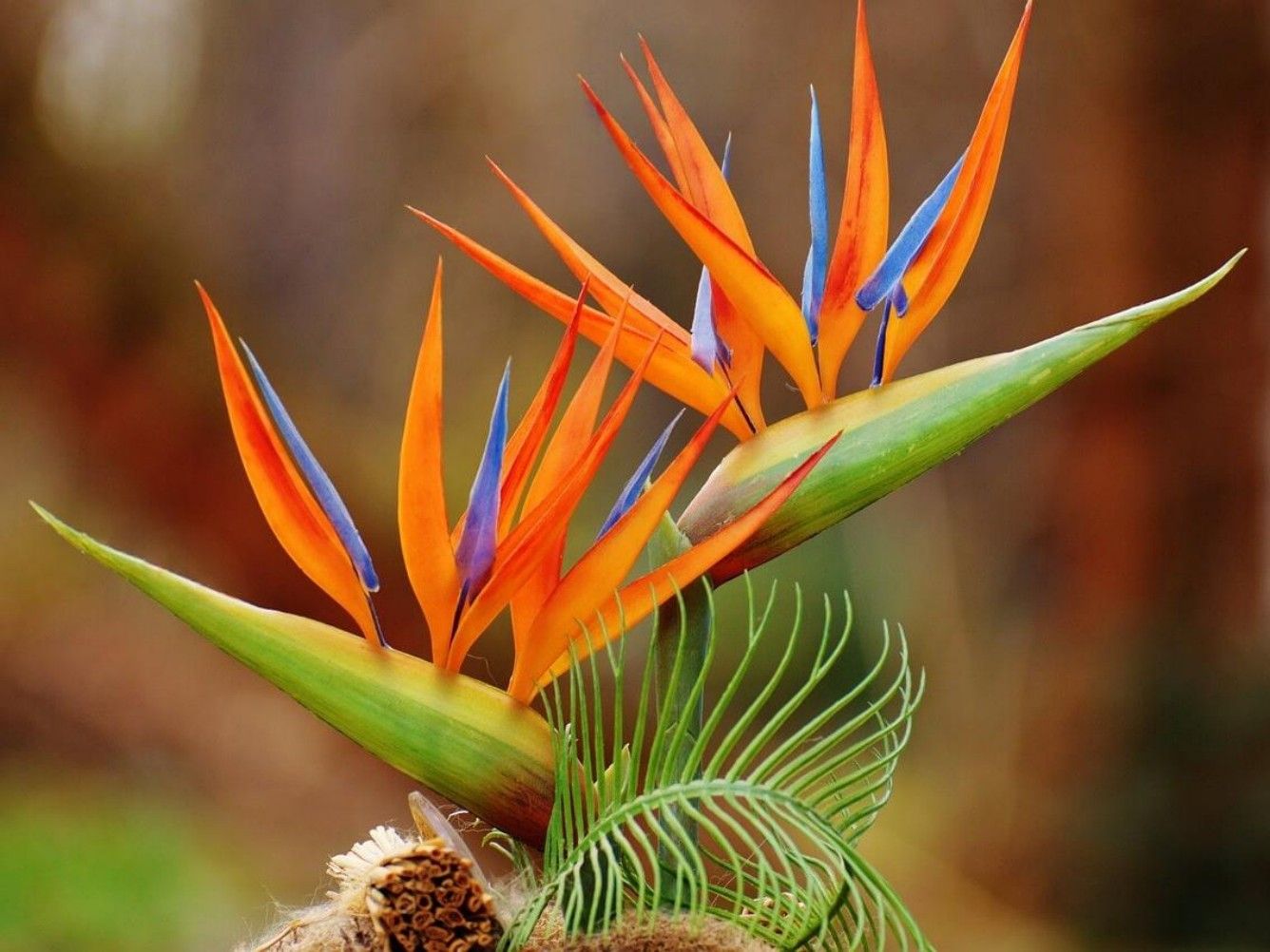
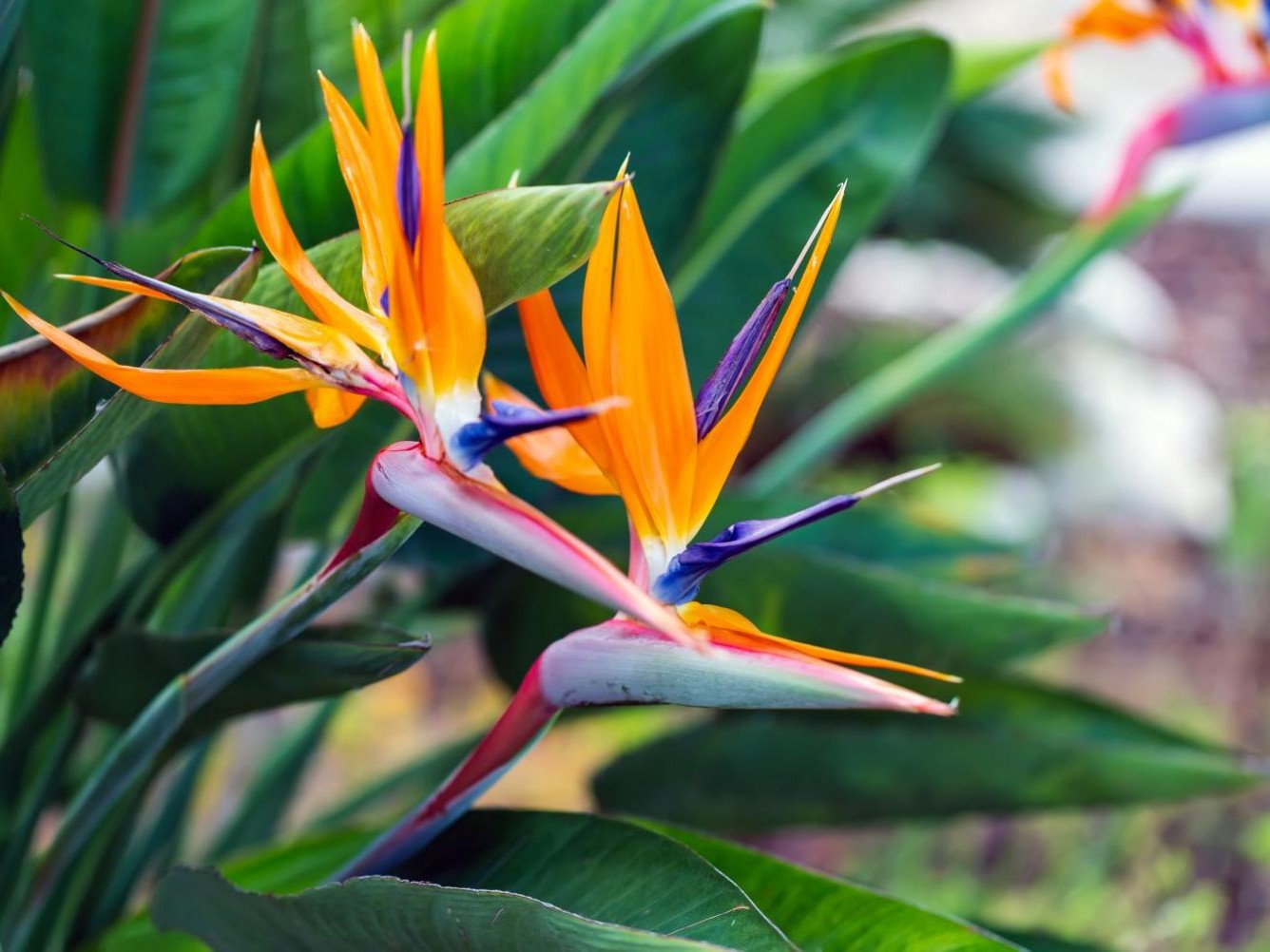
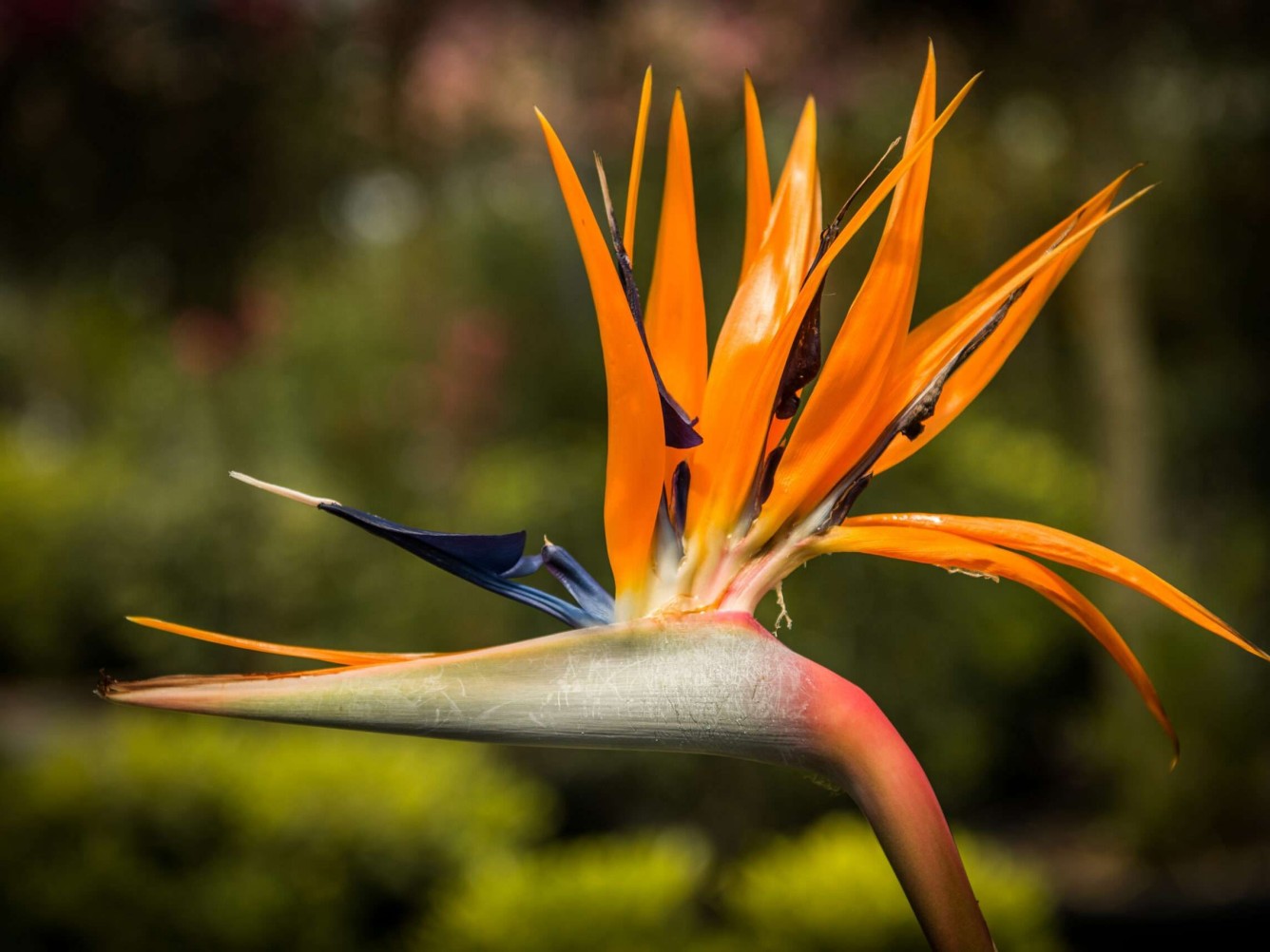
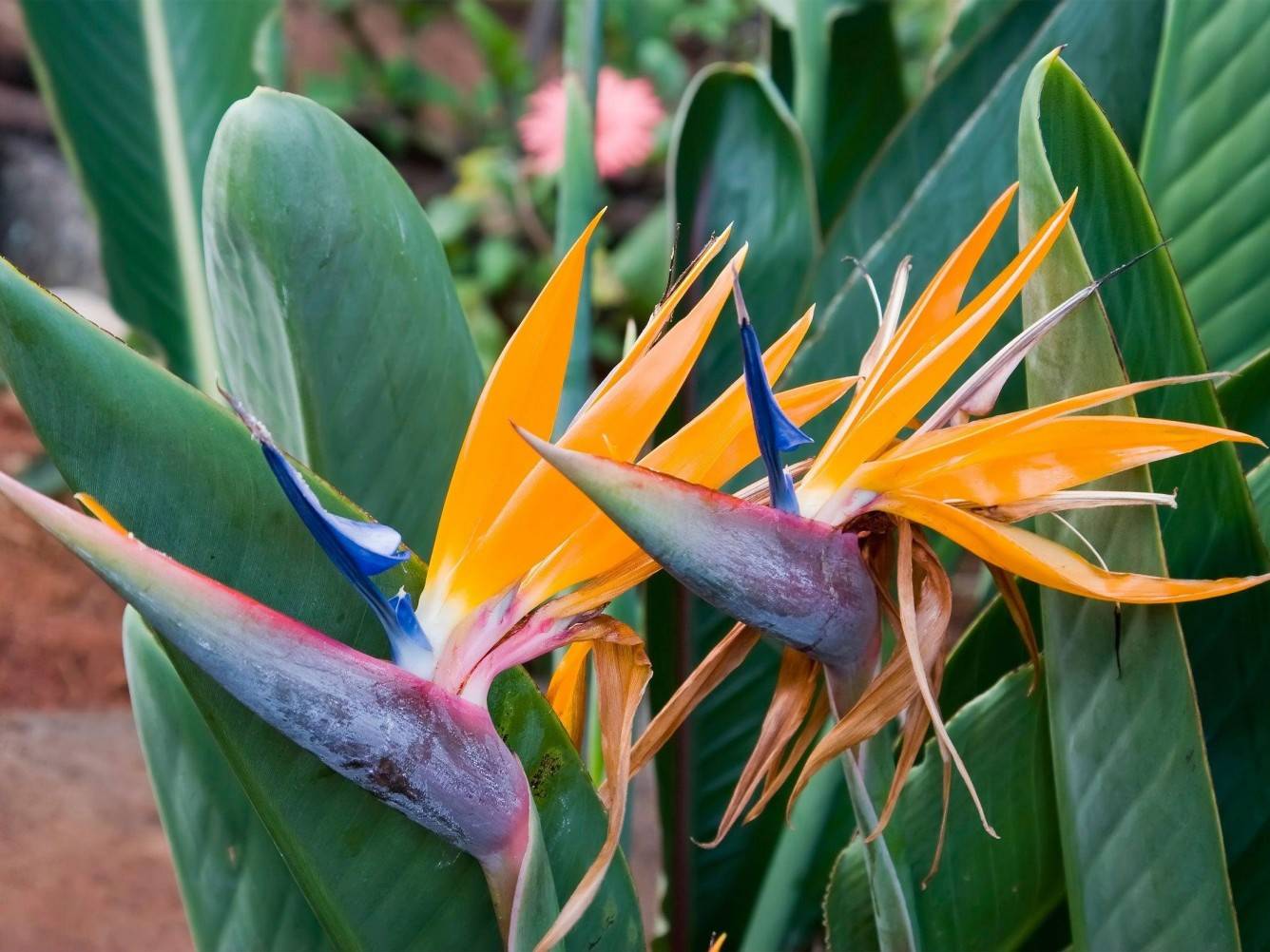
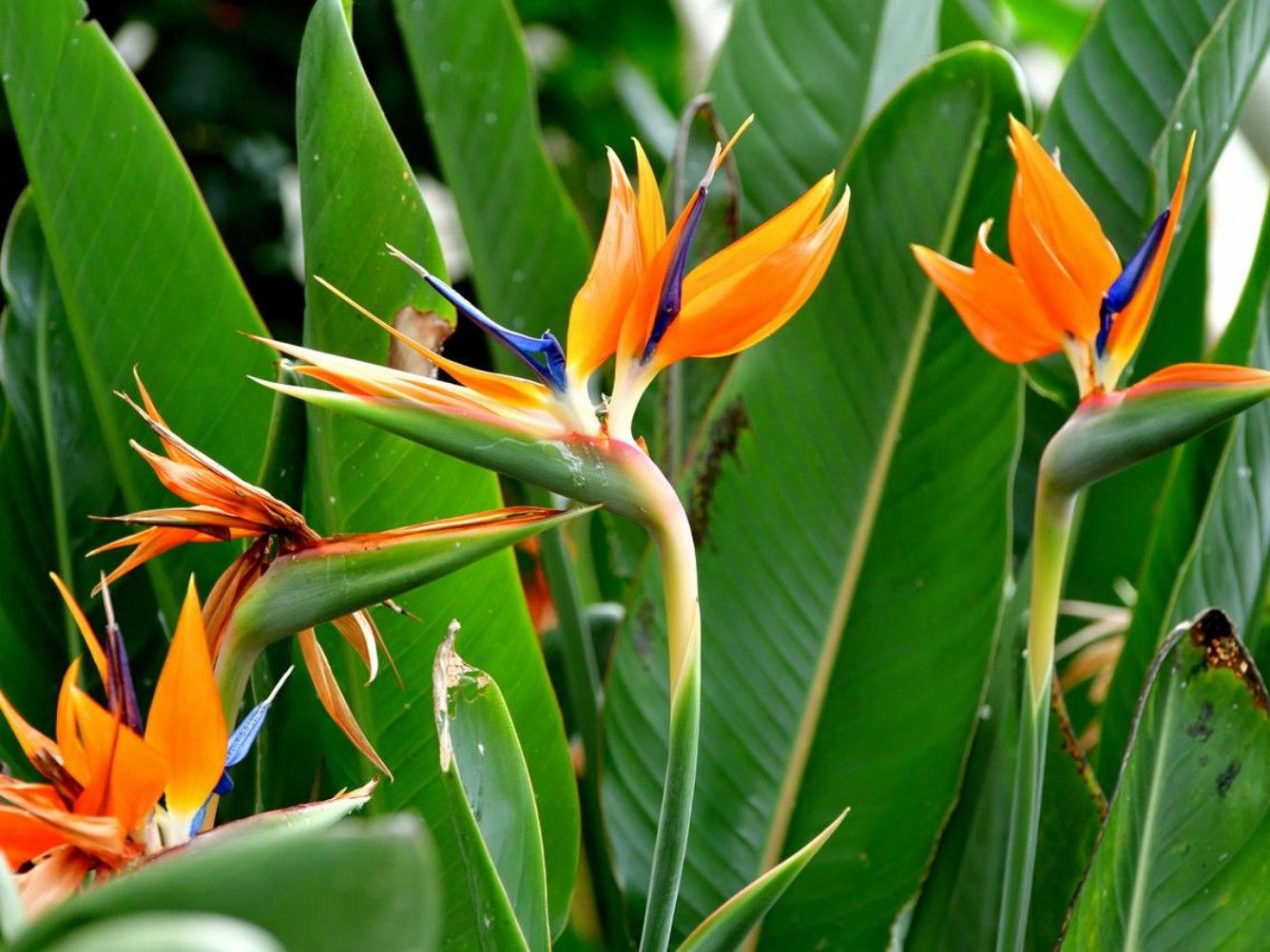
The Bird of Paradise plant gets its name from the shape and vibrant colors of its flowers, which resemble a bird in flight, specifically the tropical bird-of-paradise species. The combination of bright orange and blue or white petals creates this illusion, making it a unique and captivating addition to any garden.
-
2 Can Bird of Paradise plants grow indoors?
Yes, Bird of Paradise plants can grow indoors, making them popular houseplants. They need plenty of light, so placing them near a sunny window is ideal. Indoor conditions should mimic their natural tropical environment, with plenty of humidity and warmth.
-
3 How long does it take for a Bird of Paradise to bloom?
Bird of Paradise plants can take anywhere from 4 to 5 years to bloom for the first time. They require optimal conditions to bloom, including plenty of light, warmth, and proper watering. Even with perfect care, patience is key with these plants.
-
4 Can I propagate a Bird of Paradise plant?
Yes, Bird of Paradise plants can be propagated by division. The best time to do this is in spring when you repot the plant. You can separate the plant into smaller clumps, ensuring each has roots, and plant them separately.
-
5 Is Bird of Paradise poisonous to pets and children?
Yes, the Bird of Paradise plant is considered toxic if ingested. It contains a chemical similar to digitalis, which can cause digestive problems, dizziness, weakness, and in severe cases, respiratory problems in pets and children. It's best to keep this plant out of reach of pets and young ones.
Advertisement
Introduction
Bird of Paradise is an exotic plant renowned for its striking, bird- blooms. Originating from South Africa, its vibrant orange and blue flowers mimic a bird in flight, which gives it its common name. This perennial plant is loved for its tropical appeal and architectural shape, adding a dramatic touch to any landscape. It thrives in sunny, warm climates and requires well-drained soil and regular watering. Though it can be a slow grower and may take time to flower, the spectacular display is well worth the wait.
Popular Plant Encyclopedia
-
-
Poisonous and danger
- Rhus typhina
-
-
-
Edible and medicinal
- Common sunflower
-
-
-
Poisonous and danger
- Plumeria rubra
-
-
-
Wild and common weed
- Convolvulus arvensis
-
-
-
Edible and medicinal
- Perilla frutescens
-
-
-
Edible and medicinal
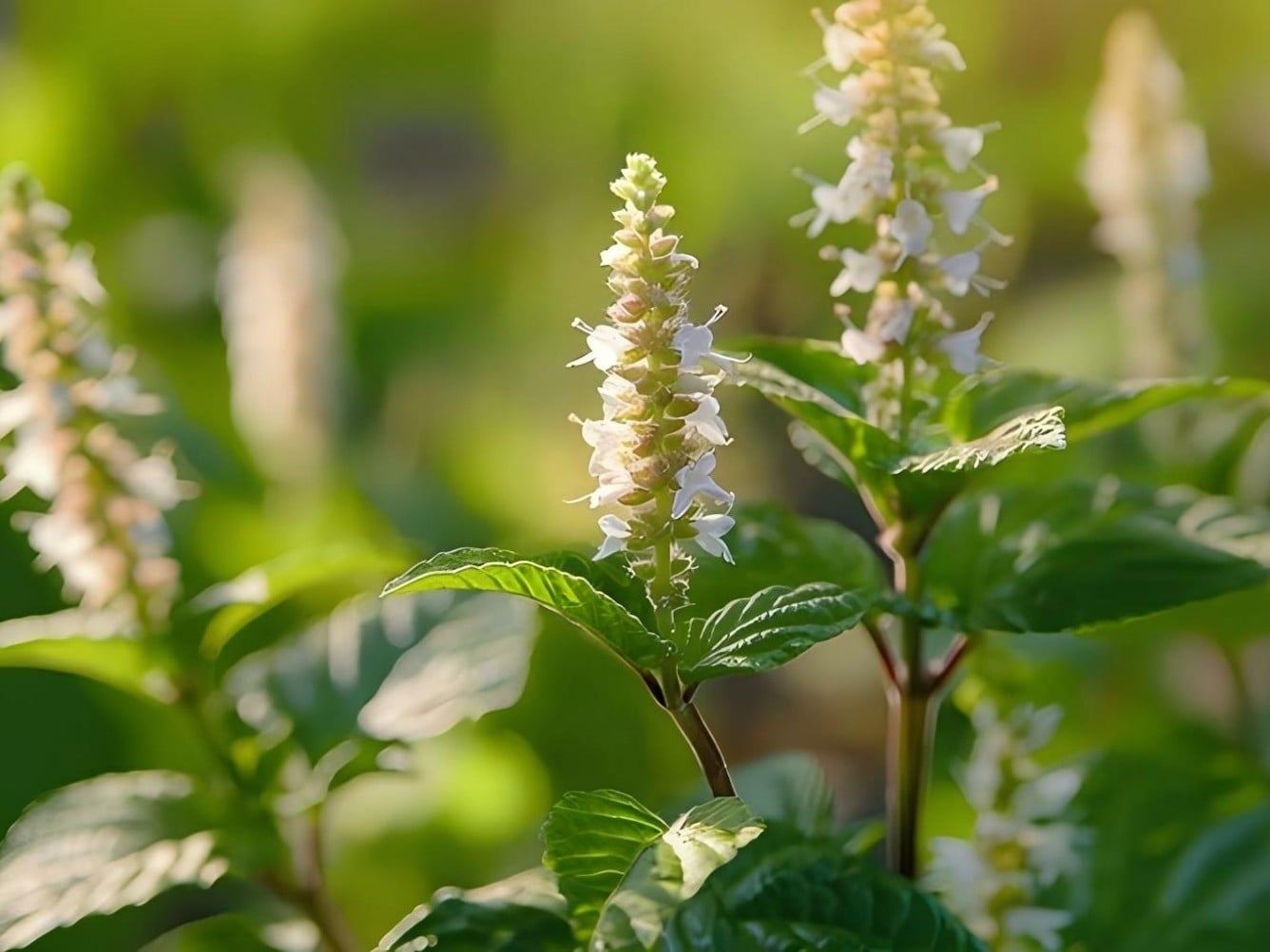
- Pogostemon cablin
-
-
-
Edible and medicinal
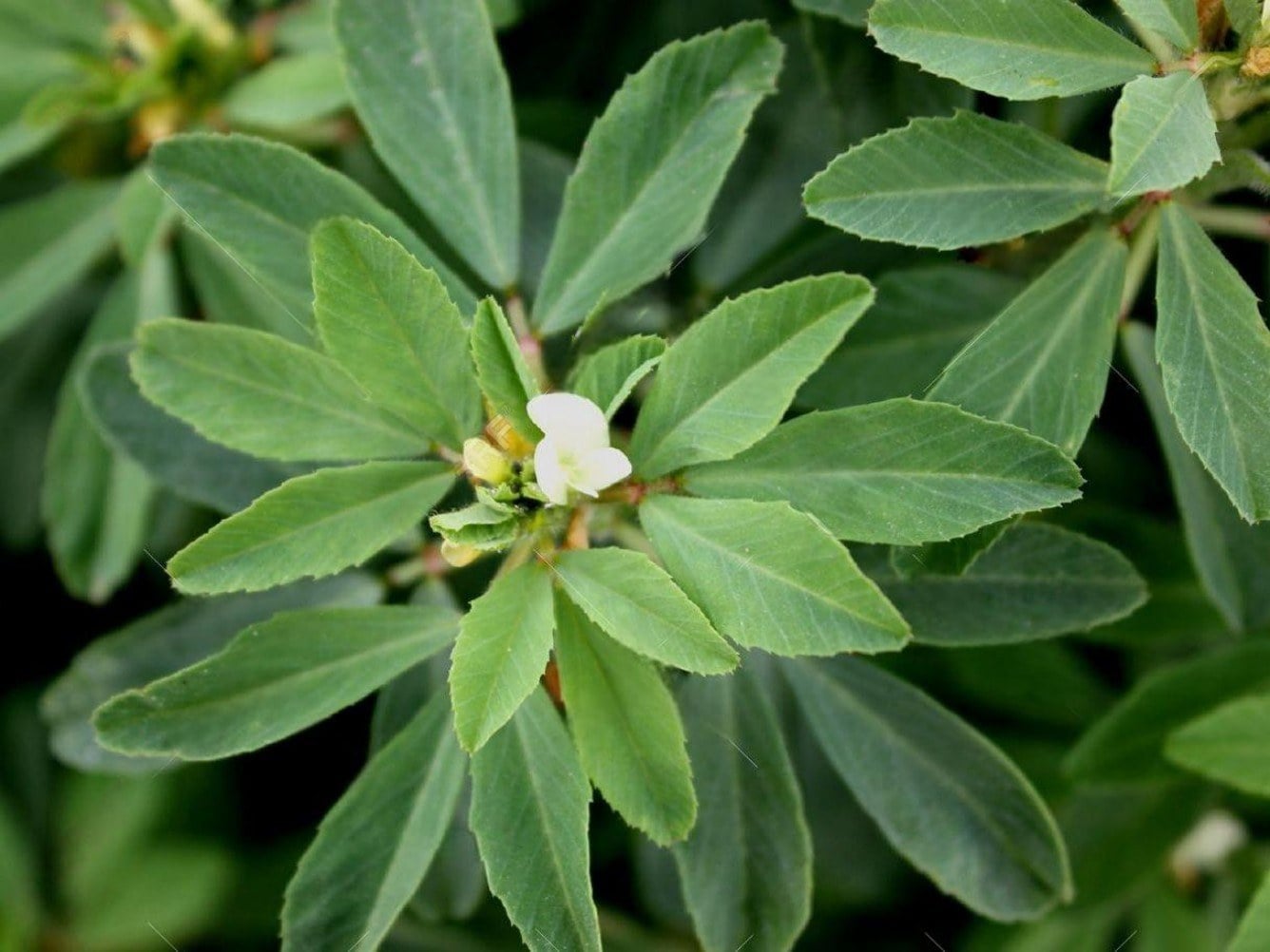
- Common fenugreek
-
-
-
Edible and medicinal
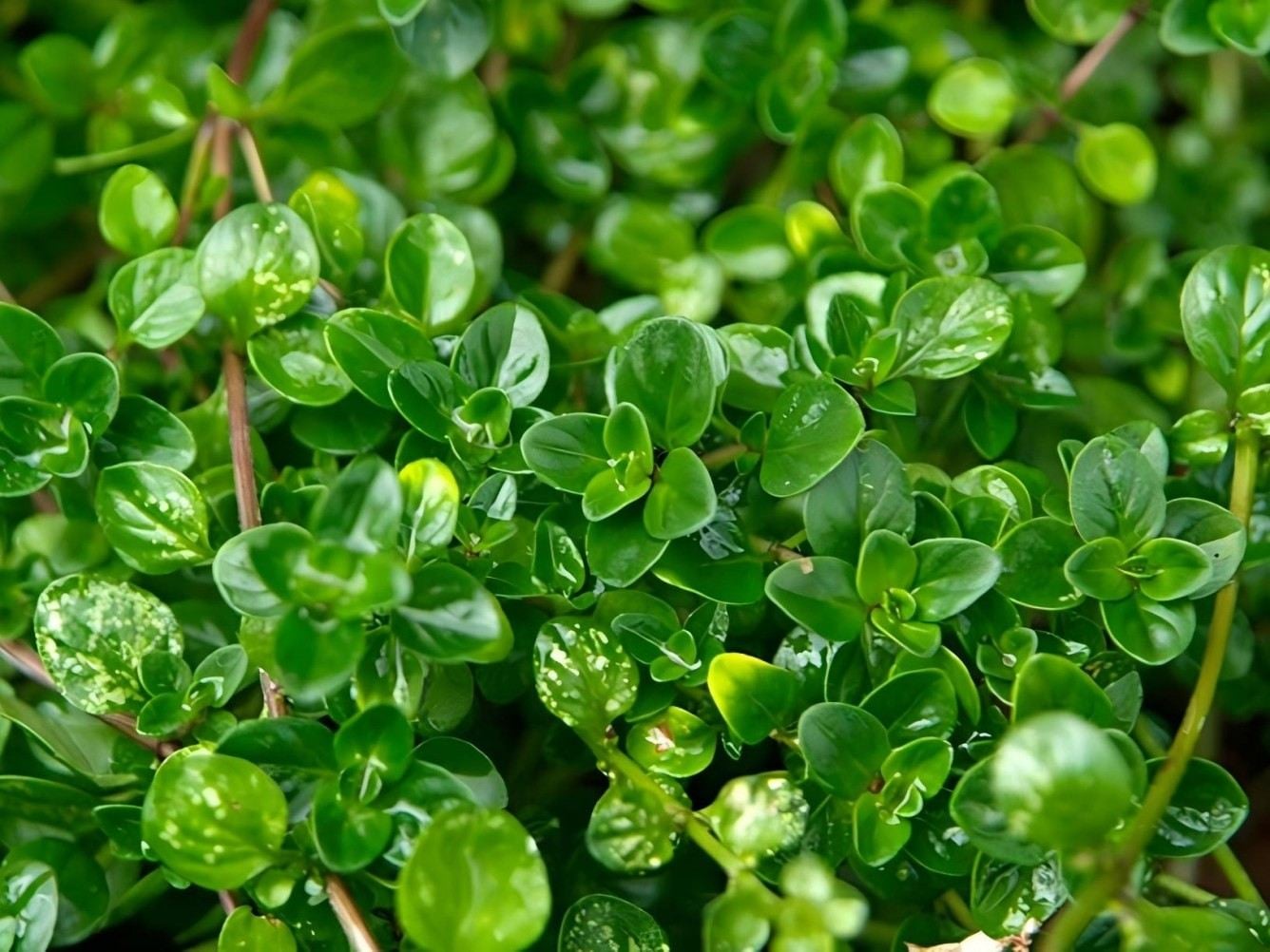
- Garden Thyme
-

 Edible and medicinal
 Wild and common weed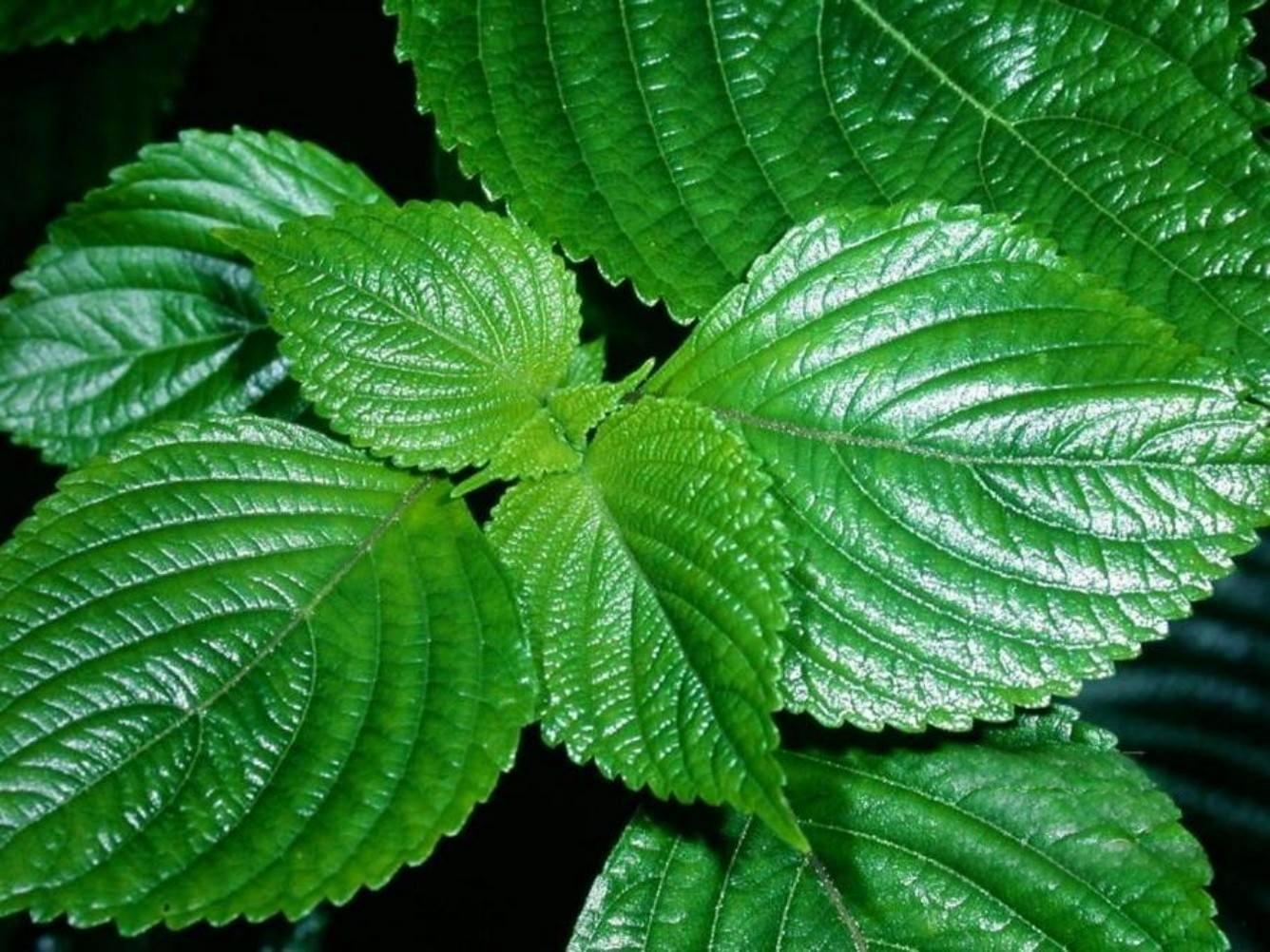
Advertisement