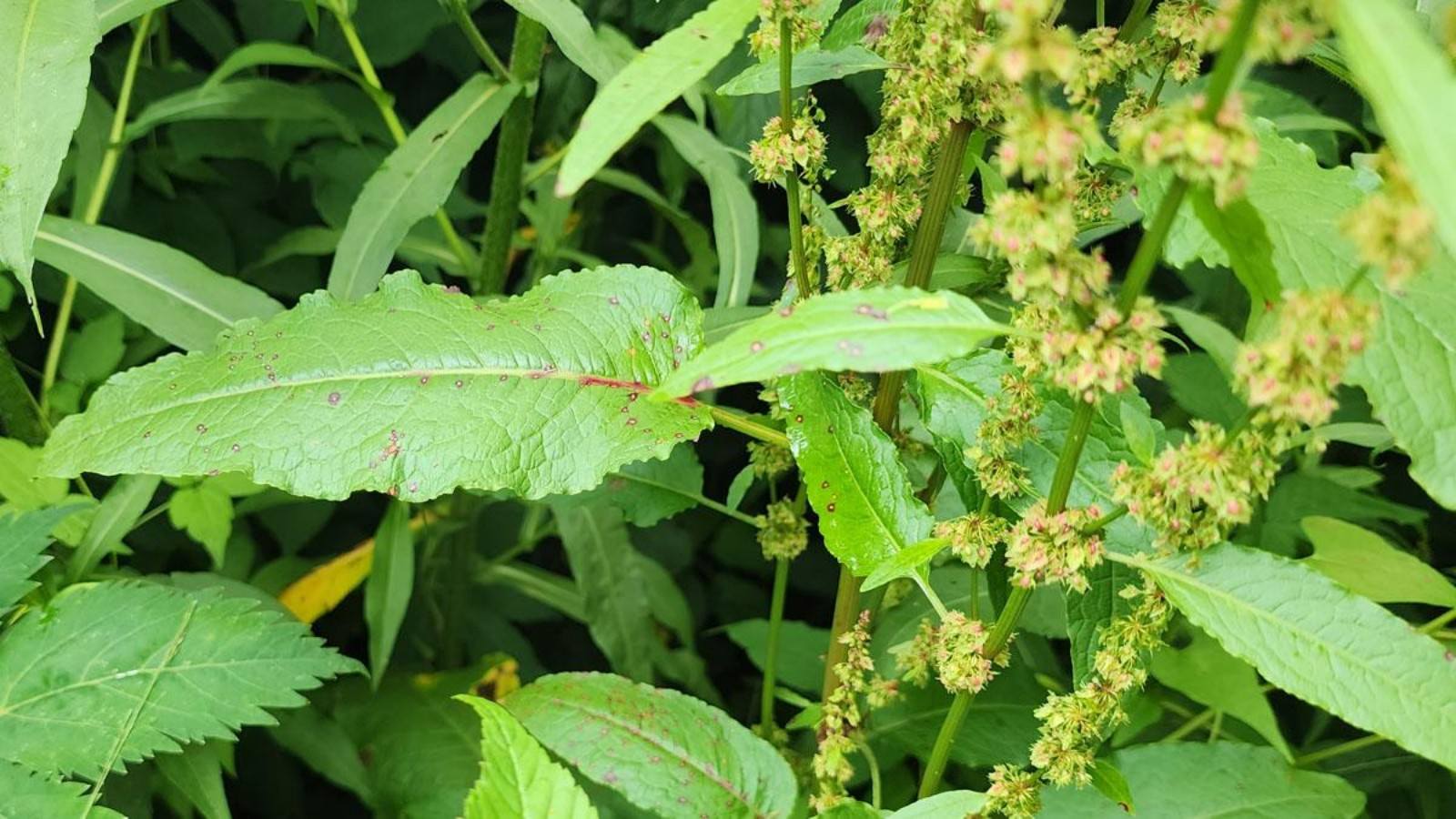
Bitter Dock
-
 Poisonous and danger
 - Also known as:Rumex Obtusifolius
 Poisonous and danger
Nursing Skills
Bitter Dock is a tough, low‑effort perennial. It thrives in full sun to partial shade and tolerates most soils, including poor, dry ones. Water only during extended droughts—overwatering causes root rot. Trim flower stalks early to stop self‑seeding. It spreads aggressively, so contain it in pots or defined beds. No fertilizing is needed; excess nutrients only encourage rampant growth.
Advertisement
Plant Properties
-
- Toxicity
- Toxic to humans and pets
-
- Flower Color
- Greenish‑red to reddish‑brown
-
- Plant Type
- Perennial foliage plant
-
- Leaf Type
- Asymmetrical, heart-shaped
-
- BloomTime
- Late winter to spring
-
- Lifespan
- Several years with proper care
Plant Care Requirements
-
Maintenance Difficulty
Very low
-
Watering
Drought-tolerant; water only during extended dry spells
-
Light Requirements
6+ hours daily
-
Soil pH
pH 6.0–7.5
-
Planting Time
Best planted in early spring or late fall
-
Cold Hardiness Zone
USDA 3–9
-
Growth Rate
Fast-growing
Advertisement
Plant Care Guide
-
How difficult is it to grow Bitter Dock?
Bitter Dock is extremely easy to grow and requires almost no maintenance, making it ideal for beginners or low-effort gardeners. It is a tough, adaptable perennial that survives in poor soil, dry conditions, and partial shade. Once established, it can grow with little to no intervention. However, because it spreads quickly via seeds and deep taproots, you will need to control its growth to prevent it from taking over garden beds. It rarely suffers from pests or diseases, and overcare such as frequent watering or fertilizing can actually make it grow too aggressively. Overall, its care difficulty is very low—you just need to manage its spread.
-
What is the proper watering schedule for Bitter Dock?
Drought-tolerant; water only during extended dry spellsBitter Dock is highly drought-tolerant and does not need frequent watering. In most climates, natural rainfall is enough to keep it healthy. You only need to water it during long, hot, dry periods—about once every 10 to 14 days if there is no rain. Overwatering is the biggest risk, as it can lead to root rot and weak, leggy growth. When watering, soak the soil deeply but infrequently to encourage strong root development. Avoid light, frequent sprinkling, which only promotes shallow roots. During winter or rainy seasons, stop watering entirely. This simple schedule keeps the plant vigorous without causing stress or disease.
-
What kind of light does Bitter Dock need?
6+ hours dailyBitter Dock grows best in full sun, meaning at least six hours of direct sunlight each day. In full sun, it develops sturdy stems, large healthy leaves, and faster growth. However, it is also very tolerant of partial shade, making it flexible for different garden spots. In partial shade—about four to six hours of sun—it will still grow well but may become slightly taller and less compact. It does not do well in deep, dense shade, where growth becomes weak and leaves turn pale. If planting in a garden, choose an open area with bright light. If grown indoors, place it near a south or west-facing window for sufficient light exposure.
-
What soil pH level is best for Bitter Dock?
pH 6.0–7.5Bitter Dock is highly adaptable to a wide range of soil pH levels, but it performs best in neutral to slightly acidic soil, around pH 6.0 to 7.5. It can also tolerate mildly alkaline soil up to pH 8.0 without problems. It does not require rich, fertile soil; in fact, overly fertile soil can make it spread too quickly. It grows well in average garden soil, clay, sandy soil, and even poor, compacted ground. Good drainage is more important than pH level—waterlogged soil will damage the roots. You do not need to adjust pH unless your soil is extremely acidic or alkaline. Simply planting it in regular, well-drained soil is enough for healthy growth.
-
When is the best time to plant Bitter Dock?
Best planted in early spring or late fallThe best time to plant Bitter Dock is in early spring, after the last frost has passed. At this time, soil temperatures rise, and the plant can establish roots quickly before summer heat. Seeds can be sown directly outdoors in spring, lightly covered with soil. You can also plant root divisions or young seedlings in early spring for faster growth. Another good planting time is late fall, before the ground freezes. Fall planting allows roots to develop slowly during winter, resulting in strong growth the following spring. Avoid planting in the middle of summer, as high heat and dryness can stress young plants. With these timing choices, the plant establishes easily and grows vigorously.
-
Which hardiness zones are suitable for Bitter Dock?
USDA 3–9Bitter Dock is extremely cold-hardy and grows well in USDA Hardiness Zones 3 through 9. It can survive extremely low temperatures, down to roughly -40°F (-40°C), making it suitable for northern regions with harsh winters. It also tolerates mild to warm summers in southern zones, as long as it gets occasional water during dry spells. Its wide hardiness range means it can be grown across most of North America, Europe, and parts of Asia. It dies back in winter but regrows strongly from its deep taproot in spring. No special winter protection is needed—its natural hardiness is enough to survive cold conditions year after year.
-
How fast does Bitter Dock grow?
fast growthBitter Dock has a fast growth rate and establishes quickly once planted. From seed, it will germinate within 7 to 14 days and develop visible leaves within two to three weeks. Young plants grow rapidly, producing large broad leaves and strong stems within a couple of months. Mature plants spread quickly through self-seeding and deep taproots, which store energy for fast regrowth. Under full sun and decent soil, it can reach full size in a single growing season. Its fast growth makes it useful for naturalized areas, but it can become invasive if not controlled. To manage its speed, remove flower stalks before they produce seeds and limit its space to prevent unwanted spreading.
Advertisement
Frequently Asked Questions
-
1 Is Bitter Dock safe to eat, and how should it be prepared safely?
Bitter Dock is edible but not entirely harmless — it contains oxalic acid, which can be toxic in large raw amounts and may irritate the stomach or kidneys. Young, tender leaves are the only part considered safe for consumption, and they must always be cooked. Boiling them in two changes of water helps reduce oxalic acid and bitterness. Older leaves become tougher, more bitter, and higher in oxalates, so they are not recommended. People with kidney issues, arthritis, or iron deficiency should avoid eating it entirely, as oxalic acid can interfere with mineral absorption. For animals, especially sheep and cattle, large quantities can be poisonous, so it is often viewed as a pasture weed. When handled properly in small amounts, it can be used like spinach or added to soups and stews, but it should never be eaten raw or in large meals.
-
2 Is Bitter Dock considered an invasive plant, and how can I control its spread?
Yes, Bitter Dock is widely classified as an invasive and aggressive weed in many countries, including the United States, Canada, and the UK. It reproduces rapidly through both seeds and deep, strong taproots that can regrow even if broken. A single plant can produce thousands of seeds that remain viable in soil for years. To control it, remove flower stalks as soon as they appear to prevent seeding. Hand-pulling works best when the soil is moist, but you must remove the entire taproot — any leftover fragment will regrow. Mulching can suppress seedlings, but established plants are hard to smother. In gardens, it’s best to grow Bitter Dock in containers to limit spread. In farm fields or natural areas, repeated mowing before flowering can gradually weaken plants over time.
-
3 What are the actual benefits and uses of Bitter Dock, beyond being a wild weed?
Despite its reputation as a weed, Bitter Dock has long been used in traditional herbal medicine and for practical purposes. Historically, its leaves were applied externally to soothe skin irritation, rashes, burns, and insect bites, thanks to its mild anti-inflammatory properties. The roots have been used in teas for digestive support, though medical evidence is limited and self-administration is not recommended without expert guidance. Young, cooked leaves are nutrient-dense, rich in vitamins A and C, iron, and potassium, making them a survival or foraging food in spring. It also serves as a host plant for certain butterfly species, supporting local biodiversity. In some naturalistic gardens, it is intentionally grown for its tall, rustic appearance and deep taproot, which helps break up compacted soil. While not a typical ornamental or crop plant, it has quiet ecological and practical value that makes it more than just a nuisance weed.
Advertisement
Introduction
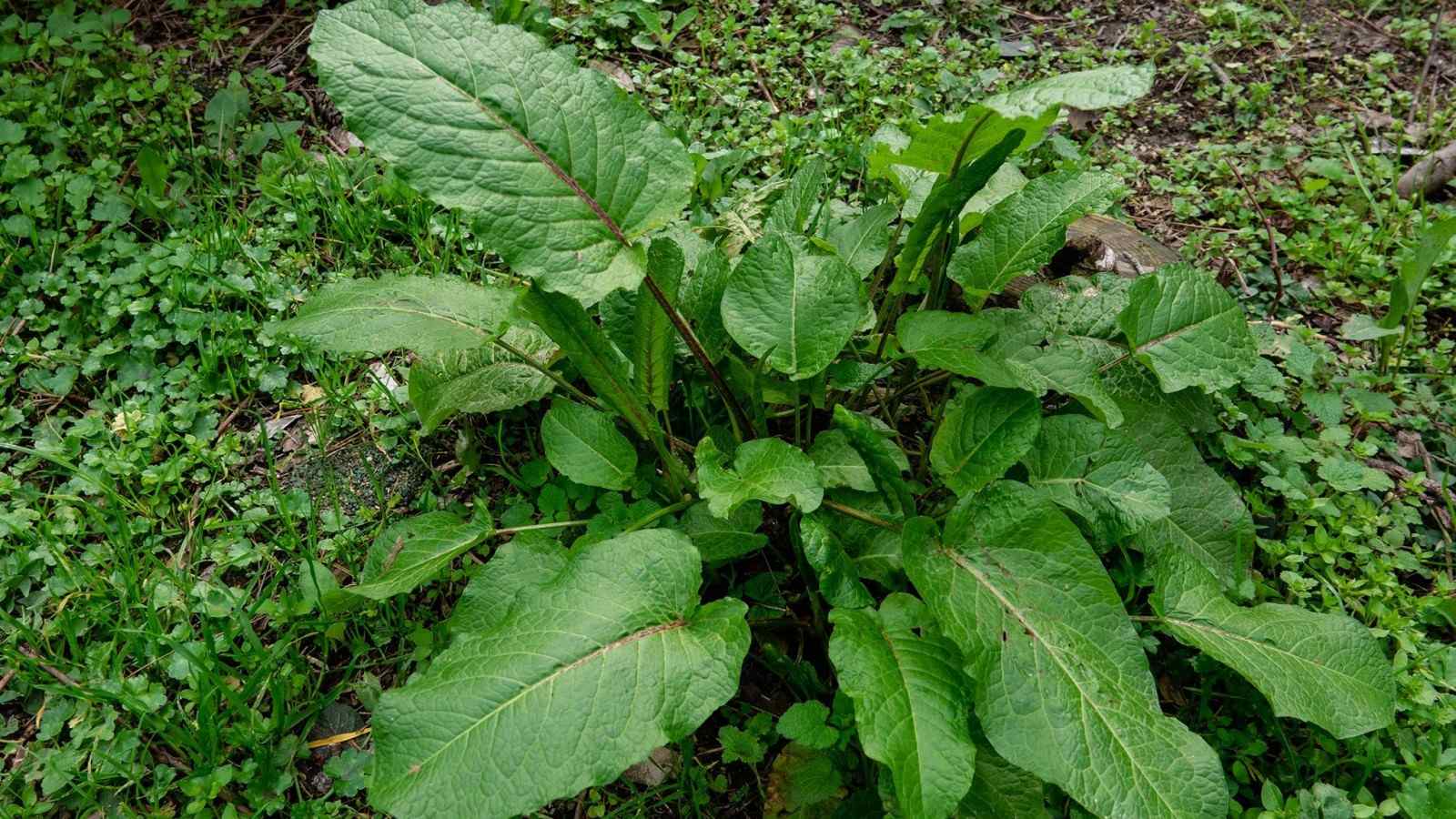
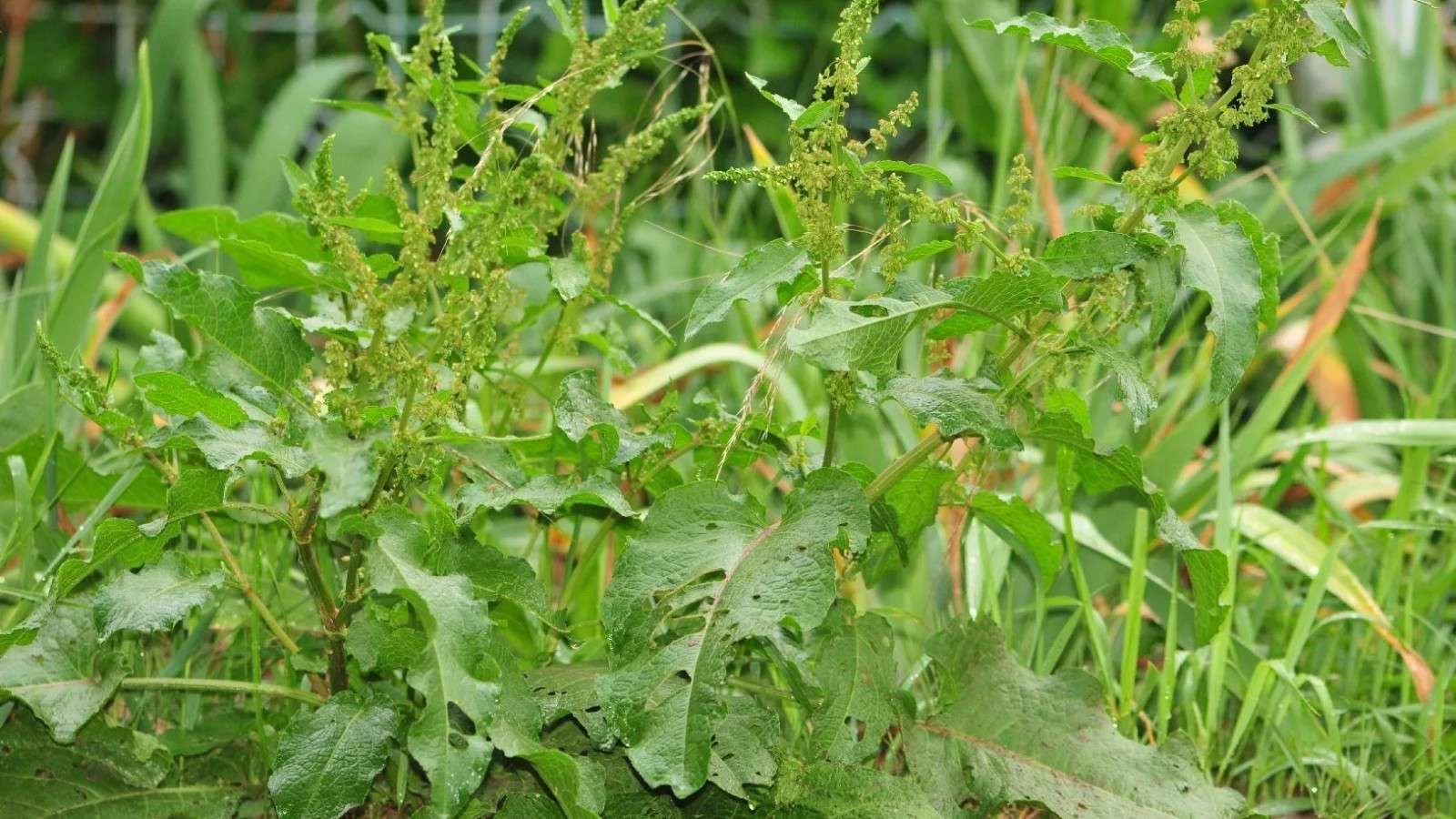
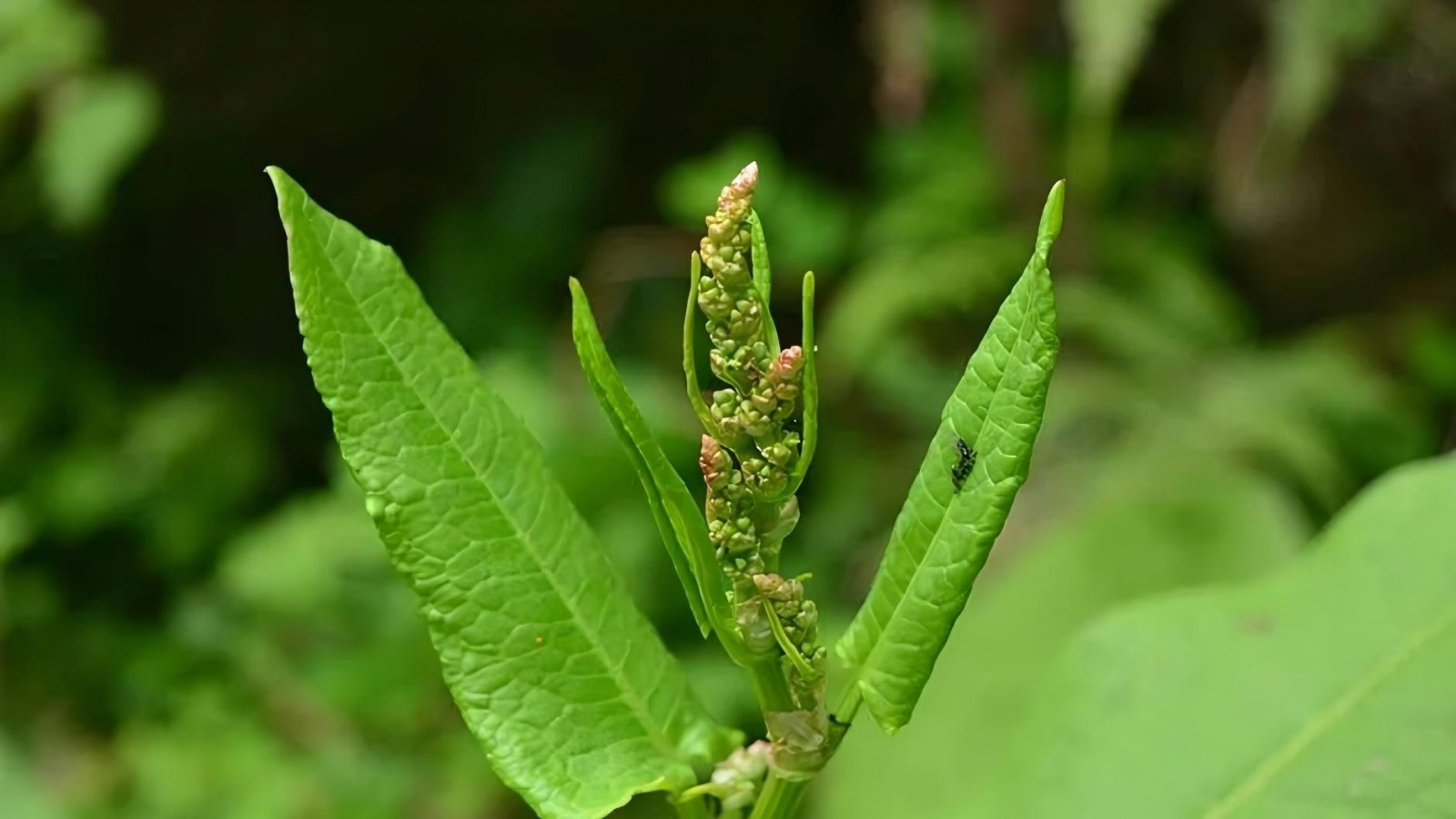
Bitter Dock is a perennial herb of the Polygonaceae family, native to Europe and naturalized globally. It has large oval leaves, red-tinted stems, and small green-red flowers. Young leaves are edible (cooked to reduce oxalic acid) but it is often considered an invasive agricultural weed, with a deep taproot enabling strong adaptability.
Popular Plant Encyclopedia
-
-
Poisonous and danger
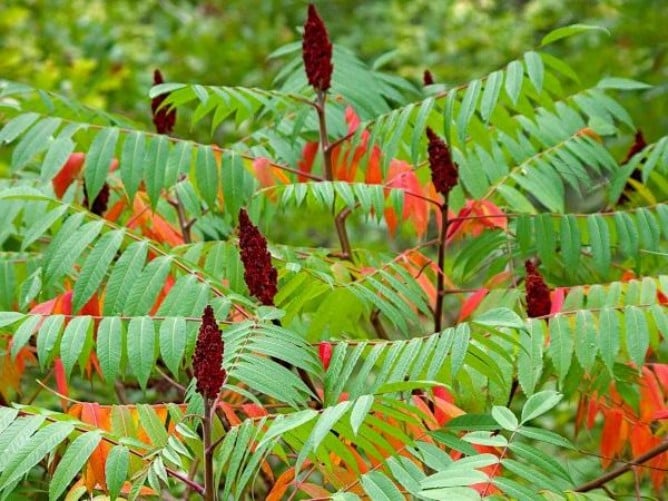
- Rhus typhina
-
-
-
Edible and medicinal
- Common sunflower
-
-
-
Poisonous and danger
- Plumeria rubra
-
-
-
Wild and common weed
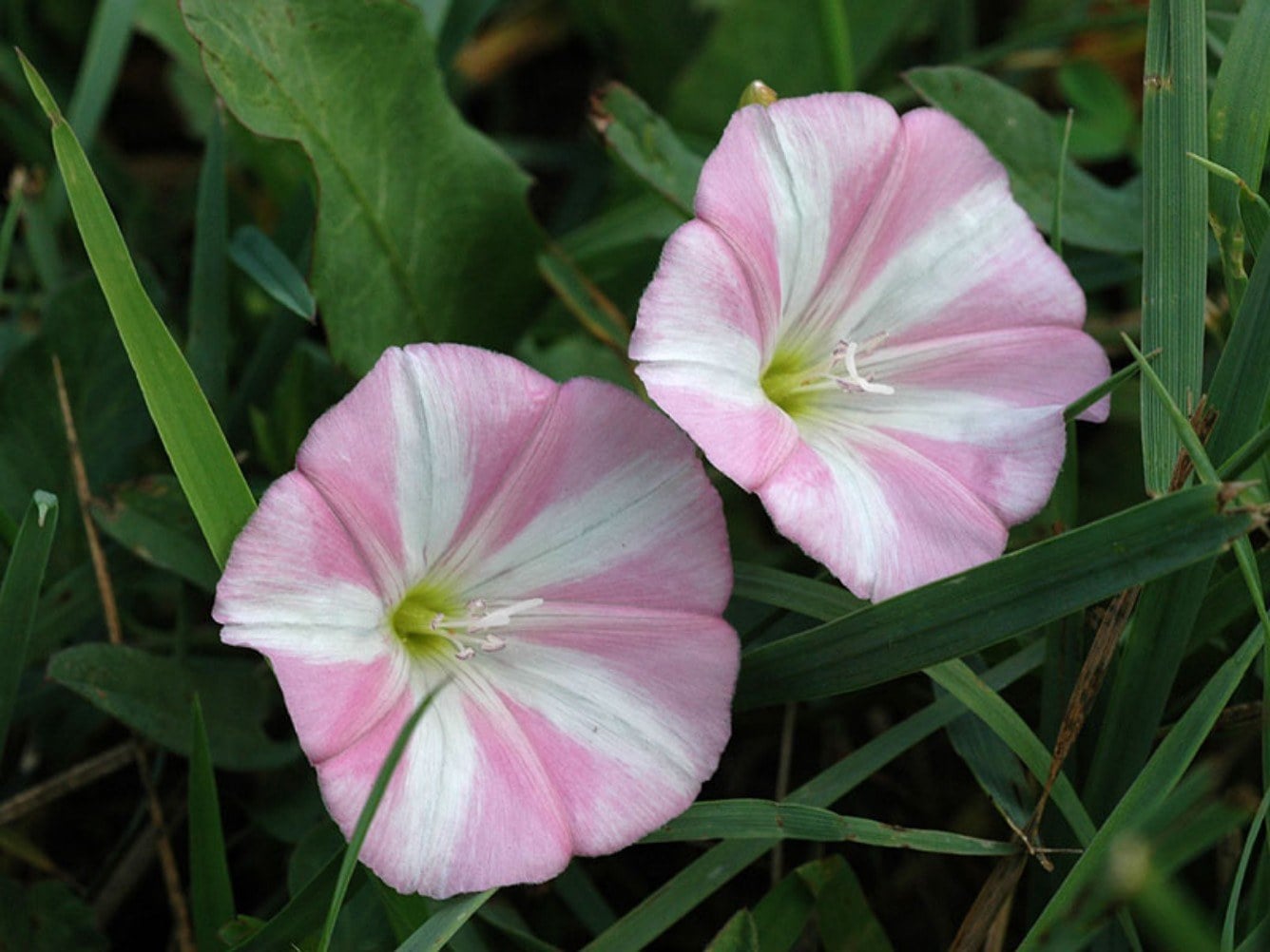
- Convolvulus arvensis
-
-
-
Edible and medicinal
- Perilla frutescens
-
-
-
Edible and medicinal
- Pogostemon cablin
-
-
-
Edible and medicinal
- Common fenugreek
-
-
-
Edible and medicinal
- Garden Thyme
-

 Edible and medicinal
 Wild and common weed
Advertisement