Bougainvillea spectabilis
-
 Ornamental and lands
 Ornamental and lands
Nursing Skills
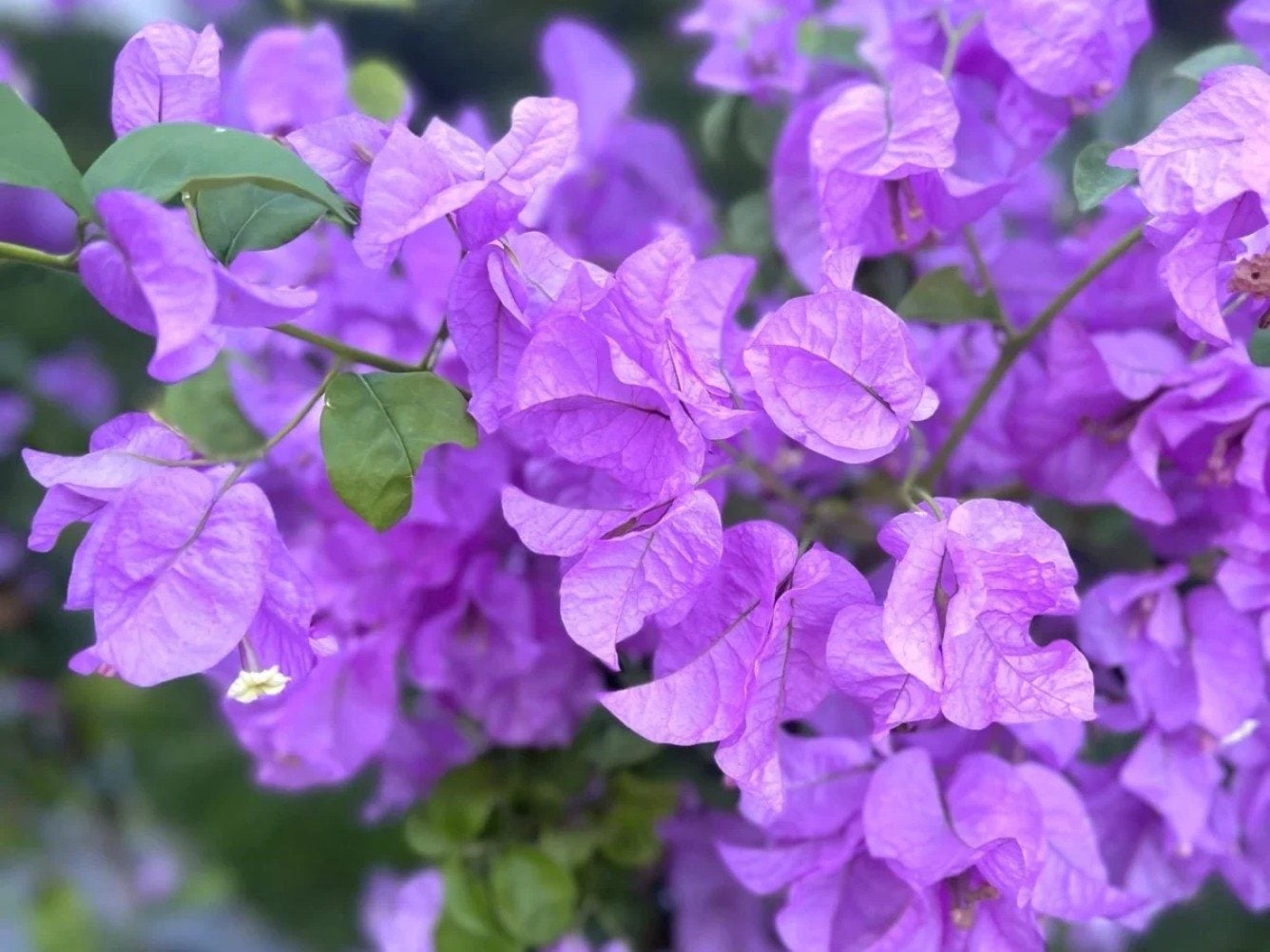
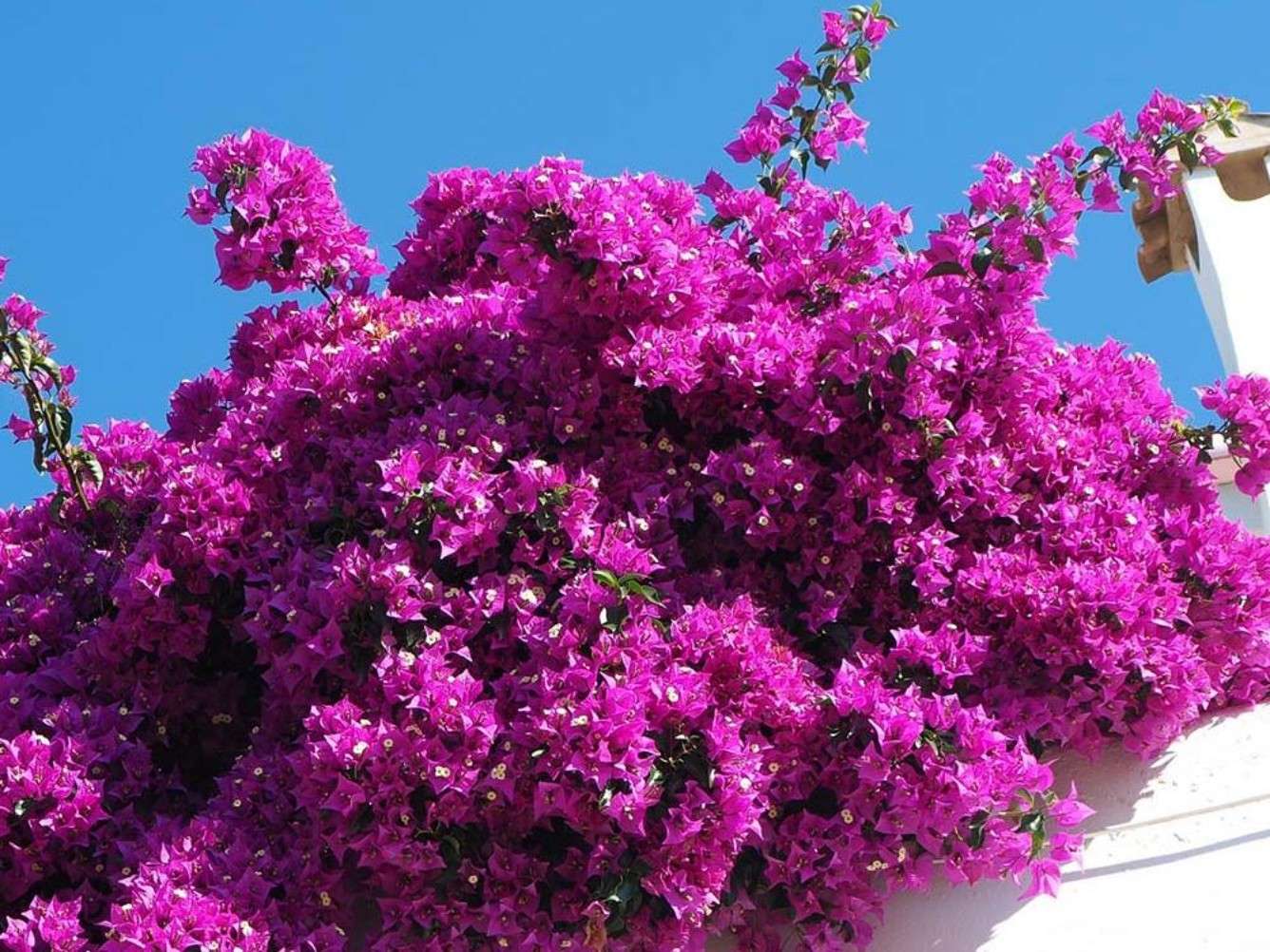
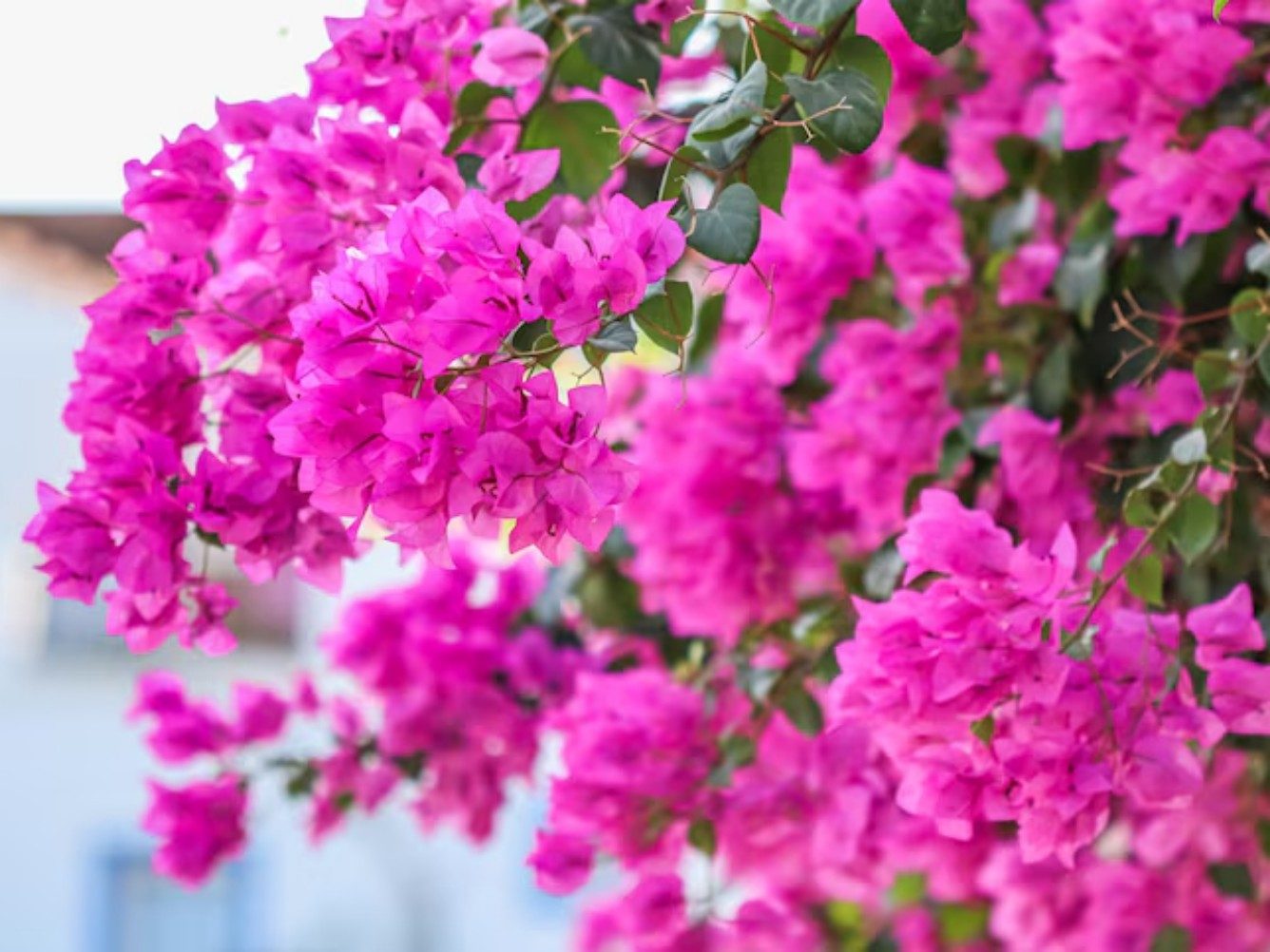
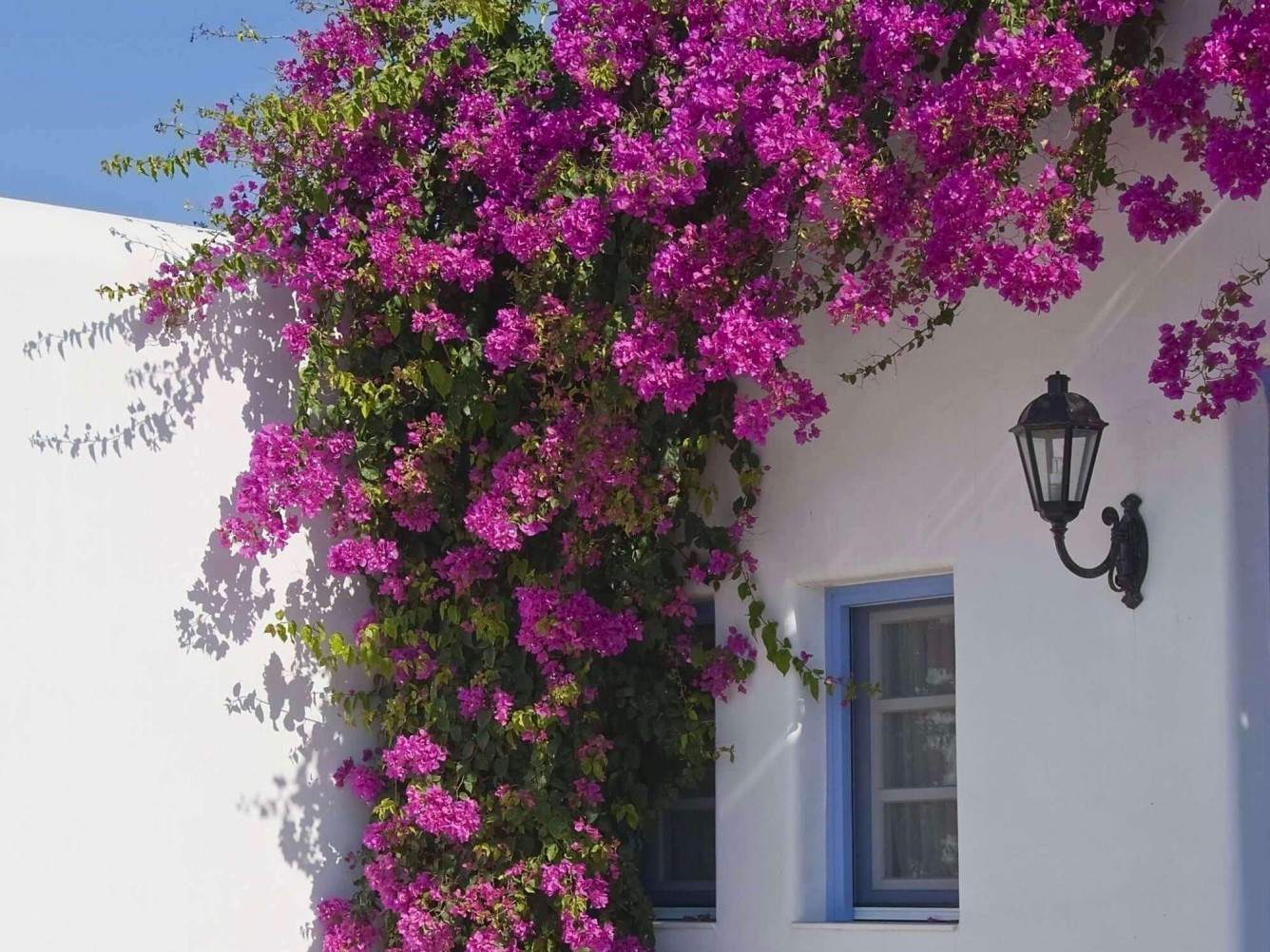
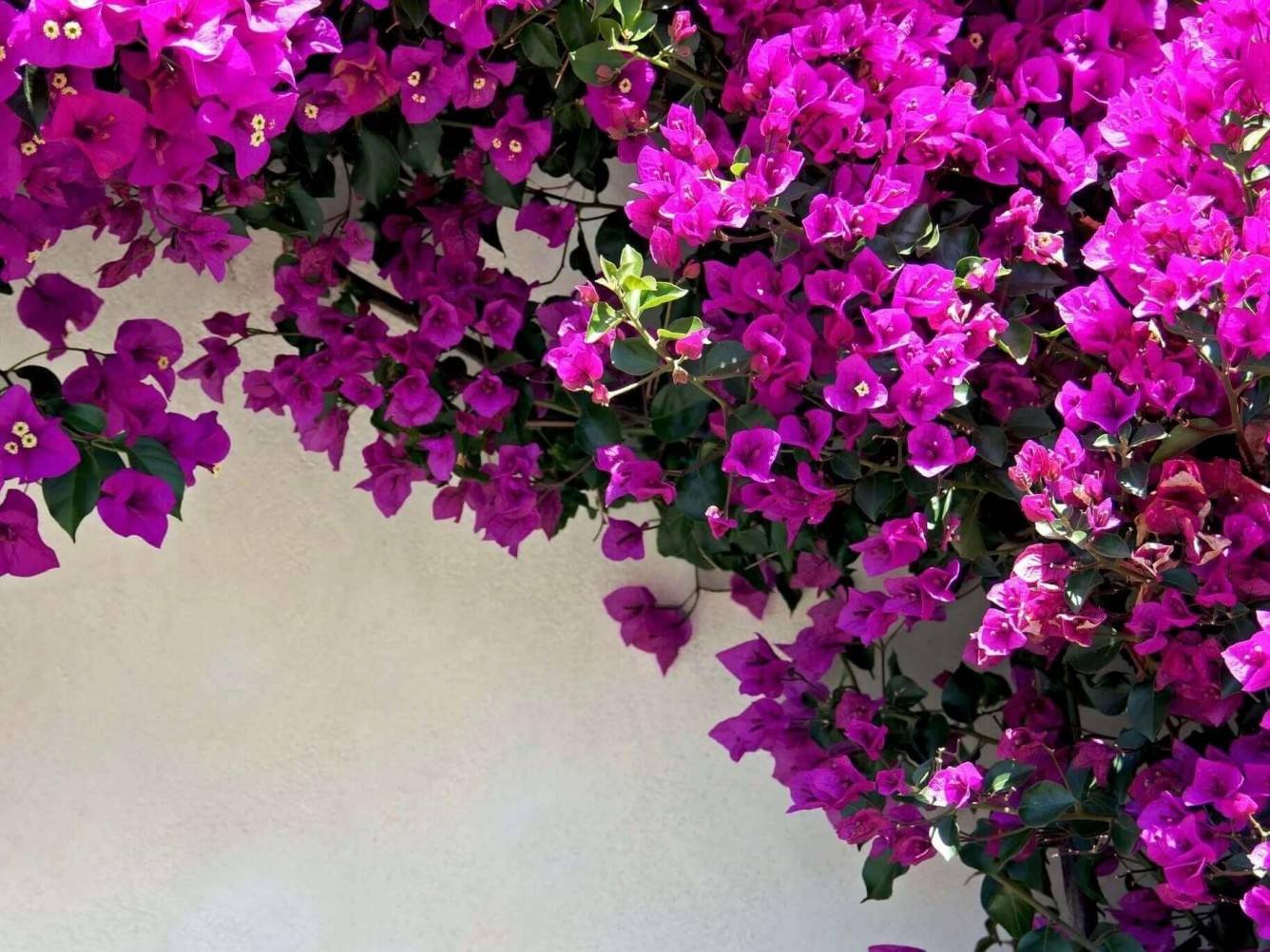
Bougainvillea spectabilis possesses remarkable environmental adaptability and ornamental value. It tolerates drought and poor soil, thriving vigorously under intense sunlight and high temperatures while continuously producing vibrant bracts. Its vigorous climbing stems rapidly cover trellises, walls, or arbors, forming a dazzling floral curtain. With moderate wind and pollution tolerance, it is well-suited for urban greening, garden beautification, and landscape design.
Advertisement
Plant Properties
-
- Toxicity
- No significant toxicity
-
- Plant height
- Typically 3–10 meters
-
- Flower shape
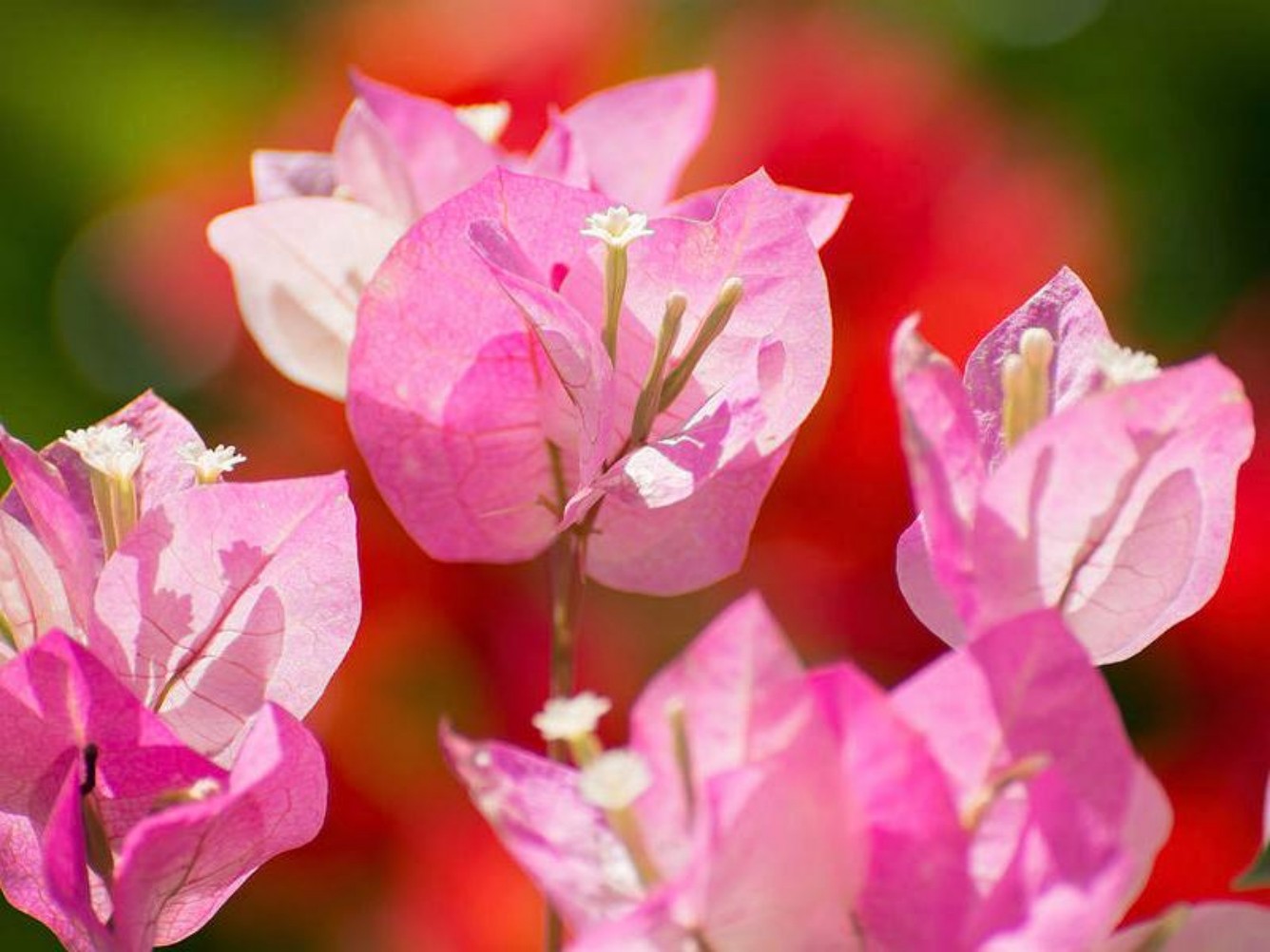
- Small tubular flowers
-
- Leaf shape
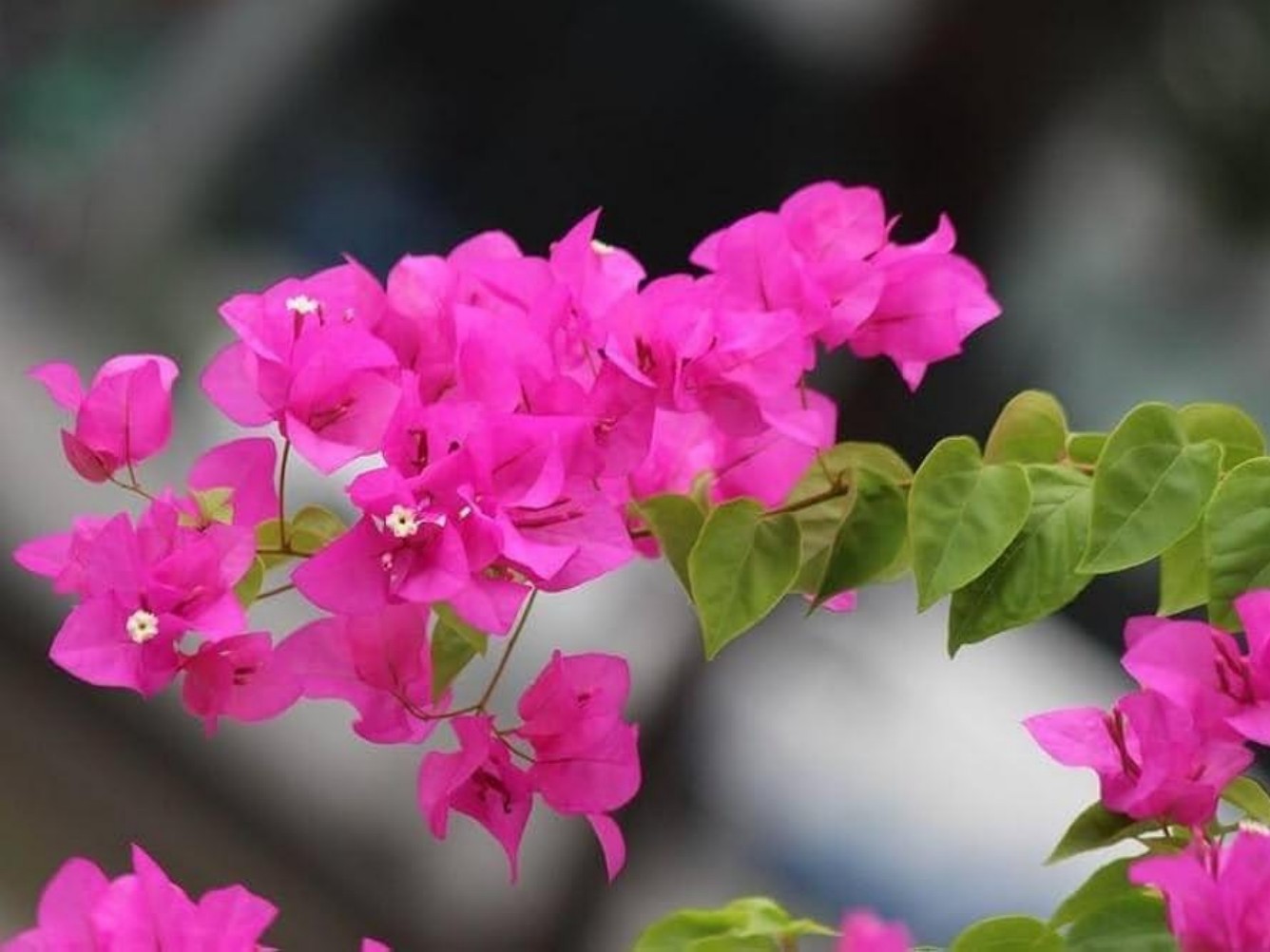
- Oval or elliptical
-
- Flowering season
- Primarily spring through autumn
-
- Flower color
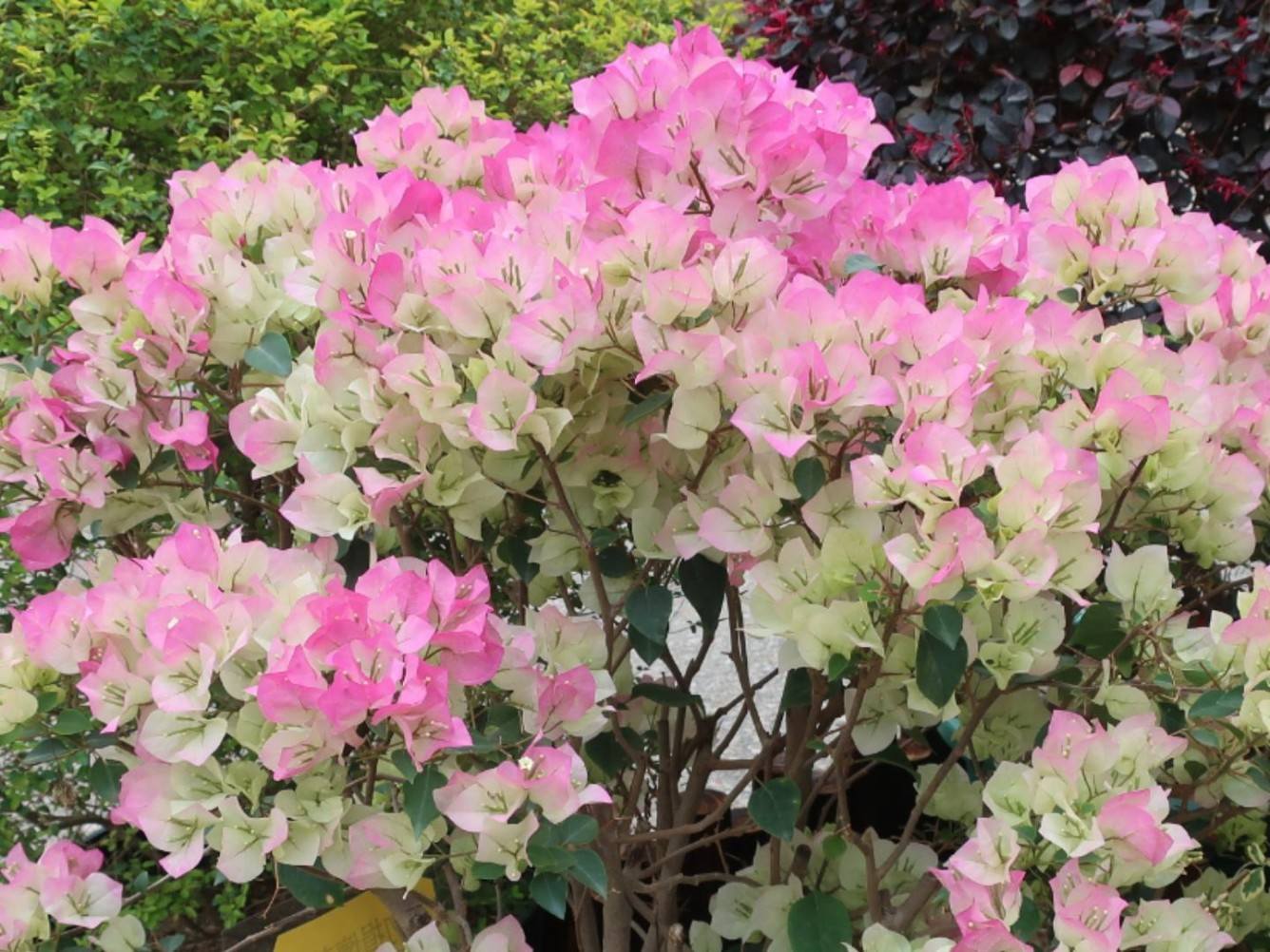
- Purple-red, pink, orange, white, etc
Plant Care Requirements
-
Care Requirements
Regularly prune branches and ensure ample sunlight
-
Care Difficulty
Low. Highly adaptable with relatively simple daily maintenance
-
Light Requirements
Prefers full sun exposure, requiring at least 6 hours of sunlight daily
-
Planting Season
Typically planted in spring or warm seasons for higher survival rates
-
Temperature Requirements
Optimal growth temperature is approximately 20–30°C (68–86°F). Not frost-tolerant
-
Soil Requirements
Prefers loose, well-draining sandy or loamy soil
-
Watering Needs
Highly drought-tolerant; keep soil slightly dry and avoid waterlogging
Advertisement
Plant Care Guide
-
Why do the leaves of Bougainvillea spectabilis turn yellow?
Imbalance in water, light, or nutrientsYellowing leaves are typically caused by an imbalance in water, light, or nutrients. Overwatering can lead to root suffocation, causing yellowing and leaf drop; insufficient light reduces photosynthetic activity, resulting in pale foliage; excessive nitrogen fertilizer may also cause excessive leaf growth and yellowing. Solutions include maintaining slightly dry soil, ensuring at least 6 hours of daily sunlight, applying balanced fertilizer, promptly removing diseased leaves, and inspecting root health.
-
Why does Bougainvillea spectabilis produce few flowers?
Insufficient light, improper pruning, or imbalanced fertilizationLow flowering may result from insufficient light, improper pruning, or imbalanced fertilization. Inadequate light inhibits flower bud formation, while dense branches block nutrient concentration. Excessive nitrogen fertilizer promotes vigorous foliage growth at the expense of flower buds. Improvements include increasing sunlight exposure, pruning overcrowded branches appropriately, controlling nitrogen fertilizer, applying moderate amounts of phosphorus and potassium fertilizers to promote bud formation, maintaining well-drained soil, and reducing disease pressure.
-
When is the best time to prune Bougainvillea spectabilis?
Prune after the flowering period or before new spring buds emerge.The optimal pruning period is after flowering concludes or before new spring buds emerge. Pruning removes dead, diseased, and overcrowded branches to maintain plant ventilation and light penetration, promoting new growth. Proper pruning also shapes the plant, prevents excessive climbing spread, stimulates flower bud differentiation, and enhances the next season's bloom quantity and visual appeal.
-
How to manage pests and diseases in Bougainvillea spectabilis?
Control with soapy water, smoke treatment, or professional insecticidesCommon pests include aphids, spider mites, and scale insects, controllable with soapy water, smoke treatment, or professional insecticides. Diseases like leaf spot and root rot require well-drained soil, good ventilation, and adequate light to prevent over-moisture. Regularly inspect plants, promptly remove diseased leaves or infected branches, and maintain a healthy growing environment. Proper fertilization and pruning also enhance disease resistance.
-
Why do Bougainvillea spectabilis branches tend to become leggy?
Caused by insufficient light or excessive nitrogen fertilizerLeggy growth is primarily caused by insufficient light or excessive nitrogen fertilizer. The plant prioritizes leaf and stem growth over flowering, resulting in thin, weak branches. Solutions include increasing sunlight exposure, reducing nitrogen fertilizer application, applying moderate amounts of phosphorus and potassium fertilizers to promote flower bud differentiation, and regularly pruning excessively long branches. This concentrates nutrients for flower bud development, thereby controlling plant shape, increasing flower quantity, and enhancing ornamental appeal.
Advertisement
Frequently Asked Questions
-
1 Why do the flower buds of Bougainvillea spectabilis easily fall off?
Flower bud drop is primarily caused by uneven watering and fertilization, insufficient sunlight, or drastic temperature fluctuations. Both overwatering and underwatering can impair bud development, while low temperatures or large nighttime temperature swings may also trigger drop. Improvement methods include maintaining slightly dry soil, balanced fertilization, ensuring ample sunlight, and avoiding sudden movement or strong wind exposure to stabilize buds and facilitate smooth blooming.
-
2 How can the blooming period of Bougainvillea spectabilis be extended?
To prolong flowering, ensure ample sunlight and perform moderate pruning to remove spent blooms and old branches, reducing nutrient consumption. Apply balanced fertilizer, especially high-potassium varieties, to enhance flower bud differentiation. Water to keep soil slightly dry, avoiding waterlogging. Regularly inspect plant health, control pests and diseases, minimize stress, and ensure continuous blooming with vibrant bract colors.
-
3 Is Bougainvillea spectabilis better suited for container or ground planting?
Both are viable, but container planting is preferable in temperate or colder regions, allowing seasonal relocation or winter protection. Select deep, large containers to ensure drainage and root space. Ground planting suits warm, sun-drenched gardens where it can rapidly climb trellises or walls. Container-grown plants offer easier water and fertilizer management, while ground-planted specimens facilitate faster expansion and large floral displays.
-
4 Can Bougainvillea spectabilis be propagated by cuttings?
Yes. Semi-woody cuttings taken in summer or early autumn root most successfully. Cut 10–15 cm (4–6 inches) sections, remove lower leaves, and insert into loose, well-draining potting mix. Keep slightly moist and maintain suitable temperatures. Roots typically form in 3–4 weeks; gradually acclimate cuttings to sunlight afterward. Propagation by cuttings rapidly increases plant numbers while preserving original flower color characteristics.
-
5 How can I maintain long-term healthy flowering in Bougainvillea spectabilis?
Consistent full sunlight, proper watering, regular pruning, and scientific fertilization are key. Control nitrogen fertilizer levels while increasing phosphorus and potassium fertilizers to promote flower bud formation. Maintain loose, well-draining soil and prevent pests and diseases. Provide appropriate support and ventilation space in container or ground planting environments. Long-term monitoring of plant growth and timely adjustments to care strategies enable sustained healthy blooming year after year.
-
6 Can Bougainvillea spectabilis recover after losing all its leaves?
If leaves fall but the root system remains healthy, the plant can still recover. Maintain a warm environment with ample sunlight, keep the soil slightly dry, and apply appropriate fertilizer to stimulate new bud development. Regularly prune diseased or weak branches, prevent pests and diseases, and provide support to encourage lateral branch growth. Typically during spring or warm seasons, the plant will regrow leaves and bloom under suitable conditions.
Advertisement
Introduction
Bougainvillea spectabilis is an evergreen or semi-evergreen climbing shrub native to South America, widely popular for its vibrant bracts. Common colors include purple-red, pink, orange, and white, offering exceptional ornamental appeal. The plant thrives in warm climates with ample sunlight and well-drained soil, exhibiting strong drought tolerance. It is well-suited for landscaping in gardens, creating flower walls and trellises, and as a potted ornamental. It is particularly common in tropical and subtropical regions.
Popular Plant Encyclopedia
-
-
Poisonous and danger
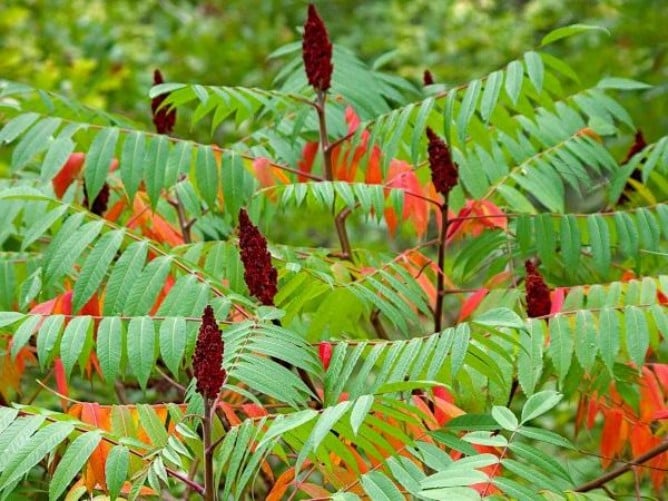
- Rhus typhina
-
-
-
Edible and medicinal
- Common sunflower
-
-
-
Poisonous and danger
- Plumeria rubra
-
-
-
Wild and common weed
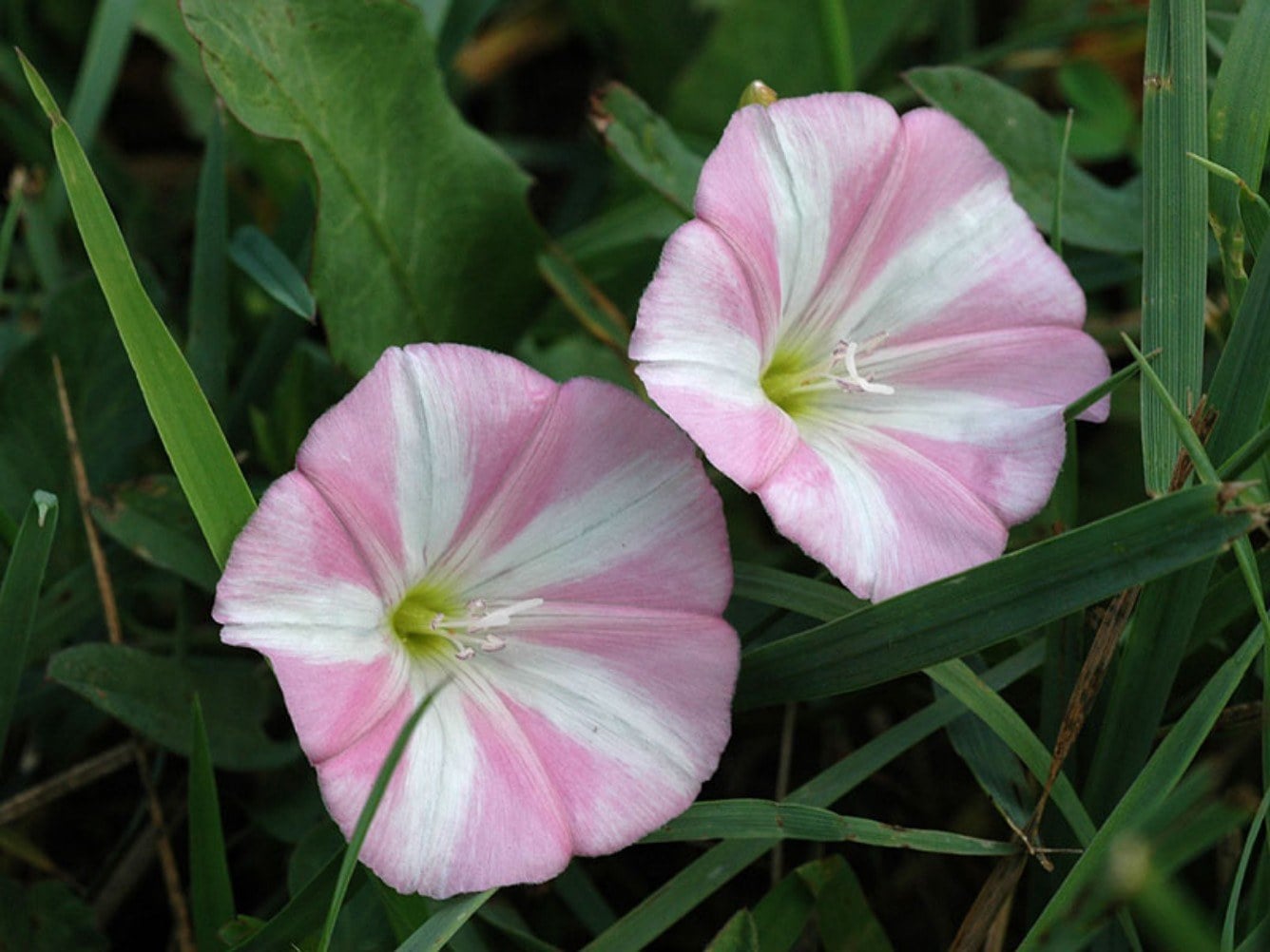
- Convolvulus arvensis
-
-
-
Edible and medicinal
- Perilla frutescens
-
-
-
Edible and medicinal
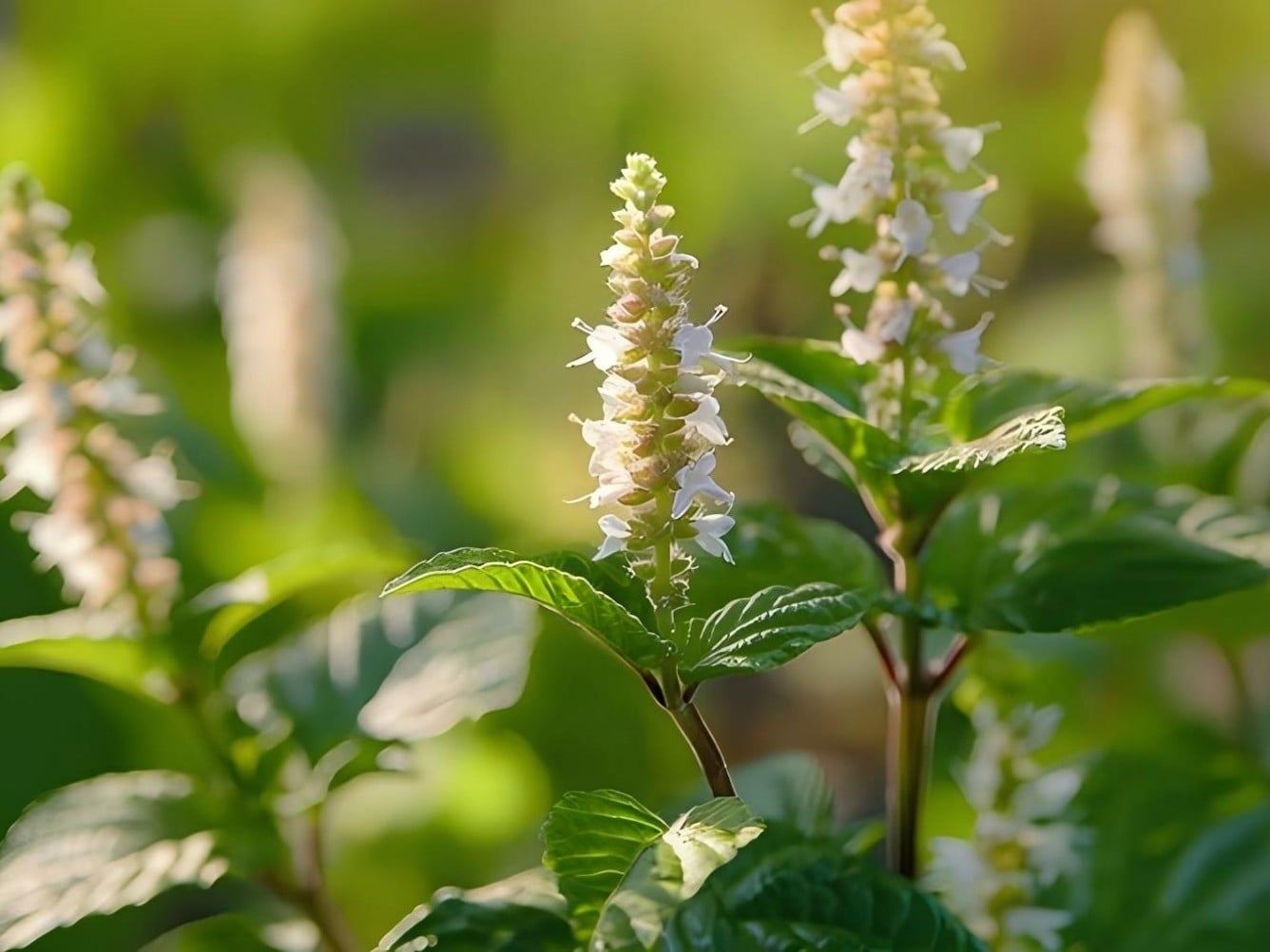
- Pogostemon cablin
-
-
-
Edible and medicinal
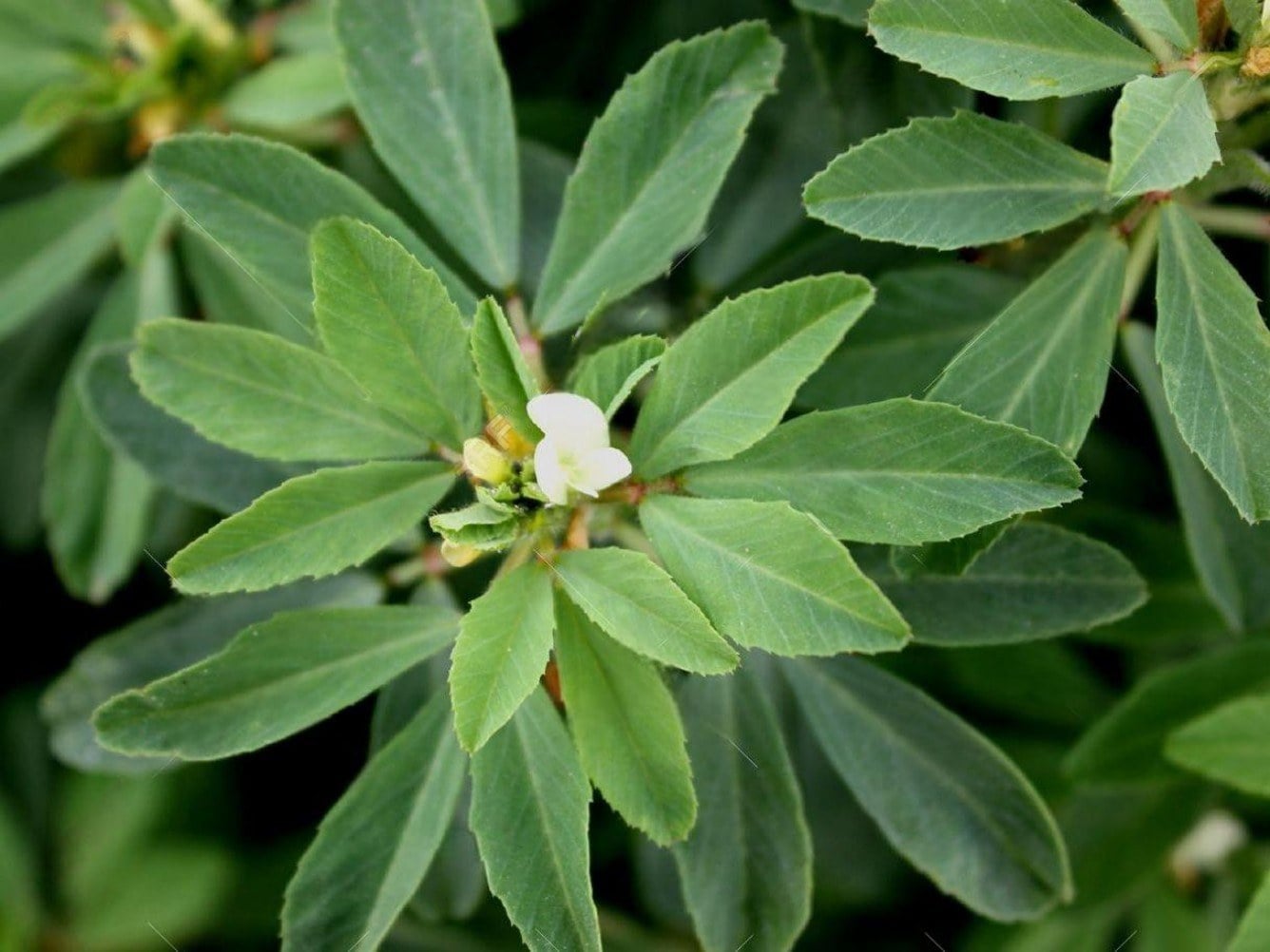
- Common fenugreek
-
-
-
Edible and medicinal
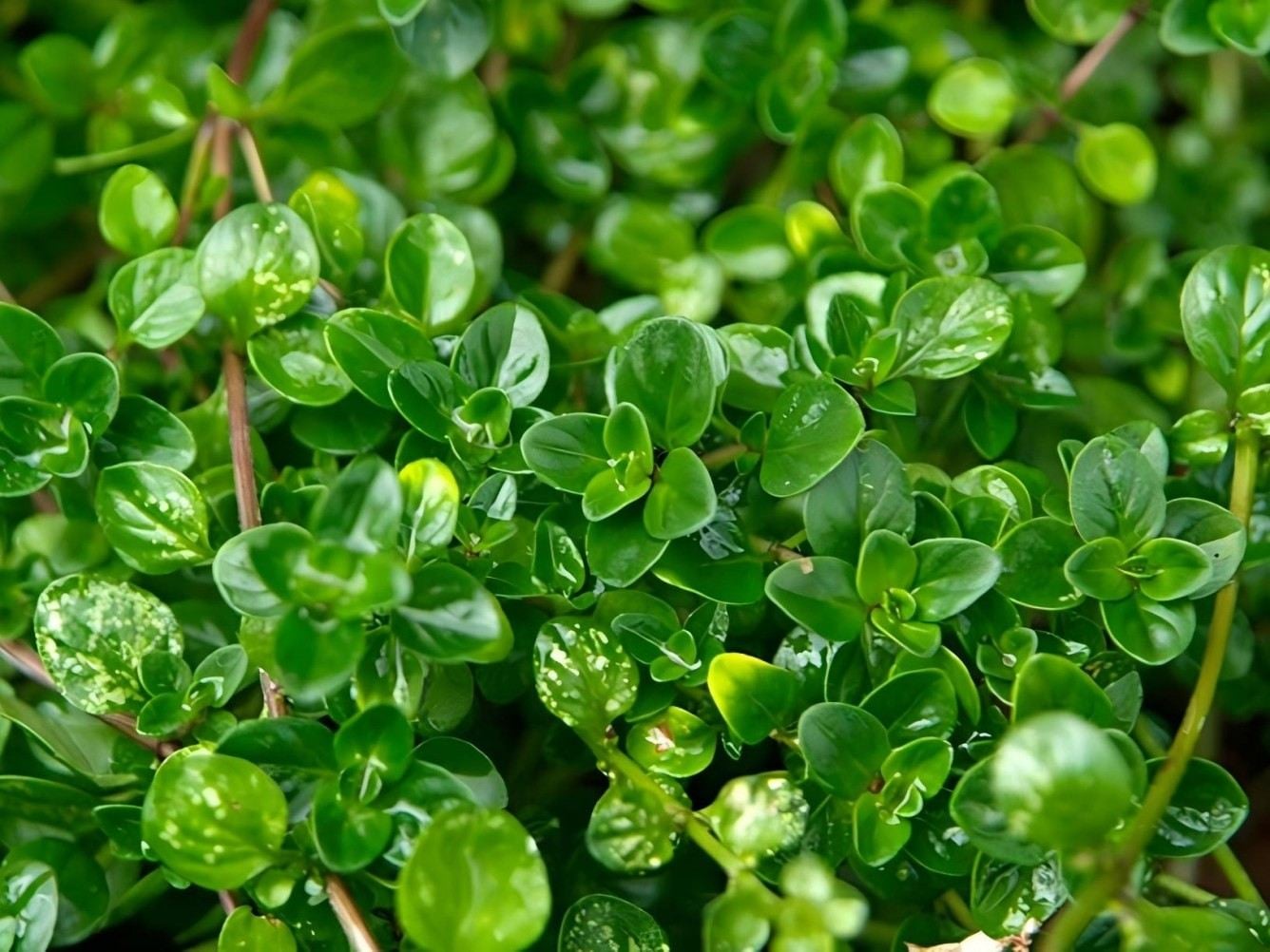
- Garden Thyme
-
 Poisonous and danger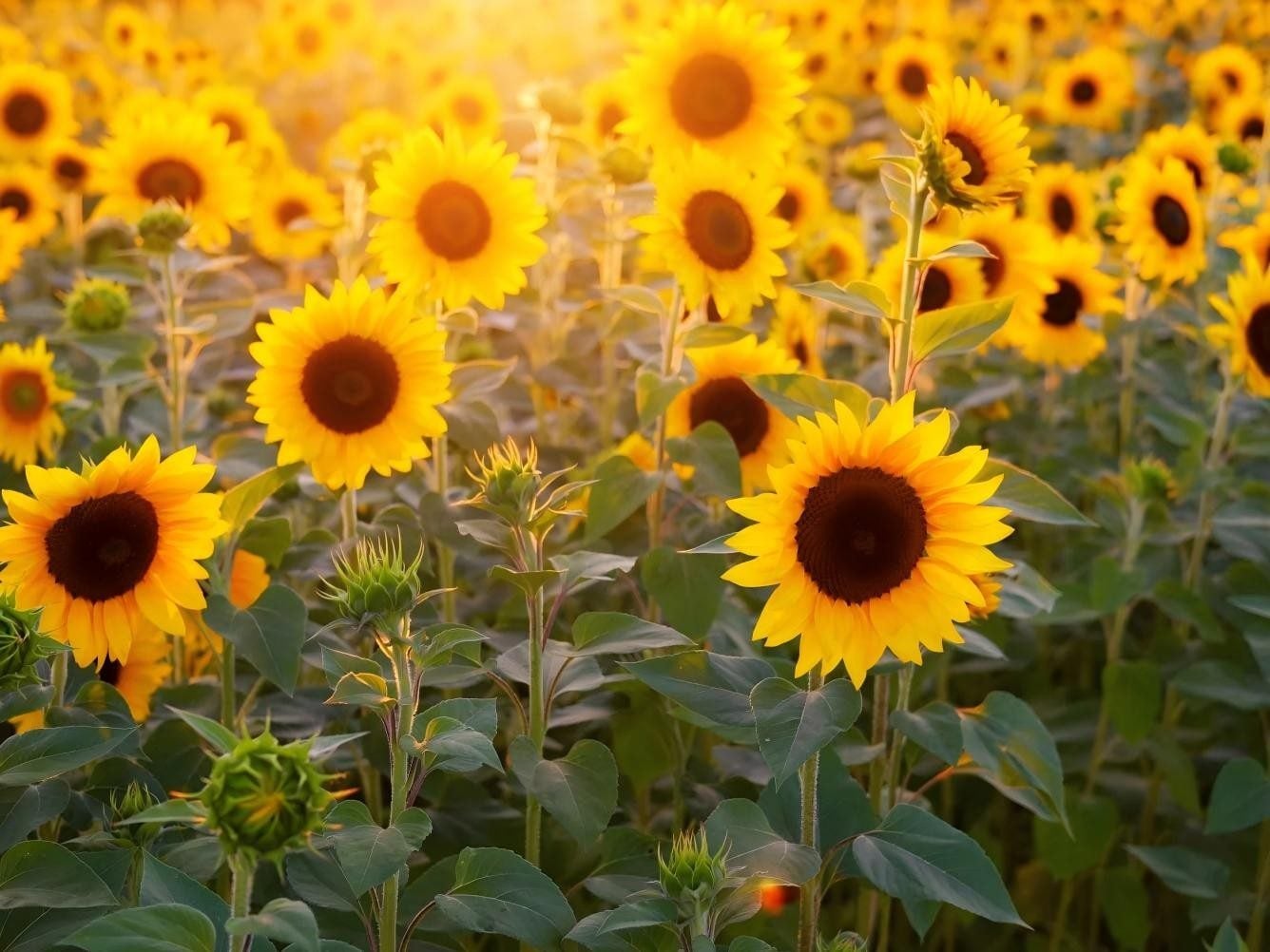
 Edible and medicinal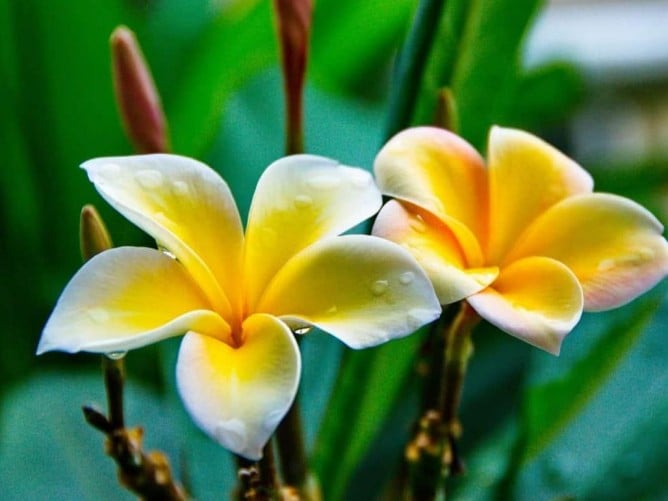
 Wild and common weed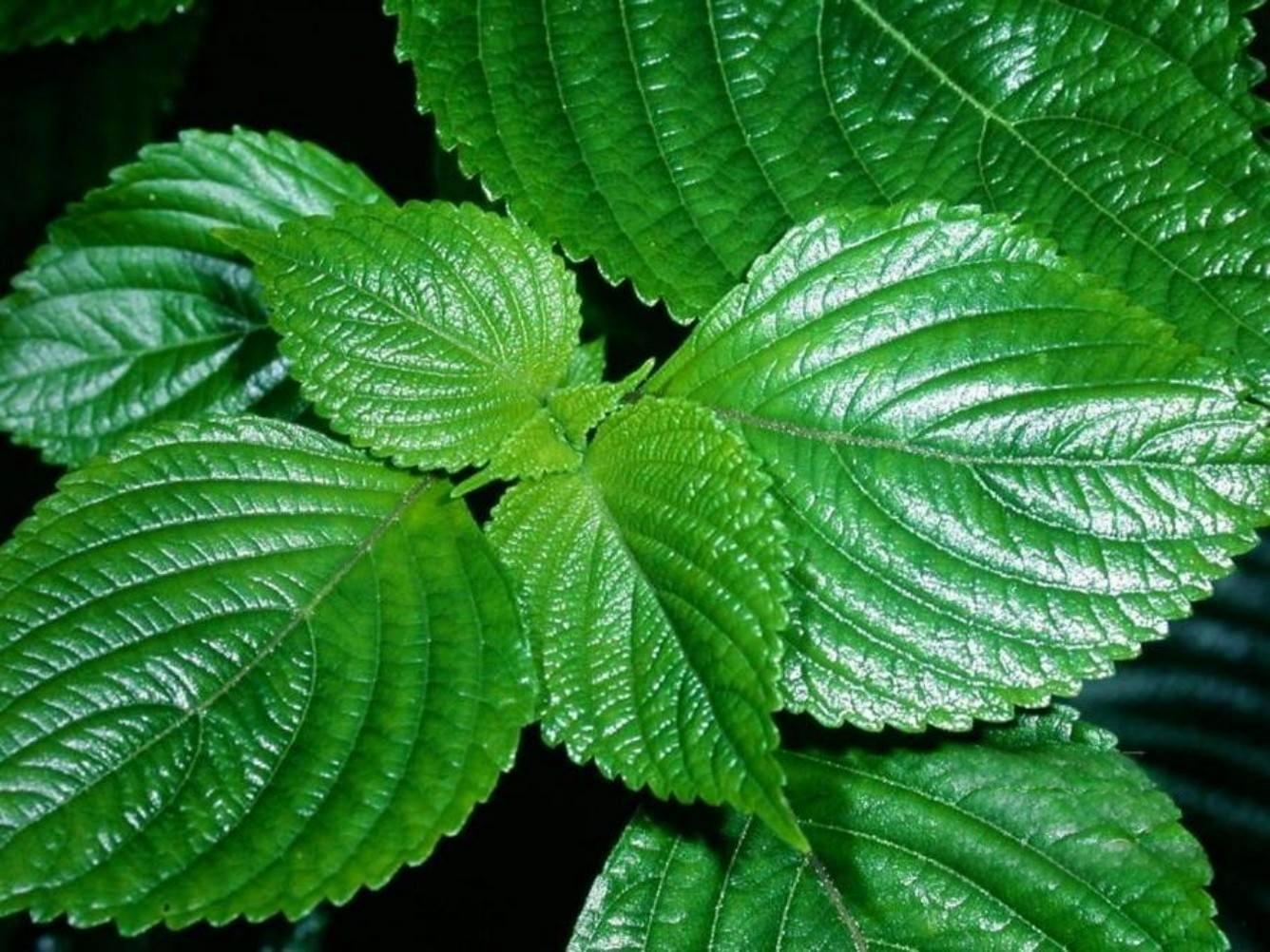
Advertisement