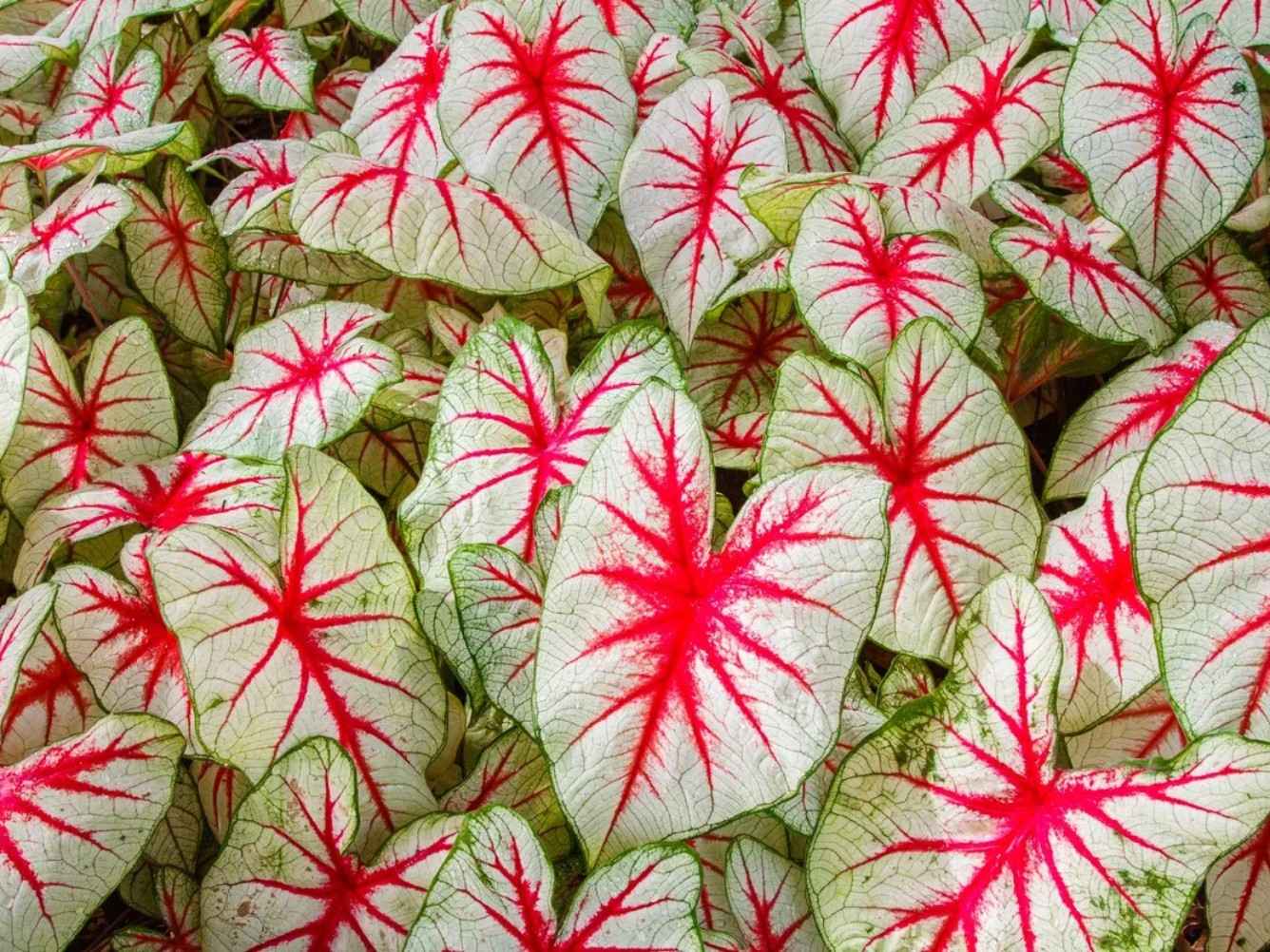
Caladium bicolor
-
 Poisonous and danger
 - Also known as:Heart of Jesus or Angel Wings
 Poisonous and danger
Nursing Skills
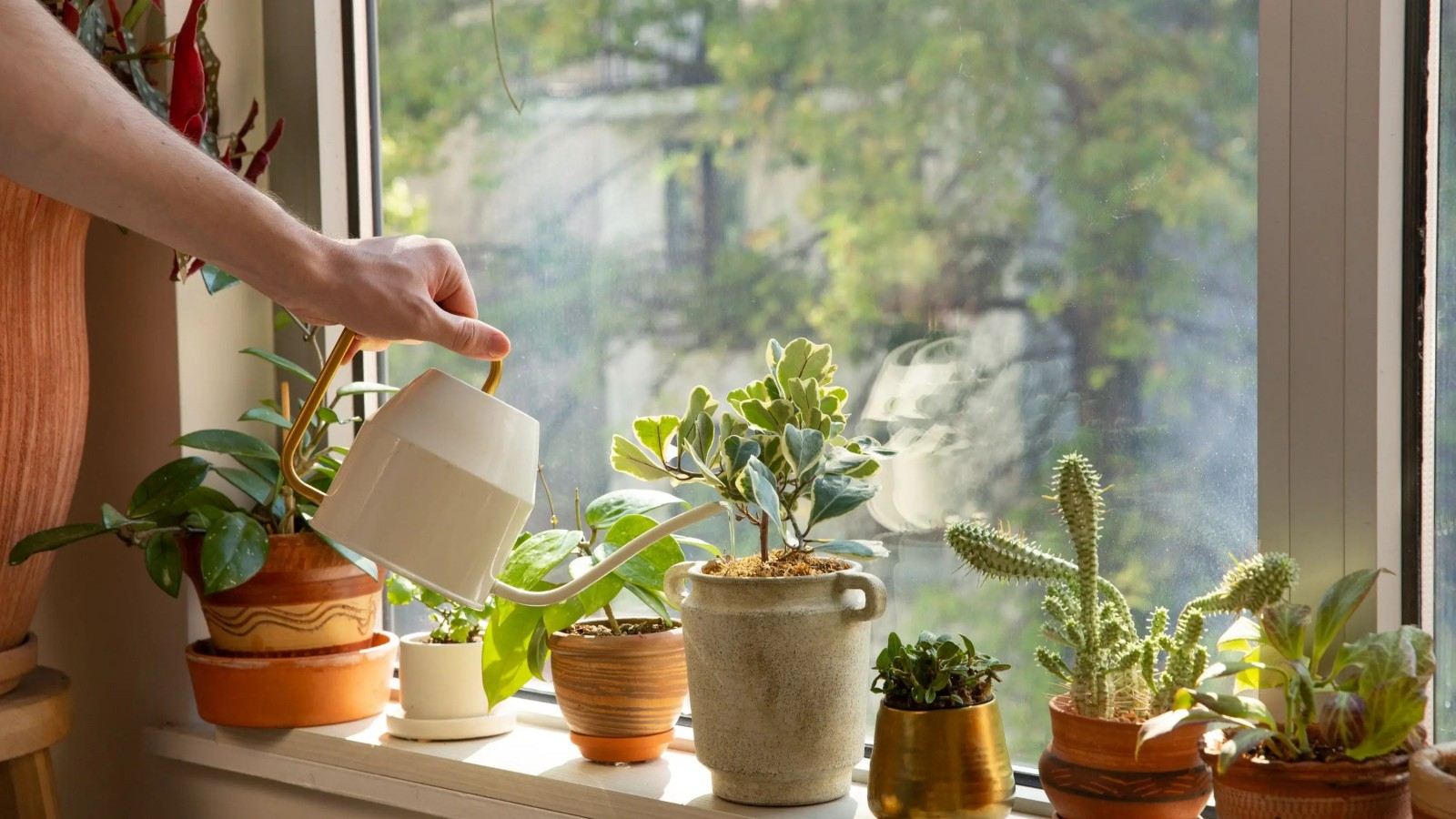
Caladium bicolor thrives in warm, humid conditions. Plant in well-drained soil and water regularly to keep the soil moist. Watering should be reduced during cooler seasons as the plant may go dormant. Fertilize monthly with a balanced fertilizer during the growing season. If grown outdoors, it is recommended to bring it indoors during the colder months as it is not frost tolerant.
Advertisement
Plant Properties
-
- Toxicity
- Toxic
-
- Growth cycle
- Perennial
-
- Flowering period
- Spring to summer
-
- Plant height
- 30-60 cm
-
- Leaf color
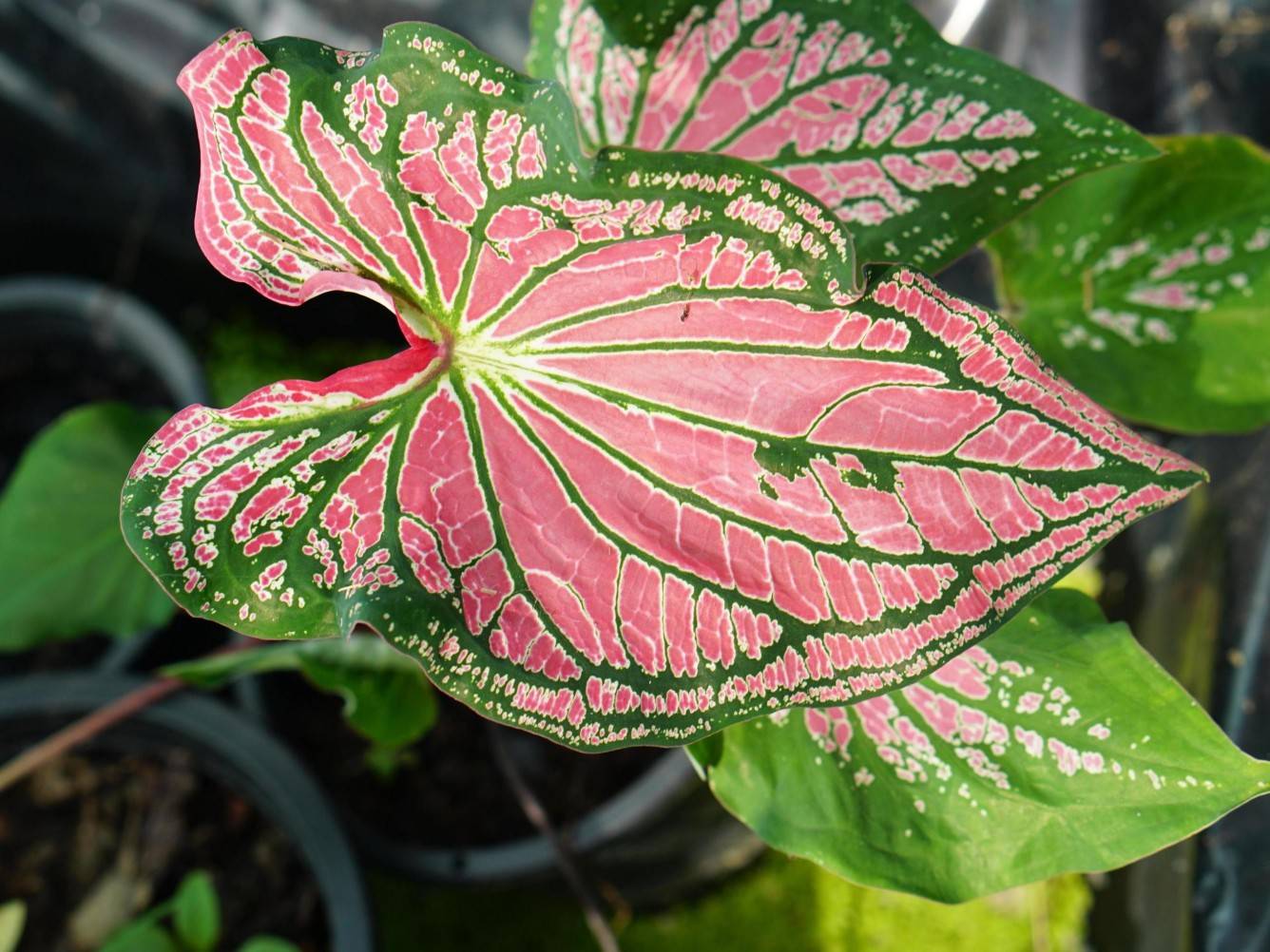
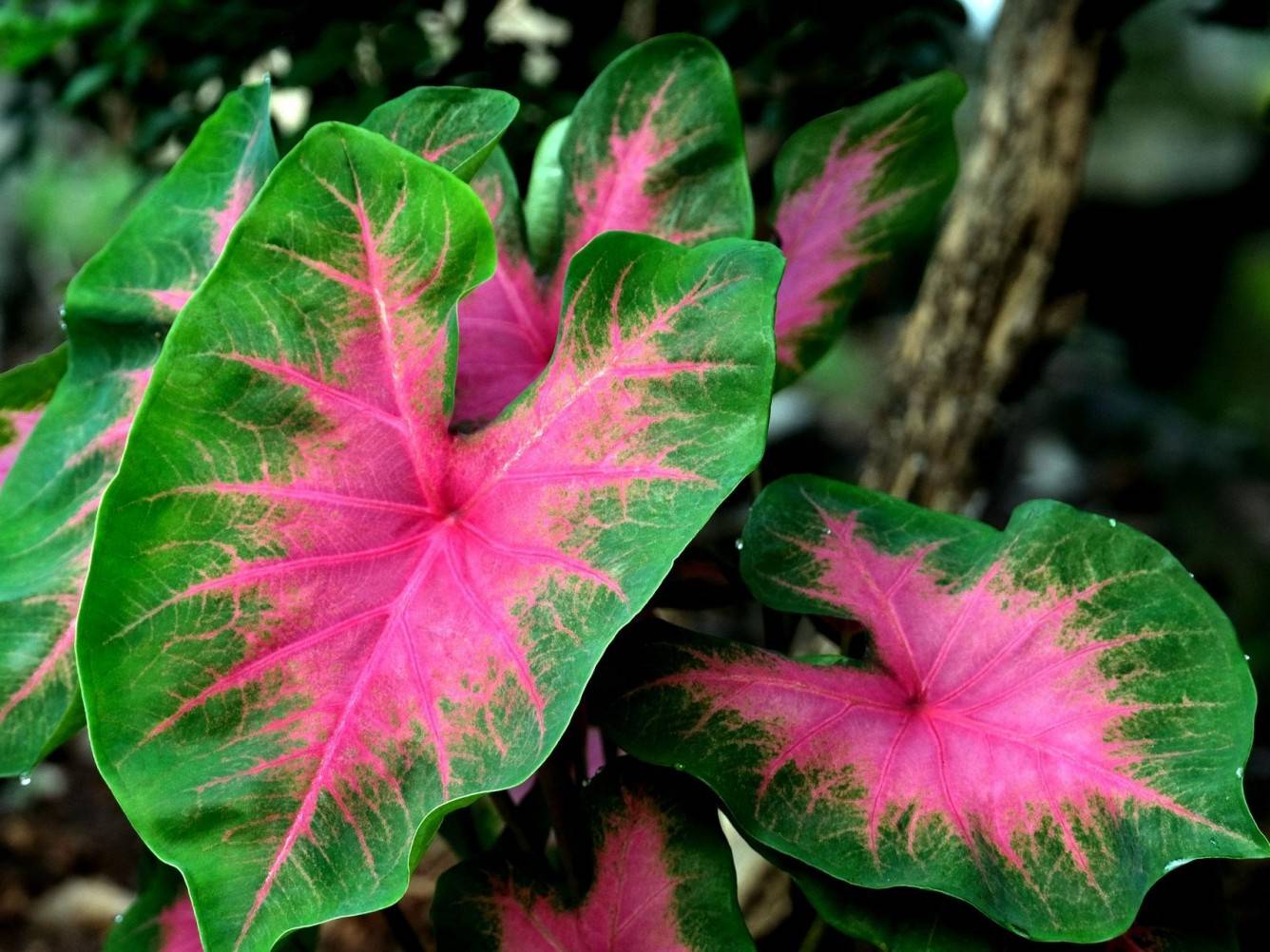
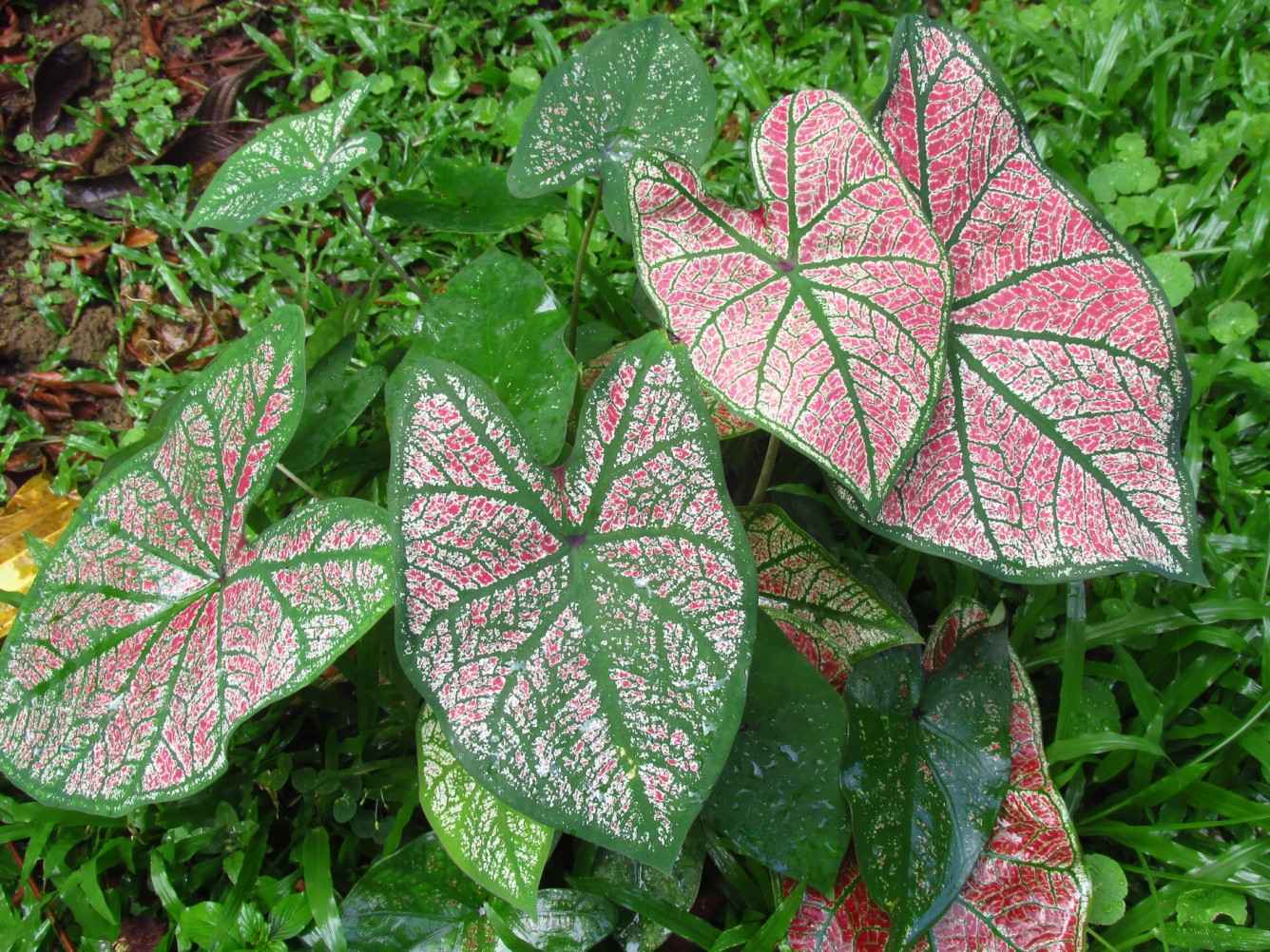
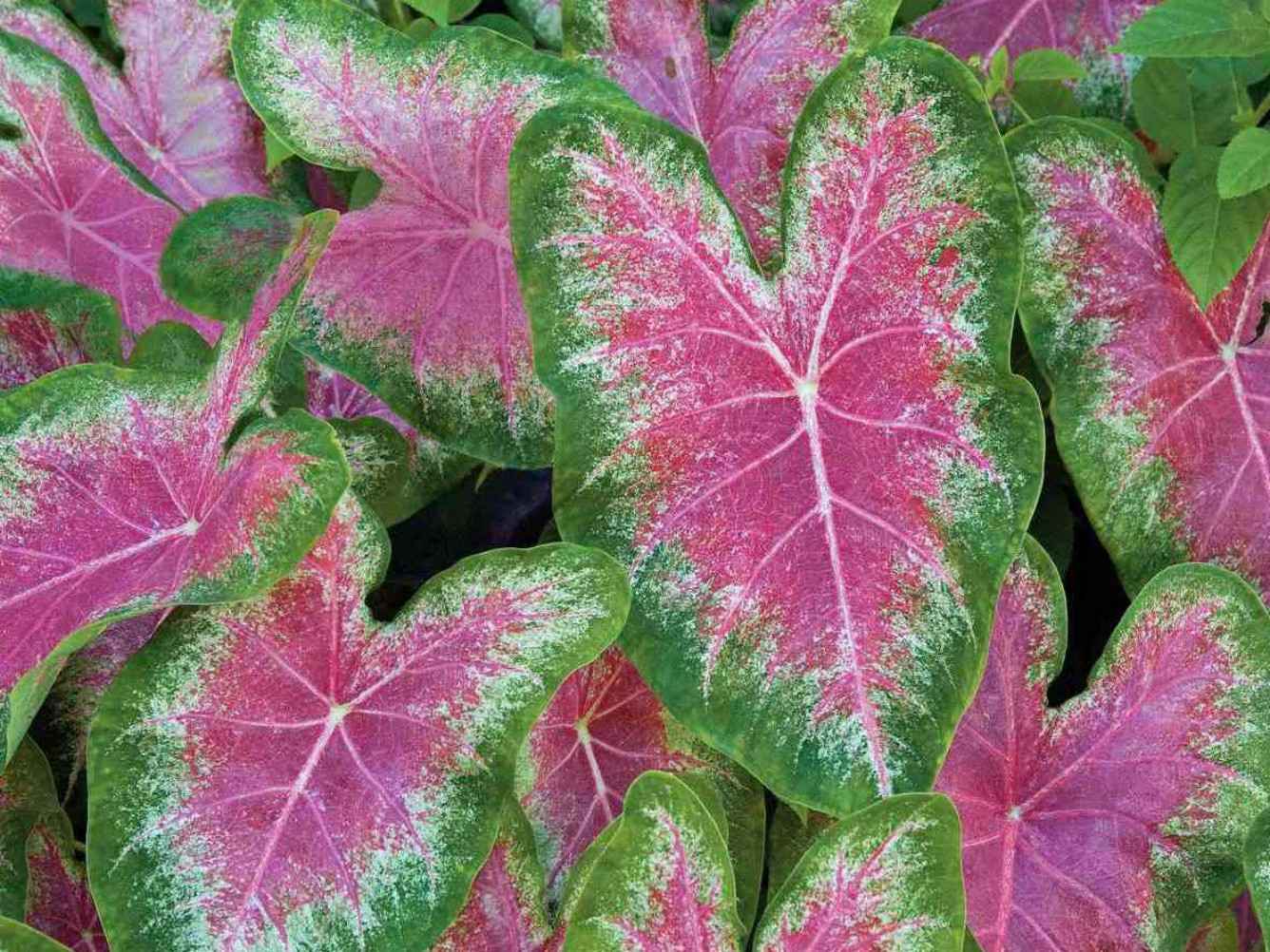
- White, pink, red, green, etc. on the front, with spots
-
- Leaf type
- Basal leaves, shield-shaped, arrow-shaped or heart-shaped
-
- Growing season
- Spring to autumn
Plant Care Requirements
-
Care difficulty
medium
-
Planting time
spring
-
Light requirements
bright diffuse light, avoid direct sunligh
-
Humidity requirements
high humidity
-
Soil requirements
loose, fertile, well-drained
-
Fertilizer requirements
monthly fertilization during the growing season
-
Ideal temperature
20-30℃
Advertisement
Plant Care Guide
-
How often should I water Caladium bicolor?
Regularly, allow the soil to dryWater Caladium bicolor regularly, ensuring the soil remains consistently moist but not waterlogged. Before each watering, check the top inch of soil. If it's dry, water the plant. Overwatering can cause root rot, so be cautious. In winter or during dormancy, reduce watering frequency.
-
What is the ideal temperature?
20-30℃Caladium thrives in temperatures between 20-30 degrees Celsius. It is not frost tolerant, so move the plant indoors if temperatures drop below 15 degrees Celsius. Consistent warmth is key to its growth, especially during the growing season.
-
What type of soil is best?
Well-draining, rich soilCaladium bicolor prefers well-draining, rich soil that retains moisture. A mix of peat moss, perlite or sand, and compost provides an ideal environment for growth. Ensure the pot or planting area has good drainage to prevent waterlogging.
-
How much sunlight does it need?
Shaded to partially shadedCaladium bicolor prefers shaded to partially shaded areas. While it needs light to grow, direct sunlight can scorch its leaves. If grown indoors, keep it near a window with filtered light for optimal growth.
-
How to fertilize?
Balanced fertilizerFertilize every 2-4 weeks during the growing season using a balanced, water-soluble fertilizer. This provides essential nutrients for vibrant, healthy growth. Reduce feeding in fall and winter when the plant's growth slows down.
-
When to repot?
Every 2-3 yearsRepot Caladium bicolor every 2-3 years, or when the plant becomes root-bound. The best time to repot is in spring. Choose a pot one or two sizes larger than the current one to allow room for growth.
Advertisement
Frequently Asked Questions
-
1 Why are the leaves on my Caladium bicolor turning yellow?
Yellowing leaves on a Caladium bicolor can indicate a few issues. Overwatering is a common cause, leading to waterlogged soil and root rot. Conversely, underwatering can also lead to yellow leaves as the plant dries out. Check your watering routine and adjust as needed. Additionally, too much direct sunlight can scorch the leaves, causing them to yellow and wilt.
-
2 Can Caladium bicolor survive winter?
Coleus is frost-resistant and prefers warmer climates. In areas with colder winters, the plant will often go dormant and drop its leaves until spring. If you live in an area where temperatures drop below 15 degrees Celsius, it is best to move the plant indoors for the winter.
-
3 Why is my Caladium bicolor not producing new leaves?
Caladium bicolor might not produce new leaves for a few reasons. It could be entering its dormant phase, which is common in cooler months. Alternatively, it might not be receiving enough light or humidity, both of which are critical for growth. Lastly, consider whether you're feeding it enough. A lack of nutrients can stunt growth.
-
4 Is Caladium bicolor a good indoor plant?
Yes, Caladium bicolor makes an excellent indoor plant due to its preference for indirect light and ability to thrive in typical indoor temperatures. Its bright, heart-shaped leaves add a pop of color and tropical flair to any indoor space. Just remember to provide it with ample humidity, either through a humidifier, a pebble tray with water, or regular misting.
-
5 Are Caladium bicolor plants toxic?
Yes, Caladium bicolor plants are toxic if ingested and can cause skin irritation upon contact. The plant contains calcium oxalate crystals which can cause discomfort and potential health issues in pets and humans. It's recommended to keep this plant out of reach of children and pets, and to handle it with care.
Advertisement
Introduction
Caladium bicolor is a tropical perennial plant known for its stunning, large, heart-shaped leaves with striking color combinations. The foliage often features mixes of green, white, pink, and red, creating a dramatic visual effect. Native to South America, it thrives in warm, humid conditions with indirect light, making it an excellent choice for indoor gardening or shaded outdoor areas. It requires well-draining soil and regular watering to keep the soil moist, but not waterlogged. During cooler months, the plant may go dormant, but will return with the warmth of spring.
Popular Plant Encyclopedia
-
-
Poisonous and danger
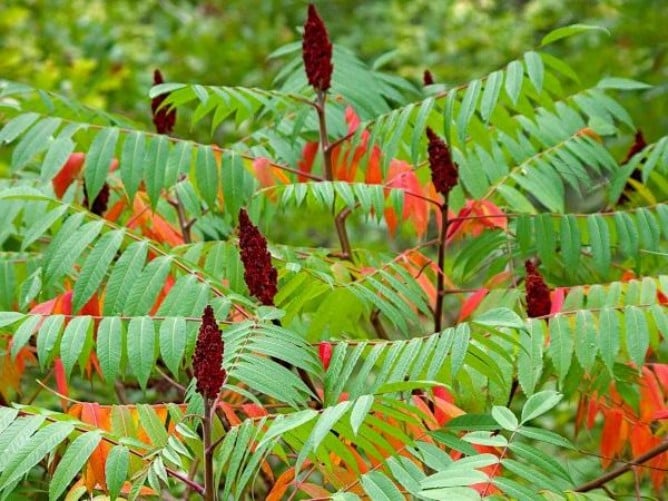
- Rhus typhina
-
-
-
Edible and medicinal
- Common sunflower
-
-
-
Poisonous and danger
- Plumeria rubra
-
-
-
Wild and common weed
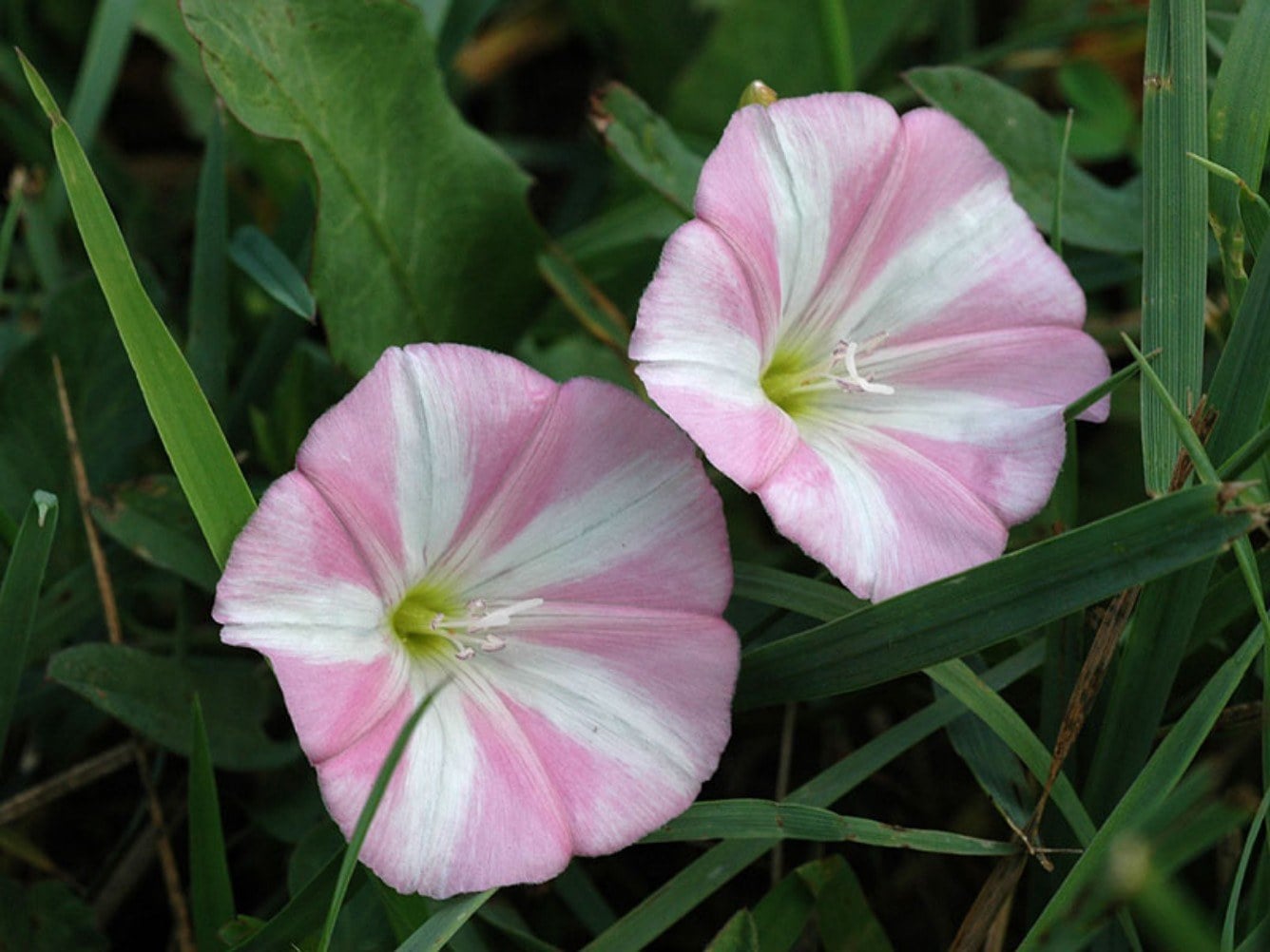
- Convolvulus arvensis
-
-
-
Edible and medicinal
- Perilla frutescens
-
-
-
Edible and medicinal
- Pogostemon cablin
-
-
-
Edible and medicinal
- Common fenugreek
-
-
-
Edible and medicinal
- Garden Thyme
-

 Edible and medicinal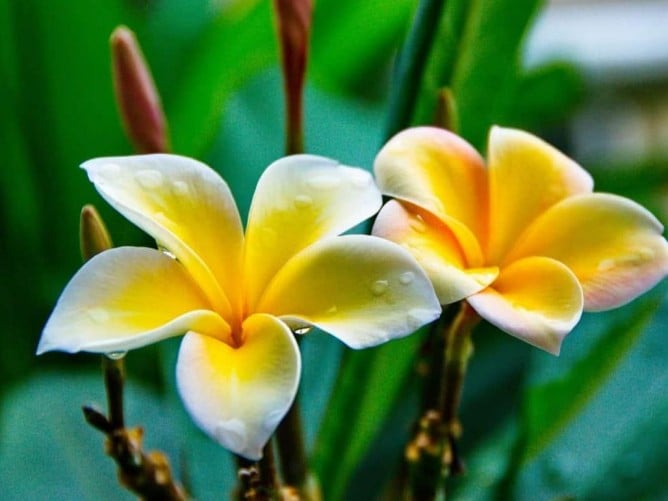
 Wild and common weed
Advertisement