Camellia
-
 Ornamental and lands
 - Also known as:Spring Camellia, Camellia sasanqua
 Ornamental and lands
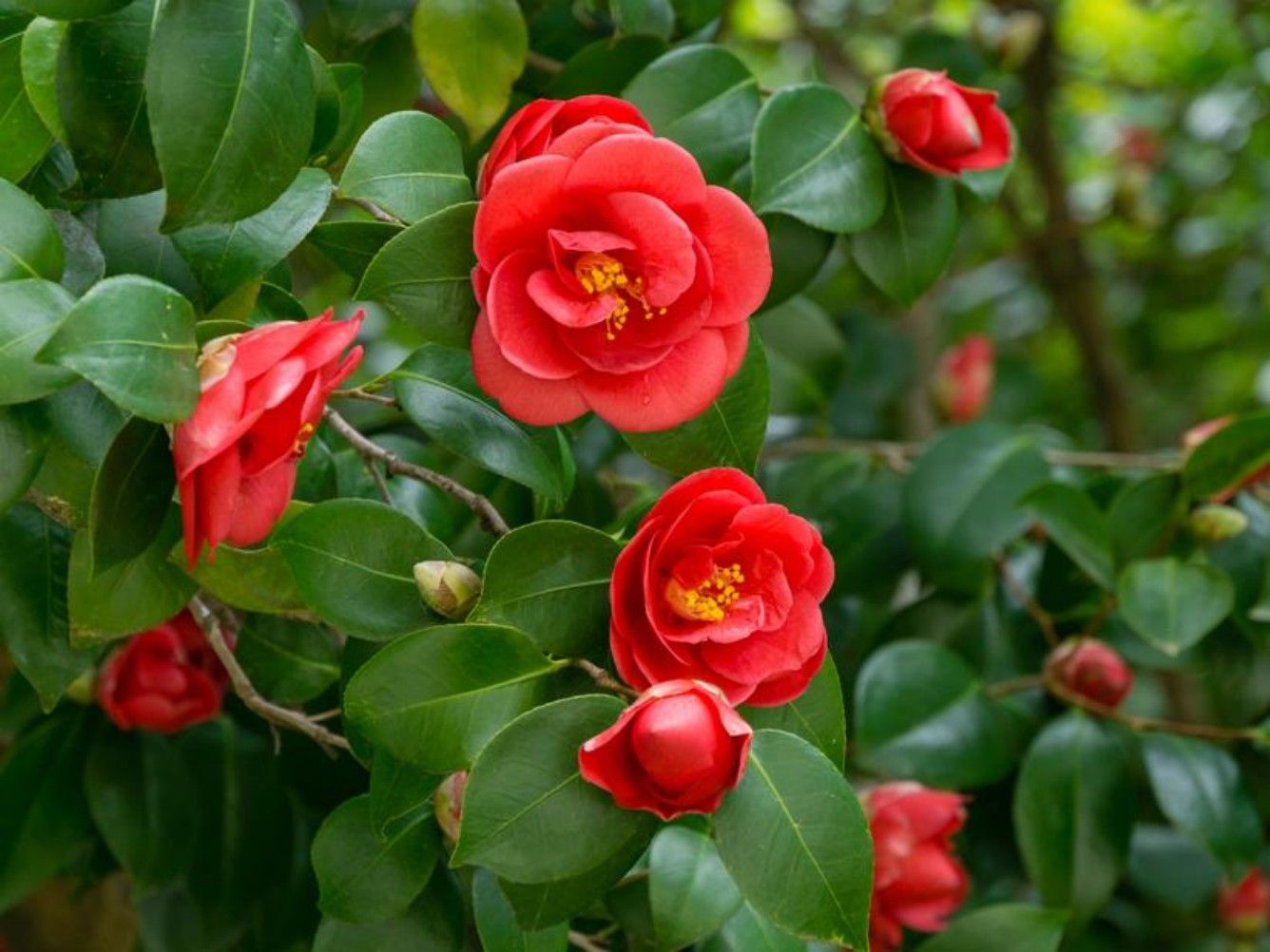
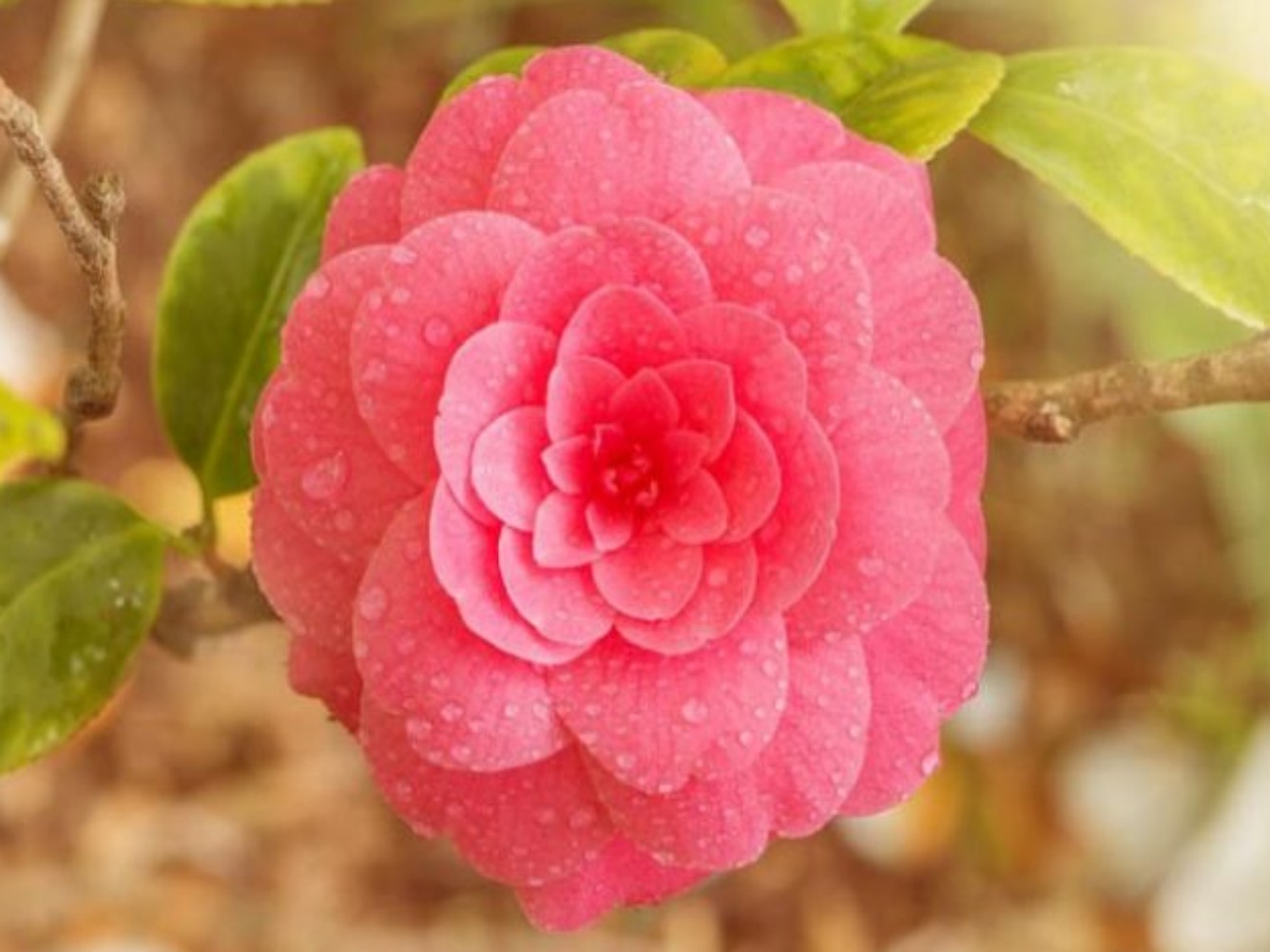
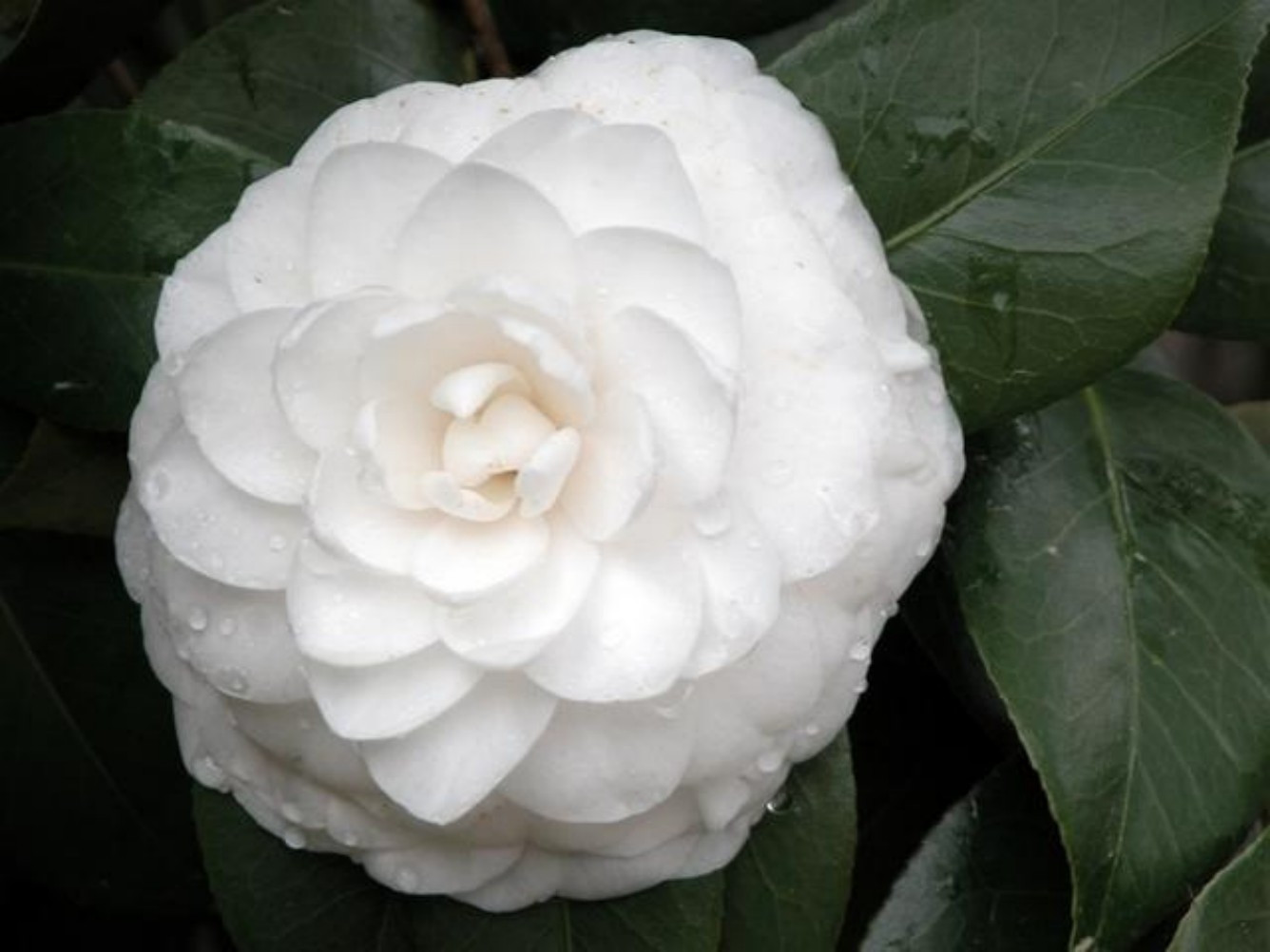
Nursing Skills
Camellia care involves providing proper light, humidity, and temperature. Keep the soil moist, avoiding water accumulation. Use acid fertilizers in spring and autumn to promote growth and flowering. Prune weak branches and dead flowers for shape and ventilation. Maintain a warm environment (15–25℃) and check for pests red spiders and aphids regularly to ensure healthy growth.
Advertisement
Plant Properties
-
- Plant type
- evergreen shrub
-
- Flowering period
- November to March
-
- Suitable temperature
- 15-25℃
-
- Toxicity
- Non-toxic plants
-
- Soil requirements
- acidic, well-drained loam
-
- Growth speed
- Medium and slow
Plant Care Requirements
-
illumination
Avoid direct sunlight
-
Watering
Prevent water accumulation
-
Planting Time
Spring (March-April), Fall (September-December)
-
Fertilization
Apply thin fertilizer frequently
-
humidity
air humidity 60%-70%, buds fall easily in dry conditions
-
prune
leave 1-2 buds per branch to avoid nutrient dispersion
Advertisement
Plant Care Guide
-
How to water correctly?
Keep the soil constantly moistIt is essential to keep the soil consistently moist, but not overly wet, as excess moisture can lead to root rot or other fungal diseases. Regularly check the soil's moisture level, ensuring that it is damp to the touch but not waterlogged. To achieve this, water the plant thoroughly but allow any excess water to drain away freely. It’s also crucial to ensure that the pot or planting area has good drainage to prevent water accumulation at the bottom. Using well-draining soil or adding materials like sand or perlite can help improve drainage. Always avoid letting the plant sit in stagnant water, as this can suffocate the roots and encourage harmful pathogens to thrive.
-
Do camellia need to be fertilized?
Acidic fertilizerIn spring and autumn, it’s beneficial to use acid fertilizers to maintain an optimal pH balance in the soil. Acidic fertilizers help promote healthy root development, encourage vibrant flowering, and prevent nutrient deficiencies. They are especially useful for plants that thrive in slightly acidic conditions, ensuring robust growth during these seasons.
-
When to prune camellia?
Prune dead, damaged or faded flowersAfter the flowers have bloomed, it’s important to prune the remaining branches to promote healthy growth for the next season. Remove dead, damaged, or spent flowers to prevent energy loss and encourage the plant to focus on root development. Pruning also helps maintain the plant’s shape and prevents overcrowding.
-
What are the possible reasons why camellia flowers fall off before they bloom?
pests and diseasesIt may be due to insufficient nutrition (lack of phosphorus and potassium), sudden temperature changes (>10℃ fluctuations), excessive watering, or pests and diseases (such as aphids sucking flower buds). A comprehensive inspection of the environment and maintenance conditions is required.
-
Is a ventilated environment required?
ventilationGood ventilation is crucial for plant health, as it helps reduce humidity around the foliage and allows air to circulate freely. Proper airflow prevents the buildup of moisture, which can promote fungal growth and diseases. Ensuring adequate ventilation around plants helps maintain a dry environment, reducing the risk of infections.
-
How often do potted plants need to be repotted?
2 to 3 yearsRepotting every 2 to 3 years helps ensure the plant has enough space for root growth and prevents overcrowding. Over time, the soil in the pot can become compacted, affecting drainage and nutrient uptake. Repotting refreshes the soil, provides new nutrients, and supports overall plant health and vigor.
Advertisement
Frequently Asked Questions
-
1 Why do camellia buds often fall?
It may be caused by improper watering or excessive exposure to light. To address this, it's recommended to maintain the appropriate humidity level around the plant and avoid placing it in direct, harsh sunlight. Adjusting the watering schedule to ensure the soil remains evenly moist without becoming waterlogged can also help prevent further damage.
-
2 What is the reason for the yellowing of leaves?
This issue is mostly caused by alkaline soil or excessive fertilization. To resolve this, it's recommended to switch to slightly acidic or neutral soil, as this helps promote healthier growth. Additionally, reducing the frequency and amount of fertilizer applied can prevent nutrient imbalances. Be sure to choose a balanced fertilizer with the right nutrient ratio to avoid overfeeding the plant, which could lead to root burn or other growth issues.
-
3 What should I do if the camellia does not bloom?
The issue may arise from insufficient light or improper fertilization. If the plant isn't receiving enough light, it can lead to poor growth and weak flowering. It's essential to ensure that the plant gets at least 6 hours of indirect or scattered sunlight each day, as direct sunlight might cause damage or scorching. In addition, improper fertilization, especially a lack of essential nutrients like phosphorus and potassium, can hinder healthy development. To correct this, it's recommended to increase the application of fertilizers rich in phosphorus and potassium, as these nutrients support flower and root development. A balanced fertilizer that promotes overall plant health should be used, ensuring that both the light and nutrient conditions are optimized for robust growth.
Advertisement
Introduction
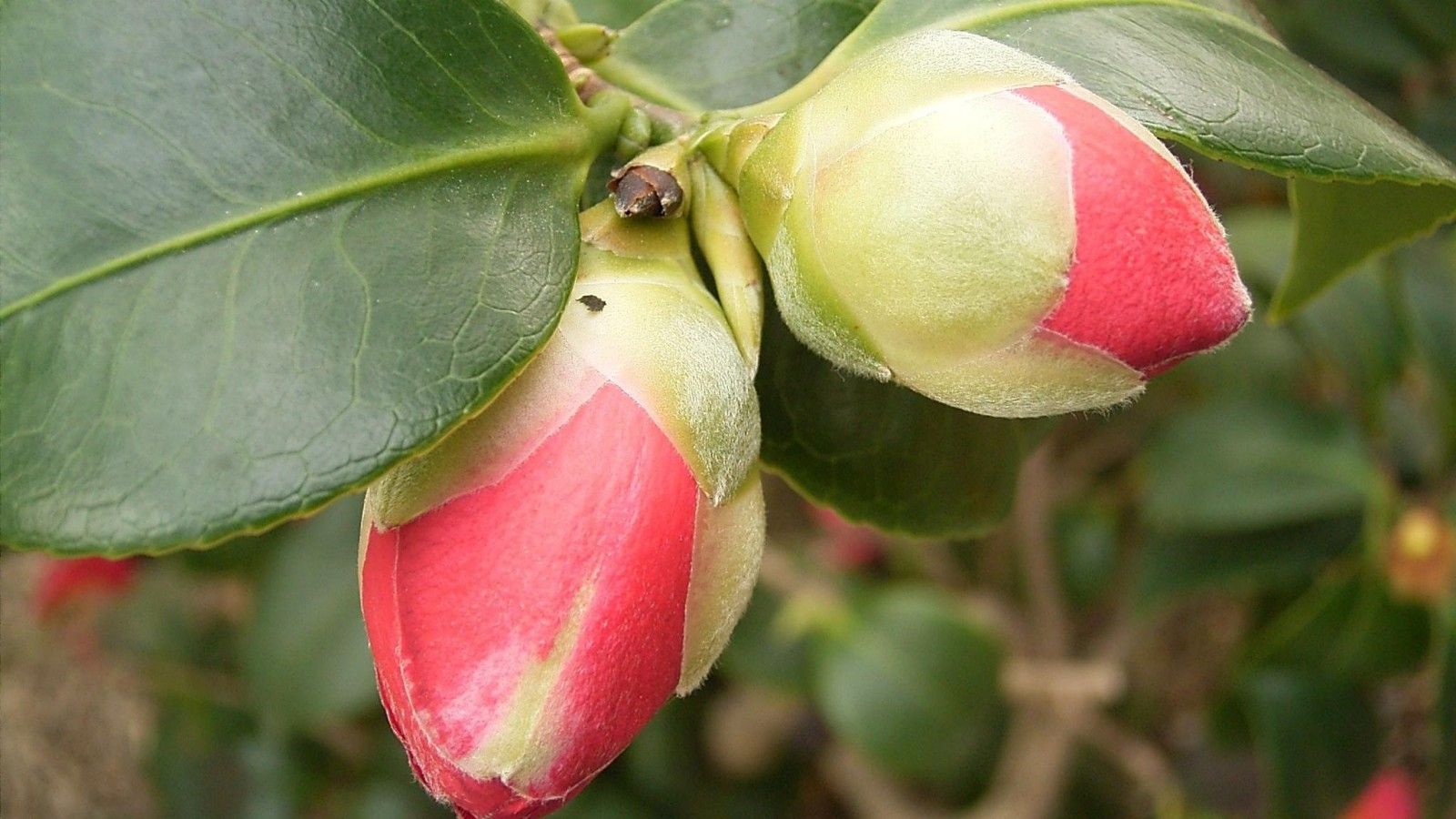
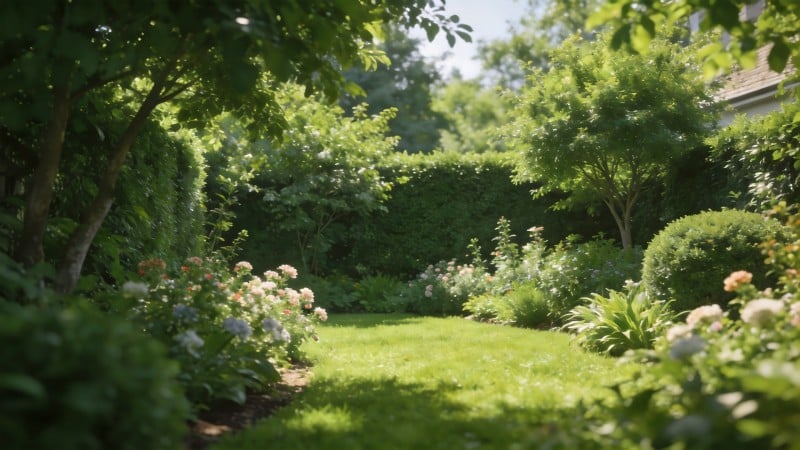
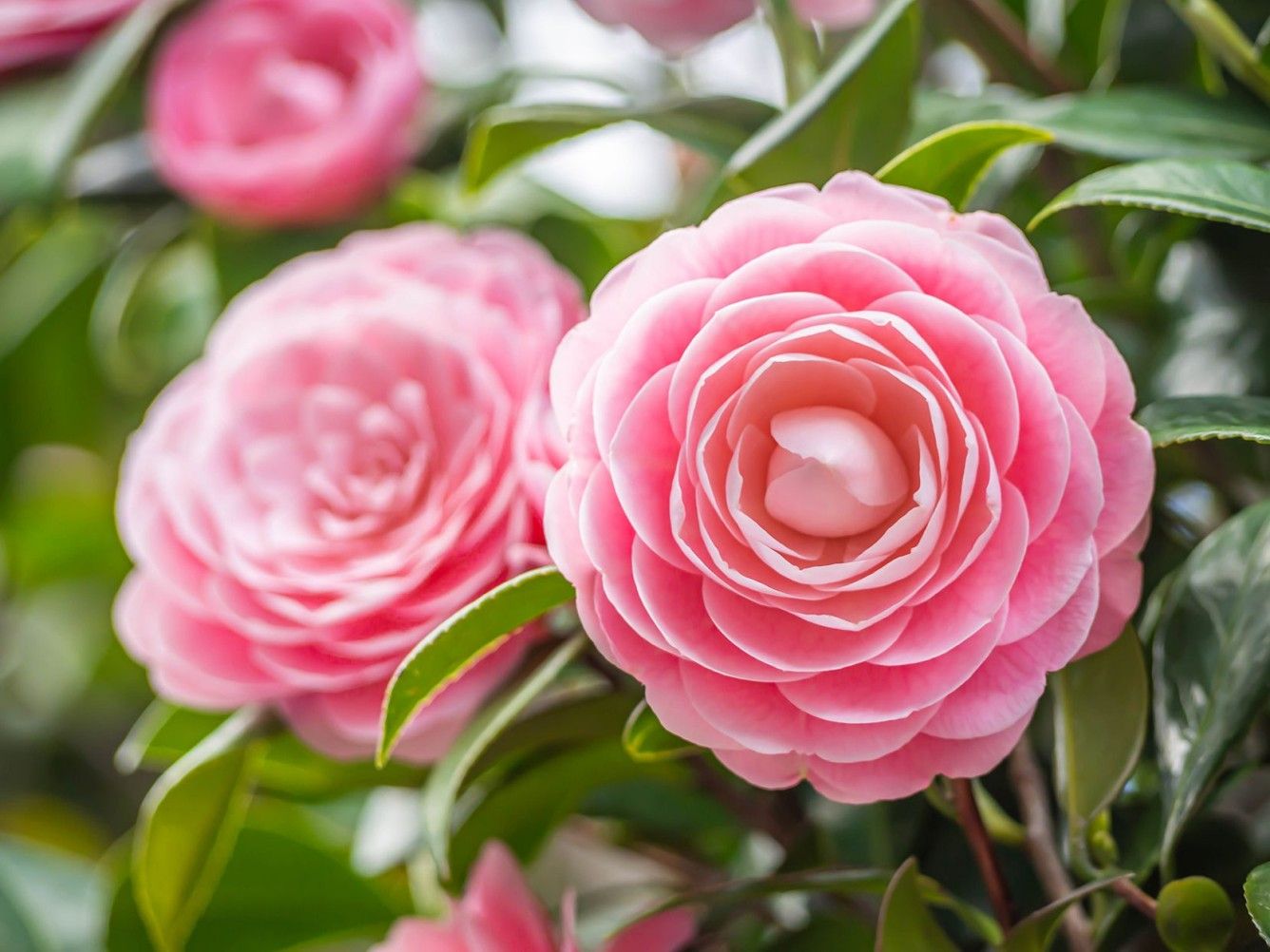
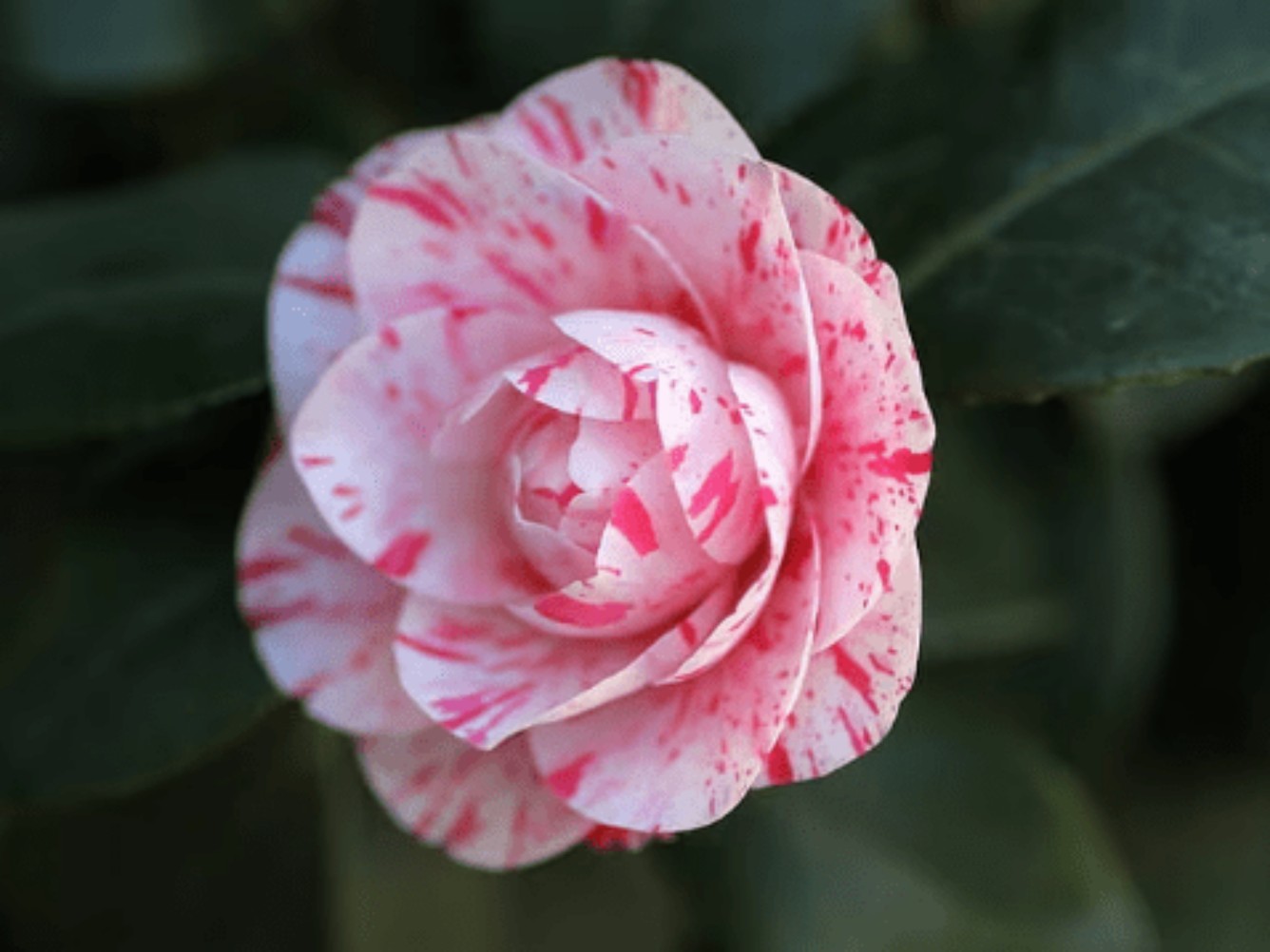
Camellia is an evergreen shrub or small tree native to East Asia and is known for its elegant flowers and dark green and shiny leaves. The flowering period is mostly at the time of winter and spring, and is a rare flower-appreciating plant in winter. It has rich colors, including red, pink, white, etc., and has extremely high ornamental value. It is often used in gardening sets and courtyard decoration.
Popular Plant Encyclopedia
-
-
Poisonous and danger
- Rhus typhina
-
-
-
Edible and medicinal
- Common sunflower
-
-
-
Poisonous and danger
- Plumeria rubra
-
-
-
Wild and common weed
- Convolvulus arvensis
-
-
-
Edible and medicinal
- Perilla frutescens
-
-
-
Edible and medicinal
- Pogostemon cablin
-
-
-
Edible and medicinal
- Common fenugreek
-
-
-
Edible and medicinal
- Garden Thyme
-
 Poisonous and danger
 Edible and medicinal
 Wild and common weed
Advertisement