Cercis chinensis
-
 Ornamental and lands
 Ornamental and lands
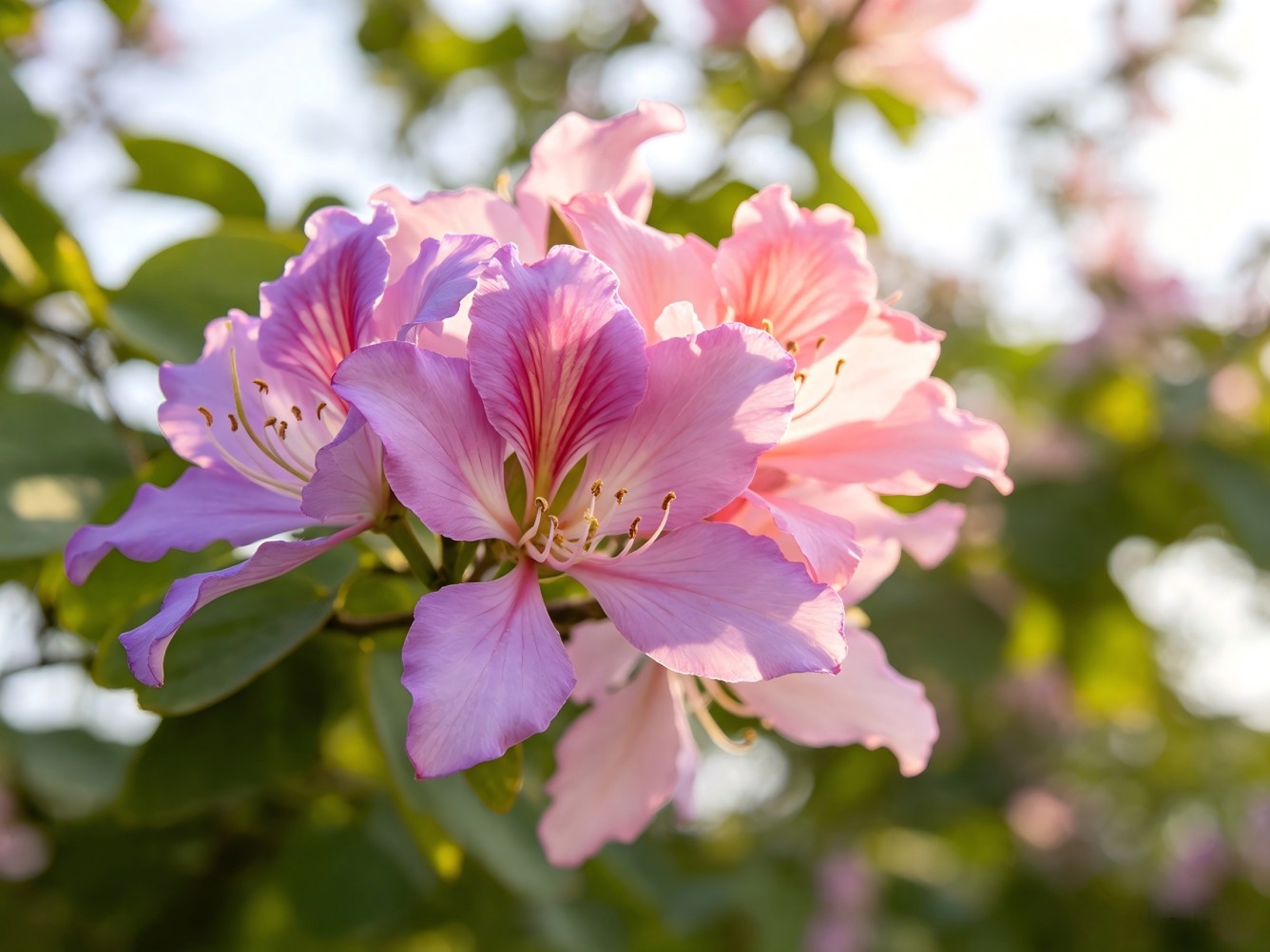
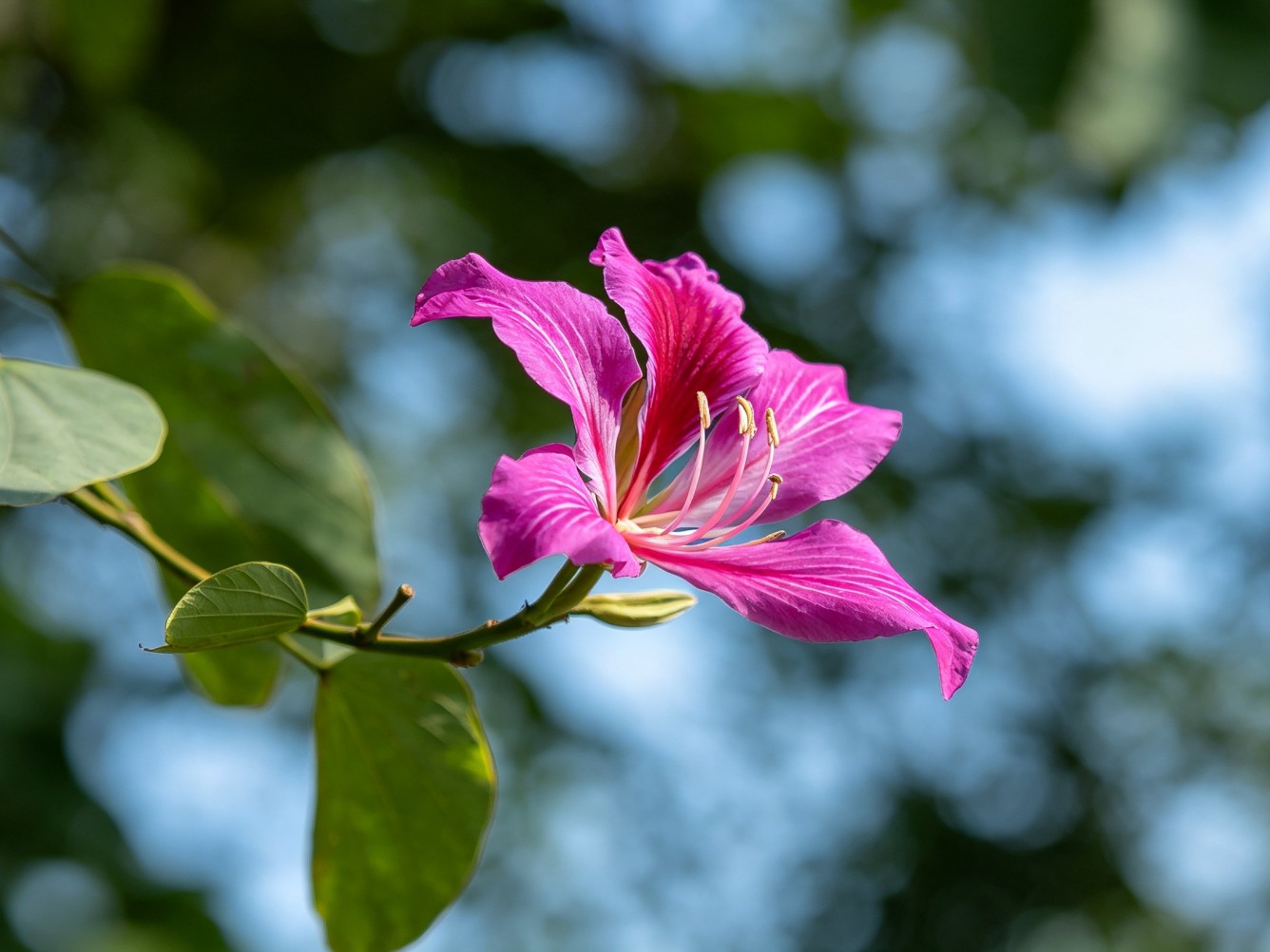
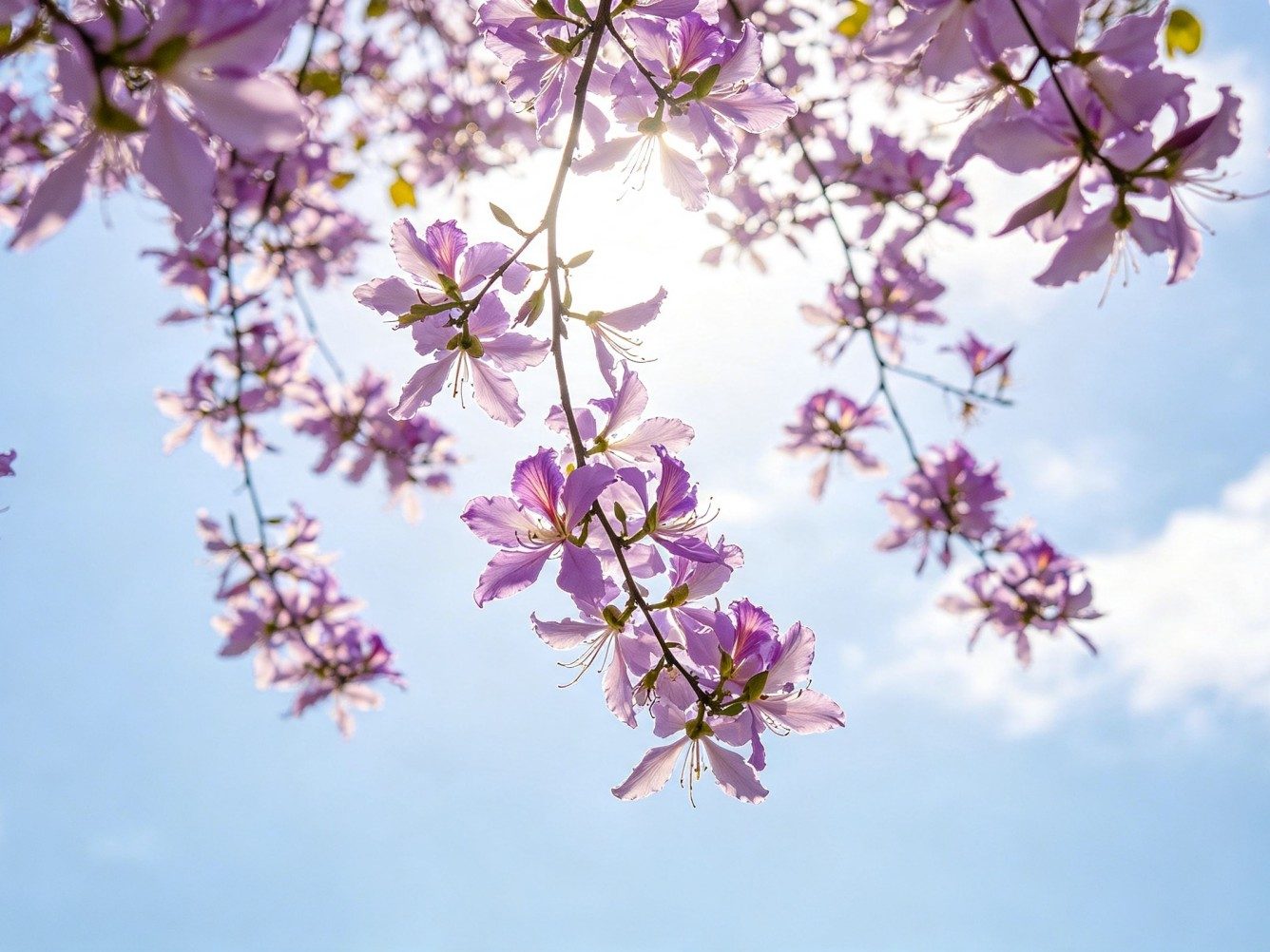
Nursing Skills
Cercis chinensis is relatively easy to care for. It thrives in sunny, well-drained environments. During the growing season, keep the soil moderately moist, regularly prune dead and overly dense branches, and fertilize appropriately in spring to promote healthy growth and more abundant flowering.
Advertisement
Plant Properties
-
- Toxicity
- No significant toxicity
-
- Flowering season
- March to April
-
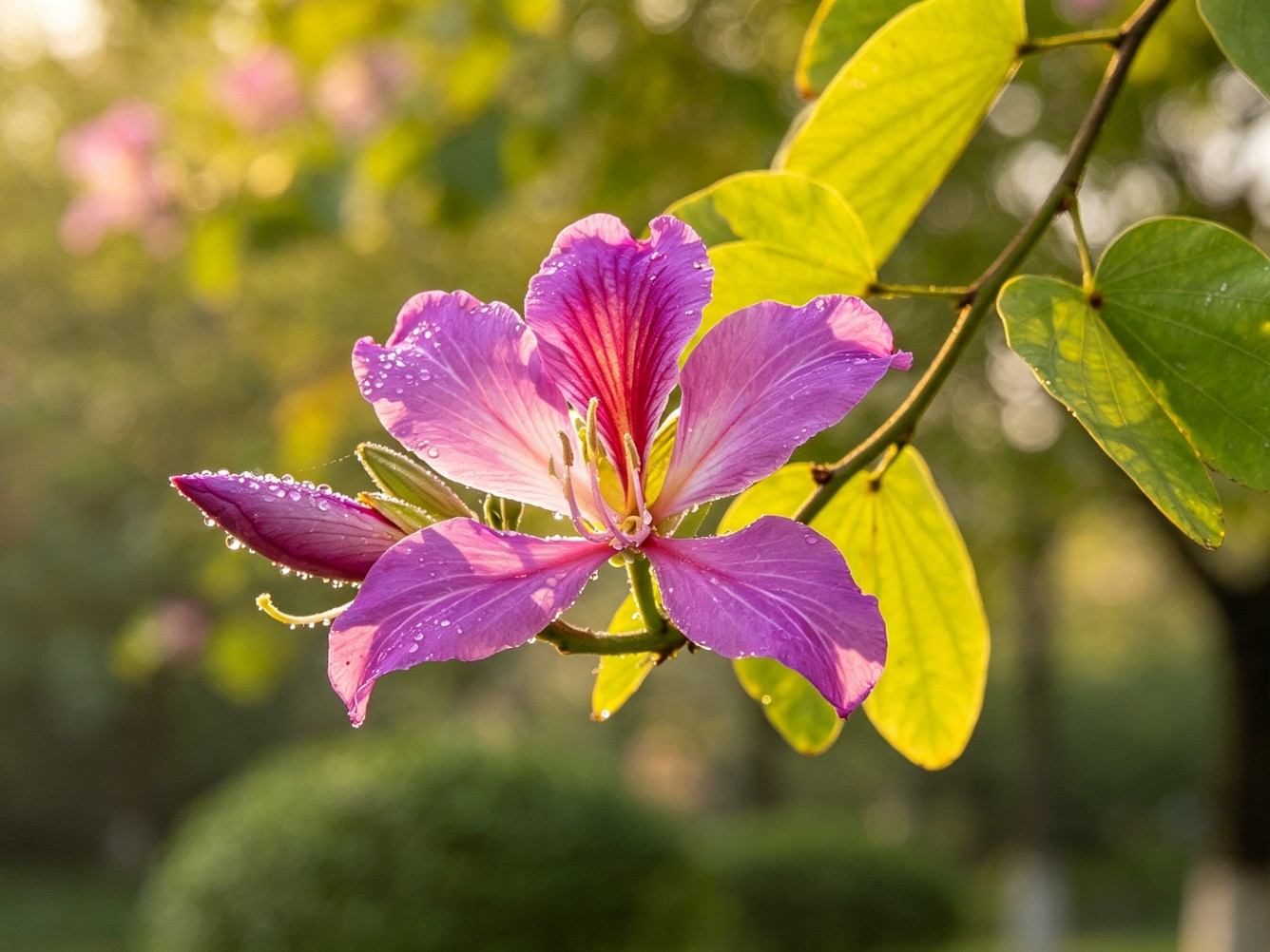
- Flower shape
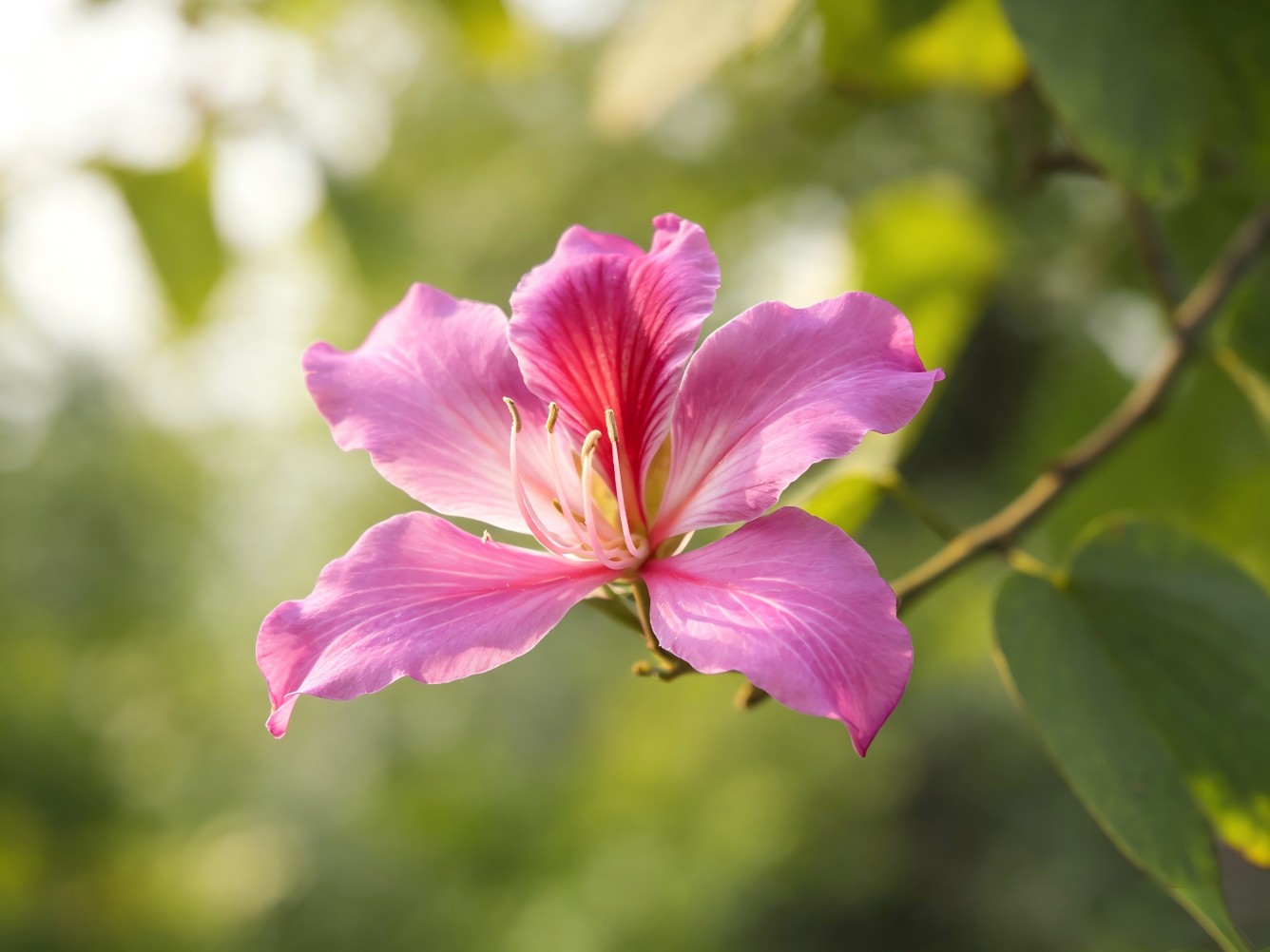
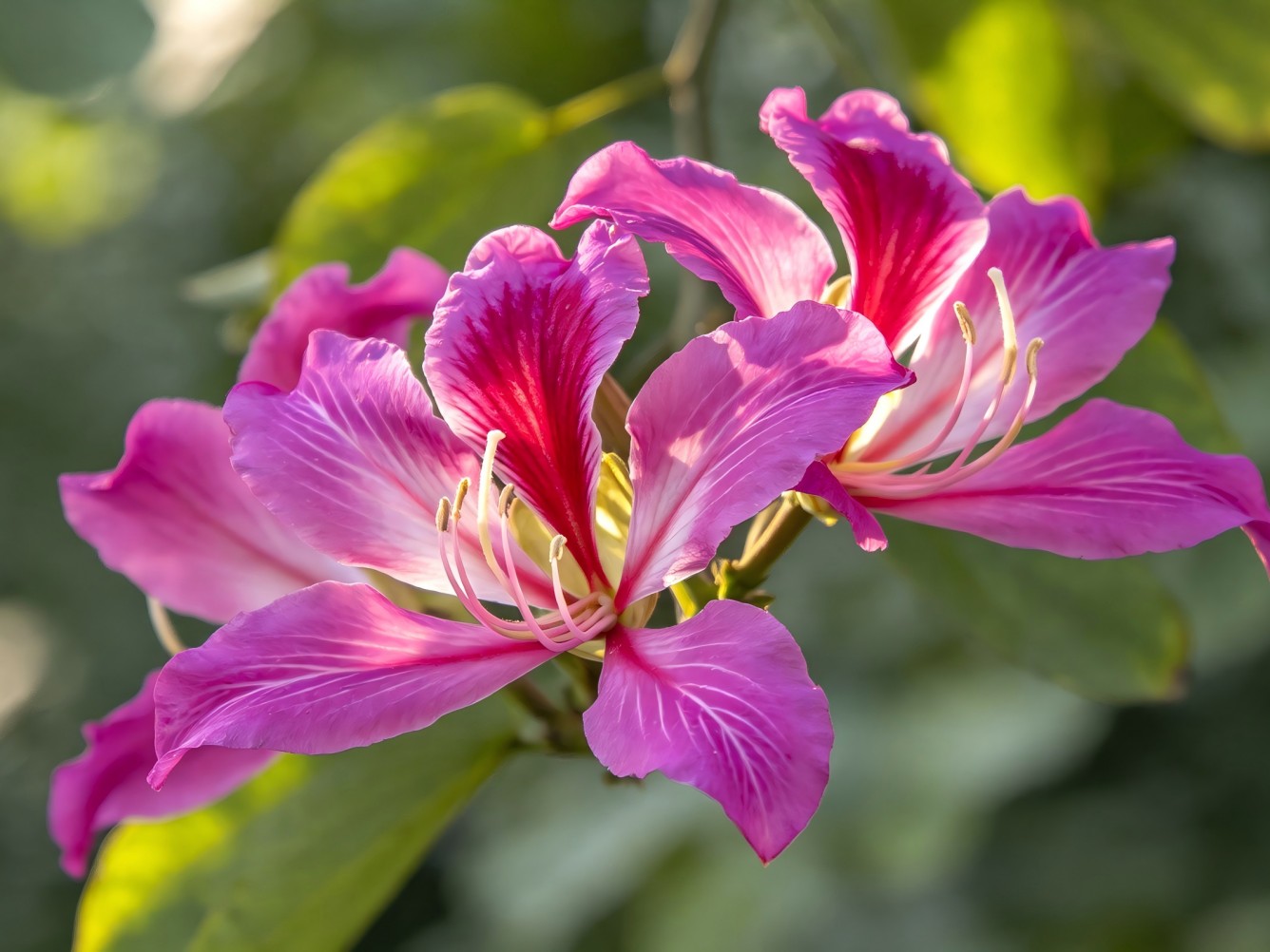
- Butterfly-shaped
-
- Flower color
- Pink, purplish-red
-
- Plant type
- Deciduous small tree or large shrub
-
- Flower size
- Approximately 1.5–2 cm in diameter
-
- Plant characteristics
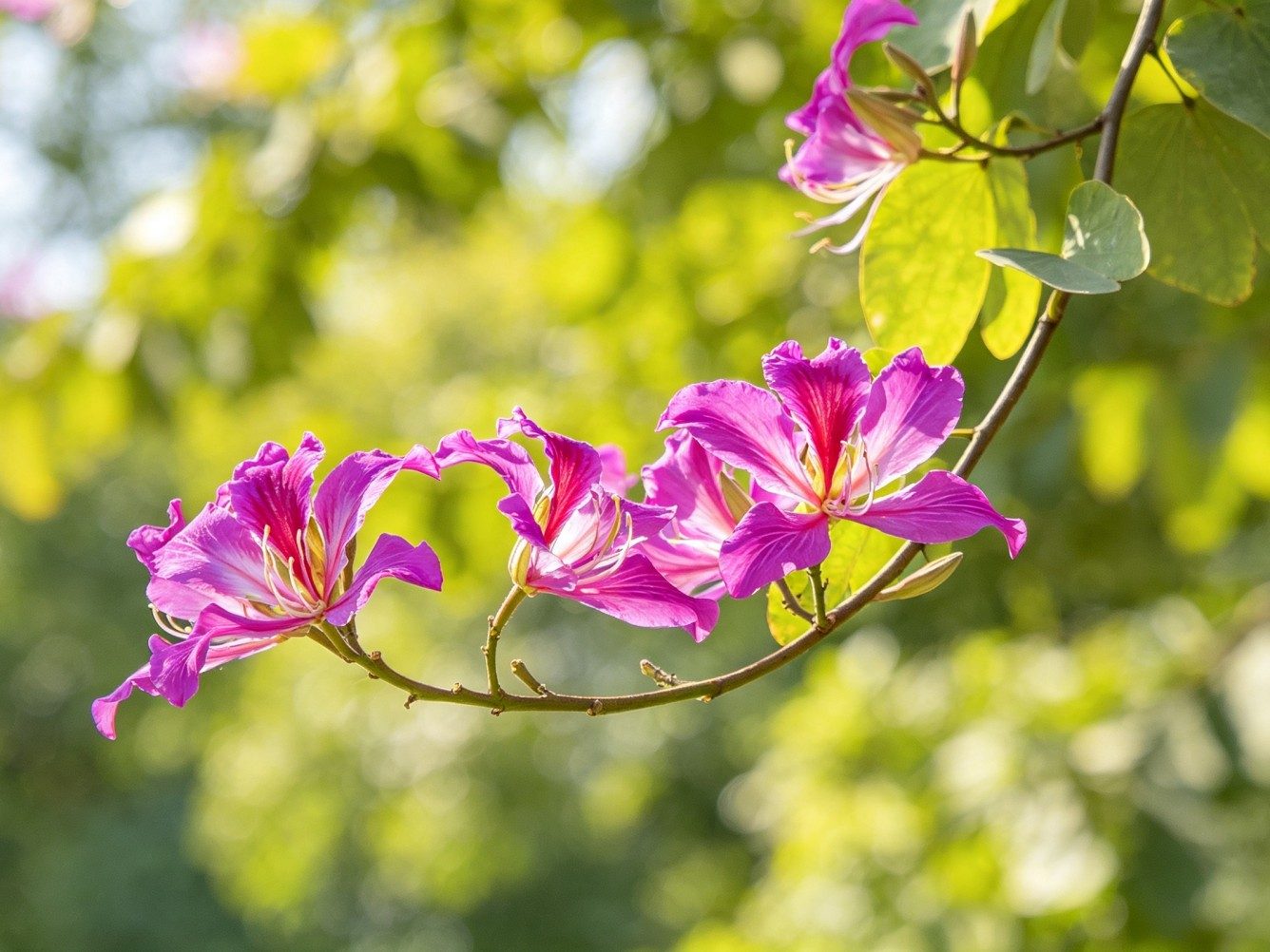
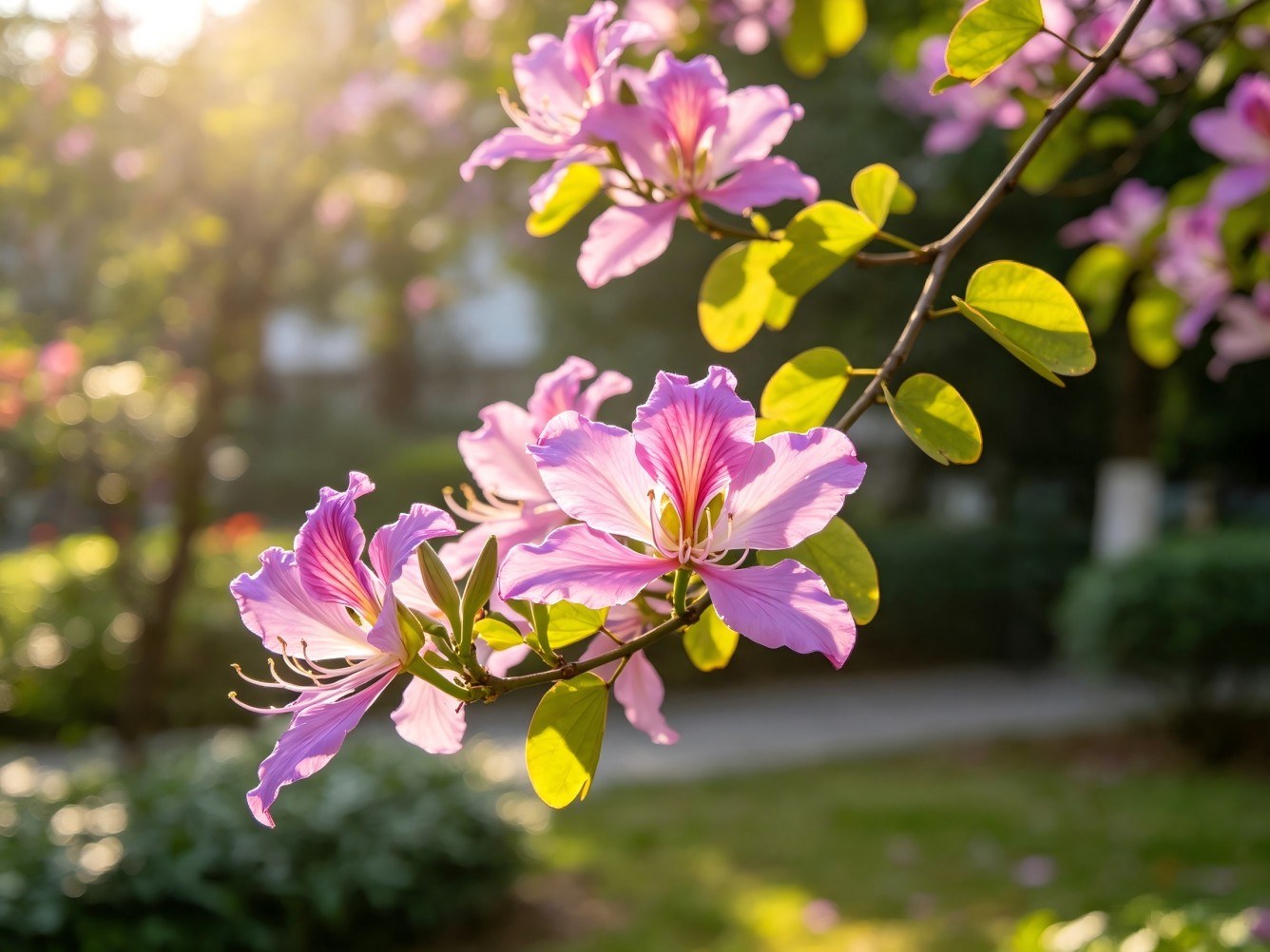
- Branches are covered with flowers in spring
Plant Care Requirements
-
Care Level
Low maintenance
-
Sunlight Requirements
Prefers full sun
-
Cold Hardiness
Has good cold hardiness
-
Ventilation Requirements
Prefers a well-ventilated growing environment
-
Watering Requirements
Keep the soil slightly moist during the growing season
-
Soil Requirements
Prefers loose, fertile, well-drained sandy loam
Advertisement
Plant Care Guide
-
Why is my Cercis chinensis flowering less and less?
Insufficient light, nutrient imbalanceReduced flowering is usually related to insufficient light, nutrient imbalance, incorrect pruning time, or tree age. Long-term application of high-nitrogen fertilizer will promote excessive vegetative growth and affect flower bud differentiation; failure to prune promptly after flowering will also consume a lot of nutrients. It is recommended to prune appropriately after flowering and supplement with phosphorus and potassium fertilizer to ensure the plant has sufficient sunlight and healthy branches, which can improve the quantity and quality of flowers the following year.
-
Why are my Bauhinia flowers blooming less and the flowers are paler in spring? How can I improve this?
Nutrient deficiency, improper pruningFewer flowers and paler flowers in Bauhinia are mostly caused by insufficient light, nutrient deficiency, and improper pruning. Prolonged shade will inhibit flower bud differentiation, phosphorus and potassium deficiency will make the flower color dull, and heavy pruning of old branches will directly damage flower buds. The solutions are to promptly move the plant to a sunny location to ensure ample sunlight; apply phosphorus and potassium fertilizer before flowering to supplement nutrients for blooming; strictly retain healthy old branches, only lightly pruning messy branches. After flowering, apply top dressing promptly to replenish nutrients, and apply base fertilizer in autumn to reserve sufficient nutrients for flowering the following year.
-
Why are the leaves of Cercis chinensis turning yellow?
Waterlogging, nutrient deficiency, soil alkalizationYellowing leaves may be caused by waterlogging, nutrient deficiency, soil alkalization, insufficient light, or pests and diseases. First, check if the soil is consistently wet; if so, improve drainage immediately. Second, observe if there is a deficiency in trace elements such as iron and magnesium, and supplement with a balanced fertilizer if necessary. If the leaves also have spots or curling, further check for disease or pest infestation and take appropriate control measures promptly.
-
How to deal with aphids and scale insects in Cercis chinensis?
Spray the branches and leaves with soapy water to repel insects, or spray with a specialized insecticide.Aphids and scale insects are the main piercing-sucking pests of Cercis chinensis. They suck the sap from the branches and leaves, causing the leaves to curl, turn yellow, and weaken the plant's growth. For minor pest infestations, manually wipe the insects and spray the branches and leaves with soapy water to repel them. When pests are prevalent or occur on a large scale, spray with specialized insecticides such as imidacloprid or thiamethoxam for precise pest control. Regularly inspect the branches and leaves, prune overly dense branches promptly, and maintain a well-ventilated and dry environment to reduce pest breeding at the source and lower the probability of recurrence.
-
When is the best time to prune Cercis chinensis?
After flowering.The best time to prune is after flowering, as this minimizes the impact on flower bud formation the following year. Primarily remove diseased, dead, crossing, and overly dense branches to ensure good ventilation and light penetration within the canopy. Moderate pruning can also be done during the winter dormancy period, but avoid excessive pruning, as this may affect overall flowering and tree growth the following year.
-
How to improve flowering quality?
Sufficient sunlight and proper fertilizationImproving flowering quality requires sufficient sunlight, proper fertilization, and scientific pruning. Supplement with appropriate amounts of organic fertilizer before bud break each spring, and increase phosphorus and potassium fertilizer before flowering to promote flower bud differentiation. Avoid excessive nitrogen fertilizer to prevent excessive vegetative growth. Maintaining good canopy ventilation and promptly removing diseased and insect-infested branches also helps flowers bloom more uniformly and with more vibrant colors.
Advertisement
Frequently Asked Questions
-
1 Is it suitable as an ornamental tree for a garden?
Yes, it is very suitable as an ornamental plant for gardens. Cercis chinensis is covered in vibrant flowers in spring, and its leaves remain lush and green after the flowers fade. The foliage also adds to its ornamental value in autumn, creating a rich tapestry of colors throughout the year. With its naturally beautiful shape and moderate footprint, it can be used as a main feature tree in a garden, an entrance tree, or a lawn accent plant. It also creates a rich landscape effect when combined with other shrubs.
-
2 Can Cercis chinensis be propagated by cuttings? What is the best time for cuttings and how to care for them?
Cercis chinensis can be propagated by semi-lignified branch cuttings. The best time is in summer, from June to July, when the branches are most vigorous and the survival rate is high. Select healthy, disease-free semi-lignified branches, cut them into cuttings about 10 cm long, retaining a few top leaves, and make a slanted cut at the bottom. Insert the seedling into a loose, well-draining substrate of river sand or perlite. Water thoroughly and place in a cool, well-ventilated area, keeping the substrate slightly moist but not waterlogged. Spray with water regularly to maintain humidity. Roots should develop in about 30-40 days. After rooting, gradually increase light exposure to cultivate strong seedlings.
-
3 Why do new shoots easily dry out?
Drying of new shoots may be caused by late spring frosts, lack of water, excessive heat and sun exposure, or disease. Especially during the initial budding stage, sudden low temperatures can easily damage tender shoots. Maintain a stable water supply, avoiding sudden changes in soil moisture, and improve ventilation to reduce fungal infections. Prune withered shoots promptly to promote the growth of new, healthy branches.
-
4 What plants can it be planted with?
Cercis chinensis can be planted with evergreen shrubs, ground cover plants, and bulbous flowers to create rich landscape layers. For example, pairing it with foliage plants can highlight its spring blossoms, while combining it with plants that bloom at different times can extend the overall viewing period of the garden. When planting, ensure proper spacing between plants to avoid competition for light and nutrients, which could hinder normal growth.
-
5 How to water newly planted Bauhinia purpurea for root establishment? What are the precautions?
Newly planted Bauhinia purpurea seedlings need timely watering to establish roots, following the three-watering method. Water thoroughly on the day of planting to stabilize the roots and ensure contact with the soil; water a second time after three days to replenish soil moisture; water a third time on the sixth day to help the roots establish themselves and survive. Subsequent care should be provided according to the soil's moisture level. During the seedling establishment period, avoid both drought and waterlogging. Watering should be avoided during the midday heat to reduce root stress and improve transplant survival rate.
Advertisement
Introduction
Cercis chinensis is a deciduous small tree or shrub that has both ornamental and landscaping value. It has abundant and brightly colored flowers in spring and is often used for landscaping in courtyards, parks and roads, adding a strong spring atmosphere to the landscape.
Popular Plant Encyclopedia
-
-
Poisonous and danger
- Rhus typhina
-
-
-
Edible and medicinal
- Common sunflower
-
-
-
Poisonous and danger
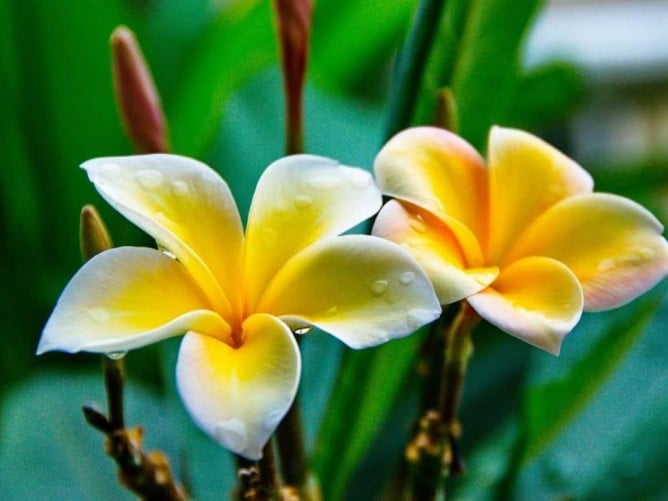
- Plumeria rubra
-
-
-
Wild and common weed
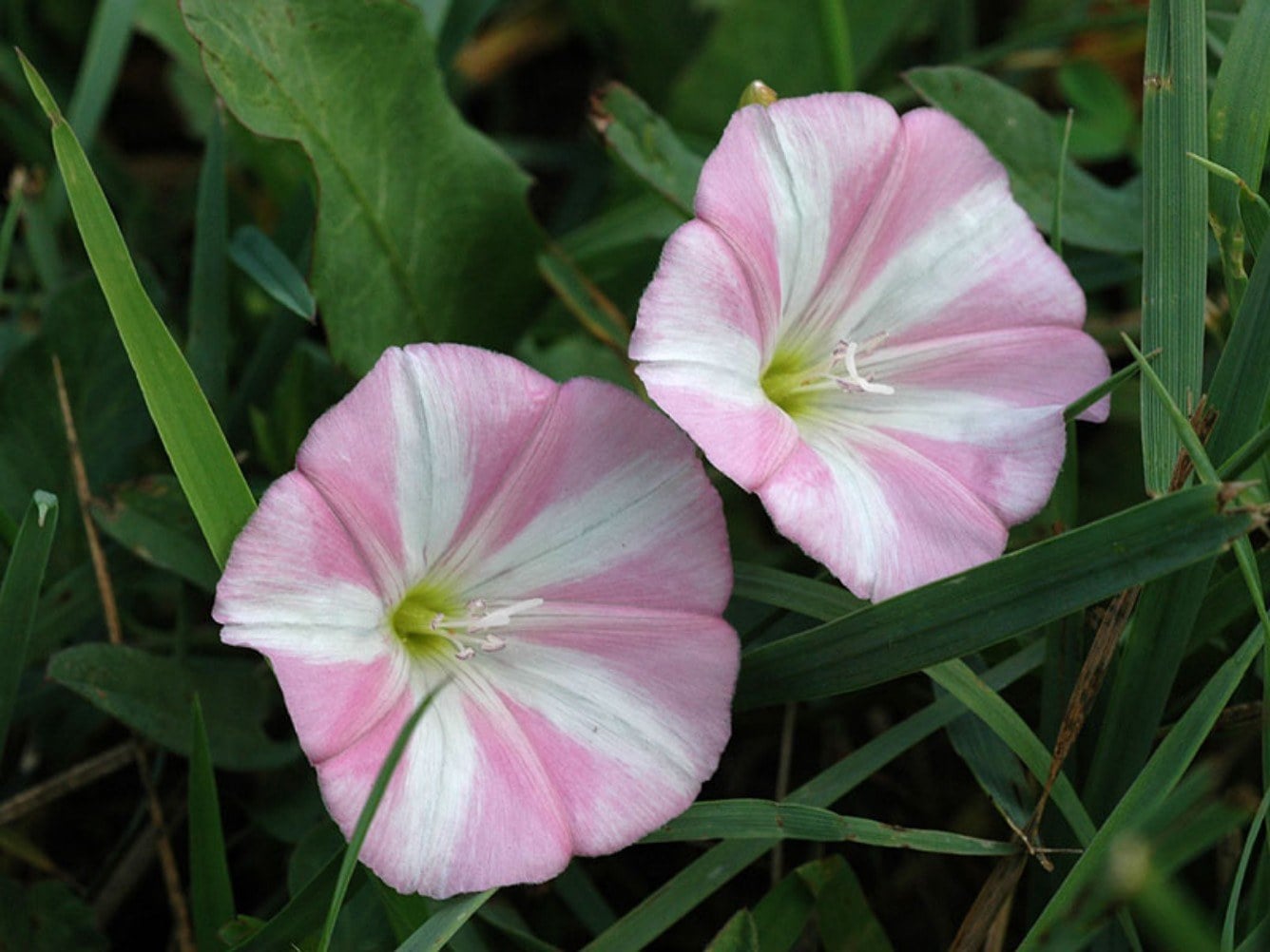
- Convolvulus arvensis
-
-
-
Edible and medicinal
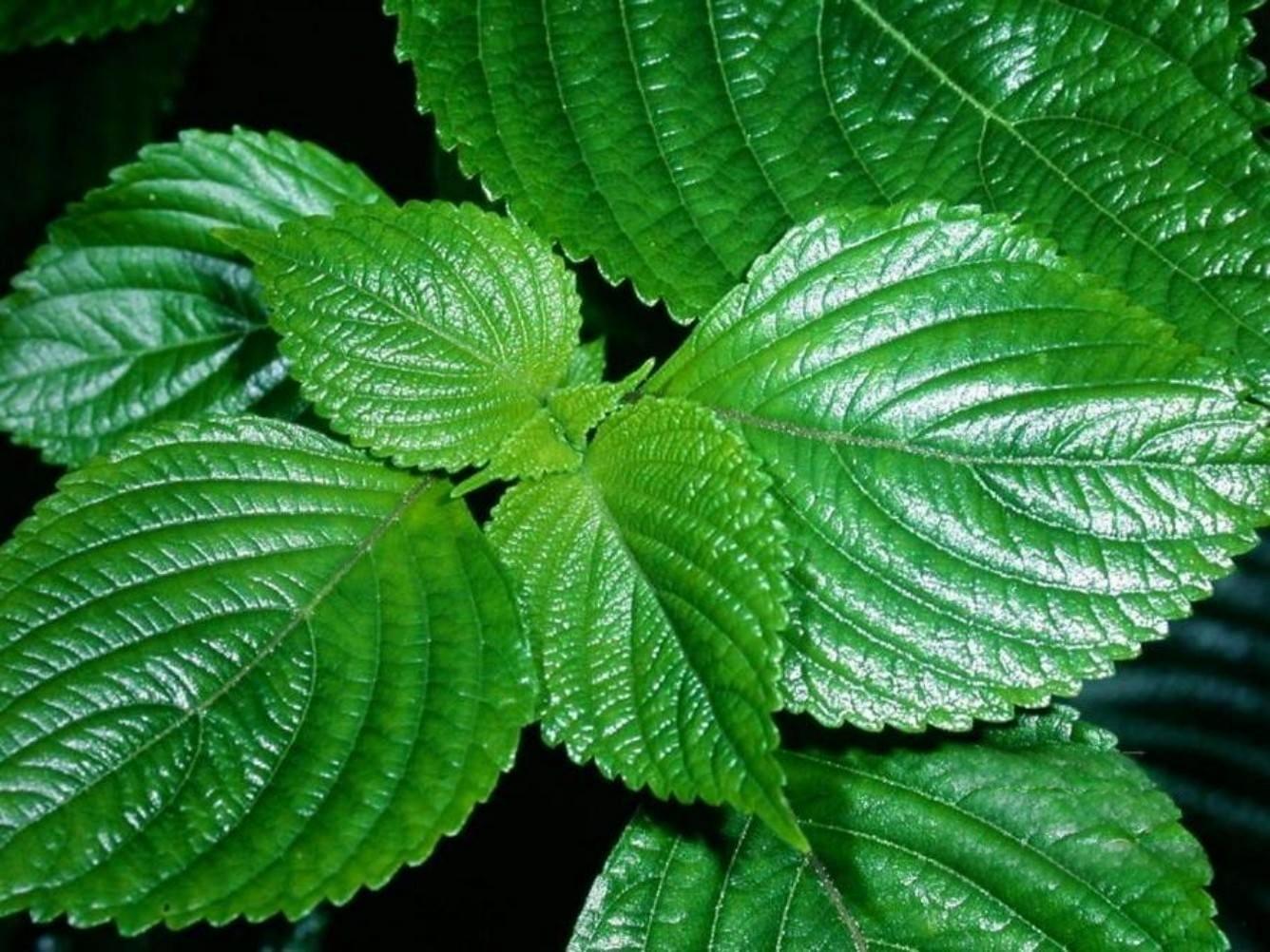
- Perilla frutescens
-
-
-
Edible and medicinal
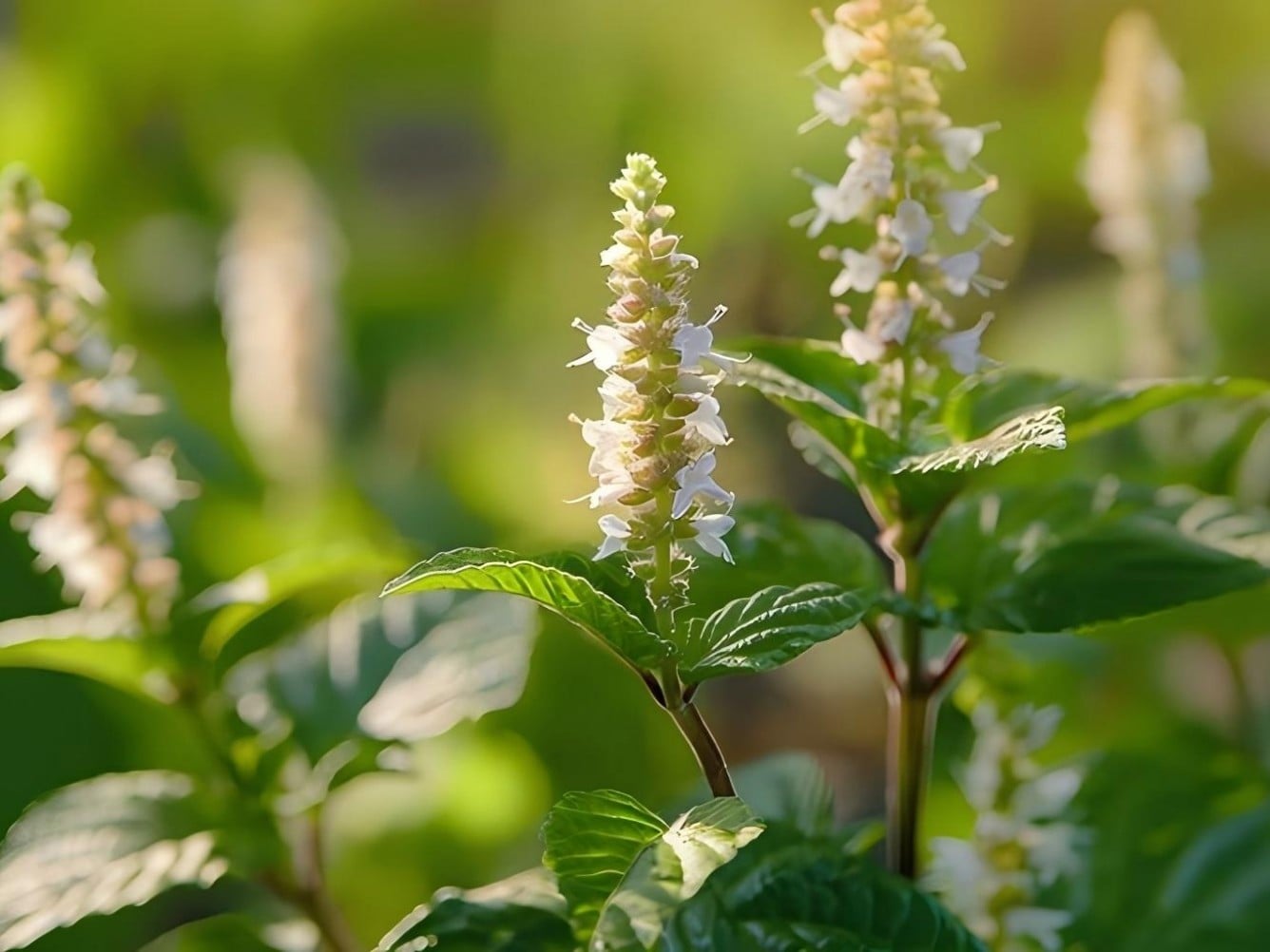
- Pogostemon cablin
-
-
-
Edible and medicinal
- Common fenugreek
-
-
-
Edible and medicinal
- Garden Thyme
-
 Poisonous and danger

 Edible and medicinal
 Wild and common weed
Advertisement