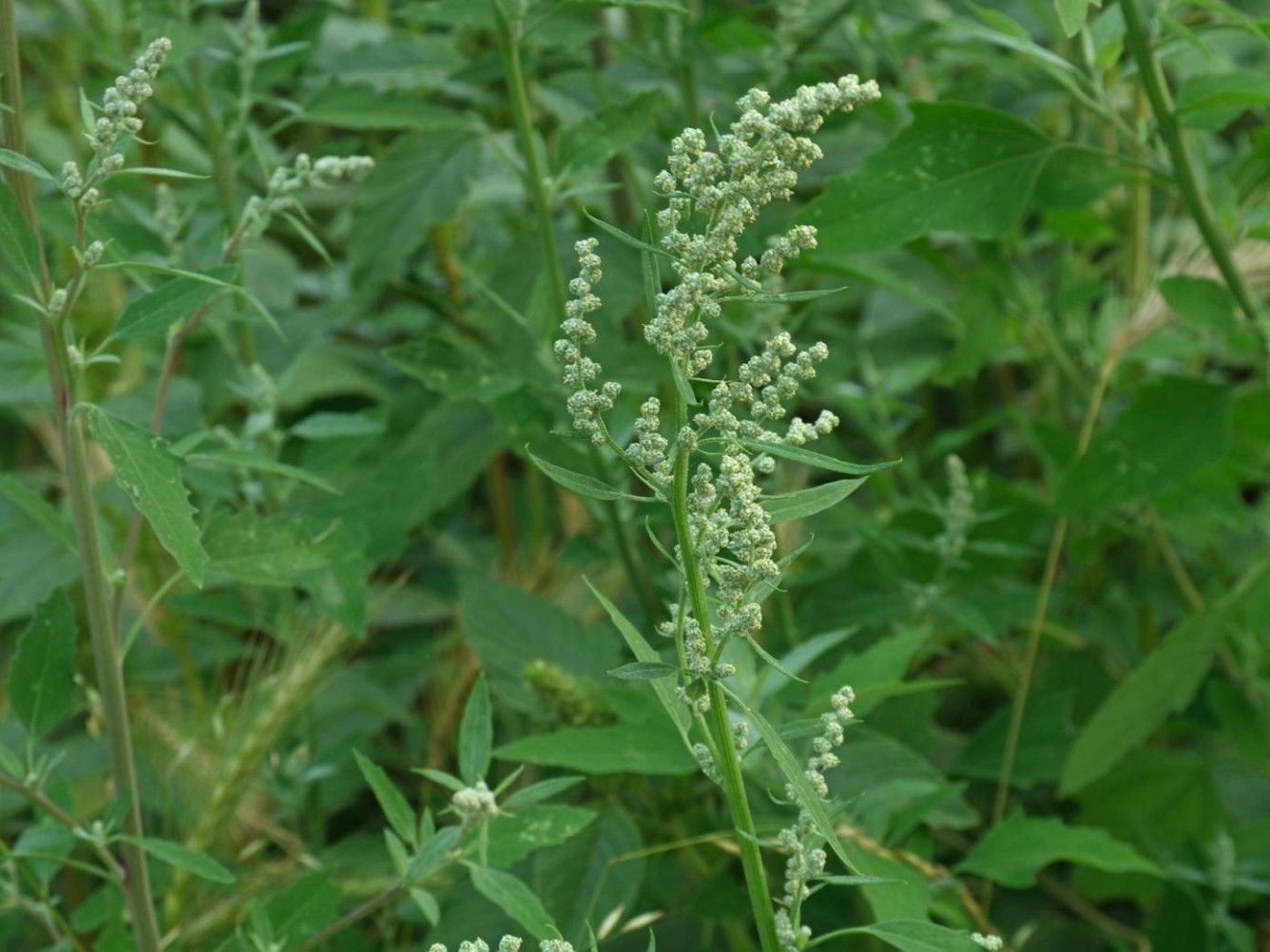
Chenopodium album
-
 Wild and common weed
 - Also known as: Fat-Hen, Wild Spinach , Baconweed, Bacon weed, Fat hen
 Wild and common weed
Nursing Skills
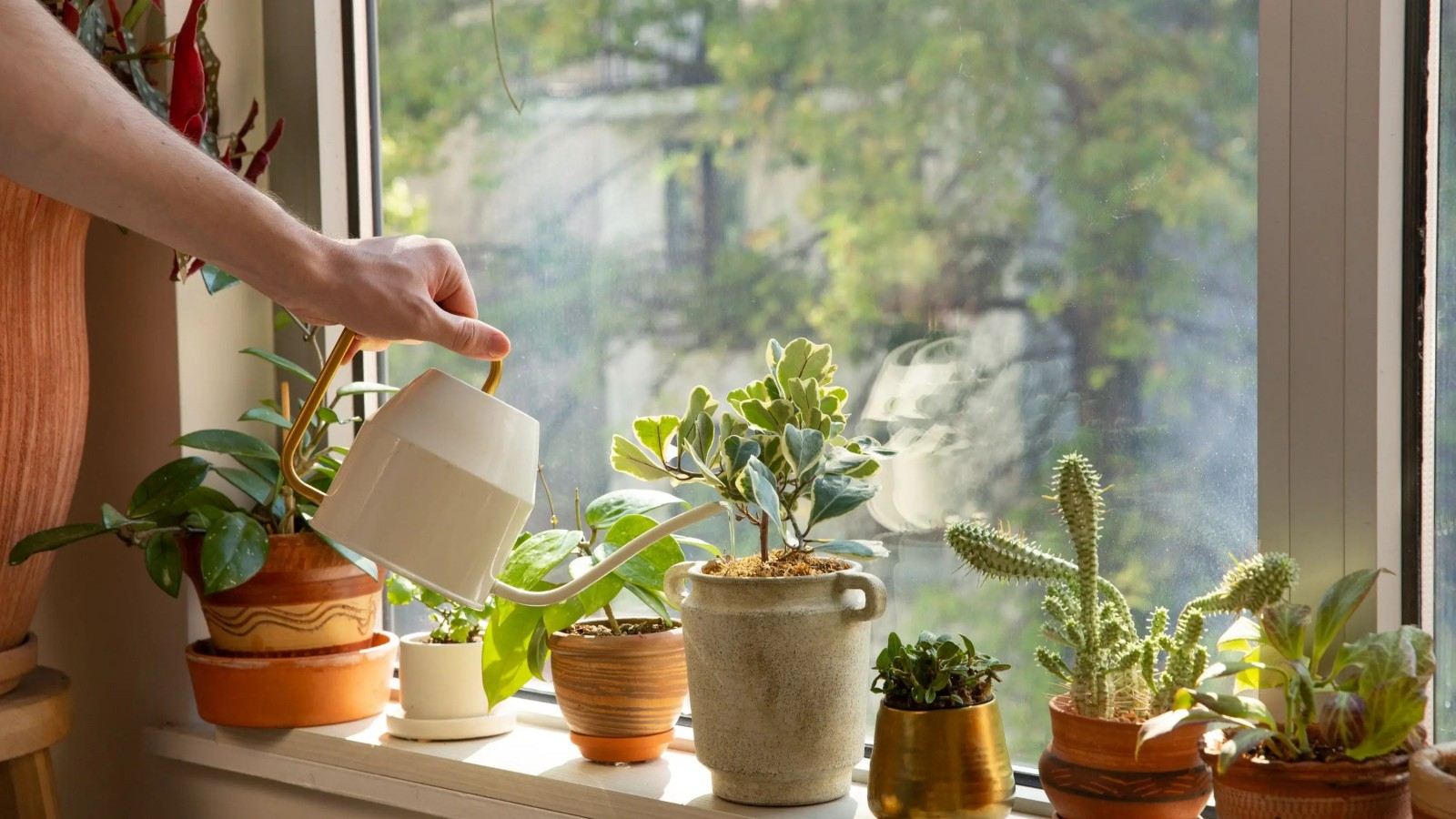
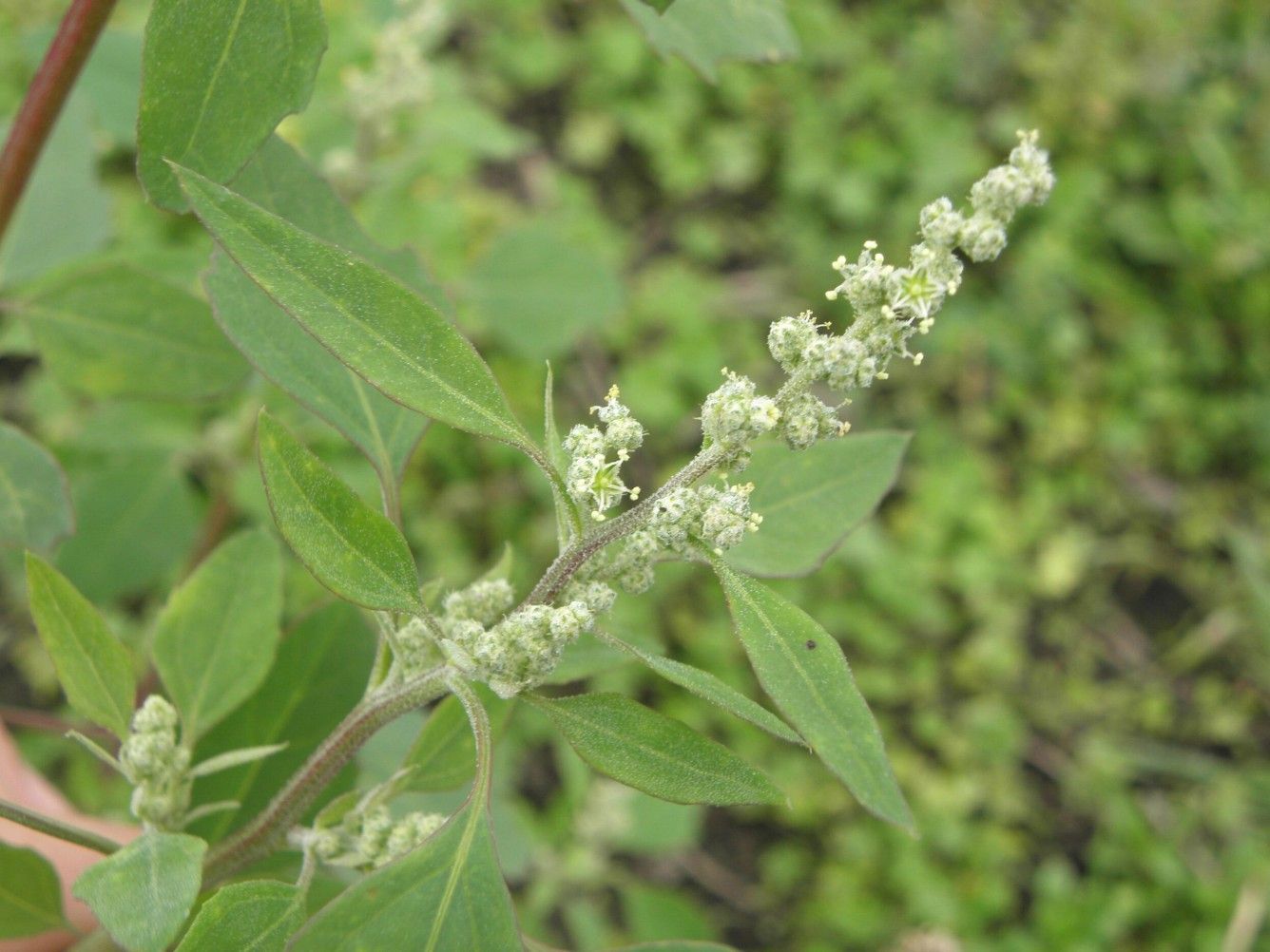
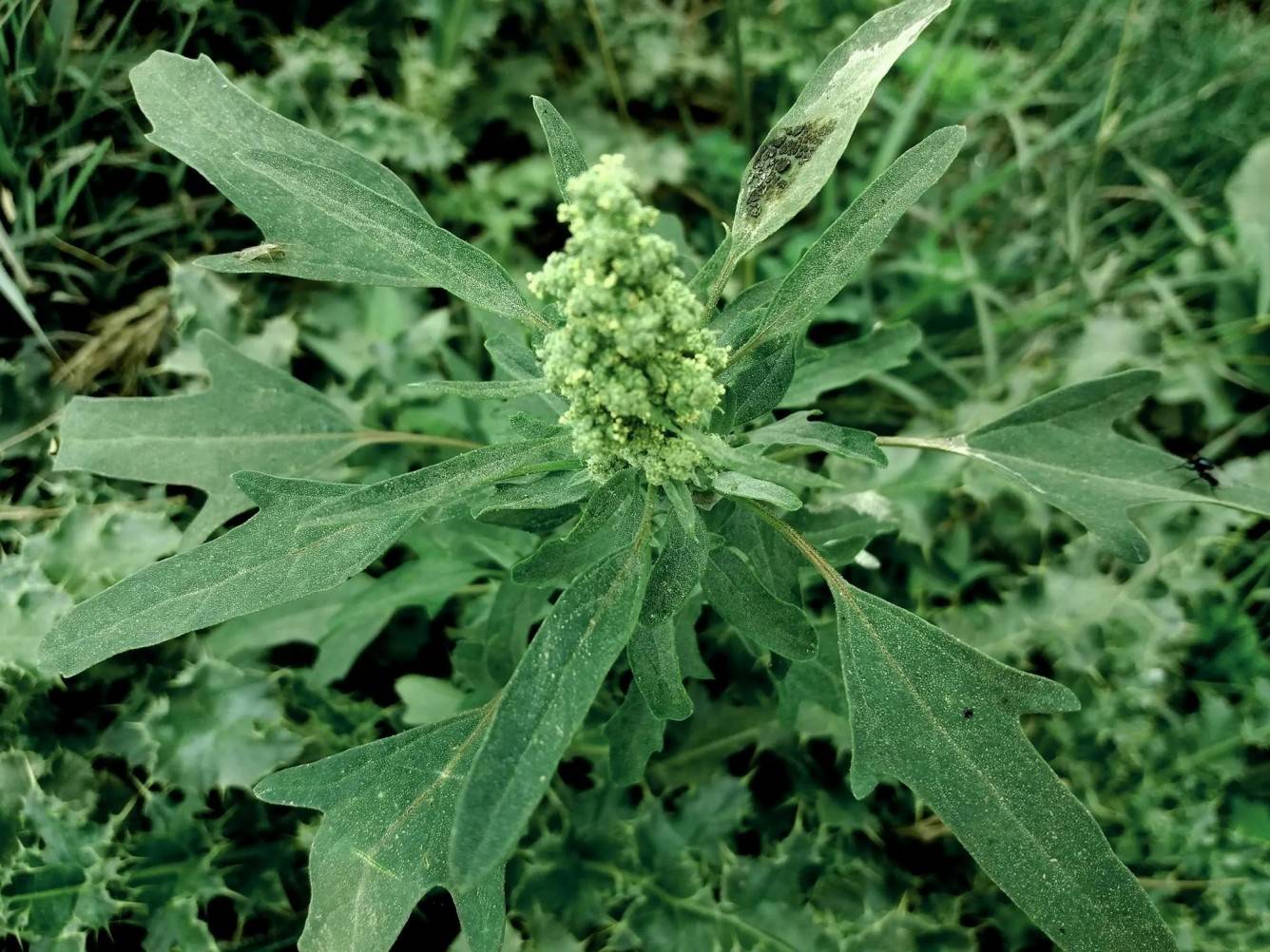
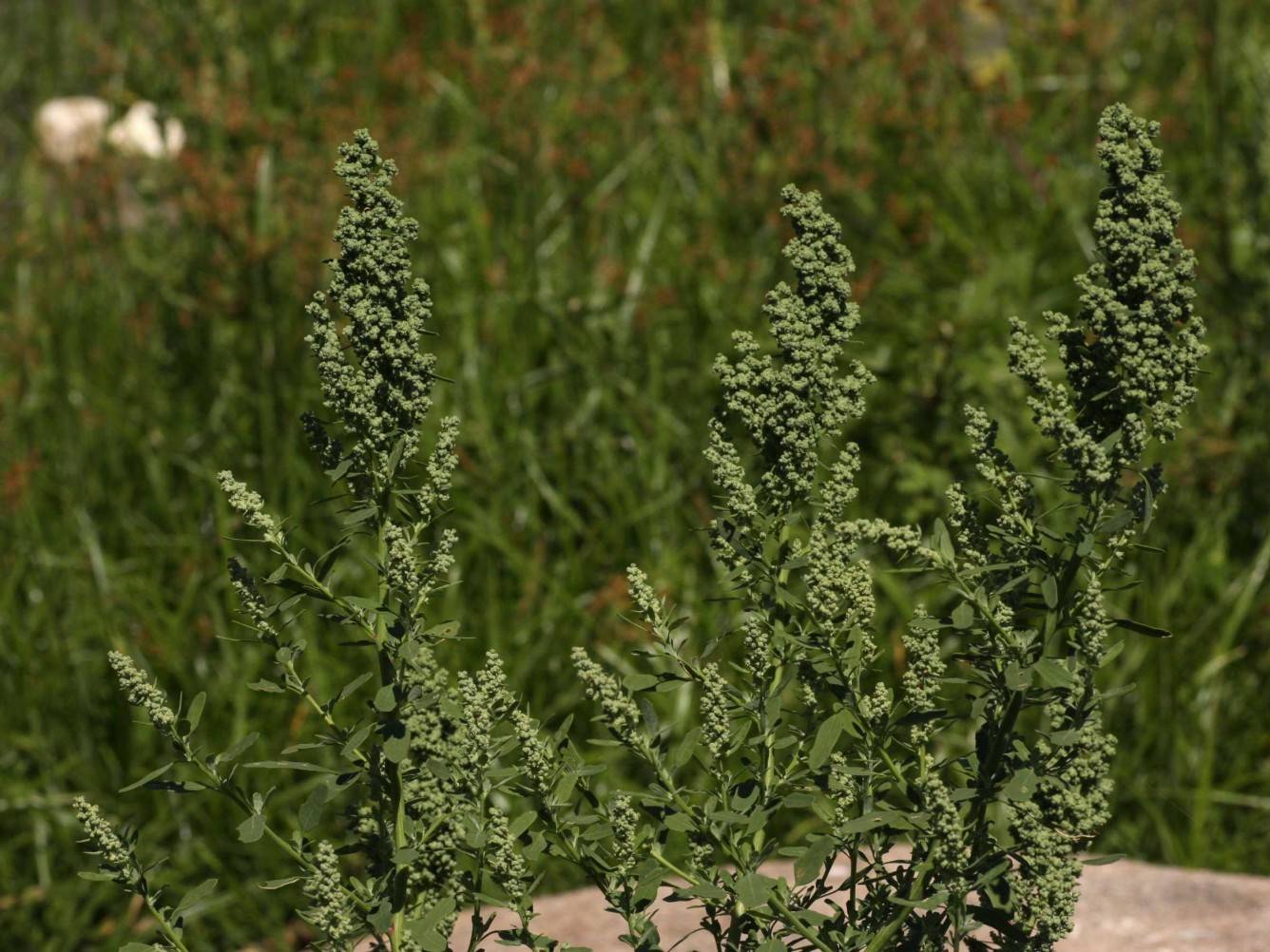
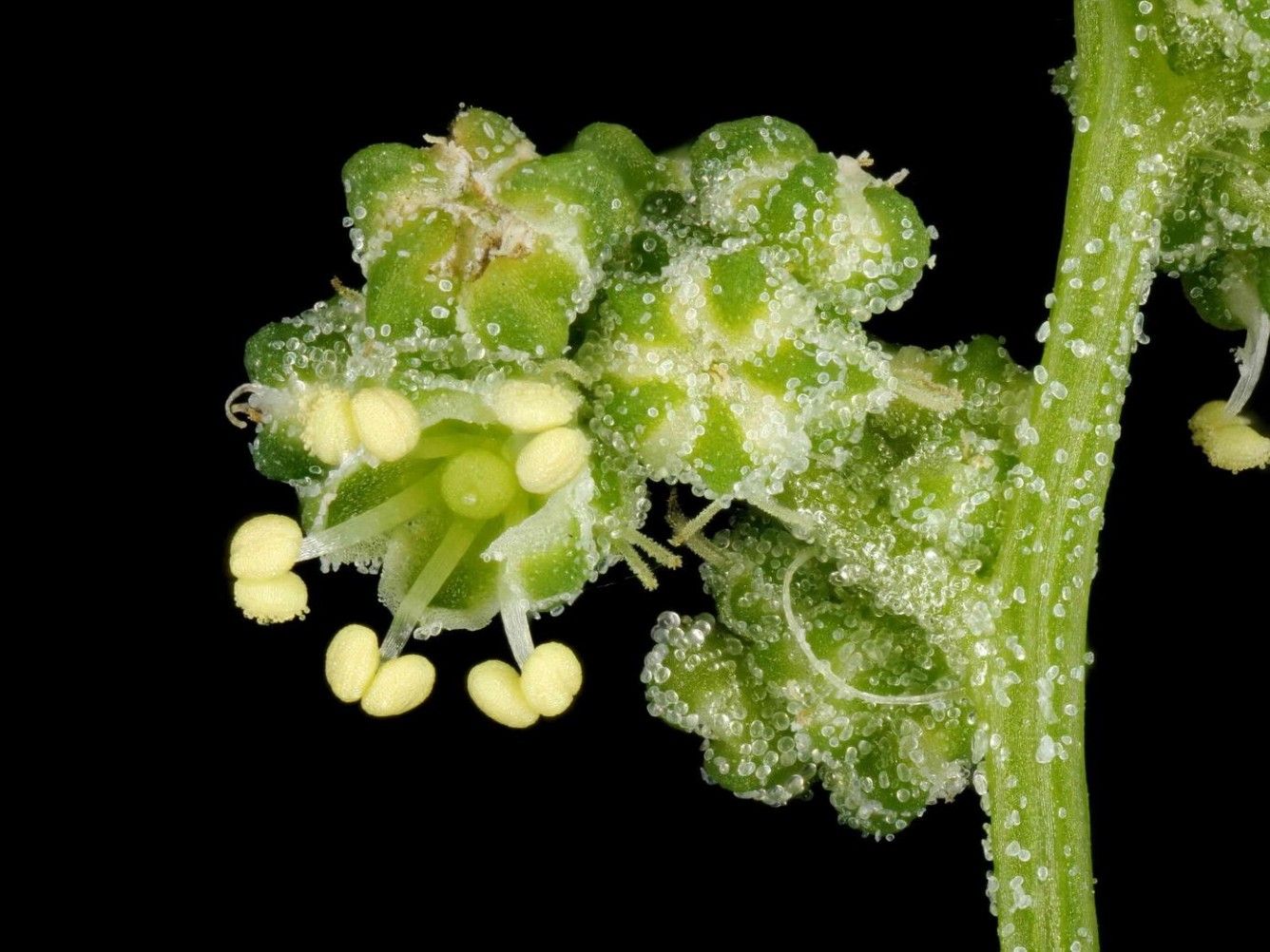
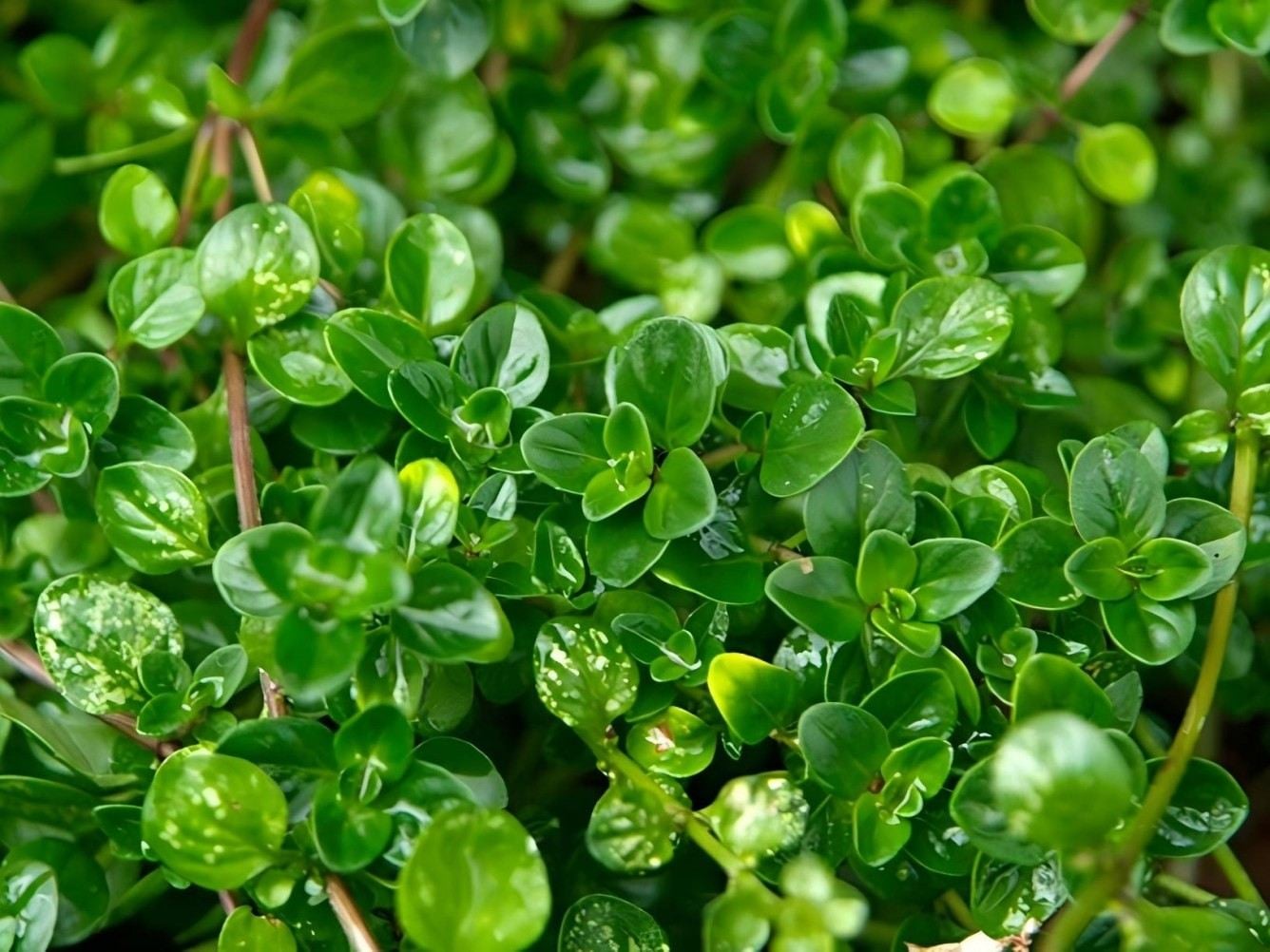
Chenopodium album, or lamb’s quarters, is a hardy, low-maintenance plant that thrives in well-drained soil and full sun. It grows best in disturbed areas and doesn’t require fertilization. Water moderately, allowing the soil to dry between watering. Avoid overwatering, as it prefers slightly dry conditions. Regular harvesting of young leaves encourages bushier growth. Although resilient, monitor for aphids or leaf miners.
Advertisement
Plant Properties
-
- Toxicity
- Toxic to Humans
-
- Lifespan
- Annual
-
- Plant Type
- Herb
-
- Bloom Time
- Summer, Fall
-
- Harvest Time
- Late summer, Early fall, Mid fall
-
- Plant Height
- 10 cm to 1.5 m
-
- Leaf Color
- Green, White, Gray, Silver
Plant Care Requirements
-
Soil pH
6.0–7.5
-
Planting Time
Spring, after last frost
-
Cold Hardiness Zone
4-8
-
Sunlight Requirements
Full sun to partial shade
-
Care Difficulty
Simple
-
Watering Schedule
Moderate
Advertisement
Plant Care Guide
-
What kind of soil does Chenopodium album prefer?
Plenty of sunlightQuinoa is highly adaptable to soil, but prefers fertile, loose, well-drained soil. It can grow in a variety of soil types, including sandy loam, loam and clay, but its growth may be affected in soil that is too poor or poorly drained. For example, in fertile garden soil, quinoa usually grows stronger and has more luxuriant leaves.
-
How often should I water it?
Water moderatelyChenopodium has a certain degree of drought tolerance, but keeping the soil moderately moist during the growth period helps it grow well. Generally, in sunny and relatively dry seasons, water can be applied every 3-5 days, and the specific frequency of watering should be adjusted according to the dryness and wetness of the soil. If the soil is well-drained and the water evaporates quickly, more frequent watering may be required; in rainy weather or when the soil has good water retention, the watering interval can be appropriately extended. It is best to wet the soil but not accumulate water each time to avoid water accumulation and root rot.
-
When is the best time to plant it?
after the last frostChenopodium album is generally suitable for planting in spring or autumn. Spring planting is usually carried out when the temperature is stable above 10℃, which is generally more suitable from late March to mid-April. At this time, the soil temperature gradually rises, which is conducive to seed germination and seedling growth. Autumn planting can be carried out from late August to mid-September, when the climate is cooler and suitable for the growth of Chenopodium album. However, the climatic conditions in different regions vary, and the specific planting time needs to be adjusted according to the actual local climate conditions.
-
How far apart should I space the plants?
20–30 cmThe spacing of quinoa seedlings should be determined according to the purpose of planting and the growth characteristics of the plant. If it is used for eating or collecting seeds, it is generally recommended to space the seedlings about 20-30 cm. Such spacing can provide sufficient growth space for the plant, so that its leaves can fully expand and receive sunlight, and it is also conducive to ventilation and reduce the occurrence of pests and diseases. If the purpose of planting is as green manure or cover crops, the requirements for individual plant growth are relatively low, and the spacing can be appropriately reduced to 10-15 cm, but care should be taken to avoid too dense growth that causes poor plant growth.
-
Does it need fertilizer?
Usually notWhen quinoa grows in fertile soil, it has a relatively low demand for fertilizer. But if the soil fertility is poor, proper fertilization can promote its growth. Before planting, some well-rotted organic fertilizers, such as compost and manure, can be applied to improve soil structure and fertility. Generally, 1-2 kg of organic fertilizer per square meter can be applied. During the growth period, topdressing can be carried out according to the growth status of the plants. For example, in the seedling stage and the vigorous growth period, some nitrogen fertilizers, such as urea, can be applied in an appropriate amount, with a dosage of 5-10 kg per mu, to promote leaf growth. Some phosphorus and potassium fertilizers, such as potassium dihydrogen phosphate, can also be applied in combination, diluted into a 0.2%-0.3% solution for foliar spraying or root irrigation, which will help improve the plant's resistance to stress and the plumpness of the seeds. However, it should be noted that the amount of fertilizer should not be too much, so as to avoid problems such as excessive plant growth or root burn.
-
How much sunlight does it need?
Plenty of sunlightChenopodium is a light-loving plant that needs plenty of sunlight for photosynthesis, to accumulate nutrients and promote growth. Generally speaking, it grows well under direct sunlight for at least 6 hours a day. In a sunny environment, such as open fields and roadsides, Chenopodium can fully stretch its branches and leaves, and the plant is relatively upright. However, it can also grow in a certain degree of semi-shade environment, but it may have slender stems and lighter leaves, and it will not grow as vigorously as in sunny places.
Advertisement
Frequently Asked Questions
-
1 How to ensure the safety of Chenopodium album when it is eaten as a wild vegetable?
First of all, it is necessary to accurately identify it to avoid mistakenly picking similar poisonous plants; wash it several times after picking to remove surface dust and impurities; it must be fully cooked when cooking. It is recommended to blanch it in boiling water before frying, mixing it with cold dishes, etc. to reduce risks.
-
2 What should I do if the germination rate of Chenopodium album seeds is low?
Pre-treat the seeds first, soak them in warm water for 12-24 hours to soften the seed coat; choose loose, fertile and well-drained soil when sowing, keep the soil moist but avoid waterlogging; control the temperature at 15-25℃ to facilitate seed germination.
-
3 Chenopodium album grows in large quantities in farmland, affecting crop growth. How can it be removed?
It can be removed manually by pulling up the roots when the chenopodium is young; you can also use herbicides targeting broadleaf weeds, such as 2,4-D butyl ester, and spray according to the instructions. In addition, deep plowing can be combined to destroy the environment for seed germination.
Advertisement
Introduction
Chenopodium album is a fast-growing wild plant found across many parts of the world. Though often considered a weed, it is highly nutritious and edible. The leaves and young shoots are rich in vitamins A and C, calcium, and iron, and can be cooked spinach. Traditionally, it has also been used in folk medicine for digestive and anti-inflammatory benefits. Its adaptability and health value make it a useful foraged green.
Popular Plant Encyclopedia
-
-
Poisonous and danger
- Rhus typhina
-
-
-
Edible and medicinal
- Common sunflower
-
-
-
Poisonous and danger
- Plumeria rubra
-
-
-
Wild and common weed
- Convolvulus arvensis
-
-
-
Edible and medicinal
- Perilla frutescens
-
-
-
Edible and medicinal
- Pogostemon cablin
-
-
-
Edible and medicinal
- Common fenugreek
-
-
-
Edible and medicinal
- Garden Thyme
-
 Poisonous and danger
 Edible and medicinal
Advertisement