Chinese Evergreen
-
 Domestic and indoor
 Domestic and indoor
Nursing Skills
Chinese Evergreen does well in low to medium light and can handle fluorescent lighting. Let the topsoil dry before watering, and avoid soggy soil. Use well-draining soil and feed monthly during growth. Warm, slightly humid air supports healthy growth.
Advertisement
Plant Properties
-
- Plant Type
- Perennial evergreen foliage plant
-
- Leaf Color
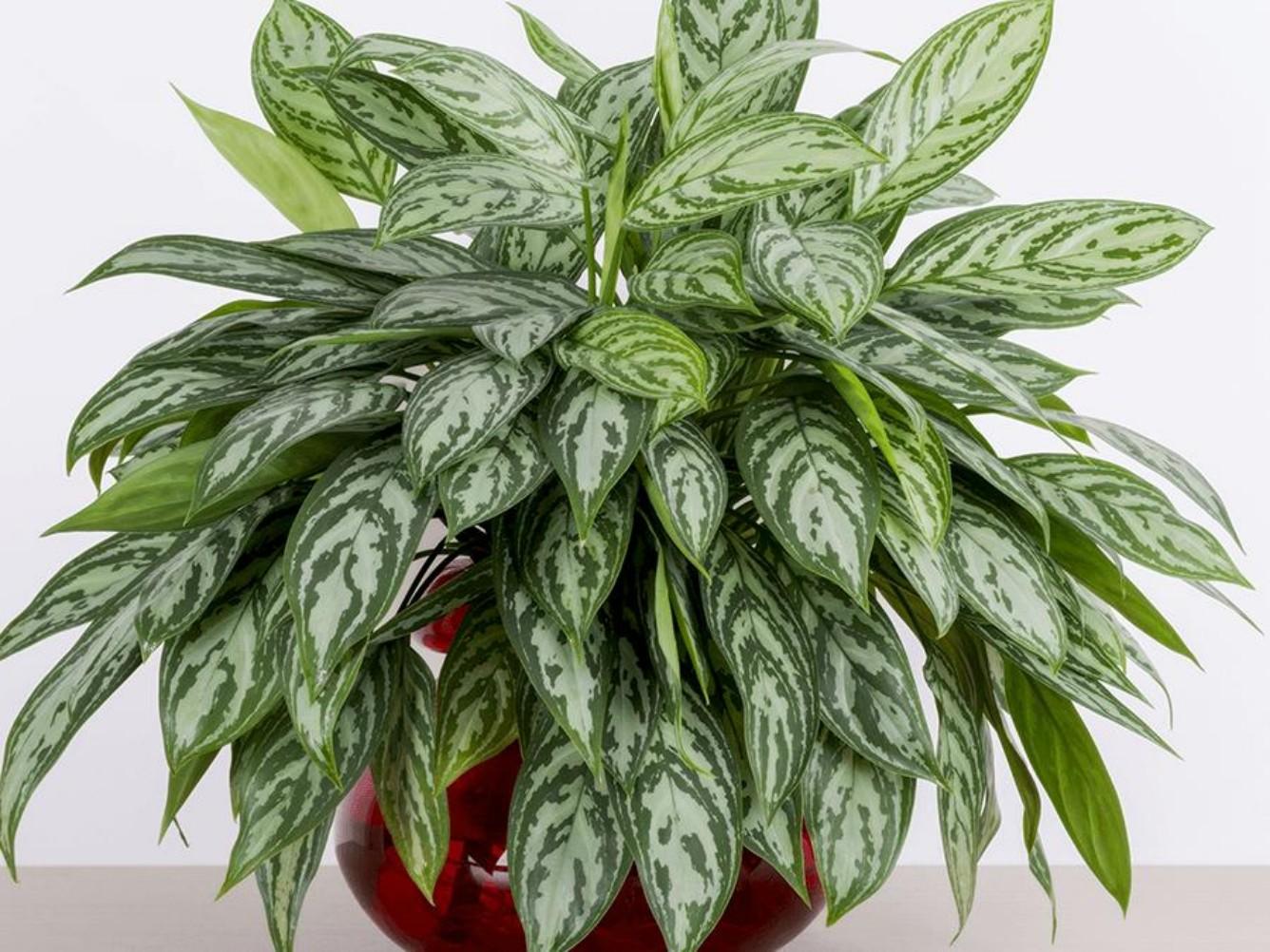
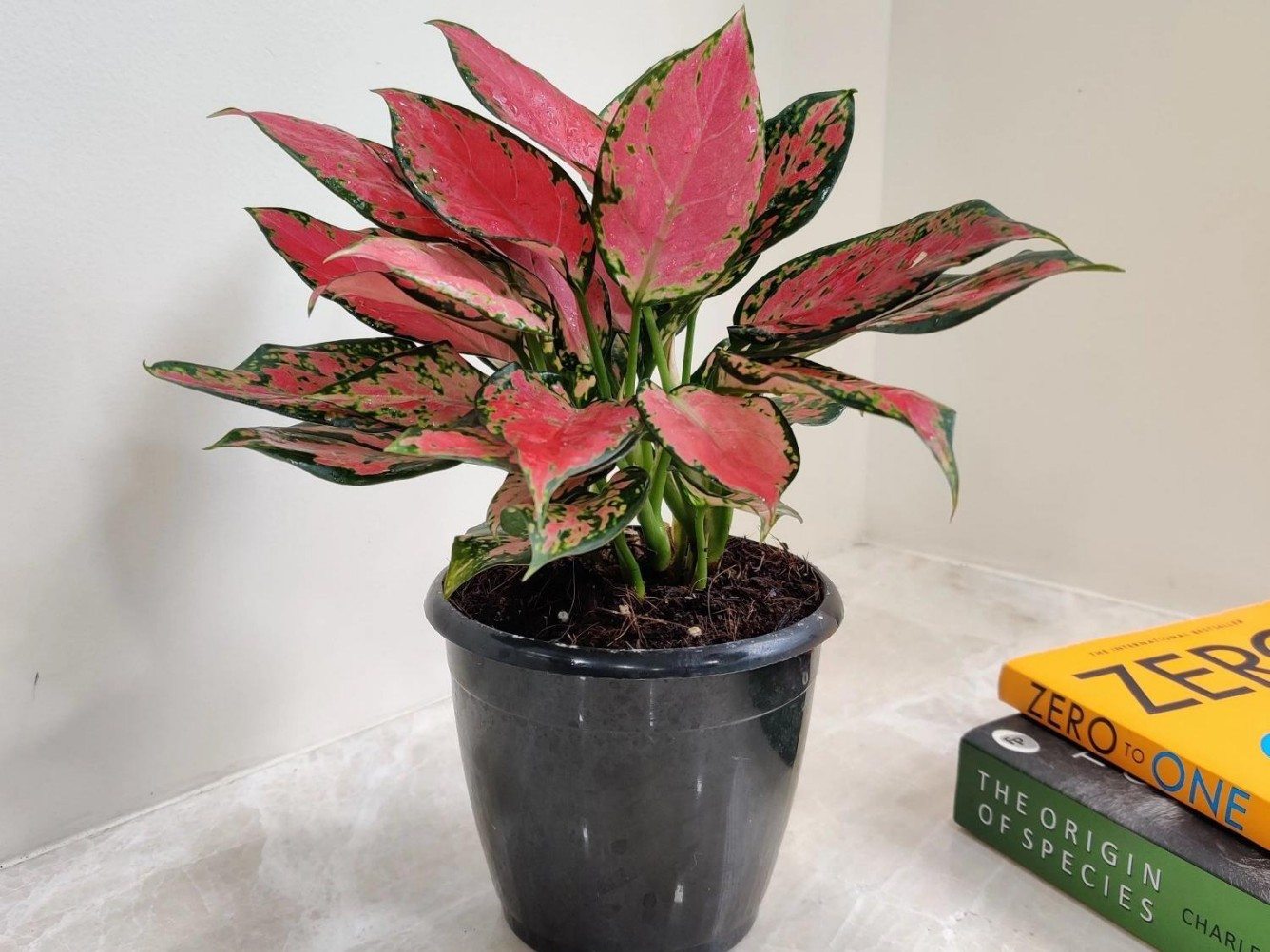
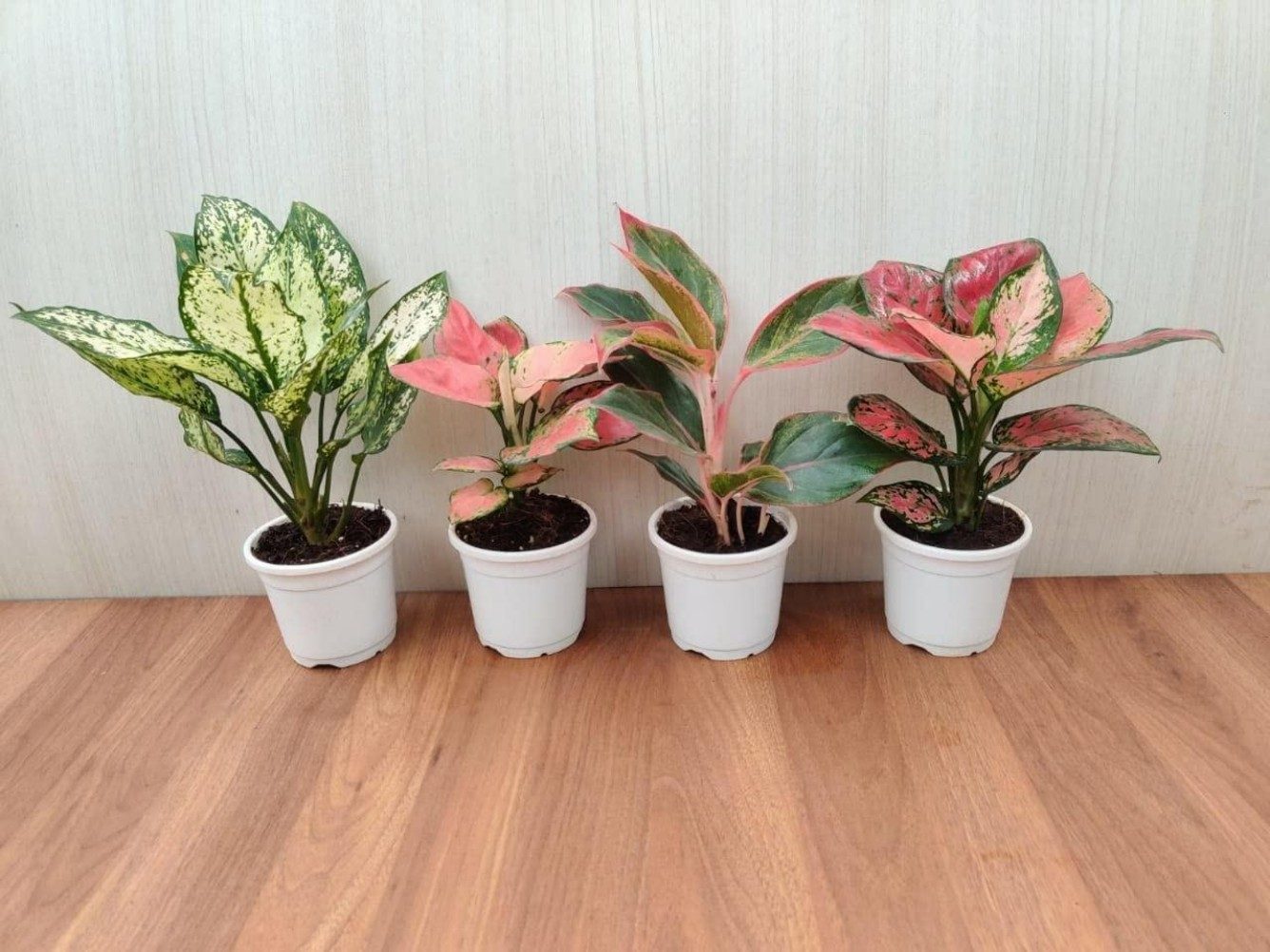
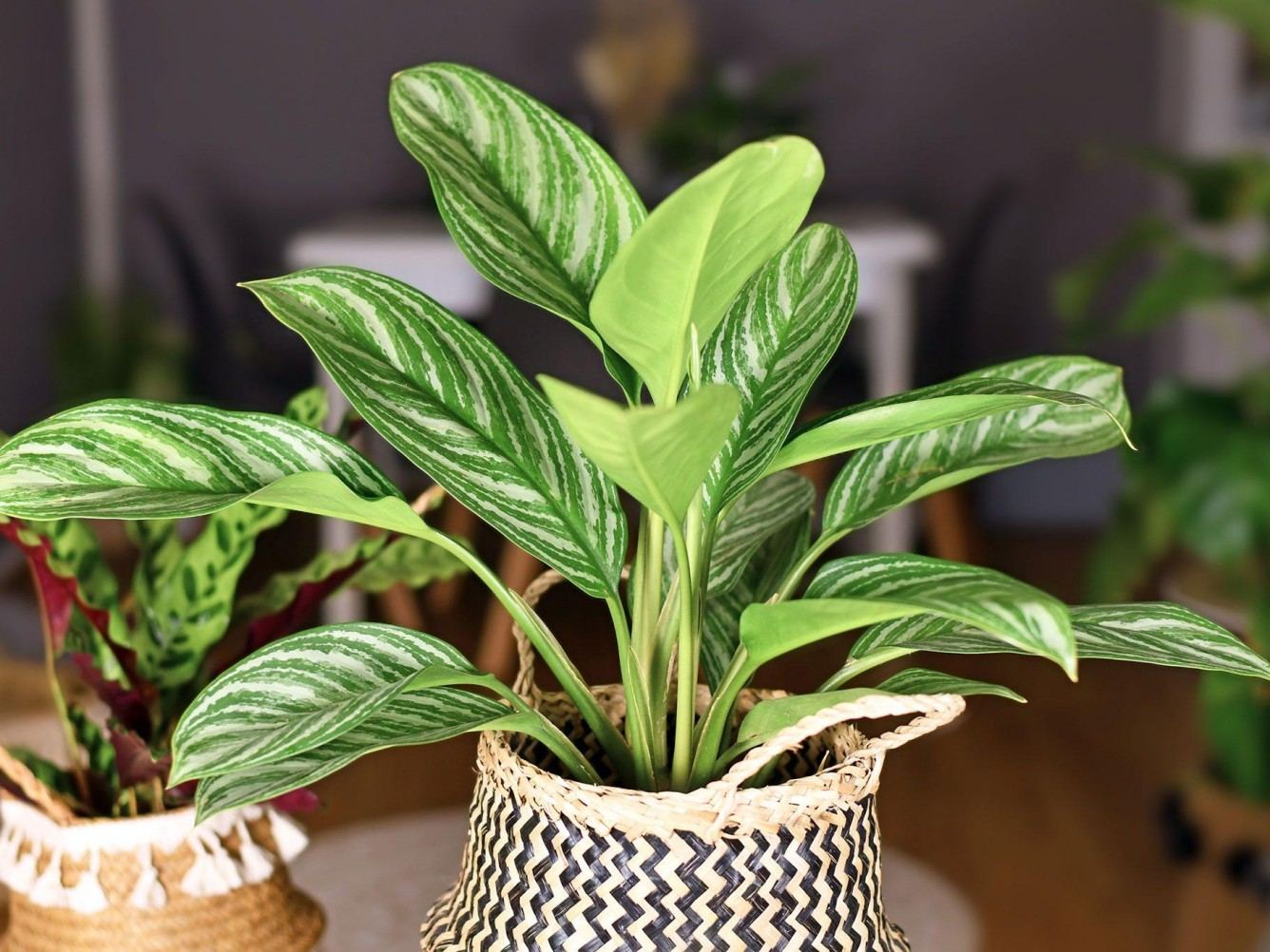
- Silver-green or red-pink variegation
-
- Leaf Type
- Broad, oval, with a pointed tip
-
- Stem Color
- Light green or slightly reddish
-
- Bloom Time
- Summer
-
- Toxicity
- Toxic
Plant Care Requirements
-
Light
Low to medium light
-
Soil
Loose and well-drained
-
Growing Difficulty
Easy to care for
-
Humidity
Medium humidity
-
Temperature
20-28°C
-
Fertilizer frequency
Once a month
-
Planting time
Best in spring
-
Ventilation requirements
Well ventilated
Advertisement
Plant Care Guide
-
How should I water Chinese Evergreen properly?
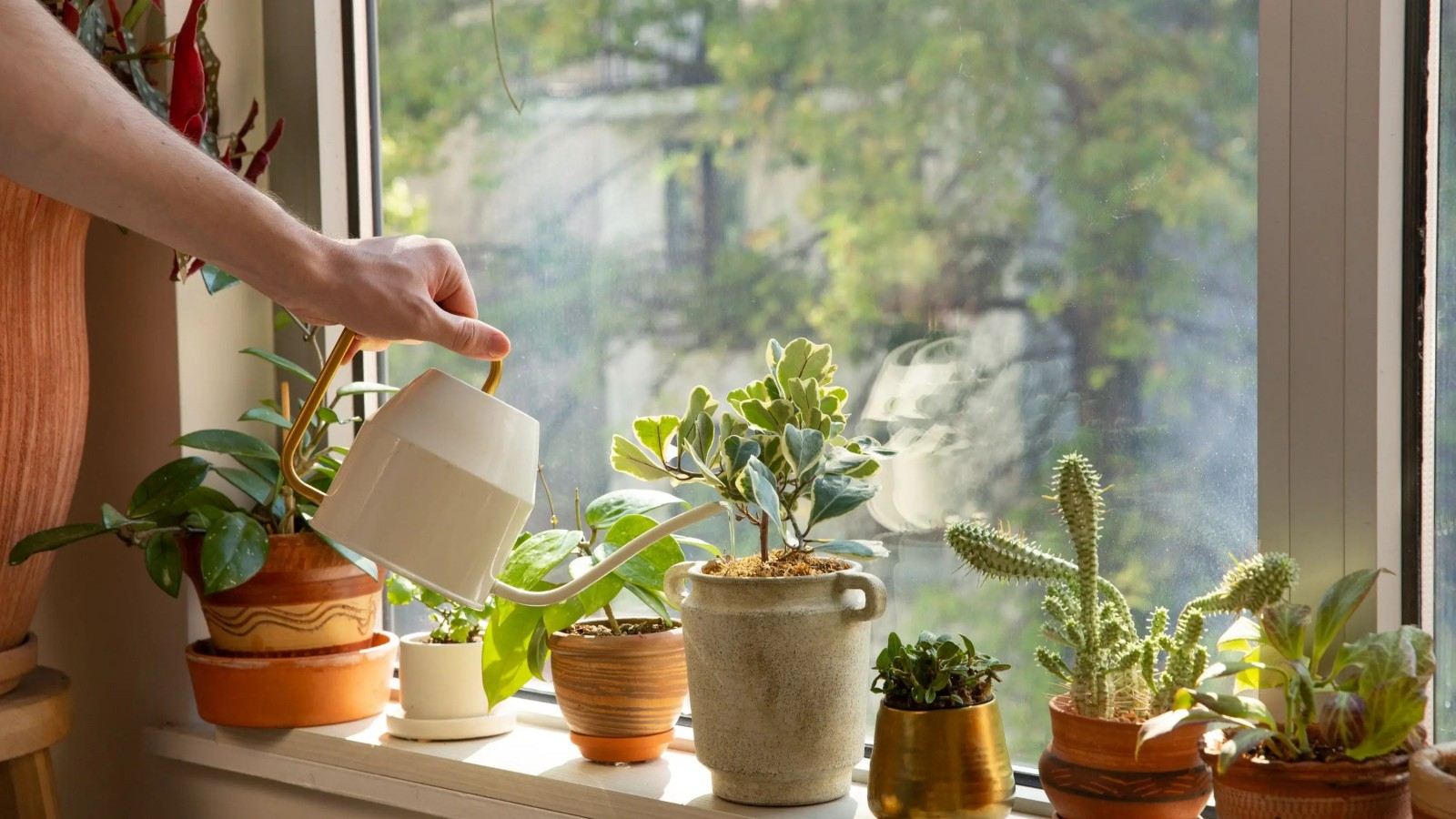
7–14 daysAvoid overwatering. Wait until the topsoil dries out before thoroughly watering. In spring and summer, water about once a week; in winter, reduce to every 10–14 days. Water should drain completely from the pot; discard excess water in the saucer to prevent root rot. Use filtered or dechlorinated water, as fluoride and chlorine in tap water can damage roots over time. It's important to water deeply but less frequently, rather than small amounts often, to encourage deeper root growth.
-
How do I prune Chinese Evergreen to keep it attractive?
Regular pruningPrune by removing yellow or dead leaves at the base with clean scissors. If the plant becomes leggy, trim back the stem tips in spring to encourage bushier growth. You can propagate the trimmed stems in water or soil. Always disinfect pruning tools and let cut surfaces dry to avoid infection. Regular pruning maintains a tidy shape and improves airflow around the plant.
-
How do I repot Chinese Evergreen?
2–3 yearsRepot every 2–3 years in spring, or when the roots outgrow the pot. Choose a container 2–3 cm wider than the current one with good drainage. Use fresh, loose potting mix and add a drainage layer at the bottom if needed. Gently remove the plant, trim any rotting or circling roots, and replant at the same depth. Water thoroughly after repotting, and place it in a shaded area for a week to allow the plant to recover.
-
Can I grow Chinese Evergreen in water?
YesYes, water propagation works well. Cut a healthy 10–15 cm stem and remove the lower leaves. Place the cutting in clean water so that only the stem is submerged. Change the water weekly and keep the container in a bright, indirect light area. Roots should appear in 3–4 weeks. Once rooted, you can continue growing in water or transplant into soil.
-
How should I care for Chinese Evergreen in winter?
15°CIn winter, keep the plant in a warm room with temperatures above 15°C. Avoid placing it near cold drafts or heat sources. Water less frequently and only when the soil is dry. Increase humidity with a humidifier or pebble tray. Maintain good airflow to prevent fungal infections. Fertilizing should be paused until the growing season resumes in spring.
-
How can I encourage fuller growth and more leaves?
Adequate nutritionEnsure consistent conditions: warm temperatures, indirect light, moderate humidity, and balanced watering. Fertilize monthly during active growth with a nitrogen-rich formula. Light pruning in spring helps stimulate new shoots. Avoid moving the plant too often or exposing it to environmental stress, which can hinder leaf production.
-
How can I tell if my Chinese Evergreen is sick?
Yellowing and drooping leavesSigns include yellowing leaves, drooping, black spots, or foul-smelling soil. These often result from overwatering, poor ventilation, or pest/disease infection. Check the roots—soft, mushy roots indicate rot. Remove affected parts, improve drainage, and use a fungicide if needed. Improving airflow and adjusting care habits can restore plant health.
Advertisement
Frequently Asked Questions
-
1 Why are the leaf tips turning yellow or brown?
Browning or yellowing tips are often caused by dry air, excess fertilizer, or poor water quality. Chinese Evergreen is sensitive to fluoride and chlorine—use filtered or aged tap water when possible. Dry indoor air can also stress the leaves, especially during winter heating. Use a humidifier or mist regularly to maintain humidity above 50%. Over-fertilizing can lead to salt build-up in the soil; flush the soil with clean water monthly and use diluted fertilizer to avoid leaf burn.
-
2 Why is my Chinese Evergreen dropping leaves?
Leaf drop can result from overwatering, sudden temperature drops, or inadequate light. Occasional shedding of old leaves is natural, but excessive loss signals a problem. Check the soil—if constantly wet, reduce watering. Move the plant to a brighter spot with filtered sunlight and keep it away from cold drafts. Ensure room temperature stays above 15°C. If the plant was recently moved, allow time to adjust before making further changes.
-
3 What causes black spots on the leaves?
Black spots are usually caused by bacterial or fungal infections in overly humid or poorly ventilated environments. Cut away infected leaves using sterile scissors and dispose of them. Avoid overhead watering and reduce misting until the plant recovers. Apply a broad-spectrum fungicide or bactericide as needed. Improve air circulation around the plant by spacing it away from other plants and placing it in a ventilated area.
-
4 Is Chinese Evergreen toxic to pets?
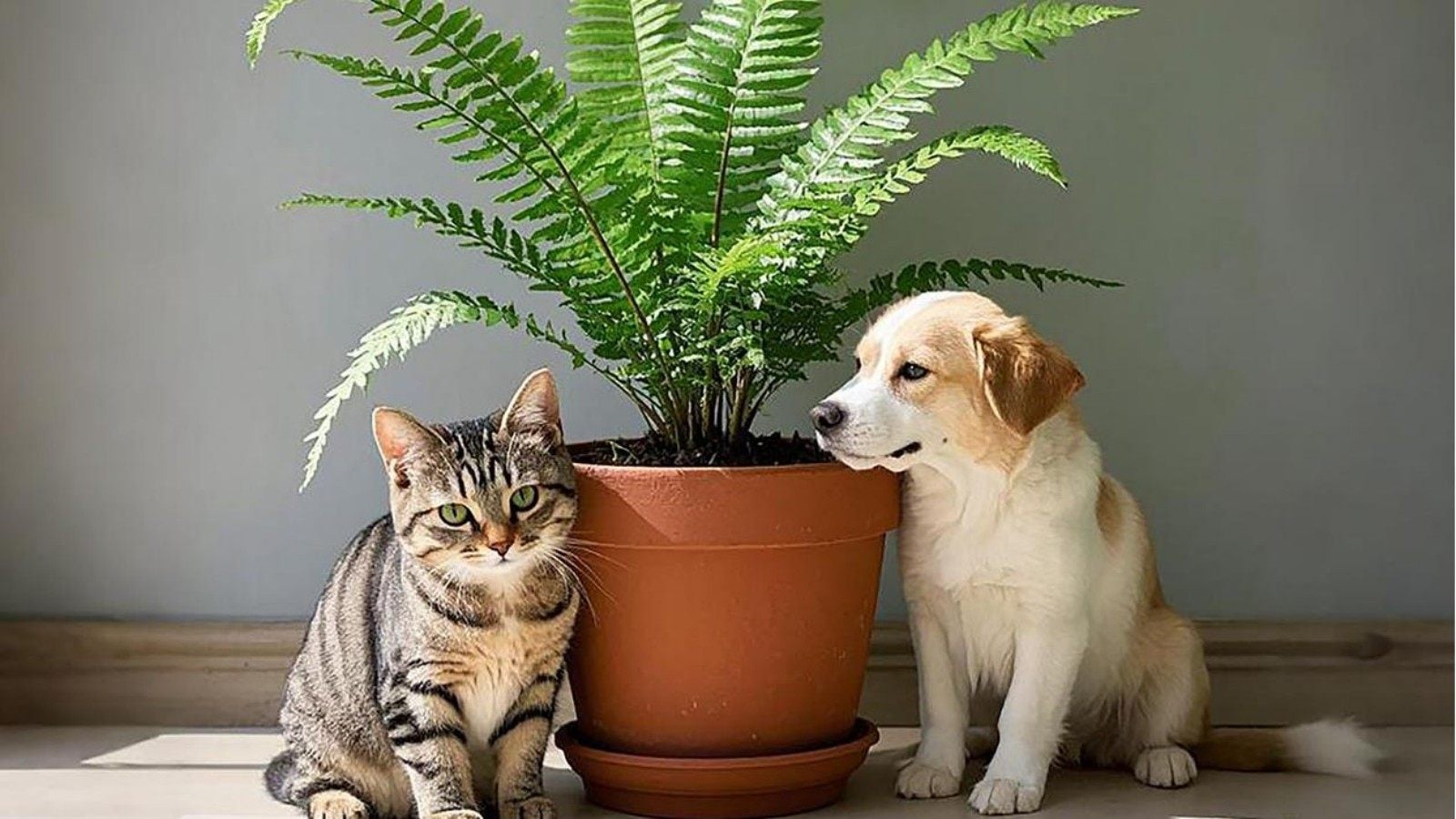
Yes, it contains calcium oxalate crystals, which are mildly toxic to cats, dogs, and humans. Ingestion may cause oral irritation, drooling, vomiting, and difficulty swallowing. If a pet chews on the plant, remove any plant material from their mouth and rinse with clean water. In severe cases, contact a veterinarian. To prevent accidents, place the plant in an area inaccessible to pets or choose non-toxic alternatives for pet-friendly homes.
Advertisement
Introduction
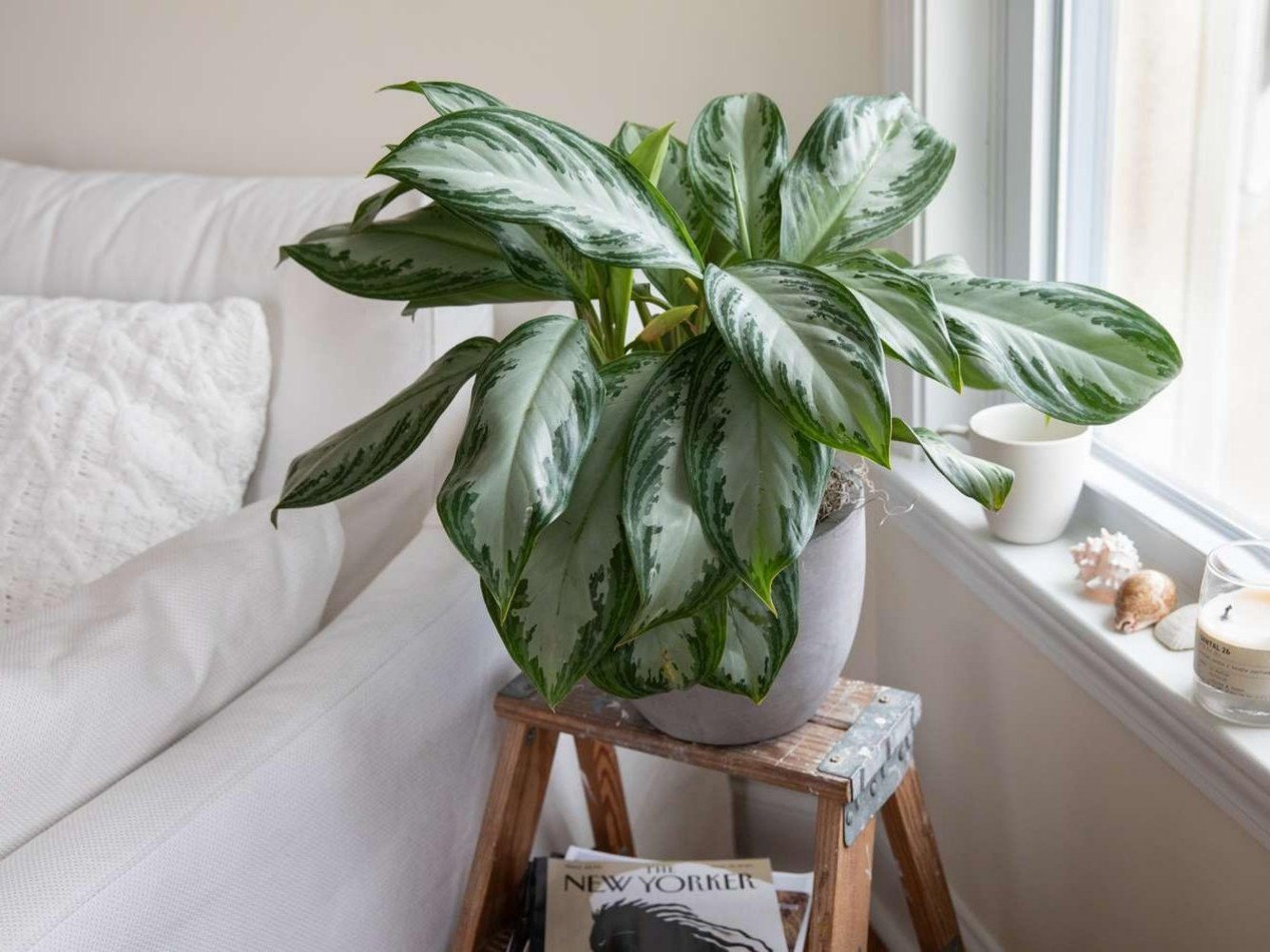
Chinese Evergreen, botanically known as Aglaonema, is a tropical foliage plant native to Southeast Asia. It features broad, glossy leaves often marked with silvery green, red, or pink variegation, depending on the cultivar. Well known for its tolerance to low light and poor air quality, it is an ideal indoor plant for homes and offices. With its decorative appeal and low maintenance requirements, Chinese Evergreen is beloved by both beginners and experienced plant keepers.
Popular Plant Encyclopedia
-
-
Poisonous and danger
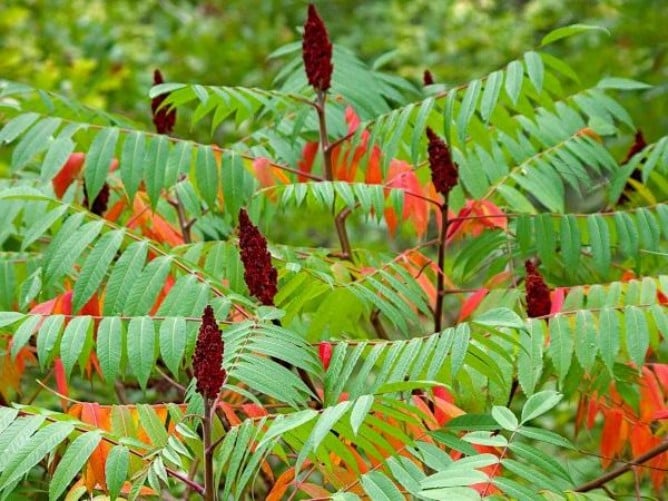
- Rhus typhina
-
-
-
Edible and medicinal
- Common sunflower
-
-
-
Poisonous and danger
- Plumeria rubra
-
-
-
Wild and common weed
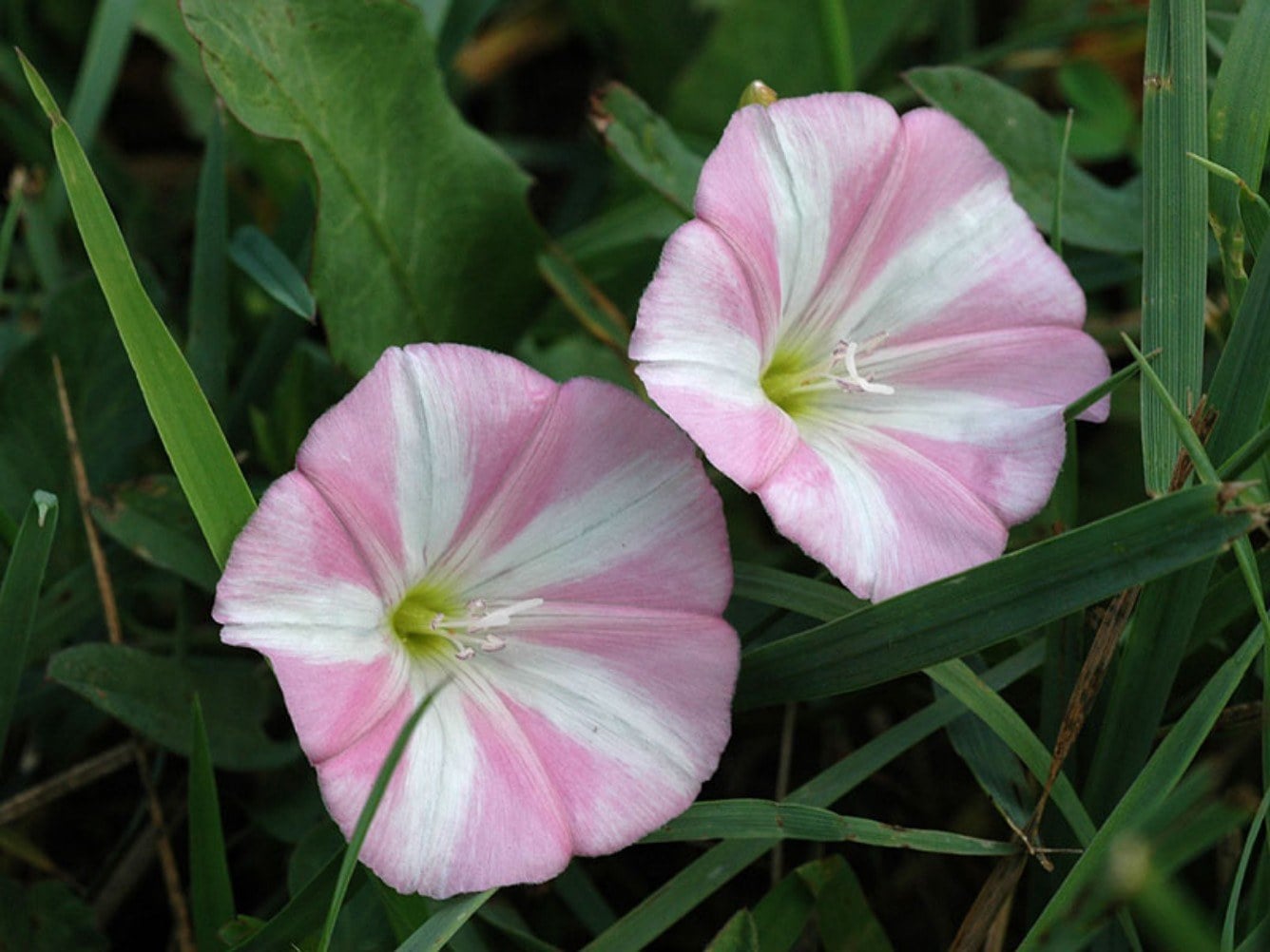
- Convolvulus arvensis
-
-
-
Edible and medicinal
- Perilla frutescens
-
-
-
Edible and medicinal
- Pogostemon cablin
-
-
-
Edible and medicinal
- Common fenugreek
-
-
-
Edible and medicinal
- Garden Thyme
-
 Poisonous and danger
 Edible and medicinal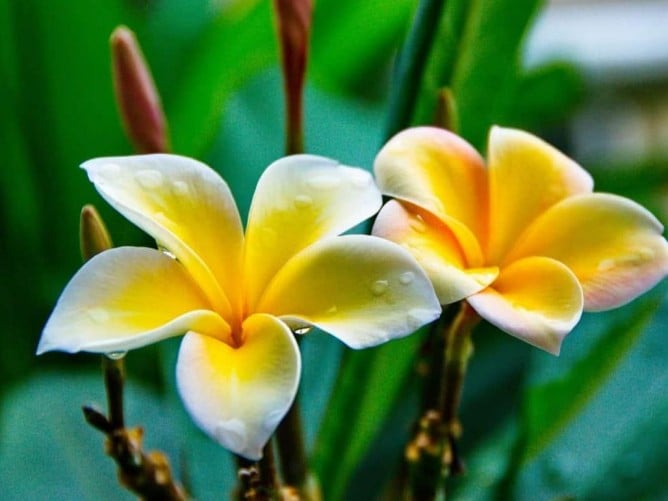
 Wild and common weed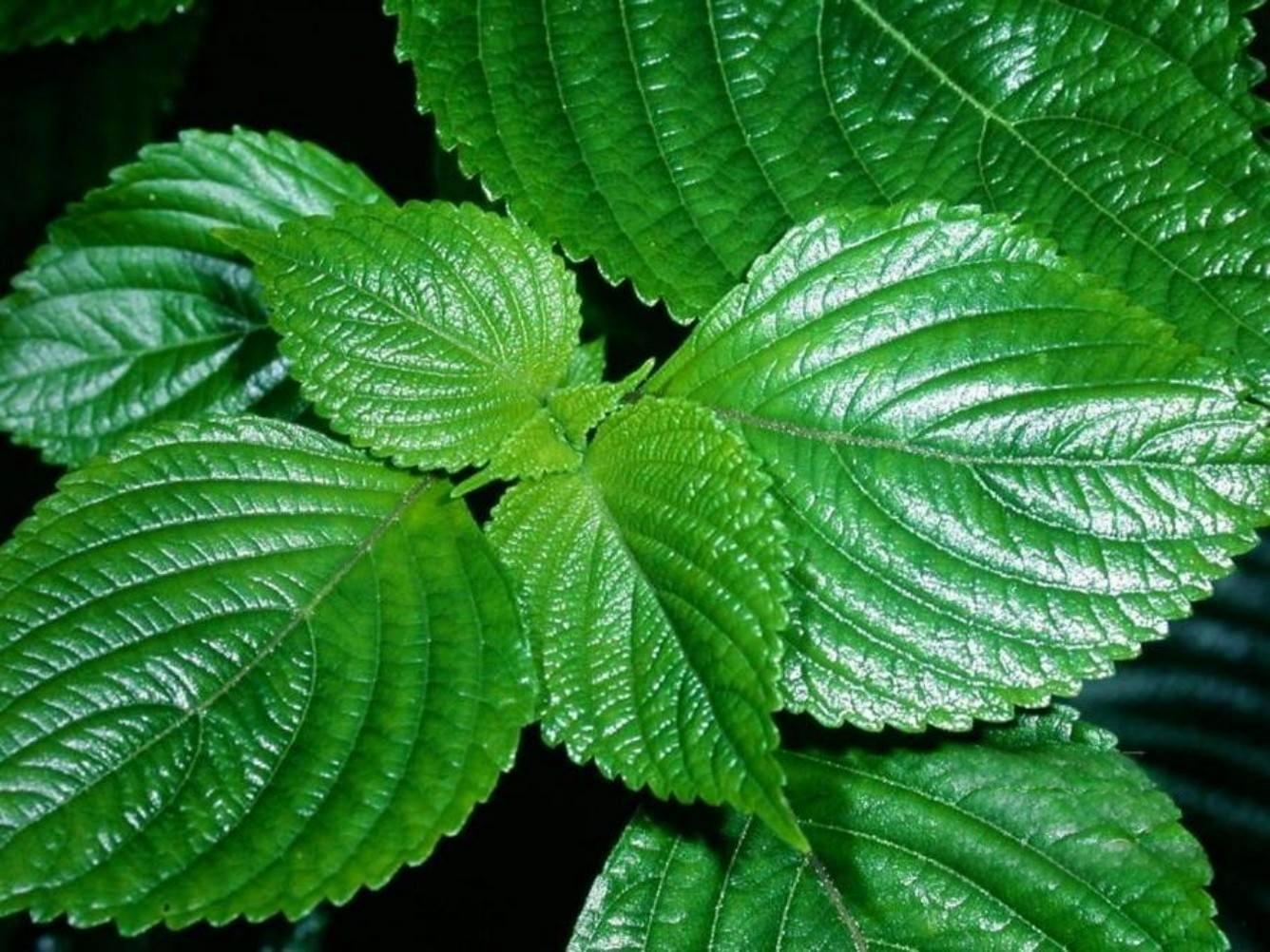
Advertisement