Chlorophytum comosum
-
 Domestic and indoor
 - Also known as :spider orchid
 Domestic and indoor
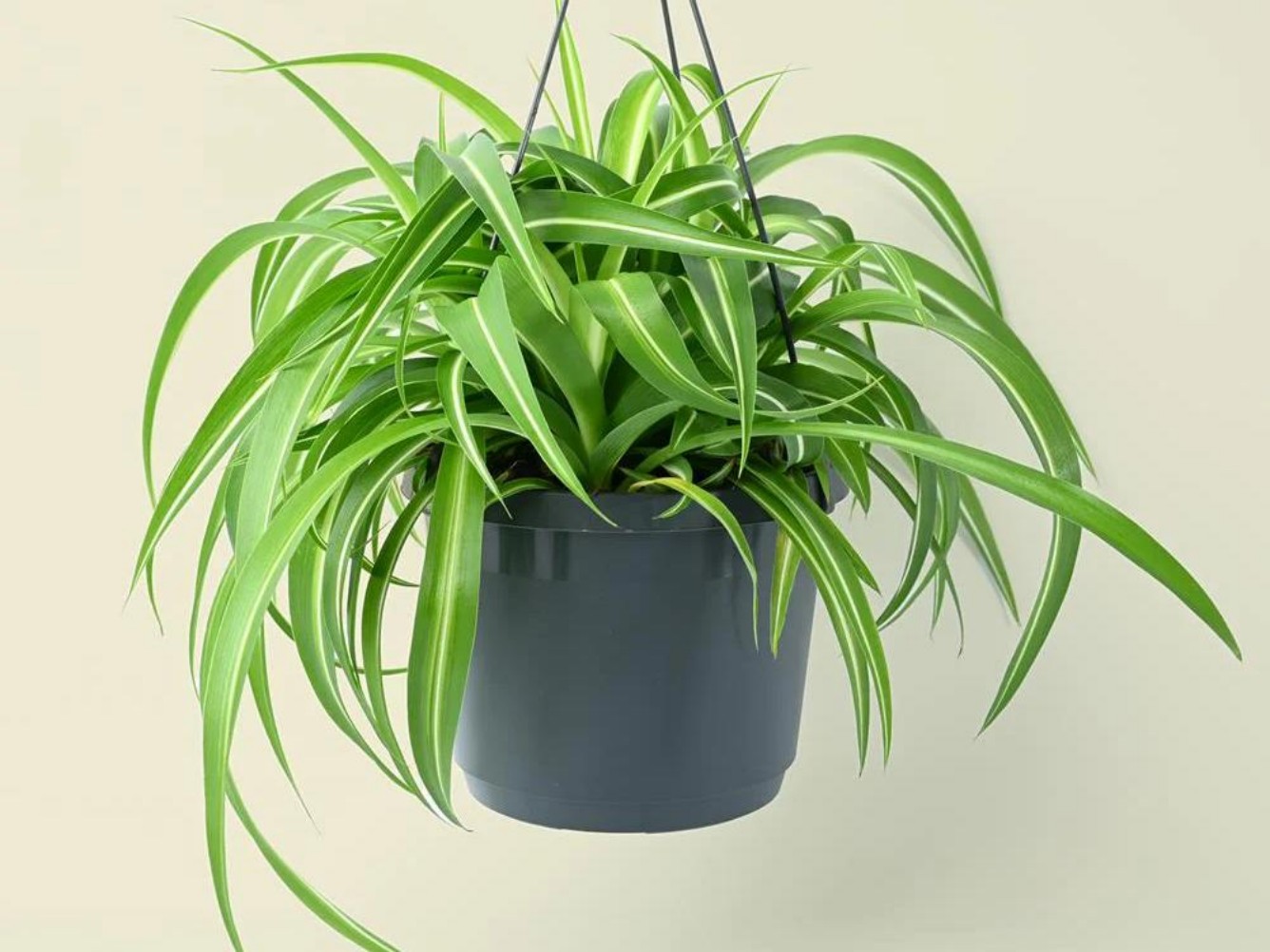
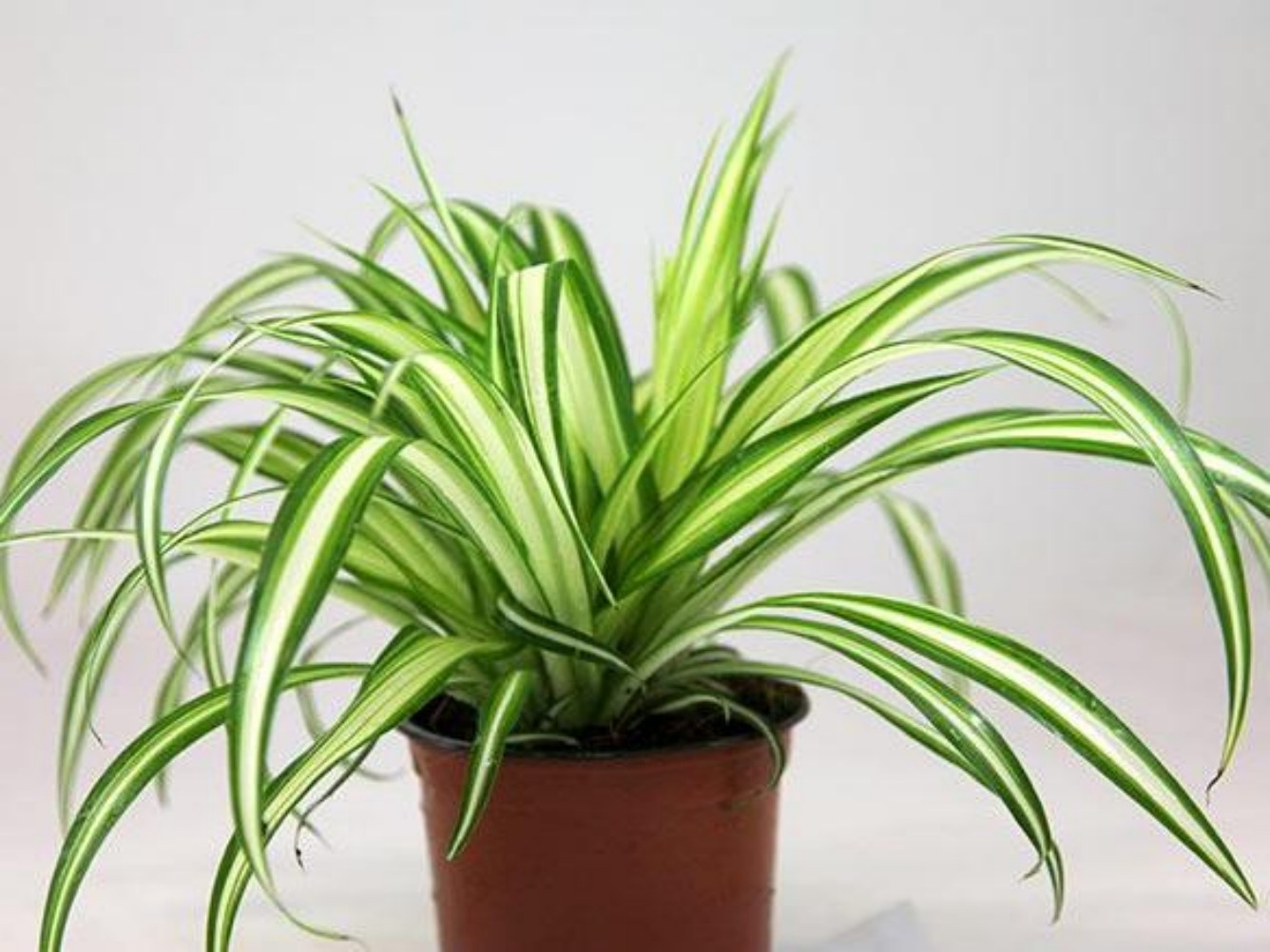
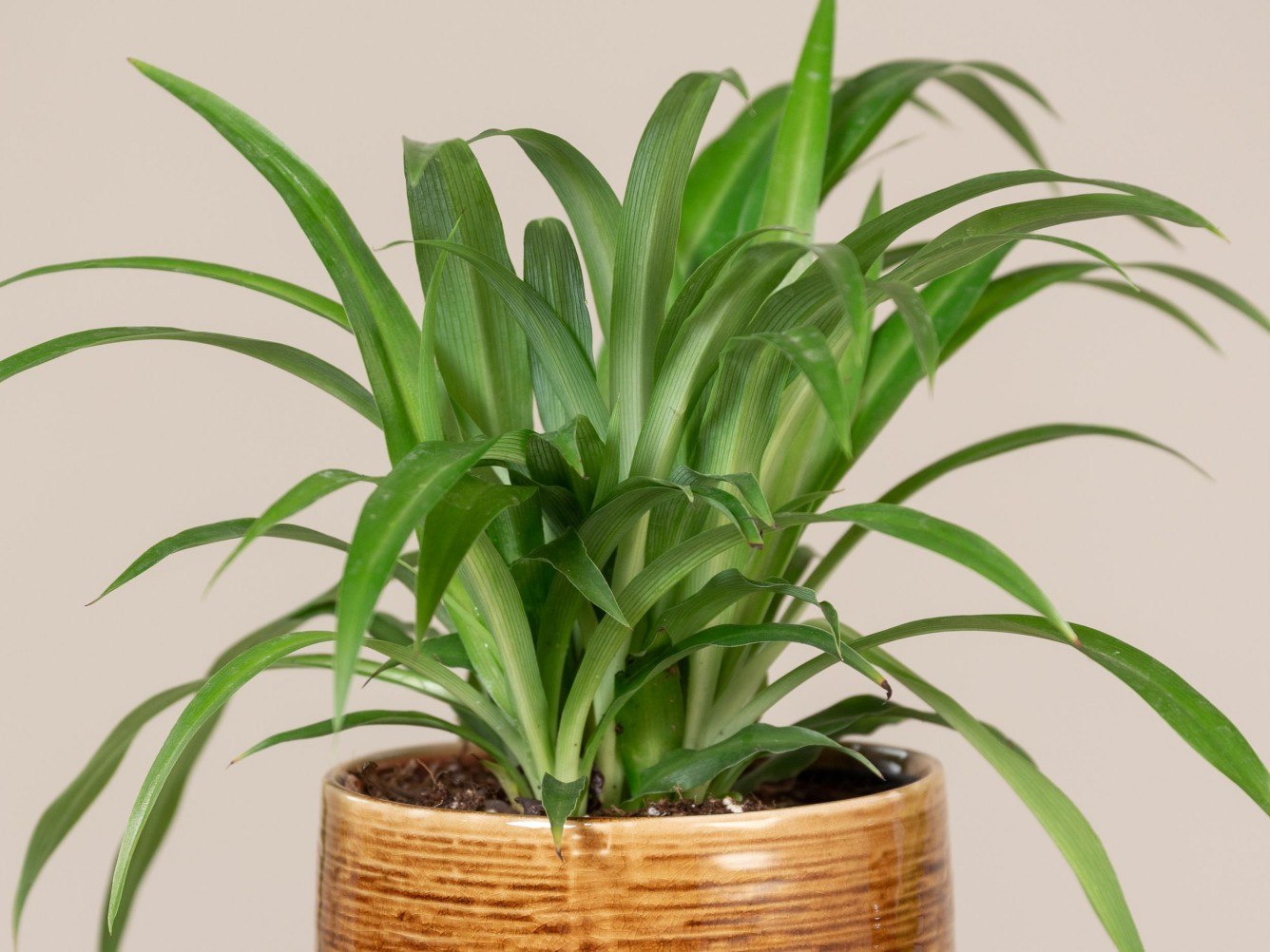
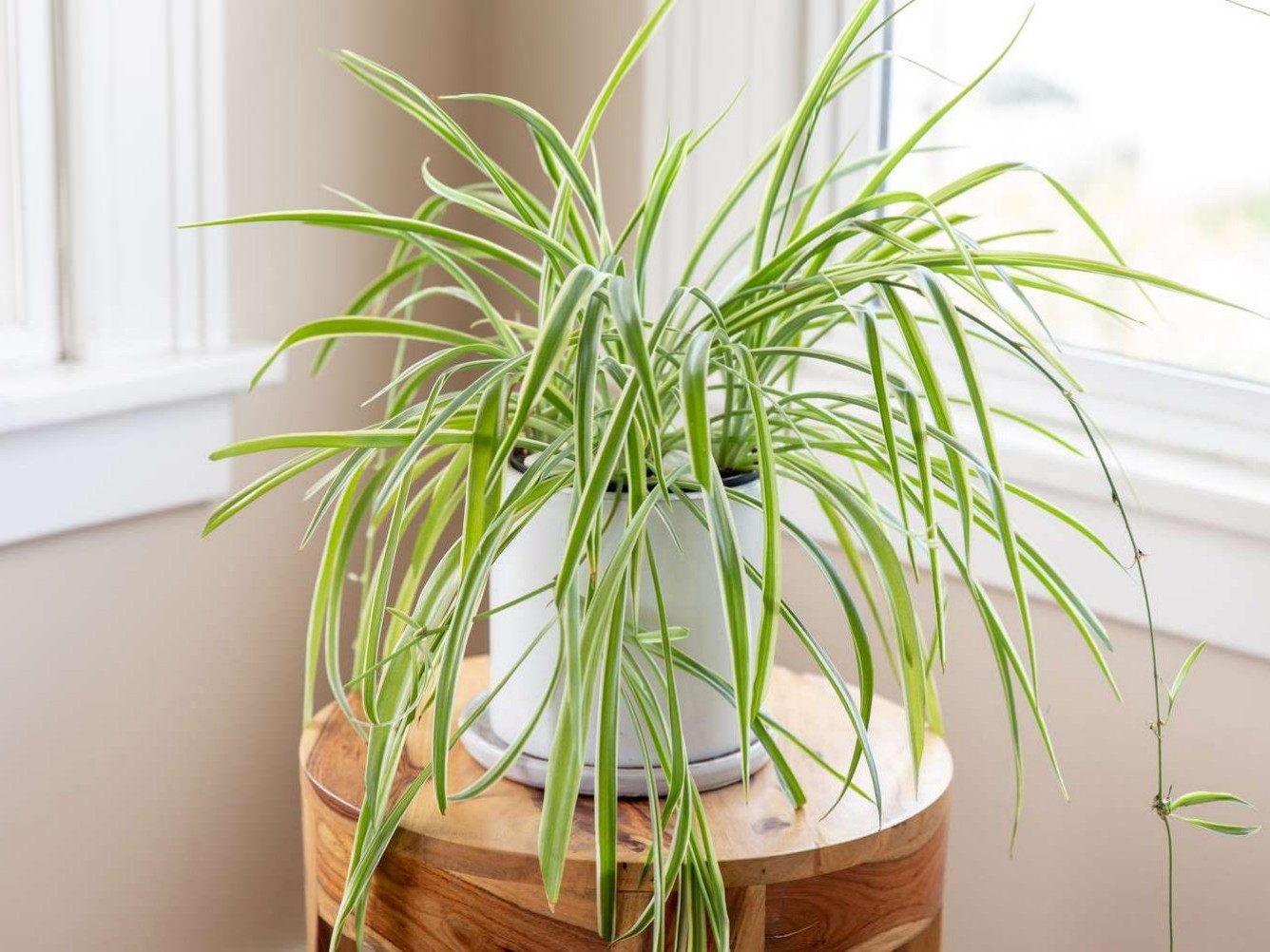
Nursing Skills
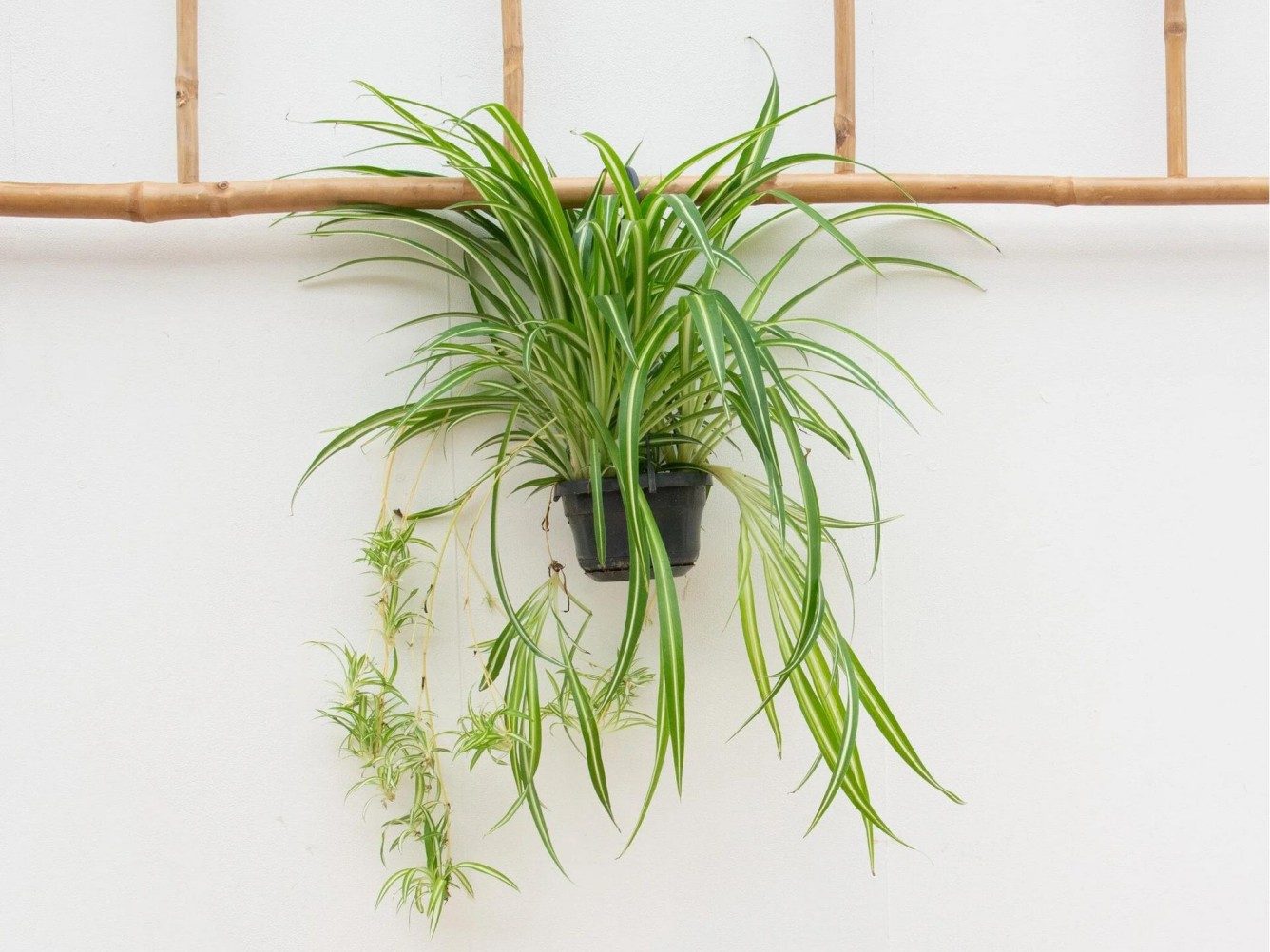
Chlorophytum comosum is the plant of choice for almost all “plant lovers”. It is particularly sui for propagation: when the mother plant is well established, it comes with its own “little Chlorophytum comosum”, which can be rooted simply by cutting it off and sticking it in the soil. It does not need to be watered very often and the light is not too harsh.
Advertisement
Plant Properties
-
- Growth cycle
- Perennial
-
- Plant type
- Foliage herb
-
- Toxicity
- Non-toxic
-
- Flowering period
- Spring and summer
-
- Plant height
- About 20-40 centimeters
-
- Crown diameter
- 60 centimeters
-
- Leaf color
- Green with yellow or white edges
Plant Care Requirements
-
Light
Prefer diffused light, avoid strong direct light
-
Soil moisture
Keep slightly moist, avoid waterlogging
-
Soil PH
Slightly acidic to neutral (pH 6.0-7.0)
-
Watering frequency
Twice a week in spring and summer, once a week in fall and winter
-
Fertilizer frequency
1 liquid fertilizer per month in spring and summer
-
Temperature
18-25°C
-
Planting time
March-May spring
-
Lifespan
Perennial
Advertisement
Plant Care Guide
-
What are the details of watering Chlorophytum comosum?
Once a weekChlorophytum comosum prefers moist but not waterlogged conditions. Water about twice a week during the spring and summer months when growth is strong, keeping the soil slightly moist but not cloudy. During the fall and winter months, water less frequently, once a week is sufficient. Use room temperature water when watering to avoid cold water irritating the roots. If the indoor air is dry, lightly spray the leaves to keep them bright and prevent the tips from drying out.
-
How do I prune my Chlorophytum comosum to make it more lush?
Regular pruningChlorophytum comosum grows rapidly and regular pruning helps with branching and new leaf growth. It is recommended that you check the plant once a month and cut off any yellowing or deteriorating foliage. For “seedlings” that have already grown, you can choose to cut them back for propagation or keep them for ornamental purposes. Proper fertilization after pruning will help Chlorophytum comosum grow back quickly and more densely.
-
How to propagate Chlorophytum comosum?
CuttingsThe most common method of propagation is to utilize naturally growing Chlorophytum comosum miniatures.Cut the roots off when they are slightly raised and insert them into moist soil, keep them warm and moist and they will root in about two weeks. You can also soak and root the Chlorophytum comosum before potting for greater stability. Choosing to do this in the spring has a higher survival rate and is a very easy way to take cuttings.
-
How can I safely fertilize Chlorophytum comosum?
Once a monthChlorophytum comosum has low nutrient requirements, but moderate fertilization during the growing season will help to brighten the leaves. It is recommended to use a general-purpose liquid fertilizer once a month, diluted to half the original concentration, to avoid “burning the roots”. If the plant is dormant or slow-growing in the fall and winter, you can suspend fertilization to avoid wasting nutrients or even affecting the health of the root system.
-
What should I do if I don't have enough light indoors?
Bright indirect lightIf your home does not receive enough light, place Chlorophytum comosum in a bright location near a window or balcony out of direct sunlight. If the light is really insufficient, you can move Chlorophytum comosum to a place with sufficient light to “sunbathe” regularly for 1-2 hours each time, in order to avoid the color of the leaves being dulled or poorly grown.Chlorophytum comosum adapts well to the low light, and it is a typical “shade-tolerant green plant”. Chlorophytum comosum is very adaptable to low light and is a typical “shade-tolerant green plant”.
-
How to choose a suitable pot?
Breathable PlanterBecause of its developed root system, it is recommended to use airy pots with a slightly larger caliber, such as ceramic pots or plastic pots with drainage holes. Put some ceramic grains at the bottom of the pot to facilitate drainage and avoid stagnant water that may cause root rot. If the plant grows too fast and has dense foliage, it should be repotted every 1-2 years, and a larger pot than the original one will help it continue to grow healthily.
-
Does a dry air environment affect Hanging Orchids?
YesYes. Although it is dry tolerant, the leaf tips may dry out or turn yellow if the air is too dry. Especially in heated or air-conditioned rooms, it is recommended to lightly mist the leaves daily with a vaporizer or place a bowl of water next to the plant to increase humidity. Chlorophytum comosum can also be placed in areas of high humidity such as kitchens and bathrooms.
Advertisement
Frequently Asked Questions
-
1 Why do the leaf tips of Chlorophytum comosum tend to yellow or wilt?
Common causes of yellowing and drying of leaf tips include dry air, water quality problems (e.g., fluoride), over-fertilization, or insufficient light. Watering should be done with water that has dried overnight to minimize the effects of fluoride. Keep the air moist and avoid over-concentration of fertilizer. In addition, avoid bright direct light to avoid burning the leaf tips. Maintaining good ventilation and moderate humidity can usually alleviate this problem.
-
2 What should I do if my Chlorophytum comosum grows very slowly and does not produce any orchid seedlings?
Slow growth of Chlorophytum comosum is usually associated with insufficient light, lack of nutrients or restricted potting space. Firstly, it should be moved to a location with better light (e.g. east window), and secondly, it should be supplemented with nutrients by applying a thin liquid fertilizer regularly in spring and summer. In addition, check the bottom of the pot for crowding and replace it with a slightly larger one if necessary. Adequate space and light are the prerequisites for Chlorophytum comosum to “explode”.
-
3 What is wrong with soft, drooping leaves?
Soft, drooping leaves are usually caused by over-watering or poor soil drainage, resulting in a lack of oxygen to the roots. In this case, watering should be reduced immediately, the bottom of the pot should be checked for waterlogging, and the soil should be replaced with loose, well-drained soil if necessary. If the root system has rotted, you should cut off the rotted root system and dry it out before replacing the pot. Controlling the frequency of watering and strengthening ventilation are the keys to recovery.
-
4 Is it normal for Chlorophytum comosum to have thicker roots?
Chlorophytum comosum's roots are fleshy and slightly swollen, which is their natural water storage mechanism. As long as there is no odor or darkening, there is nothing to worry about. On the contrary, this is a sign that Chlorophytum comosum is healthy and strong. If the roots are overcrowded and interfering with drainage or growth, consider a larger pot and prune some of the old roots to encourage new root growth.
Advertisement
Introduction
Chlorophytum comosum, also known as “spider orchid”, is a perennial evergreen herb. Its leaves are slender, linear-lanceolate, and usually green, with some varieties having white or yellow stripes. Not only is the orchid elegant, it is also highly adap and can grow in a variety of indoor environments. Its unique air-purifying properties make it a very popular indoor foliage plant.
Popular Plant Encyclopedia
-
-
Poisonous and danger
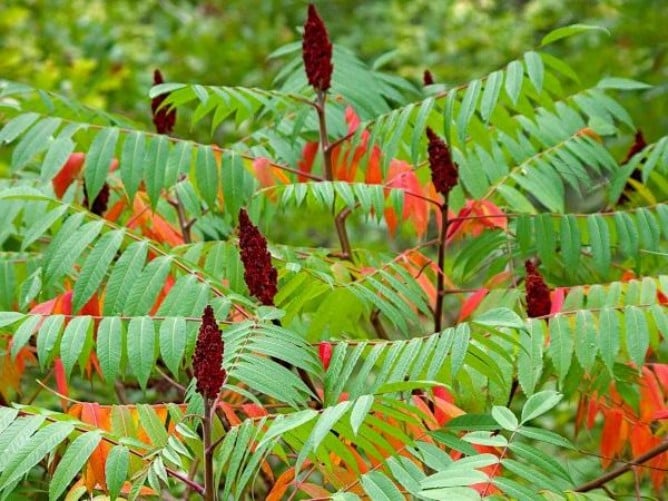
- Rhus typhina
-
-
-
Edible and medicinal
- Common sunflower
-
-
-
Poisonous and danger
- Plumeria rubra
-
-
-
Wild and common weed
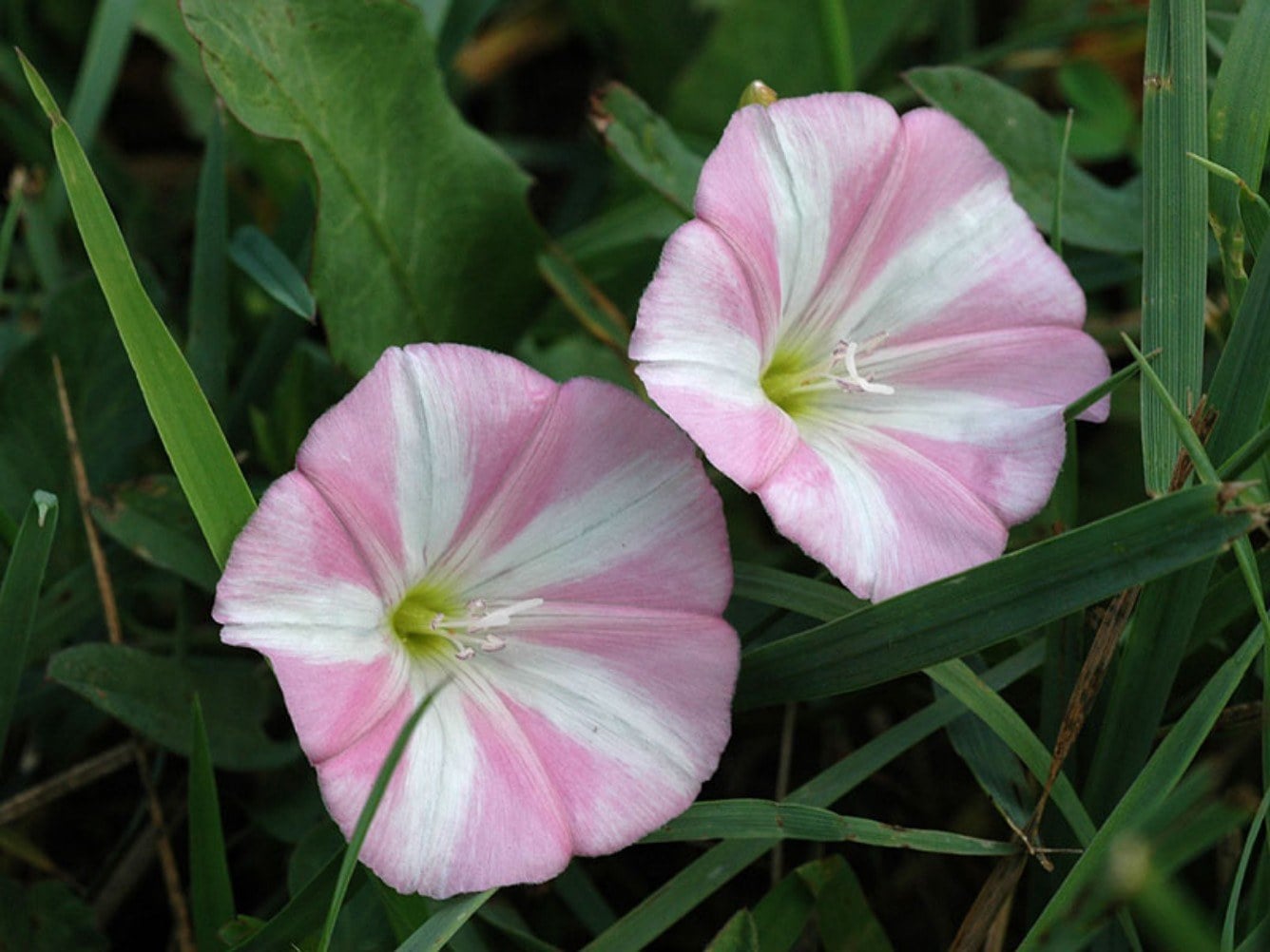
- Convolvulus arvensis
-
-
-
Edible and medicinal
- Perilla frutescens
-
-
-
Edible and medicinal
- Pogostemon cablin
-
-
-
Edible and medicinal
- Common fenugreek
-
-
-
Edible and medicinal
- Garden Thyme
-
 Poisonous and danger
 Edible and medicinal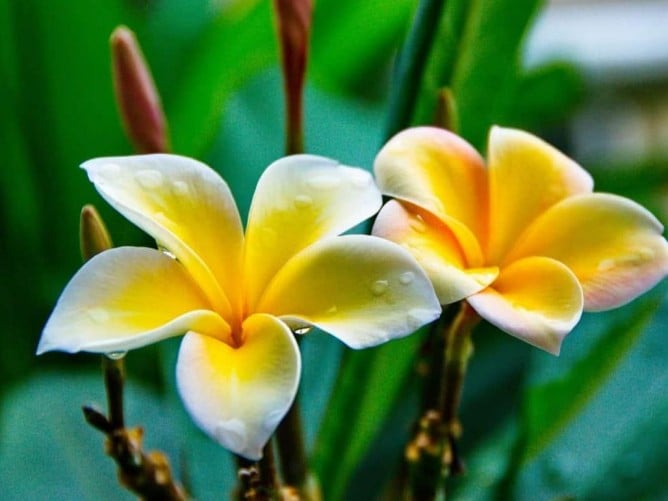
 Wild and common weed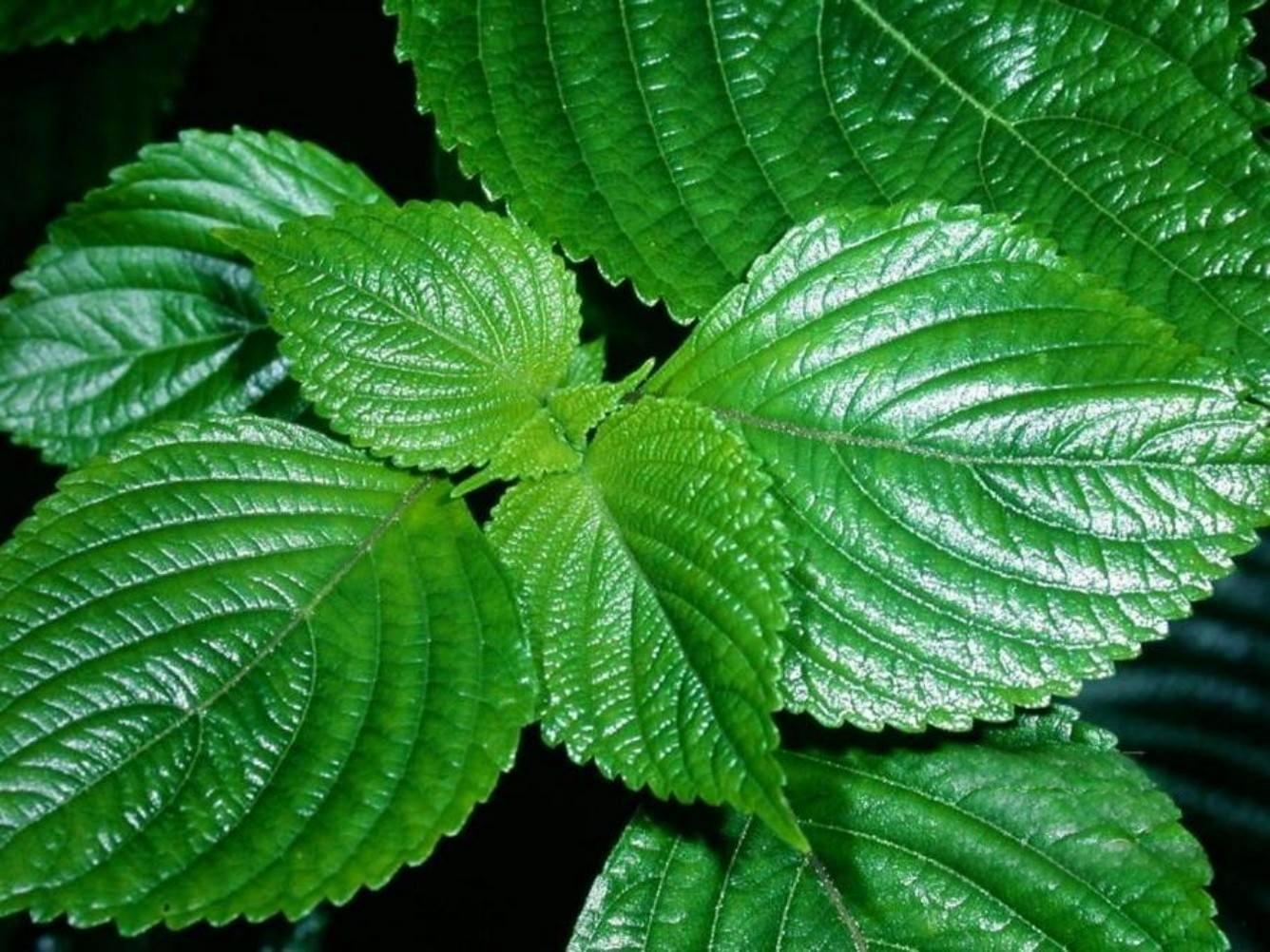
Advertisement