Colocasia esculenta
-
 Poisonous and danger
 - Also known as:taro
 Poisonous and danger
Nursing Skills
**Colocasia esculenta** prefers warm temperatures, high humidity, and consistently moist soil. It grows best in rich, well-drained soil with regular watering and partial to full sunlight. Protect the plant from cold temperatures and ensure good air circulation to prevent root rot and leaf diseases.
Advertisement
Plant Properties
-
- Toxicity
- Toxic to humans
-
- Plant Type
- Herbaceous plant
-
- Lifespan
- Perennial
-
- Flowering Time
- Summer
-
- Leaf Type
- Deciduous
-
- Stem Color
- Green
-
- Harvest Season
- Autumn
Plant Care Requirements
-
Care Difficulty
Moderate
-
Watering Frequency
1–2 times per week
-
Sunlight Requirements
Full sun to partial shade
-
Soil pH
5–7
-
Planting Time
Spring, Summer
-
Hardiness Zones
8–11
Advertisement
Plant Care Guide
-
How often should I water it?
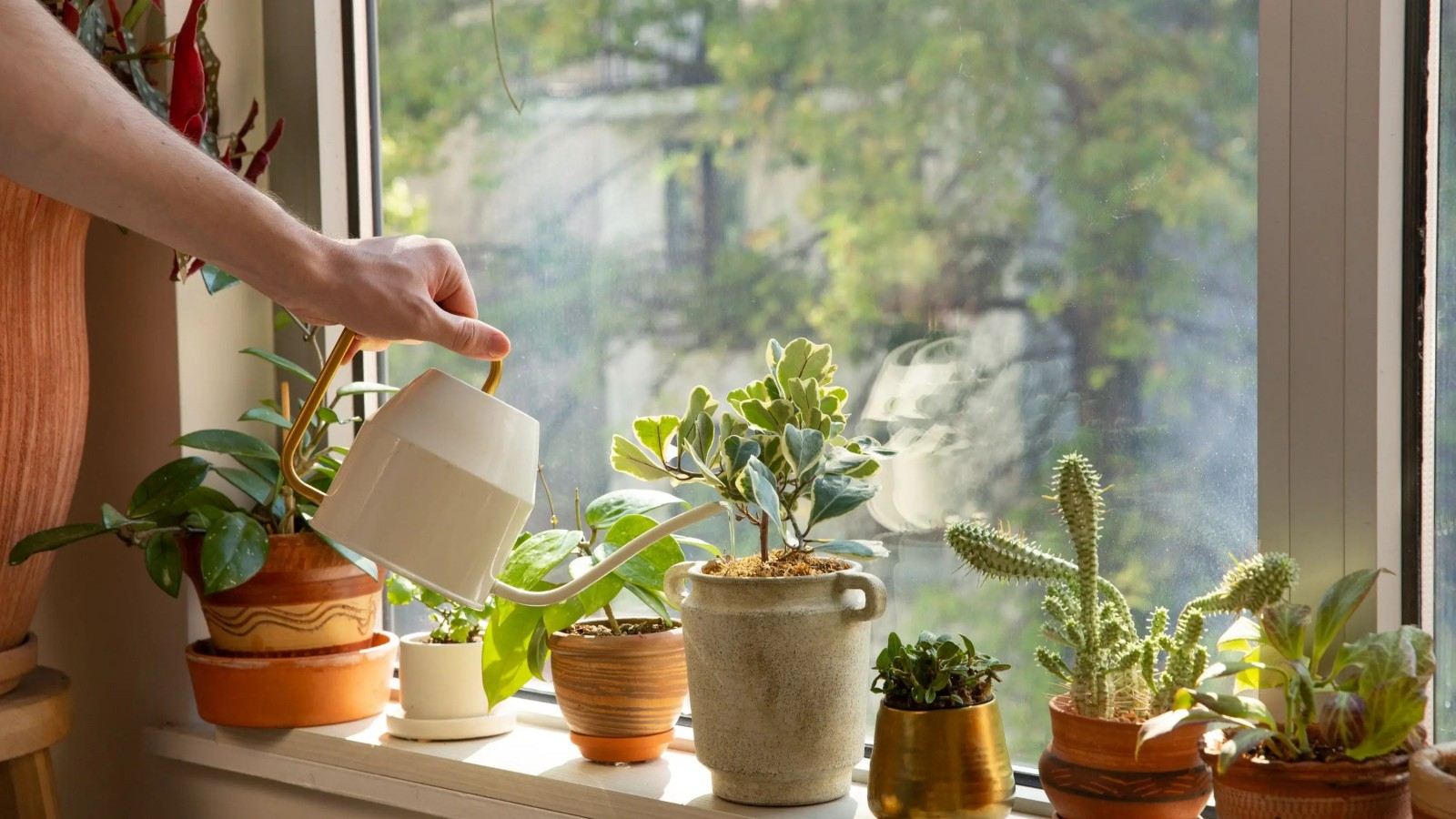
Colocasia esculenta prefers consistently moist soil. Water it thoroughly once or twice a week, ensuring the top inch of soil does not dry out. During hot or dry periods, increase watering frequency. Avoid waterlogging to prevent root rot, and always check soil moisture before watering.
-
What kind of light does it need?
Bright, indirect lightThis plant thrives in bright, indirect sunlight. Direct sun can scorch its large leaves, while insufficient light slows growth. A spot with filtered sunlight or partial shade is ideal. Indoors, place near a window with sheer curtains or a well-lit room. Rotate the plant occasionally for even growth.
-
What temperature is best?
65–85°F (18–29°C)Colocasia esculenta grows best in warm, tropical conditions. Keep temperatures between 65–85°F (18–29°C) and avoid cold drafts. Temperatures below 50°F (10°C) can stunt growth or damage leaves. Keep the plant away from air conditioners in summer and heaters in winter for optimal growth.
-
How should I fertilize it?
Every 4–6 weeksFeed Colocasia esculenta every 4–6 weeks during the growing season with a balanced, water-soluble fertilizer. Fertilizers high in nitrogen promote lush, green foliage. Reduce feeding during winter when growth slows. Follow package instructions carefully, as over-fertilizing can burn the roots and damage the plant.
-
How do I manage pests and diseases?
Regular inspectionCheck leaves frequently for pests such as aphids, spider mites, and mealybugs. Treat infestations with insecticidal soap or neem oil. Avoid overwatering, as soggy soil promotes fungal diseases like root rot and leaf spot. Remove damaged leaves promptly, and maintain proper spacing for good air circulation.
-
How do I propagate Colocasia esculenta?
Division methodColocasia esculenta is best propagated by dividing its tubers during the dormant season. Carefully remove the plant from the soil, separate healthy tubers with at least one growing bud each, and plant them in fresh, well-draining soil. Keep the soil consistently moist and provide indirect light until new shoots emerge. Avoid damaging roots to ensure successful growth.
Advertisement
Frequently Asked Questions
-
1 Is Colocasia esculenta safe for pets and humans?
Colocasia esculenta is toxic if eaten raw by both humans and pets because it contains calcium oxalate crystals. These crystals can cause mouth irritation, swelling, and digestive discomfort. Always keep the plant out of reach of children and animals. Proper cooking neutralizes the toxins, which is why taro root is safe to eat only after being fully cooked.
-
2 Does Colocasia esculenta go dormant?
Yes, Colocasia esculenta may go dormant in cooler temperatures or during winter. Growth slows, and leaves may die back. This is normal. Reduce watering during dormancy and keep the tubers dry but not completely dehydrated. New growth will return when temperatures rise in spring.
-
3 Why do water droplets appear on the leaves?
Water droplets on the leaf tips are caused by guttation, a natural process where excess water is released through leaf pores. This often happens at night or in very moist conditions. It is not a disease and usually indicates that the plant is well-hydrated, though excessive watering should still be avoided.
-
4 How fast does Colocasia esculenta grow?
Colocasia esculenta is a fast-growing plant in warm, humid conditions. With adequate sunlight, water, and nutrients, it can produce large leaves within a few weeks. Growth slows significantly in cooler weather or low-light environments, so seasonal changes can greatly affect its growth rate.
Advertisement
Introduction
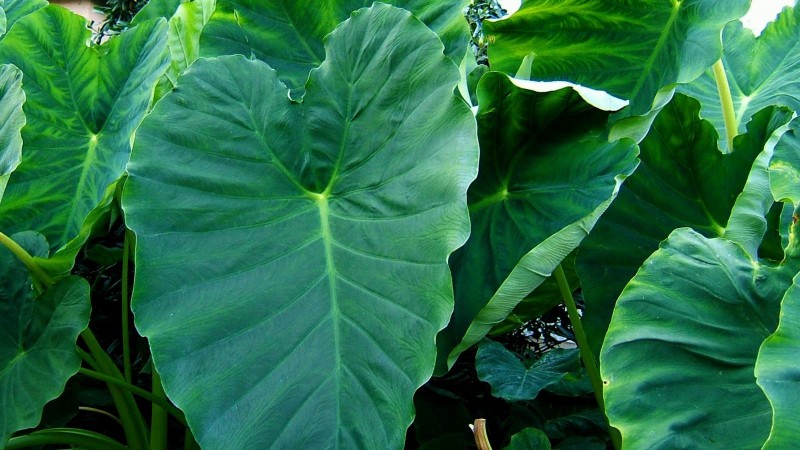
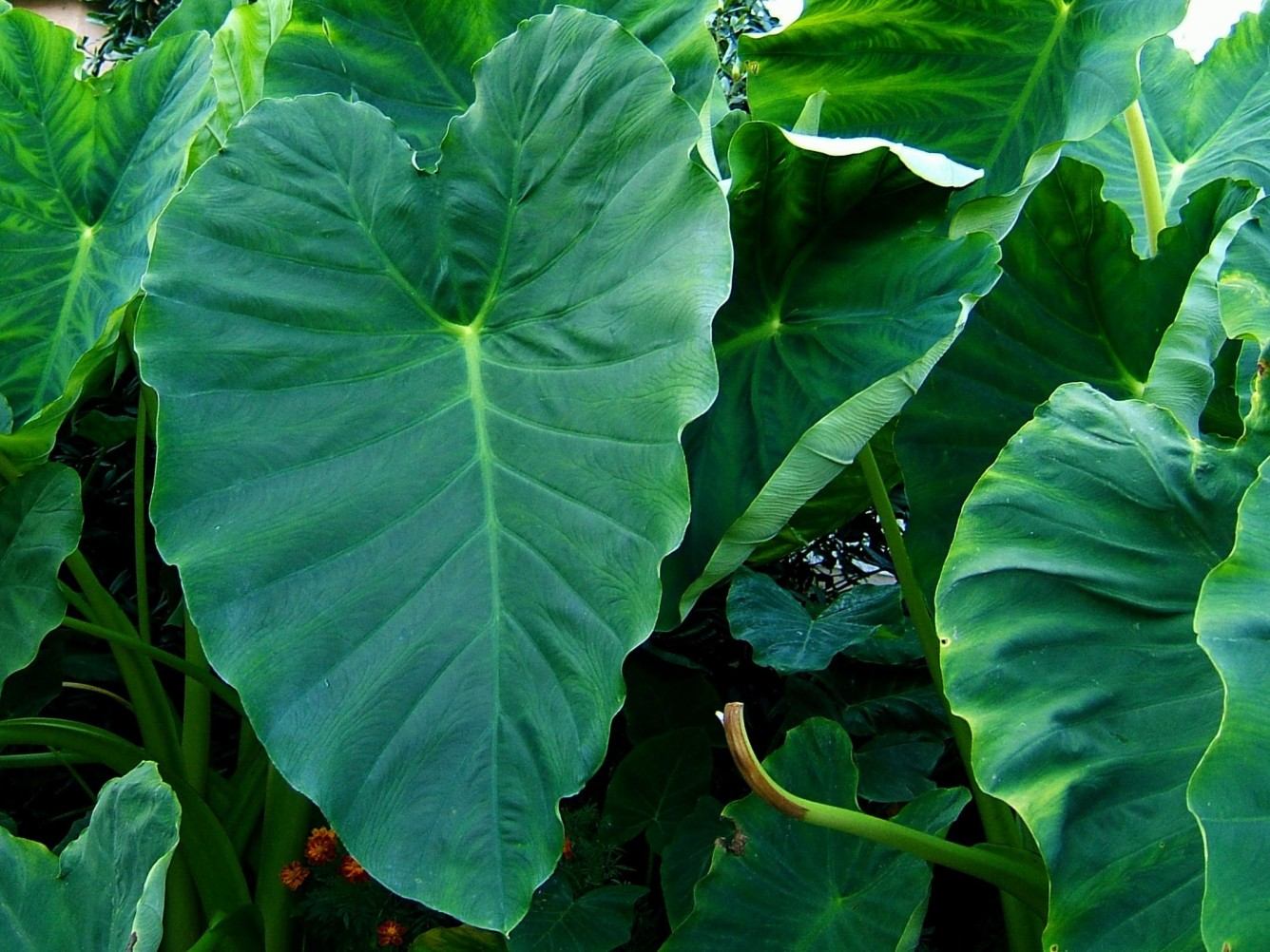
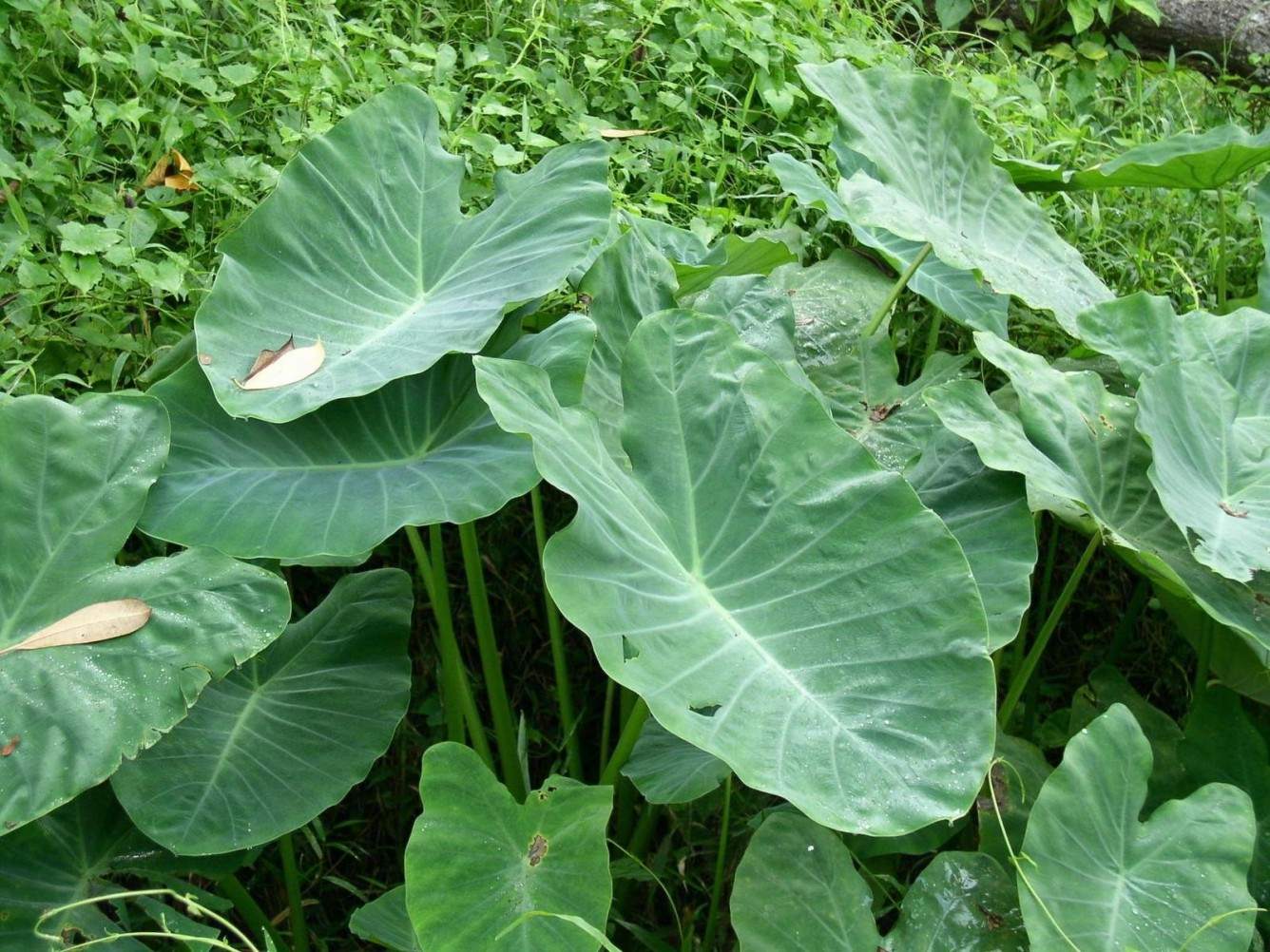
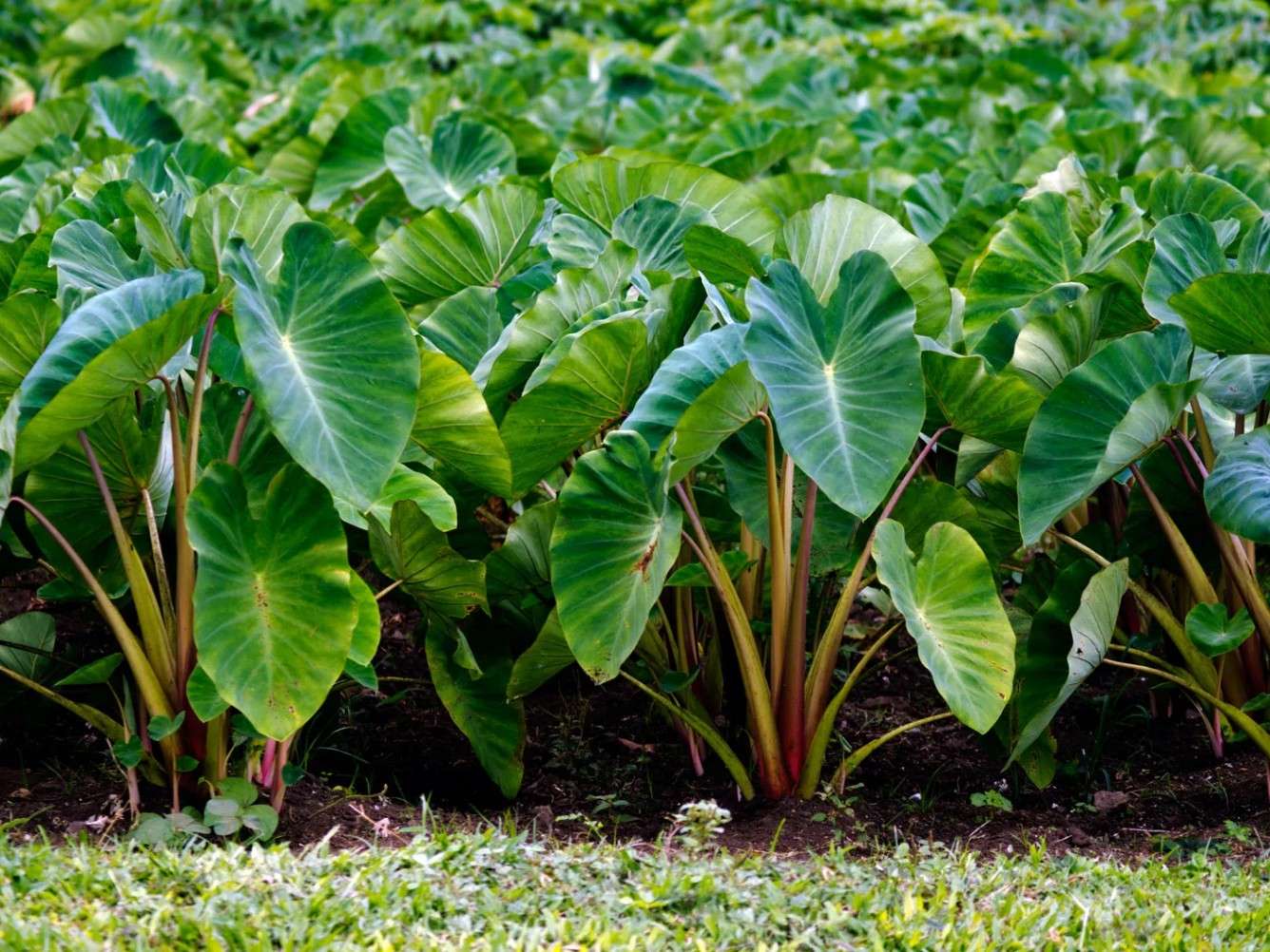
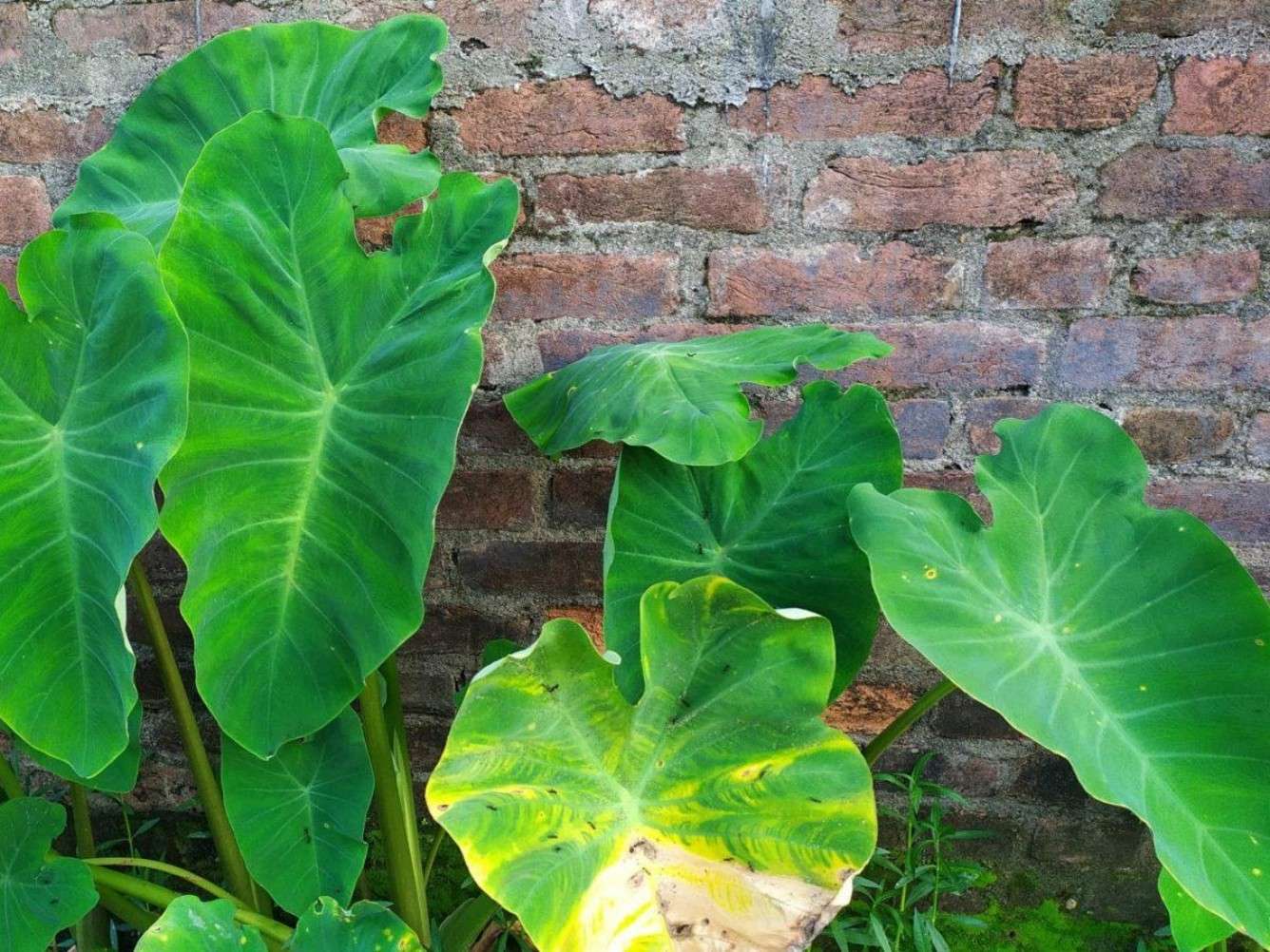
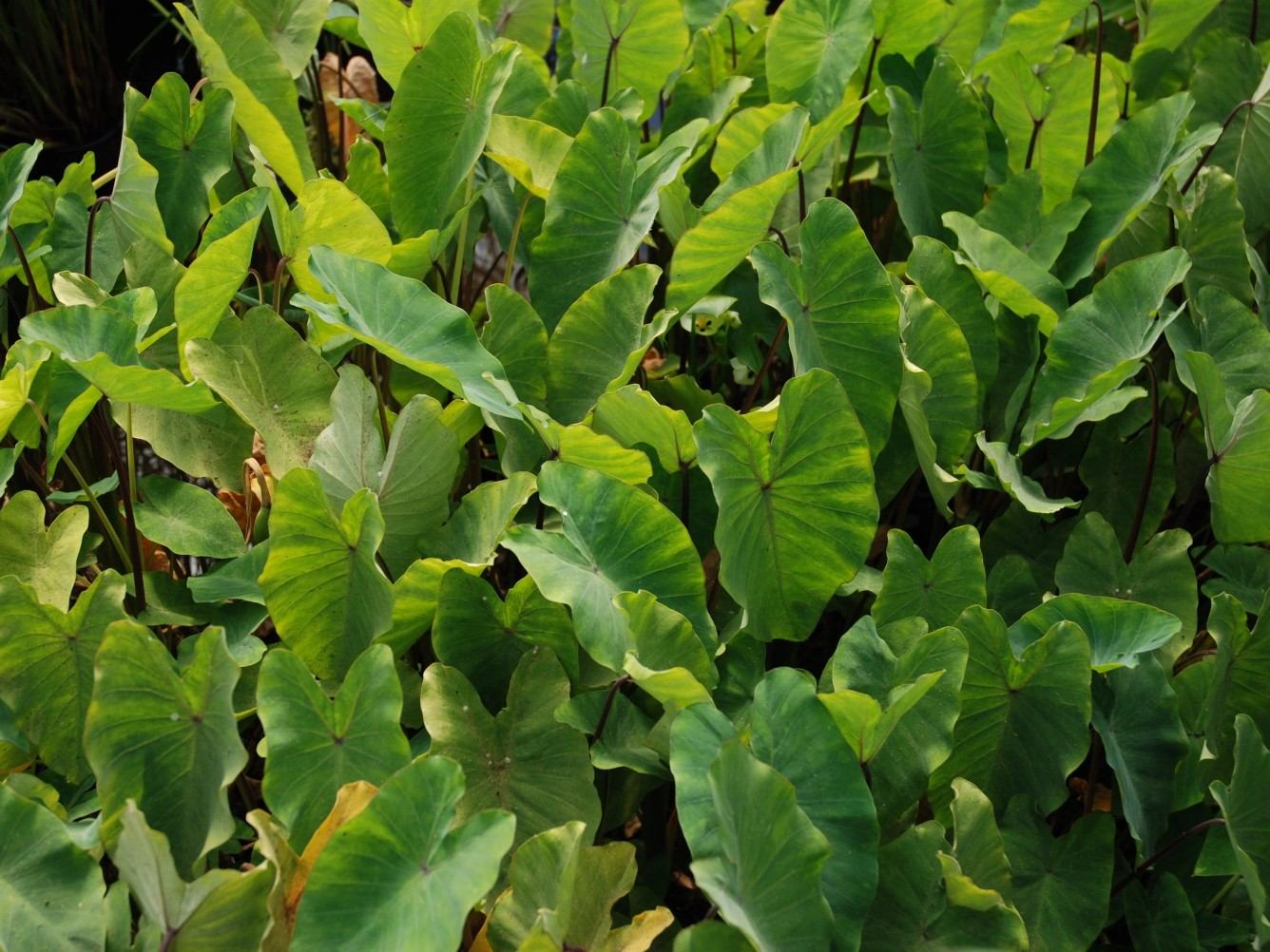
Colocasia esculenta is a perennial herbaceous plant belonging to the Araceae family. Native to tropical and subtropical regions, it thrives in warm, humid environments and is commonly cultivated in paddy fields or wetlands. Its large, heart-shaped leaves are highly ornamental; its underground tubers are rich in starch and are an important food and vege crop, requiring cooking before consumption to avoid irritation.
Popular Plant Encyclopedia
-
-
Poisonous and danger
- Rhus typhina
-
-
-
Edible and medicinal
- Common sunflower
-
-
-
Poisonous and danger
- Plumeria rubra
-
-
-
Wild and common weed
- Convolvulus arvensis
-
-
-
Edible and medicinal
- Perilla frutescens
-
-
-
Edible and medicinal
- Pogostemon cablin
-
-
-
Edible and medicinal
- Common fenugreek
-
-
-
Edible and medicinal
- Garden Thyme
-

 Edible and medicinal
 Wild and common weed
Advertisement