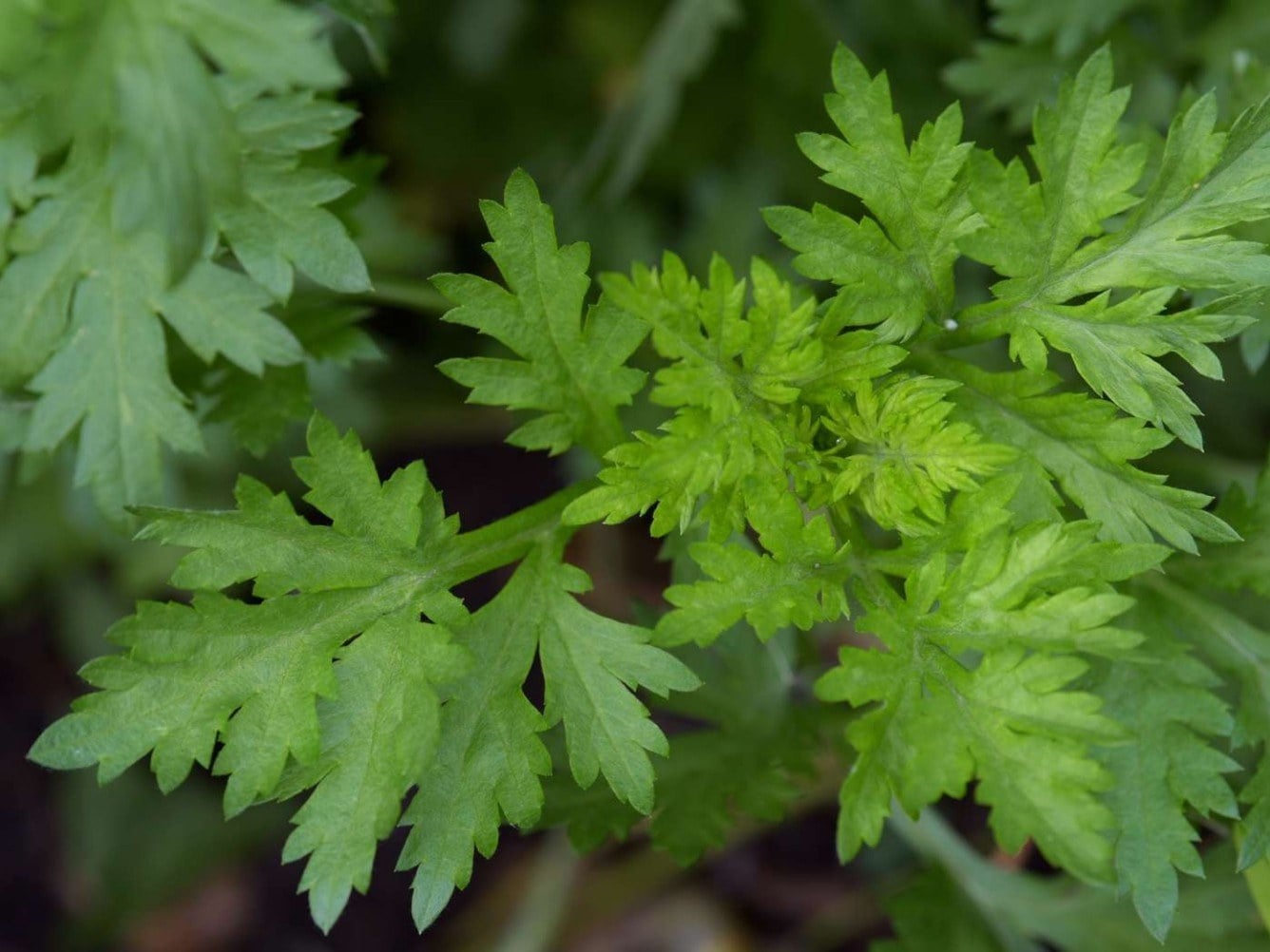
Common mugwort
-
 Edible and medicinal
 - Also known as: Wild Wormwood, Naughty Man, Sailors tobacco, Common wormwood, St. Johns plant
 Edible and medicinal
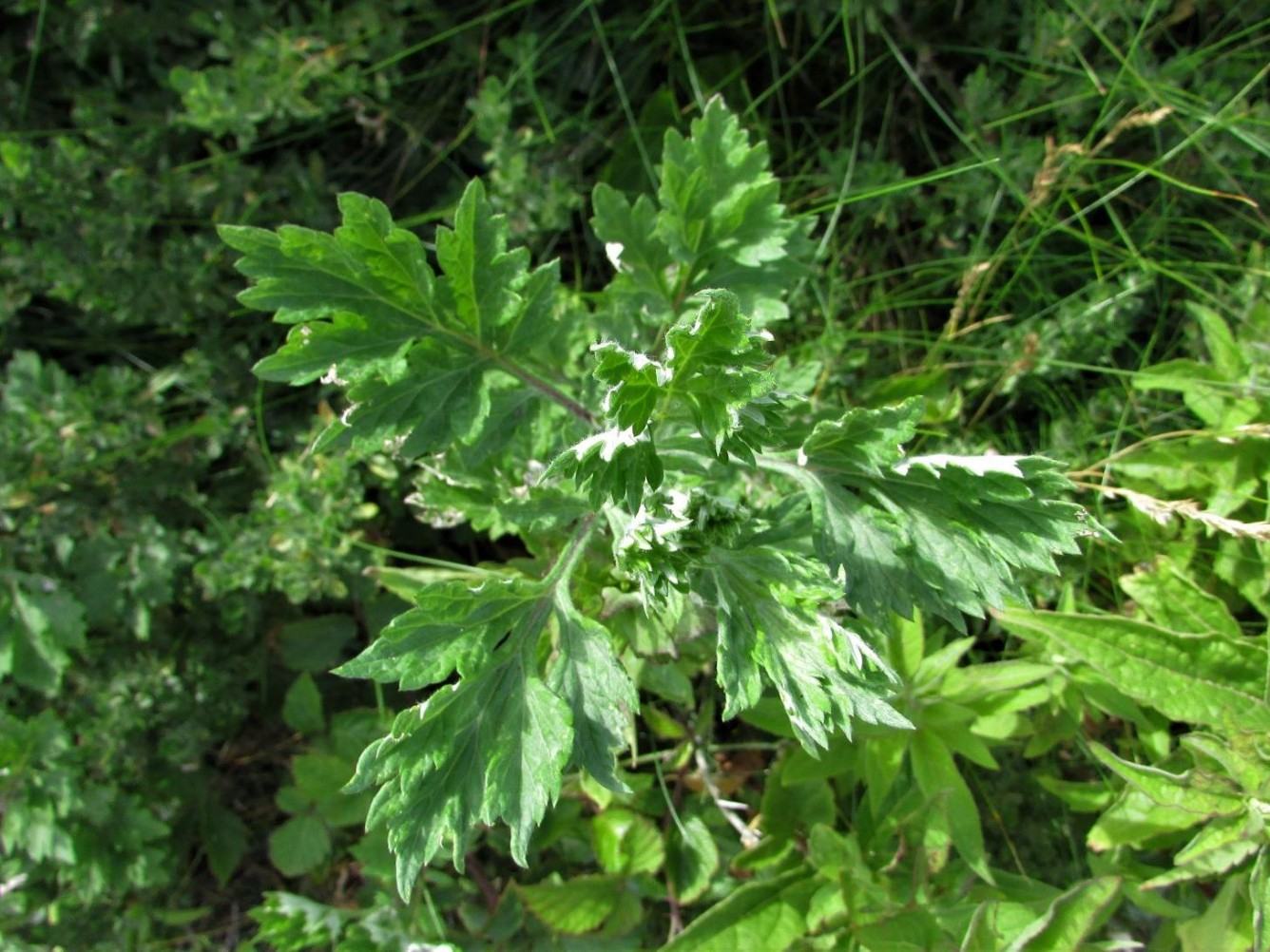
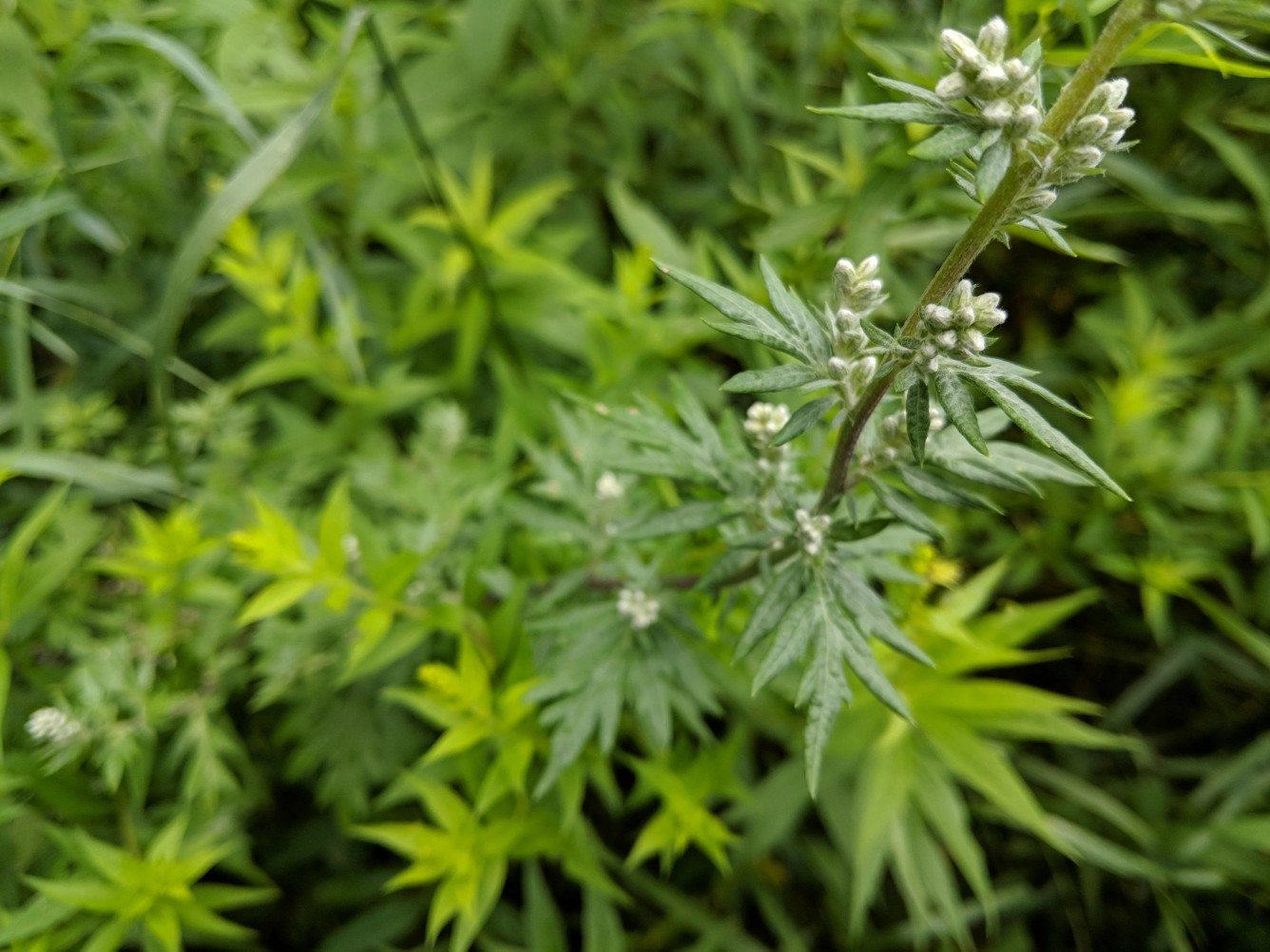
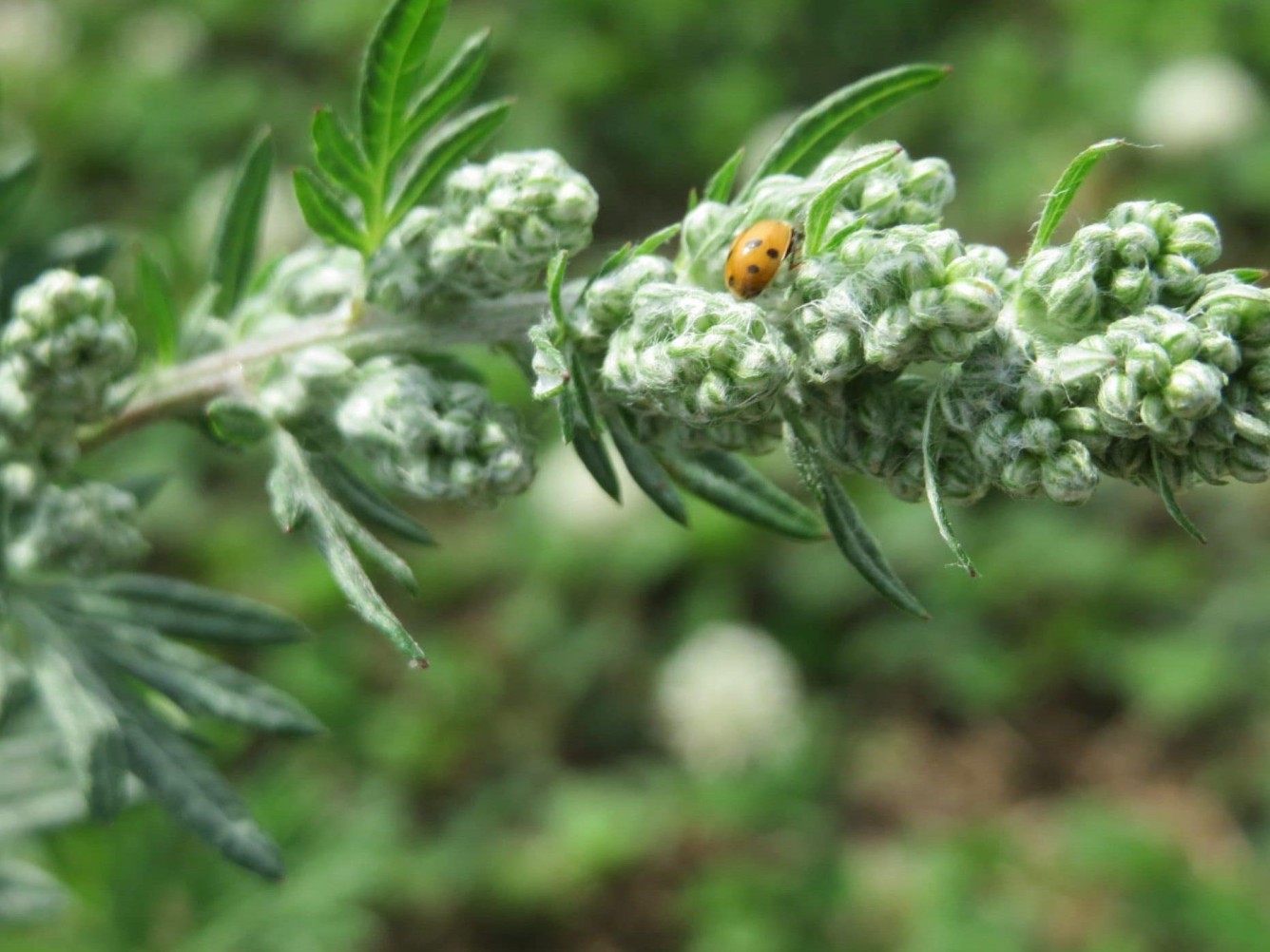
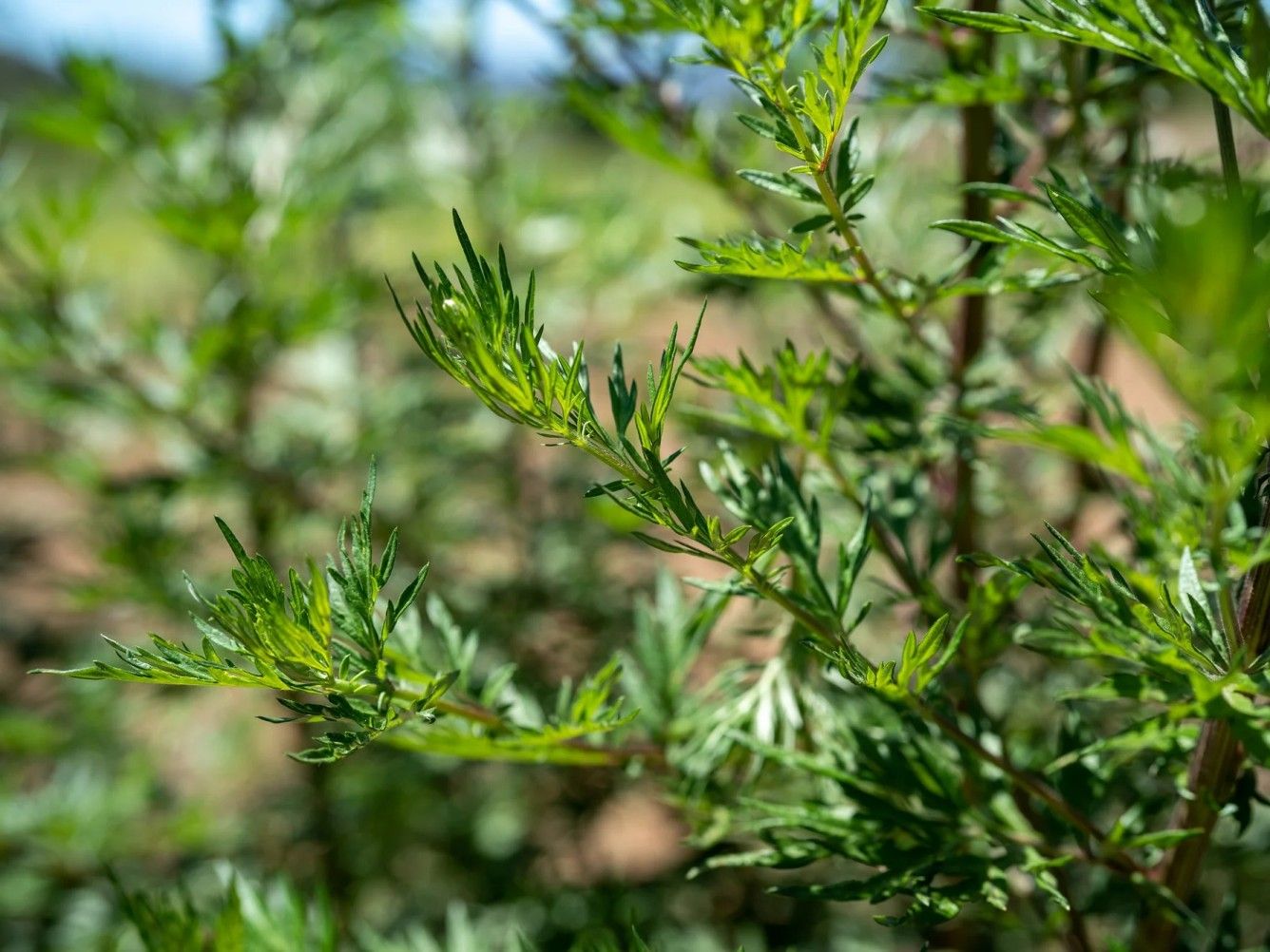
Nursing Skills
Common mugwort prefers plenty of sunlight and well-drained soil. It is cold-resistant and drought-resistant and easy to manage. Keep moderate watering, avoid waterlogging, and proper pruning can promote lush growth of the plant.
Advertisement
Plant Properties
-
- Lifespan
- Perennial
-
- Plant Type
- Herb
-
- Bloom Time
- Summer, Fall
-
- Harvest Time
- Summer, Fall
-
- Plant Height
- 60 cm to 2 m
-
- Leaf Color
- Green
-
- Flower Size
- 2 cm to 3 cm
-
- Fruit Color
- Brown, Copper
-
- Flower Color
- Yellow, Green, Brown
-
- Leaf type
- Deciduous
-
- Growth Season
- Summer, Fall
Plant Care Requirements
-
Difficulty of Care
Easy to care for, great for beginners and low-maintenance gardens
-
Frequency of Watering
Water moderately; once established, it is drought tolerant
-
Light Requirements
Prefers full sun but tolerates partial shade
-
Soil pH
pH 6.0–8.0
-
Planting Time
Early spring or early fall in warm climates
-
Harvest Zone
USDA zones 3–9
-
Dormant Period
Late fall and winter, regrows in spring
-
Ideal Temperature
15–25°C
Advertisement
Plant Care Guide
-
How much sunlight does Common Mugwort require?
Common Mugwort thrives in full sun, needing at least 6 to 8 hours of direct sunlight daily. While it can tolerate partial shade, plants grown in full sun tend to be more robust and aromatic. If grown in too much shade, the plant may become leggy and produce fewer leaves, reducing its ornamental and medicinal value.
-
What is the ideal watering schedule for Common Mugwort?
Water moderatelyOnce established, Common Mugwort is drought-tolerant and prefers infrequent but deep watering. Allow the top few inches of soil to dry out between waterings. During hot or dry spells, water once a week. Overwatering can cause root rot, so it’s better to underwater than overwater. Young plants need more consistent moisture until they are established.
-
What soil type and pH does Common Mugwort prefer?
pH 6.0 to 8.0Common Mugwort grows best in well-draining, sandy or loamy soil with low to moderate fertility. It can tolerate poor soil and even thrive in disturbed areas. The ideal soil pH is between 6.0 and 8.0, which means it adapts well to neutral or slightly alkaline conditions. Avoid waterlogged soils, which can damage its roots.
-
When is the best time to plant Common Mugwort?
Early to mid-springThe best time to plant Common Mugwort is in early to mid-spring, after the last frost. This allows the plant to establish roots before summer. In milder climates, it can also be planted in the early fall. You can start it from seeds, root divisions, or stem cuttings. Seeds may take several weeks to germinate, so patience is key.
-
How do I manage the aggressive growth of Common Mugwort?
Plant in containers or install root barriersMugwort is known for its vigorous, spreading habit. It can become invasive if not managed properly. To control its spread, plant it in containers or install root barriers. Regular pruning throughout the growing season can keep it in check and promote bushier growth. Removing flower heads before they go to seed also helps prevent unwanted spreading.
-
What are the temperature and hardiness zone requirements for Common Mugwort?
Zones 3 to 9Common Mugwort is a hardy perennial in USDA zones 3 to 9. It can tolerate cold winters and hot summers, making it suitable for a wide range of climates. The plant goes dormant in winter, especially in colder zones, and will regrow in spring. It prefers temperatures between 60–80°F (15–27°C) during the growing season for optimal growth.
Advertisement
Frequently Asked Questions
-
1 Is Common Mugwort safe for consumption or medicinal use?
Yes, Common Mugwort has a long history of use in traditional medicine and as a culinary herb in small amounts. It has been used for digestive support, as a mild sedative, and in menstrual regulation. The leaves and flowering tops are commonly used in teas, tinctures, and poultices. However, it contains compounds like thujone, which can be toxic in large doses. It should not be used during pregnancy or by individuals with allergies to plants in the Asteraceae family. Always consult a healthcare professional before using it medicinally.
-
2 How do I propagate Common Mugwort effectively?
Common Mugwort is easy to propagate through seeds, root division, or stem cuttings. For seeds, sow them in spring or fall directly in the ground or in seed trays with light soil. Keep the soil slightly moist until germination, which can take 2–3 weeks. For division, dig up the plant in early spring or fall and divide the root clumps. Replant immediately. Stem cuttings can be taken in late spring or summer and rooted in moist soil or water. Due to its aggressive spread, it's wise to monitor where you plant it.
-
3 How can I prevent Common Mugwort from becoming invasive?
Common Mugwort can be very aggressive and spread rapidly through underground rhizomes. To control its invasiveness: Plant it in a container or raised bed to restrict root spread. Install rhizome barriers underground if growing in open soil. Regularly prune or mow the plant before it flowers to reduce seed spread. Remove unwanted rhizomes that extend beyond the intended growing area. This vigilance will help maintain it as a manageable and useful plant in the garden.
-
4 What pests or diseases affect Common Mugwort?
Common Mugwort is relatively pest-resistant and hardy, but it may occasionally suffer from: Powdery mildew in humid conditions. Ensure good air circulation and avoid overhead watering. Aphids or spider mites in dry environments. These can be removed with a blast of water or treated with neem oil or insecticidal soap. Root rot if the soil is too wet or poorly drained. Fortunately, its strong aromatic oils naturally deter many pests, making it a low-maintenance choice for organic gardens.
-
5 What are the best companion plants for Common Mugwort?
Common Mugwort should be planted with care around other plants. It releases allelochemicals that can inhibit the growth of nearby species, a phenomenon known as allelopathy. Avoid planting it near vegetables or sensitive herbs. However, it can be useful as a border plant or pest deterrent in wildflower gardens or near hardy perennials. Its aromatic foliage helps repel insects, making it an effective natural pest barrier when planted around the edge of a garden.
-
6 Can I grow Common Mugwort indoors or in containers?
Yes, Common Mugwort can be grown in containers, which is actually one of the best ways to control its spread. Use a large pot with drainage holes and fill it with well-draining, sandy or loamy soil. Place the container in a sunny location, such as a windowsill or balcony that gets 6–8 hours of sunlight. Water moderately, allowing the top layer of soil to dry out between waterings. Prune regularly to manage its size and encourage fuller growth. Indoors, watch for pests like spider mites, and avoid overly damp environments.
Advertisement
Introduction
Common mugwort is a perennial herb widely distributed in temperate regions. It has a unique aroma and is often used in traditional Chinese medicine, moxibustion and insect repellent. Mugwort leaves are edible and can also be used to make tea or in cooking. It has the effects of warming the meridians and dispelling cold, and regulating digestion. It is highly adap, cold-resistant and drought-resistant, making it sui for home cultivation and natural herbal medicine applications.
Popular Plant Encyclopedia
-
-
Poisonous and danger
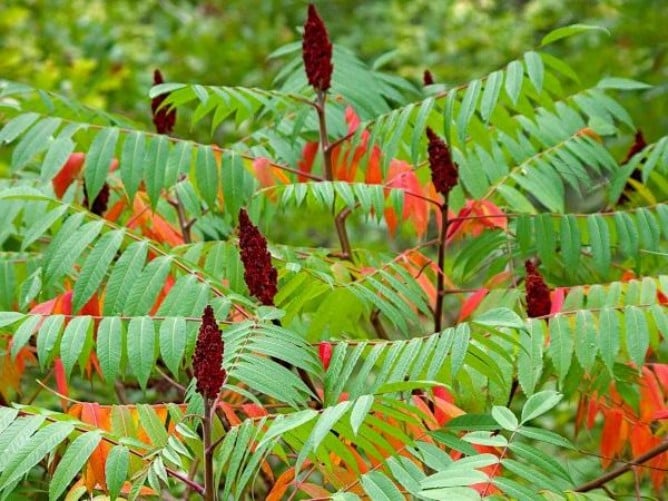
- Rhus typhina
-
-
-
Edible and medicinal
- Common sunflower
-
-
-
Poisonous and danger
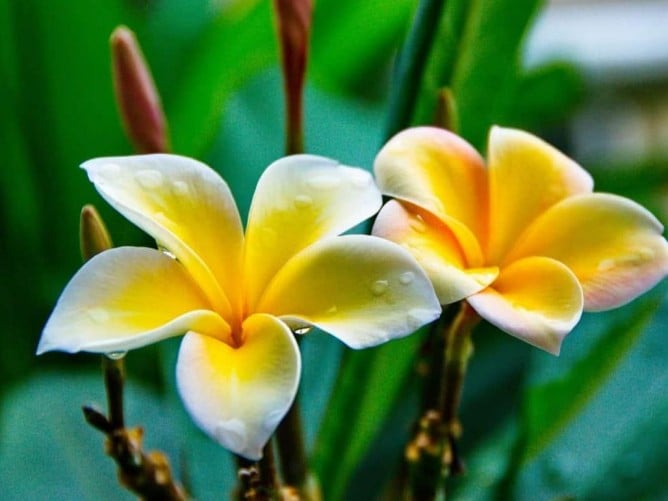
- Plumeria rubra
-
-
-
Wild and common weed
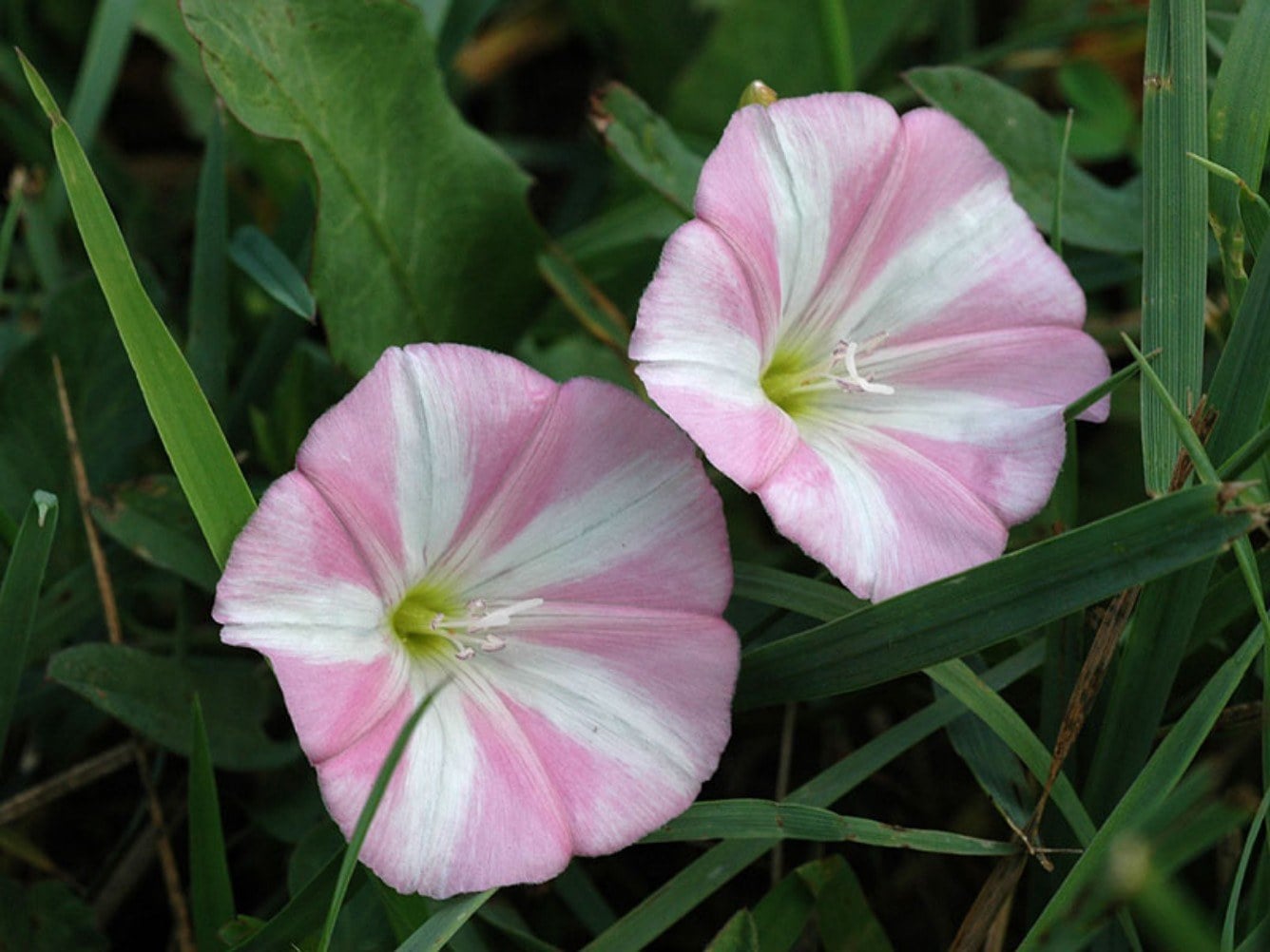
- Convolvulus arvensis
-
-
-
Edible and medicinal
- Perilla frutescens
-
-
-
Edible and medicinal
- Pogostemon cablin
-
-
-
Edible and medicinal
- Common fenugreek
-
-
-
Edible and medicinal
- Garden Thyme
-
 Poisonous and danger
 Wild and common weed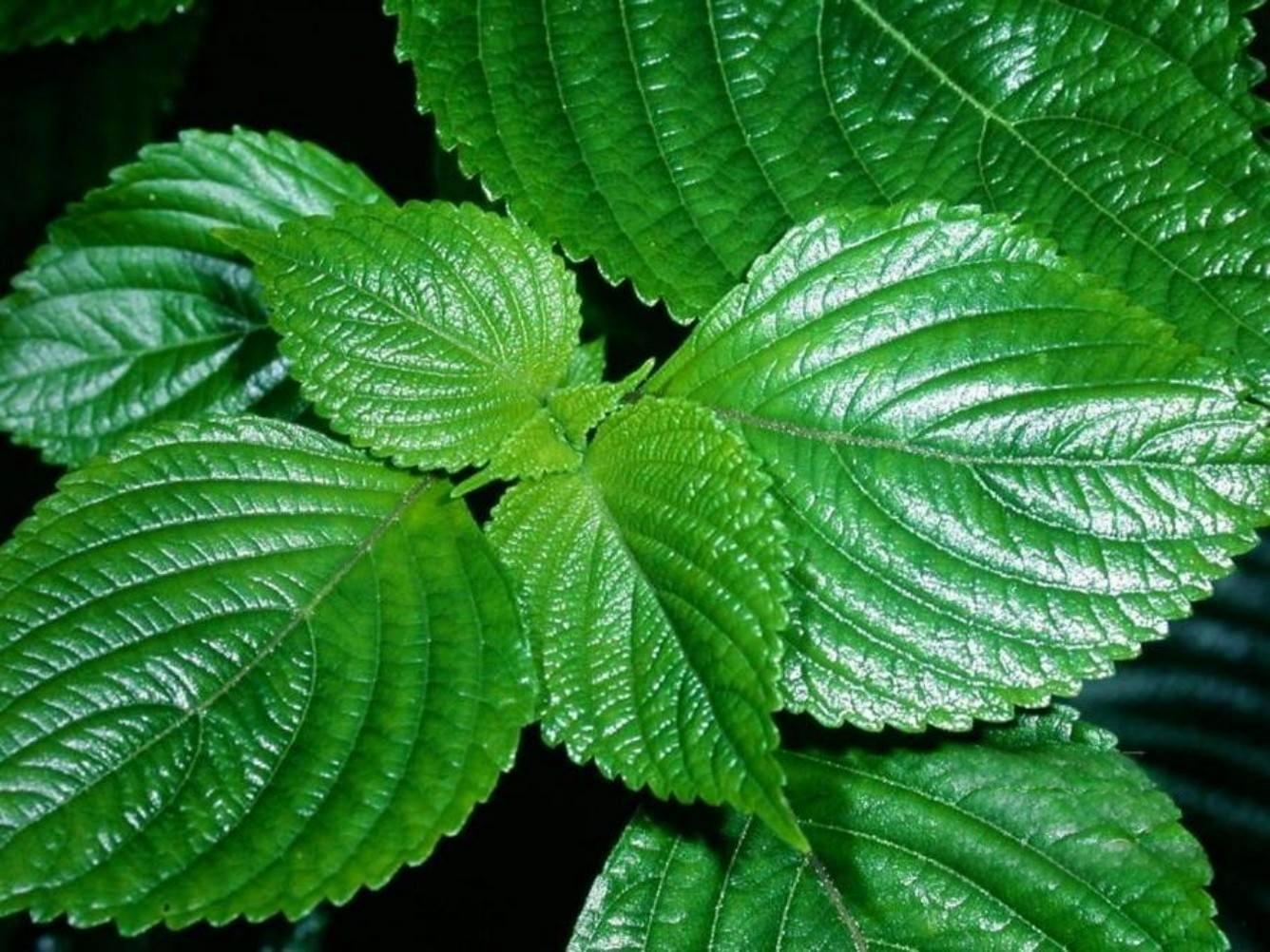
Advertisement