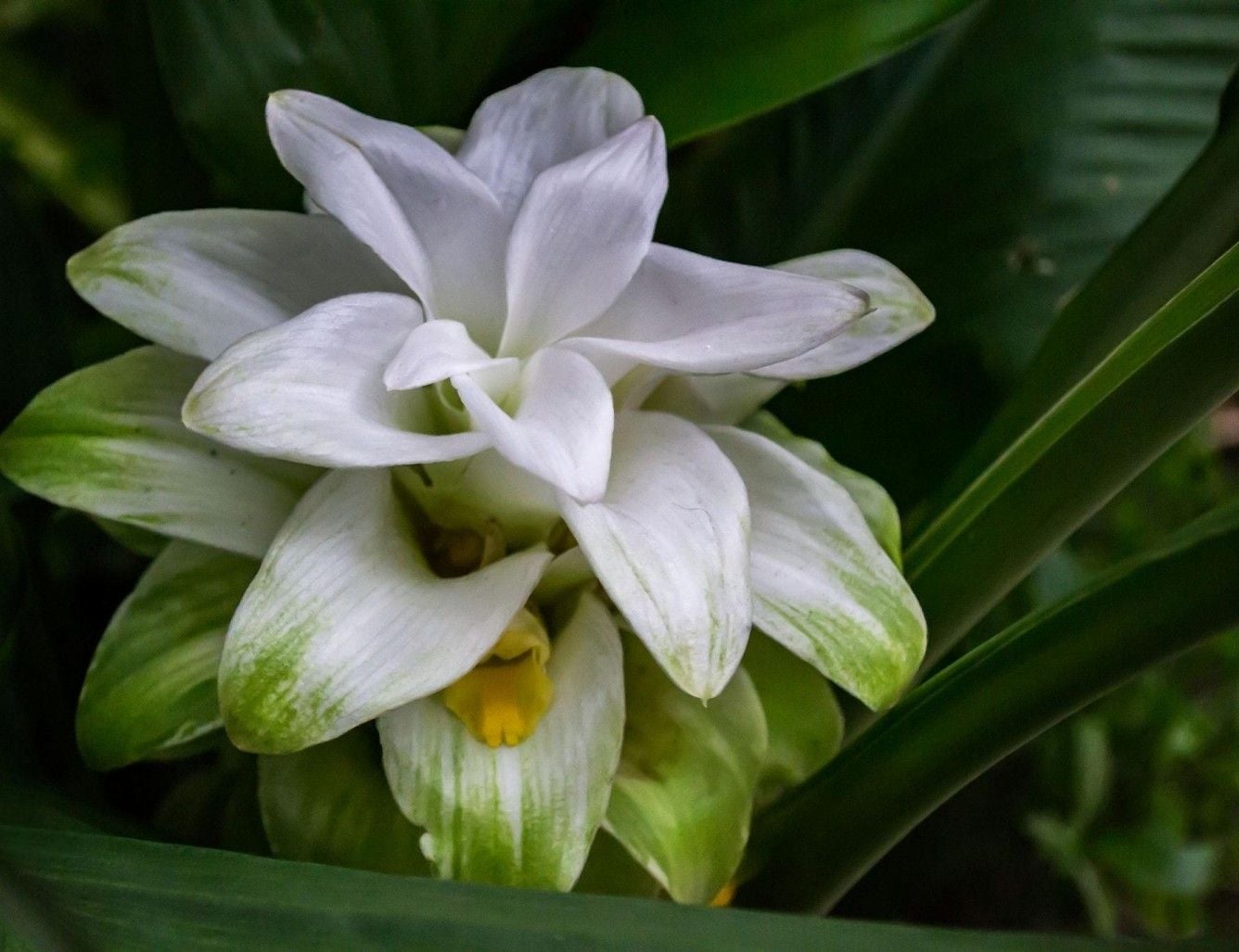
Curcuma longa
-
 Edible and medicinal
 - Also known as: Tumeric
 Edible and medicinal
Nursing Skills
Curcuma longa thrives in warm, humid climates and prefers rich, well-drained soil. Plant the rhizomes in spring after the last frost, in a sunny or partially shaded location. Keep the soil consistently moist but not waterlogged. Fertilize monthly with organic compost or balanced fertilizer. Turmeric needs 8–10 months to mature, and harvesting should occur once the leaves start to yellow and die back in late fall.
Advertisement
Plant Properties
-
- Lifespan
- Perennial, Annual
-
- Plant Type
- Herb
-
- Bloom Time
- Late spring, Summer, Fall
-
- Harvest Time
- Spring, Summer
-
- Plant Height
- 1 m to 1.5 m
-
- Stem Color
- Yellow, Orange
-
- Leaf type
- Deciduous, Evergreen
-
- Growth Season
- Summer
-
- Ideal Temperature
- 20 - 38 ℃
Plant Care Requirements
-
Difficulty of Care
medium
-
Watering Schedule
Water regularly to keep the soil evenly moist, especially during the growing season
-
Light Requirements
Prefers full sun to partial shade. About 6–8 hours of sunlight per day is ideal
-
Soil Type
Loose, well-draining, fertile soil with good organic content; loamy or sandy soils are best
-
Fertilization Frequency
During the growing season, apply a balanced organic fertilizer or compost every 4-6 weeks
-
Repotting Frequency
If grown in containers, repot once a year before the growing season
-
Ideal Temperature
20°C–30°C
Advertisement
Plant Care Guide
-
When is the best time to plant turmeric?
The best time to plant turmeric is in late spring, after the last frost date has passed. Turmeric is a tropical plant and requires warm soil to sprout and grow effectively. For gardeners in cooler climates, it's ideal to start turmeric rhizomes indoors in pots 6–8 weeks before outdoor temperatures become consistently warm (above 20°C or 68°F). Once nighttime temperatures remain steady and the danger of frost is gone, the young turmeric plants can be transplanted into the ground or larger outdoor containers.
-
How often should I water turmeric?
2-3 times a weekTurmeric enjoys moist but well-drained soil, so consistent watering is essential during the growing season. Water your turmeric plants 2–3 times per week, ensuring the soil never dries out completely but also isn’t waterlogged, which can cause rhizome rot. In hot or dry climates, you may need to water more frequently. Once the foliage begins to yellow in late summer or fall (a sign the rhizomes are maturing), you can reduce watering and eventually stop altogether as the plant enters dormancy.
-
What kind of sunlight does turmeric need?
Plenty of sunlightTurmeric prefers full sun but can also grow well in partial shade, especially in very hot or dry climates. Aim for 6–8 hours of sunlight per day. In areas with intense summer heat, providing some afternoon shade can help prevent leaf burn and reduce water evaporation from the soil. Indoors, place turmeric pots near a south-facing window or supplement with a grow light if natural light is limited.
-
What soil is best for growing turmeric?
pH 5.5-7.0Turmeric thrives in well-draining, fertile soil that is rich in organic matter. A mixture of loam and sand with compost works well. The ideal soil pH ranges from 5.5 to 7.0, which supports optimal nutrient availability. Heavy clay soils should be amended with sand or perlite and plenty of compost to improve aeration and drainage. Raised beds or large containers are also a great option to control soil quality and moisture levels more easily.
-
How often should I fertilize turmeric?
Once every 4-6 weeksFertilize turmeric every 4–6 weeks during the active growing period (spring through early fall). Use an organic balanced fertilizer (e.g., 10-10-10 NPK) or well-rotted compost. While turmeric appreciates nutrients, avoid over-fertilizing with nitrogen-heavy products, as this can result in excessive leafy growth at the expense of rhizome development. For best results, consider top-dressing with compost or applying compost tea periodically to maintain steady nutrient levels.
-
Can turmeric be grown in containers?
SuitableYes, turmeric is well-suited for container gardening. Use a pot that is at least 12–14 inches deep and wide, as turmeric rhizomes spread out as they grow. Ensure the container has ample drainage holes, and use a light, rich potting mix blended with compost. Container plants dry out faster, so monitor soil moisture closely and water regularly. You may need to repot or refresh the soil annually if growing turmeric as a perennial indoors or in frost-free regions.
-
What temperature is best for turmeric growth?
20°C-30°CTurmeric grows best in temperatures ranging from 20°C to 30°C . It is a tropical plant that does not tolerate frost or prolonged cold. When nighttime temperatures drop below 15°C (59°F), turmeric’s growth slows significantly, and exposure to frost can kill the plant. In temperate or cooler zones, turmeric should be dug up and stored indoors for winter or grown in containers that can be brought inside before cold weather arrives.
Advertisement
Frequently Asked Questions
-
1 Can I grow turmeric at home, and what do I need to start?
Yes, you can definitely grow turmeric at home, whether in a garden bed or a container. To begin, you'll need fresh turmeric rhizomes (the underground stem, similar to ginger) which are plump and have visible buds or “eyes.” These can often be found at organic grocery stores or garden centers. Choose a warm, sunny location, and plant the rhizomes in rich, well-drained soil with high organic content. Use containers with good drainage or raised beds if your native soil is heavy. Turmeric takes about 8–10 months to mature, so patience is key. It's best suited for USDA zones 8–11, or grown indoors in cooler climates.
-
2 How do I harvest turmeric, and how long does it take to mature?
Turmeric typically takes 8 to 10 months to reach maturity after planting. You'll know it's ready to harvest when the leaves and stems start turning yellow and dry out, usually in late fall or early winter depending on your planting time. To harvest, gently dig up the entire plant, shake off the soil, and separate the rhizomes from the stem. Wash them thoroughly and allow them to air-dry for a few days before using. Rhizomes can be stored fresh in the refrigerator for a few weeks, or boiled, peeled, and dried for long-term storage or grinding into powder.
-
3 Does turmeric require a lot of maintenance or is it beginner-friendly?
Turmeric is generally considered low-maintenance and beginner-friendly, provided you live in or can simulate a warm, humid environment. It thrives with consistent care but doesn’t demand constant attention. The key care requirements are regular watering, warm temperatures, rich soil, and occasional fertilizing. Because it’s grown from rhizomes, it doesn't need pollination to produce a harvest. However, it is a slow grower, and first-time gardeners should be patient and avoid overwatering, which can lead to rhizome rot. With the right setup, even novice gardeners can enjoy a successful harvest.
-
4 Can turmeric be grown indoors year-round?
Yes, turmeric can be grown indoors year-round if you provide the proper conditions. Place the container in a bright, warm spot—a south-facing window is ideal—or supplement with grow lights to ensure the plant gets around 10–12 hours of light per day. Indoor humidity should be relatively high, which can be achieved by misting or using a humidifier. Containers should be large and well-drained, and temperatures must remain above 20°C (68°F). Because it’s a tropical plant, even indoors, turmeric will often enter a dormant phase during the cooler months, during which watering should be reduced until new growth begins again.
-
5 What are some common problems when growing turmeric and how can I prevent them?
Rhizome rot: Often caused by overwatering or poorly drained soil. Ensure the soil is loose and well-aerated, and avoid letting water sit at the base of the plant. Yellowing leaves prematurely: This may indicate nutrient deficiency, especially nitrogen. Use a balanced, organic fertilizer and amend the soil with compost. Pest infestations: Though rare, turmeric can occasionally attract aphids or spider mites indoors. Use neem oil or insecticidal soap as needed. Slow growth: Can result from insufficient warmth or light. Make sure the plant has access to adequate heat and sunlight. By monitoring these conditions and adjusting care as needed, you can prevent most issues and enjoy a healthy turmeric harvest.
Advertisement
Introduction
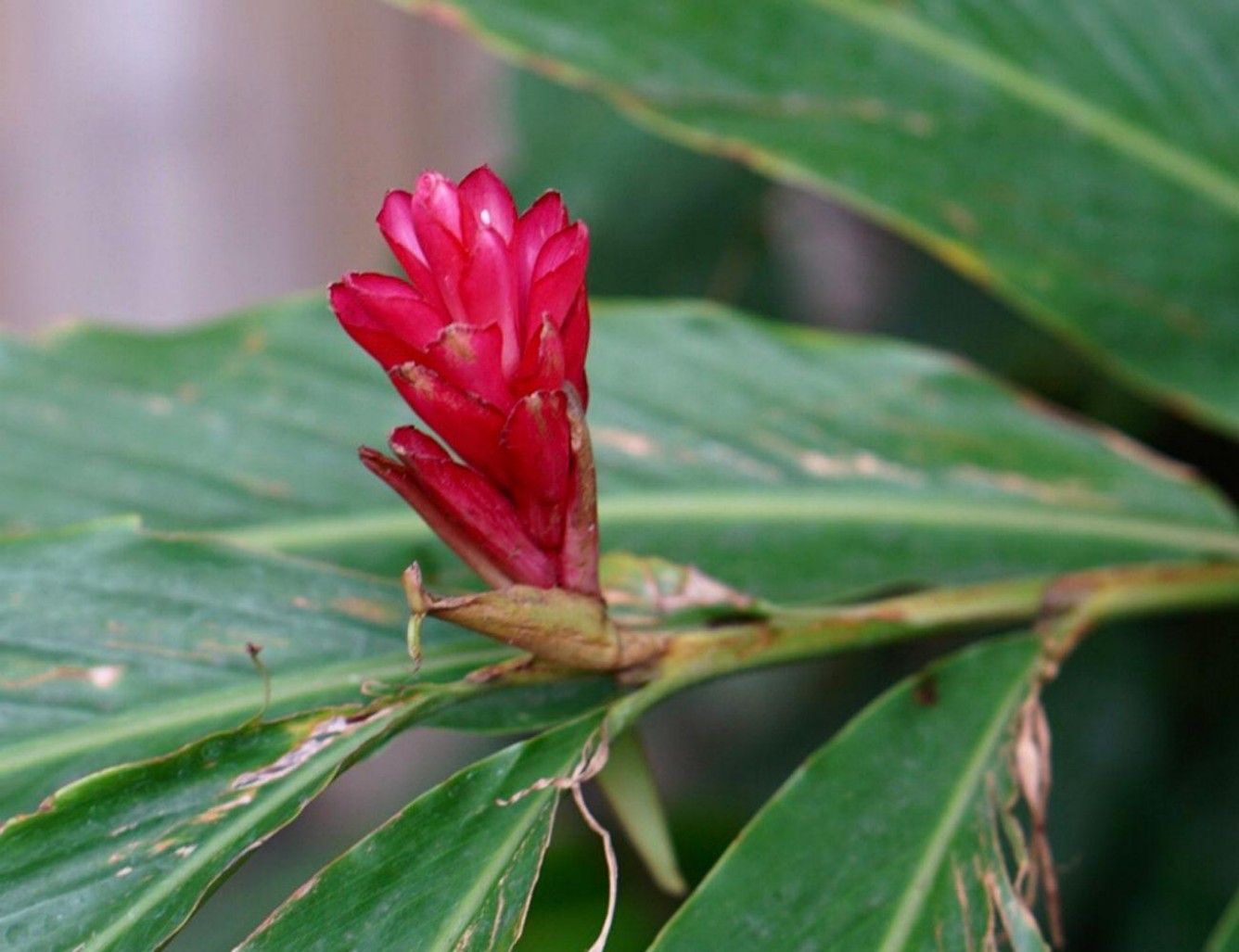
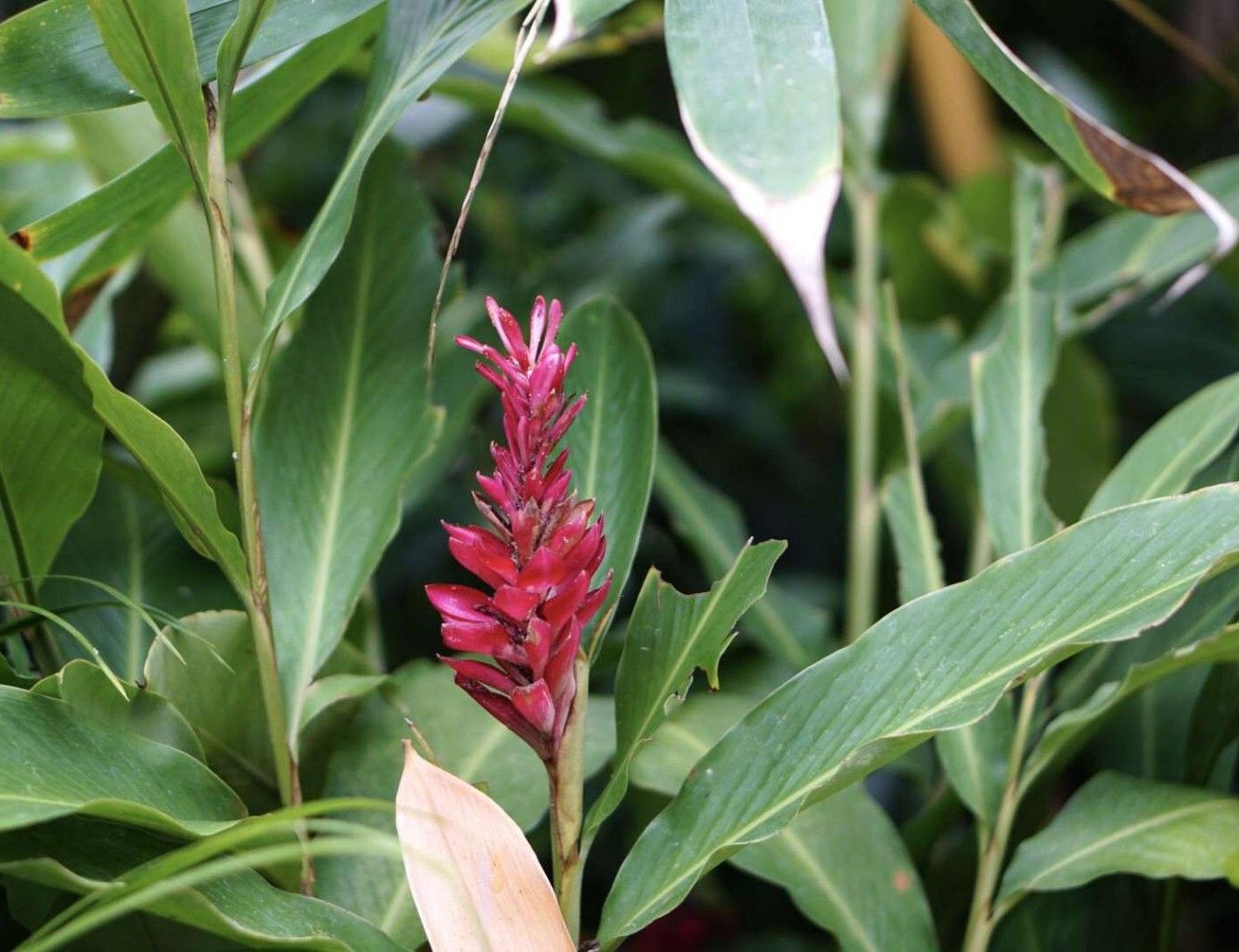
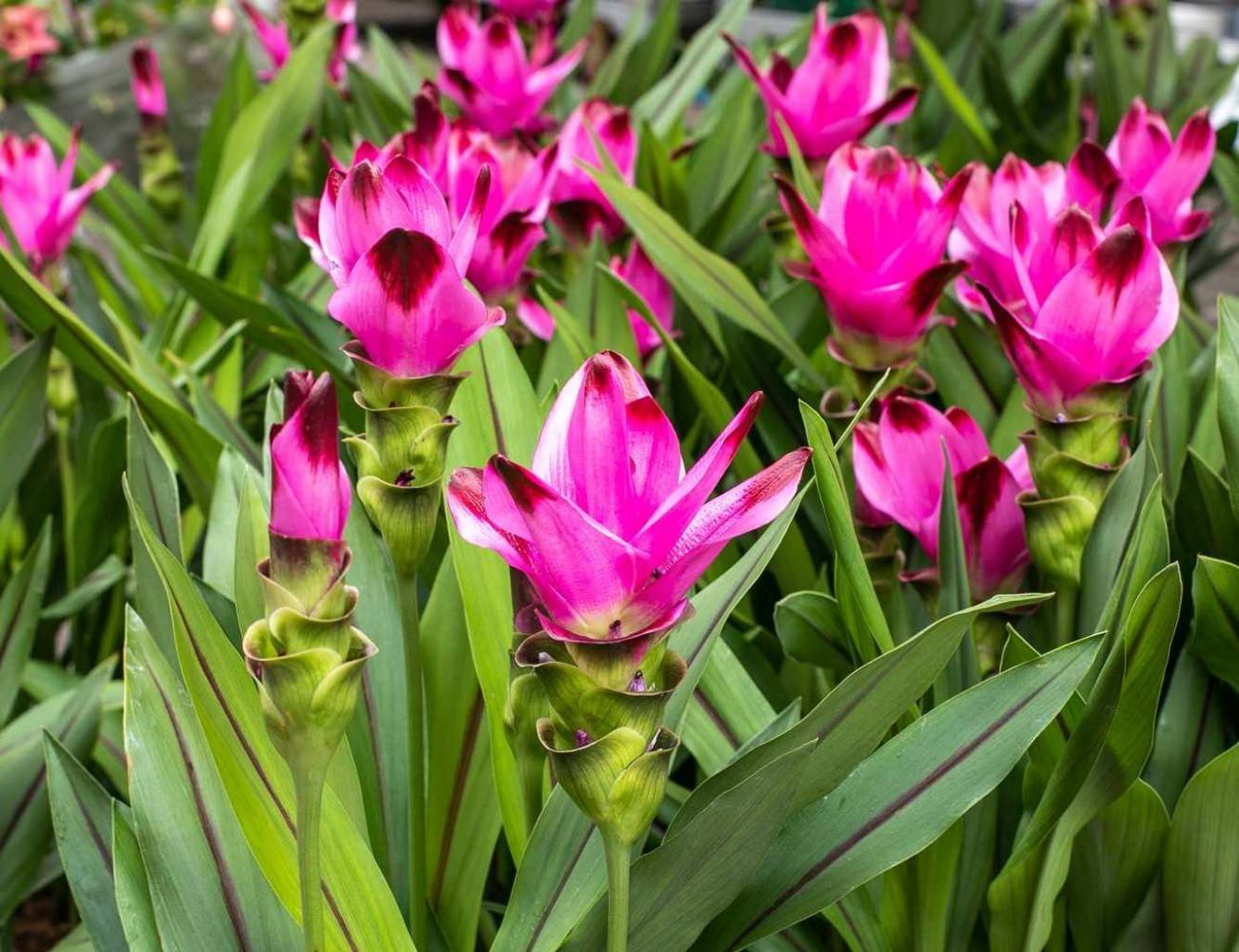
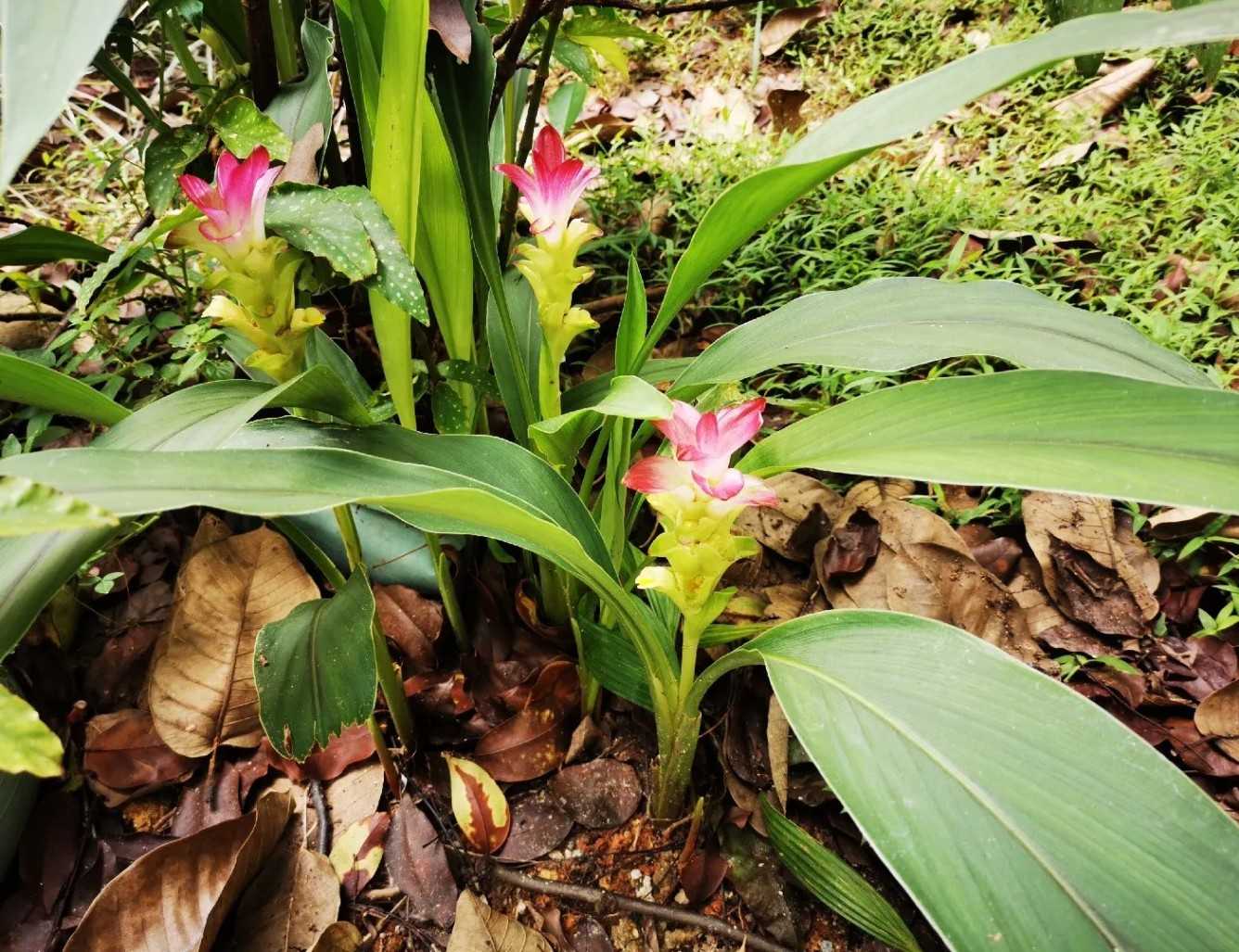
Curcuma longa is a perennial herb in the ginger family, prized for its vibrant yellow-orange rhizomes. Native to South Asia, turmeric has been cultivated for centuries for its culinary, medicinal, and dyeing properties. It thrives in warm, humid climates with well-drained soil. The rhizomes are commonly dried and ground a spice known for its earthy flavor and anti-inflammatory compound, curcumin. In addition to its health benefits, turmeric plays a significant role in cultural and traditional practices worldwide.
Popular Plant Encyclopedia
-
-
Poisonous and danger
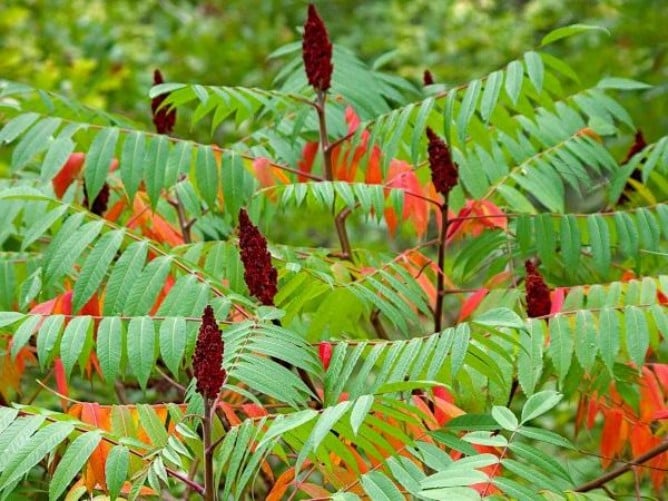
- Rhus typhina
-
-
-
Edible and medicinal
- Common sunflower
-
-
-
Poisonous and danger
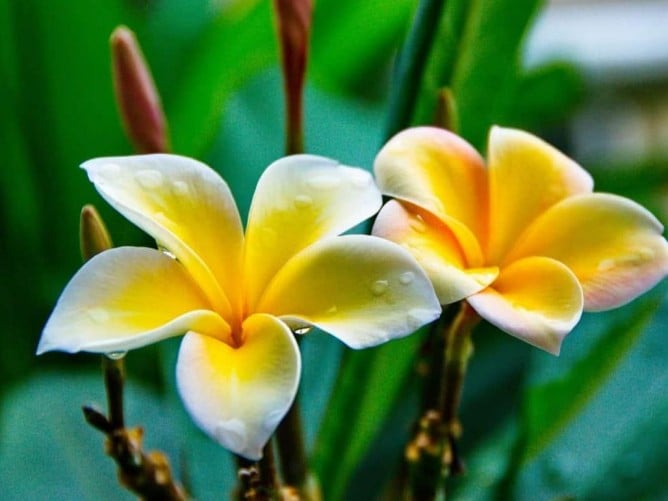
- Plumeria rubra
-
-
-
Wild and common weed
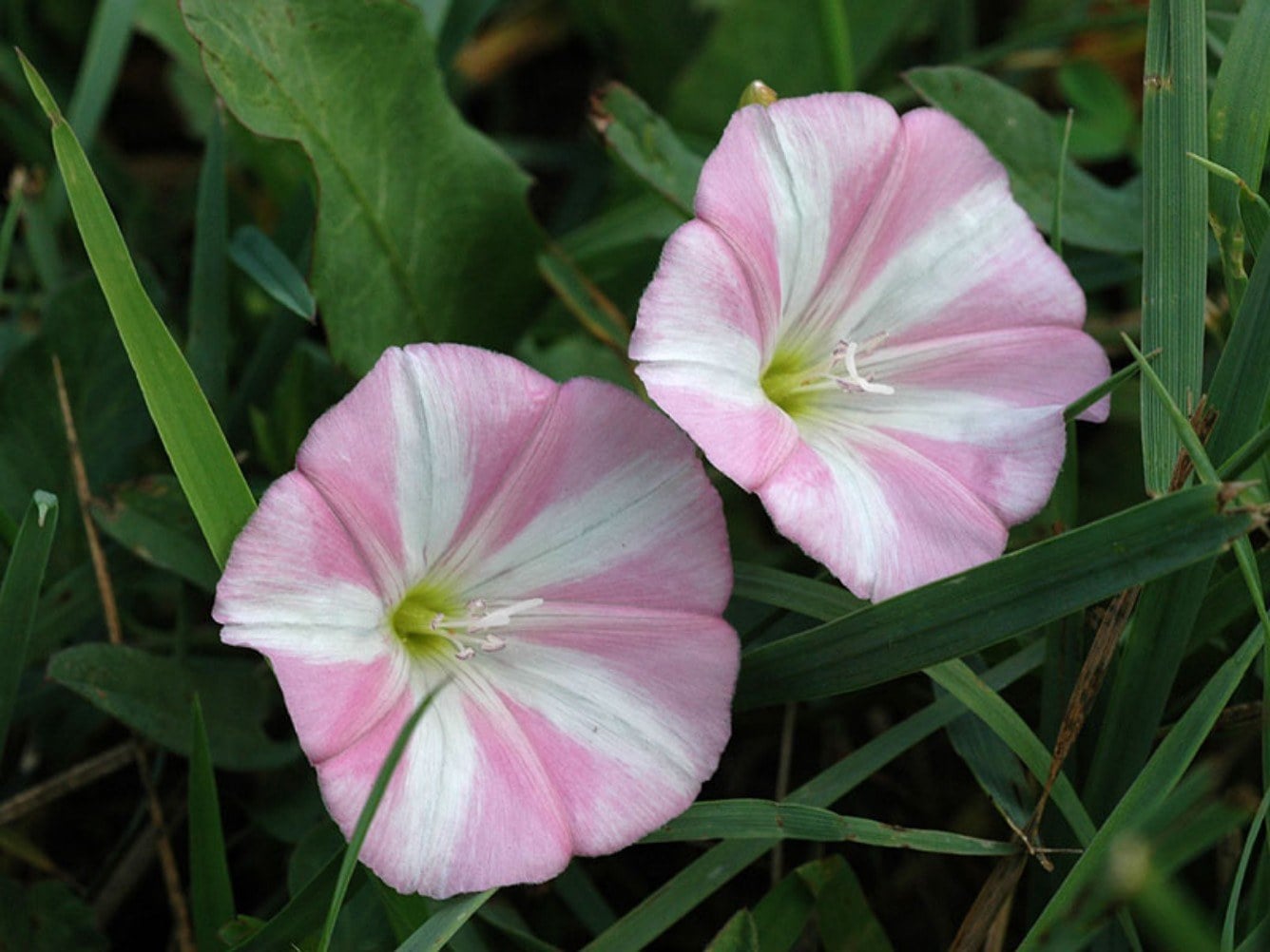
- Convolvulus arvensis
-
-
-
Edible and medicinal
- Perilla frutescens
-
-
-
Edible and medicinal
- Pogostemon cablin
-
-
-
Edible and medicinal
- Common fenugreek
-
-
-
Edible and medicinal
- Garden Thyme
-
 Poisonous and danger
 Wild and common weed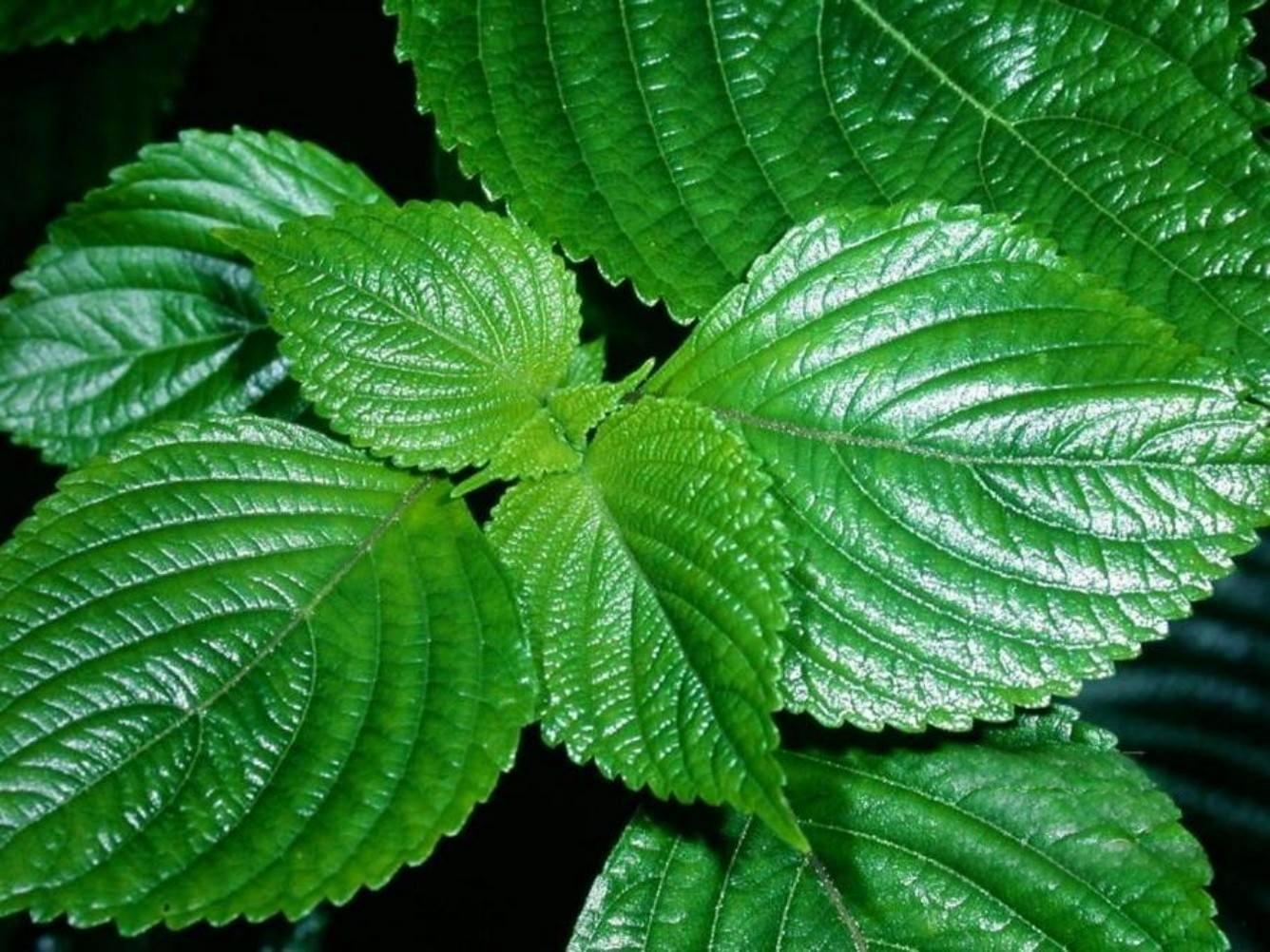
Advertisement