Daffodil
-
 Ornamental and lands
 Ornamental and lands
Nursing Skills
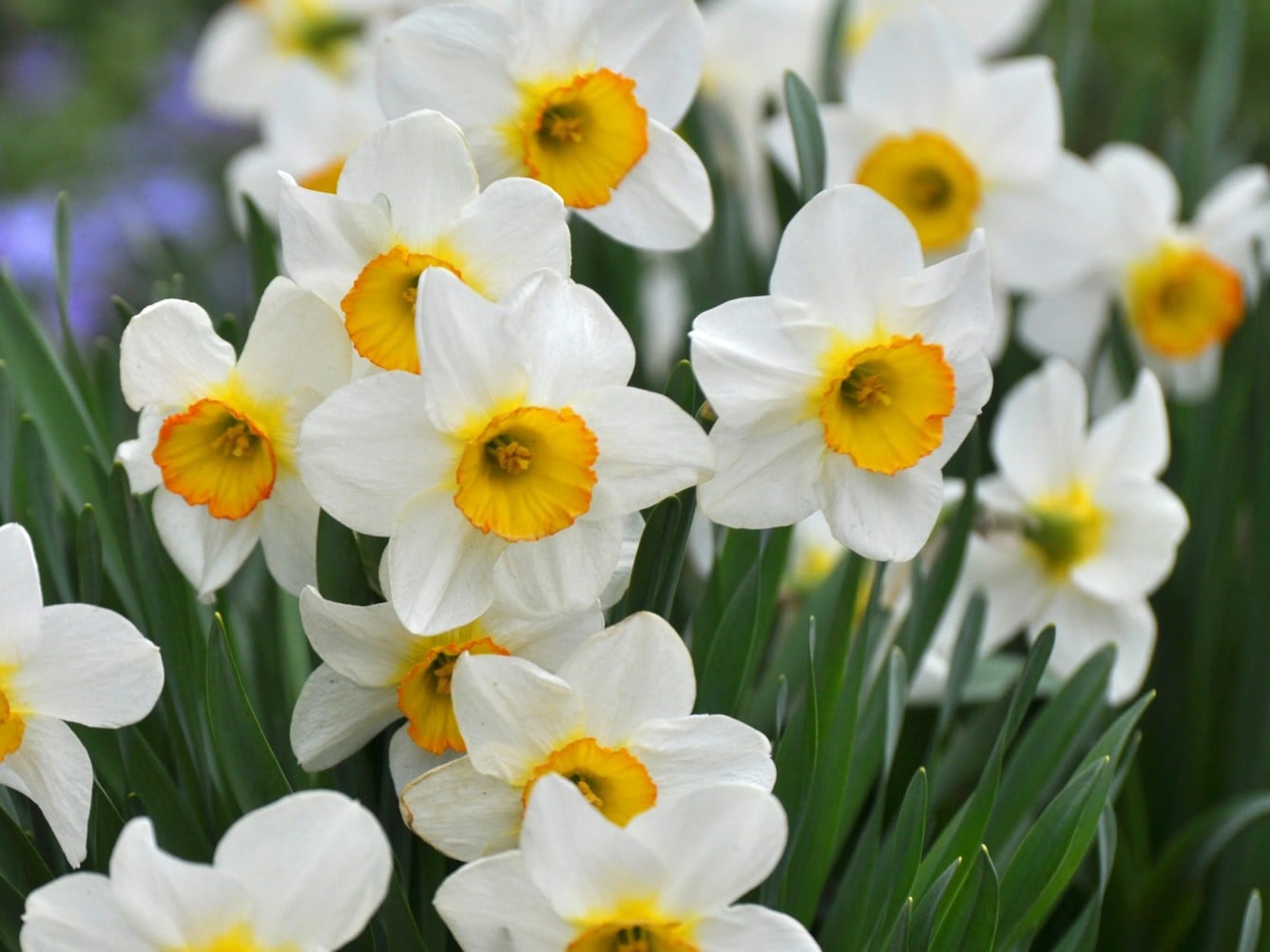
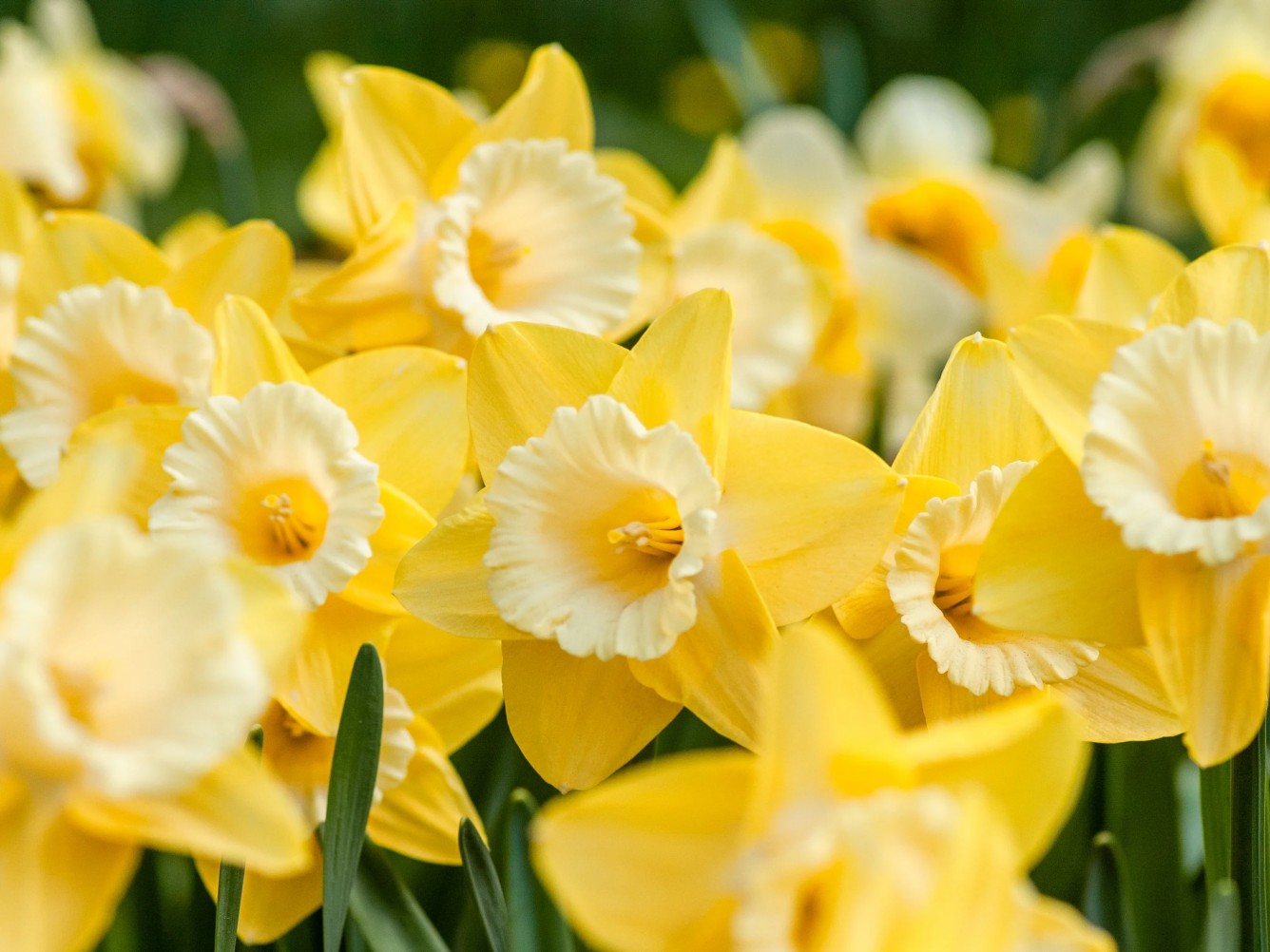
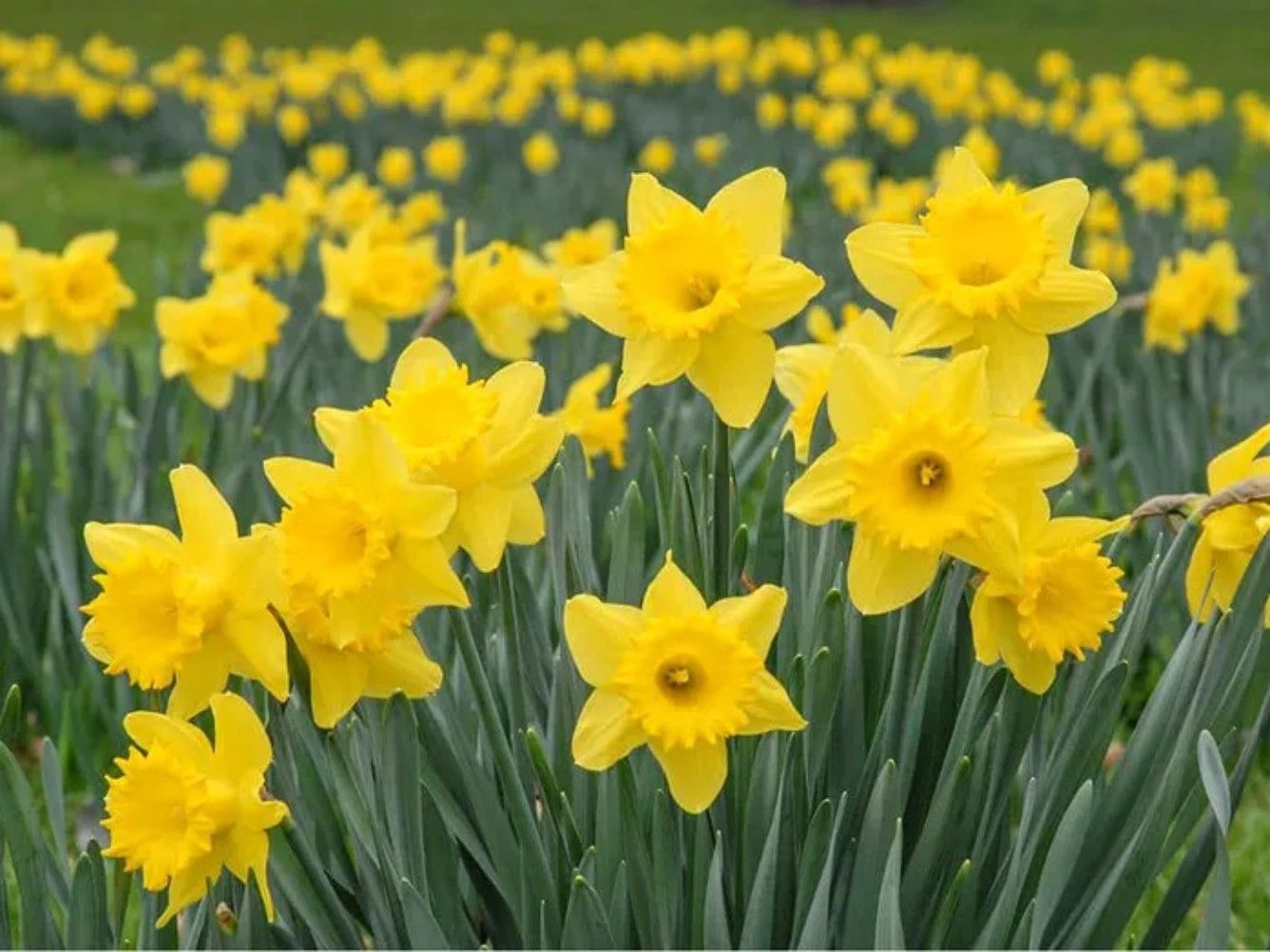
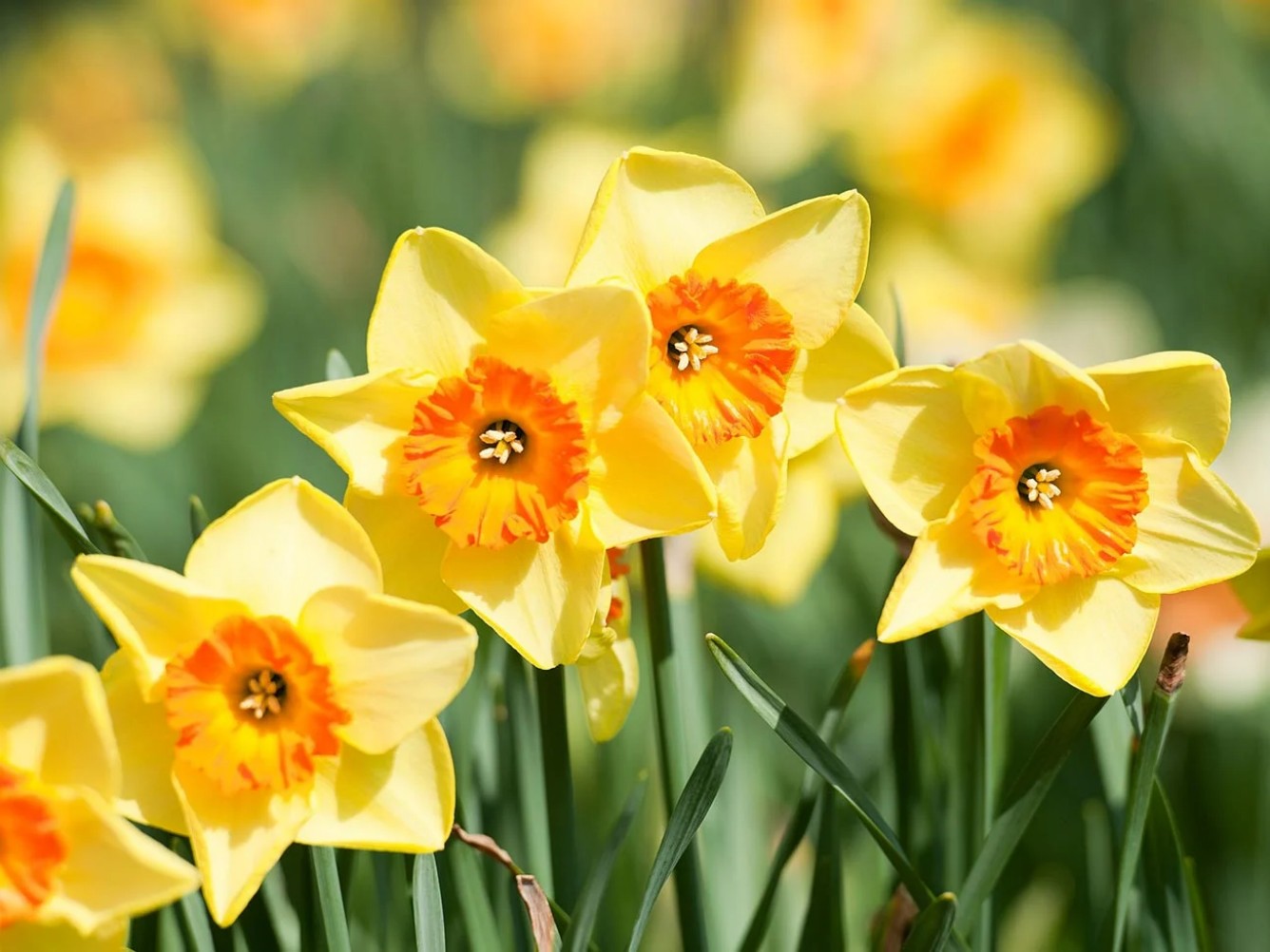
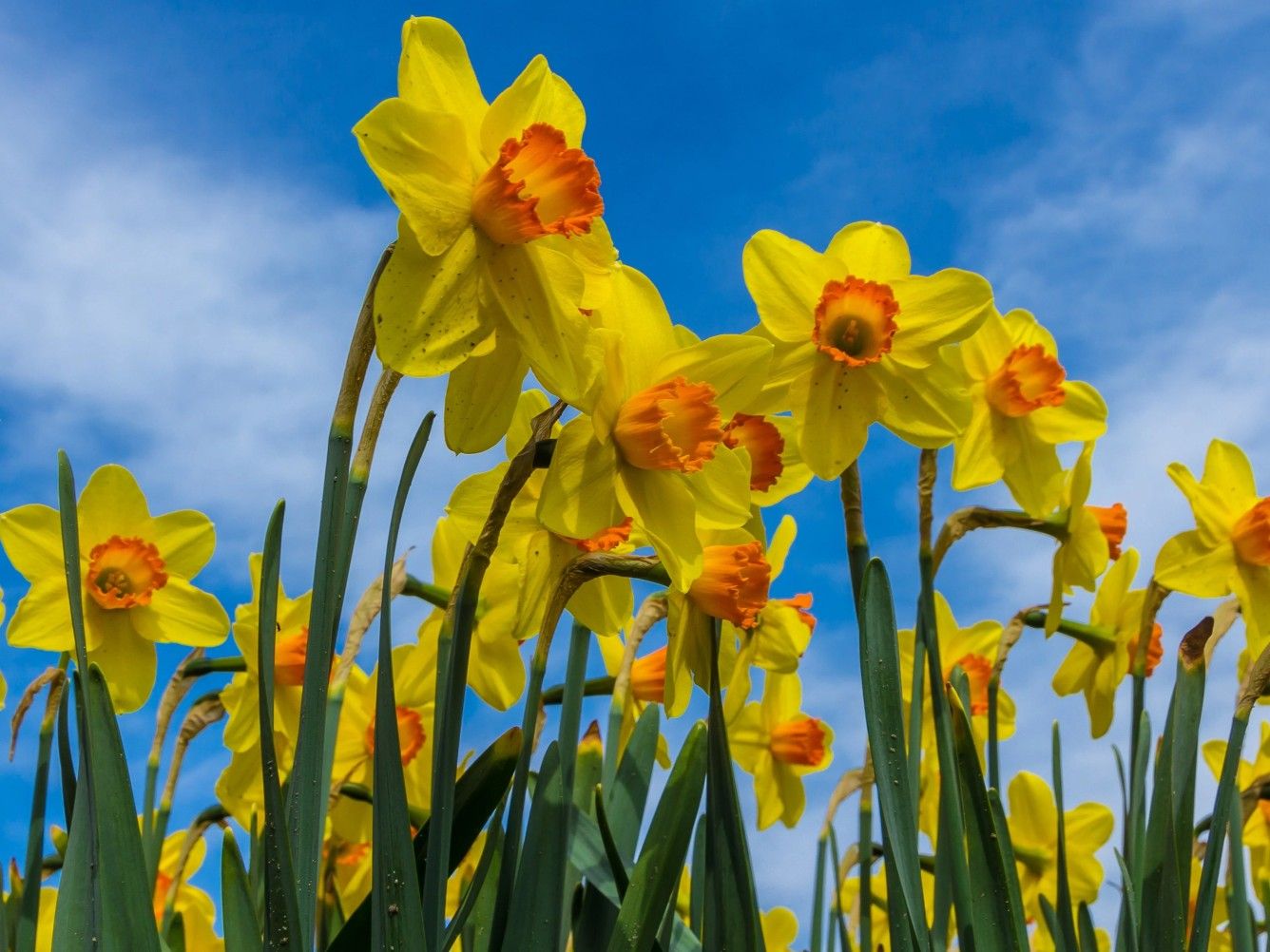
Daffodil is light-loving and cold-resistant. When planting, it should be placed in a sunny place and the soil should be kept moist but not waterlogged. After the flowering period, cut off the remaining flowers and wait for the leaves to naturally wither and yellow before digging out the bulbs for preservation. It can be overwintered indoors in winter and replanted next year.
Advertisement
Plant Properties
-
- Flowering period
- February to April
-
- Flower color
- Yellow, White, Orange, Two Tone
-
- Flower shape
- trumpet-shaped corona
-
- Plant height
- 20-45 cm
-
- Growing environment
- likes sunlight or semi-shade, with well-drained soil
-
- Toxicity
- The whole plant is poisonous
Plant Care Requirements
-
Watering frequency
the soil should be slightly moist, avoid waterlogging
-
Prune
withered flowers should be pruned in time
-
Planting Time
Spring (March-April), Fall (September-November)
-
Soil requirements
Slightly acidic to neutral soils (pH about 6.0 to 7.0)
-
Ventilation needs
plant in a sheltered location
-
Light Requirements
4-6 hours of direct sunlight
Advertisement
Plant Care Guide
-
How to propagate by dividing bulbs?
After flowering, it's essential to dig up the bulbs to prevent them from rotting or being damaged by cold temperatures. Select strong, healthy small bulbs for replanting. Allow them to dry in a cool, shaded area before storing. In autumn, plant them back in well-drained soil for optimal growth in the following season.
-
How to prevent lodging?
Use support columns to fixTo prevent damage from strong winds or overcrowding, set up support pillars and gently tie the plants to them. This provides stability and helps maintain an upright growth habit. Proper spacing between plants also ensures that they don’t compete for nutrients and light, promoting healthier and more vigorous growth.
-
How often to change water in hydroponics?
3 to 5 daysChanging the water every 3 to 5 days helps maintain cleanliness and prevents stagnation, which can lead to harmful bacteria or algae growth. Fresh water ensures proper oxygenation, promoting healthier root development. This practice is especially important for plants in water or hydroponic setups, encouraging robust, vibrant growth.
-
When is the best time to plant?
September-OctoberPlanting in September to October provides the ideal conditions for root establishment before winter. During this time, temperatures are cooler, and there is still enough sunlight for the plant to acclimate. It allows the roots to settle into the soil, ensuring stronger growth when the warmer months arrive.
-
How to extend the flowering period?
Keep in the shadeAfter flowering, move the plant to a cooler location to simulate a natural resting period. This helps it recover and conserve energy for the next growth cycle. During this time, reduce watering to avoid root rot and encourage dormancy, ensuring the plant can rest and rejuvenate for future blooming.
-
How to prevent freezing in winter?
Moving potted plants indoorsWhen temperatures drop or harsh weather approaches, move potted plants indoors to a sheltered area. This protects them from frost, strong winds, and excessive moisture. Ensure the indoor space provides sufficient light, and monitor humidity levels to prevent stress, allowing the plants to thrive during colder months.
Advertisement
Frequently Asked Questions
-
1 What to do if bulb rots
If a bulb rots, the first step is to remove it from the soil or pot immediately to prevent the spread of decay to healthy bulbs or roots. Cut away any soft, discolored, or mushy areas of the bulb using a clean, sharp knife. Disinfect the knife between cuts to avoid contamination. If the bulb is beyond saving, discard it. For bulbs that show signs of recovery, allow them to dry for a few days in a well-ventilated area before replanting in fresh, well-drained soil. Ensure proper watering practices to avoid waterlogging in the future.
-
2 What should I do if it doesn't bloom for a long time?
Insufficient light or nutrients can significantly hinder blooming. If the plant isn't getting enough sunlight, it may focus on survival rather than flowering. Similarly, a lack of essential nutrients, especially phosphorus and potassium, can prevent flower bud formation. Ensure adequate light and a balanced fertilization routine to promote blooming.
-
3 What is the reason for the leaf tips to burn?
Excessive light or over-fertilization can stress the plant, hindering its ability to bloom. Intense, direct sunlight may scorch the leaves or cause dehydration, while too much fertilizer, particularly high nitrogen, can lead to excessive leaf growth at the expense of flowers. Adjust light exposure and reduce fertilization to encourage blooming.
-
4 What should I do if the diseased leaves turn black?
Fungal diseases like leaf blight can inhibit healthy blooming and overall plant growth. Infected leaves may show spots, wilting, or discoloration. To prevent and treat the infection, spray the plant with an appropriate fungicide, following the instructions carefully. Remove affected leaves to reduce the spread of the disease.
Advertisement
Introduction
Daffodil is a beautiful perennial bulbous plant belonging to the Amaryllis family. It blooms in spring and has yellow or white flowers with elegant shapes and a light fragrance. Narcissus symbolizes hope and rebirth and is often seen in gardens, balconies or holiday decorations.
Popular Plant Encyclopedia
-
-
Poisonous and danger
- Rhus typhina
-
-
-
Edible and medicinal
- Common sunflower
-
-
-
Poisonous and danger
- Plumeria rubra
-
-
-
Wild and common weed
- Convolvulus arvensis
-
-
-
Edible and medicinal
- Perilla frutescens
-
-
-
Edible and medicinal
- Pogostemon cablin
-
-
-
Edible and medicinal
- Common fenugreek
-
-
-
Edible and medicinal
- Garden Thyme
-
 Poisonous and danger
 Edible and medicinal
 Wild and common weed
Advertisement