Dahlia
-
 Ornamental and lands
 - Also known as: geranium peony, foreign peony
 Ornamental and lands
Nursing Skills
Dahlia love light and warmth, and are sui for planting in well-drained, fertile loamy soil. Regular fertilizer should be applied to promote flower growth, and the soil should be kept moist but not waterlogged during the growing season. After the flowers are gone, timely pruning of residual flowers can extend the flowering period. The roots should be dug up and stored in winter to avoid frost damage.
Advertisement
Plant Properties
-
- Plant Family
- Perennial Herbs
-
- Toxicity
- Slightly toxic to animals
-
- Height
- plant height varies from about 30 cm to 1.5 m
-
- Flowering period
- summer to fall, long-lasting flowers
-
- Flower shape
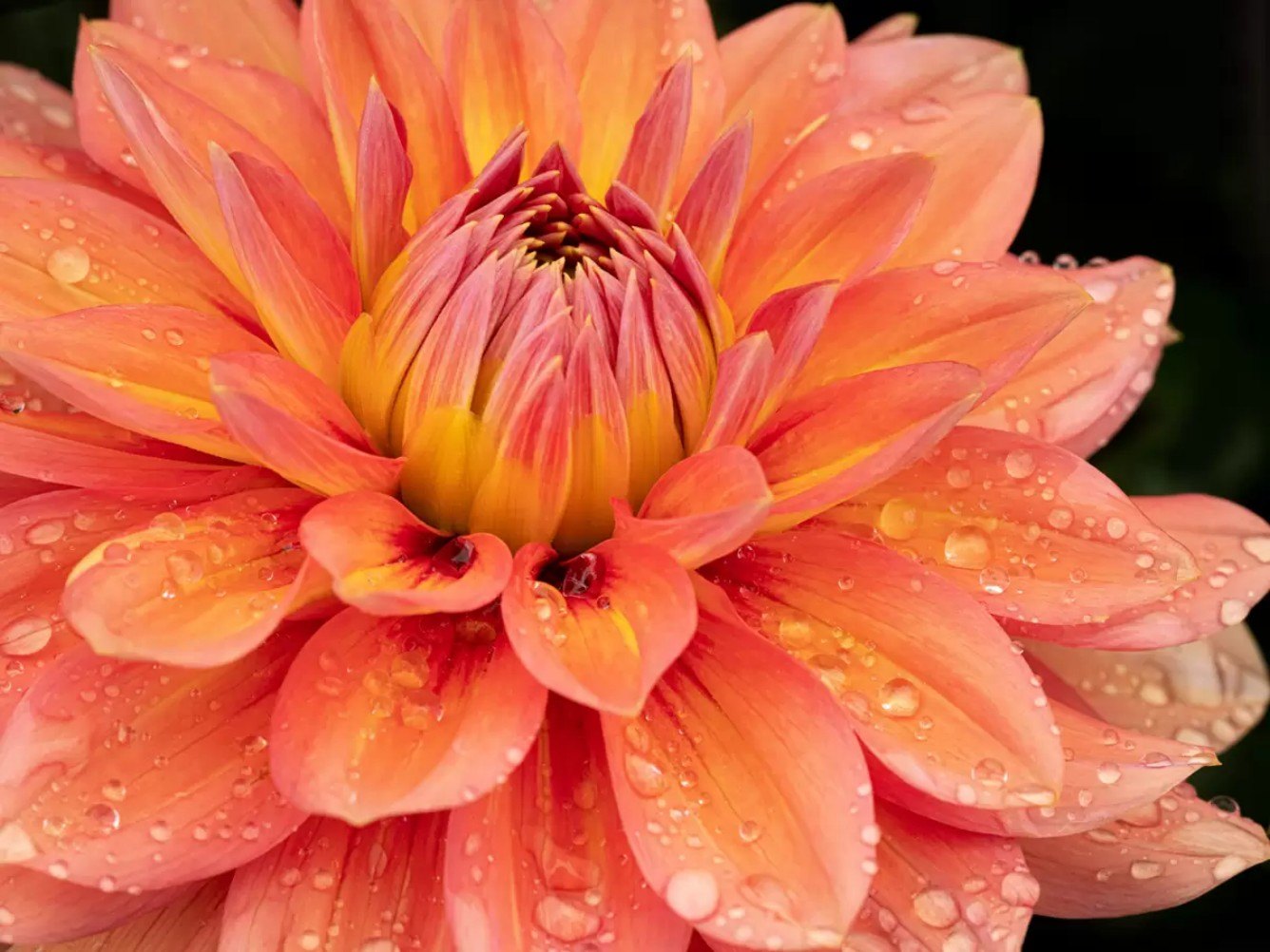
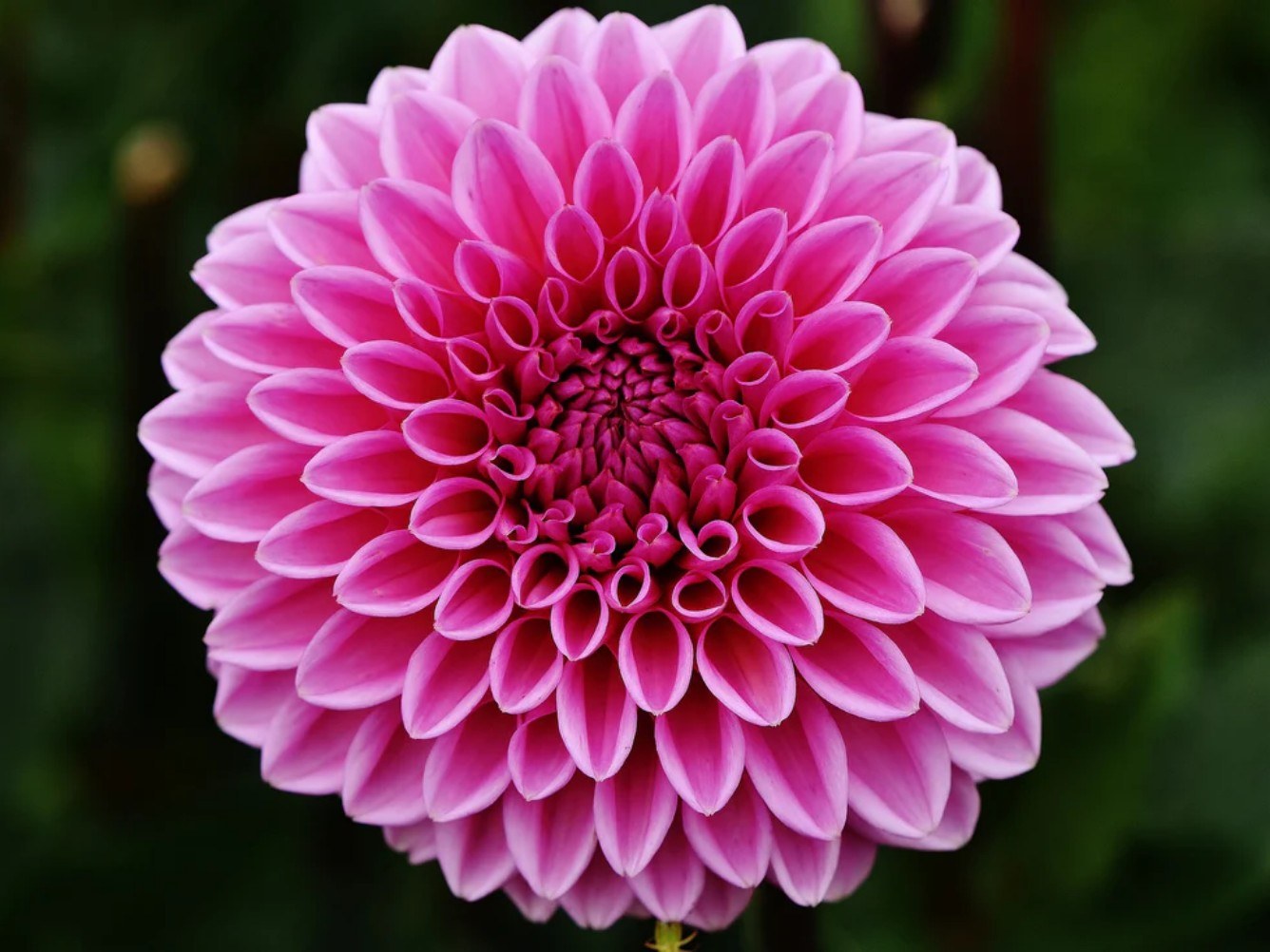
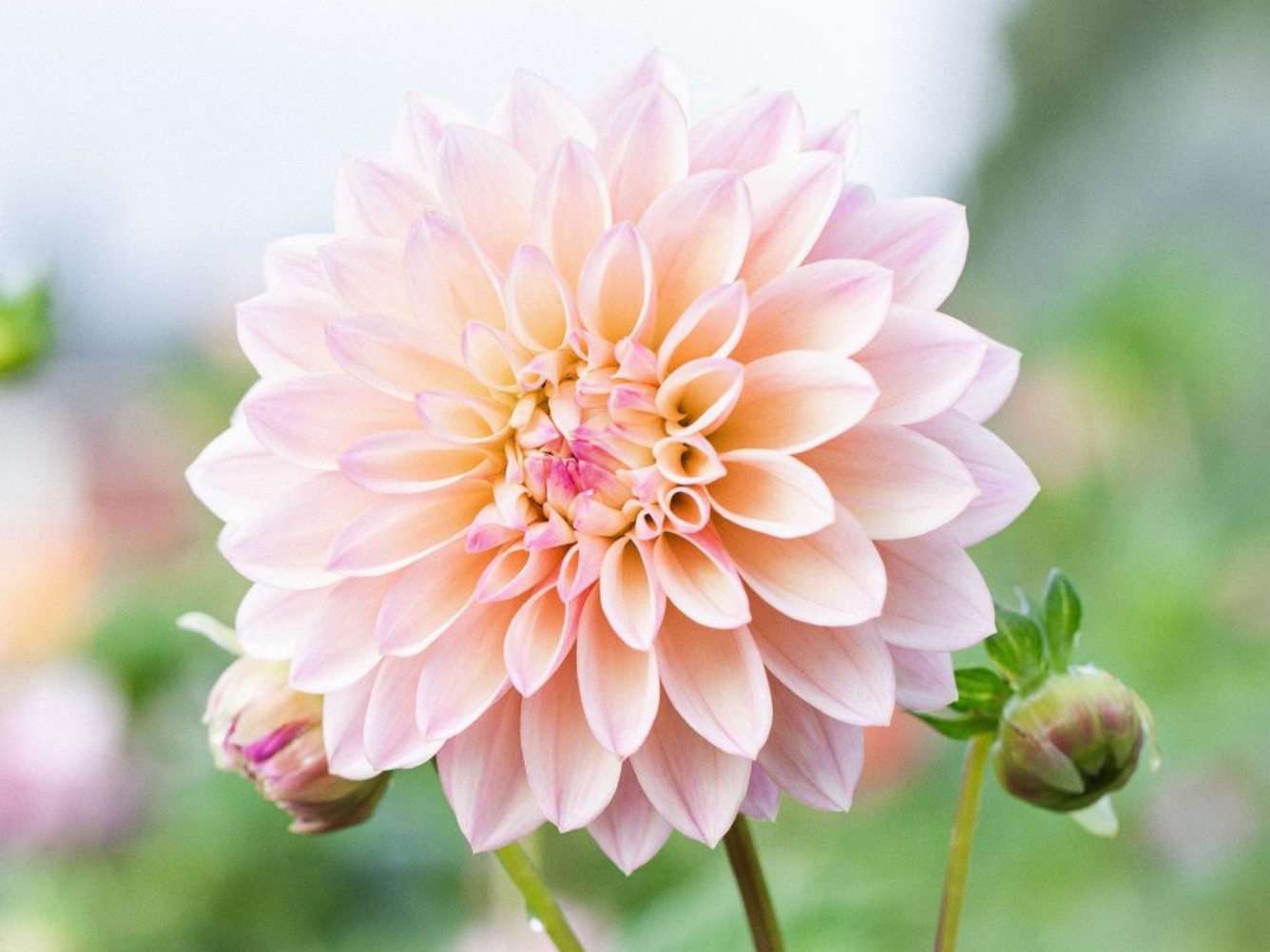
- spherical, flattened, rolled edges
-
- Flower color
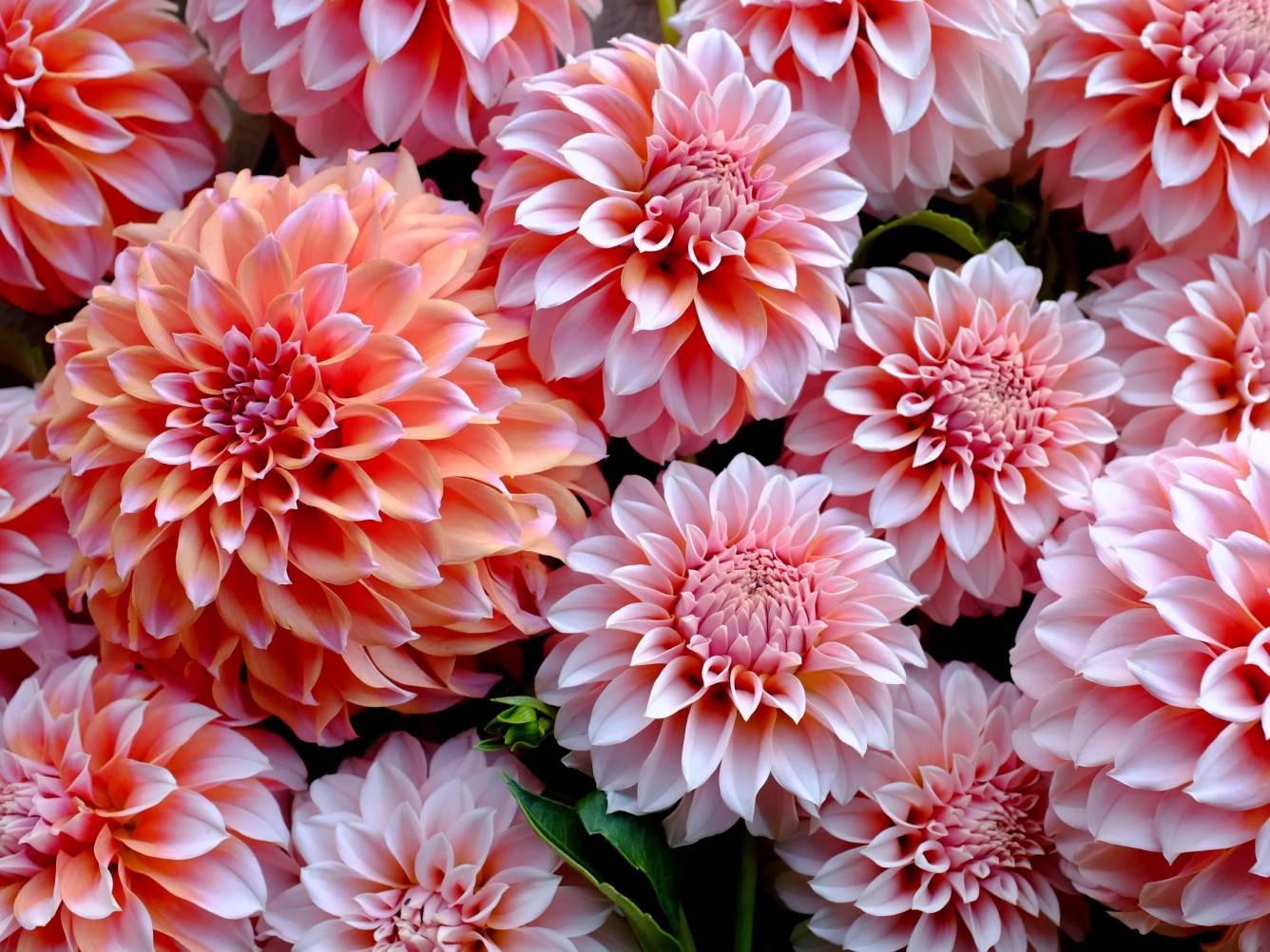
- red, pink, white, yellow, purple, etc
-
- Leaves
- pinnately compound, dark green, with serrated edges
Plant Care Requirements
-
Care Level
Medium
-
Hardiness range
8-11
-
Planting time
late spring to early summer (April to June)
-
Sun Requirements
6 hours of direct sunlight
-
Nutrient Requirements
Fertilize once every 2-3 weeks
-
Watering requirements
1-2 times per week
-
Soil pH
slightly acidic to neutral (pH 6.0 to 7.5 recommended)
-
Planting spacing
30-60cm between each plant is recommended
Advertisement
Plant Care Guide
-
Why do I need to prune the old or yellow leaves of dahlias in time?
When you find old or yellow leaves of dahlia, you should prune them off in time, which not only improves the ventilation and light penetration of the plant, but also effectively reduces the breeding of pests and diseases and avoids wastage of nutrients. Regular cleaning of old leaves helps to enhance the healthy growth of the plant, promote the development of new leaves and flowers, and enhance its overall ornamental and visual effects.
-
Why do I need a reasonable layered layout when mixing tall and short varieties?
Ensure that each plant can fully enjoy the sunlightWhen planting a mix of short and tall varieties, the layout should be reasonably layered, with the tall varieties planted at the back or in the center, and the low varieties planted in the front or around the planting, so as to avoid the high varieties blocking the sunlight of the low varieties, and ensure that each plant can fully enjoy the sunlight, which is beneficial to the coordination of the overall flowering period, and to improve the ornamental effect of the flowers.
-
why dahlia should not be planted in the position of the wall?
Poor ventilation and easy accumulation of moistureWhen dahlias are planted against a wall, they are poorly ventilated and moisture tends to accumulate, especially when the humidity is high, which can easily breed mold or powdery mildew, affecting the health of the plant. To avoid this, it is best to maintain a proper planting distance to ensure adequate air circulation between plants, reducing the risk of pests and diseases and promoting healthy growth.
-
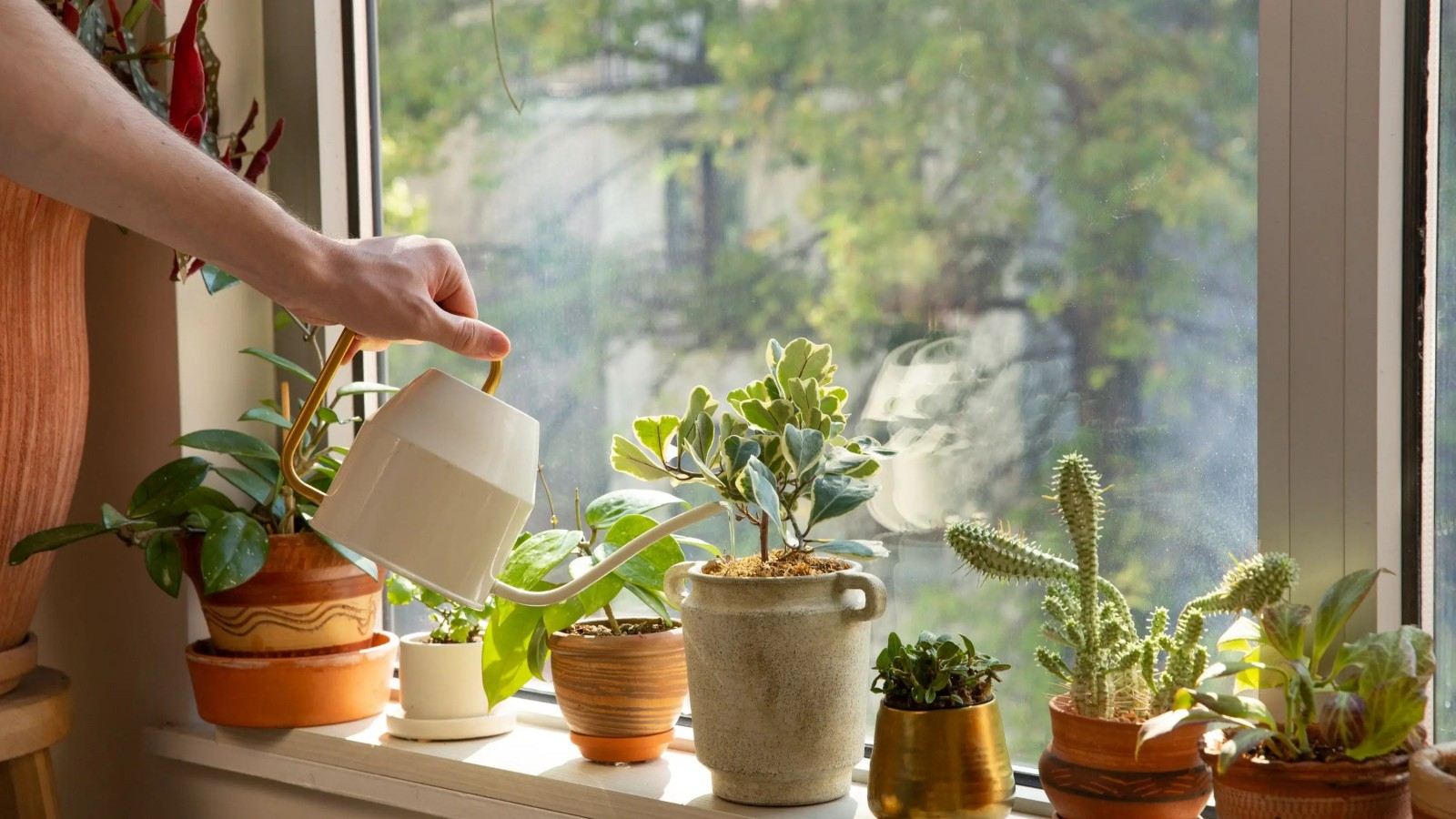
Why should I choose to water early in the morning or late in the evening when the summer heat is high?
To avoid rapid water evaporationIn the summer heat, it is best to water early in the morning or late in the evening in order to avoid rapid water evaporation or root stress caused by sudden cold. At this time, the temperature is lower, the soil moisture can be better absorbed, to avoid the impact of strong sunlight and high temperature at noon, reducing the root system of the temperature shock, which will help the healthy growth of plants.
-
Why do I need to water less frequently during the germination stage of dahlias?
Helps promote healthy germinationDuring the germination stage of dahlias, you should water less frequently and keep the soil slightly moist to prevent over-wetting that can lead to seed rot or mold. Once the sprouts break through the soil surface, watering can be gradually increased to meet the plant's growth needs. At this point, making sure the soil is moist but not waterlogged will help promote healthy germination and root development.
-
Why do I need to use fungicides or insecticides in time when dahlia spots appear?
To prevent further damage to the plant's healthwhen you notice spots on the foliage or roots of dahlias, you need to take immediate action. Spraying with a suitable fungicide or insecticide can effectively control the spread of disease and prevent further damage to plant health. Take care to cover the whole area when treating, especially the back of the leaves and the roots, and clean up the spots in time to help keep the plant's growing environment clean.
Advertisement
Frequently Asked Questions
-
1 What is the case of flowers do not open
Dahlias that experience late blooms are often associated with insufficient light, improper fertilization, or excessively wet soil. Insufficient sunlight will inhibit the development of flower buds, too much fertilizer, especially nitrogen fertilizer, will promote the growth of leaves and flowers, and waterlogged soil will lead to a lack of oxygen in the root system, which will affect the absorption of nutrients. These conditions should be improved to promote successful flowering.
-
2 Why do dahlias bloom with small flowers?
Dahlias with small and few flowers are usually caused by lack of nutrients, improper water management or insufficient light. Chronic nutrient deficiencies can limit bud formation, too much water can lead to root problems, and a lack of sunlight can inhibit photosynthesis. Improving these conditions can significantly improve flower quality and quantity.
-
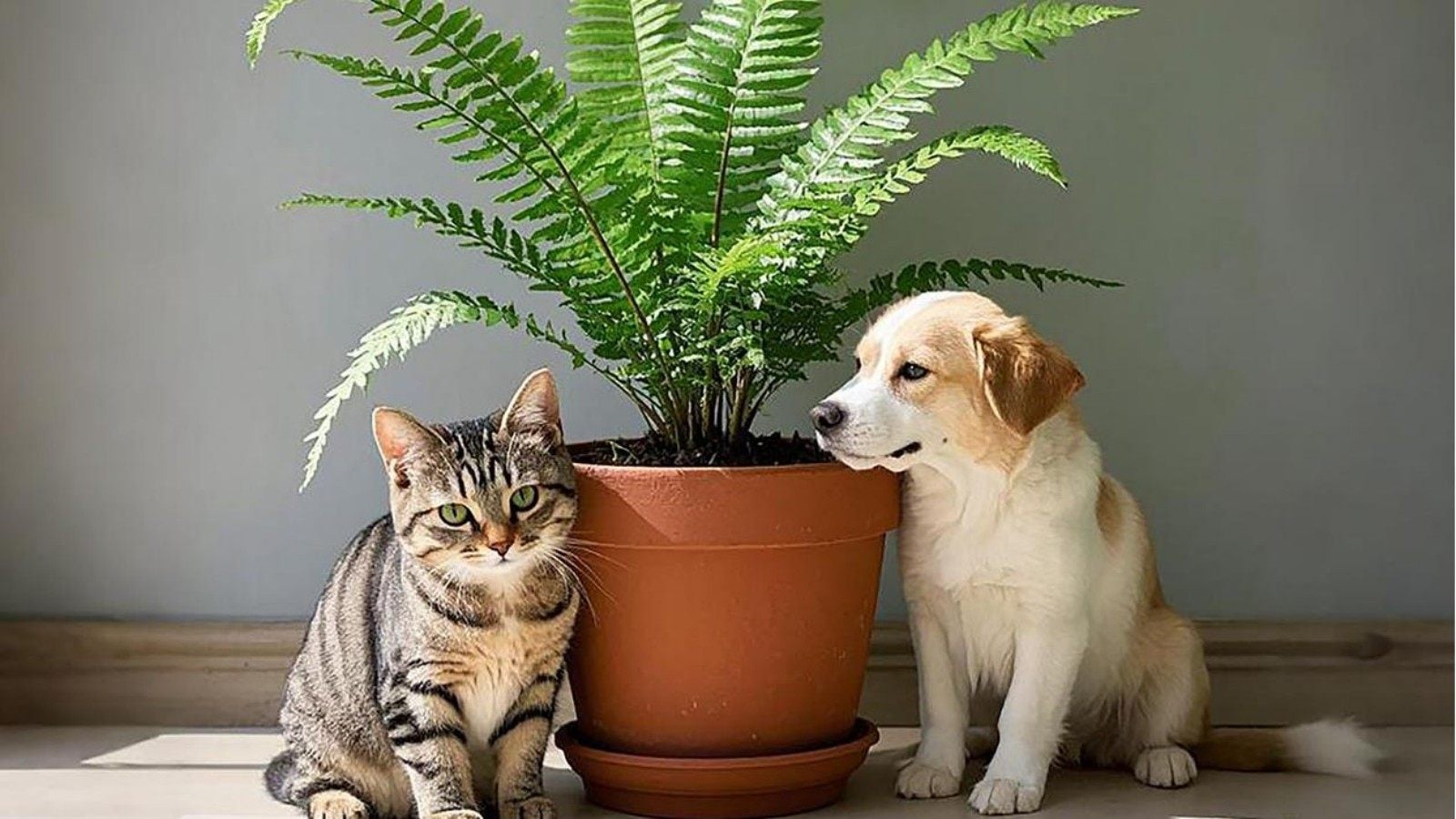
3 Is Dahlia toxic to pets?
Dahlia is usually non-toxic to pets. They are not a common poisonous plant, and if a pet consumes large quantities of dahlia parts, such as the leaves, flowers, or roots, it may cause minor digestive discomfort, such as vomiting or diarrhea. Therefore, even though they are not a toxic plant, it is still recommended to avoid pets touching and eating any part of the dahlia to ensure its safety.
-
4 What should I do if the petals fade during bloom?
Discoloration of dahlia petals is often caused by strong direct summer sunlight or sustained high temperatures, which can lead to pigment breakdown or burns. To maintain its brilliant color, shade the plant around noon or move it to a semi-shady place, and pay attention to ventilation to reduce the impact of heat damage on the flowers.
Advertisement
Introduction
Dahlia is a perennial herbaceous plant of the Asteraceae family, native to Mexico, with rich and varied flower colors, extremely showy when in full bloom, and a common ornamental flower in horticulture. Its long flowering period, lasting from summer to fall, makes it ideal for gardens, flowerbeds and cut flower decoration. With over 40 recognized species and thousands of cultivars, dahlias come in diverse shapes and sizes, ranging from small pompons to large dinner-plate blooms, offering endless possibilities for floral design and landscaping.
Popular Plant Encyclopedia
-
-
Poisonous and danger
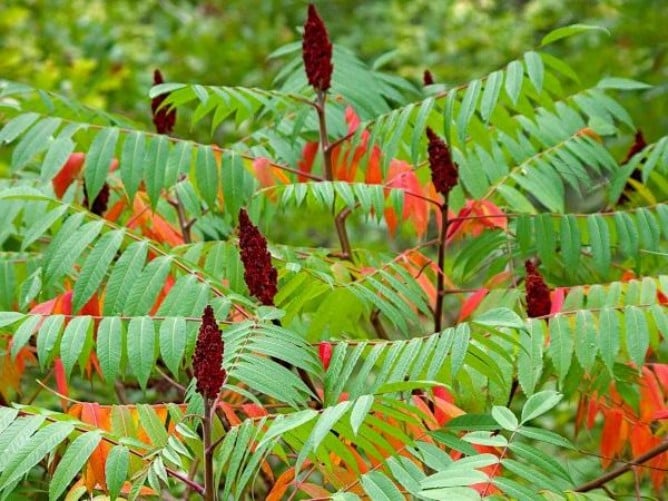
- Rhus typhina
-
-
-
Edible and medicinal
- Common sunflower
-
-
-
Poisonous and danger
- Plumeria rubra
-
-
-
Wild and common weed
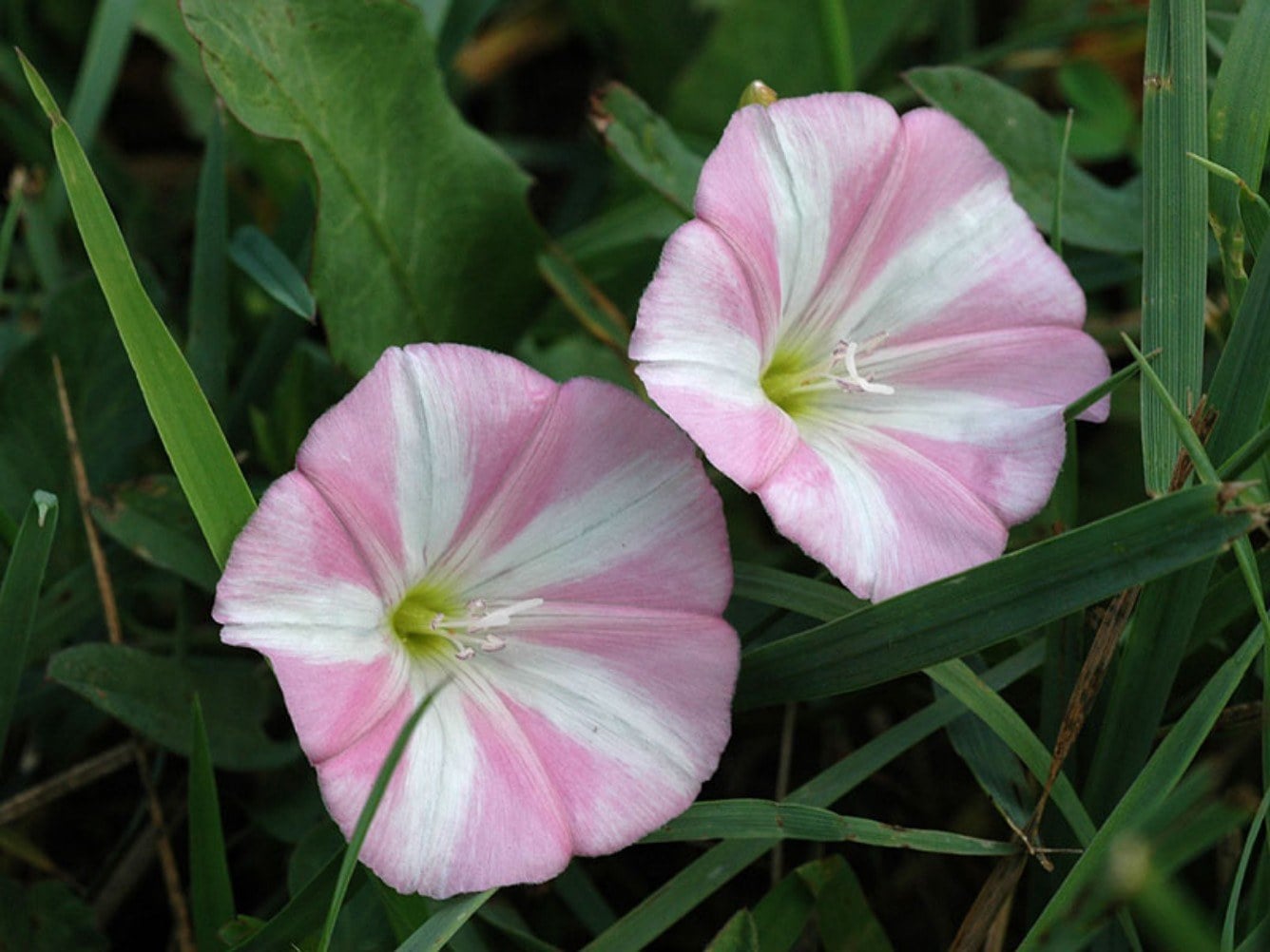
- Convolvulus arvensis
-
-
-
Edible and medicinal
- Perilla frutescens
-
-
-
Edible and medicinal
- Pogostemon cablin
-
-
-
Edible and medicinal
- Common fenugreek
-
-
-
Edible and medicinal
- Garden Thyme
-
 Poisonous and danger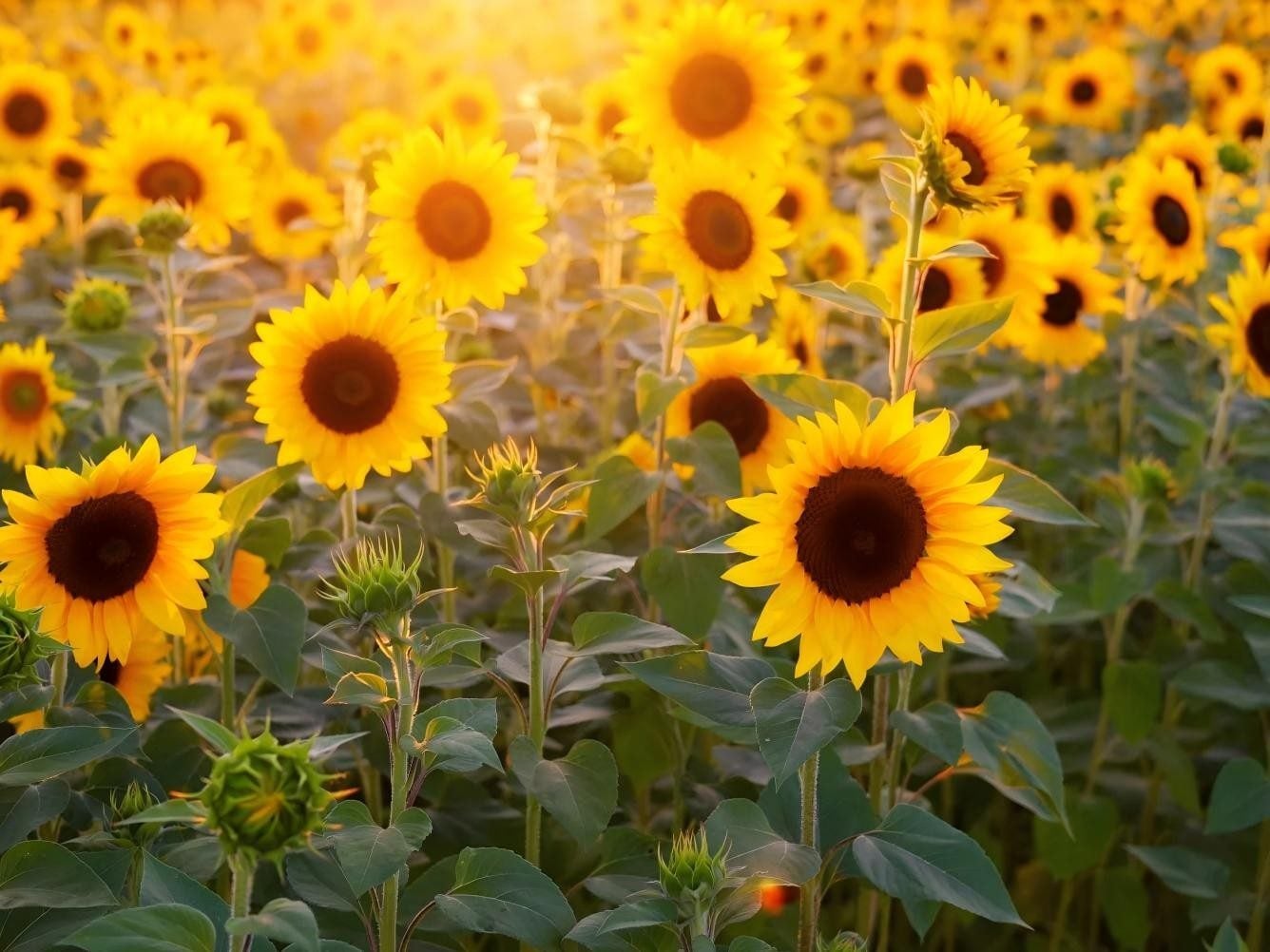
 Edible and medicinal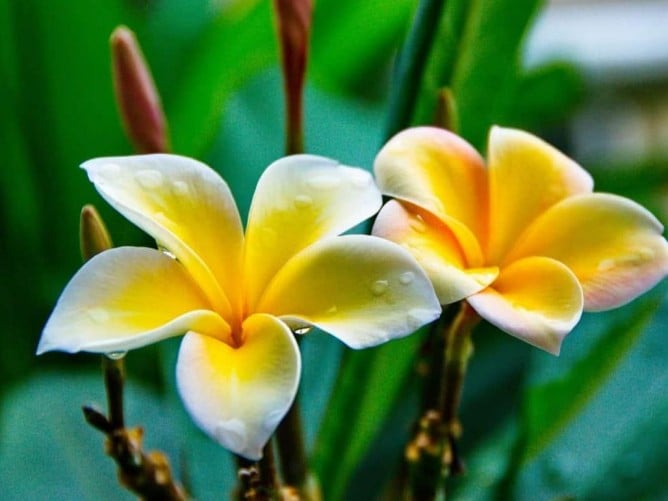
 Wild and common weed
Advertisement