Dandelion
-
 Wild and common weed
 Wild and common weed
Nursing Skills
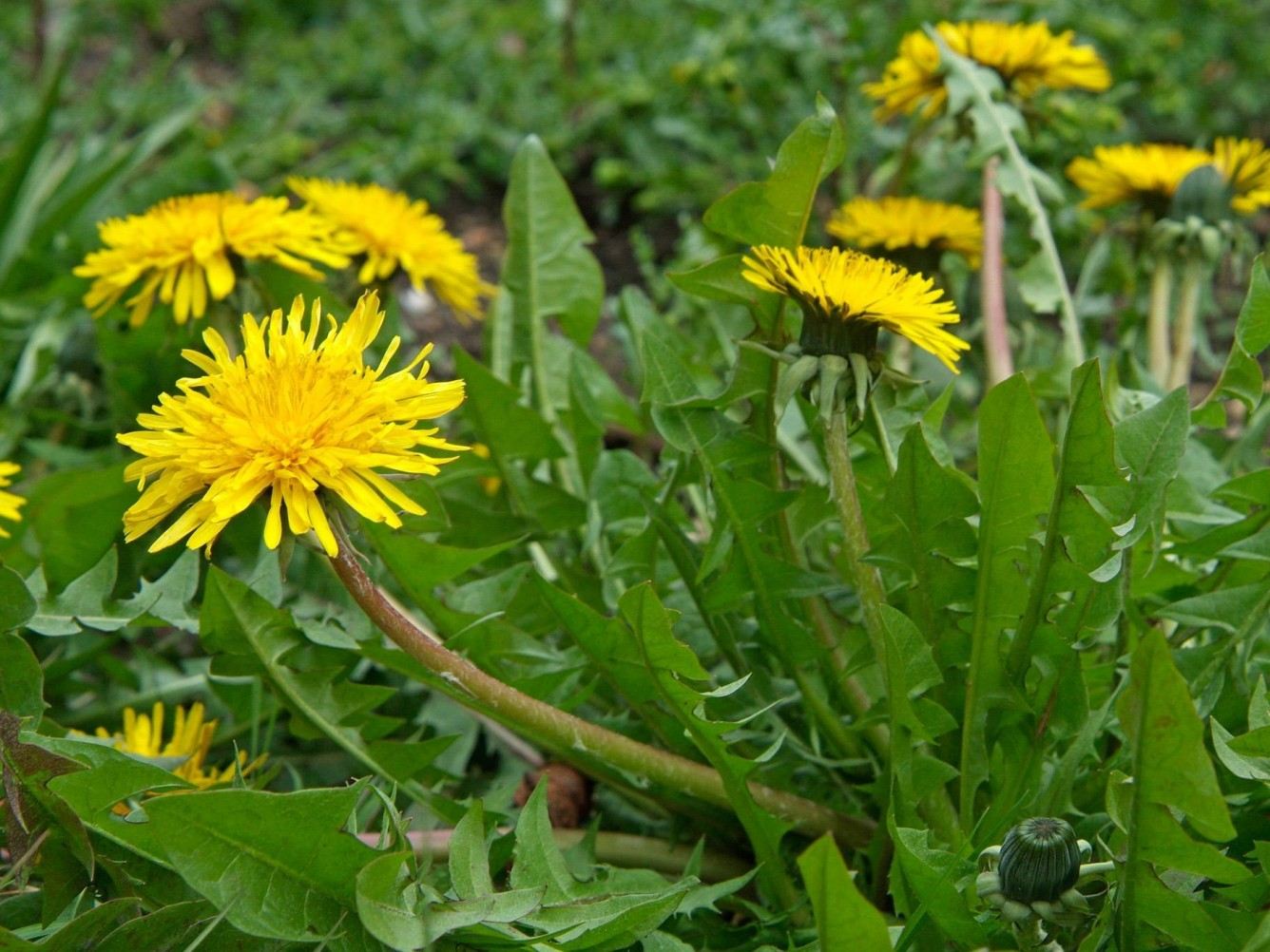
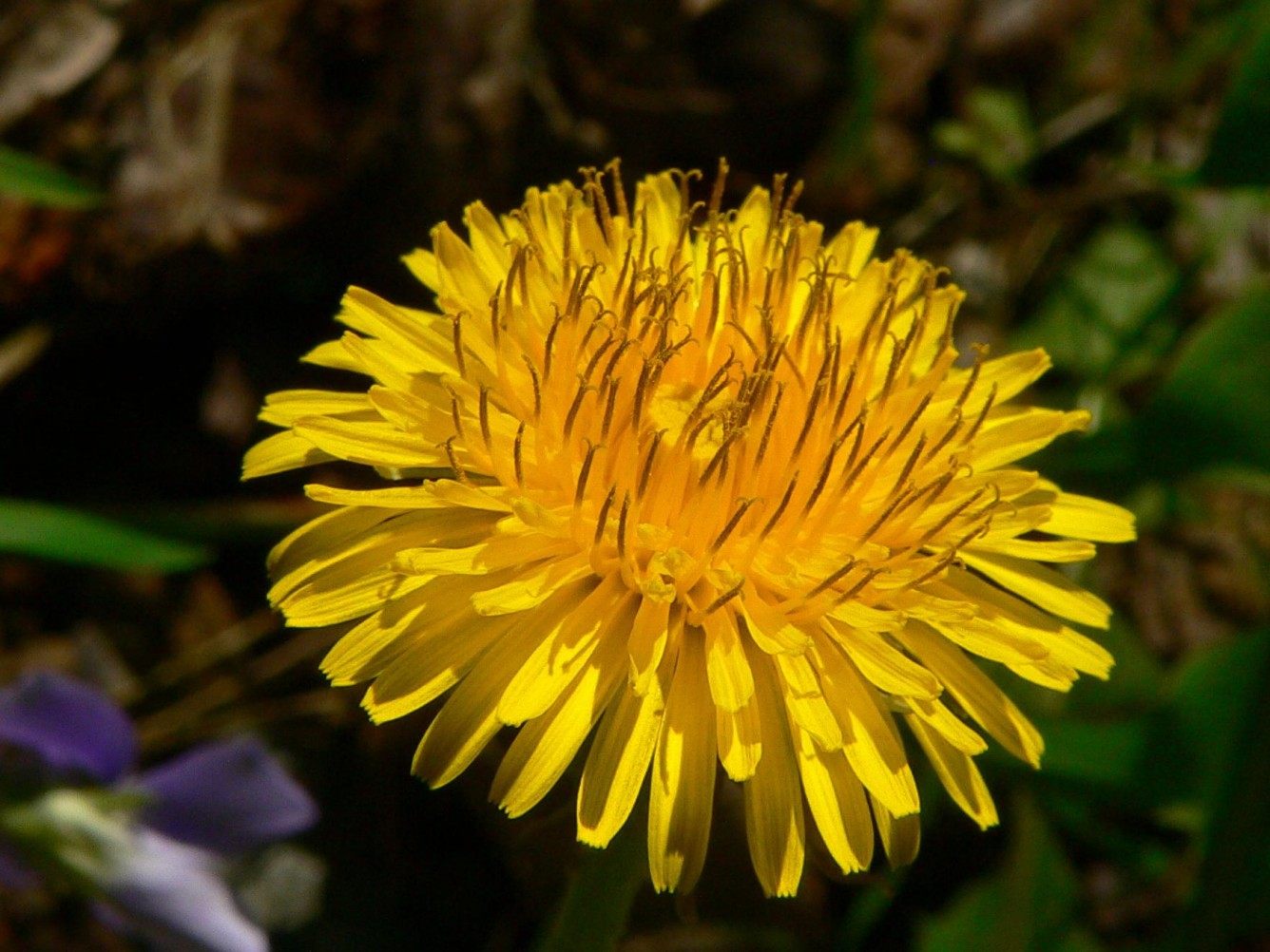
Dandelion has strong vitality, wide adaptability, and can grow naturally in sunny open areas.Daily maintenance does not require too much management, only need to ensure that the light and good drainage can be.If planted in pots, proper pruning can avoid spreading, and prevent the seeds from spreading too much to affect other plants.
Advertisement
Plant Properties
-
- Toxicity
- Non-toxic
-
- Growth cycle
- Perennial
-
- Plant type
- Herbaceous
-
- Flowering period
- Spring to early summer (March-June)
-
- Fruiting period
- Summer (May-July)
-
- Plant height
- Generally 10-30 cm
-
- Leaf color
- Dark green, pinnatifid
-
- Flower color
- Bright yellow
Plant Care Requirements
-
Light
Prefer sunlight
-
Growth cycle
Perennial
-
Plant type
Herbaceous
-
Flowering period
Spring to early summer (March-June)
-
Fruiting period
Summer (May-July)
-
Plant height
Generally 10-30 cm
-
Leaf color
Dark green
-
Flower color
Bright yellow
Advertisement
Plant Care Guide
-
How do I grow dandelions in my garden?
Direct seedingChoose a sunny, well-drained area for direct sowing. The best time to sow is in the spring. Spread the seeds on the topsoil and cover lightly with a thin layer of soil to maintain a slightly moist environment. Seeds germinate quickly and seedlings can be seen in 7-14 days. Dandelion does not require much soil, but avoiding waterlogged and acidic soil will help to increase the accumulation of medicinal ingredients.
-
Is dandelion suitable for pot planting?
SuitabilityYes, but you need to pay attention to seed and root control. Choose a pot with good air permeability and a loose, well-drained soil. Because of its well-developed root system and fast seed dispersal, it is necessary to prune the residual flowers and pull out the new shoots regularly to prevent the spread of dandelion. It can be used as a balcony green herb with both ornamental and medicinal value.
-
When can I pick dandelion?
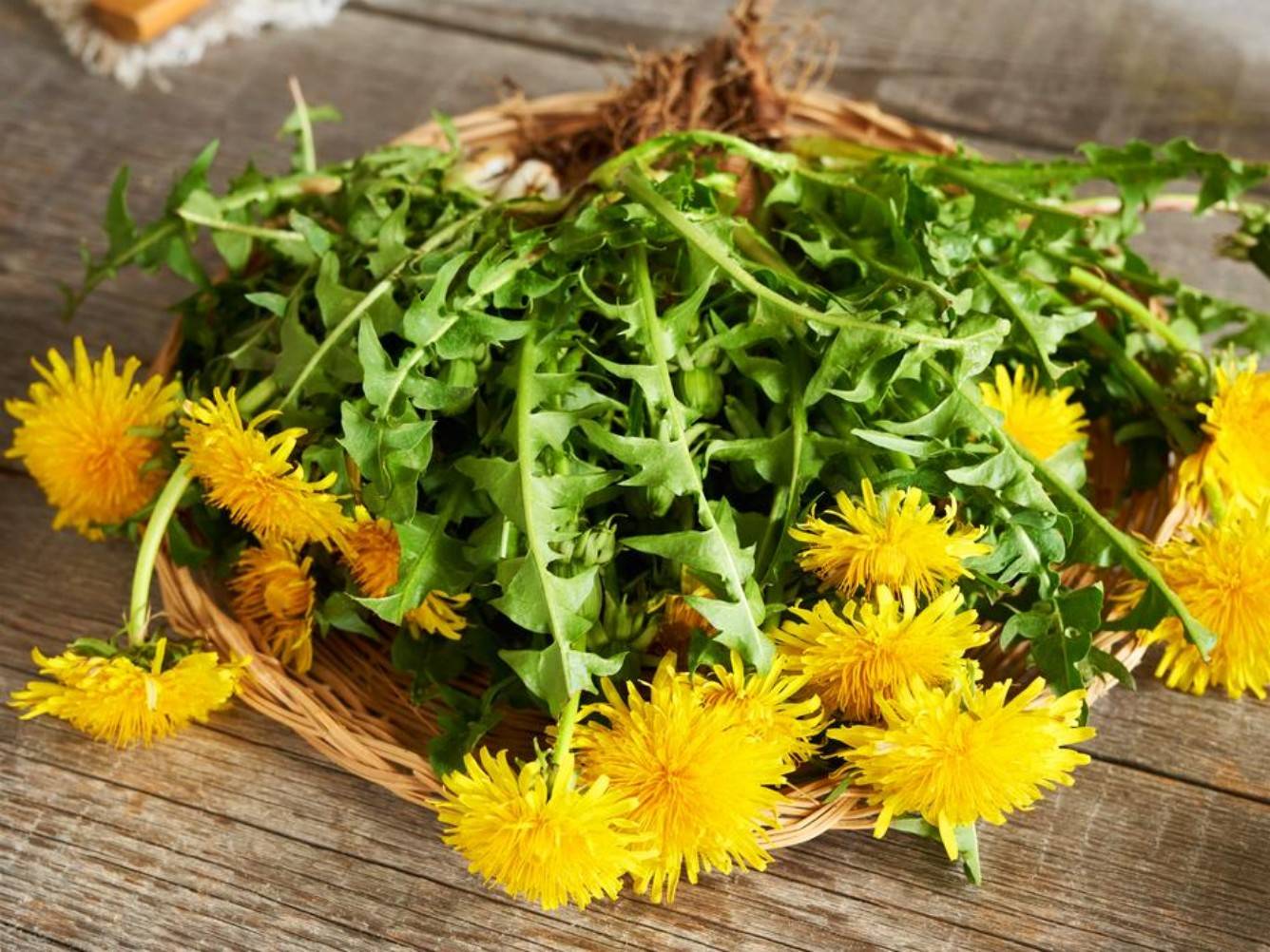
Pre-floweringThe leaves are best picked before the flowering period, the flowers can be collected when they are fully open, and the roots are most often dug in the fall for best medicinal effect. When picking, choose healthy, pest-free individuals, and try to avoid dandelions from roadsides and polluted areas. After washing, it can be dried in the sun, made into tea or used in medicine to preserve the medicinal effect.
-
How to control the spread of dandelion in the garden?
Cutting off immature seedsDandelion seeds have the ability to fly and spread easily. To prevent uncontrolled spread, cut off immature seedpods in time to minimize seed dispersal. Flower bed borders can be set up or special planting areas can be chosen. Remove sprouted seedlings when they are found, or inhibit their regeneration by digging deep into the roots.
-
Do dandelions need regular fertilization?
Regular fertilizationDandelions have low fertility needs and usually do not require additional fertilization. In potting environment or medicinal cultivation, a low concentration of organic fertilizer can be applied once a month to promote thick green leaves and root development. Excessive fertilization may instead inhibit the formation of its natural components, so fertilizers should be kept to a minimum use.
-
Can I grow dandelion on my city balcony?
YesAbsolutely. They can be grown in a small space with enough sunlight and more than 4 hours of direct light per day. Planting in a deep pot is good for root extension and avoids stagnant water. If you want to pick the flowers or leaves for consumption, it is recommended that you use non-polluting seeds and avoid areas near automobile exhaust fumes.
Advertisement
Frequently Asked Questions
-
1 Is dandelion poisonous? Can I consume it?
Dandelion is non-toxic and safe for consumption. Its leaves, flowers and roots are rich in vitamins and minerals, which are effective in clearing heat and detoxification, diuretic and anti-inflammatory. It is often used in tea, cold, soup or medicine. However, people with cold body should consume it in moderation to avoid discomfort caused by overdose.
-
2 Is dandelion the same as roadside weeds?
Although dandelion is commonly found in the wild, it is different from common weeds in that it is an herb with medicinal and edible value. There are many different kinds of dandelion in the wild, which can be easily confused with other plants in the Asteraceae family. It is important to identify them when picking to ensure that they are genuine Taraxacum officinale, so as to avoid accidentally eating other varieties.
-
3 Why don't my dandelions bloom?
Dandelions may not bloom due to low light, low temperature or nutrient deficiency. Ensure that there are more than 4 hours of direct sunlight every day, keep the temperature above 15°C, and avoid prolonged drought in the potting soil. If it has not flowered for a long time, apply organic fertilizer to encourage the plant to switch to reproductive growth.
-
4 Is dandelion safe for pets?
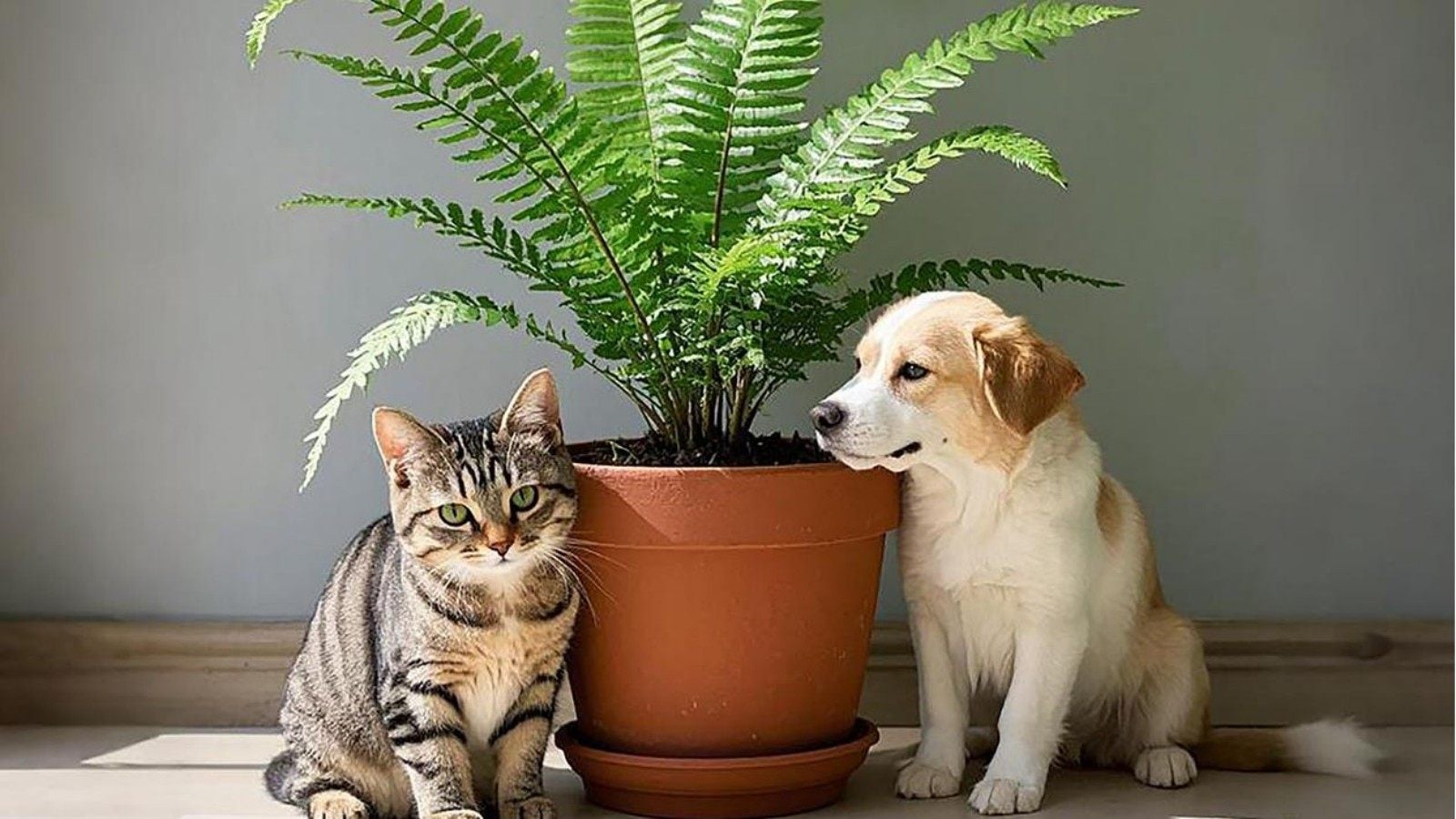
Yes. Dandelion is a pet-friendly plant and contains no toxicity. Moderate intake is even beneficial to the digestive system of herbivorous or omnivorous animals such as rabbits, turtles, cats and dogs. However, it is important to make sure that your pet does not suffer from gastrointestinal distress due to excessive intake, and it is also important to avoid pesticide contamination.
Advertisement
Introduction
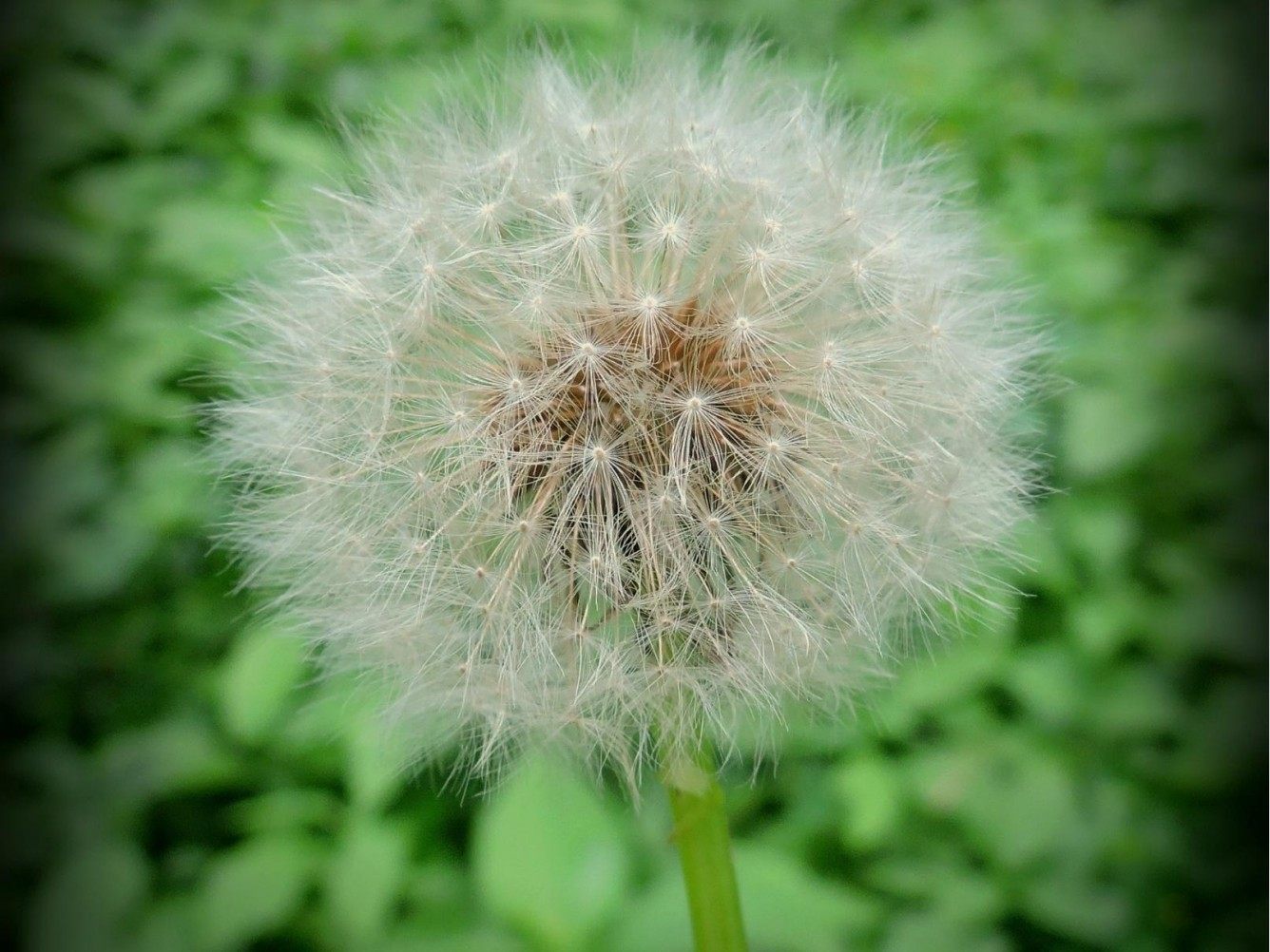
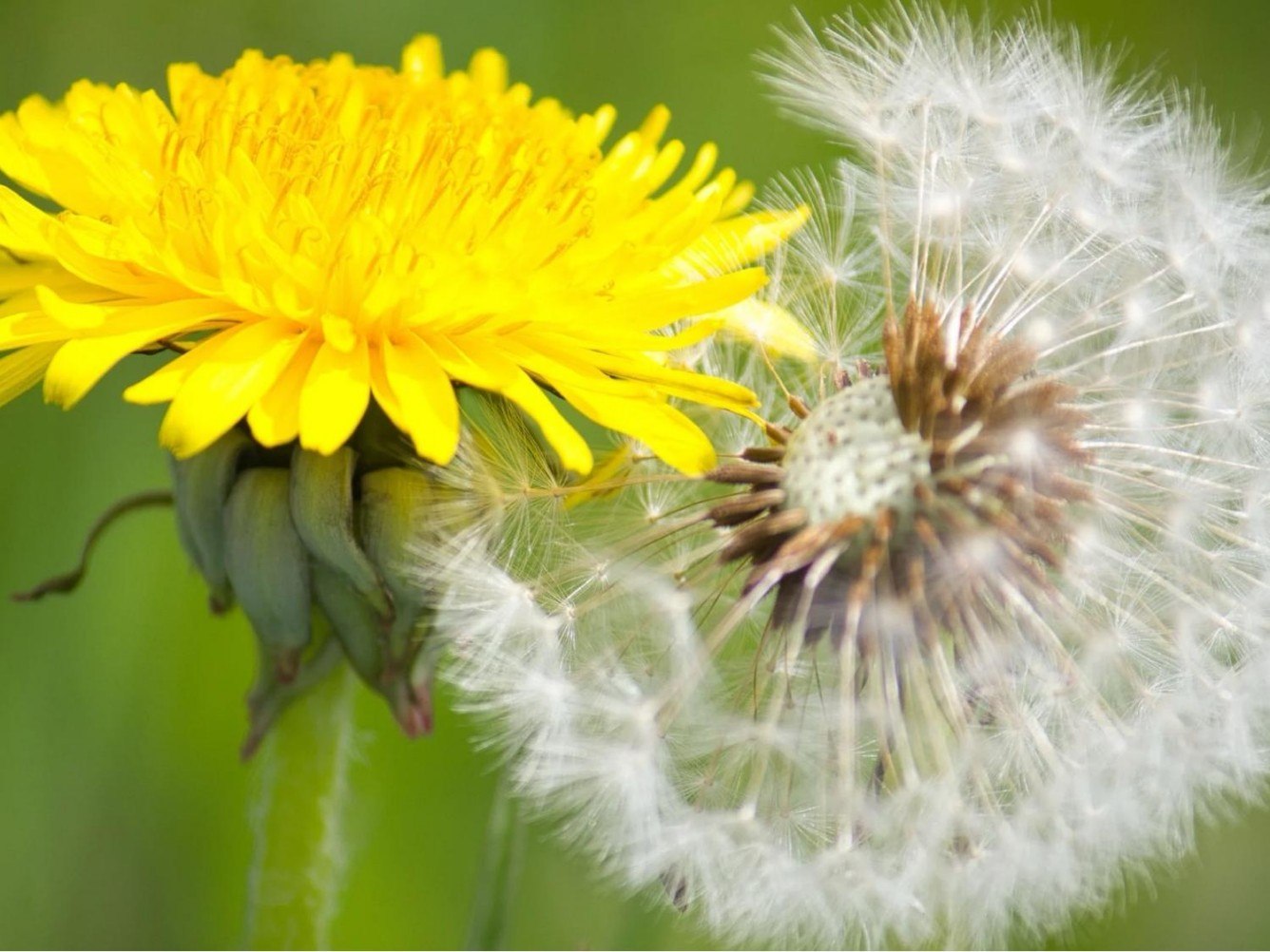
Dandelion is a perennial herb native to Eurasia and widely distributed in temperate regions of the globe. Its yellow flowers open in spring and summer, and after the flowers are gone, they form white globular seed umbrellas, which are dispersed in the wind. The whole herb can be used as medicine, with high medicinal and food value, known as “natural heat detoxification grass”.
Popular Plant Encyclopedia
-
-
Poisonous and danger
- Rhus typhina
-
-
-
Edible and medicinal
- Common sunflower
-
-
-
Poisonous and danger
- Plumeria rubra
-
-
-
Wild and common weed
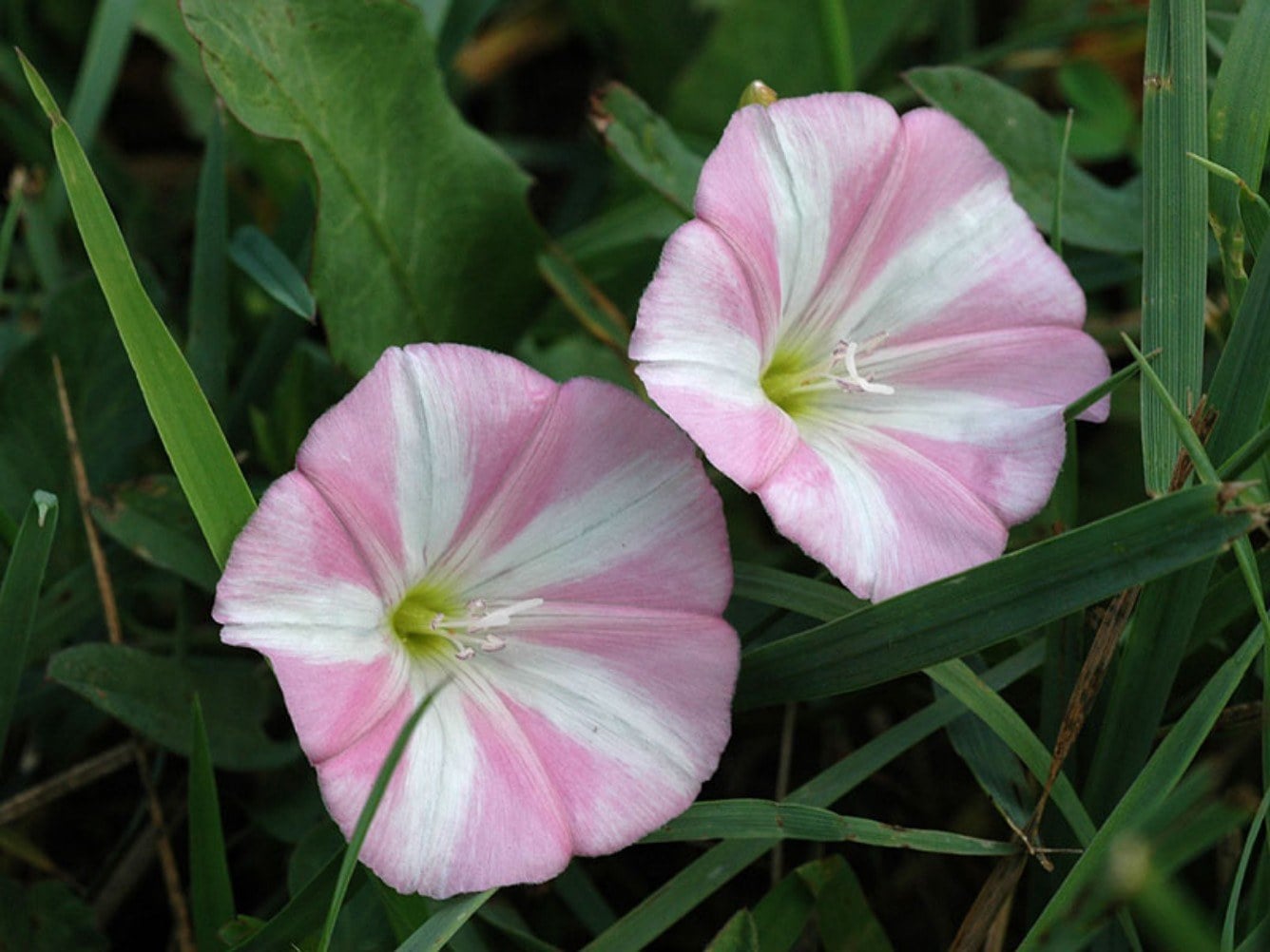
- Convolvulus arvensis
-
-
-
Edible and medicinal
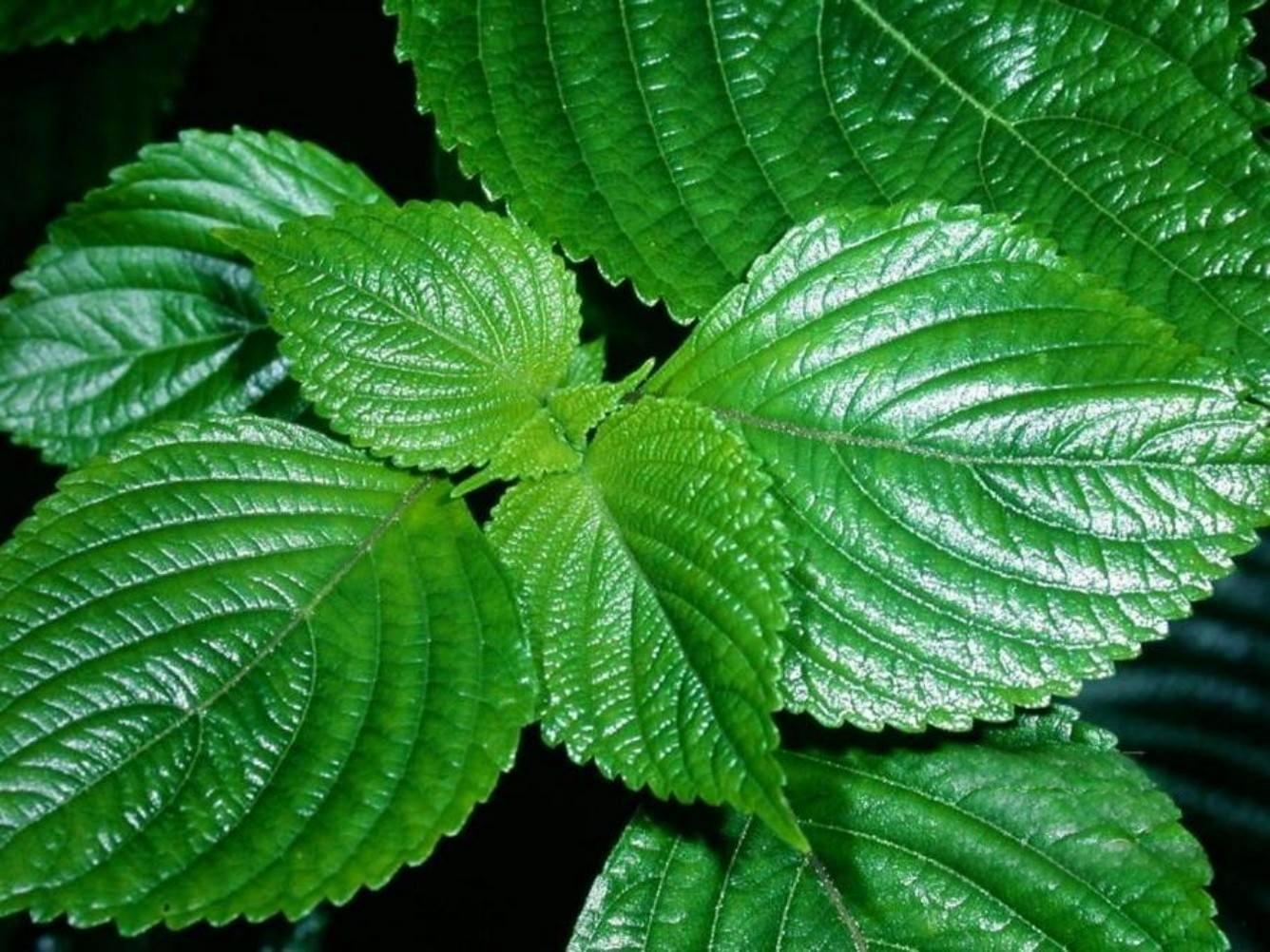
- Perilla frutescens
-
-
-
Edible and medicinal
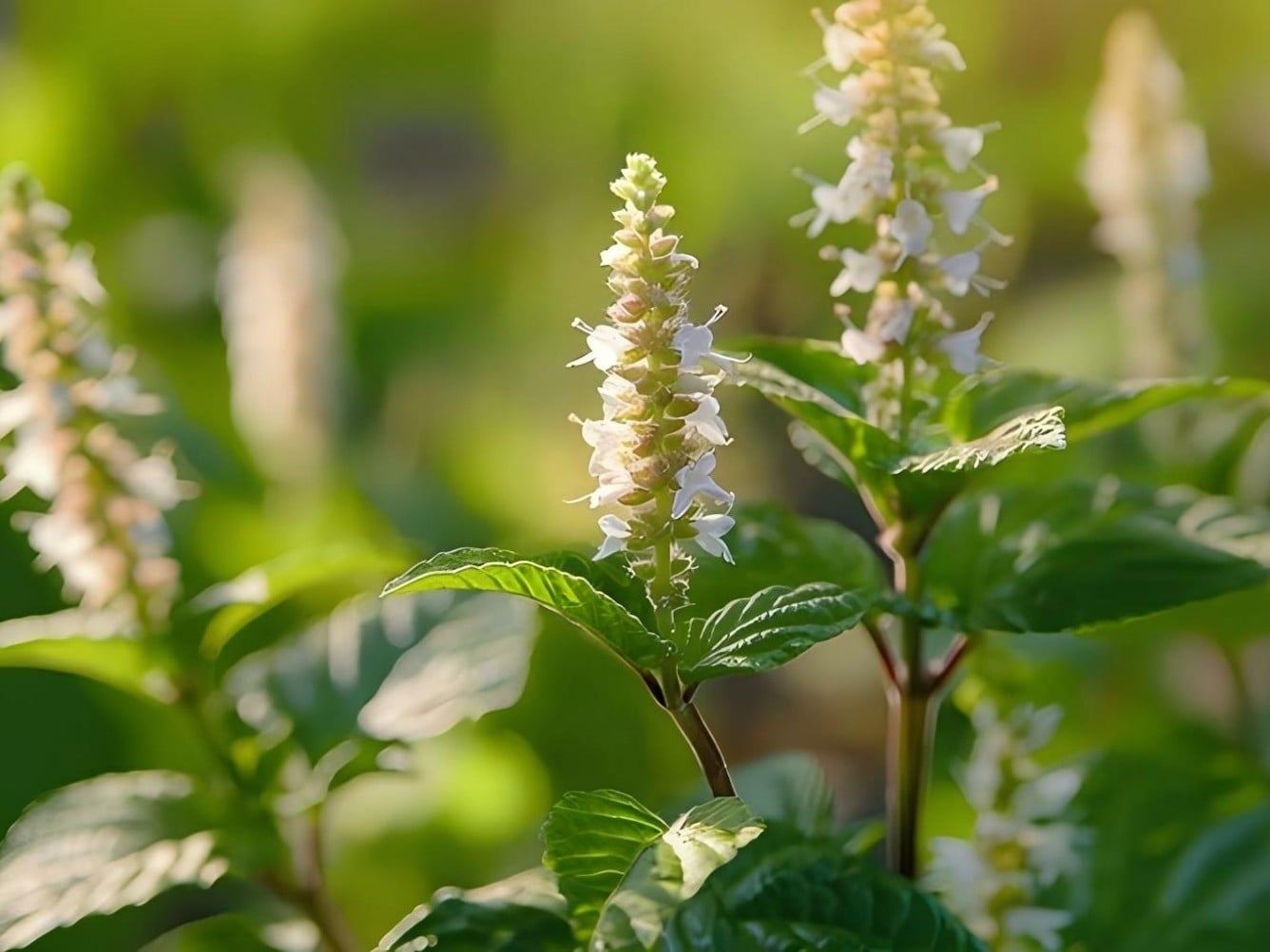
- Pogostemon cablin
-
-
-
Edible and medicinal
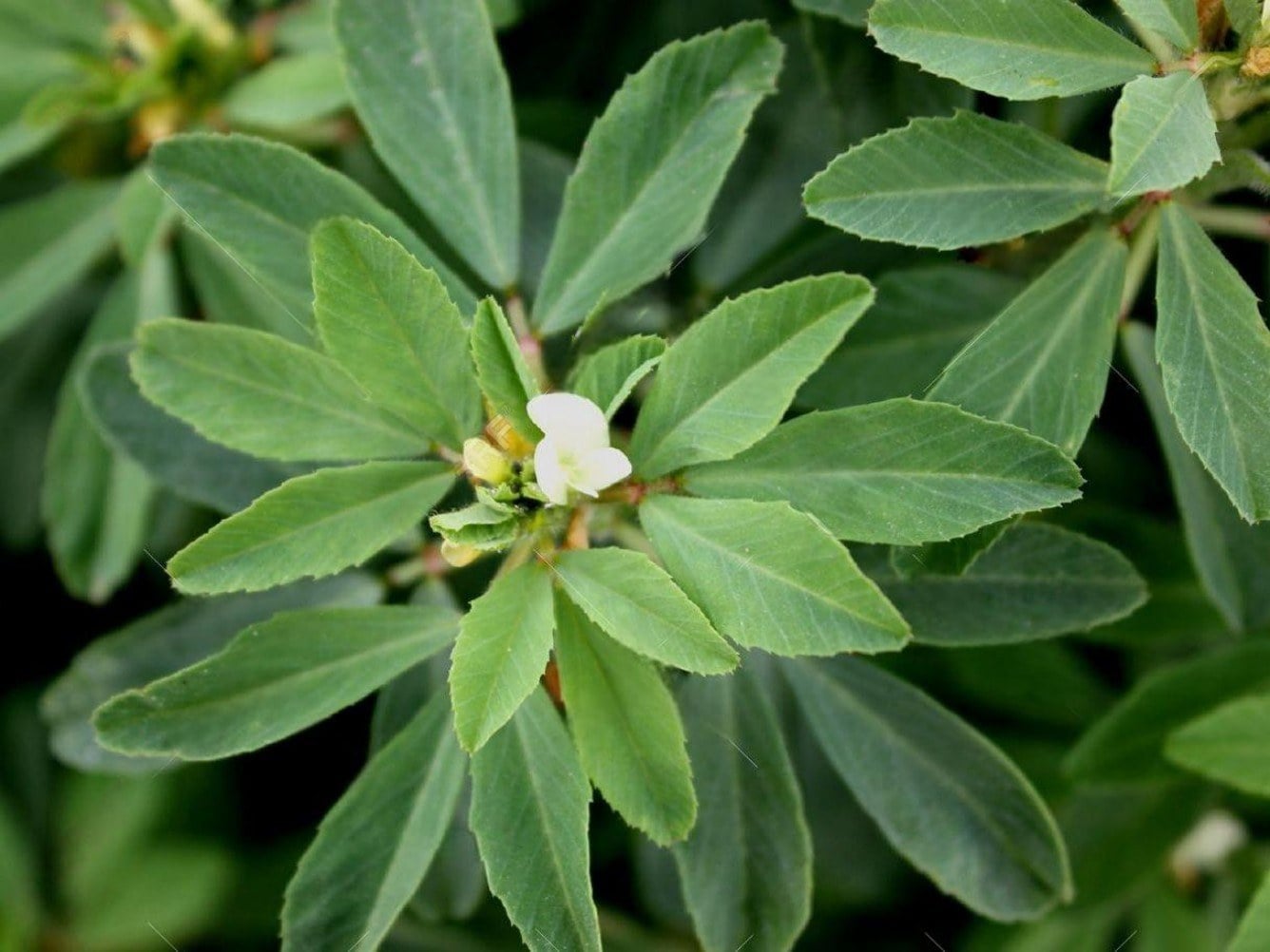
- Common fenugreek
-
-
-
Edible and medicinal
- Garden Thyme
-
 Poisonous and danger
 Edible and medicinal
Advertisement