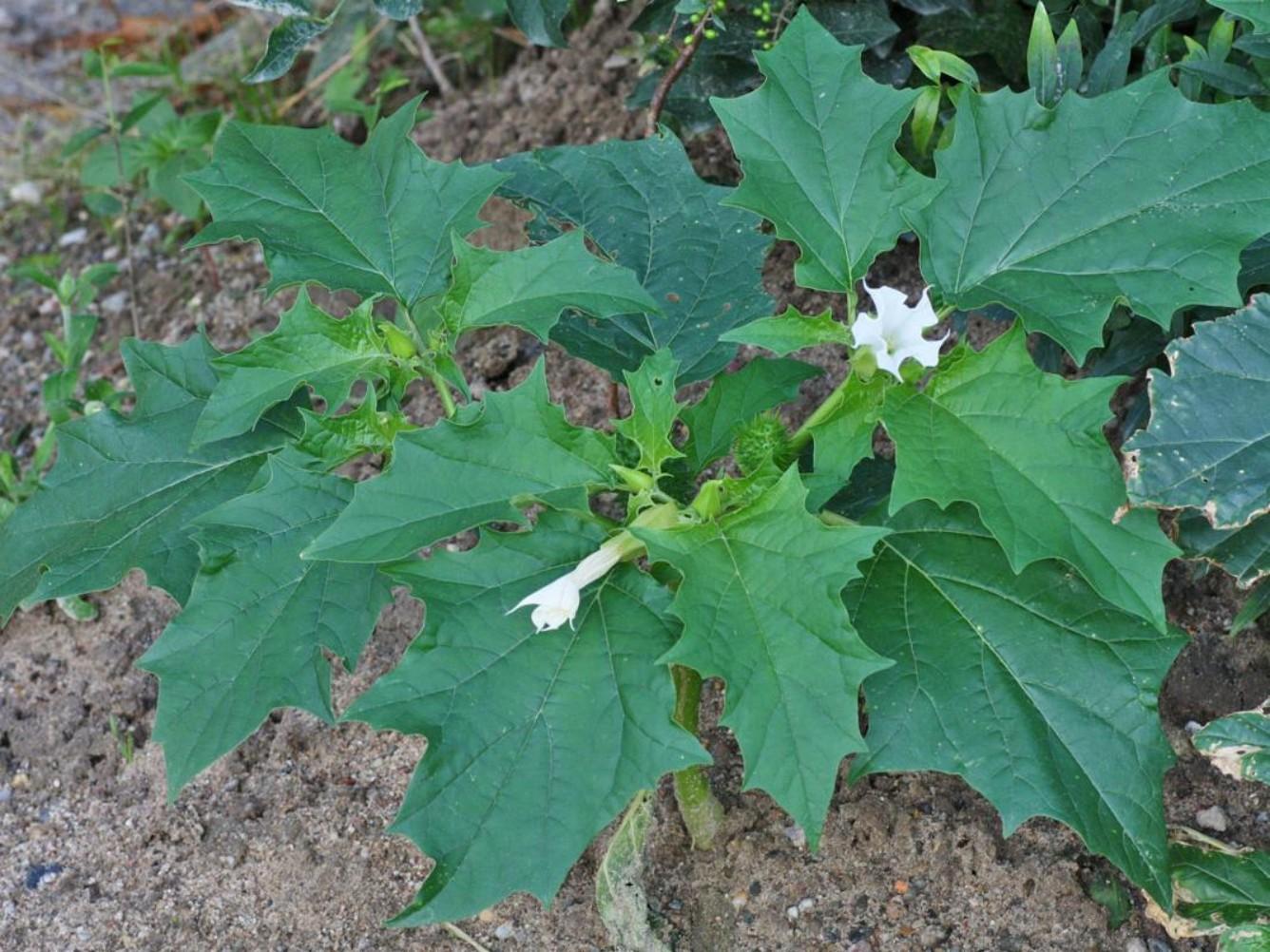
Datura stramonium
-
 Poisonous and danger
 - Also known as:Jimsonweed, Devils Snare, or Thorn Apple
 Poisonous and danger
Nursing Skills
Datura stramonium is a tough, sun-loving, and drought-tolerant plant. It can grow in poor soil but prefers slightly alkaline conditions. It needs regular watering but doesnt waterlogged soil. The plant is highly toxic, so wear gloves when handling it. It self-seeds aggressively, so its best to grow it alone to prevent it from overtaking other plants.
Advertisement
Plant Properties
-
- Toxicity
- Toxic to humans
-
- Growth cycle
- Annual
-
- Flowering period
- Summer, Autumn
-
- Plant height
- 50 cm to 2 m
-
- Leaf color
- green
-
- Fruit color
- brown
-
- Stem color
- green
-
- Leaf type
- annual herb
-
- Growing season
- spring, summer, autumns
-
- Plant type
- herbaceous plant
-
- Fruiting period
- autumn
-
- Flower color
- white, lavender
Plant Care Requirements
-
Care difficulty
Very low
-
Planting time
Spring
-
Light requirements
Full sun
-
Humidity requirements
Drought-resistant, avoid waterlogging
-
Soil requirements
Any soil, resistant to barrenness
-
Fertilizer requirements
Low
-
Ideal temperature
15 - 30℃
-
Watering frequency
Water moderately during drought
Advertisement
Plant Care Guide
-
How often should I water Datura stramonium?
Datura stramonium is highly drought-tolerant and prefers a "dry before watering" approach. Check the soil regularly, and water only when the top 2–3 inches of soil feel completely dry. In spring and autumn, water every 5–7 days; in summer, increase to every 3–4 days due to higher temperatures, but avoid watering at midday. If the plant persists through winter, reduce watering to every 10–14 days. Always water thoroughly, but ensure excellent drainage to prevent root rot.
-
What light conditions does Datura stramonium prefer?
Full sunDatura stramonium thrives in full sunlight, requiring at least 6–8 hours of direct sun daily. Plant it in an open, unshaded location or a south-facing windowsill. Insufficient light may cause leggy growth and fewer flowers. No shading is needed in summer—strong sunlight actually promotes robust growth and abundant blooming, though young seedlings may benefit from brief shade during their first week.
-
What type of soil is best for Datura stramonium?
Well-draining soilThis plant is extremely adaptable to soil types and can grow in poor, barren soil, but it prefers loose, well-draining sandy loam or loam. Before planting, lightly till the soil and mix in a small amount of compost or aged manure (optional) to improve fertility. A neutral to slightly alkaline soil pH (6.0–8.0) is ideal. Avoid heavy clay soils that retain water, as they can lead to root issues.
-
How to fertilize Datura stramonium?
Low fertilizer needsDatura stramonium has minimal fertilizer requirements. During the growing season (spring to summer), apply a diluted balanced fertilizer (e.g., 10-10-10) once a month at half the recommended strength—over-fertilizing can cause excessive leaf growth at the expense of flowers. Add a phosphorus-potassium fertilizer (e.g., potassium dihydrogen phosphate) 1–2 times before flowering to encourage bud development. Stop fertilizing in autumn.
-
What is the ideal temperature for Datura stramonium?
15–30°CThe optimal growth temperature for Datura stramonium is 15–30°C (59–86°F). It grows rapidly in warm conditions but stops developing when temperatures drop below 10°C (50°F) and dies back in frost. Always plant seeds or seedlings after the last spring frost. In summer, it tolerates temperatures up to 35°C (95°F) but may need extra water to prevent wilting.
-
Should I prune Datura stramonium?
Minimal pruningDatura stramonium typically requires little pruning, as it naturally forms a bushy structure. If the plant becomes overly tall or leggy, pinch back the growing tips in early spring to encourage branching. After flowering, remove faded blooms to prevent seed formation (note: all parts of the plant are toxic—wear gloves when handling). Use sterilized pruning shears to avoid spreading diseases.
-
How to propagate Datura stramonium?
Seed propagationPropagation is primarily done by seeds, sown in spring when soil temperatures stabilize above 15°C (59°F). Scatter seeds on the soil surface, cover with a thin layer of soil (about 0.5 inches), and keep the soil warm (20–25°C/68–77°F). Germination usually occurs in 7–14 days. Once seedlings have 2–3 sets of true leaves, thin them out or transplant them to spacing of 30–60 cm (12–24 inches) to ensure good air circulation.
-
What pests and diseases affect Datura stramonium?
Pest and disease resistanceDatura stramonium is remarkably resistant to pests and diseases. Occasional issues may include aphids or spider mites, which can be controlled by spraying the leaves with water or an organic insecticidal soap. In rainy seasons, root rot may occur if drainage is poor—ensure the soil drains well to prevent this. If leaf spots or wilting appear, remove affected leaves immediately and improve air circulation around the plant.
Advertisement
Frequently Asked Questions
-
1 Why is Datura stramonium called the "Devil's Trumpet"?
The name stems from its large, trumpet-shaped drooping flowers and its highly toxic nature. Since medieval times, it has been linked to witchcraft and hallucinogenic legends—ancient sorcerers often used its leaves to make psychedelic potions for rituals or divination. Ingestion can cause severe hallucinations, delirium, and even life-threatening symptoms, hence the ominous nickname. Its association with the "devil" reflects both its alluring appearance and dangerous properties.
-
2 How resilient are Datura stramonium seeds?
The name stems from its large, trumpet-shaped drooping flowers and its highly toxic nature. Since medieval times, it has been linked to witchcraft and hallucinogenic legends—ancient sorcerers often used its leaves to make psychedelic potions for rituals or divination. Ingestion can cause severe hallucinations, delirium, and even life-threatening symptoms, hence the ominous nickname. Its association with the "devil" reflects both its alluring appearance and dangerous properties.
-
3 What medical uses does Datura stramonium have?
Despite its toxicity, the plant’s alkaloids like scopolamine and atropine are valuable in medicine. These compounds are used to produce anesthetics (for pre-surgical care), anticholinergic drugs (to relieve gastrointestinal spasms), and even treatments for Parkinson’s disease to reduce muscle tremors. However, dosage must be strictly controlled, as the margin between therapeutic and toxic levels is extremely narrow, making it a high-risk but essential botanical resource.
-
4 Why do Datura stramonium flowers smell stronger at night?
Datura stramonium is pollinated primarily by night-flying moths (like sphinx moths), so its flowers open in the evening and release a rich, sweet fragrance to attract these insects. Volatile compounds in the petals, such as benzaldehyde, become more concentrated at night, enhancing their ability to lure pollinators. This evolutionary adaptation ensures the plant maximizes reproductive success by aligning with the activity patterns of its primary pollinators.
Advertisement
Introduction
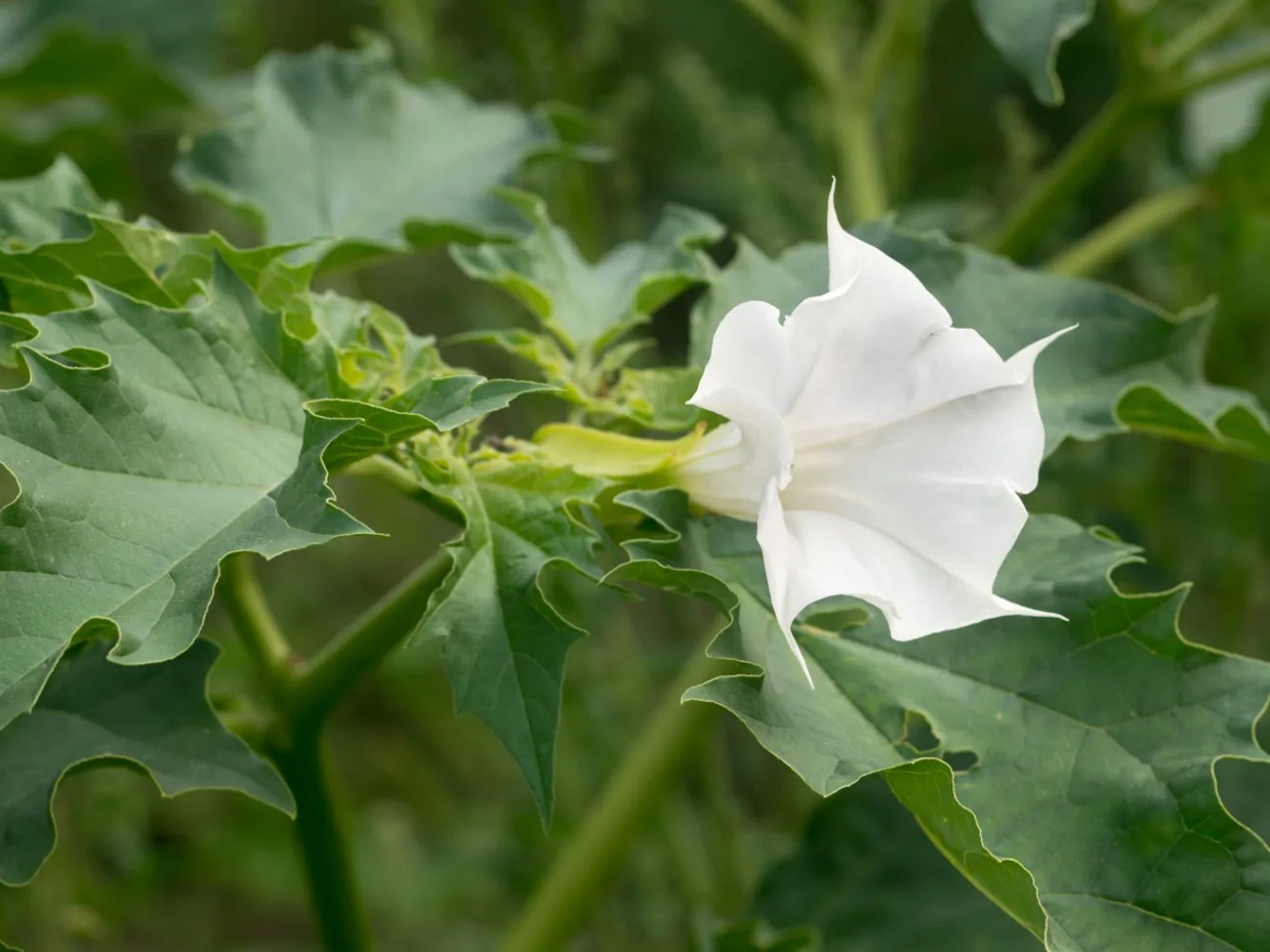
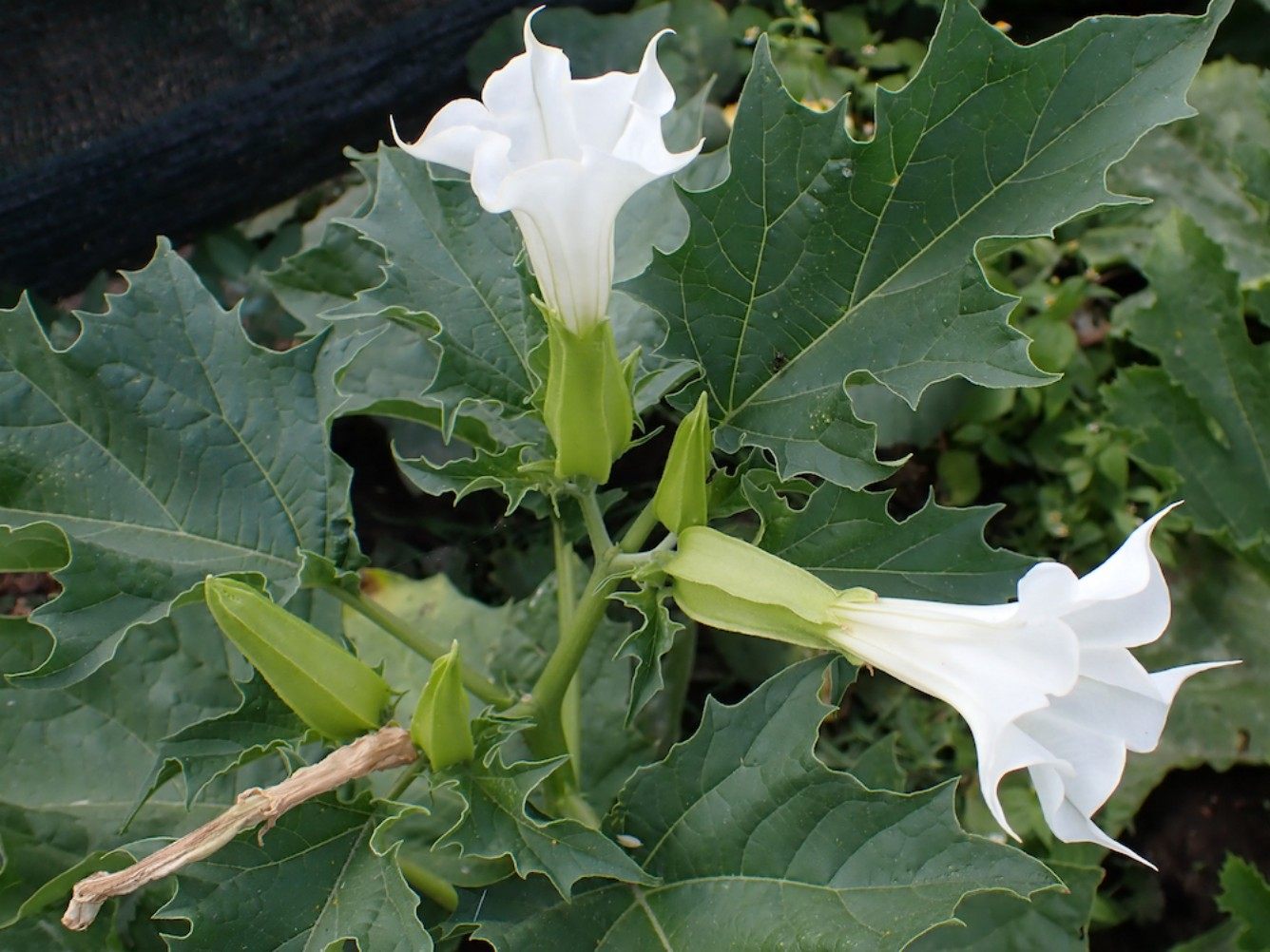
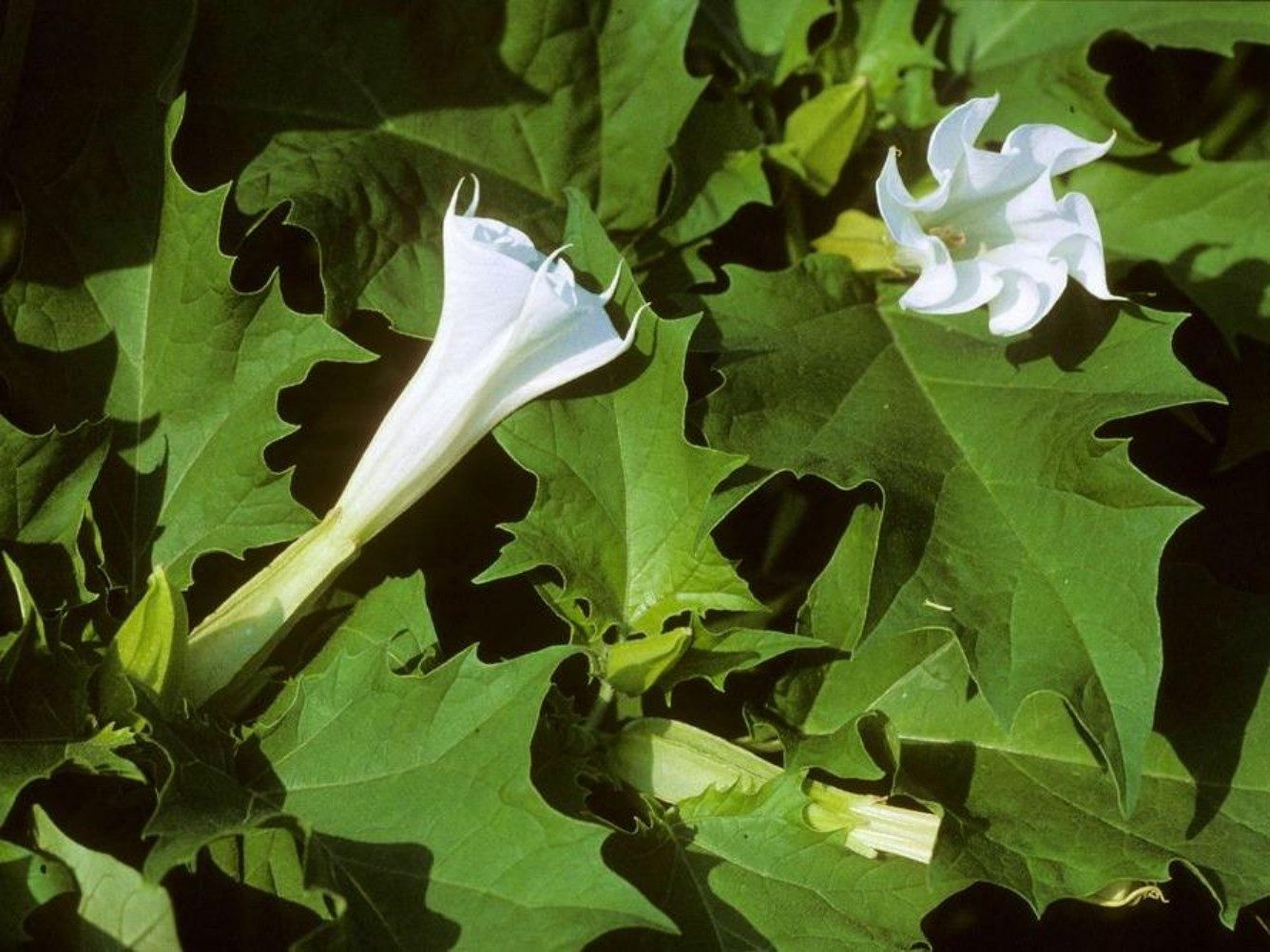
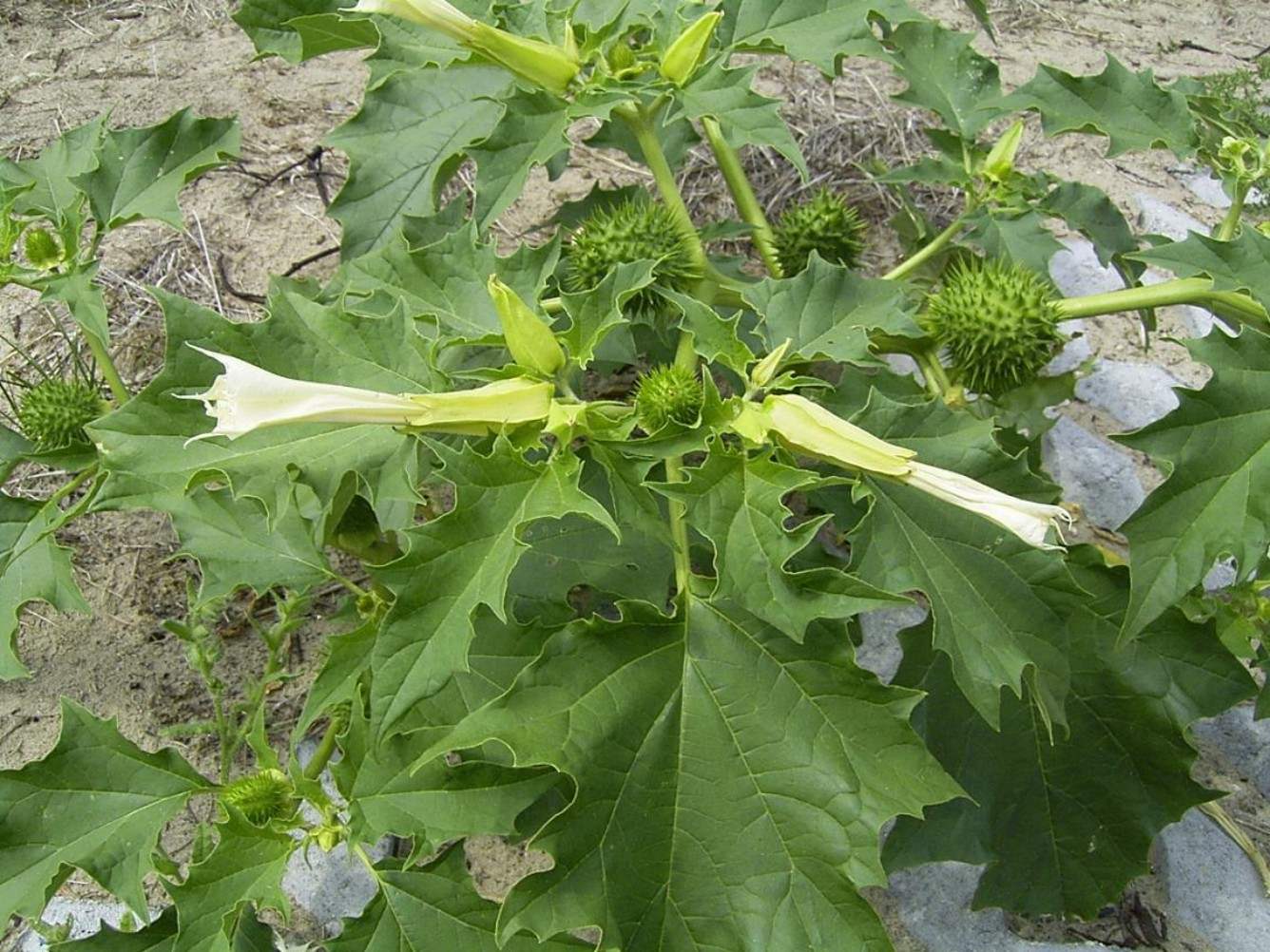
Datura stramonium, is a wild plant native to North and Central America. Its distinctive for its large, trumpet-shaped white or purple flowers and spiky seed pods. The plant has a strong, unpleasant odor and can grow up to 5 feet in height. It prefers a sunny location and well-drained soil. All parts of Datura stramonium are poisonous and can cause hallucinations or even death if ingested. Despite its toxicity, the plant has been used in traditional medicines and religious rituals due to its psychoactive properties.
Popular Plant Encyclopedia
-
-
Poisonous and danger
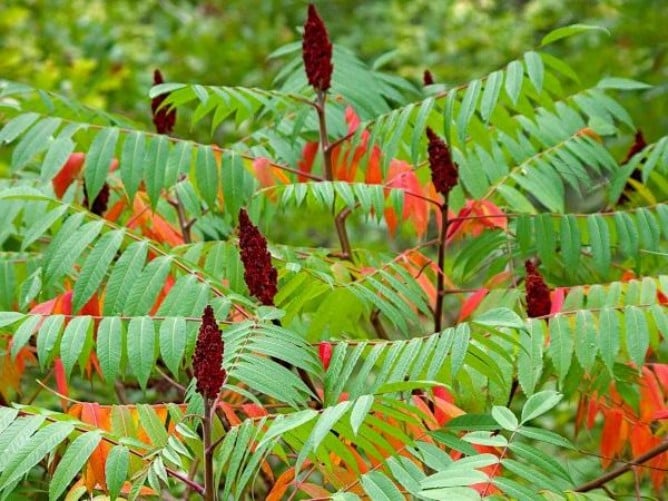
- Rhus typhina
-
-
-
Edible and medicinal
- Common sunflower
-
-
-
Poisonous and danger
- Plumeria rubra
-
-
-
Wild and common weed
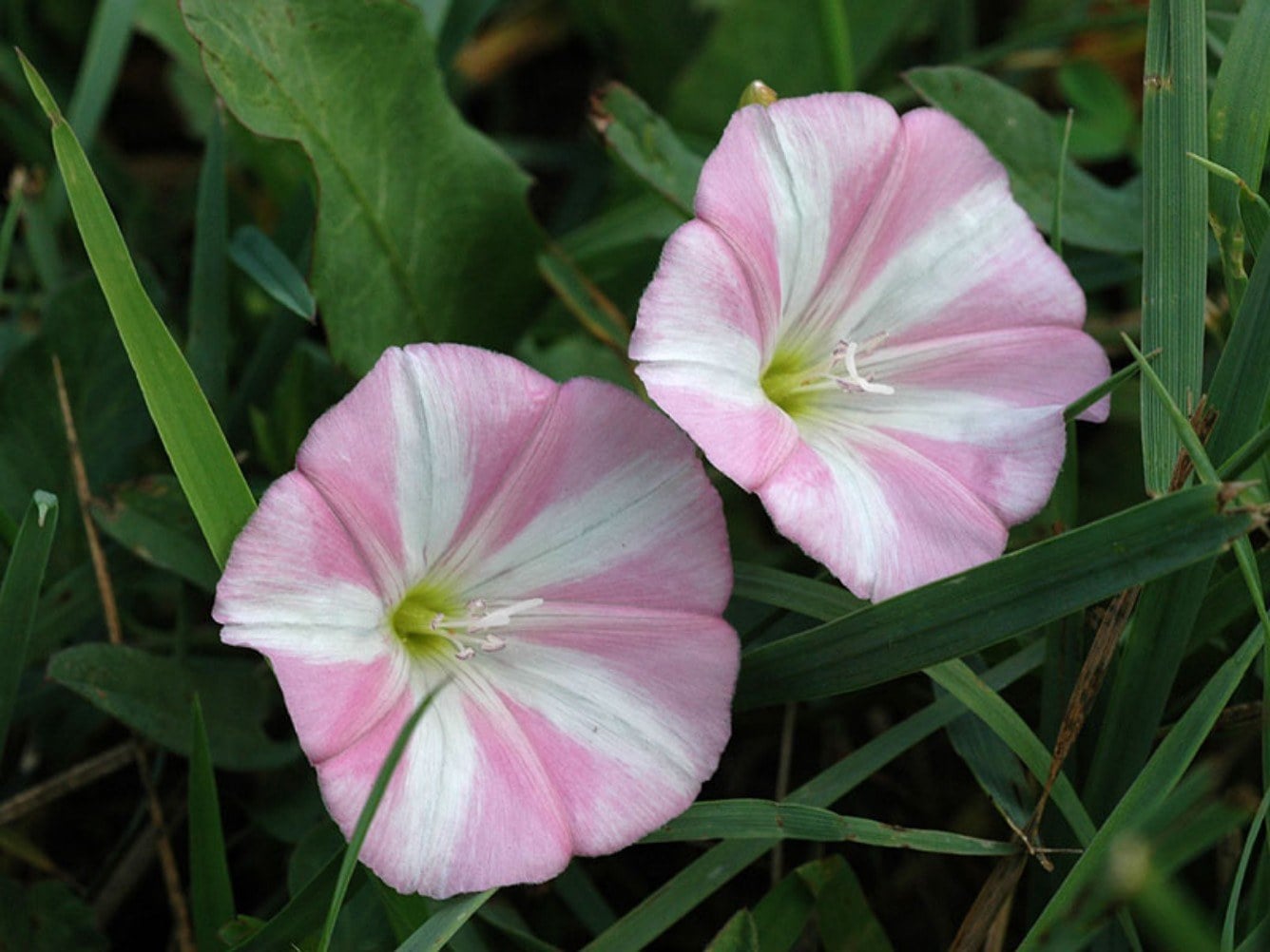
- Convolvulus arvensis
-
-
-
Edible and medicinal
- Perilla frutescens
-
-
-
Edible and medicinal
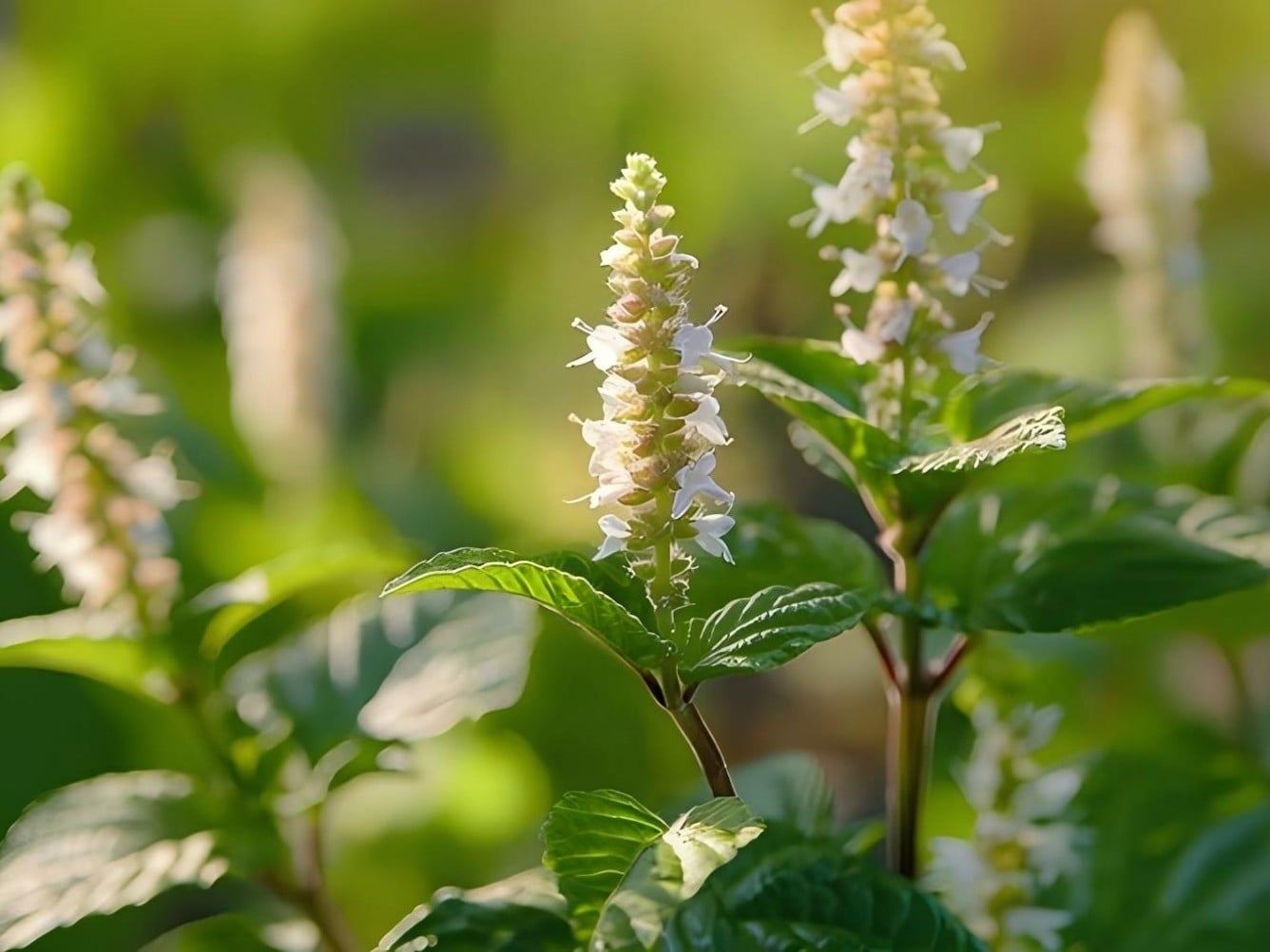
- Pogostemon cablin
-
-
-
Edible and medicinal
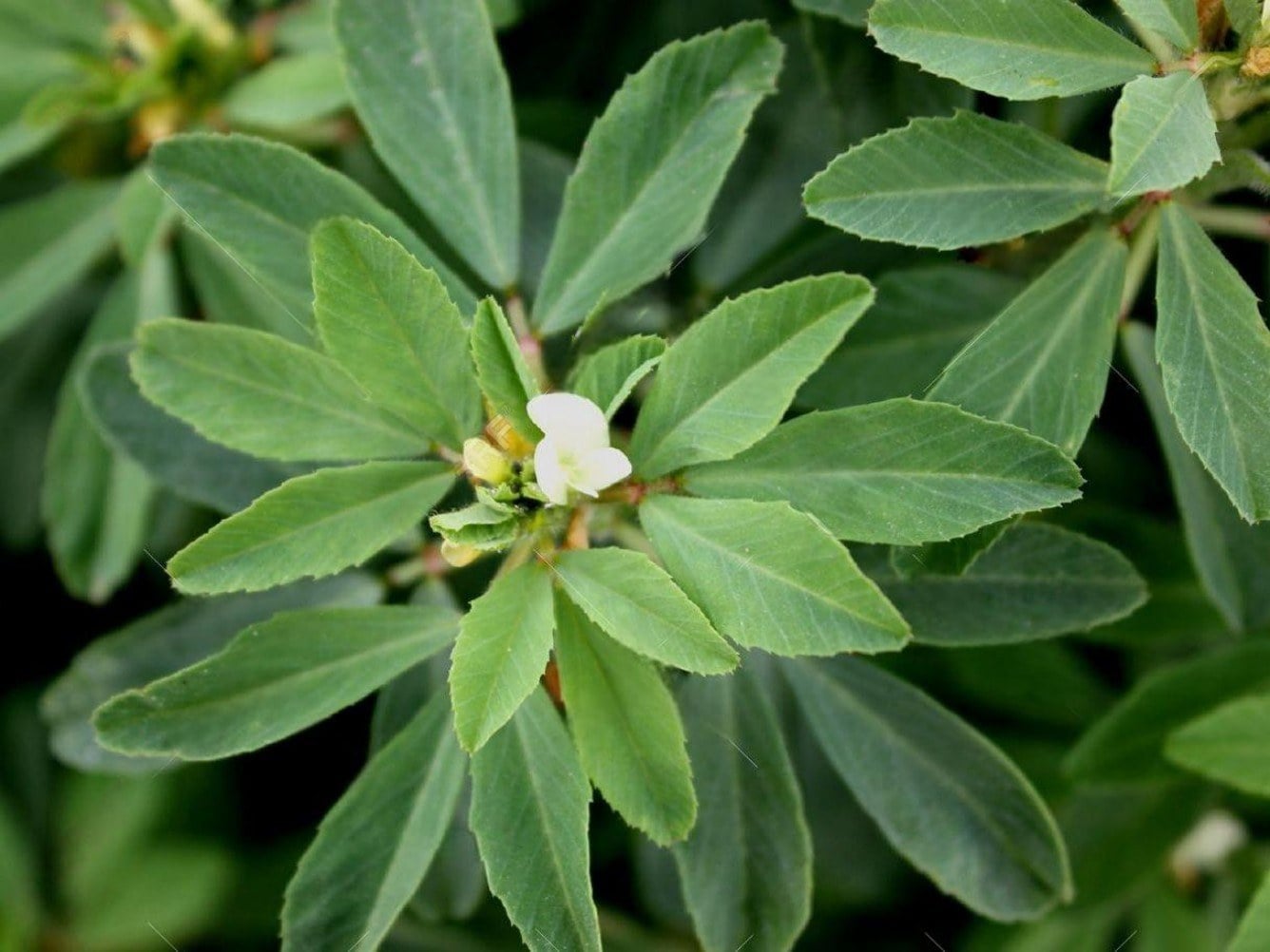
- Common fenugreek
-
-
-
Edible and medicinal
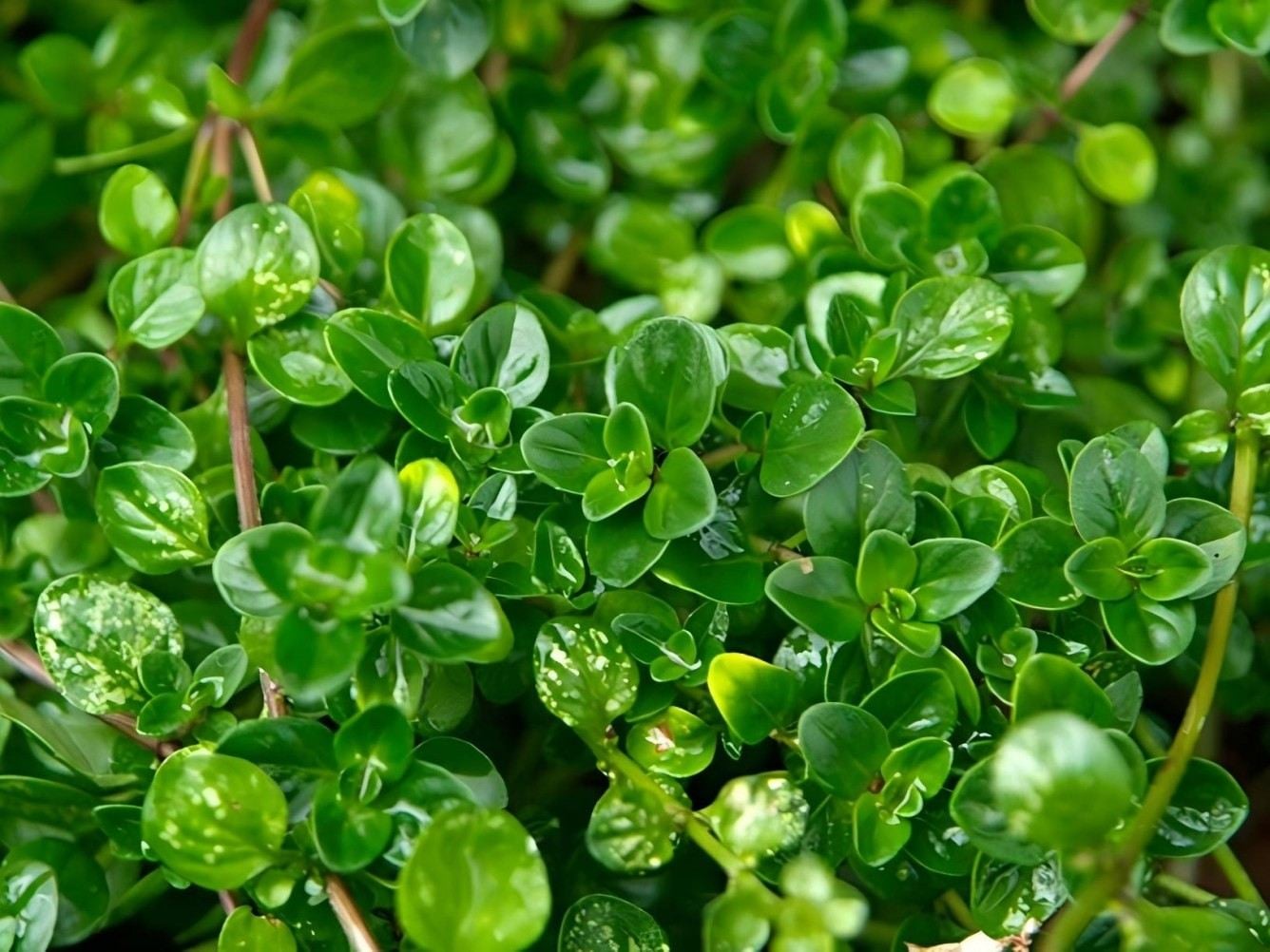
- Garden Thyme
-

 Edible and medicinal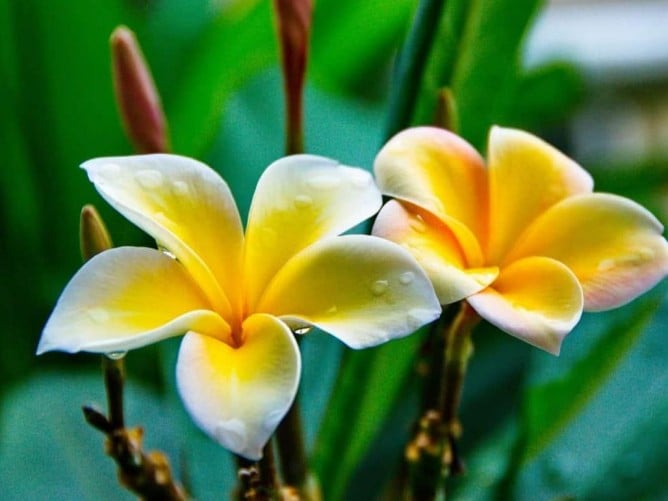
 Wild and common weed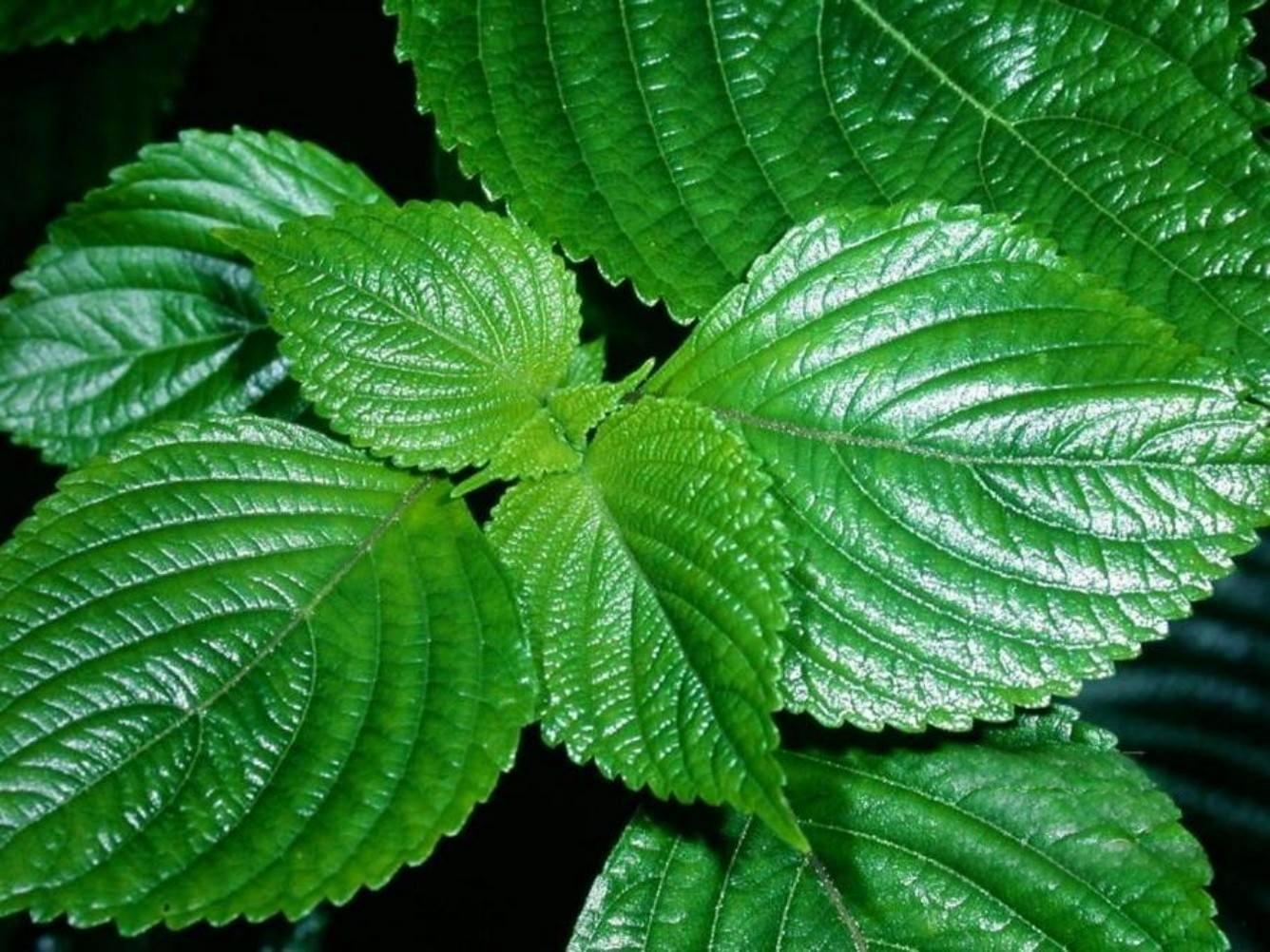
Advertisement