Dianthus caryophyllus
-
 Ornamental and lands
 - Also known as:Cut velvet flower, Luoyang flower, Lions head carnation, Musk carnation, Dutch carnation
 Ornamental and lands
Nursing Skills
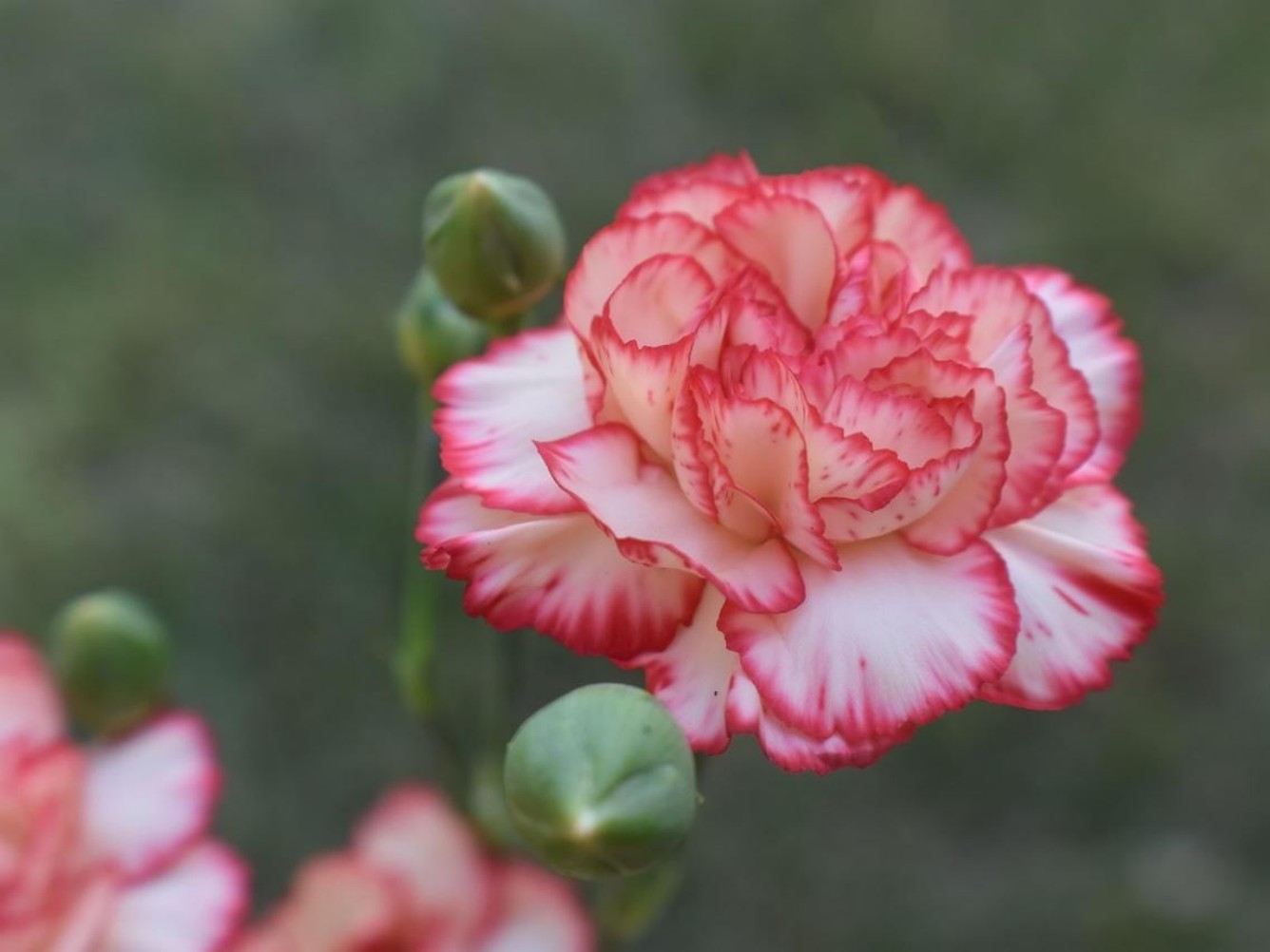
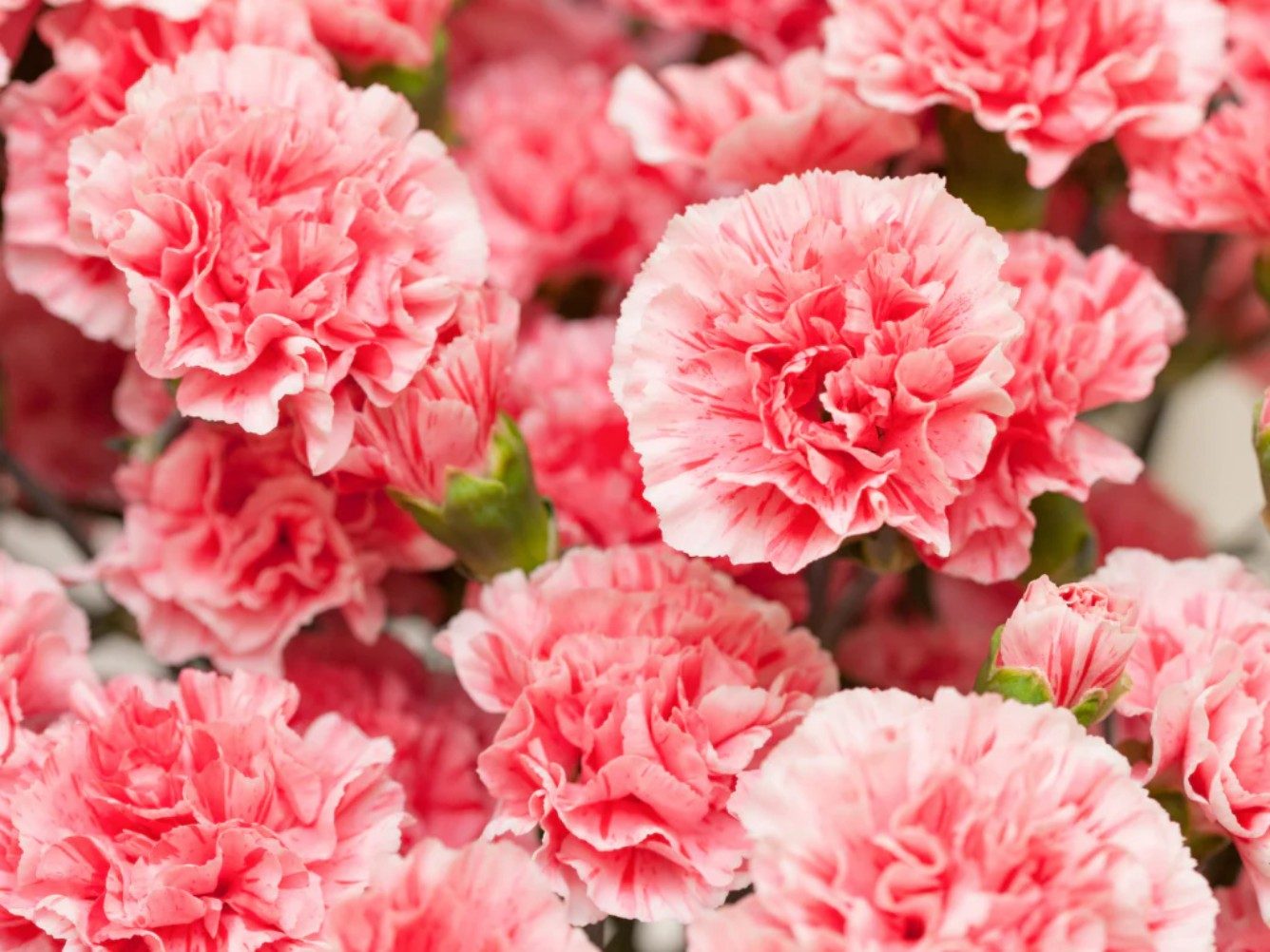
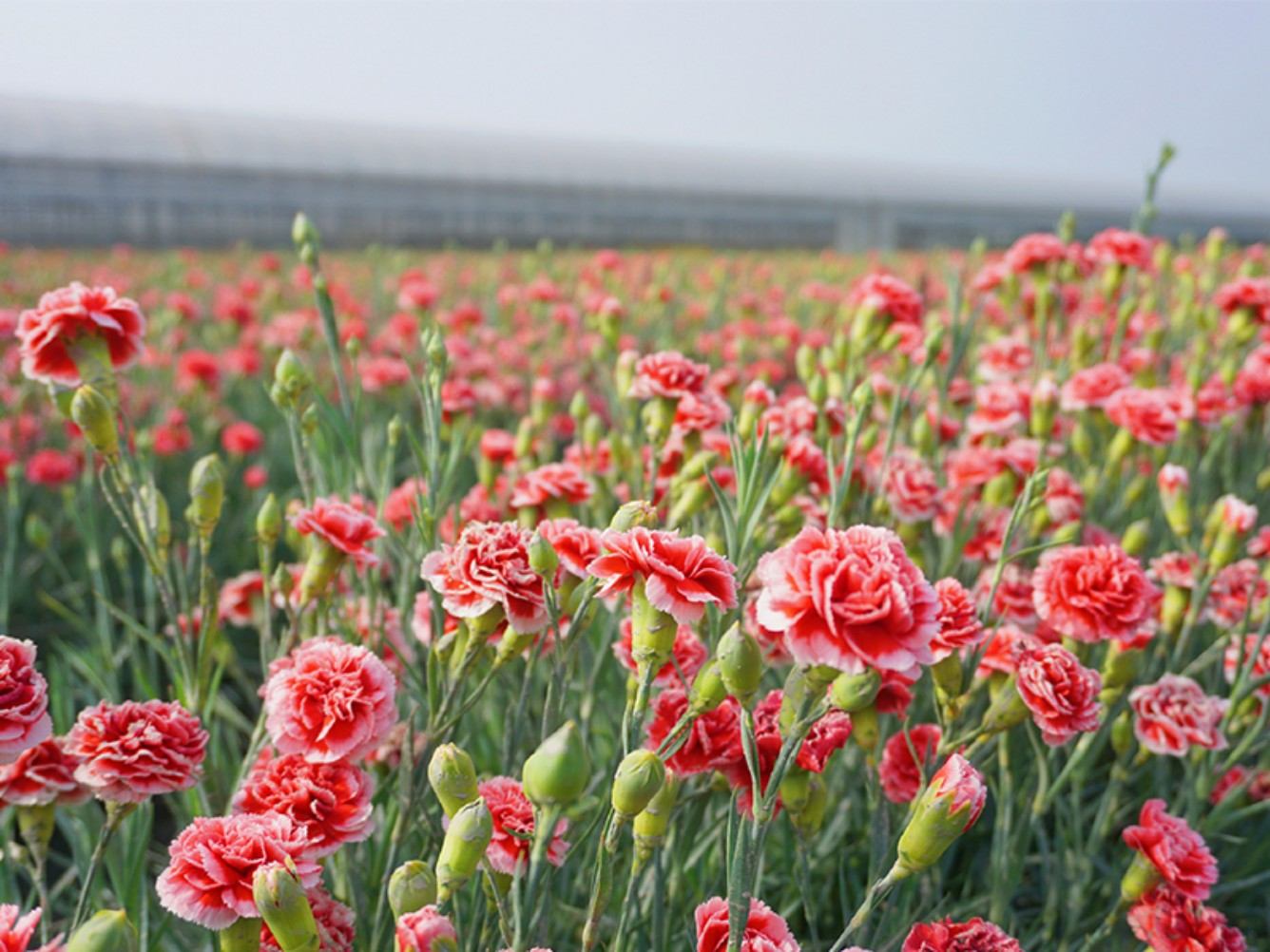
Dianthus caryophyllus exhibits good cold and drought tolerance, making it highly adap and sui for various soil environments. It has a long flowering period, blooms uniformly, and is highly ornamental. The plant branches vigorously, making it easy to prune and shape. It also possesses some disease resistance, making it relatively easy to manage and sui for novice gardeners.
Advertisement
Plant Properties
-
- Toxicity
- May be slightly irritating to pets
-
- Plant Type
- Perennial herb
-
- Flower Size
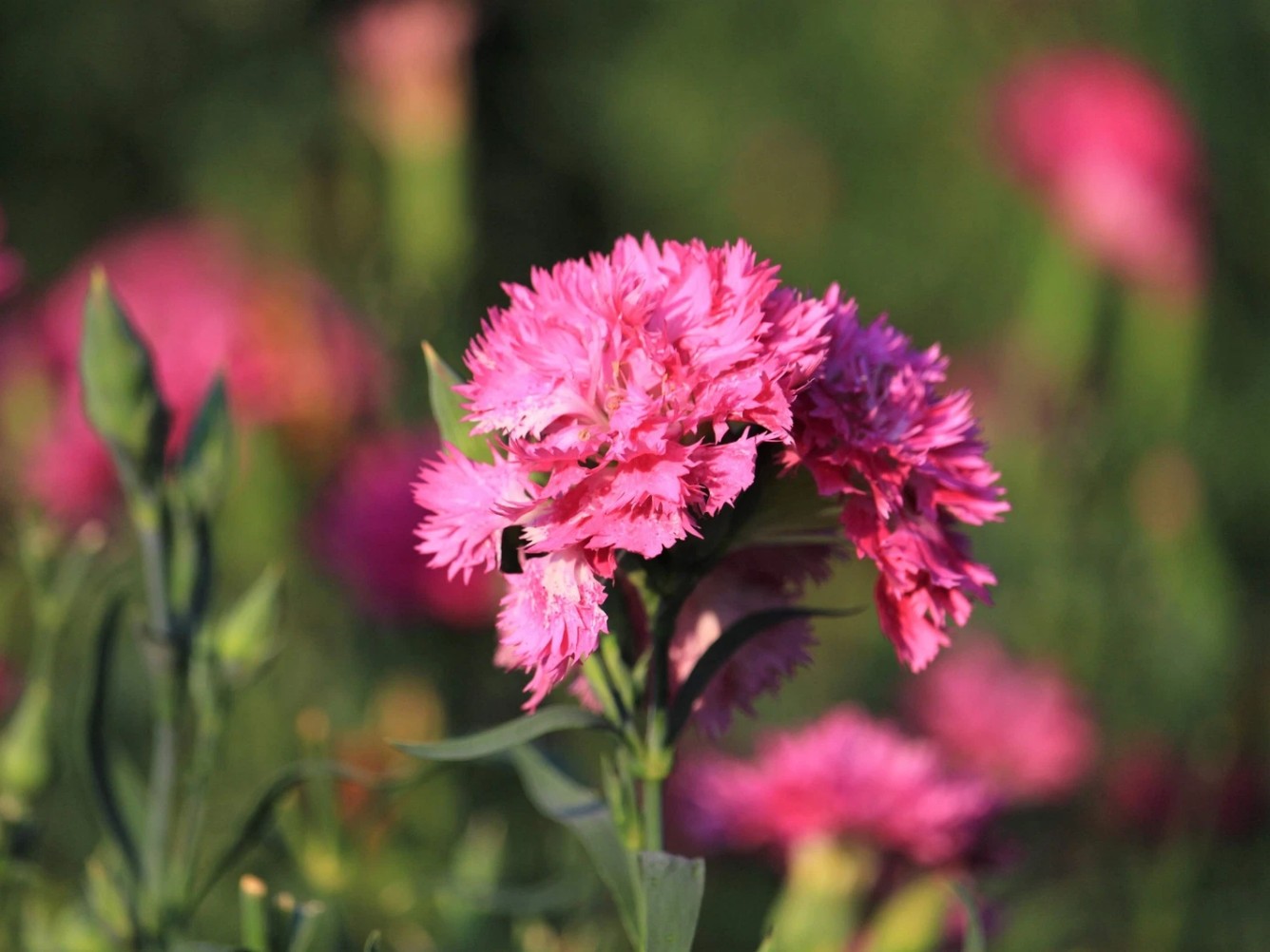
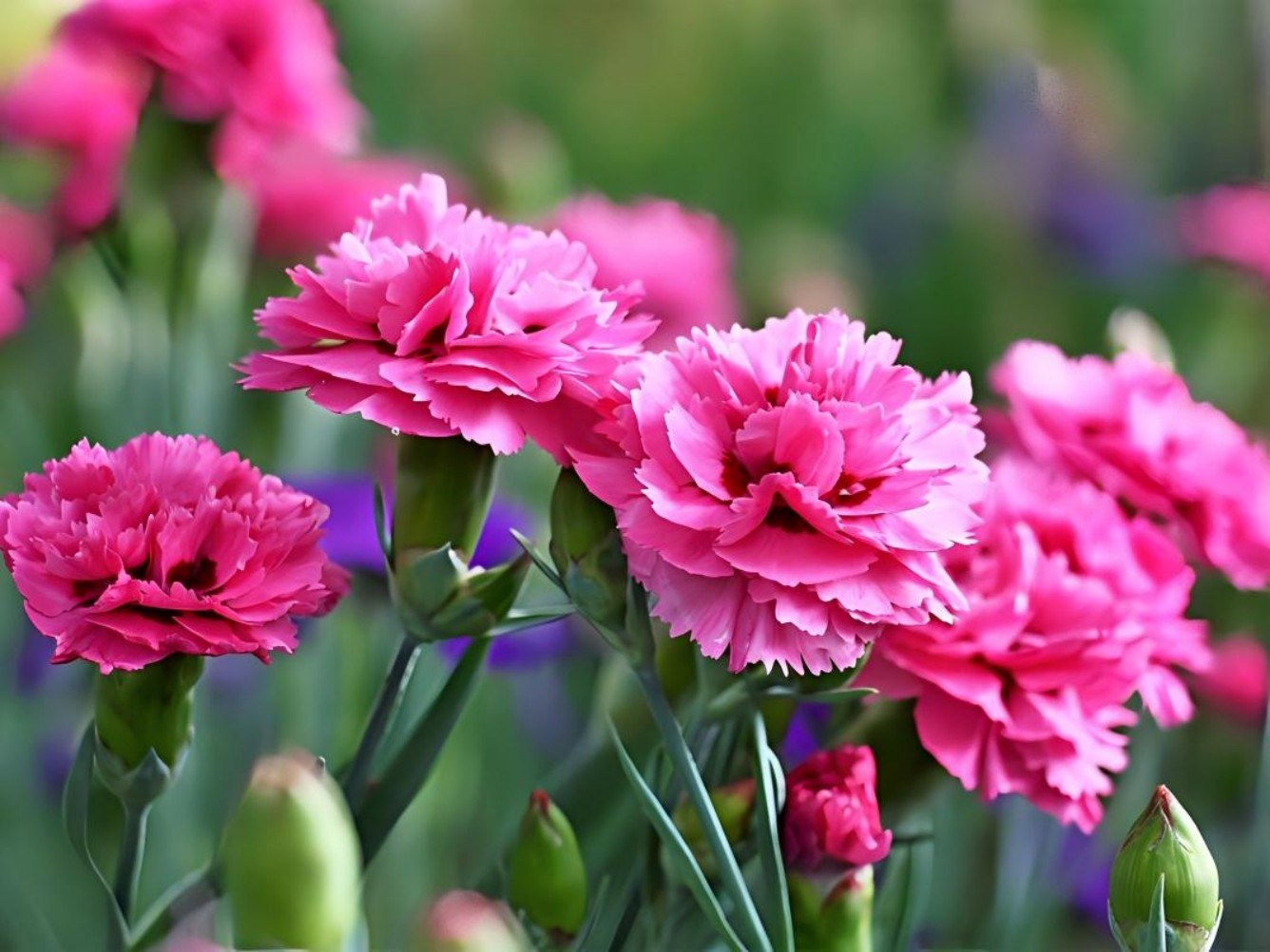
- Approximately 3–6 cm in diameter
-
- Flowering Period
- Mainly late spring to summer
-
- Flower Color
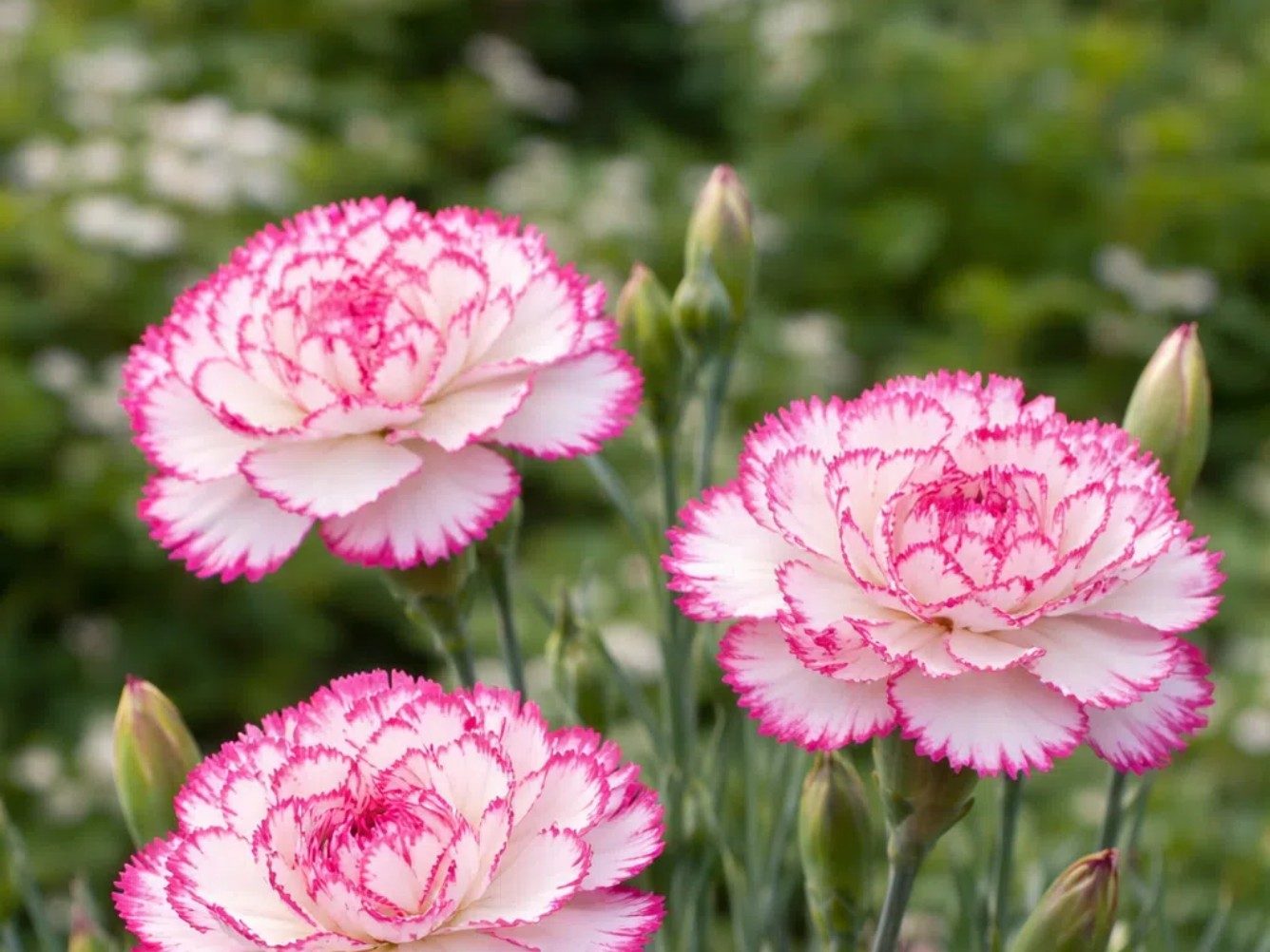
- Such as red, pink, white, yellow, and multicolored
-
- Flower Shape
- Double or semi-double, with wavy or serrated edges
Plant Care Requirements
-
Care Difficulty
Moderate to Easy
-
Sowing Time
Spring or Autumn
-
Cold Tolerance
Relatively Strong
-
Heat Tolerance
Moderate; requires appropriate shading in high temperatures
-
Watering Requirements
Keep soil slightly moist, avoid waterlogging
-
Light Requirements
Ideally, ensure 4-6 hours of direct sunlight daily
Advertisement
Plant Care Guide
-
How often should carnations be watered?
In spring and autumn, about once every 2-4 days.Carnations don't like overly wet environments, so the key to watering is "watering when the soil is dry to the touch." Generally, you can touch the top 1-2 cm of soil; if it's dry, it's time to water. In spring and autumn, water about once every 2-4 days. In summer, you may need to water daily or every other day, while in winter, significantly reduce the frequency, possibly once a week or even less. Each time you water, water thoroughly, but don't let water accumulate at the bottom of the pot for extended periods, otherwise, root rot is very likely. Many people kill their carnations not because of lack of water, but because of overwatering.
-
Why aren't my carnations blooming?
Insufficient light and nutrientsCarnations not blooming is usually related to insufficient light, insufficient nutrients, or improper pruning. First, light is crucial. If there isn't enough direct sunlight daily, the plant will prioritize leaf growth over flowering. Second, fertilizer is also important, especially phosphorus and potassium fertilizers. Long-term use of only nitrogen fertilizer will result in vigorous foliage but no flowers. Additionally, if timely pinching or pruning is not done, the plant will have fewer branches, reducing the number of flowers. It is recommended to increase light exposure, fertilize appropriately, and prune properly during the growing season to promote flower bud differentiation.
-
Why are my carnation leaves turning yellow?
Poor soil and lack of fertilizer, especially nitrogen deficiency.There are many reasons for yellowing leaves. The most common is overwatering, which leads to root hypoxia and impairs absorption. Poor soil and lack of fertilizer, especially nitrogen deficiency, can also cause yellowing leaves. If the lower, older leaves gradually turn yellow and fall off, this is normal. However, if the entire plant is yellowing, check the environment for problems such as insufficient light, waterlogging, or poor ventilation. The solution is to adjust the watering frequency, increase light exposure, and supplement with a balanced fertilizer.
-
Are carnations suitable for pruning?
Very suitablePruning is very important for them. Pinching and pruning promote branching, making the plant fuller and increasing the number of flowers. Pinching can generally be done during the seedling stage to encourage lateral branch growth. After flowering, spent flowers and some branches can also be removed to help recovery. Proper pruning also improves ventilation and reduces the occurrence of diseases.
Advertisement
Frequently Asked Questions
-
1 Can carnations be exposed to direct sunlight?
Carnations love sunlight, but that doesn't mean they can be exposed to it indefinitely. In spring and autumn, the sunlight is mild, and they can tolerate full sun – the more the better. However, in summer, especially under the strong midday sun, leaves are prone to scorching or excessive water evaporation. In this case, provide some shade, such as using shade netting or moving the potted plant to a semi-shaded location. Simply put, "more sun, but not direct sunlight," especially during hot seasons.
-
2 Do carnations need fertilizer?
Yes, and it's an important factor in ensuring flowering. Carnations have high nutrient requirements during their growing season, so apply a diluted liquid fertilizer every two weeks. During flower bud formation, increase the proportion of phosphorus and potassium fertilizer to promote flowering. If you don't fertilize for a long time, the plant will grow weak and produce fewer flowers. However, don't over-fertilize, as this can burn the roots or cause excessive vegetative growth. The principle is "frequent, diluted fertilization."
-
3 What kind of soil is suitable for carnations?
Carnations prefer well-drained, loose, and aerated soil. A mixture of garden soil, leaf mold, and sand is generally suitable, providing both nutrients and good drainage. Heavy, clay-like soil can easily become waterlogged, leading to root hypoxia and even rot. Furthermore, slightly neutral or slightly alkaline soil is best for their growth. Regularly loosening the soil during maintenance helps maintain aeration.
-
4 Will carnations freeze to death in winter?
Carnations have some cold tolerance and can withstand light frost, but if temperatures remain below 0°C for an extended period, they may be damaged or even die. In colder climates, it is recommended to move them indoors or take insulation measures during winter, such as covering them with a thin film or placing them in a sheltered location on a balcony. Potted carnations are more susceptible to temperature changes than those planted in the ground, so extra care should be taken to protect them from the cold.
-
5 Can carnations be propagated by cuttings?
Yes, and the success rate is relatively high. Select healthy branches, cut them into sections about 10 cm long, remove the lower leaves, and insert them into moist substrate. Maintain good ventilation and appropriate humidity. Roots will typically develop in 2-3 weeks. Cuttings are a relatively simple propagation method that preserves the mother plant's desirable characteristics, making it ideal for home growers.
-
6 Is a large or small pot suitable for carnations? Do they need repotting?
Generally, medium-sized flowerpots are more suitable. Pots that are too small will restrict root development, while pots that are too large will easily accumulate water. Choosing well-ventilated pots, such as terracotta pots or plastic pots with drainage holes, can effectively prevent waterlogging. Repotting with a larger pot is generally recommended every 1-2 years. As the root system grows, the original potting soil may become compacted or lack nutrients. Repotting provides new growing space and nutrients, helping the plant develop healthily.
Advertisement
Introduction
Dianthus caryophyllus is a common perennial herb native to the Mediterranean region. Its flowers are layered and come in a variety of colors, including pink, red, and white, and often have a light fragrance. The plant has an upright stem and slender, grayish-green leaves. It is sui for garden or potted cultivation and is also commonly used for cut flowers and bouquets.
Popular Plant Encyclopedia
-
-
Poisonous and danger
- Rhus typhina
-
-
-
Edible and medicinal
- Common sunflower
-
-
-
Poisonous and danger
- Plumeria rubra
-
-
-
Wild and common weed
- Convolvulus arvensis
-
-
-
Edible and medicinal
- Perilla frutescens
-
-
-
Edible and medicinal
- Pogostemon cablin
-
-
-
Edible and medicinal
- Common fenugreek
-
-
-
Edible and medicinal
- Garden Thyme
-
 Poisonous and danger
 Edible and medicinal
 Wild and common weed
Advertisement