Dieffenbachia
-
 Poisonous and danger
 - Also know as:Dumb Can
 Poisonous and danger
Nursing Skills
Dieffenbachia prefers bright, indirect light, but it can tolerate lower light conditions. It thrives in well-draining, rich soil and prefers consistent moisture, so water thoroughly when the top inch of soil is dry. Avoid overwatering to prevent root rot. Dieffenbachia appreciates humidity, so consider misting the leaves or using a pebble tray. Feed with a balanced, diluted fertilizer during the growing season.
Advertisement
Plant Properties
-
- Toxicity
- Toxic to humans, toxic to pets
-
- Growth cycle
- Perennial
-
- Flowering period
- Spring, summer
-
- Plant height
- 30 cm to 90 cm
-
- Leaf color
- Green (with white/yellow markings)
-
- Fruit color
- Red (berries)
-
- Stem color
- green (with light spots)
-
- Leaf type
- evergreen
-
- Growing season
- spring, summer
-
- Plant type
- Herbaceous plant
-
- Flower diameter
- 1 cm to 2 cm
-
- Flower color
- white
Plant Care Requirements
-
Difficulty of care
Medium
-
Planting time
Spring
-
Light requirements
bright diffuse light
-
Humidity requirement
medium to high humidity
-
Soil requirements
loose, fertile, and well-drained
-
Fertilizer requirements
apply once a month
-
Ideal temperature
20 - 30℃
Advertisement
Plant Care Guide
-
How often should I water?
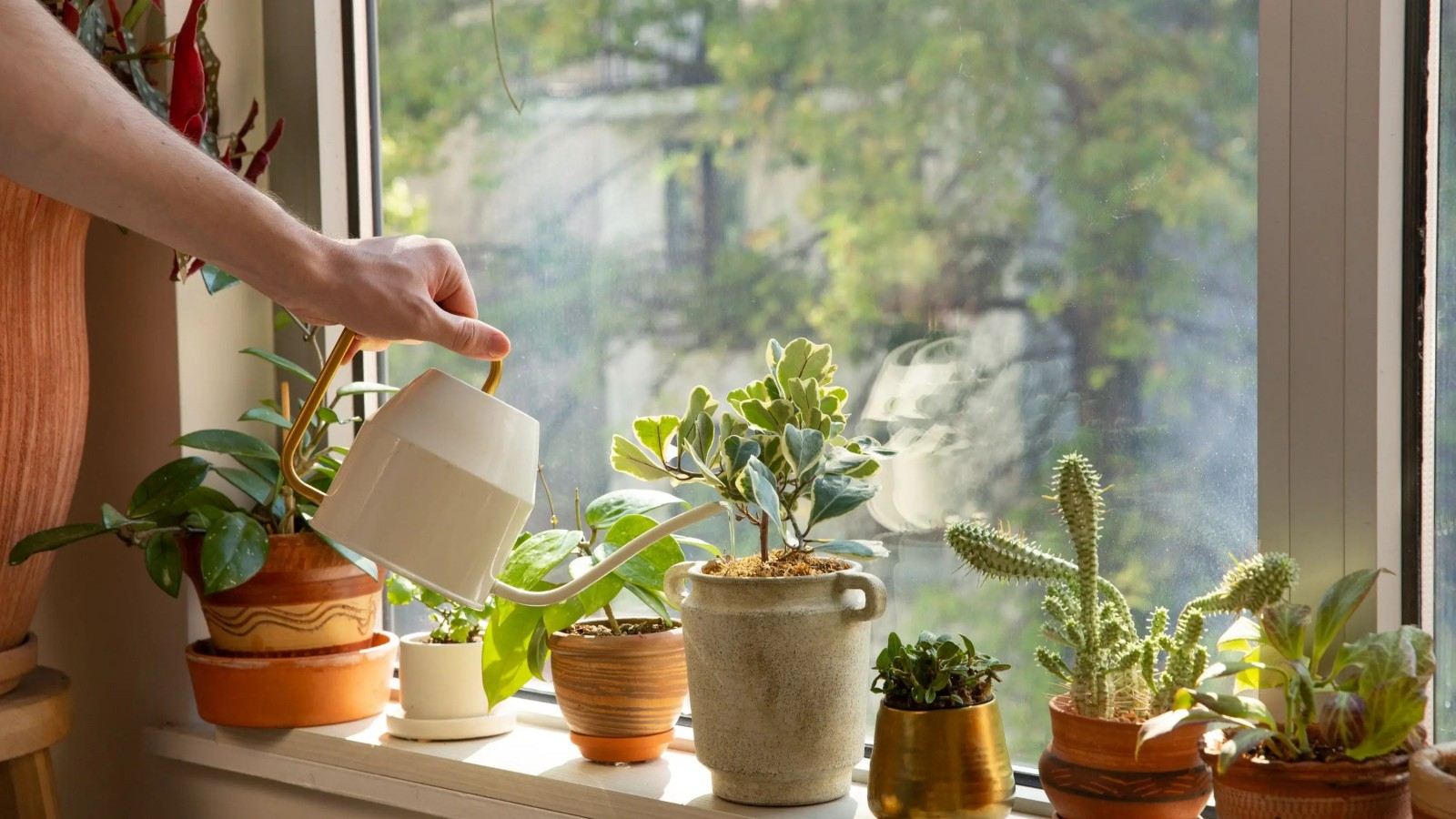
Keep slightly moist but avoid water accumulationThe watering of Dieffenbachia needs to be adjusted flexibly according to the season and maintenance environment. Spring and autumn are its peak growth periods. Usually, water it once a week, but you need to use your fingers to check whether the surface soil (about 2-3 cm) is dry to avoid blind watering. In the summer, when the temperature is high, water evaporates quickly, so it can be increased to twice a week, and the leaves should be sprayed with water regularly to increase humidity (be careful not to accumulate water in the heart of the leaves to prevent rot). In winter, the growth of the plant slows down, and it needs to be reduced to once every 10-15 days to keep the soil slightly dry. After watering, check whether the tray is watered and pour out the excess water in time, otherwise it is easy to cause root hypoxia and rot. If the leaves droop or the edges turn yellow, it may be a sign of water shortage and watering needs to be replenished immediately.
-
What kind of light is needed?
Bright diffuse lightDieffenbachia is native to the lower layer of tropical rainforests and adapts to semi-shady environments. For daily maintenance, it is recommended to place it in a bright, diffused light place indoors, such as near an east or north window, or 1-2 meters away from a south window. If the light is too strong (such as direct sunlight at noon in summer), the leaves are easily burned, with burnt edges or yellow spots; long-term lack of light will cause the leaves to fade, the stem nodes to lengthen, and the plant shape to become loose. The position can be adjusted by observing the state of the leaves: if the leaves are thick and shiny with clear lines, it means that the light is appropriate; if the leaves are thin and slender, and the leaf color is dull, the light needs to be increased.
-
How to fertilize?
Thin fertilizer, mainly in the growing seasonDieffenbachia grows faster in spring, summer and autumn, and needs to be supplemented with nutrients regularly. It is recommended to apply thin liquid fertilizer (such as general water-soluble fertilizer) once a month, and dilute the concentration to 1/2 of the recommended amount to avoid fertilizer damage. When fertilizing, avoid the leaves, irrigate along the edge of the pot, and water thoroughly after fertilization to dilute the fertilizer. Gradually reduce the frequency of fertilization at the end of autumn, and completely stop fertilizing in winter to prevent fertilizer damage caused by weakened root absorption capacity under low temperatures. A small amount of calcium fertilizer (such as eggshell powder or special calcium fertilizer) can be added during the new leaf expansion period to enhance leaf toughness and reduce leaf cracking. If the leaves turn yellow or the new leaves are thin, it may be a sign of fertilizer deficiency and fertilizer supplementation is needed in time.
-
How to prune?
Regular cleaningThe pruning of Dieffenbachia is mainly to keep the plant beautiful and healthy. Regularly pruning the old yellow leaves, weak branches and long branches at the bottom can not only reduce nutrient consumption, but also enhance ventilation and light transmission. If the plant is too high or the stem is exposed, the top stem can be shortened in spring (the incision needs to be coated with plant ash or carbendazim powder to prevent infection) to promote the germination of side buds and make the plant fuller. Pruning tools need to be disinfected with alcohol in advance to avoid cross-infection of bacteria. After pruning, reduce the frequency of watering, and resume normal maintenance after new buds sprout. If large areas of lesions or insect pests appear on the leaves, they need to be cut off immediately and destroyed.
-
How to prevent and control diseases and pests?
Ventilation and humidity control, prevention firstCommon diseases of Dieffenbachia include leaf spot and anthracnose, and the main insect pests are red spiders and scale insects. Keep the environment well ventilated (humidity controlled at 40%-60%) to avoid water on the leaves or long-term dampness of the pot soil. If brown spots, insect webs or mucus are found on the leaves, the plants must be isolated immediately, the diseased leaves must be cut off and destroyed. In the early stage of the disease, the leaves can be wiped with 75% alcohol, or sprayed with carbendazim/chlorothalonil (diluted 800-1000 times), once every 7 days, for 2-3 times in a row. Insect pests can be sprayed on the back of the leaves with soapy water (5 ml soap + 1 liter water), or wiped with a damp cloth. In severe cases, biological pesticides (such as matrine) can be used for prevention and control, but high temperature periods must be avoided. If the pest spreads to the whole plant, the pot soil must be replaced and the flower pot must be thoroughly disinfected.
-
How to propagate?
cuttings or divisions, best in springDieffenbachia is mainly propagated by cuttings and divisions. Cutting method: Take a strong stem segment (with 2-3 nodes) in spring, cut off the lower leaves, dry the cut and insert it into a hydroponic bottle (or vermiculite/perlite substrate), maintain humidity and ventilation, and it will take root in 2-3 weeks. After rooting, transplant it to a small pot and maintain it with loose humus soil (perlite can be mixed in), avoiding direct sunlight. Division method: When repotting, separate the seedlings sprouting next to the mother plant with roots, plant them separately in new soil, water them thoroughly, and place them in a cool place for 1 week to slow down the seedlings, avoiding direct sunlight during this period. During the propagation period, the substrate needs to be kept slightly moist, and the temperature is best maintained at 20-25℃. If the cutting stem segment rots, it may be that the cut is not dry or the substrate is too wet, and it needs to be reprocessed.
Advertisement
Frequently Asked Questions
-
1 Why are the leaves of my Dieffenbachia turning yellow?
Yellow leaves on a Dieffenbachia plant could be due to a variety of reasons. Overwatering is a common culprit. Dieffenbachia prefers the top inch of soil to dry out between waterings, so make sure you're not keeping the soil too wet which can lead to root rot. Another possibility is that the plant is getting too much direct sunlight. Dieffenbachia prefers bright, but indirect light. If it's exposed to harsh, direct sunlight, the leaves can become scorched and turn yellow. Finally, it could be a sign of a nutrient deficiency. Regular feeding with a balanced houseplant fertilizer during the growing season should address this issue.
-
2 Is Dieffenbachia toxic to pets and humans?
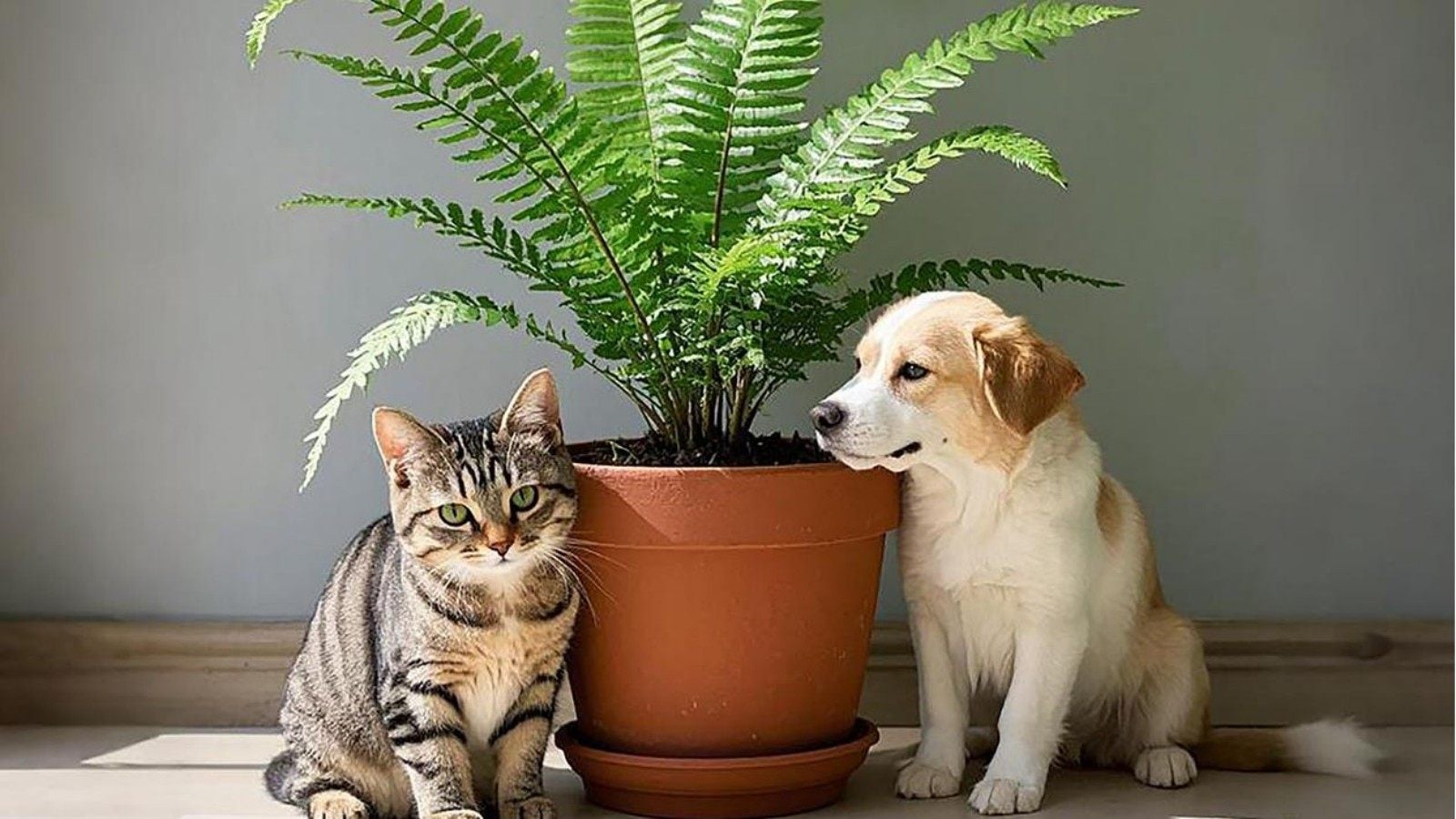
Yes, Dieffenbachia is toxic to both pets and humans if ingested. It contains calcium oxalate crystals that can cause a burning sensation, swelling, and numbness in the mouth and throat if bitten or chewed. This can lead to difficulty swallowing or speaking, hence the common name "Dumb Cane". It's important to keep this plant out of reach from pets and small children, and always wash your hands after handling it to avoid any accidental ingestion.
-
3 Why is my Dieffenbachia leaning to one side?
If your Dieffenbachia is leaning to one side, it could be due to inadequate light or uneven watering. These plants will naturally grow towards the light, so if the light source is stronger on one side, the plant may lean in that direction. To promote even growth, rotate your plant every few weeks. Uneven watering can also cause the plant to lean if one side of the pot is getting more water than the other. Ensure you're watering evenly around the entire surface of the soil.
-
4 How often should I fertilize my Dieffenbachia?
Dieffenbachia plants benefit from regular feeding during the growing season, typically from spring to early fall. It's generally recommended to fertilize every 4-6 weeks during this period. Use a balanced houseplant fertilizer, and always follow the package instructions for how much to use. In the winter months, you can cut back on feeding as the plant's growth will slow down.
-
5 What should I do if the leaves of my Dieffenbachia are turning brown?
Brown leaves on a Dieffenbachia could be due to a few issues. One possibility is underwatering. If the soil is allowed to dry out too much between waterings, the leaves can turn brown and crispy. Ensure you're keeping the soil consistently moist, but not waterlogged. Brown leaf tips can also be an indication of low humidity. Try increasing the humidity around your plant by misting the leaves or placing it on a pebble tray filled with water. Finally, brown leaves could be a sign of a pest problem, such as spider mites or mealybugs. Inspect the plant closely for any signs of pests and treat accordingly.
Advertisement
Introduction
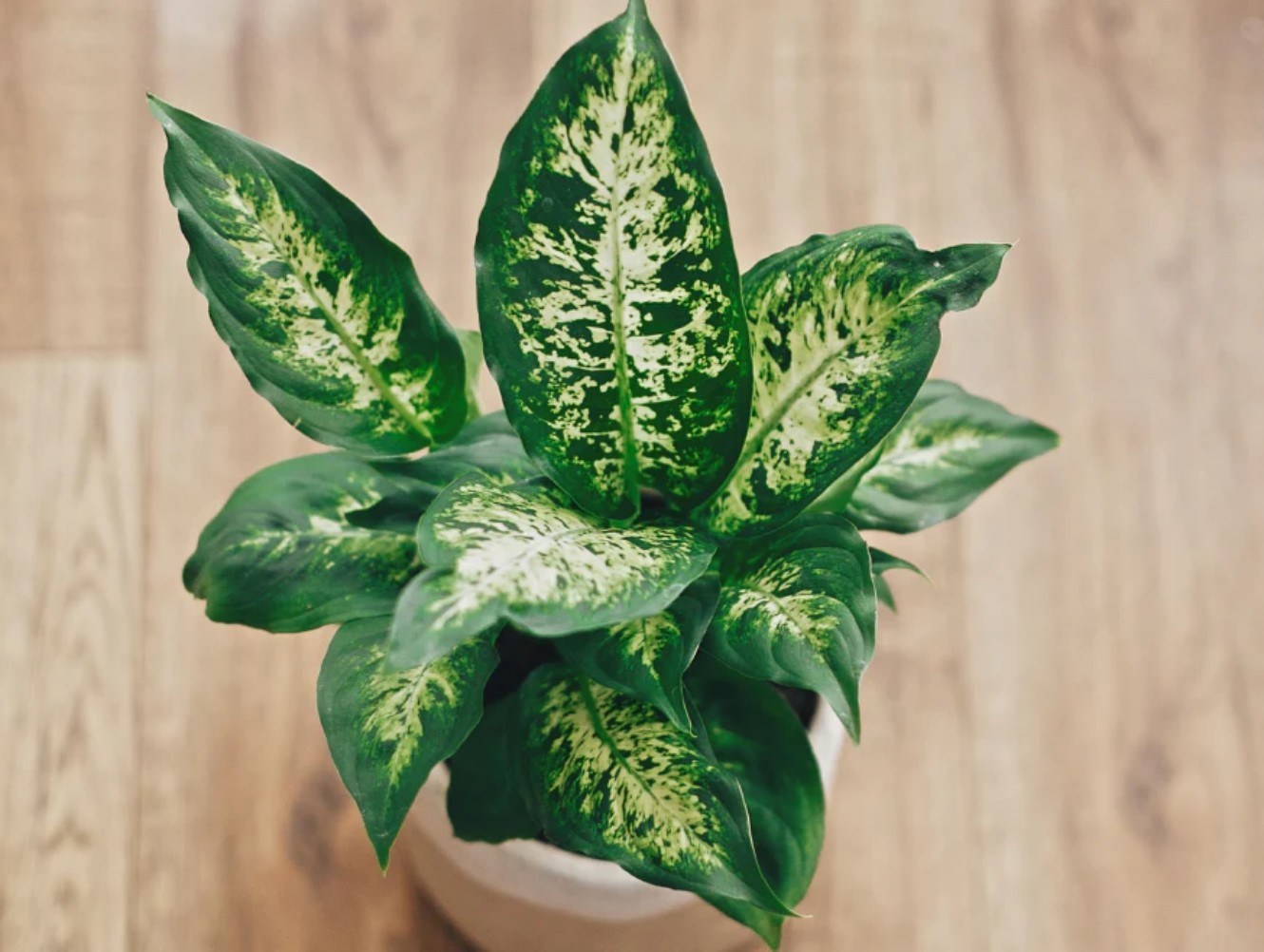
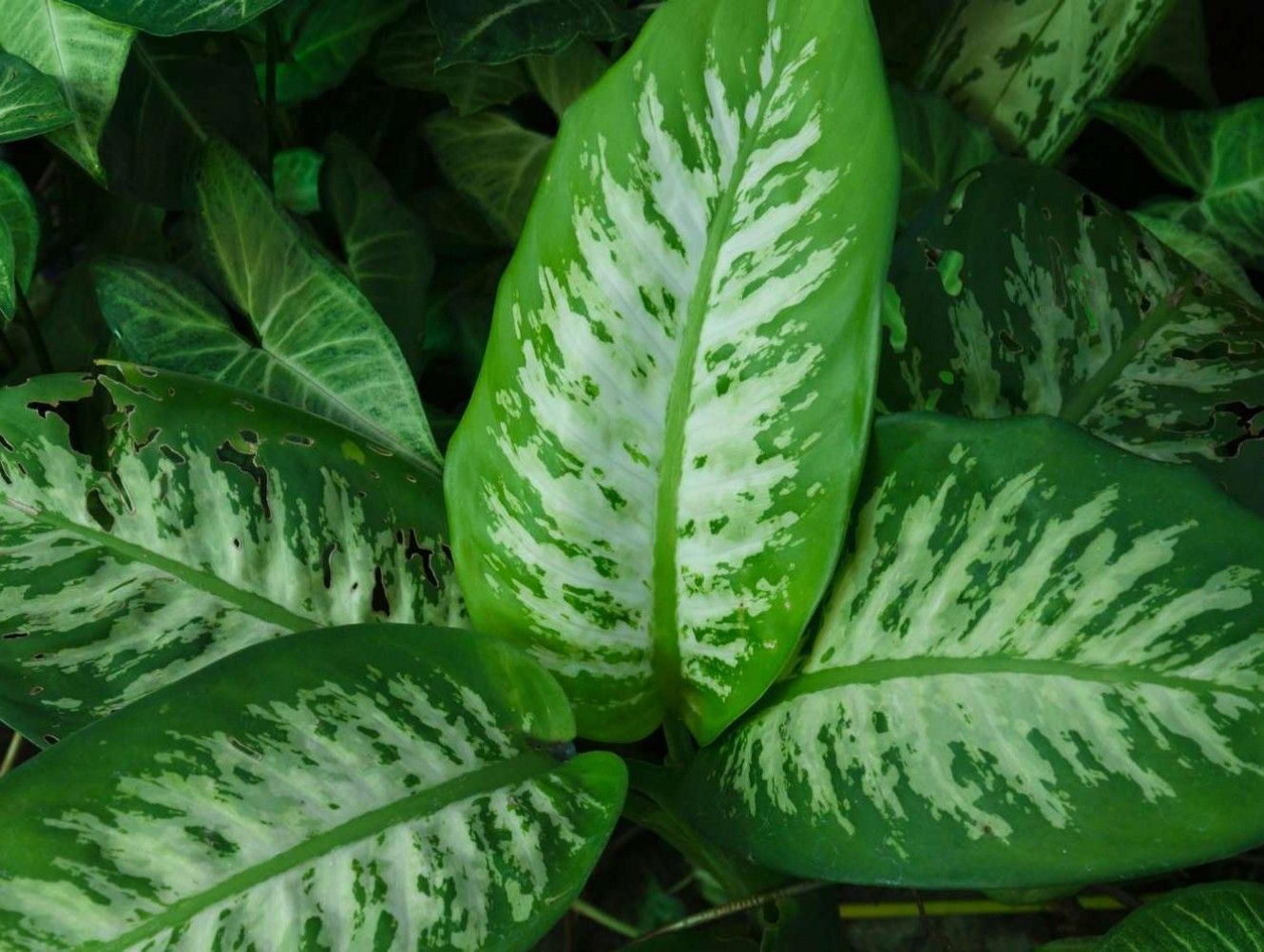
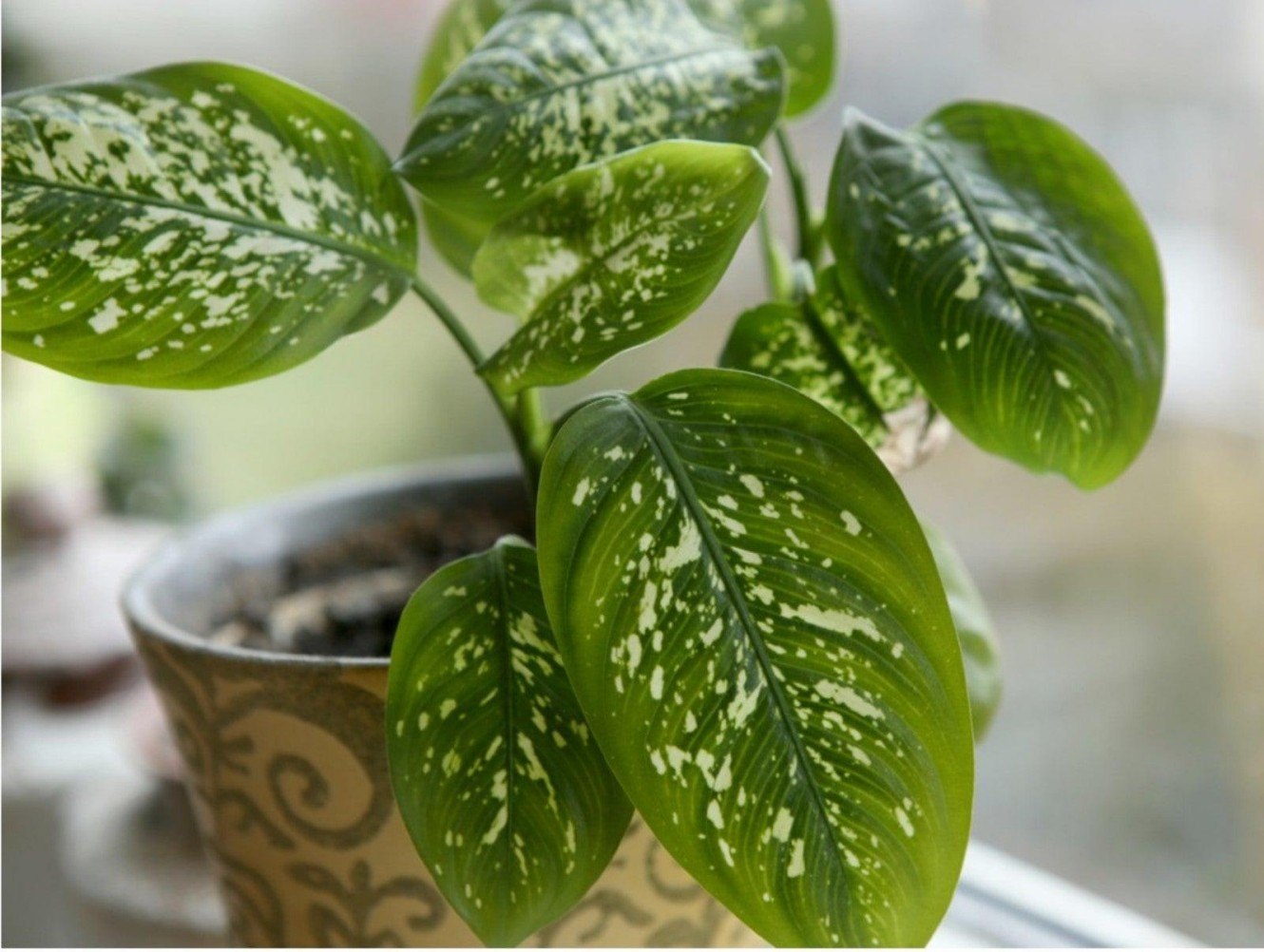
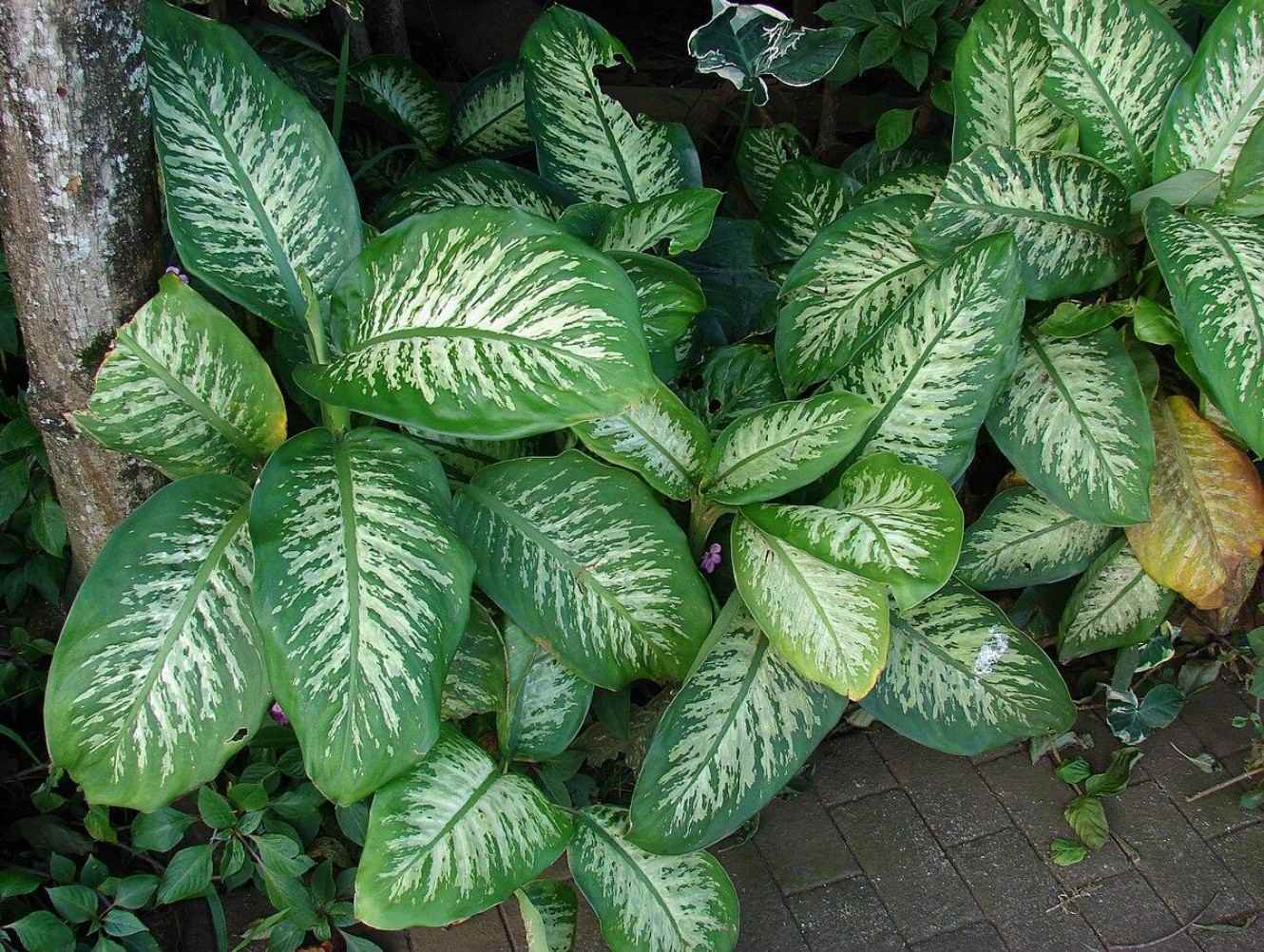
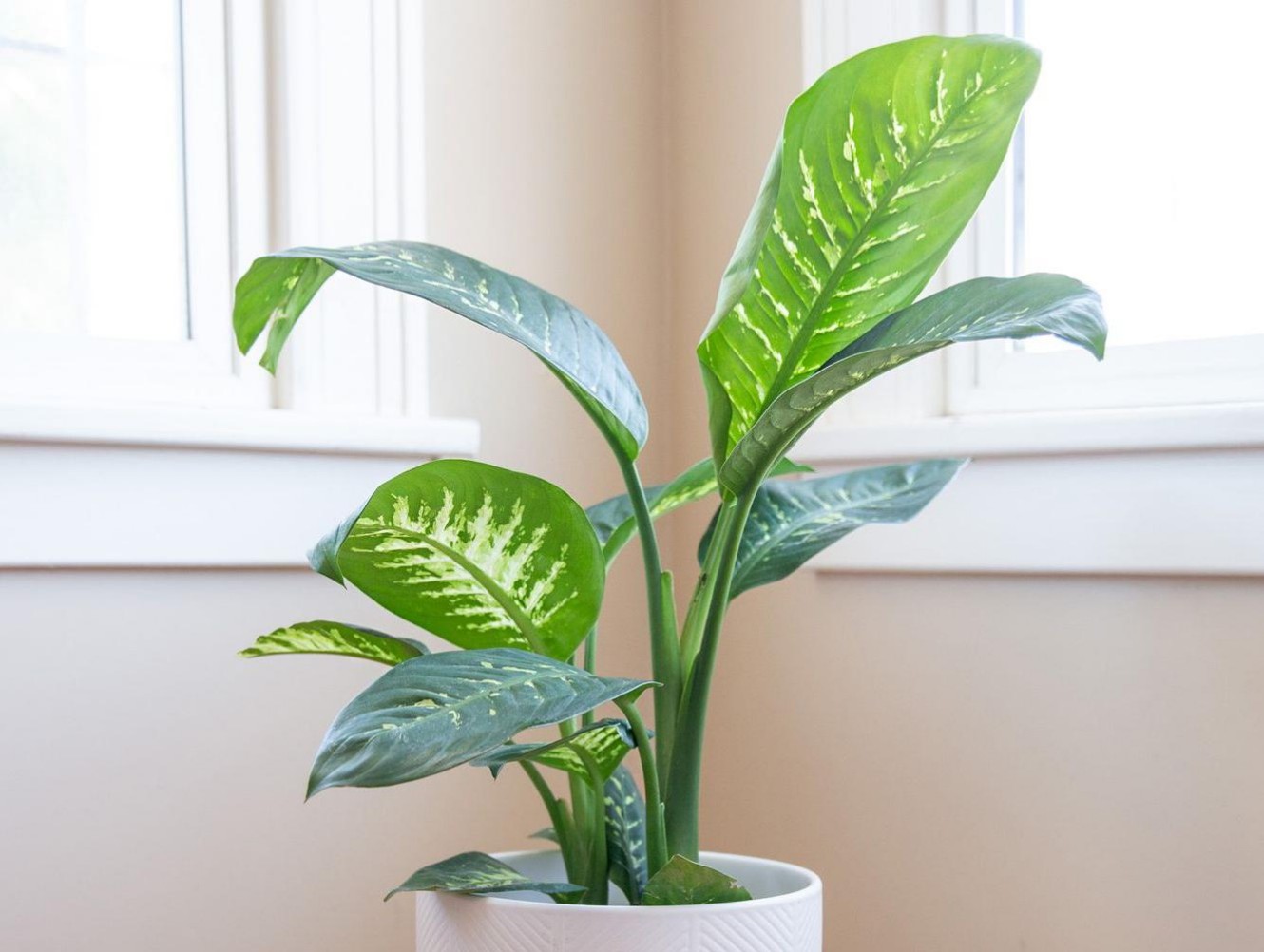
Dieffenbachia, commonly known as Dumb Cane, is a popular houseplant native to the tropical regions of the Americas. Its widely grown for its distinctive, lush foliage. The leaves are typically large and oblong, featuring various combinations of green, white, and yellow patterns. Dieffenbachia prefers moderate to bright indirect light and consistently moist soil, making it relatively easy to care for. However, its important to note that this plant is toxic if ingested, causing a burning sensation and potential swelling of the mouth and throat, hence the common name "Dumb Cane". It should be kept out of reach from pets and children.
Popular Plant Encyclopedia
-
-
Poisonous and danger
- Rhus typhina
-
-
-
Edible and medicinal
- Common sunflower
-
-
-
Poisonous and danger
- Plumeria rubra
-
-
-
Wild and common weed
- Convolvulus arvensis
-
-
-
Edible and medicinal
- Perilla frutescens
-
-
-
Edible and medicinal
- Pogostemon cablin
-
-
-
Edible and medicinal
- Common fenugreek
-
-
-
Edible and medicinal
- Garden Thyme
-

 Edible and medicinal
 Wild and common weed
Advertisement