Dragon Tree
-
 Domestic and indoor
 Domestic and indoor
Nursing Skills
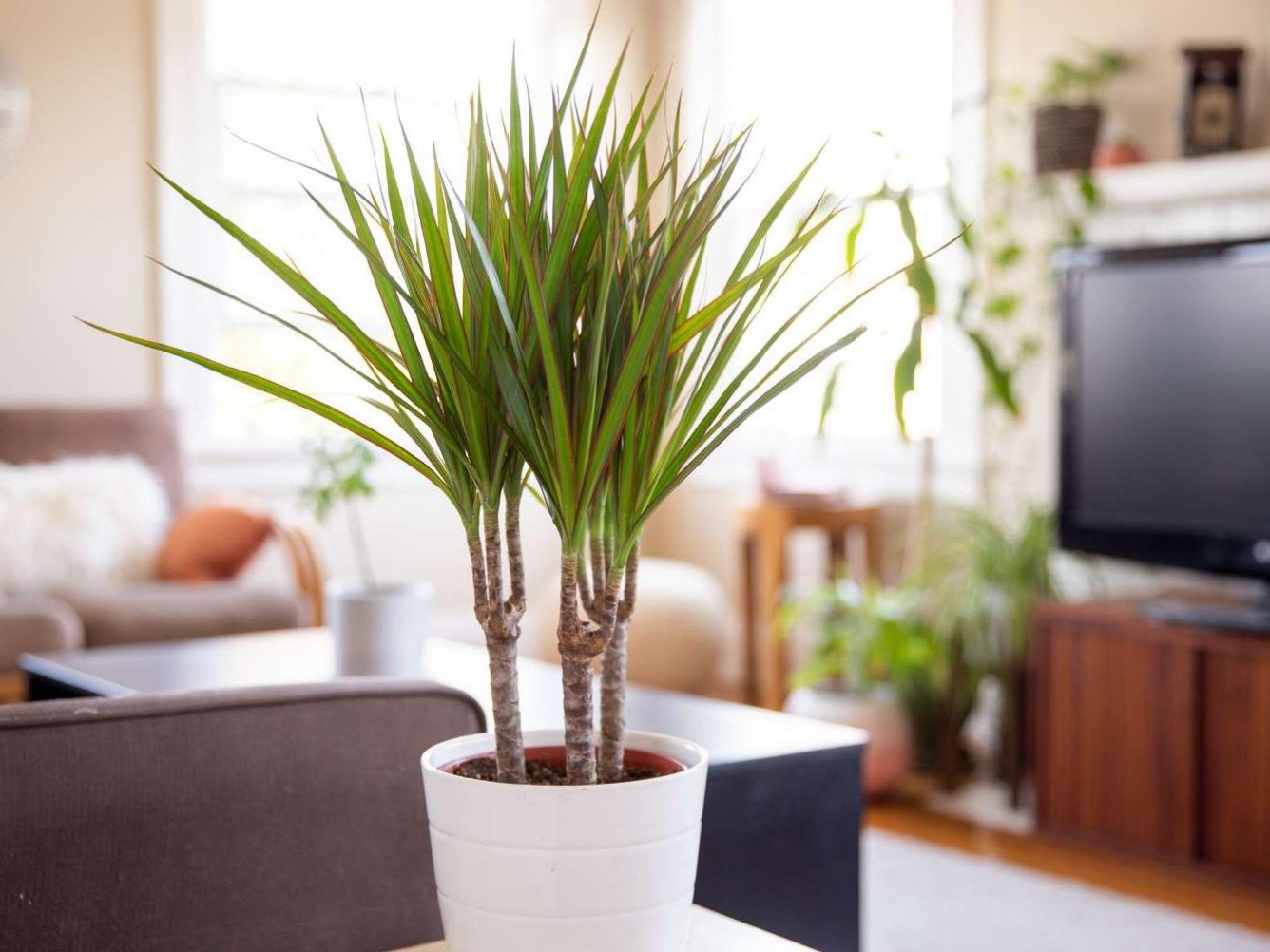
Dragon Tree prefers bright, indirect light and well-draining soil. Water moderately, letting the topsoil dry between waterings. Avoid overwatering to prevent rot. Fertilize monthly in spring and summer. Ideal temperatures range from 18–27°C. Repot every 2–3 years and prune as needed.
Advertisement
Plant Properties
-
- Plant Type
- Evergreen foliage plants
-
- Plant Height
- 1.2-2 meters for indoor planting
-
- Leaf Type
- Slender sword-shaped
-
- Leaf Color
- Green foliage with red or purple margins
-
- Stem color
- Gray-brown woody stem
-
- Flowering
- Rarely blooms indoors
-
- Toxicity
- Toxic to pets
Plant Care Requirements
-
Light
Diffuse light or semi-shade
-
Soil
Loose, airy loam
-
Difficulty
Easy to grow
-
Humidity
Medium humidity
-
Temperature
20-28°C
-
Fertilization frequency
Once a month
-
Planting time
Spring and fall
-
Ventilation requirements
Good ventilation
Advertisement
Plant Care Guide
-
How should I water the Dragon Tree correctly?
7-14 daysDragon Tree dislikes overwatering. Allow the top 2–3 cm of soil to dry before watering. In summer, this may mean watering every 7–10 days; in winter, space it out to every 10–14 days. Use room-temperature water, preferably filtered or distilled, as the plant is sensitive to fluoride and salts in tap water, which can cause leaf tip burn. Ensure the pot has drainage holes, and discard any water collected in the saucer to avoid root rot.
-
How to prune Dragon Tree for a better shape?
Spring and summer pruningPrune in spring or early summer. Use sterilized scissors to cut off leggy stems or dead/yellowing leaves. Cutting a tall stem encourages new branches from the cut point, which enhances the plant’s fullness. Do not cut more than one-third of the plant at once. You can replant healthy cuttings to propagate new plants.
-
How do I repot Dragon Tree?
2–3 yearsRepot in spring every 2–3 years. Choose a pot 2–3 cm wider than the previous one with drainage holes. Gently remove the plant, shake off excess soil, and trim any rotting roots. Replace with fresh, well-draining potting mix. Water thoroughly after repotting and place it in a shaded area for a few days to reduce transplant shock.
-
Can I propagate Dragon Tree at home?
YesPrune in spring or early summer. Use sterilized scissors to cut off leggy stems or dead/yellowing leaves. Cutting a tall stem encourages new branches from the cut point, which enhances the plant’s fullness. Do not cut more than one-third of the plant at once. You can replant healthy cuttings to propagate new plants.
-
How to improve humidity for the plant?
40–60%Although Dragon Tree tolerates low humidity, it grows better with moderate humidity (40–60%). Use a humidifier nearby, place the pot on a pebble tray with water, or mist the leaves 1–2 times a week (preferably in the morning). Avoid misting in cold seasons to prevent fungal issues.
-
How to prevent leaf tip browning?
Increase humidity and fertilize lessLeaf tip browning is usually caused by fluoride, low humidity, or overfertilization. Use distilled or rainwater, increase ambient humidity, and fertilize sparingly. Always dilute fertilizer to half strength. Trim brown tips with clean scissors if needed, but avoid cutting into the green part.
-
What to do if the plant grows too tall?
Trimming the tip of the main stemIf the plant becomes too tall or leggy, it can be topped—cut back the main stem to the desired height. New growth will emerge from the cut point. The cut portion can be used as a cutting to propagate a new plant.
Advertisement
Frequently Asked Questions
-
1 Why are the leaf tips turning brown?
Brown leaf tips may be due to fluoride in tap water, low humidity, or salt buildup from fertilizers. Use distilled or filtered water and avoid over-fertilizing. Ensure the plant is not placed near heating vents or air conditioners that dry the air. Trim damaged tips if necessary, but improving watering quality and humidity is key to prevention.
-
2 Why are the leaves turning yellow and falling off?
Yellow leaves can result from overwatering, insufficient light, or cold drafts. Check that the soil is well-draining and only water when the top inch feels dry. Ensure the plant gets enough light (preferably indirect) and isn’t exposed to sudden temperature changes. Occasional leaf drop is normal, but excessive yellowing signals stress.
-
3 Why are the leaves drooping?
Drooping leaves often indicate underwatering, cold temperatures, or root damage. First, check soil moisture—dry soil is the most common cause. If the soil is too wet, root rot may be an issue. Keep the plant away from cold windows in winter and ensure it's not exposed to sudden environmental changes.
-
4 Are there common pests affecting Dragon Tree?
Yes, pests such as spider mites, scale, and mealybugs may appear, especially in dry indoor environments. Check leaf undersides and stem joints regularly. Wipe off pests with alcohol-dipped cotton swabs, or spray the plant with insecticidal soap or neem oil weekly until pests disappear.
-
5 Is Dragon Tree safe for pets?
Dragon Tree is mildly toxic to cats and dogs. Ingesting it may cause vomiting, drooling, and loss of appetite. If you have pets, keep the plant out of reach or place it in an area pets can’t access to avoid accidental ingestion.
Advertisement
Introduction
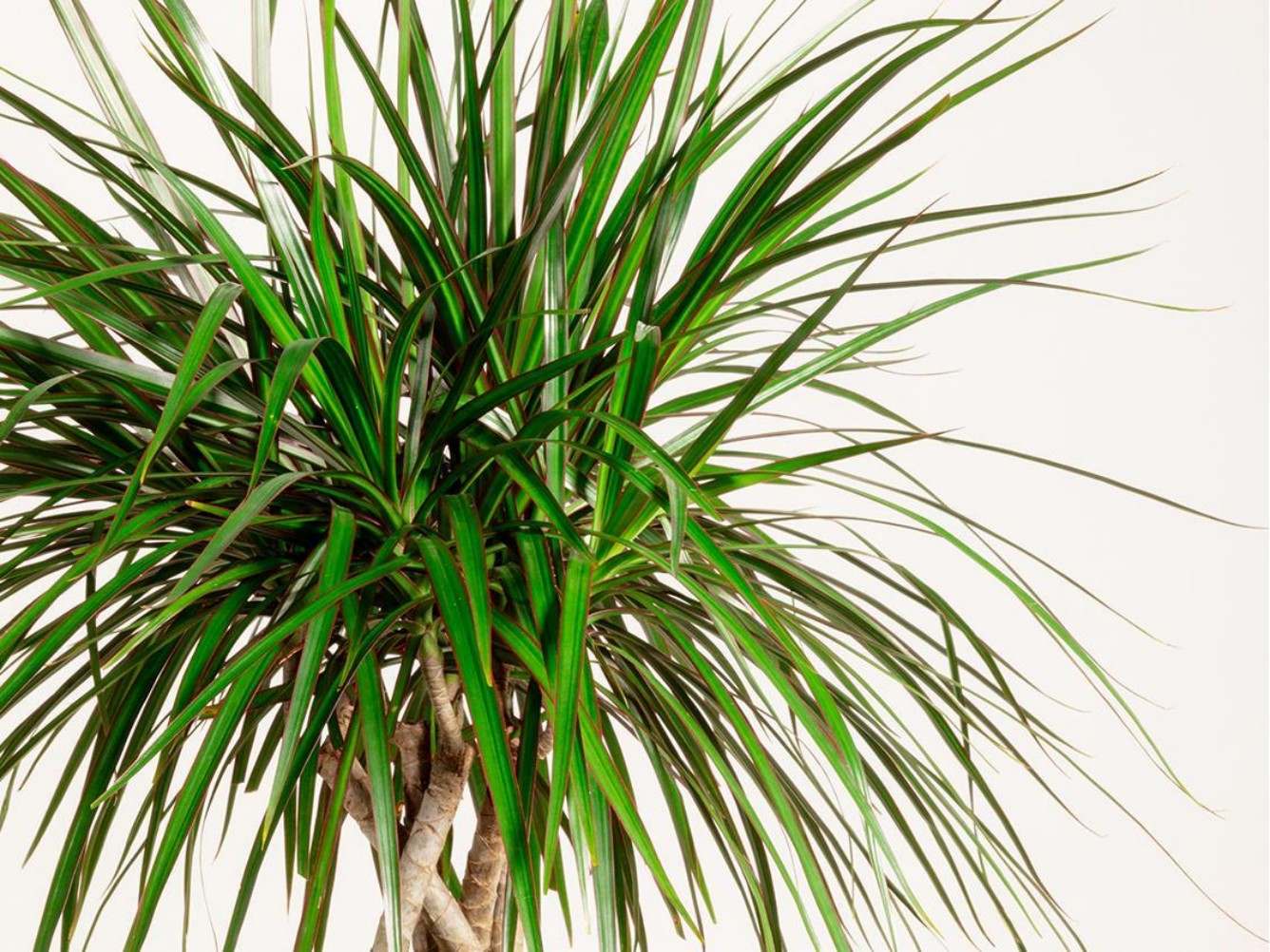
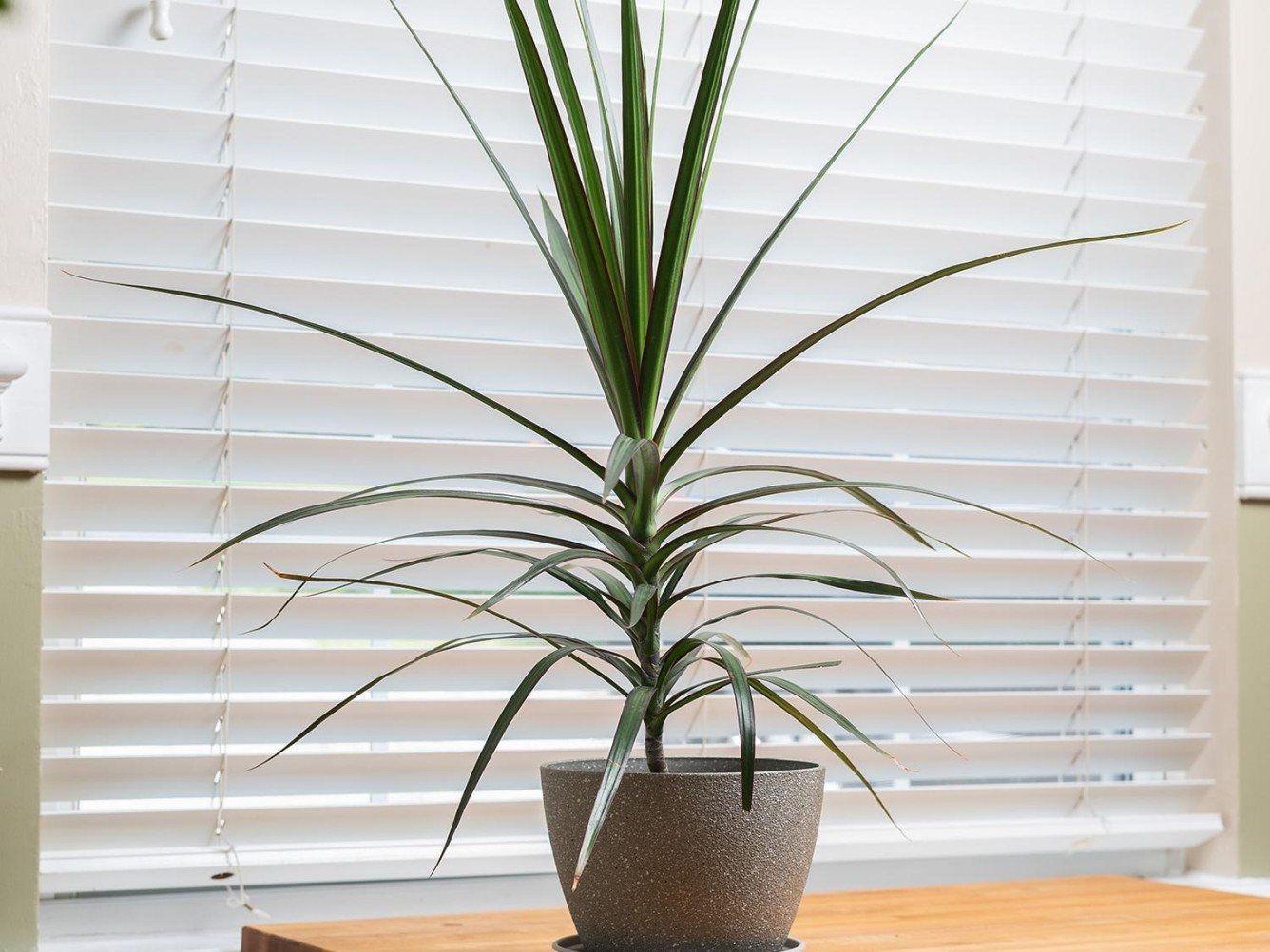
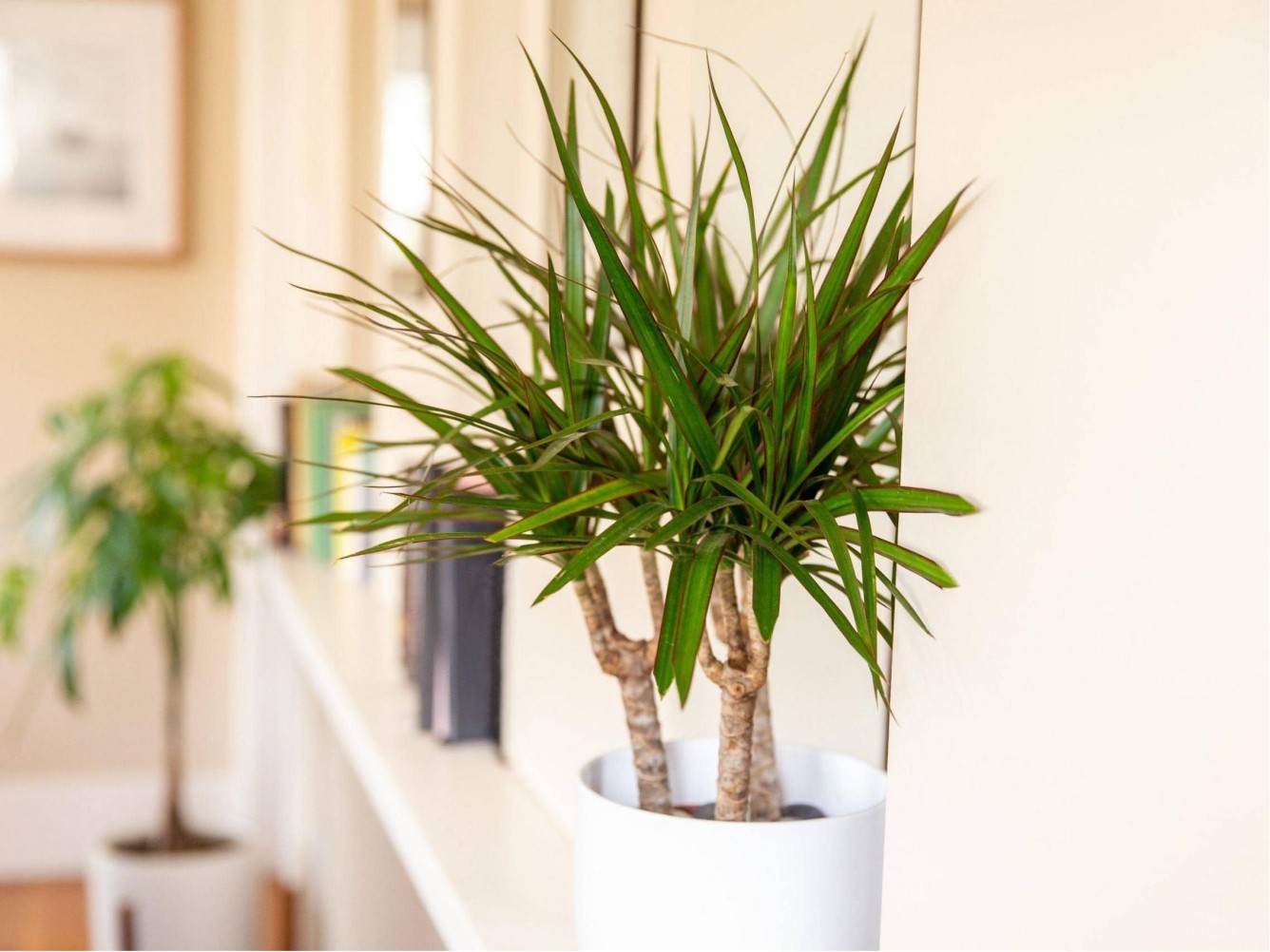
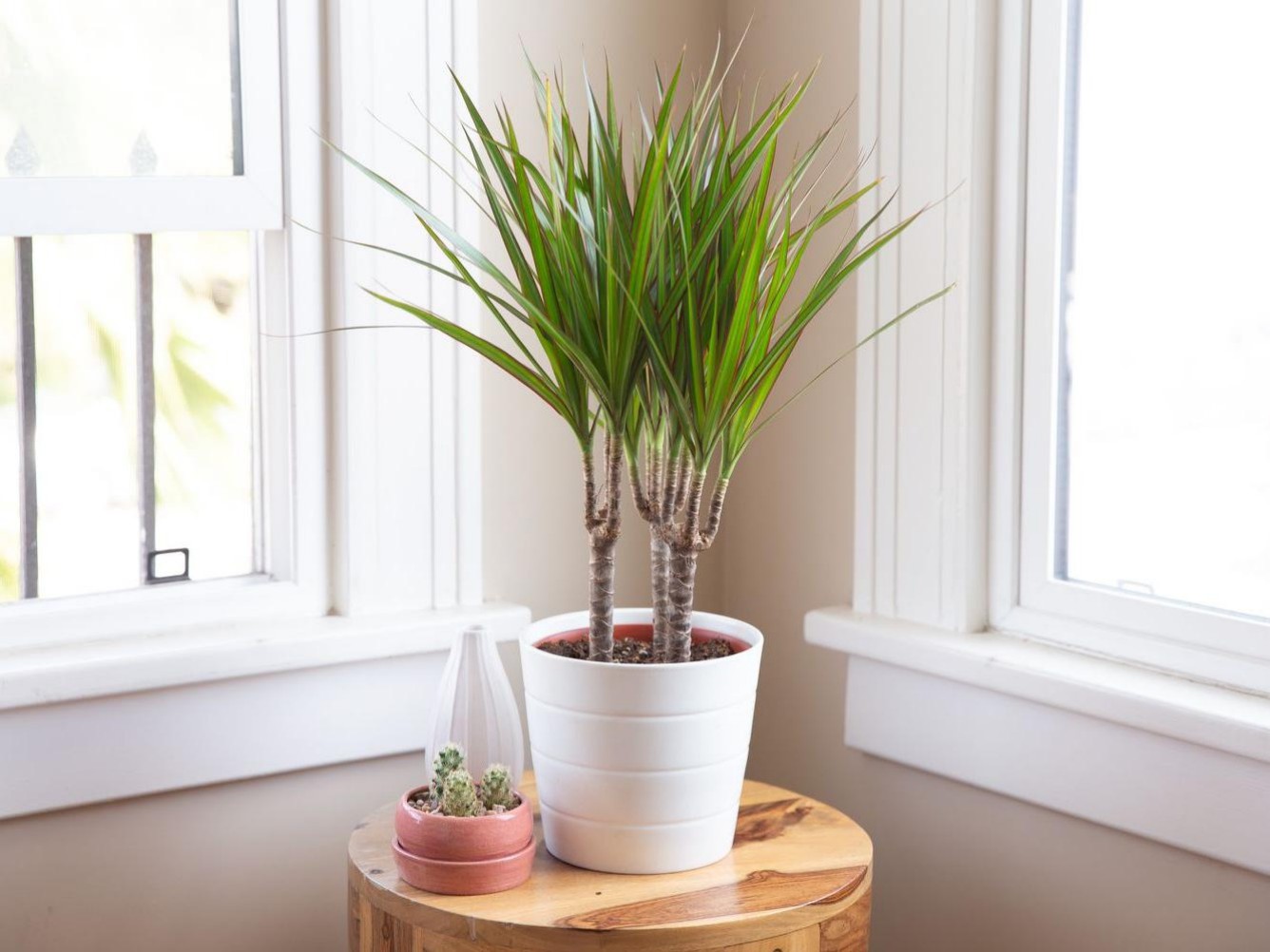
The Dragon Tree, or Dracaena marginata, is an evergreen plant native to Madagascar. It features upright, slender, woody stems and long, narrow leaves with dark green centers and red or purple edges. This plant is known for its air-purifying qualities and strong adaptability, making it a popular choice for homes and offices. Its elegant form and low maintenance needs make it ideal for both beginners and experienced plant enthusiasts.
Popular Plant Encyclopedia
-
-
Poisonous and danger
- Rhus typhina
-
-
-
Edible and medicinal
- Common sunflower
-
-
-
Poisonous and danger
- Plumeria rubra
-
-
-
Wild and common weed
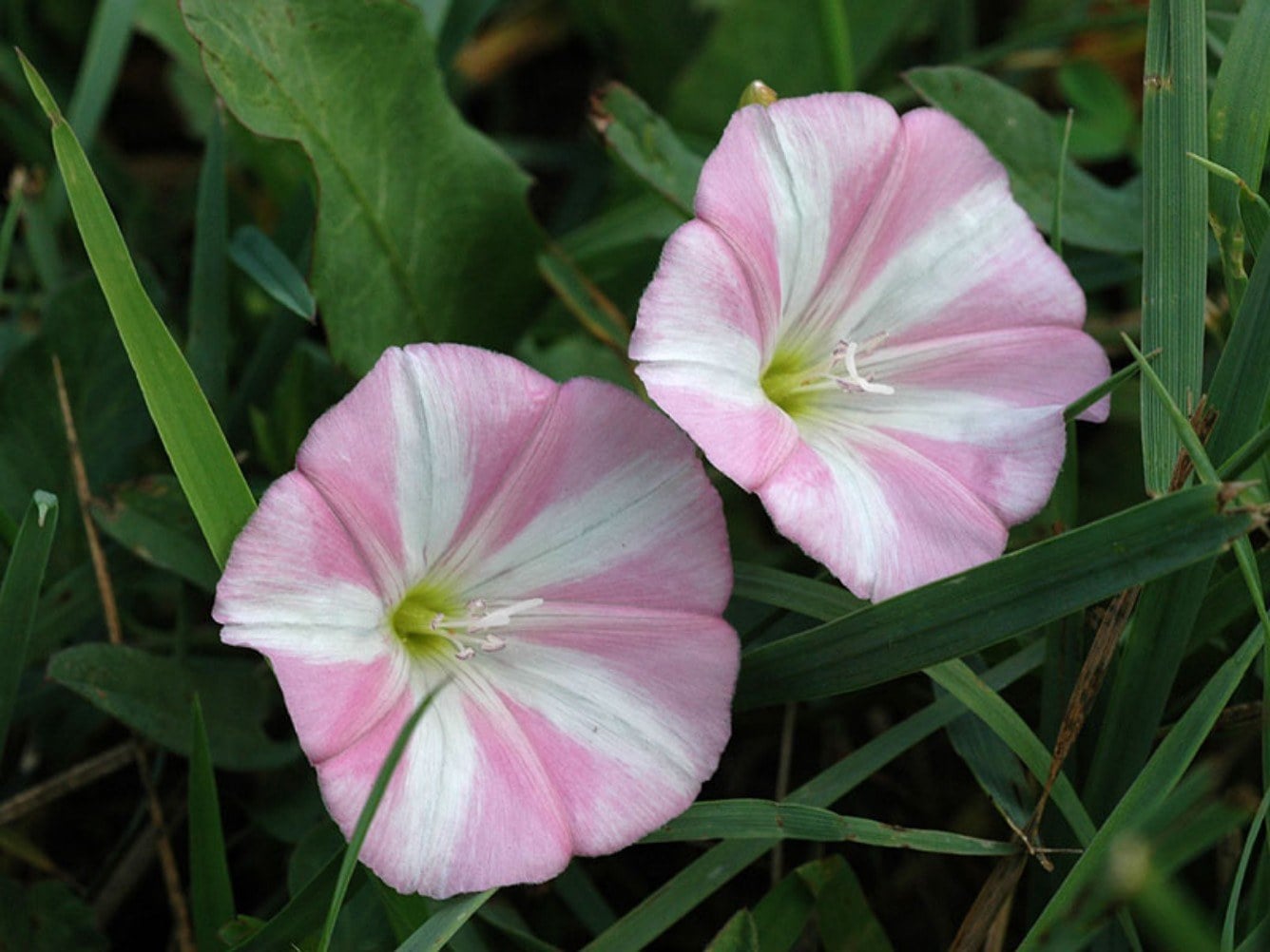
- Convolvulus arvensis
-
-
-
Edible and medicinal
- Perilla frutescens
-
-
-
Edible and medicinal
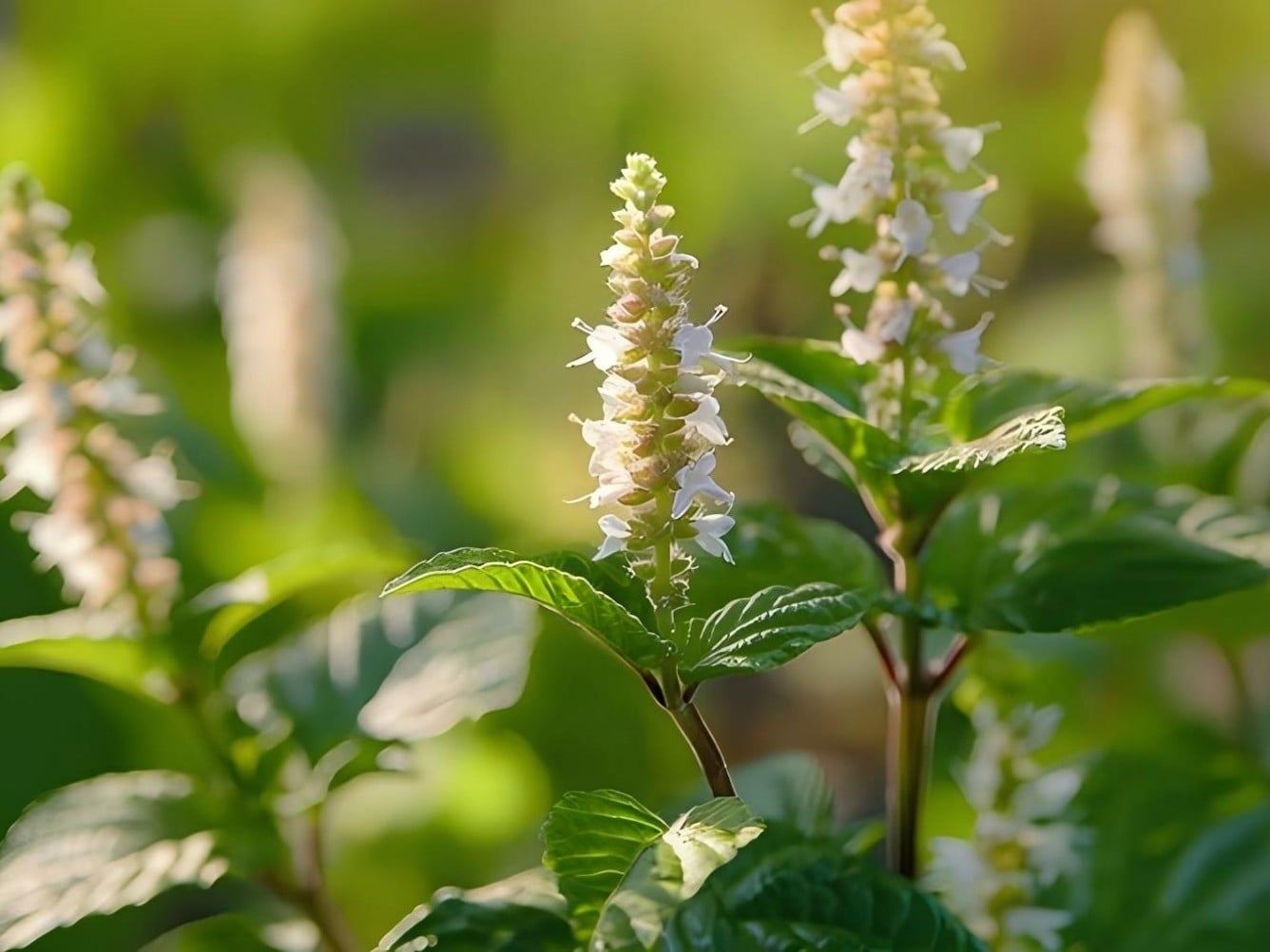
- Pogostemon cablin
-
-
-
Edible and medicinal
- Common fenugreek
-
-
-
Edible and medicinal
- Garden Thyme
-
 Poisonous and danger
 Edible and medicinal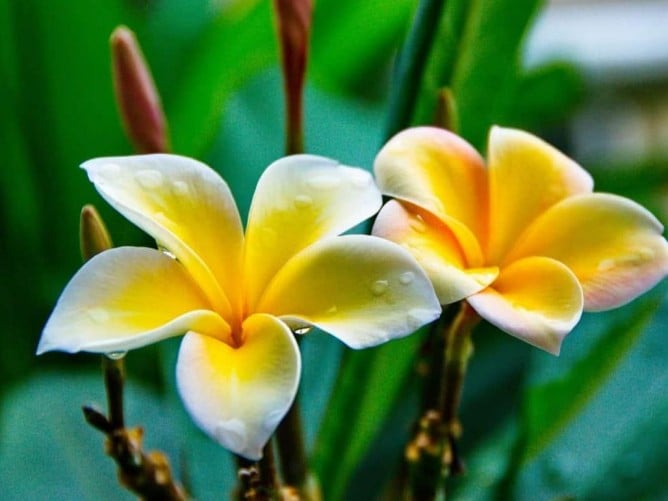
 Wild and common weed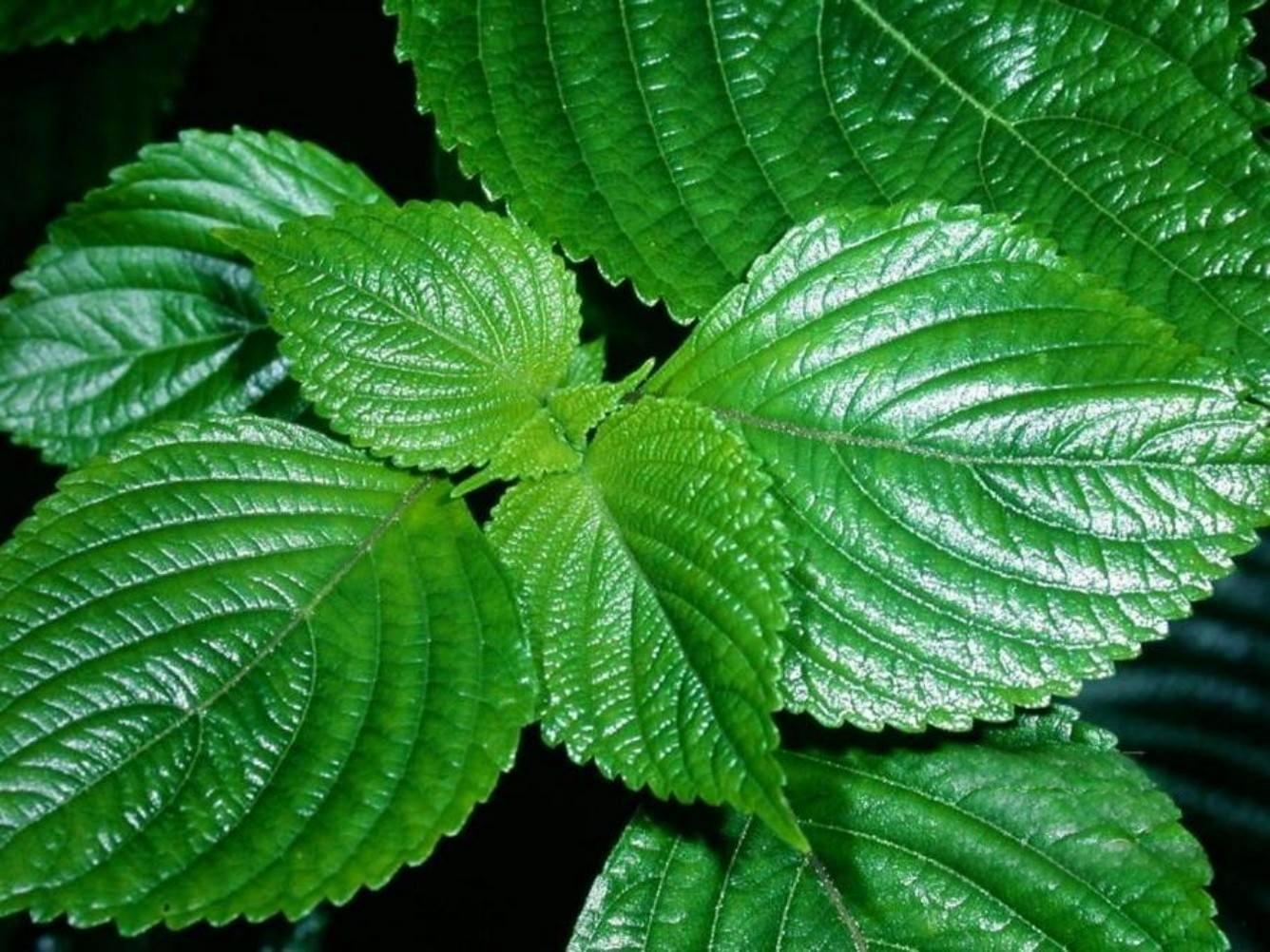
Advertisement