Echinacea purpurea
-
 Edible and medicinal
 - Also known as: Hedgehog coneflower
 Edible and medicinal
Nursing Skills
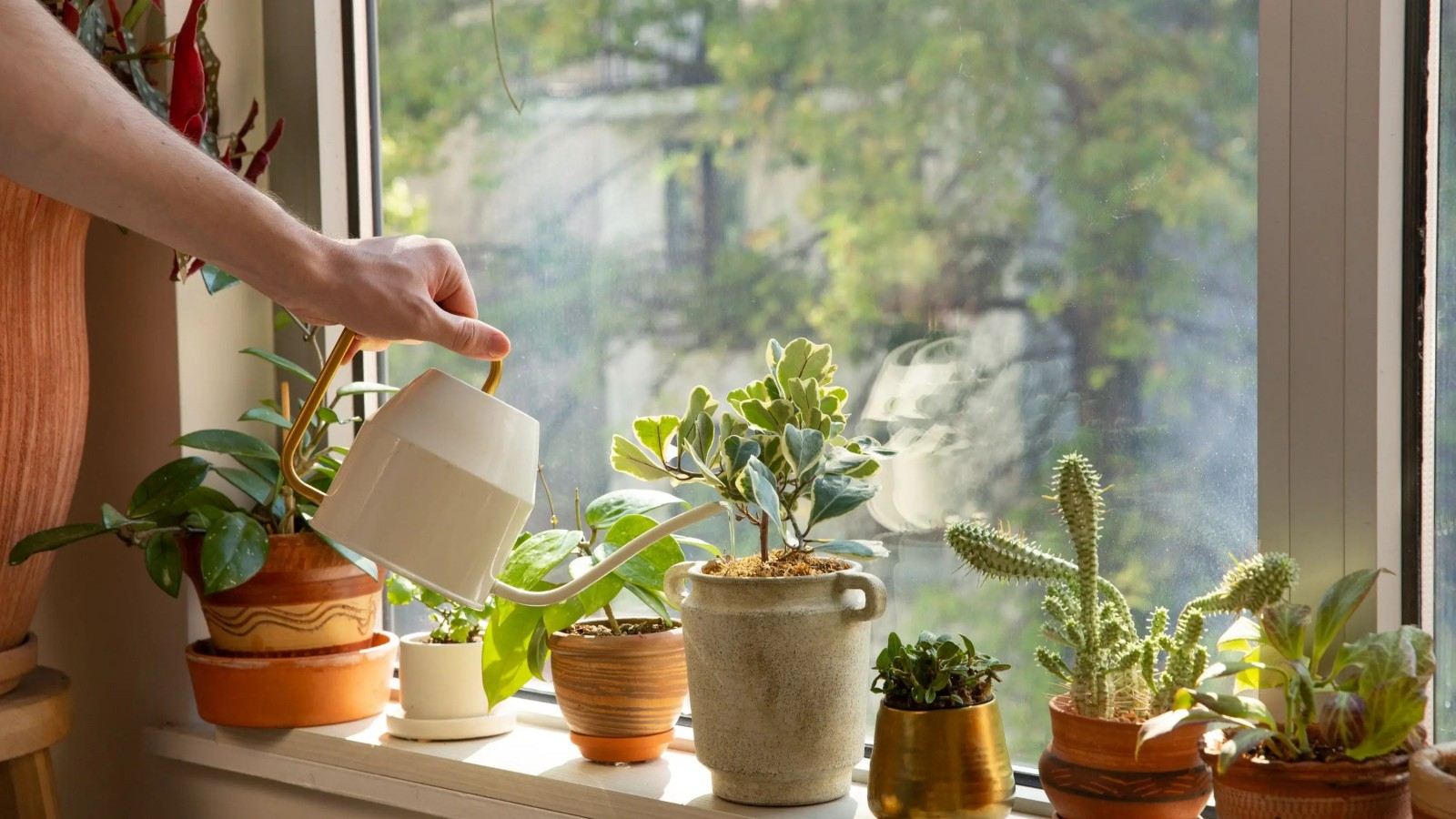
Echinacea purpurea is a low-maintenance plant that thrives in full sun and well-drained soil. Water young plants regularly, but once established, they are drought-tolerant. It prefers soil with a neutral to slightly acidic pH. Deadheading encourages more blooms, and dividing the clumps every few years keeps them healthy. Avoid overwatering to prevent root rot. This hardy perennial is perfect for sunny borders and pollinator-friendly gardens.
Advertisement
Plant Properties
-
- Lifespan
- Perennial, Annual
-
- Plant Type
- Herb
-
- Bloom Time
- Summer, Fall
-
- Harvest Time
- Fall
-
- Plant Height
- 30 cm to 1.5 m
-
- Leaf Color
- Green
-
- Flower Size
- 7 cm to 15 cm
-
- Fruit Color
- Black, White
-
- Leaf type
- Deciduous
-
- Stem Color
- Green, Purple, Brown
Plant Care Requirements
-
Difficulty of Care
Easy – suitable for beginner gardeners
-
Watering Schedule
Water regularly during establishment; once mature, water only during prolonged droughts
-
Light Requirements
At least 6 hours of direct sunlight daily)
-
Soil pH
Neutral to slightly acidic (pH 6.0–7.0)
-
Planting Time
Early spring after the last frost or in fall
-
Hardiness Zone
3-9
-
Growth Rate
Moderate – typically reaches full height (2–4 feet) in the first season
-
Ideal Temperature
15–29°C
Advertisement
Plant Care Guide
-
How much sunlight does Echinacea purpurea need?
Echinacea purpurea thrives best in full sun, requiring at least 6 to 8 hours of direct sunlight per day. While it can tolerate partial shade, full sun ensures the strongest flower production, healthiest growth, and best resistance to disease. In shadier spots, the plant may become leggy and produce fewer blooms.
-
What is the ideal watering schedule for Echinacea purpurea?
2-3 times a weekWhen newly planted, water Echinacea 2–3 times per week to help establish a strong root system. Once mature (after the first season), it is drought-tolerant and typically needs watering only during prolonged dry periods. Avoid overwatering, as soggy soil can lead to root rot.
-
What type of soil and pH does Echinacea prefer?
pH6.0-7.0Echinacea purpurea prefers well-drained, loamy soil with a neutral to slightly acidic pH of 6.0 to 7.0. It adapts to poor or rocky soils as long as there is good drainage. Avoid heavy clay soils unless amended with organic matter or sand to improve drainage.
-
When is the best time to plant Echinacea purpurea?
Early spring or early fallThe ideal time to plant Echinacea is in early spring, after the danger of frost has passed, or in early fall, giving the roots time to establish before winter. Seeds can also be started indoors 6–8 weeks before the last frost for transplanting.
-
What USDA hardiness zones are suitable for Echinacea?
3–9Echinacea purpurea is a hardy perennial in USDA Zones 3–9. This wide range makes it suitable for much of North America. It can withstand cold winters and hot, dry summers, making it a durable and versatile garden choice.
-
How fast does Echinacea purpurea grow?
ModerateEchinacea has a moderate growth rate. From seed, it may take one full growing season before it begins to flower profusely. Transplanted nursery plants can bloom in the same year. Over time, the clumps spread, and established plants return each year larger and stronger.
-
What is the ideal temperature range for Echinacea purpurea?
15°C-29°CEchinacea prefers daytime temperatures between 15°C to 29°C. It can tolerate heat and moderate drought in summer, as well as freezing temperatures in winter due to its perennial nature. Mulching in colder regions helps protect the roots during harsh winters.
Advertisement
Frequently Asked Questions
-
1 Is Echinacea purpurea easy to grow for beginners?
Yes, Echinacea purpurea is considered an easy-to-grow perennial, even for beginner gardeners. It is low-maintenance, drought-tolerant once established, and adaptable to various soil conditions. Its strong resistance to pests and diseases, coupled with the ability to thrive in full sun and poor soils, makes it a reliable choice for flower beds, pollinator gardens, and natural landscapes.
-
2 How do I encourage more blooms on my Echinacea plant?
To encourage more blooms, deadhead spent flowers regularly, especially in the early to mid-season. This helps redirect energy to produce new buds rather than seed production. However, toward the end of the season, leaving some flower heads intact provides food for birds like goldfinches and adds winter interest. Also, ensure the plant receives full sun and avoid over-fertilizing, which can reduce flowering.
-
3 Can Echinacea purpurea be grown in containers?
Yes, Echinacea can grow well in large containers, provided there is enough depth (at least 12–14 inches) for the roots to spread. Use a well-draining potting mix, and place the container in a sunny location. Container-grown Echinacea may need more frequent watering than those in the ground, especially during hot or windy conditions. Fertilize lightly once or twice during the growing season.
-
4 Is Echinacea purpurea safe for pets and humans?
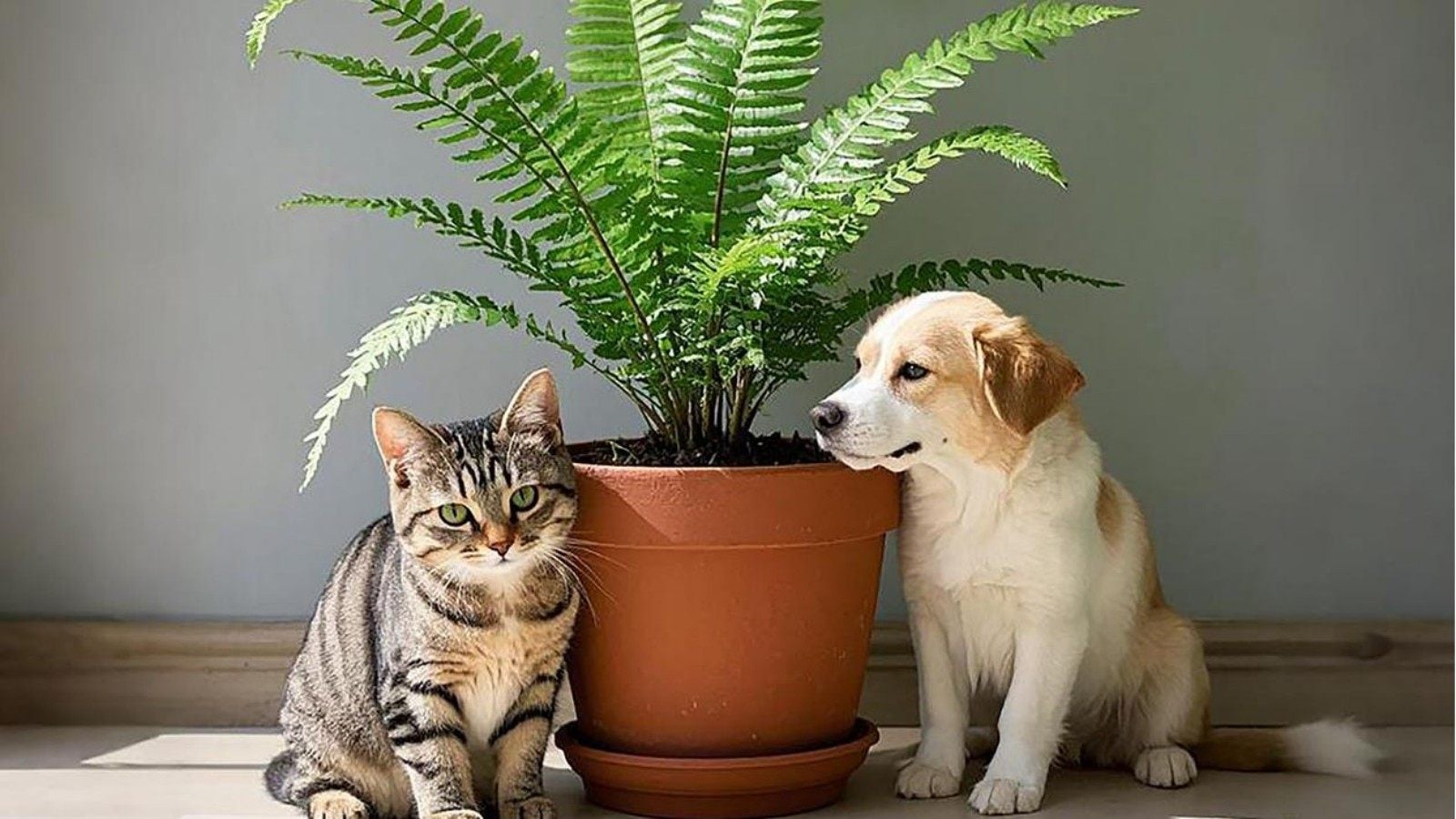
Echinacea purpurea is generally considered non-toxic to humans and pets, making it a safe addition to gardens with children or animals. It has a long history of medicinal use—especially in teas, tinctures, and capsules to support the immune system. However, always consult a healthcare provider before using it medicinally, especially for children, pregnant women, or individuals with allergies.
-
5 Does Echinacea purpurea attract bees and butterflies?
Absolutely. Echinacea purpurea is a magnet for pollinators. Its vibrant, daisy-like flowers attract bees, butterflies, and even hummingbirds, providing nectar from mid-summer to early fall. This makes it an ideal plant for pollinator-friendly gardens and helps support local biodiversity. Additionally, the seed heads are enjoyed by birds, especially finches, in the late season.
Advertisement
Introduction
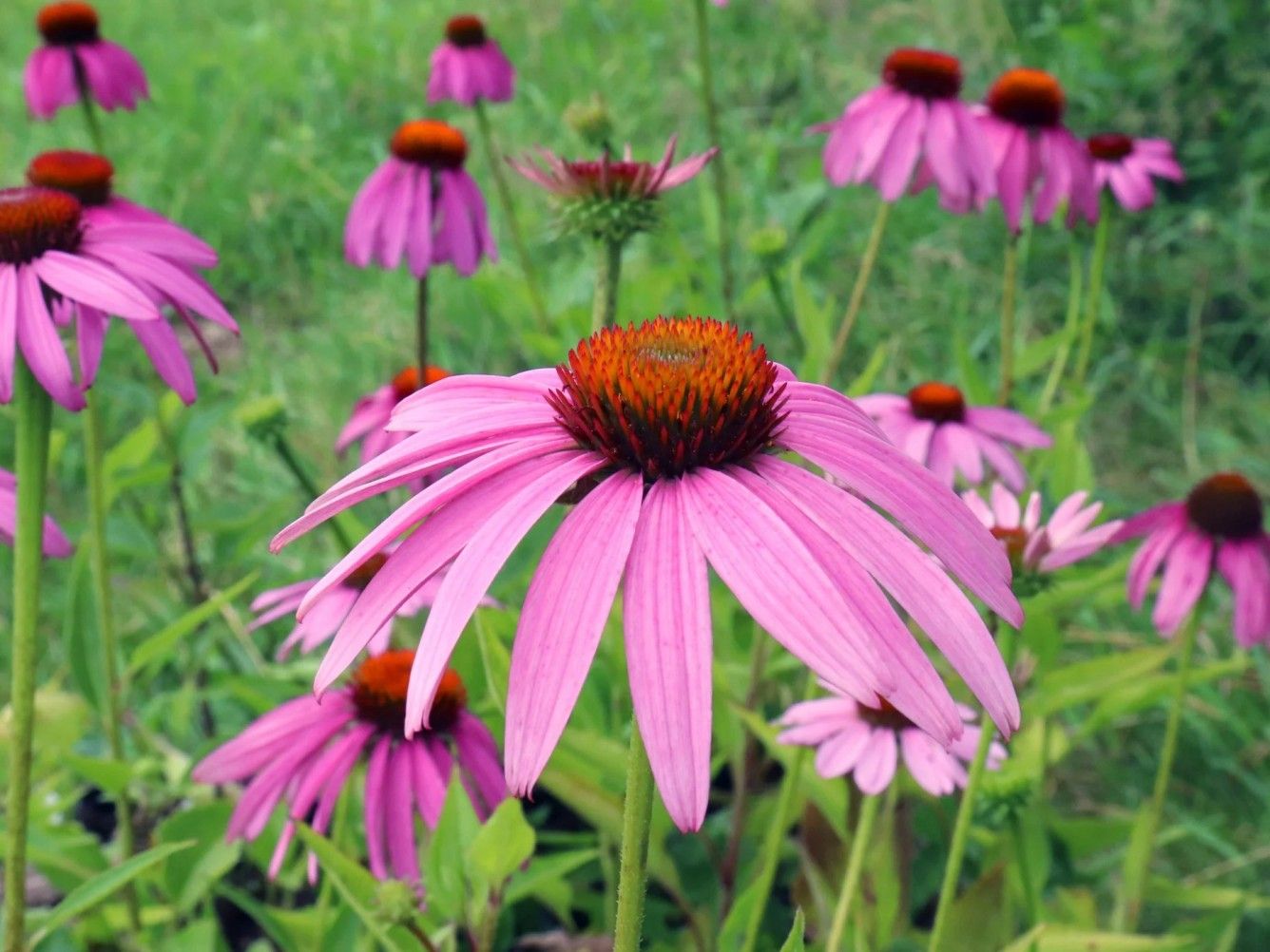
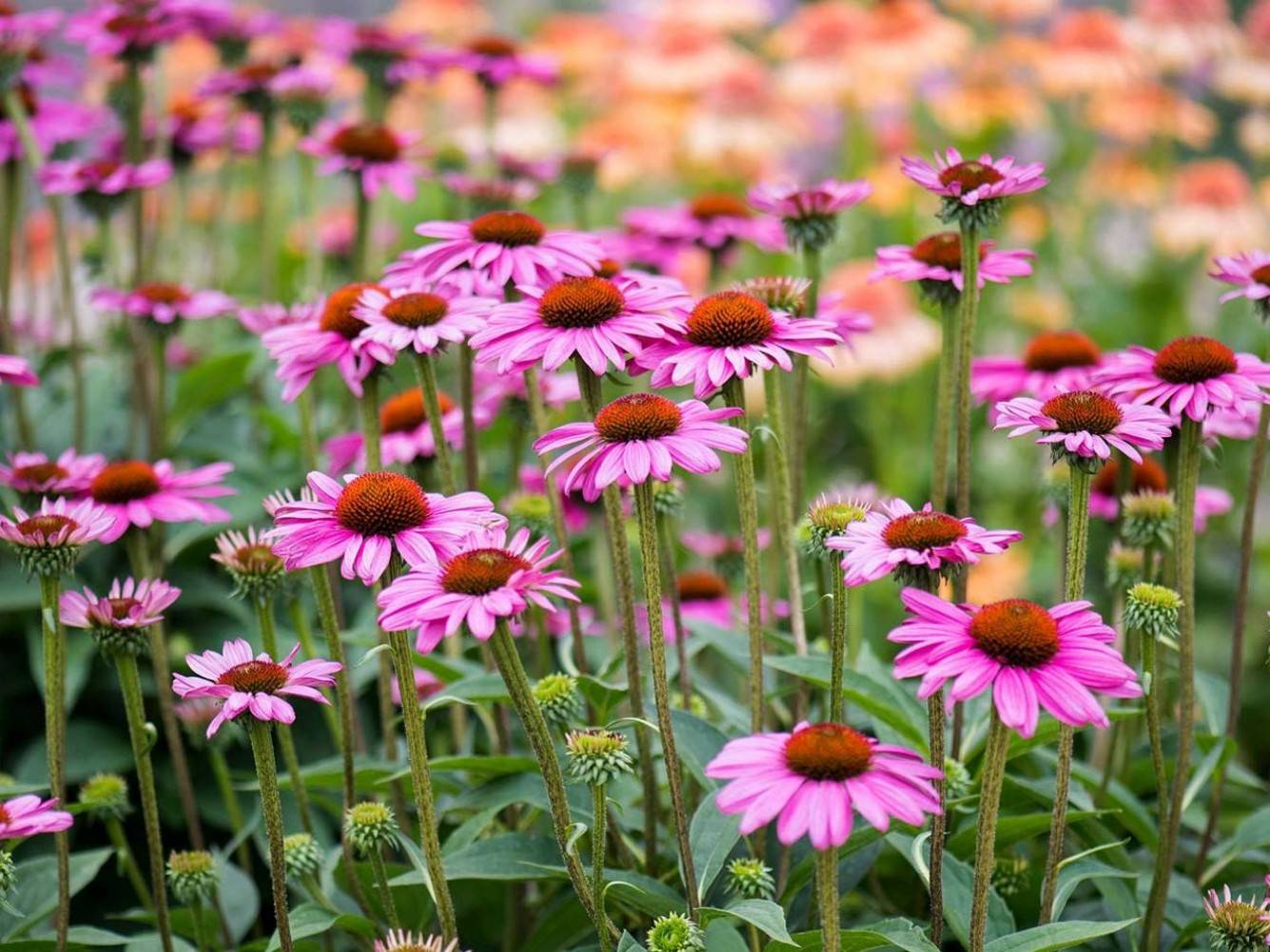
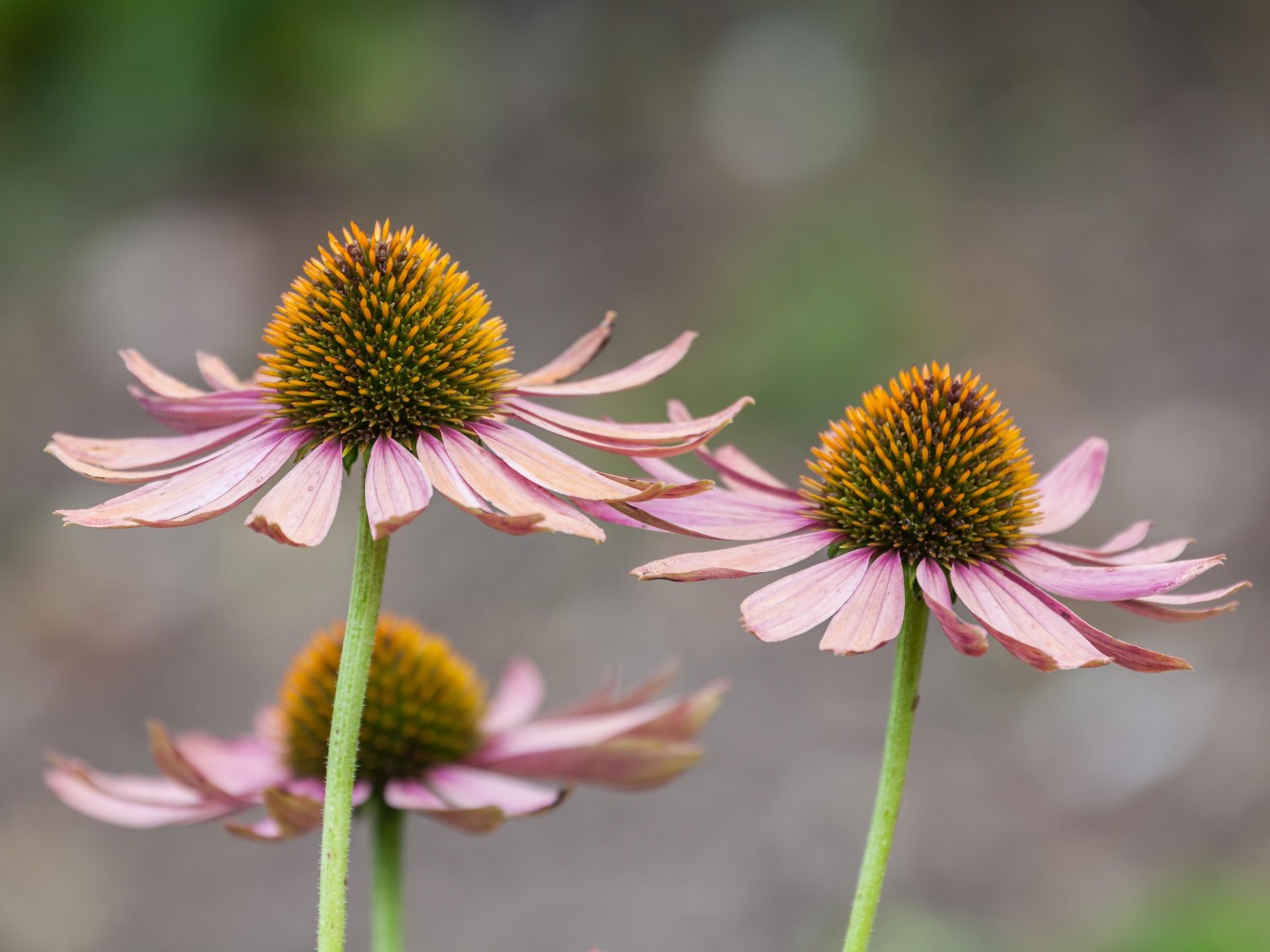
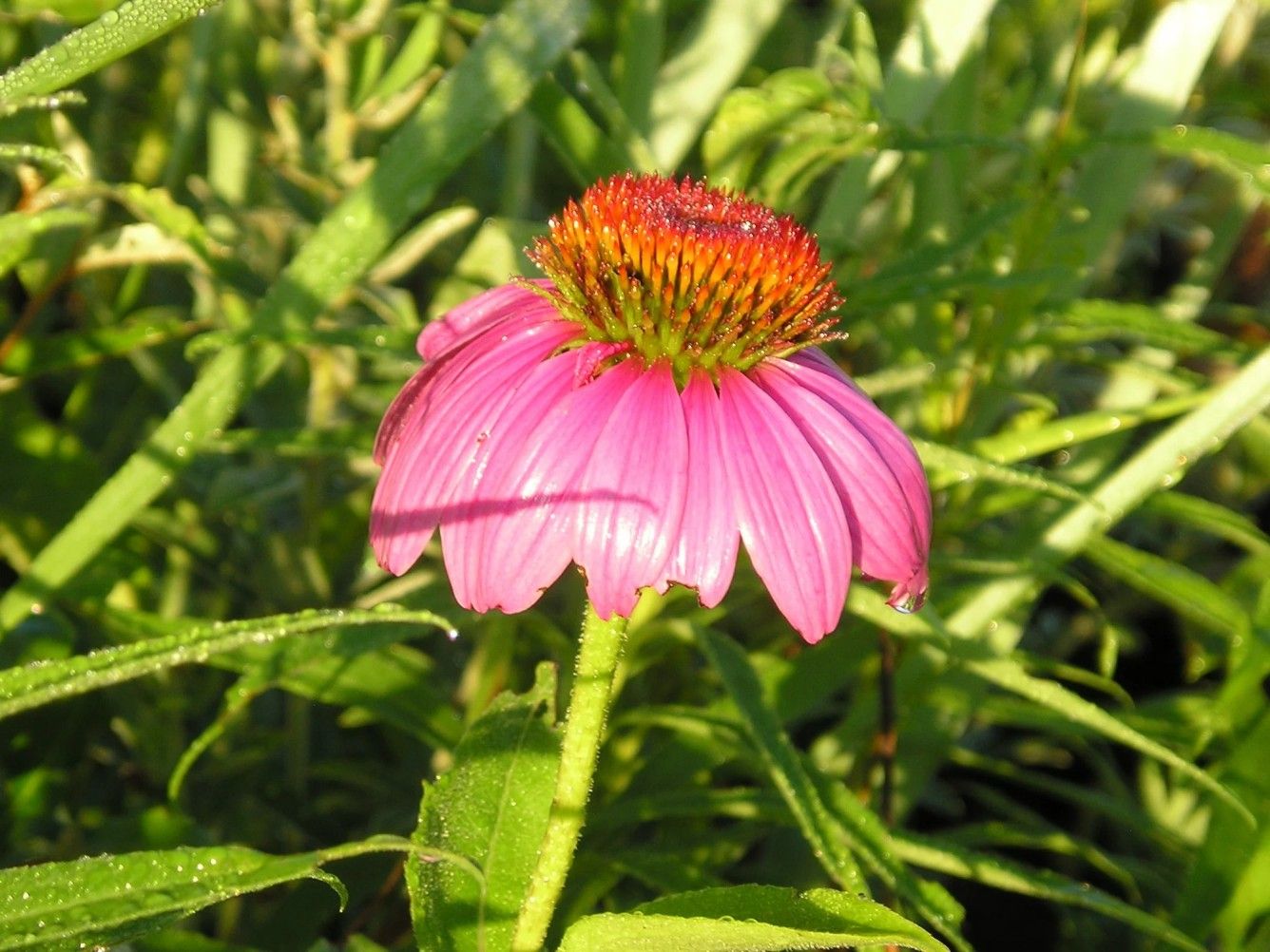
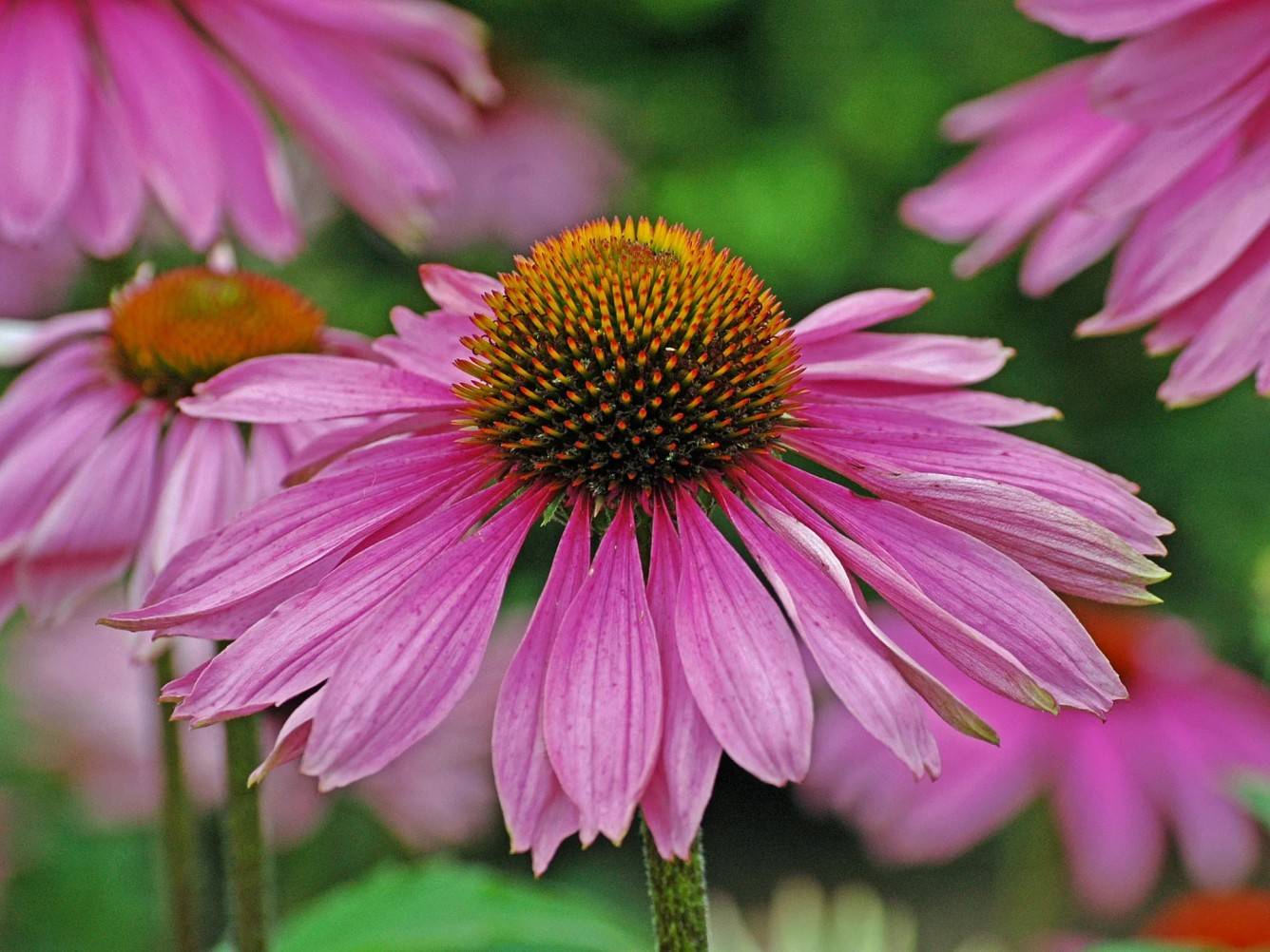
Echinacea purpurea is a hardy perennial native to North America. Recognized for its vibrant, daisy- purple flowers with prominent spiny centers, it thrives in sunny gardens and well-drained soil. Echinacea is widely known for its medicinal properties, particularly in boosting the immune system and relieving cold symptoms. It attracts pollinators bees and butterflies, making it a favorite in pollinator gardens. Easy to grow and drought-tolerant, it adds both beauty and function to landscapes.
Popular Plant Encyclopedia
-
-
Poisonous and danger
- Rhus typhina
-
-
-
Edible and medicinal
- Common sunflower
-
-
-
Poisonous and danger
- Plumeria rubra
-
-
-
Wild and common weed
- Convolvulus arvensis
-
-
-
Edible and medicinal
- Perilla frutescens
-
-
-
Edible and medicinal
- Pogostemon cablin
-
-
-
Edible and medicinal
- Common fenugreek
-
-
-
Edible and medicinal
- Garden Thyme
-
 Poisonous and danger
 Wild and common weed
Advertisement