Echinochloa crus-galli
-
 Wild and common weed
 - Also known as Barnyard Grass, Cockspur, Japanese Millet, or Water Grass.
 Wild and common weed
Nursing Skills
Echinochloa crus-galli is a robust plant that thrives in full sun and moist, well-drained soil. It prefers warm climates and can tolerate a range of soil types, including clay, loam, and sandy soils. Regular watering is essential, especially during dry periods, but avoid waterlogging which can lead to root rot. Pruning back the plant can help manage its growth and prevent it from taking over a garden.
Advertisement
Plant Properties
-
- rowth cycle
- annual
-
- Flowering period
- summer, autumn
-
- Plant height
- 30 cm to 150 cm
-
- Leaf color
- green
-
- Fruit color
- brown
-
- Stem color
- green
-
- Plant type
- herbaceous plant
-
- Flower color
- green, purple
Plant Care Requirements
-
Care difficulty
Very low
-
Planting time
Spring
-
Light requirements
Full sun
-
Humidity requirements
Moderate
-
Soil requirements
Any soil, tolerant to poor soils
-
Fertilizer requirements
Low
-
Ideal temperature
20 - 35℃
Advertisement
Plant Care Guide
-
How often should I water?
As an adaptable plant, barnyard grass needs to adjust its watering frequency according to the environment. It is generally recommended to water when the topsoil (about 2-3 cm) is dry to avoid over-wetting. In hot summer or dry areas, watering can be done 1-2 times a week, and in winter or humid environments, it can be reduced to once every 10 days. Pay attention to drainage to avoid water accumulation and root rot.
-
What type of soil is needed?
Well-drained fertile soilBarnyard grass prefers loose, well-drained soil, such as sandy loam or general gardening soil mixed with leaf mold. Avoid using heavy or compacted soil, otherwise it may cause root hypoxia. If the soil is poor, add decomposed compost or slow-release fertilizer to improve fertility.
-
How to fertilize?
Apply thin fertilizer frequentlyApply balanced liquid fertilizer once a month during the growing season (spring and summer), diluted to 1/2 of the recommended concentration. Avoid excessive fertilization, otherwise it will easily lead to wild growth of stems and leaves and reduced disease resistance. Stop fertilizing during the winter dormancy period.
-
Is it necessary to prune?
Regular pruning to control plant shapeBarnyard grass grows rapidly, and it is recommended to regularly prune the yellow or dense leaves to promote ventilation. If it is maintained as an ornamental grass, a certain height (such as 20-30 cm) can be retained to avoid excessive pruning that affects the appearance. After flowering, remove the remaining flowers in time to reduce nutrient consumption.
-
How to prevent and control diseases and pests?
Prevention firstBarnyard grass has strong disease resistance, but it may be infected with leaf spot or aphids in high temperature and high humidity environments. Maintaining ventilation and avoiding water on the leaves can prevent diseases. If pests are found, they can be sprayed with soapy water or removed manually. In severe cases, biological agents (such as matrine) can be used for prevention and control to avoid chemical pesticide residues.
-
How to propagate?
division or sowingIt can be propagated by division in spring or autumn, and the lateral buds next to the mother plant can be separated and replanted. Sowing needs to be done in an environment of 20-25℃, covered with about 1 cm of soil, and the soil should be kept moist. It can germinate in 7-10 days. Pay attention to the spacing during reproduction (more than 20 cm per plant) to avoid competition for nutrients.
Advertisement
Frequently Asked Questions
-
1 Can Echinochloa crus-galli be used as a crop?
Echinochloa crus-galli, particularly the variety known as Japanese Millet, is cultivated as a grain crop in some parts of the world, particularly in Asia. It's harvested for its seeds, which can be used as bird feed or milled into flour for human consumption.
-
2 How can I control the growth of Echinochloa crus-galli in my garden?
Regular weeding and mowing can help control the growth of Echinochloa crus-galli in your garden. It's important to remove the plants before they set seed to prevent further spread. Using a thick layer of mulch can also help suppress the growth of this grass.
-
3 Is Echinochloa crus-galli harmful to other plants?
As a vigorous and competitive plant, Echinochloa crus-galli can crowd out other plants in your garden. Its dense growth habit can shade out other plants and it can also compete for nutrients and water in the soil.
-
4 Can Echinochloa crus-galli grow in shade?
Echinochloa crus-galli prefers full sun but it can tolerate some shade. However, plants growing in shade may be less vigorous and produce fewer seeds compared to those growing in full sun.
-
5 Is Echinochloa crus-galli resistant to herbicides?
Echinochloa crus-galli has shown resistance to certain types of herbicides, making it a challenging weed to control in agricultural settings. However, it's still susceptible to many other types of herbicides. Always follow the manufacturer's instructions when using herbicides and consider integrating other weed management strategies to control this plant effectively.
Advertisement
Introduction
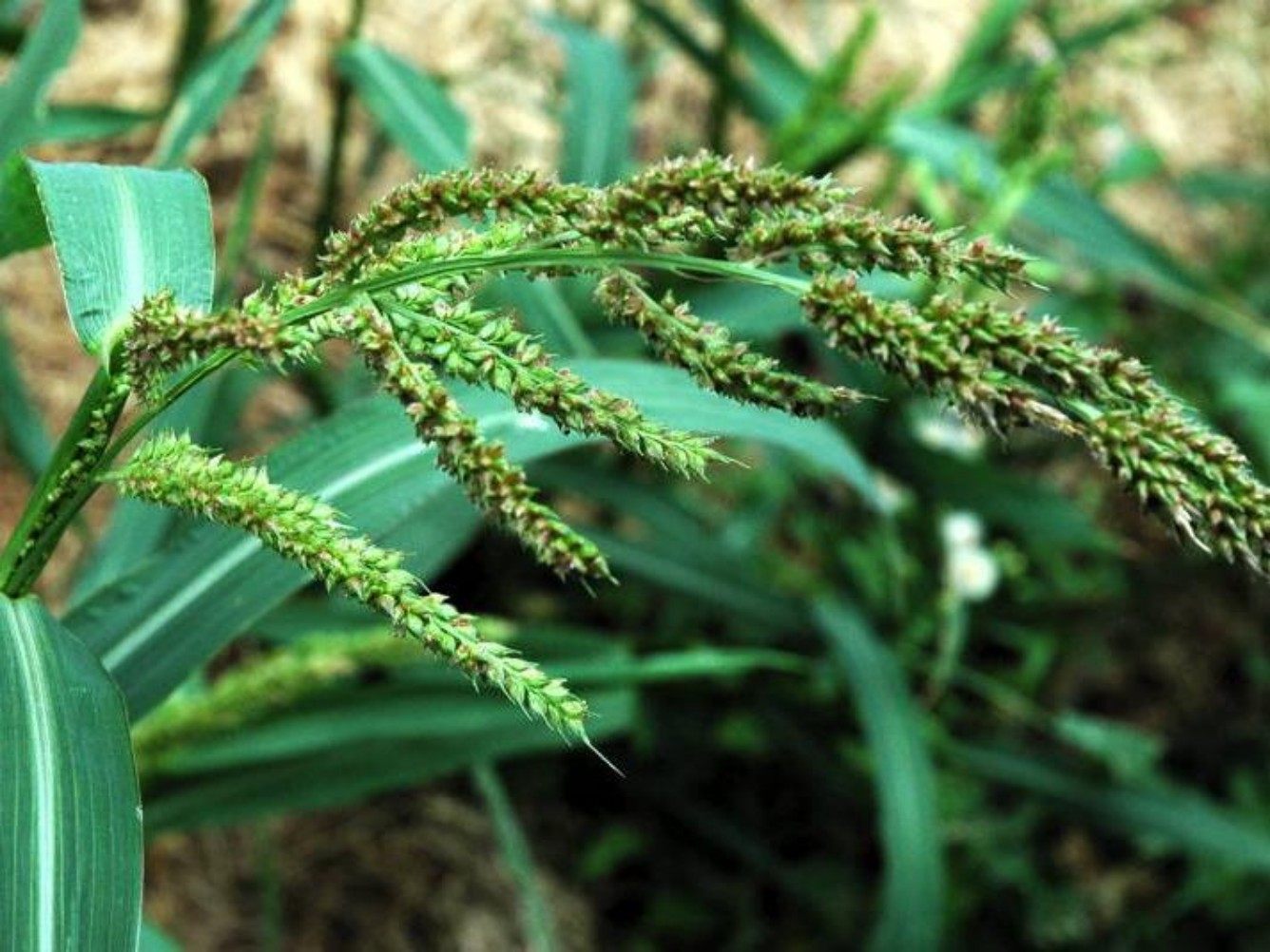
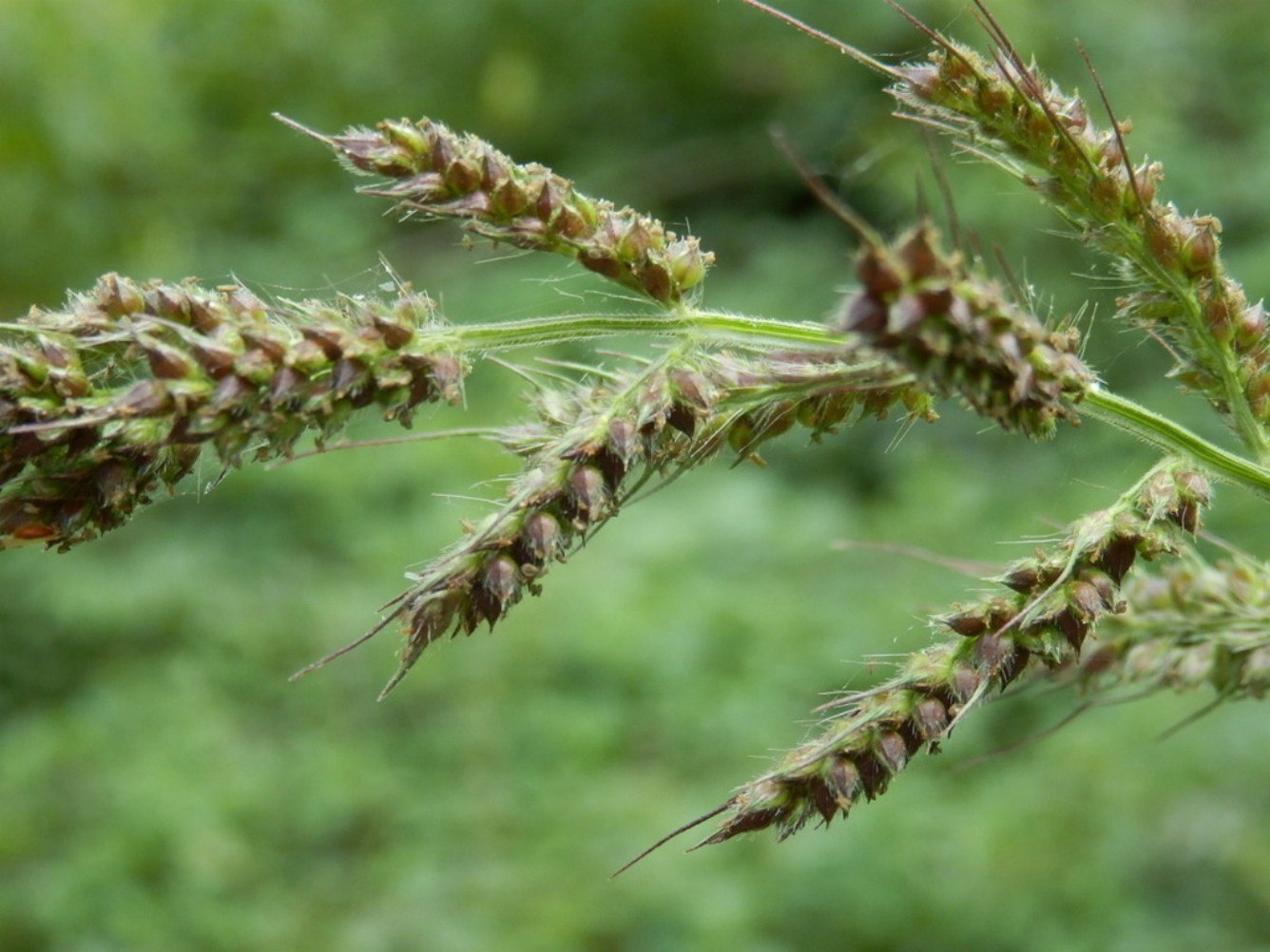
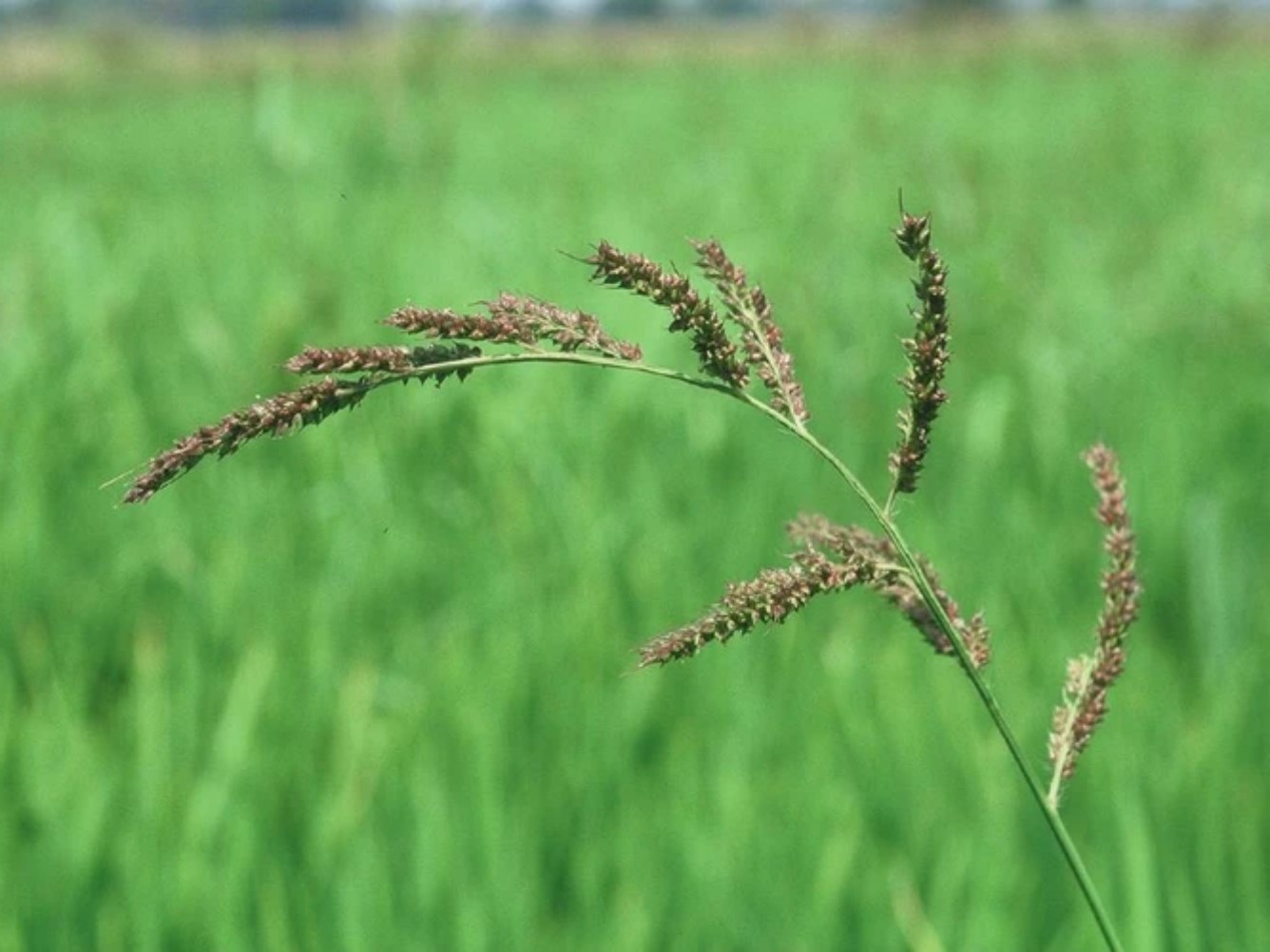
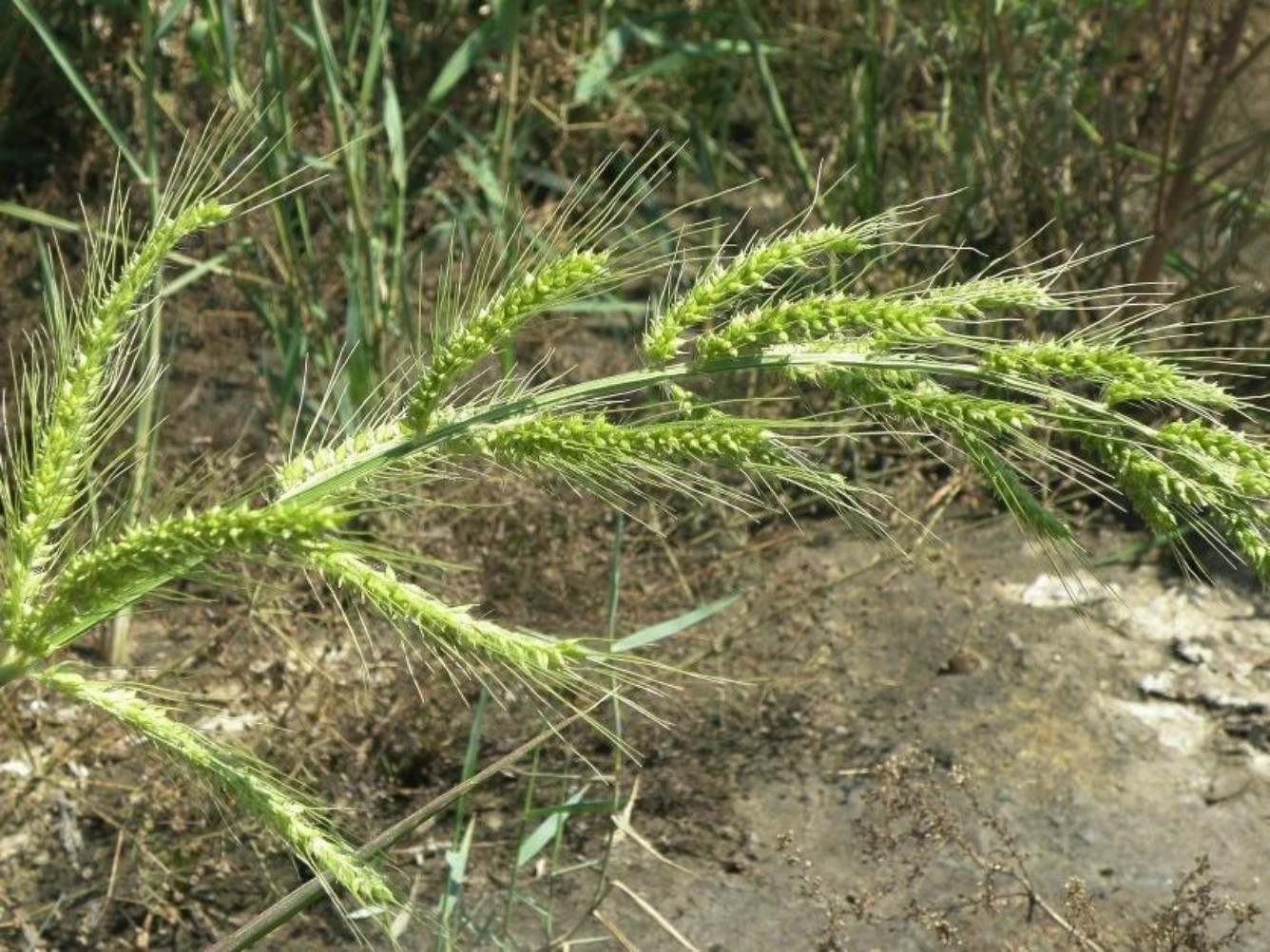
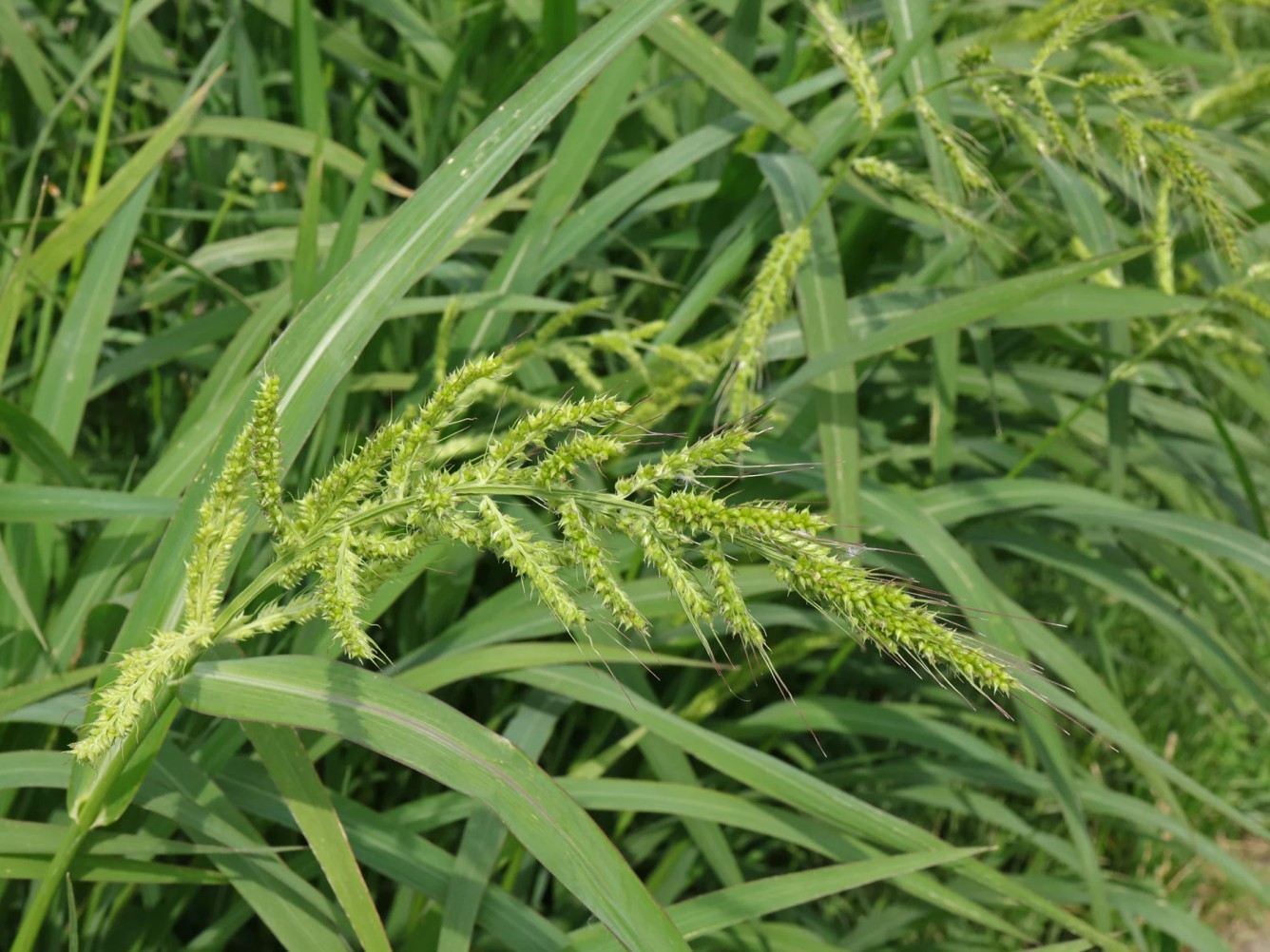
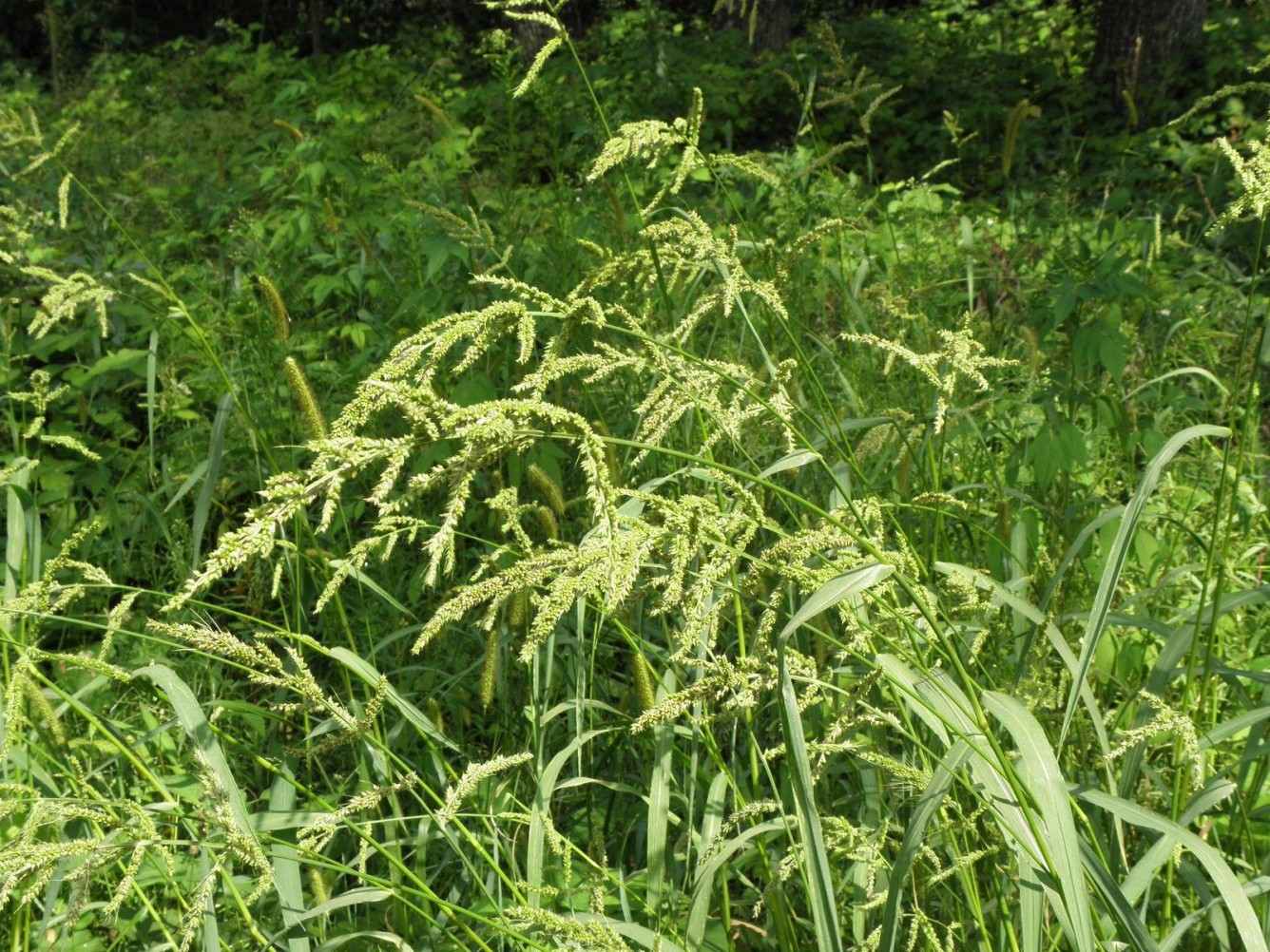
Echinochloa crus-galli, commonly known as Barnyard Grass or Cockspur, is a hardy, annual grass native to tropical Asia. Its characterized by its coarse, thick stems that can reach up to 5 feet in height, and broad, flat leaves. It produces dense clusters of flowers and seeds on a central stalk. Although often considered a weed due to its invasive nature and resistance to certain herbicides, it has uses in some traditional agricultural systems. In some parts of the world, its cultivated as a grain crop, and its dense growth can provide habitat for various wildlife species.
Popular Plant Encyclopedia
-
-
Poisonous and danger
- Rhus typhina
-
-
-
Edible and medicinal
- Common sunflower
-
-
-
Poisonous and danger
- Plumeria rubra
-
-
-
Wild and common weed
- Convolvulus arvensis
-
-
-
Edible and medicinal
- Perilla frutescens
-
-
-
Edible and medicinal
- Pogostemon cablin
-
-
-
Edible and medicinal
- Common fenugreek
-
-
-
Edible and medicinal
- Garden Thyme
-
 Poisonous and danger
 Edible and medicinal
Advertisement