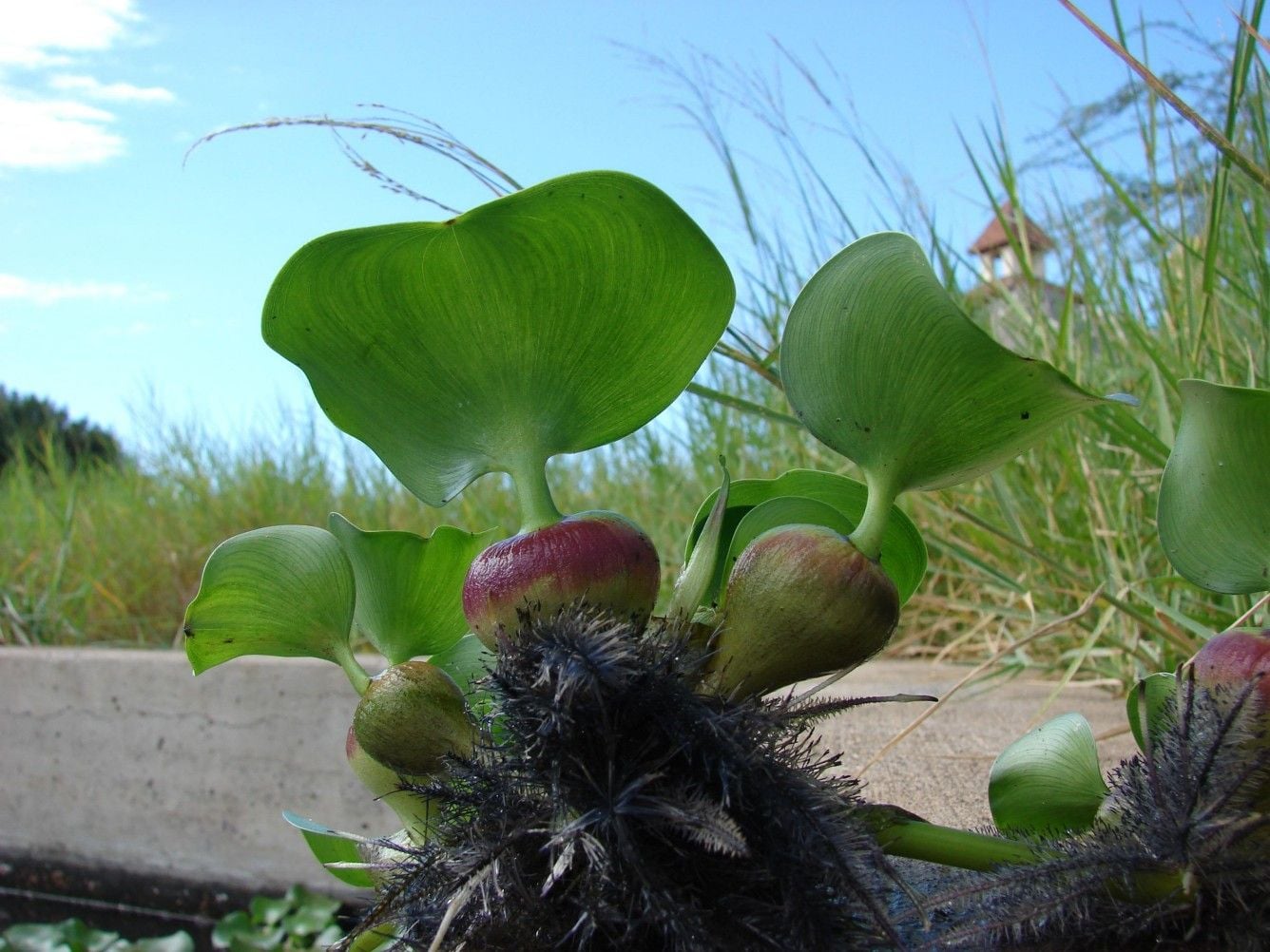
Eichhornia crassipes
-
 Wild and common weed
 - Also known as Water Hyacinth
 Wild and common weed
Nursing Skills
Eichhornia crassipes, thrives in calm freshwater environments with full sun exposure. It prefers nutrient-rich water and requires no additional fertilization. Overcrowding can be prevented by manually removing excess plants. In colder climates, it needs to be overwintered indoors as its frost-sensitive. Be mindful of its invasive nature and never dispose of it in natural water bodies.
Advertisement
Plant Properties
-
- Toxicity
- non-toxic
-
- Growth cycle
- perennial
-
- Flowering period
- July-October
-
- Plant height
- 20-50 cm
-
- Leaf color
- bright green
-
- Plant type
- floating herb
-
- Flower diameter
- about 3-4 cm
-
- Flower color
- lavender, blue-purple
Plant Care Requirements
-
Care Difficulty
Low
-
Planting Time
Spring and Summer
-
Light Requirements
Full sun to half sun
-
Water Quality Requirements
strong pollution resistance
-
Ideal Temperature
20-30℃
-
Fertilizer Requirements
Low
Advertisement
Plant Care Guide
-
What kind of light conditions are suitable?
sufficient lightEichhornia crassipes thrives in full sun. For optimal growth, it requires at least six hours of direct sun each day. Full sun allows for rapid growth and helps it produce its bright lavender flowers. However, water hyacinth can tolerate partial shade, but growth may be slower and the number of flowers may be reduced. Note that in areas with intense summer sun, providing some shade during the hottest part of the day can help prevent the plant from burning.
-
What is the suitable growth temperature?
warm environmentEichhornia crassipes prefers a warm growth environment, and the most suitable temperature range is between 20 and 30 degrees Celsius. In this temperature range, Eichhornia crassipes grows faster and the plant metabolism is active. When the temperature is below 15 degrees Celsius, its growth will slow down significantly; if the temperature is below 10 degrees Celsius, it may enter a dormant state; and if the temperature is too high, exceeding 35 degrees Celsius, it will also have an adverse effect on its growth.
-
Is it necessary to fertilize? How often should it be fertilized?
Regular fertilizationEichhornia crassipes grows rapidly and has a large demand for nutrients, so it needs to be fertilized regularly. Generally, a thin organic fertilizer or compound fertilizer rich in nitrogen, phosphorus, and potassium is applied every 1-2 months. When fertilizing, pay attention to controlling the amount of fertilizer to avoid burning the plant due to excessive fertilizer concentration. The fertilizer can be evenly spread around the water area where the water hyacinth grows, allowing it to slowly dissolve and be absorbed by the plant.
-
How to propagate?
Mainly propagated by divisionEichhornia crassipes mainly propagates by division. In the peak growing season, select strong plants with roots, and use a clean and sharp knife to cut them off from the mother plant, ensuring that each division has enough roots and leaves. Then place the division directly in a suitable water environment, give it sufficient light and water, and the division will soon adapt to the new environment and start growing.
-
Is it necessary to prune? How to prune?
Timely pruningEichhornia crassipes grows vigorously, and timely pruning is necessary. When the plant has yellow leaves, dead leaves or grows too densely, it needs to be pruned. Use scissors to carefully cut off the yellow leaves and dead leaves to keep the plant beautiful and reduce nutrient consumption. For the overly dense parts, appropriate thinning can be done to improve ventilation and light conditions and promote the overall healthy growth of water hyacinth.
-
What kind of water environment is suitable for growth?
Eutrophic still waterEichhornia crassipes is suitable for growth in eutrophic still water. This kind of water is rich in nutrients such as nitrogen and phosphorus, which can provide sufficient nutrients for the growth of Eichhornia crassipes. It is more suitable to keep the pH of the water at a pH of 6-7.5. Avoid placing it in places with turbulent water, otherwise it will not be conducive to rooting and stable growth. At the same time, it is necessary to ensure that the water has a certain depth, generally more than 30 cm is more suitable.
Advertisement
Frequently Asked Questions
-
1 Does Eichhornia crassipes have any benefits?
Despite its reputation as an invasive species, Eichhornia crassipes does have some benefits. It's often used in water treatment systems due to its ability to absorb heavy metals and other pollutants from the water. It can also provide habitat for a variety of aquatic species. Some cultures use it as a source of compost or as feed for livestock. However, these benefits must be carefully balanced against the potential harm it can cause to local ecosystems if not properly managed.
-
2 How can I control the growth of Eichhornia crassipes in my pond?
Controlling the growth of Eichhornia crassipes involves regular maintenance and vigilance. Manually remove excess plants regularly to prevent overcrowding. It's important to dispose of these plants properly, as they can easily take root and spread if they find their way into natural water bodies. In large ponds or lakes, biological control methods such as introducing insects or fish that feed on Water Hyacinth can be effective.
-
3 Can Eichhornia crassipes survive winter?
Eichhornia crassipes is a tropical plant and is not frost-tolerant. In regions where temperatures drop below freezing, Water Hyacinth will typically die off. However, it can survive mild winters if the water doesn't freeze. In colder climates, it's recommended to overwinter the plant indoors or in a greenhouse.
-
4 Is Eichhornia crassipes harmful to fish?
While Eichhornia crassipes can provide habitat and food for some species of fish, it can also cause problems if it becomes too abundant. Dense mats of Water Hyacinth can reduce oxygen levels in the water, which can be harmful to fish and other aquatic animals. It can also block sunlight from reaching underwater plants that produce oxygen and serve as food for fish.
-
5 How does Eichhornia crassipes reproduce?
Eichhornia crassipes reproduces both sexually and asexually. It produces lavender-blue flowers that, once pollinated, develop into seed pods. These seeds can remain viable for many years. Asexually, the plant produces runners or stolons that grow out from the parent plant to form new plants. This method of reproduction allows Water Hyacinth to spread rapidly across the surface of a water body.
Advertisement
Introduction
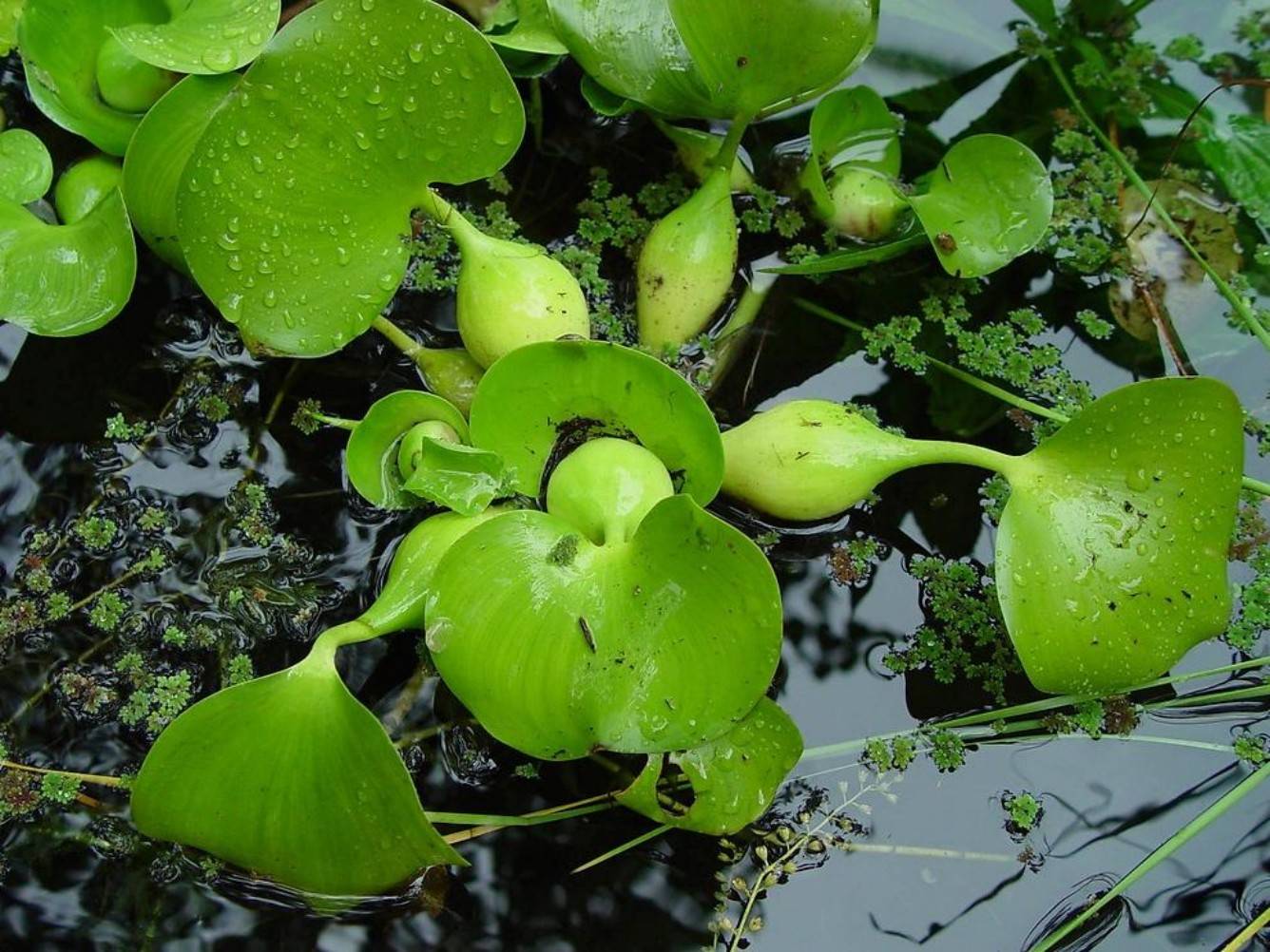
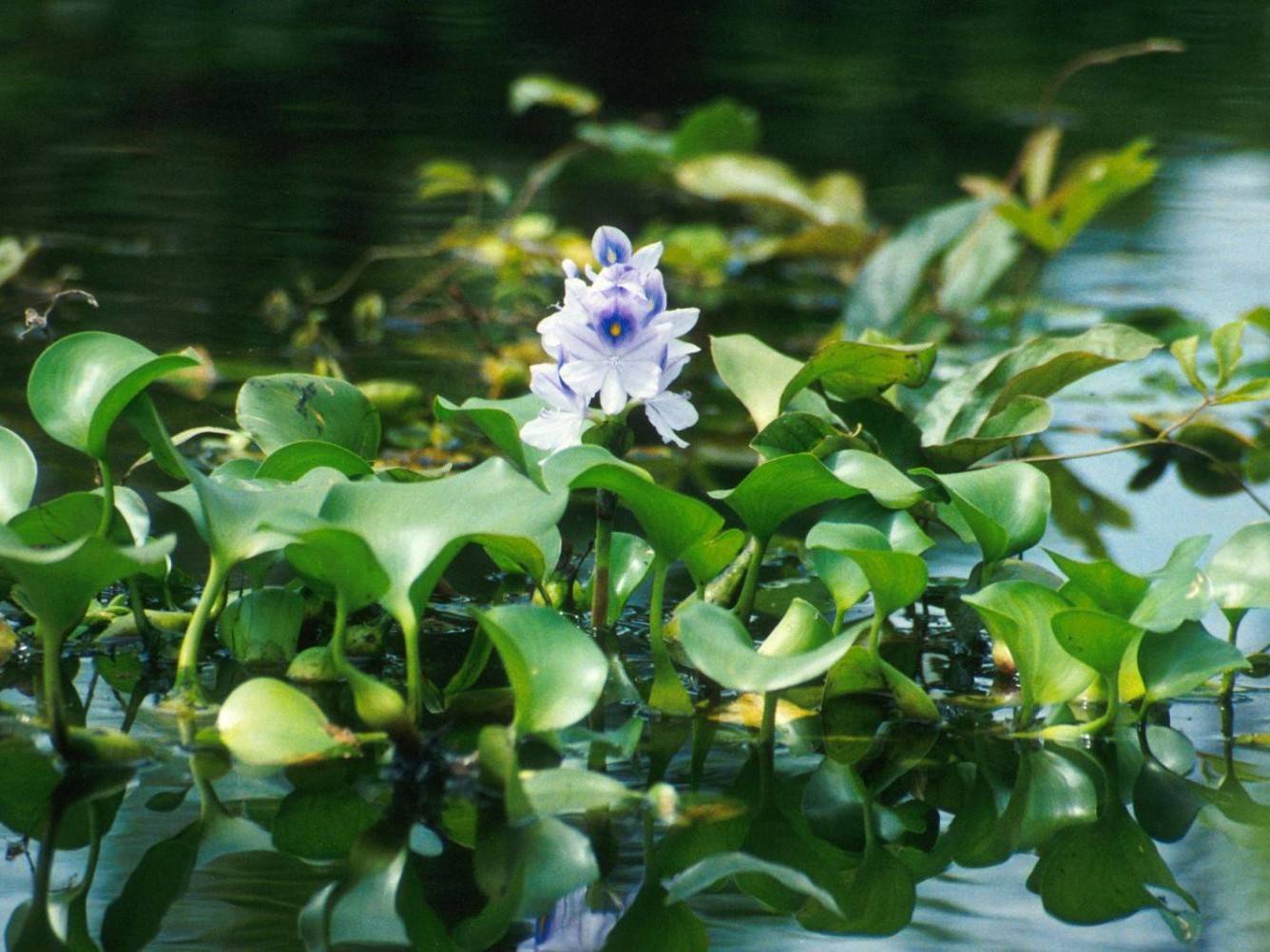
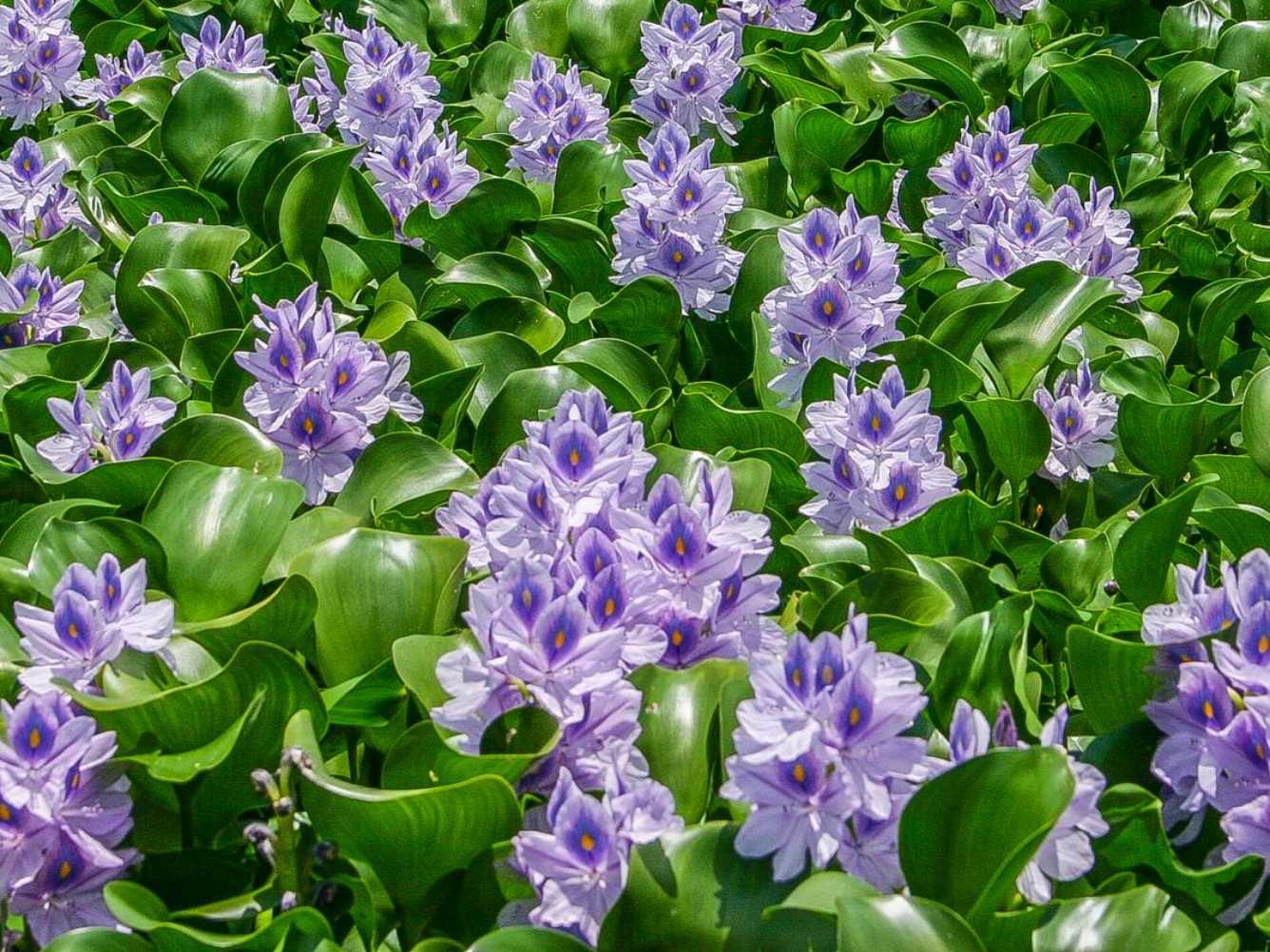
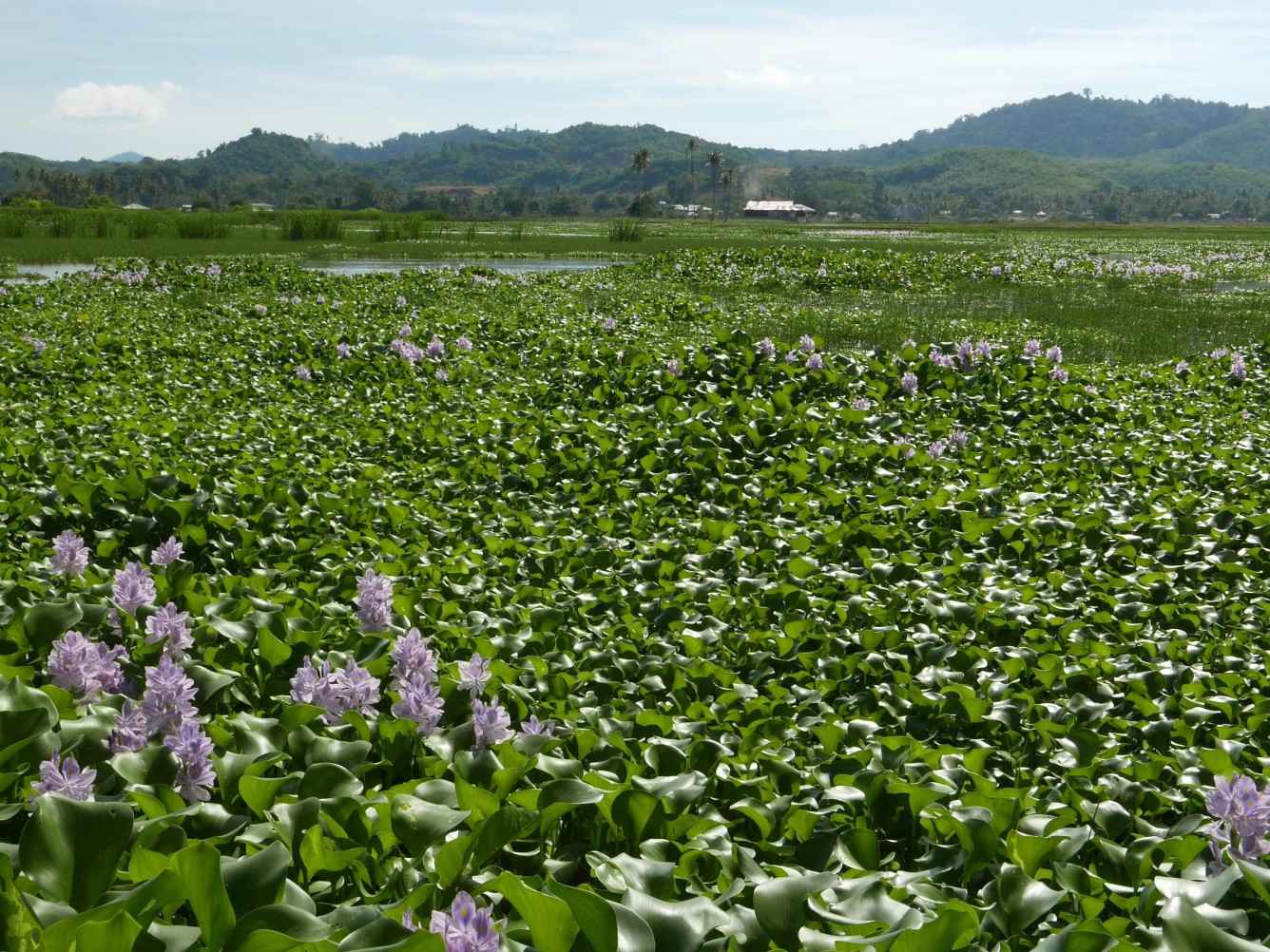
Eichhornia crassipes is a free-floating perennial aquatic plant native to South America. Its recognized by its thick, glossy, rounded leaves and striking lavender-blue flowers with a yellow spot. This fast-growing plant forms dense mats on the water surface, providing habitat for aquatic species. However, its rapid growth can also lead to significant ecological issues, blocking waterways and outcompeting native species, leading to its classification as an invasive species in many regions. Despite this, its often used in water gardens and ponds for its ornamental appeal and ability to absorb excess nutrients.
Popular Plant Encyclopedia
-
-
Poisonous and danger
- Rhus typhina
-
-
-
Edible and medicinal
- Common sunflower
-
-
-
Poisonous and danger
- Plumeria rubra
-
-
-
Wild and common weed
- Convolvulus arvensis
-
-
-
Edible and medicinal
- Perilla frutescens
-
-
-
Edible and medicinal
- Pogostemon cablin
-
-
-
Edible and medicinal
- Common fenugreek
-
-
-
Edible and medicinal
- Garden Thyme
-
 Poisonous and danger
 Edible and medicinal
Advertisement