English Ivy
-
 Domestic and indoor
 Domestic and indoor
Nursing Skills
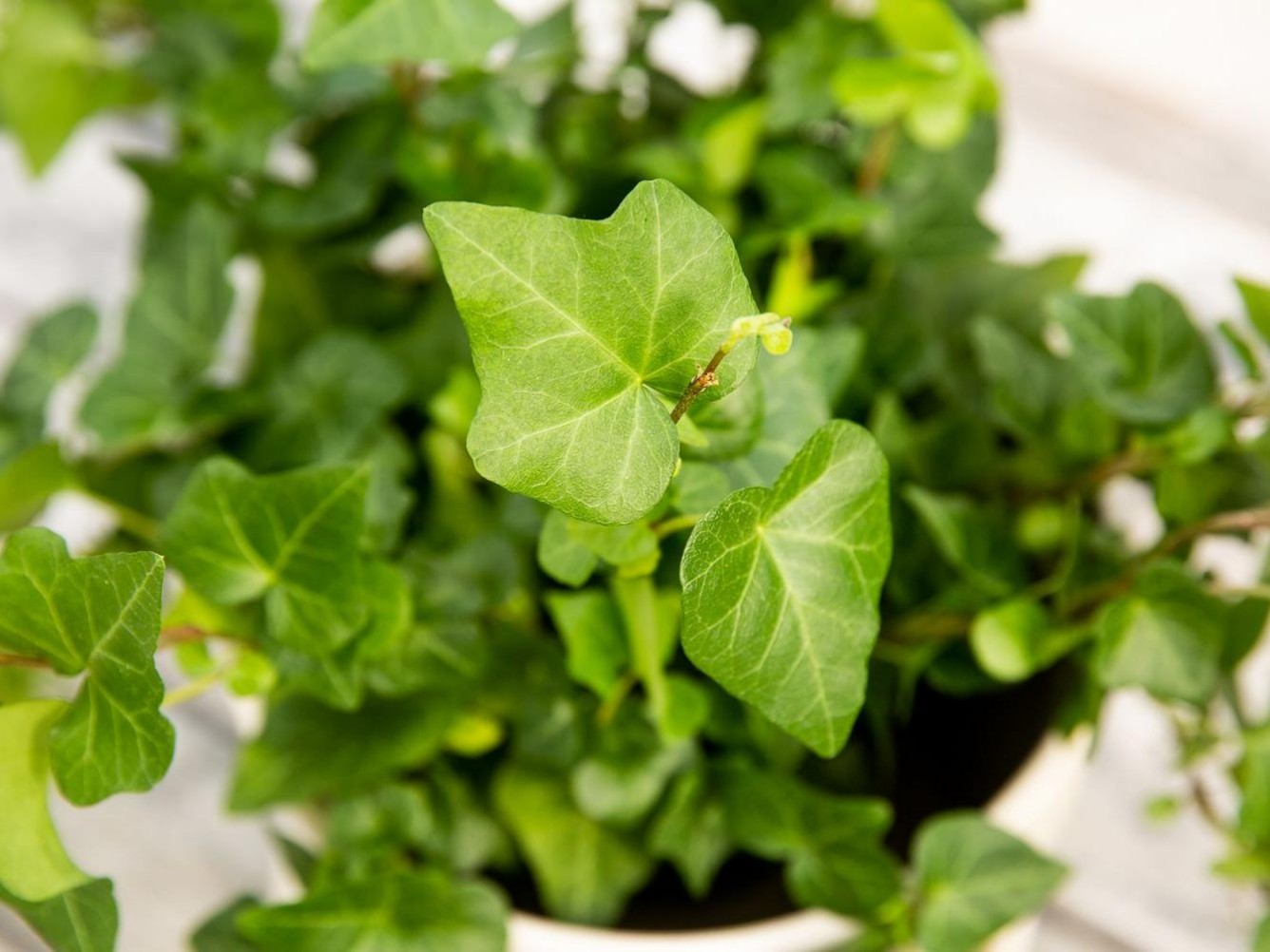
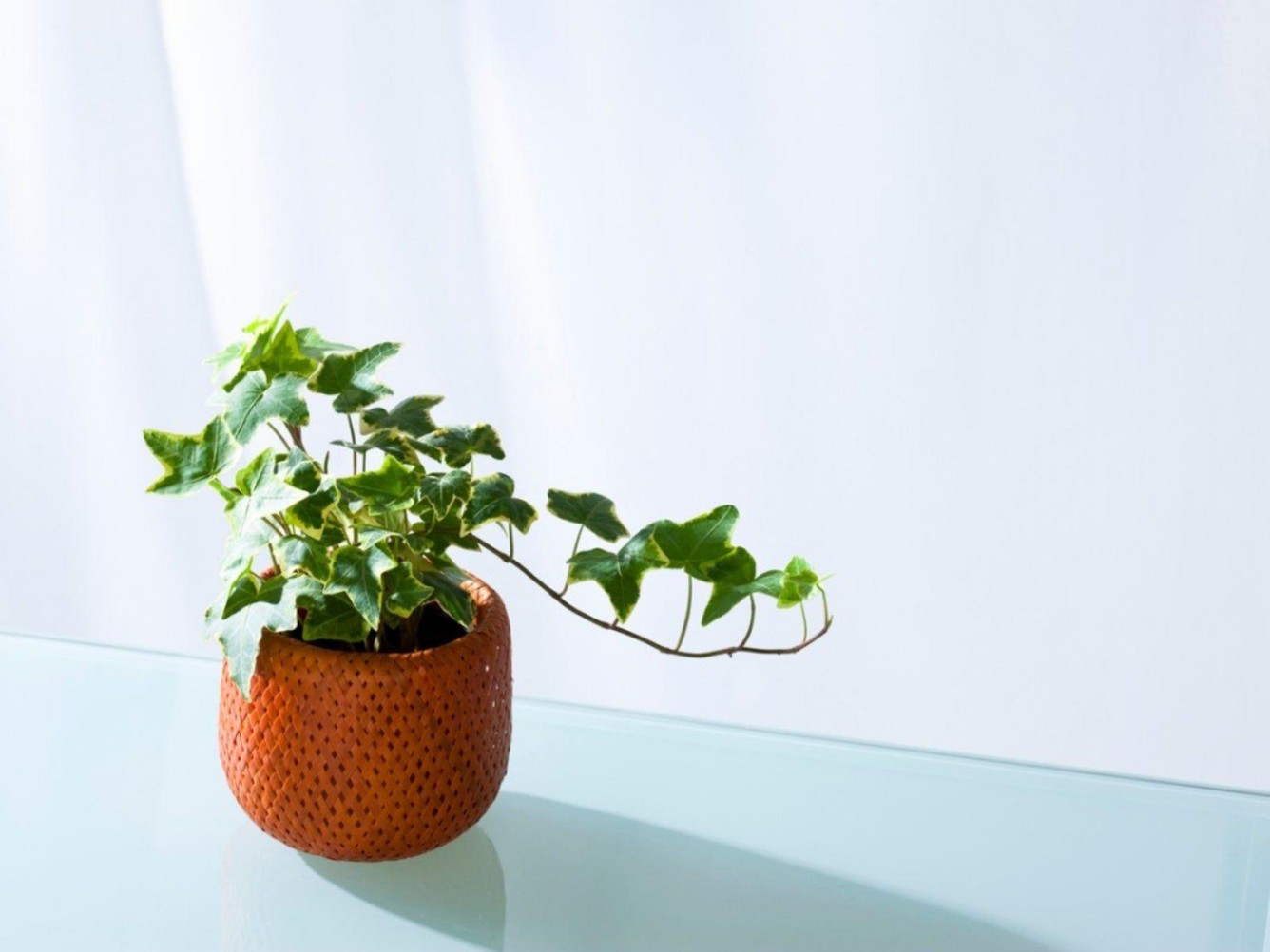
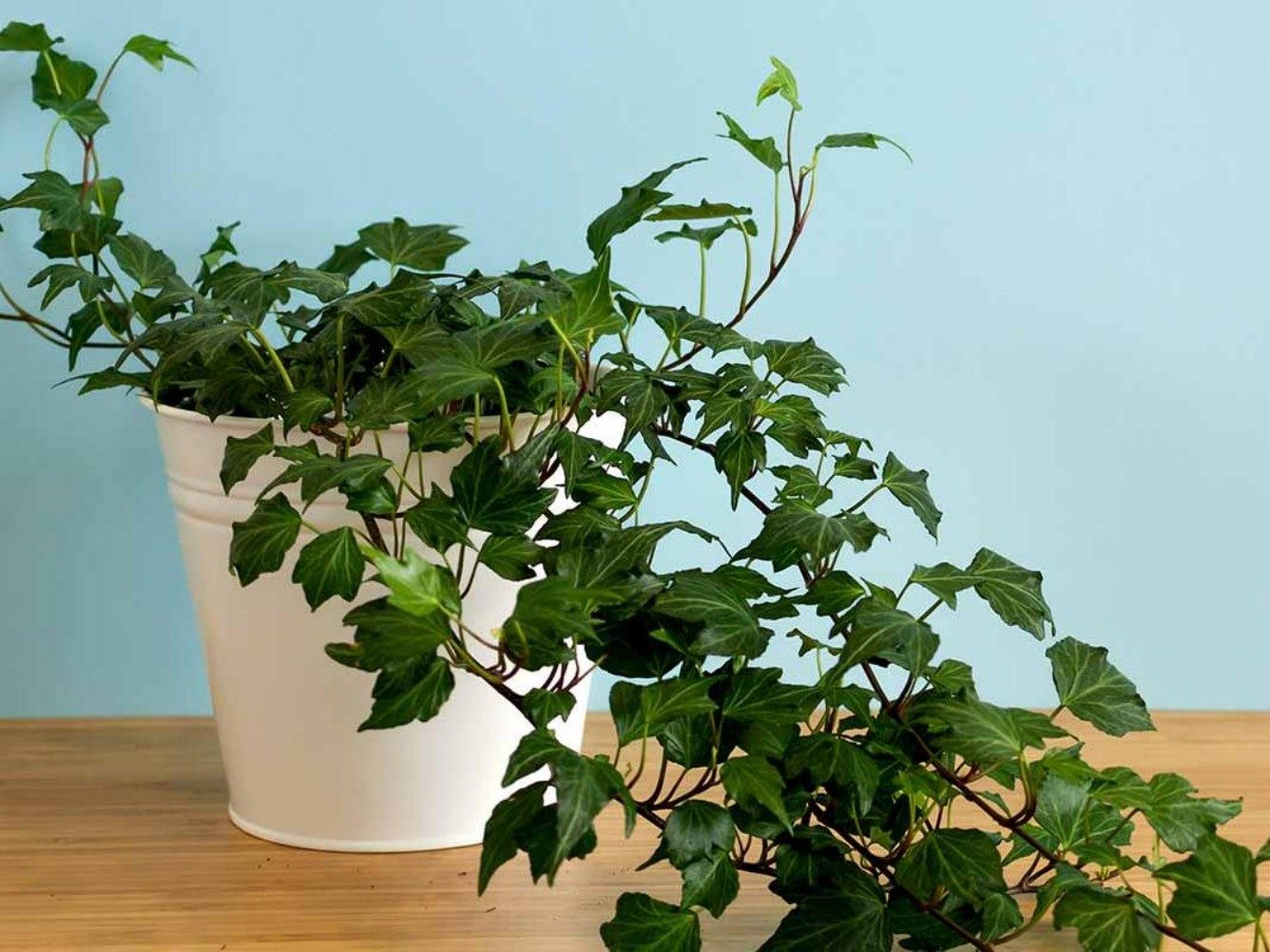
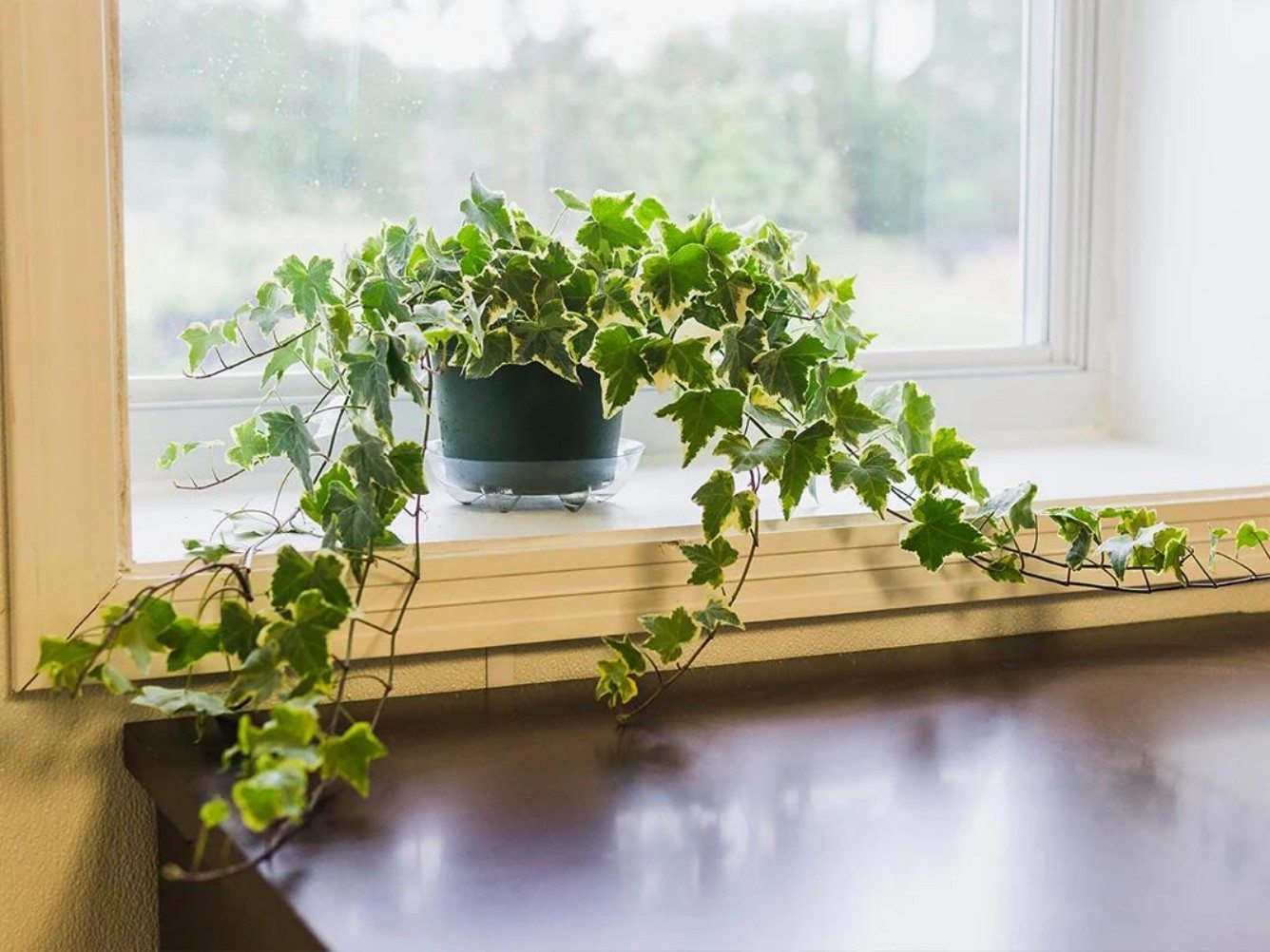
English Ivy is hardy and adap, ideal for novice plant owners. It prefers bright, indirect light but tolerates low light. Keep soil moist, not soggy, and ensure good air circulation to prevent pests. Regular pruning controls its rapid growth and encourages fullness. Occasional repotting and fertilization maintain its health and appearance.
Advertisement
Plant Properties
-
- Plant type
- Evergreen vine
-
- Plant height
- Up to 10 meters
-
- Leaf color
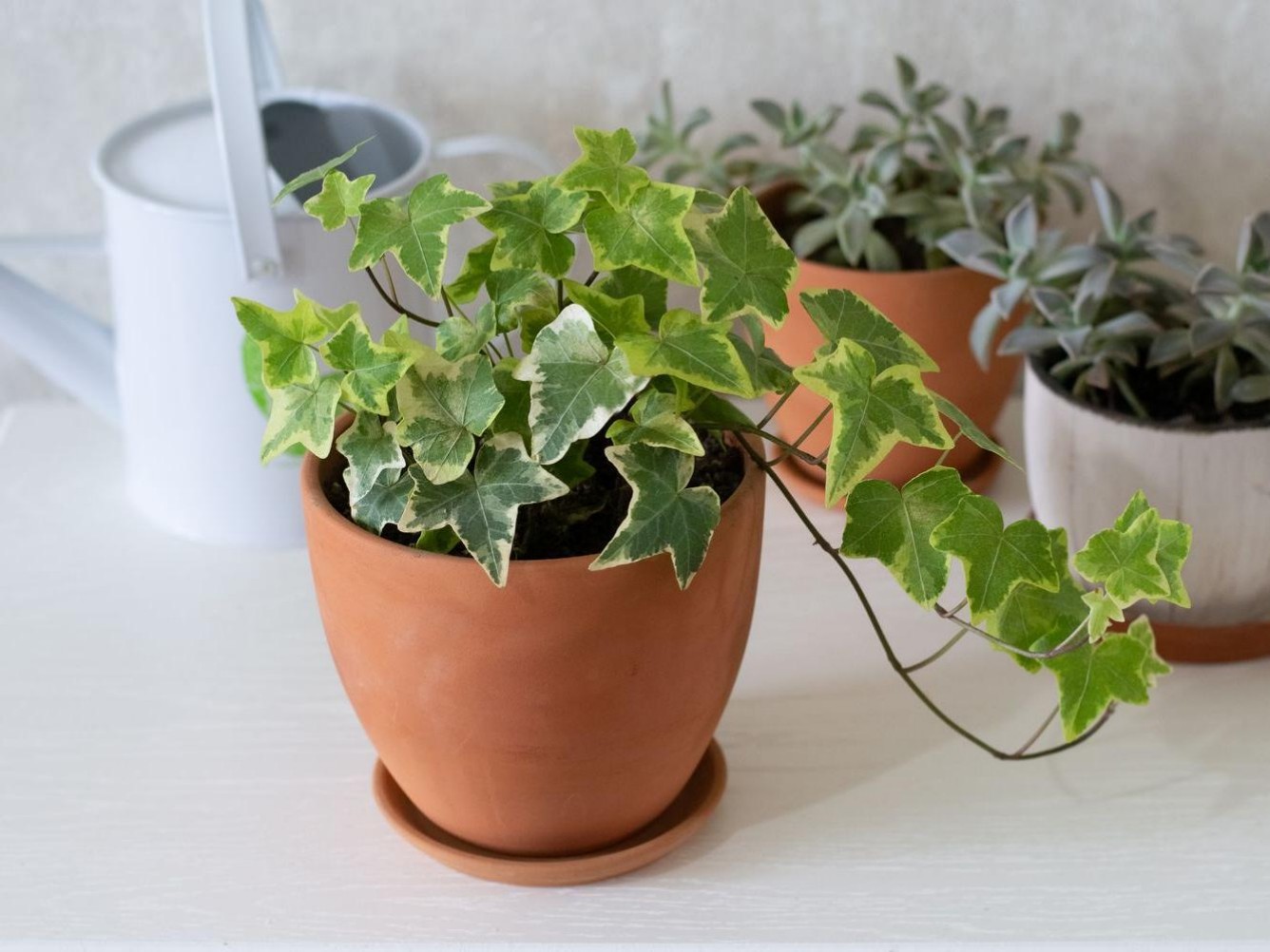
- Dark green or creamy white with yellow-green spots
-
- Leaf type
- Palmately lobed, tough texture
-
- Growth cycle
- Perennial
-
- Flowering period
- Fall
-
- Fruiting period
- Winter
-
- Toxicity
- Poisonous
Plant Care Requirements
-
Light
Bright indirect light, avoid harsh sun
-
Soil Moisture
Keep slightly moist, not soggy
-
Soil pH
Neutral to slightly alkaline
-
Watering Frequency
1–2 times weekly, less in winter
-
Fertilizing Frequency
Monthly with diluted liquid feed
-
Temperature Ideal
10–20°C
-
Planting Time
Best in spring or early fall
Advertisement
Plant Care Guide
-
How should I water English Ivy properly?
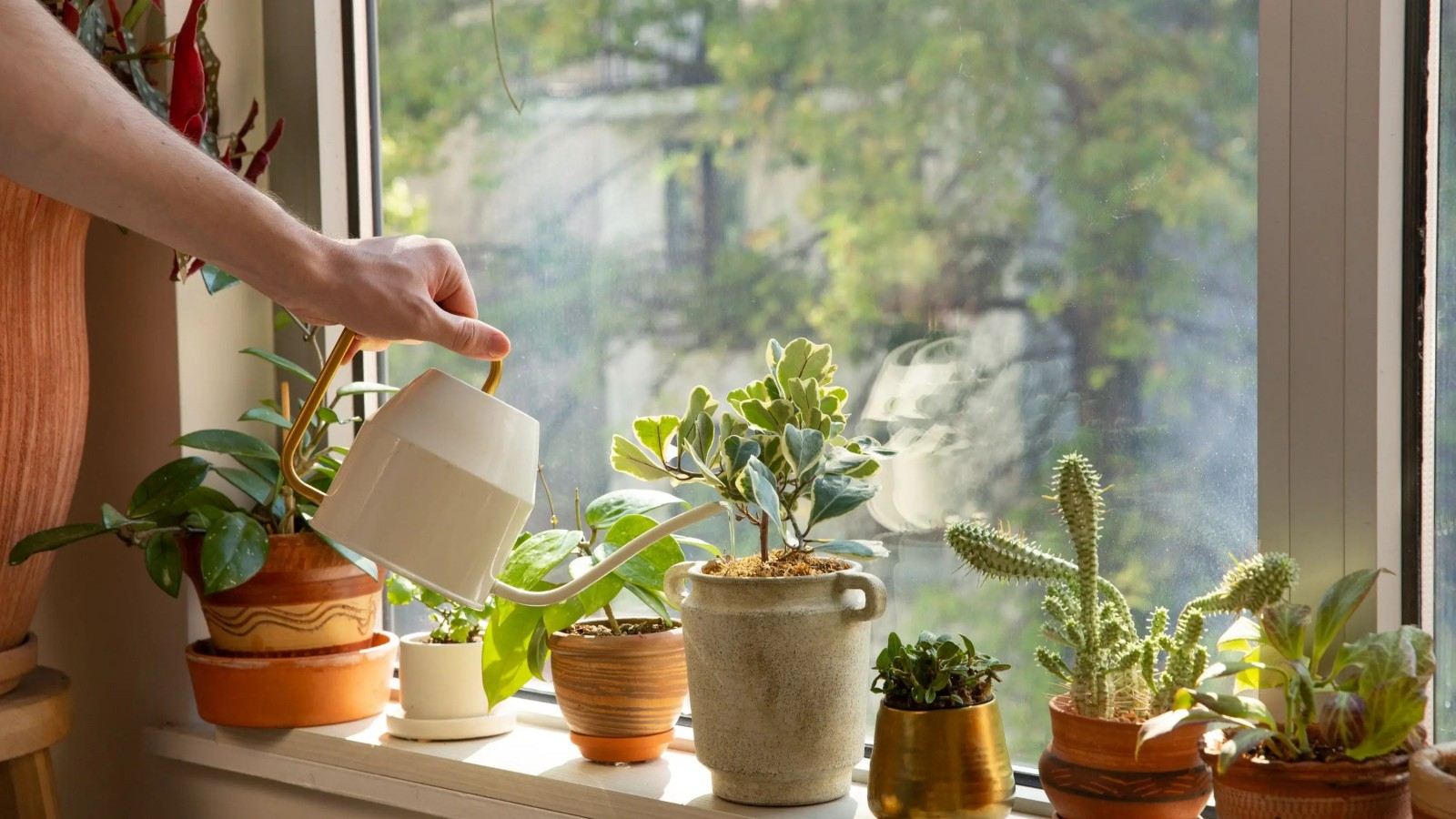
Water thoroughlyEnglish Ivy prefers consistently moist but not soggy soil. Before watering, insert your finger into the top 1–2 cm of the soil; if it feels dry, it’s time to water. Use room-temperature water and pour slowly until it drains from the bottom. Always choose pots with proper drainage holes to prevent water from pooling at the roots. In winter, water less frequently to avoid overhydration when growth slows. Mist leaves occasionally to maintain humidity, especially indoors where heating systems can dry out the air.
-
How do I prune English Ivy effectively?
Early spring or summer pruningPruning keeps English Ivy healthy and attractive. Trim back long, leggy stems during spring or early summer to encourage fuller growth. Use clean, sharp scissors or pruners, and always cut just above a leaf node. Remove yellowed or damaged leaves as needed. If the ivy is climbing or hanging, shaping the plant regularly prevents it from becoming tangled or invasive. For indoor ivy, prune more often to control spread and stimulate denser foliage in compact spaces.
-
When and how should I repot English Ivy?
1–2 yearsRepotting every 1–2 years in spring helps refresh the soil and give roots more room. Choose a pot that is 2–3 cm wider than the current one, with good drainage. Remove the plant gently, shake off old soil, and trim any dead or overly long roots. Use fresh, well-draining potting mix—ideally a blend of loam, peat, and perlite. After repotting, water thoroughly and place the plant in a shaded area for a few days to reduce transplant shock before returning it to brighter light.
-
How can I control excessive spreading?
TrimmingEnglish Ivy can grow rapidly, especially outdoors. To prevent it from overtaking other plants or structures, trim back runners regularly. Indoors, you can use trellises or support wires to direct growth and prevent tangling. Cut off any vines extending beyond the desired area. In outdoor settings, monitor its growth closely, as it can become invasive in some regions. Remove any rooted runners and avoid letting the plant climb into gutters, siding, or neighboring trees.
-
Does English Ivy need support structures?
NeedYes, especially when grown vertically or as a decorative wall feature. In nature, it uses aerial rootlets to cling to rough surfaces like tree bark or stone walls. Indoors, you can train the vines along trellises, moss poles, or support wires. On smooth surfaces, use soft ties or plant clips to hold the vines in place without damaging them. Regular guidance is needed to shape the growth direction and ensure an even, aesthetically pleasing appearance, especially in hanging or upright arrangements.
-
How do I keep the leaves clean and dust-free?
Wipe down once a monthClean leaves improve photosynthesis and prevent pest buildup. Once a month, gently wipe each leaf with a damp, soft cloth to remove dust. For larger trailing plants, you can rinse the foliage with lukewarm water in the sink or shower, allowing it to drip dry afterward. Avoid harsh sprays or rubbing too hard, which can damage the waxy surface. Misting also helps keep the leaves hydrated and reduces dryness, especially during winter when indoor air is dry.
-
Can English Ivy be grown in water?
YesEnglish Ivy can be propagated or even temporarily grown in water. Place cuttings in a clear container filled with clean, room-temperature water, making sure no leaves are submerged. Change the water every 5–7 days to prevent bacterial growth. Once roots are a few centimeters long, you can transfer them to soil. Long-term water growth is possible, but it requires frequent monitoring and liquid nutrients to maintain plant health, as lack of oxygen and nutrients can lead to root decline.
Advertisement
Frequently Asked Questions
-
1 Why are the leaves turning yellow and dropping?
Yellowing leaves are often a sign of overwatering or poor drainage. When roots sit in soggy soil, they become oxygen-deprived, leading to rot and nutrient imbalance. Ensure your pot has drainage holes and use a loose, well-aerated soil mix. Water only when the topsoil is dry. Other causes include insufficient light or a lack of nutrients. If your plant is in low light for long periods, move it to a brighter, indirect spot and consider using a balanced liquid fertilizer monthly during growth periods.
-
2 Why are the leaves curling or becoming dry and crispy?
Leaf curling and dryness typically result from low humidity, excessive heat, or cold drafts. Indoor air, especially in heated rooms, can be too dry for English Ivy, causing dehydration. Use a humidifier or place a water tray with pebbles under the plant pot to raise humidity. Keep the plant away from radiators, heating vents, or air conditioners. Also, make sure it’s not in direct sun, which can scorch leaves. Regular misting can help, but ensure the air circulation remains good to avoid mildew.
-
3 What pests commonly affect English Ivy?
Common pests include spider mites, mealybugs, aphids, and scale insects. These tend to infest plants in dry or poorly ventilated environments. You may notice tiny webs, sticky residue, or yellowing spots. Inspect leaf undersides regularly and isolate the plant at the first sign of infestation. Wipe leaves with insecticidal soap or neem oil solution and repeat every few days until the pests are gone. Maintaining humidity and airflow helps prevent recurrence. For severe cases, prune heavily infested areas and recheck frequently.
-
4 Why is my ivy growing sparsely with fewer leaves?
Sparse growth is usually due to inadequate light, infrequent pruning, or poor nutrition. English Ivy needs at least moderate indirect light to stay bushy and vibrant. If kept in a dim corner, it may stretch out with long stems and few leaves. Move it to a brighter spot and prune regularly to encourage branching. Use a balanced liquid fertilizer monthly during the growing season to support foliage production. Poor soil or root crowding may also hinder growth—consider repotting with fresh soil if needed.
Advertisement
Introduction
English Ivy (Hedera helix) is a perennial evergreen vine known for its climbing habit and shade tolerance. Native to Europe and Western Asia, it has become a popular ornamental plant worldwide. The leaves are palmately lobed, dark green, and often variegated with white or yellow margins in certain cultivars. Valued for both its decorative foliage and air-purifying qualities, English Ivy is widely used as a ground cover, hanging plant, or wall-climber in both indoor and outdoor settings.
Popular Plant Encyclopedia
-
-
Poisonous and danger
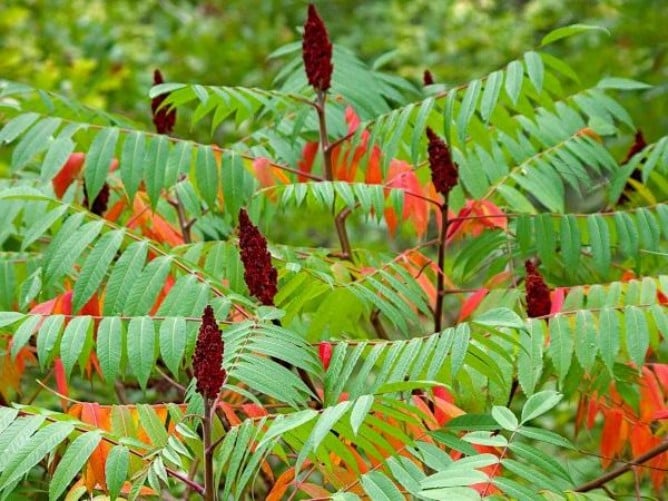
- Rhus typhina
-
-
-
Edible and medicinal
- Common sunflower
-
-
-
Poisonous and danger
- Plumeria rubra
-
-
-
Wild and common weed
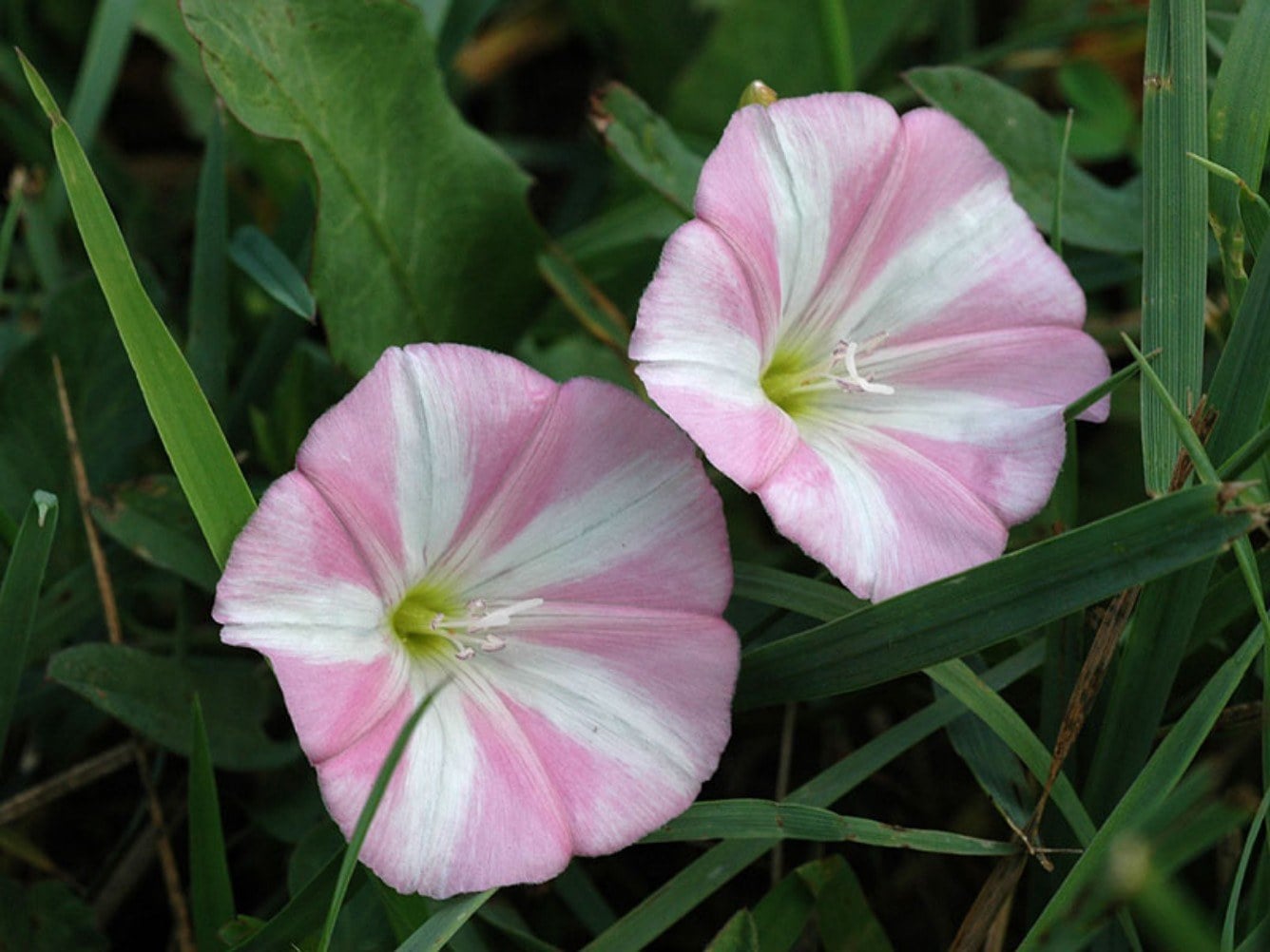
- Convolvulus arvensis
-
-
-
Edible and medicinal
- Perilla frutescens
-
-
-
Edible and medicinal
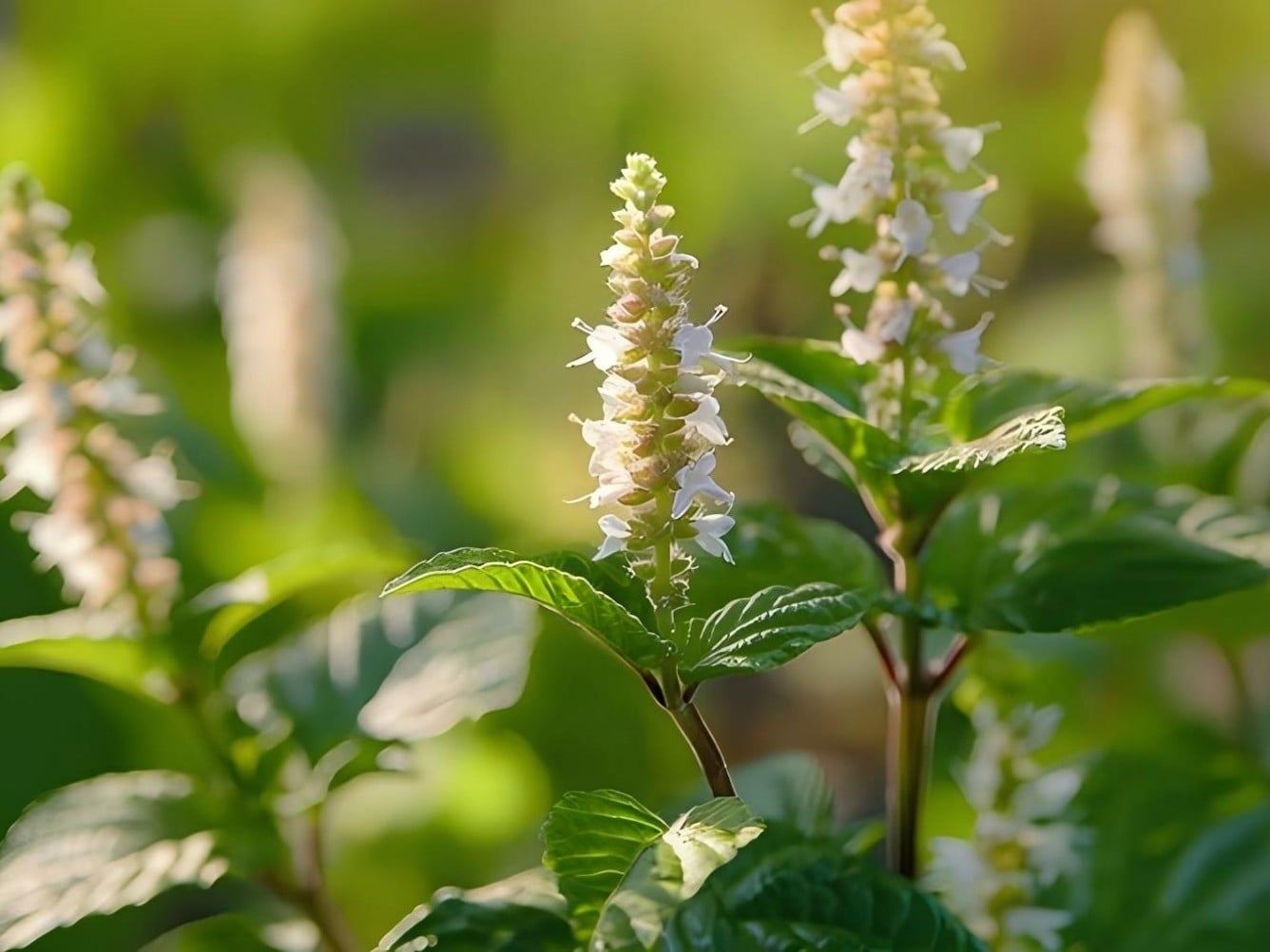
- Pogostemon cablin
-
-
-
Edible and medicinal
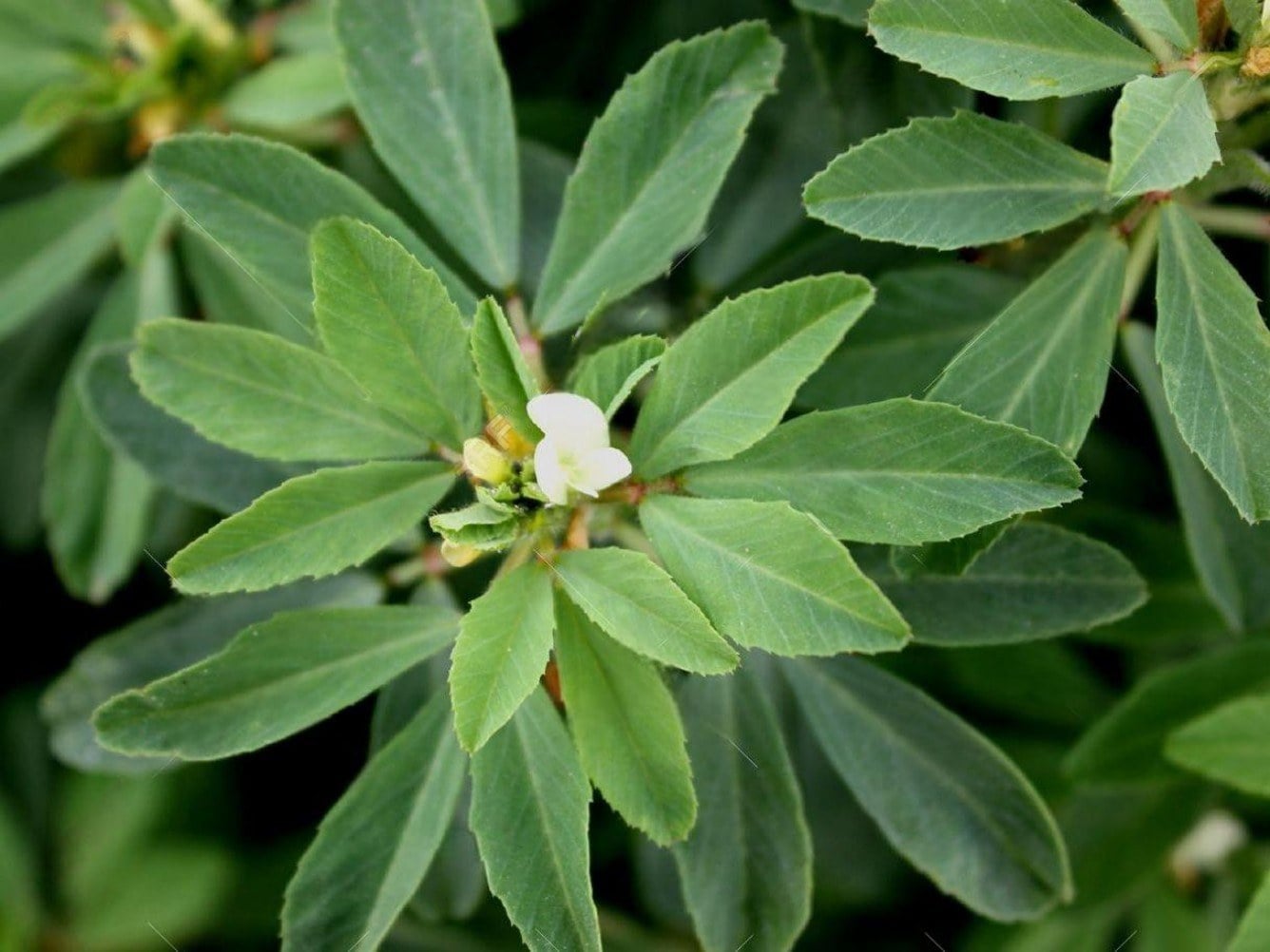
- Common fenugreek
-
-
-
Edible and medicinal
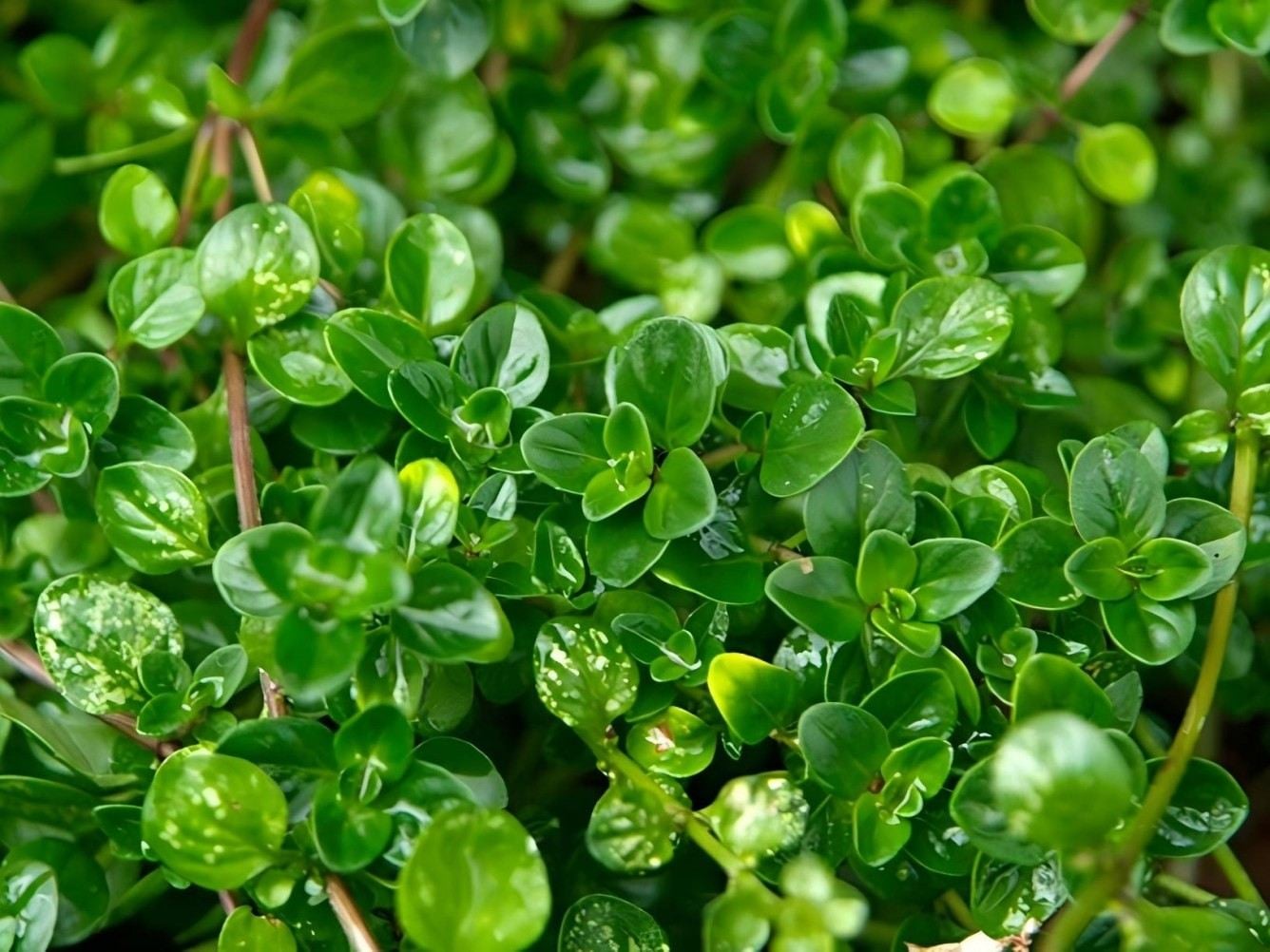
- Garden Thyme
-
 Poisonous and danger
 Edible and medicinal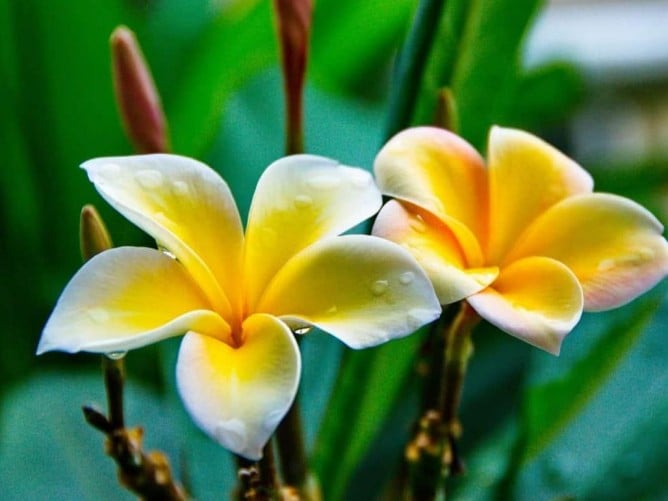
 Wild and common weed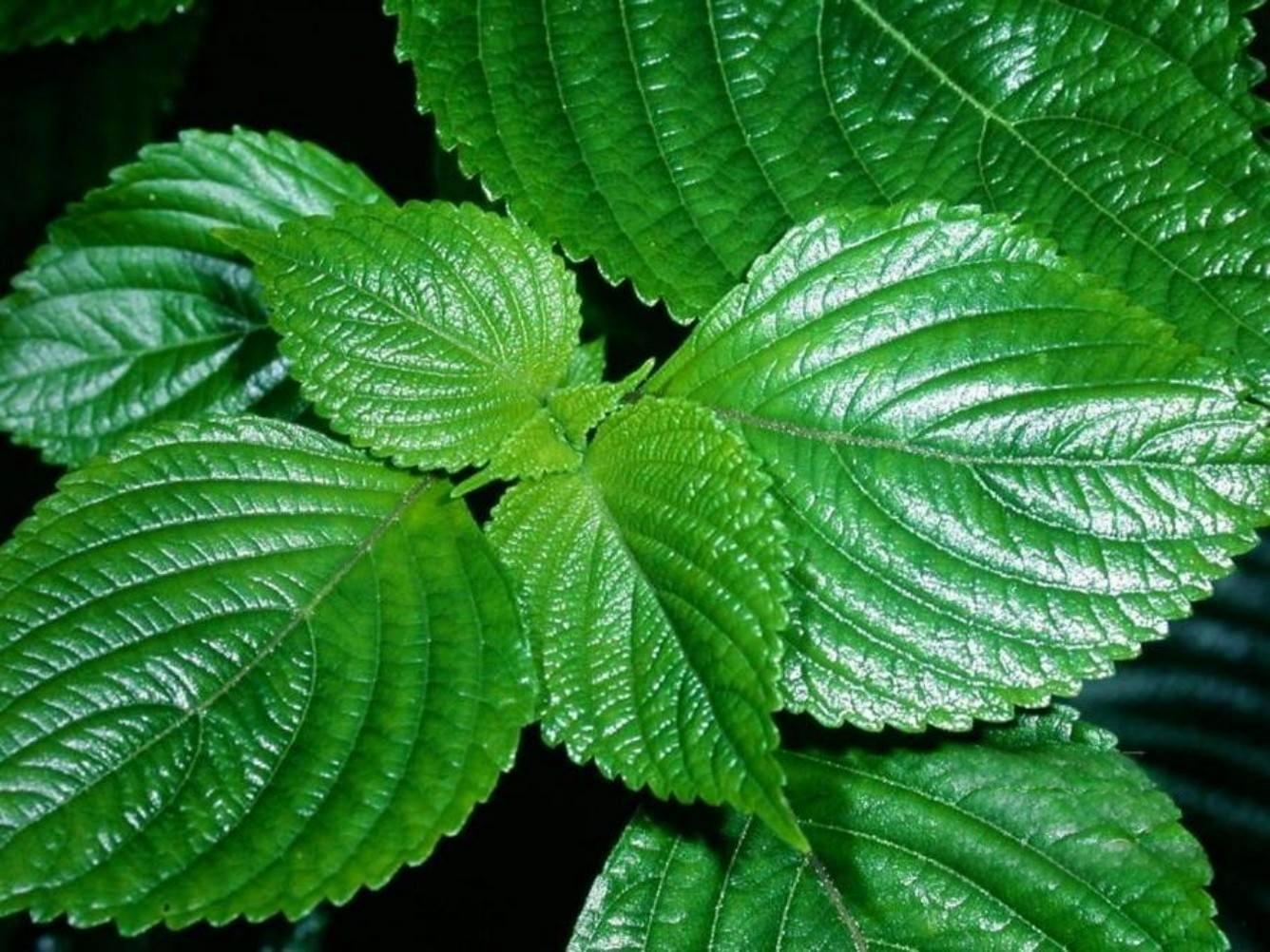
Advertisement