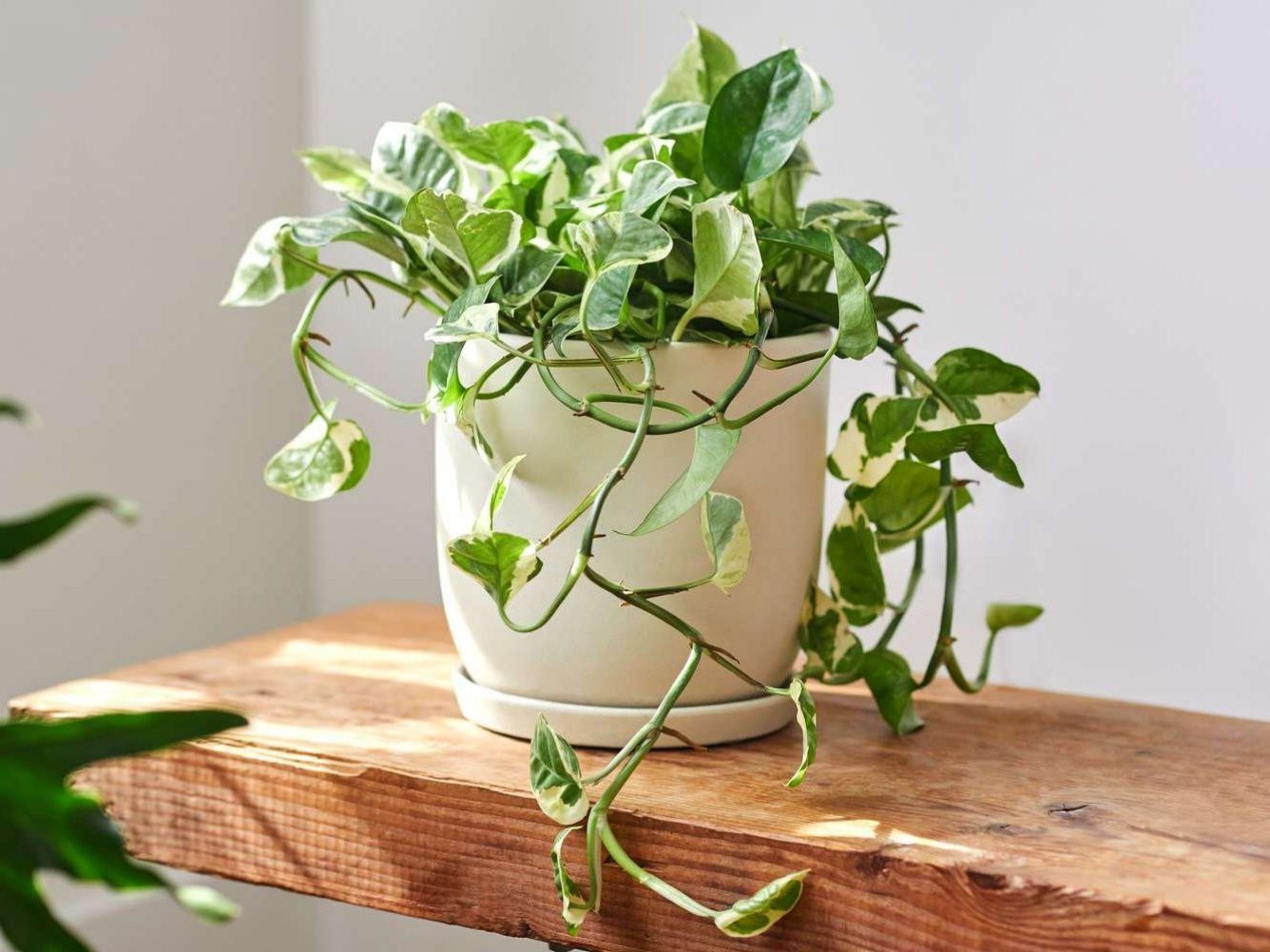
Epipremnum aureum
-
 Domestic and indoor
 - Also known as:Devil’s Ivy
 Domestic and indoor
Nursing Skills
Epipremnum aureum is very low maintenance, making it perfect for gardening beginners. It prefers bright indirect light, but can also survive in low light conditions. Watering should be done in a dry and thorough manner to avoid root rot caused by prolonged wetness. Use a well-drained general-purpose indoor potting soil can be, do not need frequent fertilization, once a month to meet the growth needs. Simply prune the vines and clean the leaves regularly to keep the greenery alive and well.
Advertisement
Plant Properties
-
- Plant type
- Family Amanitaenaceae
-
- Leaf color
- Green
-
- Plant height
- 1 meter
-
- Leaf type
- Heart-shaped Leaves
-
- Growing season
- March through September
-
- Toxicity
- Toxic to pets
Plant Care Requirements
-
Difficulty of care
Easy, novice friendly
-
Planting time
best in spring, but can be grown indoors year-round
-
Sunlight requirements
Bright indirect light, also tolerates low light
-
Ideal temperature
18-29°C
-
Humidity Requirements
Normal indoor humidity
-
Soil PH
6.0-6.5
Advertisement
Plant Care Guide
-
How to water?
once a weekGreens like to be watered in a “wet and dry” rhythm. Spring and summer are the peak growing seasons, you can water once a week, and then reduce to once every 10-14 days in fall and winter. Before watering, you can insert your finger into the soil 2-3 centimeters, feel dry and then water thoroughly to avoid waterlogging. For hydroponic greens, it is important to change the water every 7-10 days and rinse the roots regularly to prevent rotting. In hard water areas it is recommended to use water that has been left to dry overnight or filtered water to avoid wilting at the tips of the leaves.
-
How to prune?
Regular pruningRegular pruning will keep your green plant compact and prevent it from growing unduly. Use clean scissors to cut off yellowed leaves, weak branches or overgrown vines. Pruning can be done below the nodes to stimulate branching and encourage the plant to become denser. Healthy cuttings can be used for hydroponics or cuttings. The best time to prune is in spring or early summer. Avoid drastic pruning in winter as it may affect the plant's recovery.
-
How to fertilize?
once a monthDuring the spring and summer growing seasons, it is recommended to apply a general-purpose foliage plant liquid fertilizer once a month, dilute it and use it by irrigating the roots, which will help the foliage color to be thick and green, and the branches and leaves to flourish. Fertilizer application should be suspended in the fall and winter when the plant enters dormancy. If the plant's leaf color becomes pale or stops growing, it may be a sign of a lack of fertilizer. However, do not over-fertilize, especially when hydroponics is prone to salt accumulation in the roots. Fertilizer damage can be prevented by rinsing the soil or changing the water from time to time.
-
Do I need to change the pot?
1-2 yearsIt is recommended to change the pot once every 1-2 years, preferably in spring. When changing pots, you can observe whether the root system is wrapped around the soil or grows out from the bottom of the pot, which is a typical characteristic of bursting pots. Replace the pot with a new loose and breathable soil (e.g. peat soil + perlite + coir) and prune the aging root system appropriately. The new pot should have drainage holes to prevent water retention and root rot.
-
Do I need a stand or hanging?
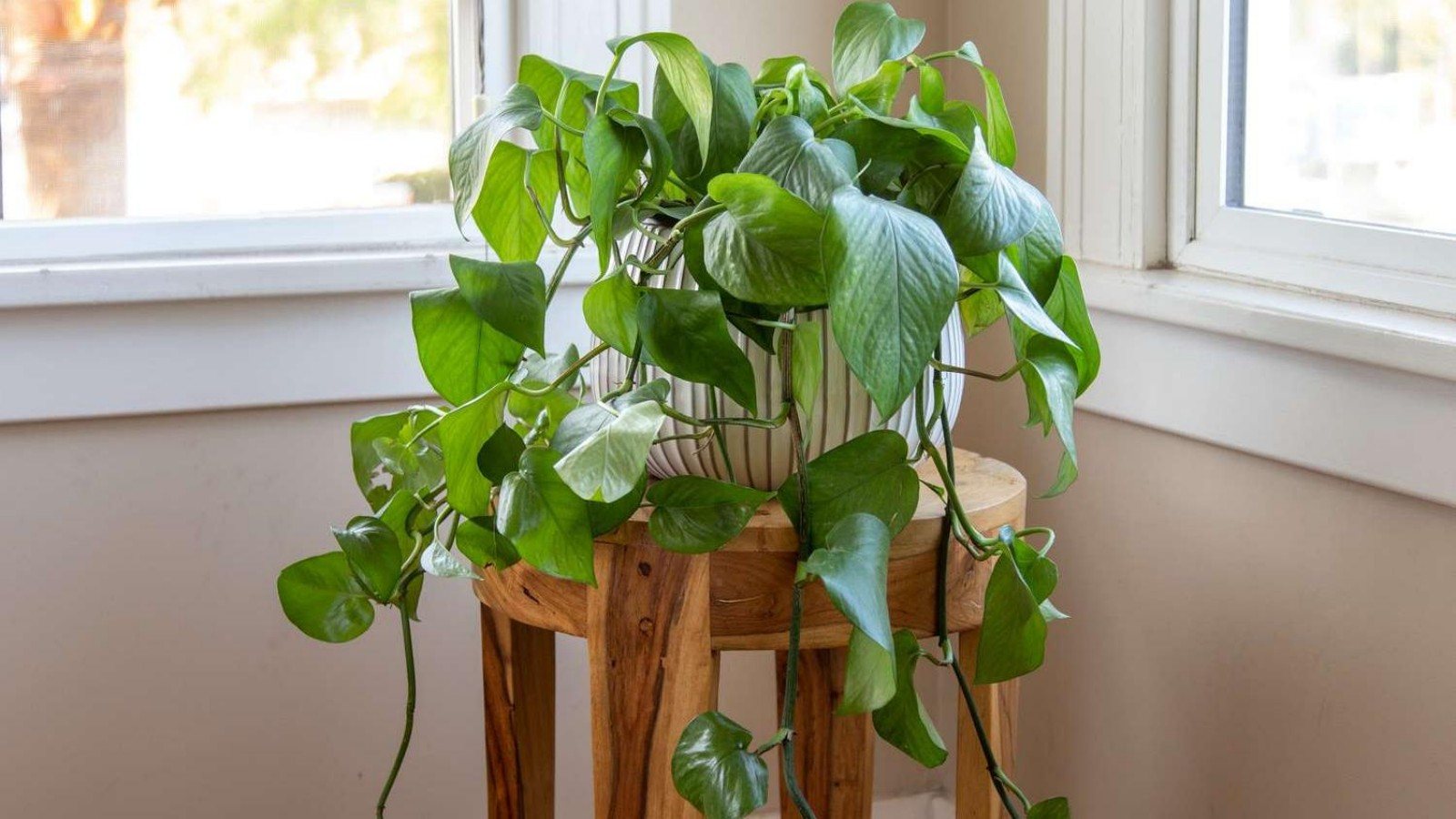
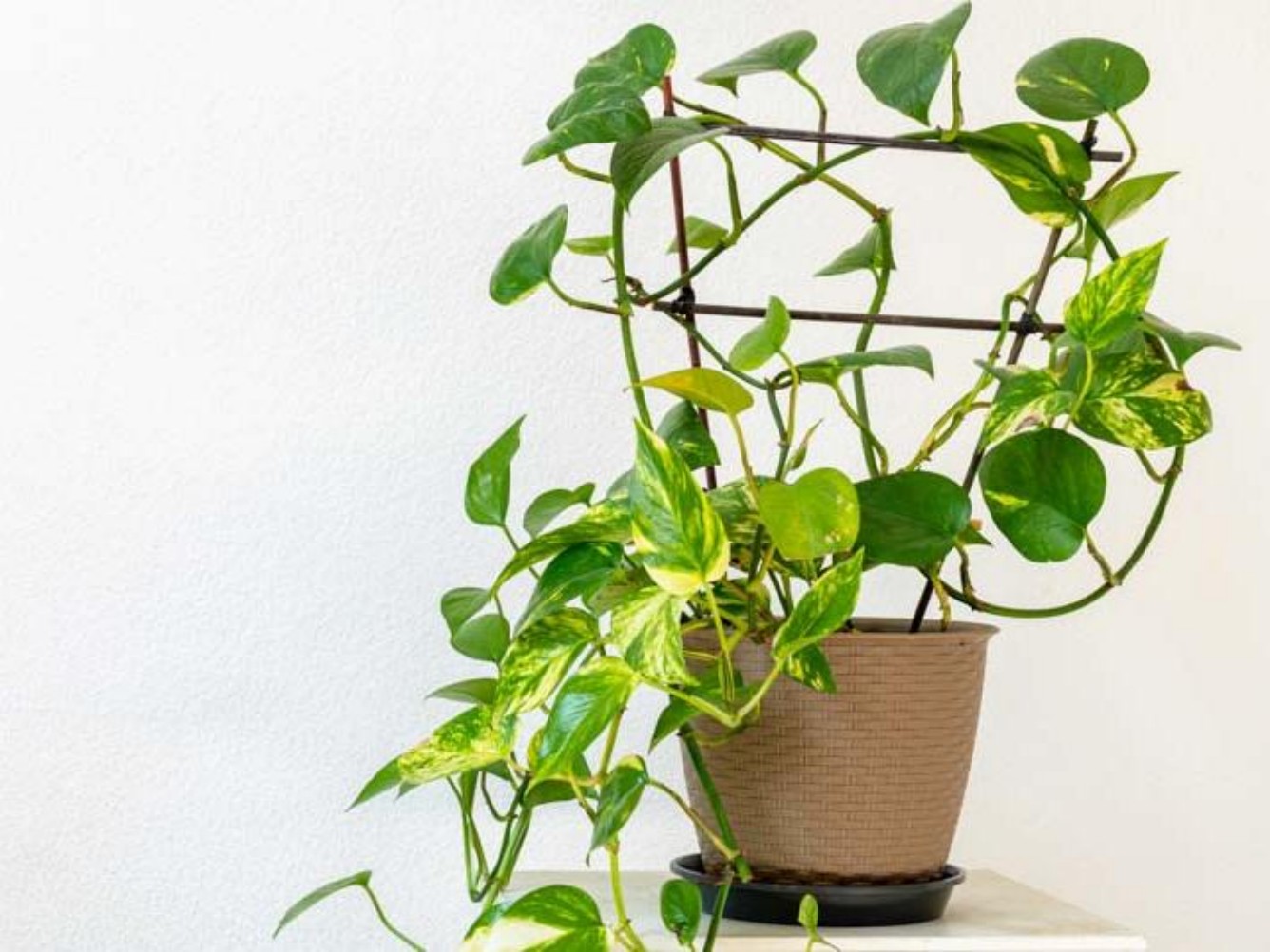
NeedYou can choose freely according to the way of maintenance. Potted greens are suitable for use of pillars to guide the vines upward growth, creating a “green tower” form; they can also be hung high up and left to dangle naturally, forming a green waterfall-like landscape. Whether climbing or hanging, as long as the light is suitable, regular pruning, green can quickly flourish, very adaptable. We recommend using moss poles or rope netting for support, which is more conducive to climbing and moisturizing.
-
Is it suitable for office or bedroom?
YesYes, greens are not only adaptable but also effective in indoor air purification, especially absorbing harmful substances such as formaldehyde and benzene. Because they do not require much light, they can grow well even in low light locations such as corners of desks and bathroom windows. Green can also create a certain degree of humidity, to help alleviate the dry environment, but photosynthesis is not strong at night, the bedroom should pay attention to the appropriate amount of ventilation.
Advertisement
Frequently Asked Questions
-
1 Why are the leaves of green plants yellowing?
Yellowing of green leaves is a relatively common problem, and the causes may include excessive light, improper water management or nutritional deficiencies. If the plant is exposed to strong light, the leaves will easily burn and turn yellow; if the water is stagnant for a long time or the soil is too dry, it will also cause yellow leaves. In addition, the potting soil has not been replaced for a long time, lack of nitrogen, will also lead to dull or yellow leaves. It is recommended to check the frequency of watering, keep “dry and wet”, and place the plant in a bright position without direct sunlight, and regularly supplement the special fertilizer for foliage plants.
-
2 Why are the leaves of green plants wilting and drooping?
Wilting leaves usually mean that the root system is affected, either by waterlogging and rotting due to overwatering, or dehydration and wilting due to prolonged drought. The way to determine this is to look at the potting soil: if it is high in humidity and slightly smelly, it may be waterlogged; if it is completely dry, it may be dehydrated. This should be handled according to the situation: when waterlogged, remove the plant from the pot to check the roots, cut out rotting roots, and replace the soil; when waterlogged, replenish the water immediately and keep it ventilated. Greens are suitable for watering when the soil surface is dry to avoid extreme fluctuations.
-
3 What should I do if my greenery grows out of shape?
The growth is characterized by elongated stem nodes and sparse foliage, usually due to insufficient light. In indoor areas with low light, greenery will struggle to grow towards the light source, resulting in long, thin branches and reduced ornamental appeal. At this point, the plant can be moved to a brighter location to receive bright indirect light and avoid direct sunlight burns. Overgrown branches can be pruned regularly to encourage the plant to branch out and become more dense. The pruned branches can also be used for propagation by hydroponics or cuttings.
-
4 What should I do if the roots grow out of the pot?
When the root system is overdeveloped, it may poke out of the drainage holes at the bottom of the pot, indicating that the plant is clearly “bursting”. An overcrowded root system will result in uneven absorption of water and nutrients, affecting growth. It is recommended to change the pot in the spring, move it to a bigger pot, use humus-rich and breathable potting soil, and prune the aging root system appropriately. After the change of pots, pay attention to the first two weeks to reduce the frequency of watering, so that the plant to adapt to the new environment, to avoid rotting roots.
-
5 Can I use tap water to water my greens?
Tap water can usually be used, but some areas have high water hardness and chlorine content, which may lead to dry leaf tips or loss of leaf color in the long term. To avoid affecting the health of the greens, it is recommended to use tap water that has been left to stand for 24 hours to allow the chlorine to evaporate, or to use rainwater or filtered water as a substitute, especially in hydroponics where water quality should be taken care of. If the leaves appear strange after using tap water, you should change the water and observe the reaction.
Advertisement
Introduction
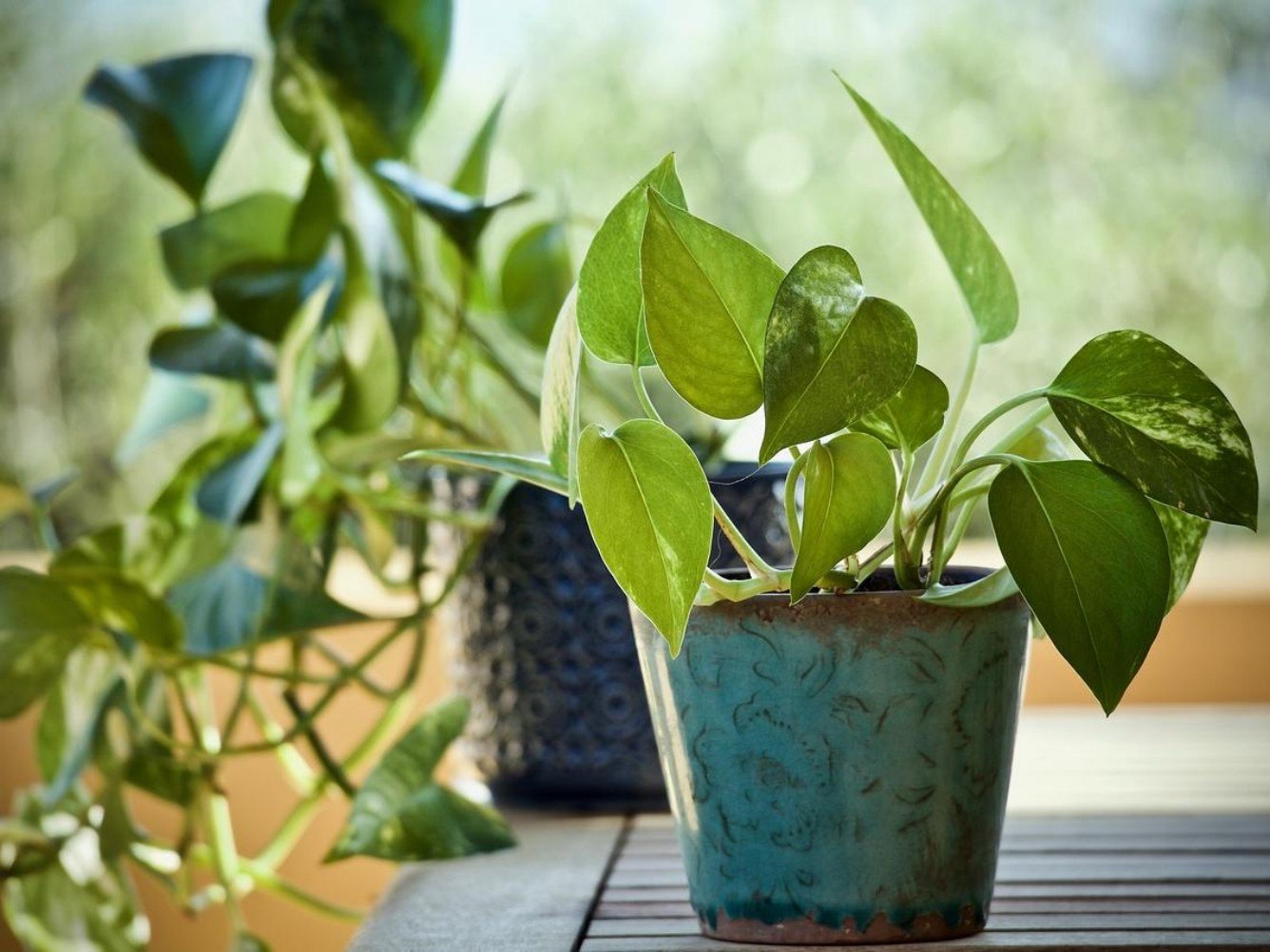
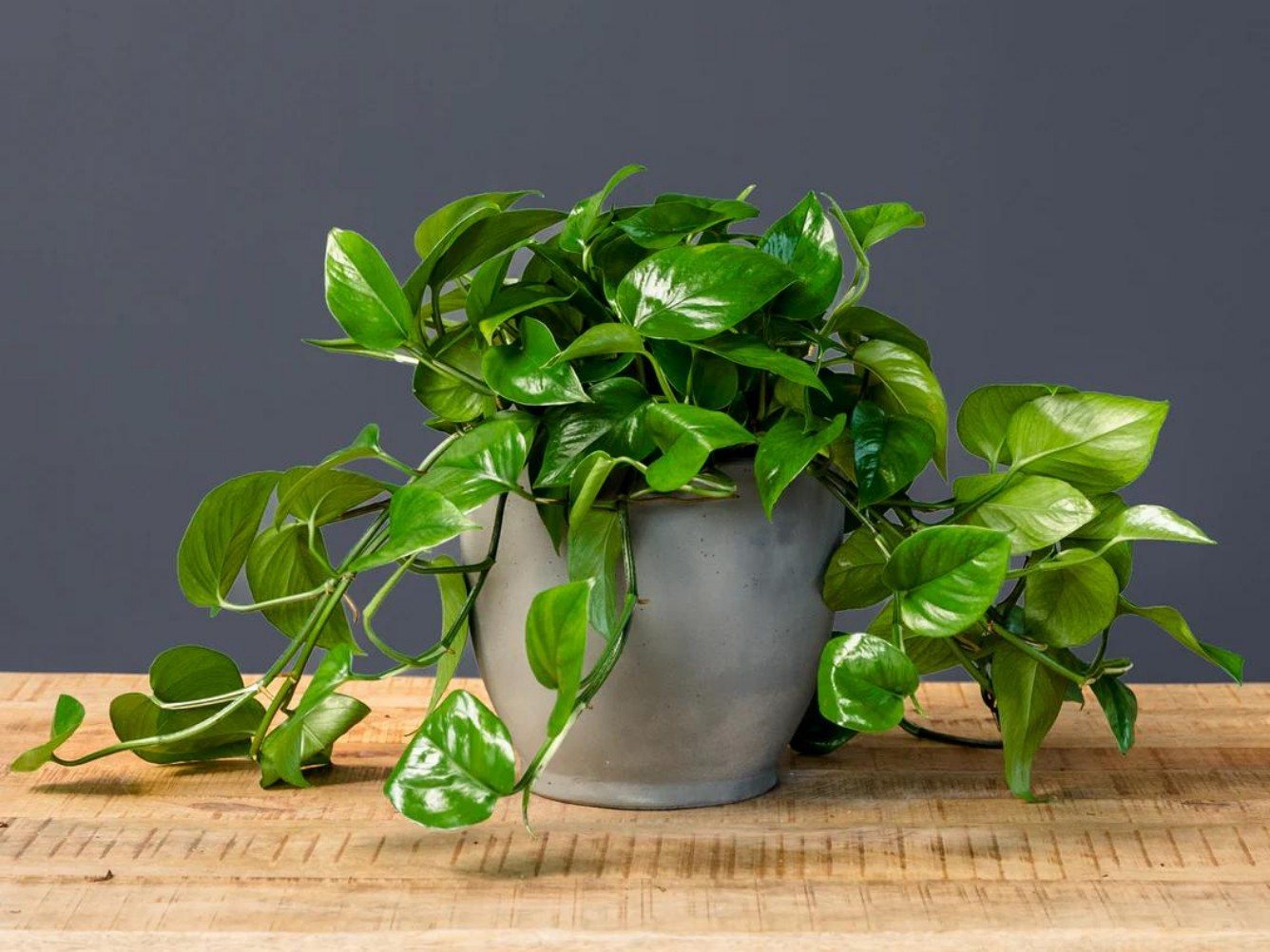
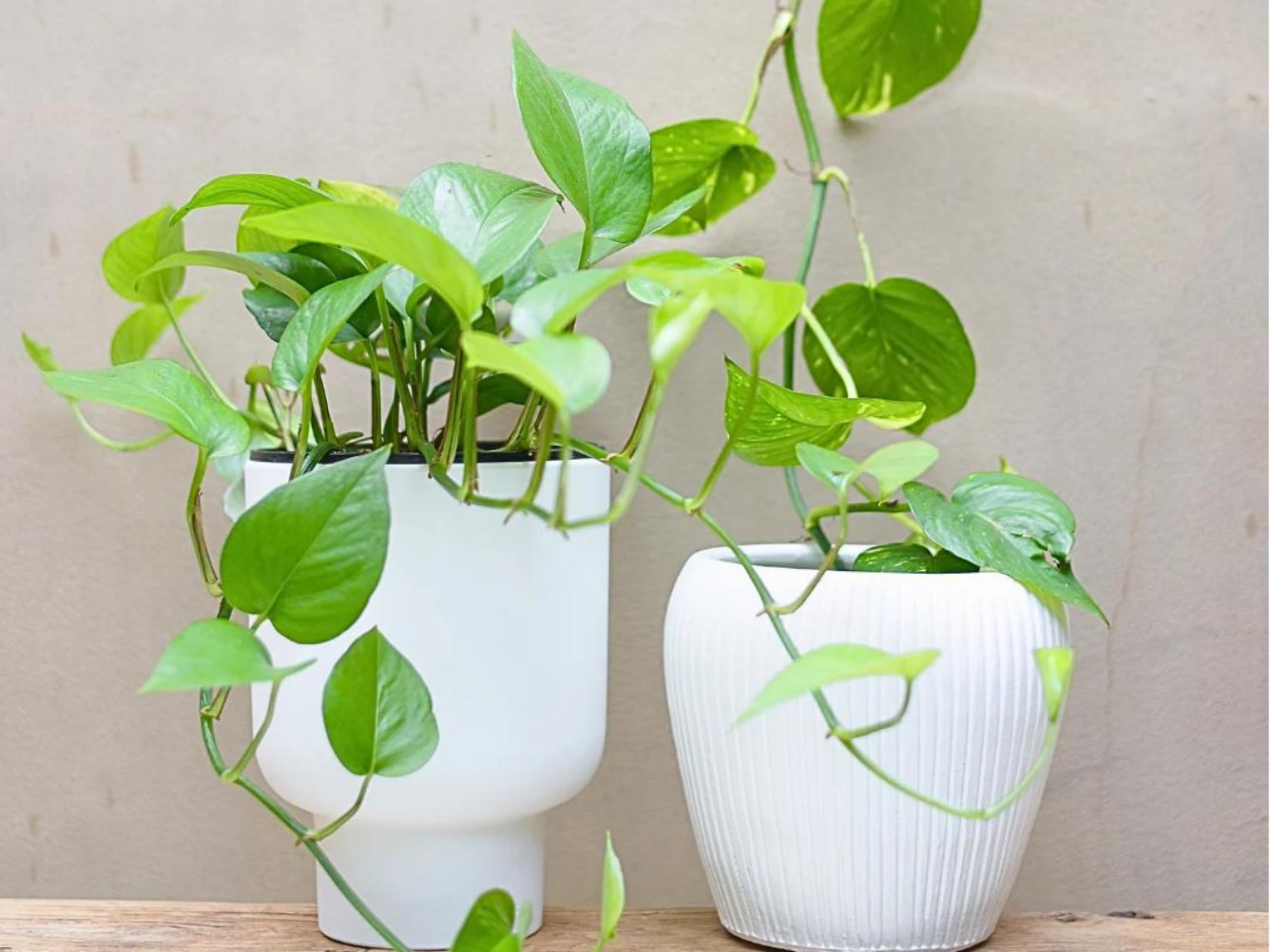
Epipremnum aureum is an evergreen vine native to the Solomon Islands in the South Pacific. In Europe and the United States, it is known as “Devils Ivy” because it hardly dies even in low light, dry or undesirable conditions. With its heart-shaped leaves, which are often rich green in color or mottled with yellow or white, it is very sui as an indoor hanging plant, climbing wall or bookshelf decorative plant. Not only does it look beautiful, but it also purifies the air, making it one of the popular green plants for offices, apartments and bathrooms.
Popular Plant Encyclopedia
-
-
Poisonous and danger
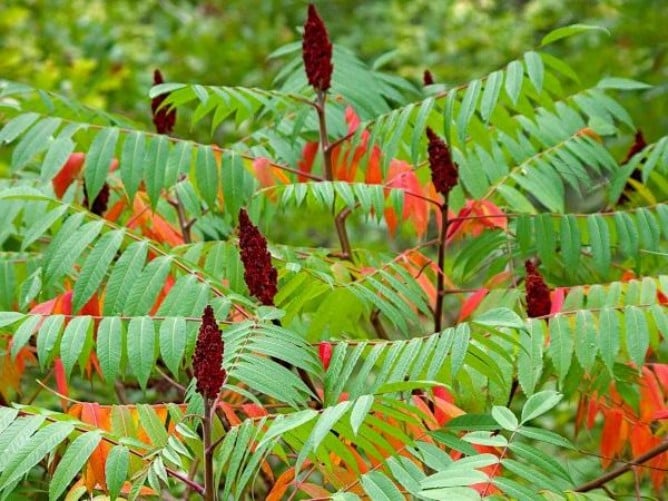
- Rhus typhina
-
-
-
Edible and medicinal
- Common sunflower
-
-
-
Poisonous and danger
- Plumeria rubra
-
-
-
Wild and common weed
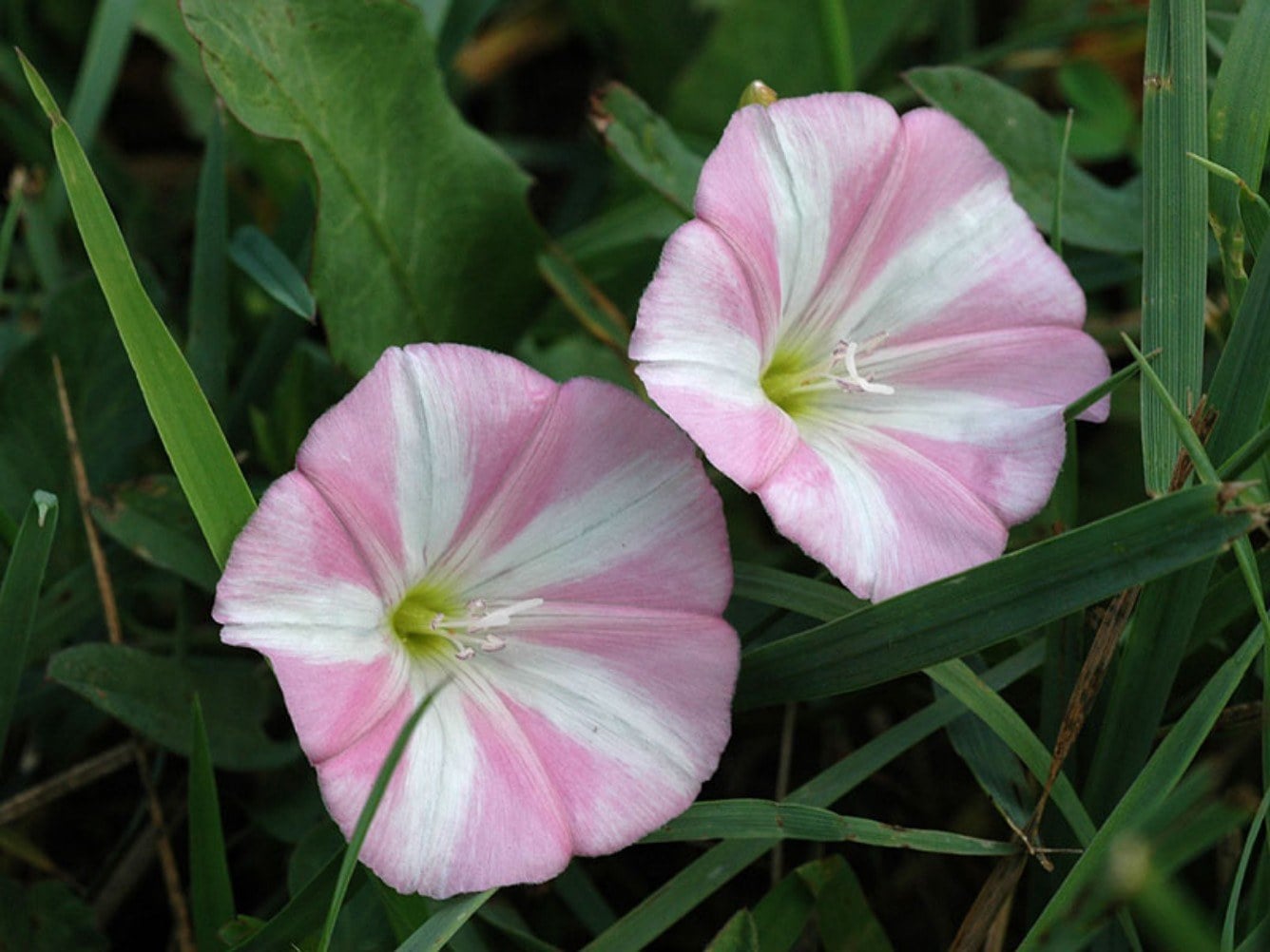
- Convolvulus arvensis
-
-
-
Edible and medicinal
- Perilla frutescens
-
-
-
Edible and medicinal
- Pogostemon cablin
-
-
-
Edible and medicinal
- Common fenugreek
-
-
-
Edible and medicinal
- Garden Thyme
-
 Poisonous and danger
 Edible and medicinal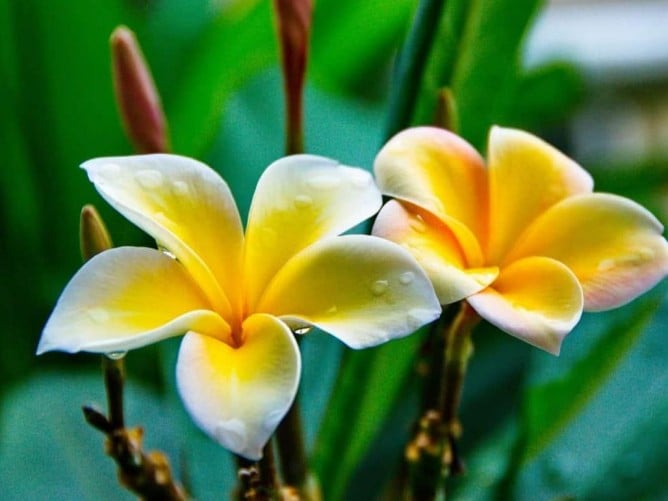
 Wild and common weed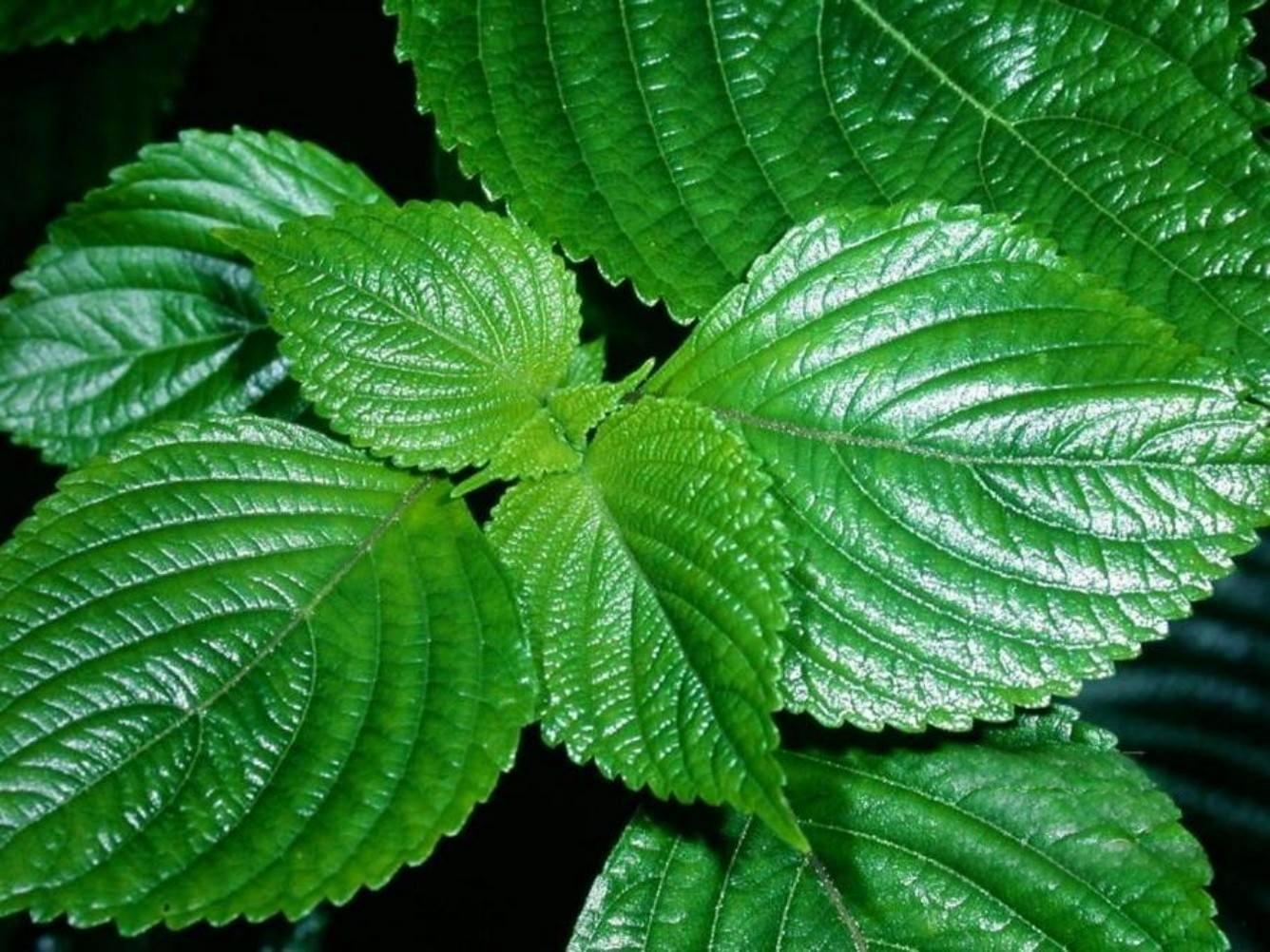
Advertisement