Eustoma russellianum
-
 Ornamental and lands
 Ornamental and lands
Nursing Skills
Eustoma russellianum is drought-tolerant, has a long flowering period, and can bloom continuously for several weeks, making it sui for cut flowers and preserving its freshness for a long time. Its petals are layered and do not easily wither, providing strong ornamental stability. It is also sensitive to light, and the flowering period can be controlled by adjusting light levels, making it highly valuable in horticulture and the floriculture industry.
Advertisement
Plant Properties
-
- Toxicity
- Non-toxic
-
- Flower Shape
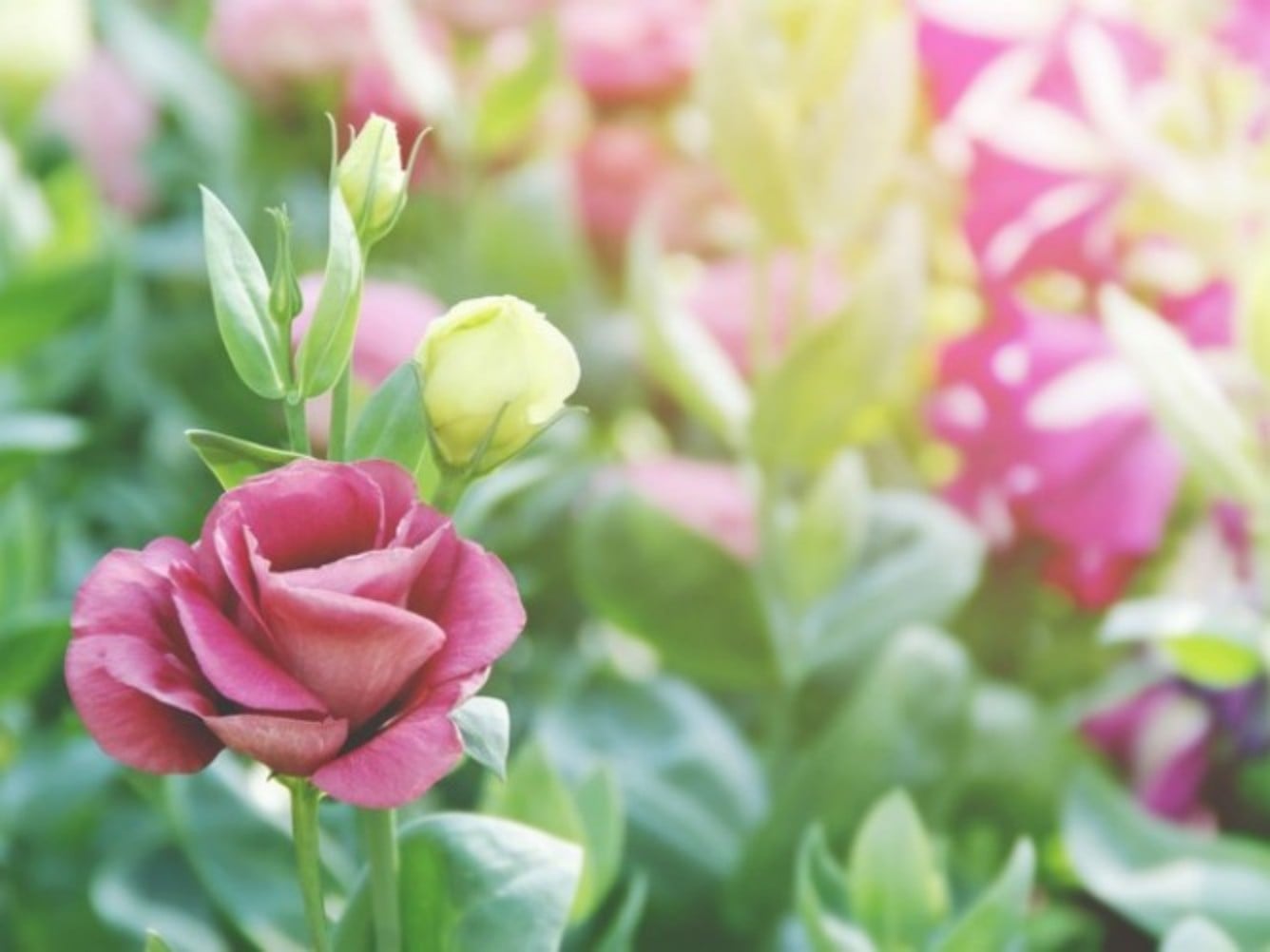
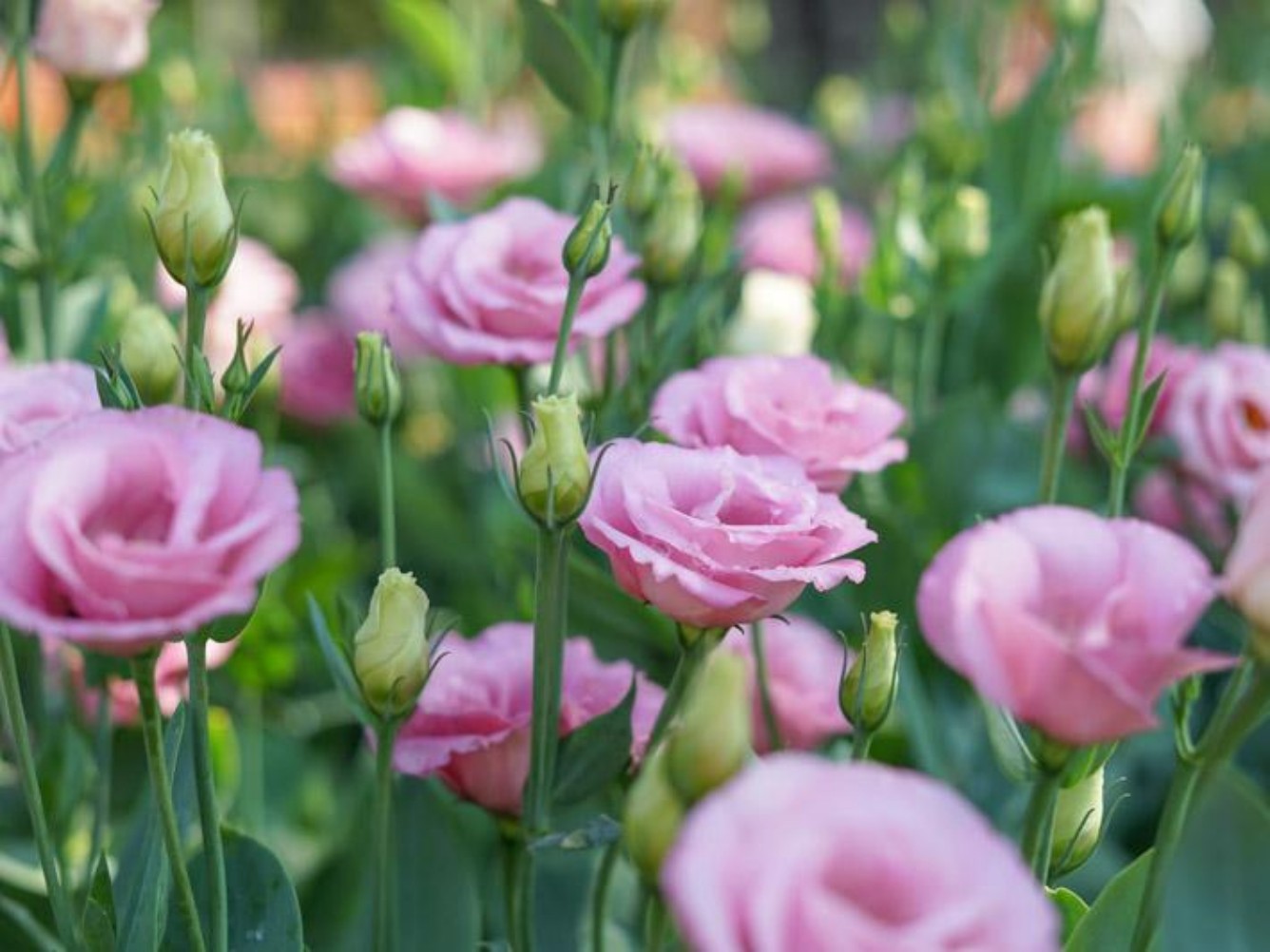
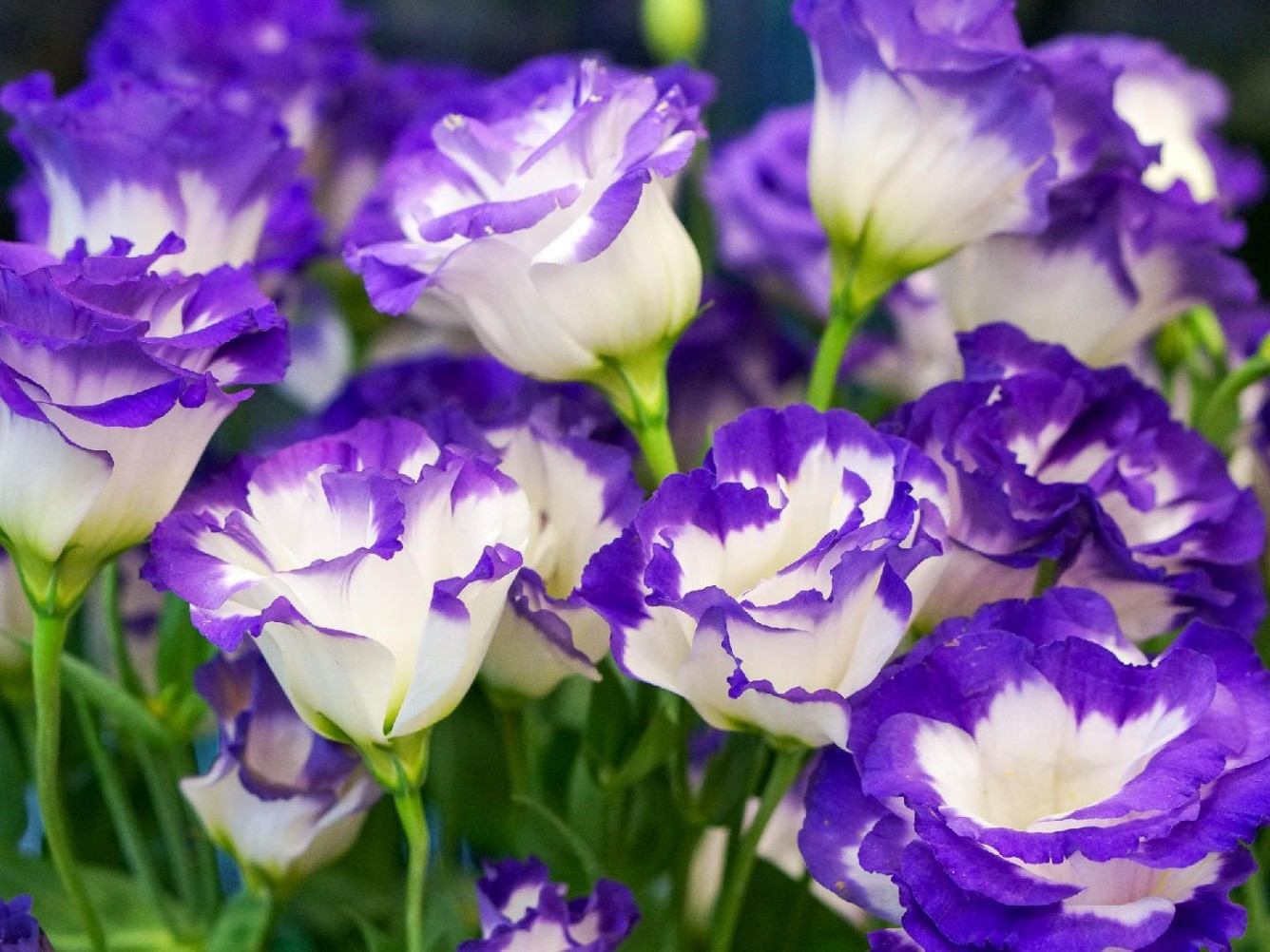
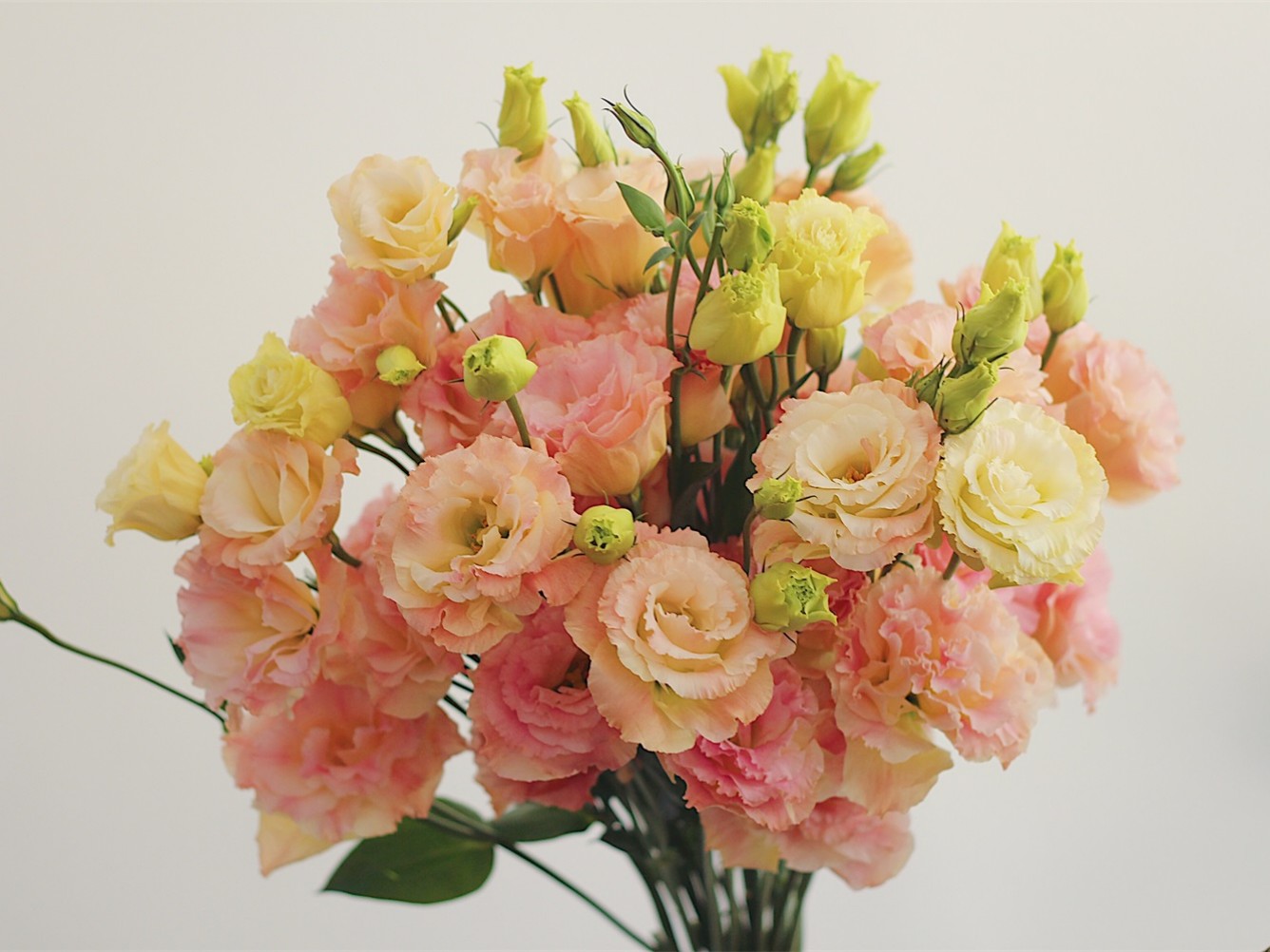
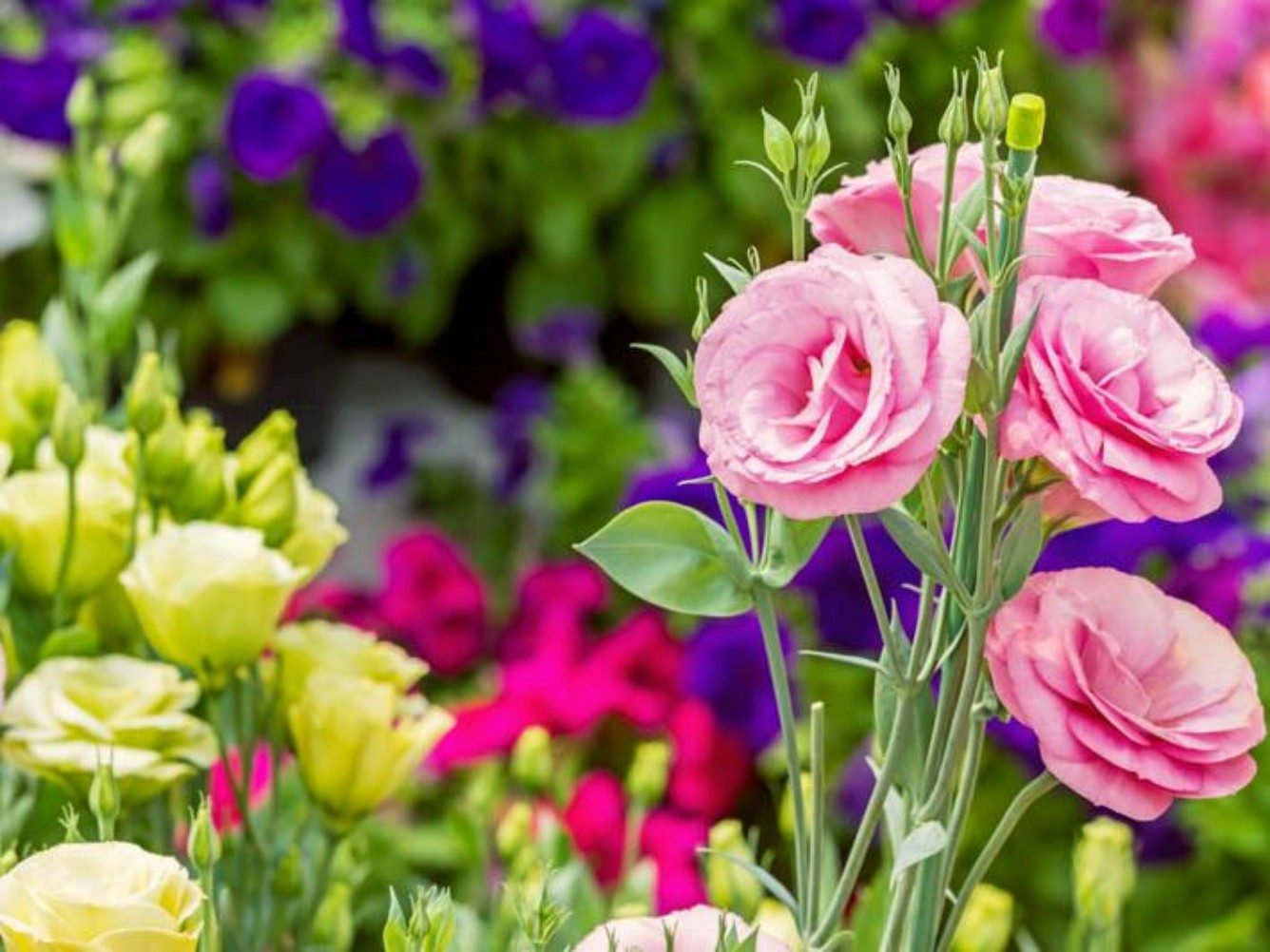
- Resembles a rose or a small peony
-
- Flower Size
- Generally 5–8 cm in diameter per flower
-
- Plant Type
- Annual or biennial herbaceous ornamental plant
-
- Flowering Period
- Mostly blooms from late spring to summer
-
- Flower Color
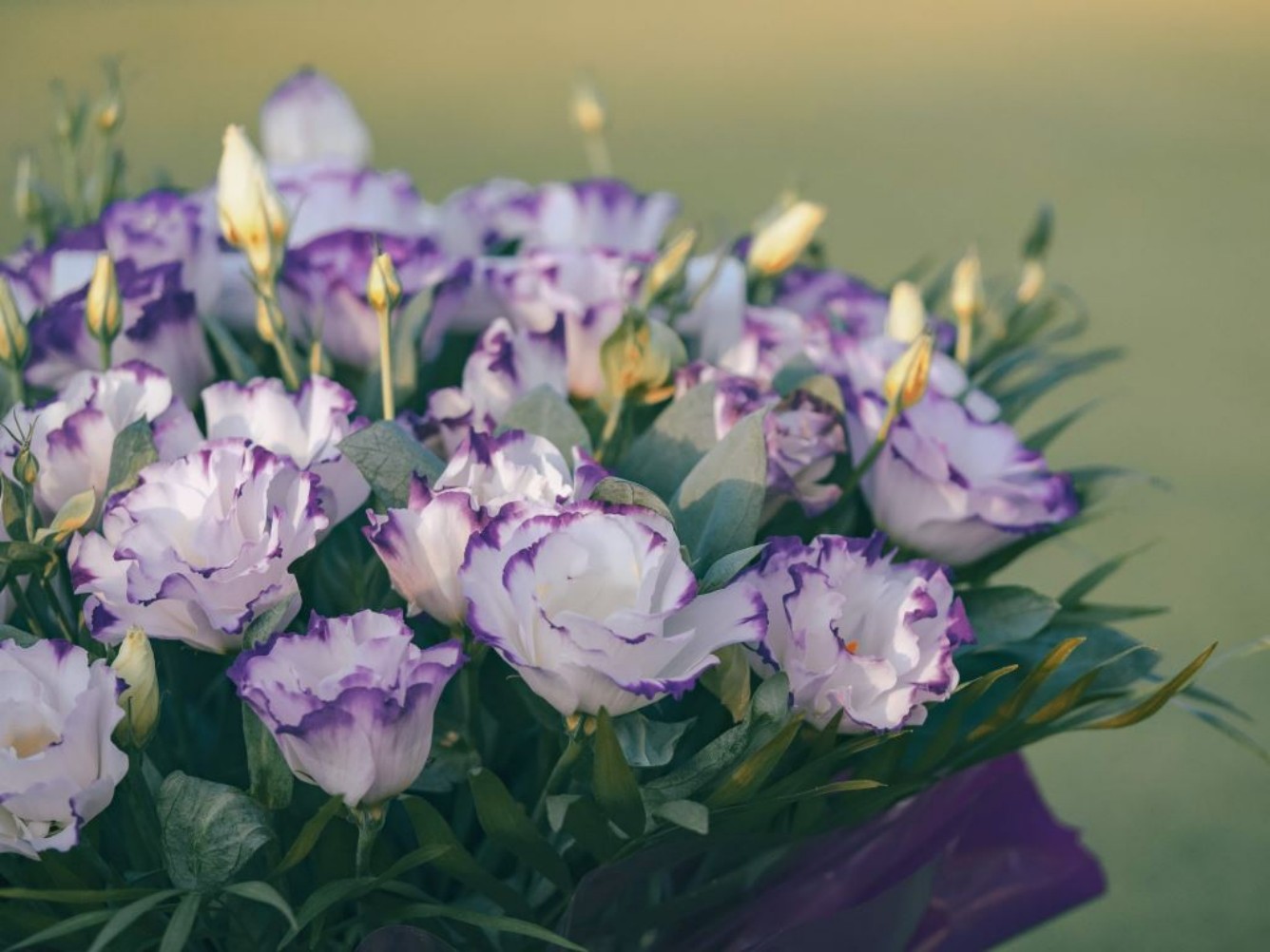
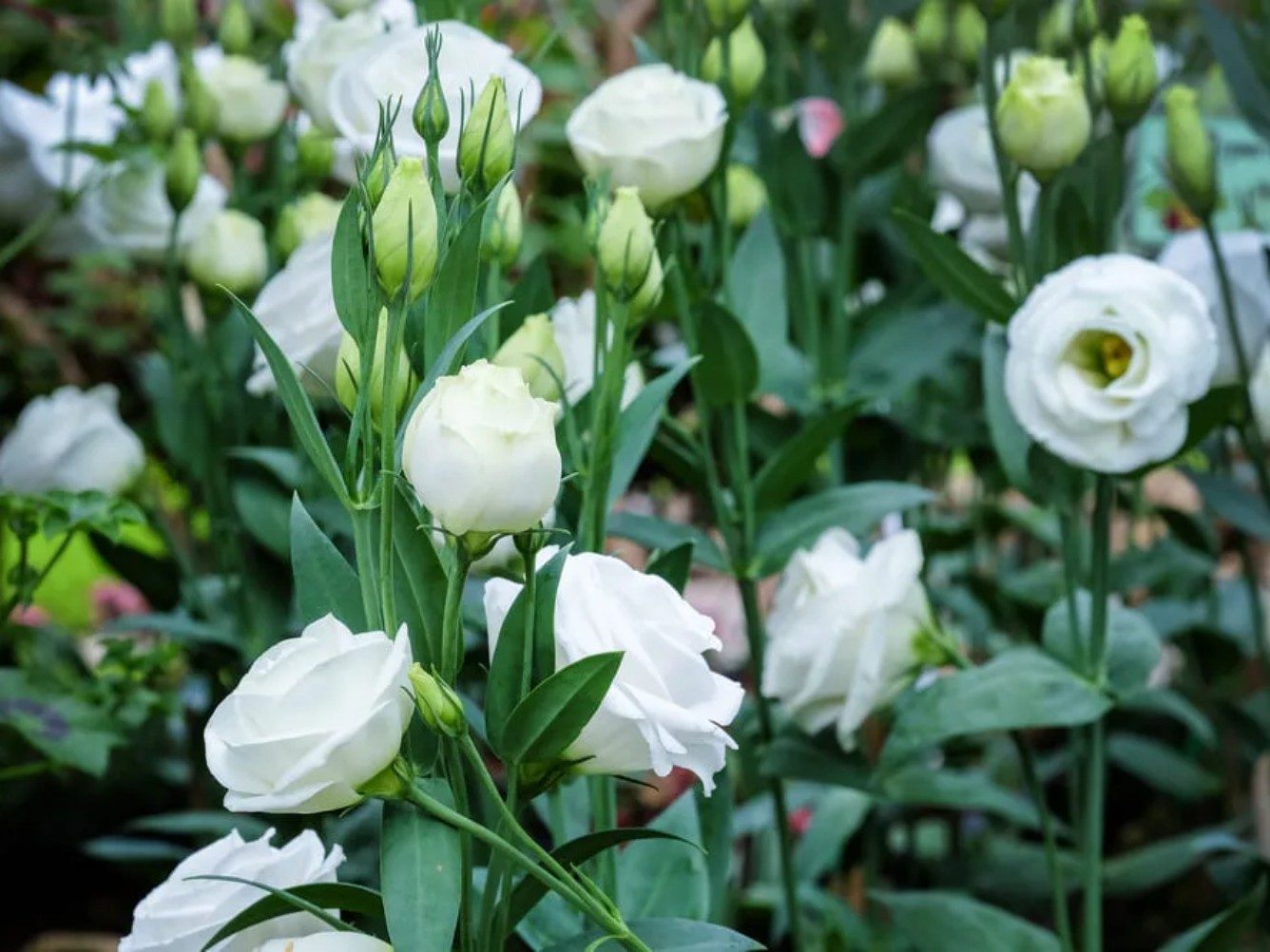
- White, pink, purple, blue, and bi-color gradients, etc
Plant Care Requirements
-
Care Rating
Above Average
-
Planting Time
Mostly sow in autumn or early spring
-
Light Requirements
Prefers full sun, but can tolerate partial shade
-
Watering Requirements
Keep soil slightly moist, avoid waterlogging
-
Soil pH
Slightly acidic to neutral (pH approximately 6.0–7.0), with good drainage
-
Planting Method
Commonly propagated by seed, but seedlings can also be purchased and transplanted
Advertisement
Plant Care Guide
-
What should I do if my Eustoma russellianum leaves are turning yellow?
It's usually related to water or nutrient issues.Yellowing leaves are often related to water or nutrient problems. Overwatering can lead to root hypoxia, causing yellowing leaves and even root rot. A long-term lack of fertilizer can also cause the leaves to lighten in color. First, check if the soil is waterlogged; if necessary, replace it with a well-draining substrate. During the growing season, supplement with nitrogen fertilizer to promote leaf recovery. Insufficient light can also cause yellowing leaves, so ensure the plant receives adequate sunlight daily. With these adjustments, the yellowing problem should gradually improve.
-
Why doesn't *Eustoma russellianum* flower?
Insufficient light, insufficient nutrients, or unsuitable temperature are common causes.Failure to flower is usually related to insufficient light, insufficient nutrients, or unsuitable temperature. *Eustoma russellianum* is a light-loving plant; if kept in a dark environment for a long time, it will only grow leaves and not flower. A lack of phosphorus and potassium fertilizer will also affect flower bud differentiation. Temperatures that are too high or too low will also inhibit flowering. It is recommended to place the plant in a sunny location and supplement with phosphorus and potassium fertilizer during the flower bud formation period. Maintaining a suitable temperature and avoiding drastic environmental changes will also promote flowering.
-
Why does Eustoma russellianum easily lodge?
Thin stems and heavy flowers, or insufficient light.Lodgement is usually caused by thin stems and heavy flowers, or insufficient light leading to etiolation (leggy growth). The solution is to provide ample light to promote stronger growth. Supporting the plant with a stake, especially during flowering, is also helpful. Additionally, avoid excessive nitrogen fertilizer, as this can cause the stems to soften.
-
Is Eustoma russellianum suitable for beginners?
Beginners can try it.Eustoma russellianum is a moderately difficult plant to grow. Beginners can try it, but some patience is required. It is quite sensitive to temperature, light, and water, especially during the seedling stage when growth is slow, which can easily lead to the mistaken belief that care has failed. As long as you master the three principles of "ventilation, light, and moderate watering," and avoid frequent changes in environment, it can generally be successfully grown. It is recommended that beginners start by purchasing healthy seedlings rather than directly sowing seeds, as this will increase the success rate. At the same time, pay attention to the condition of the leaves and adjust the care method in time, and you will gradually master the rhythm.
-
Why does the flower color of Eustoma russellianum fade?
It's usually related to light, temperature, and nutrient supply.The fading of lisianthus flower color is usually related to light, temperature, and nutrient supply. First, insufficient light over a long period weakens pigment synthesis in the petals, resulting in a paler or less saturated color. Second, high temperatures accelerate flower metabolism, reducing pigment stability and potentially causing the flower color to gradually fade or even disappear. Additionally, a lack of phosphorus and potassium fertilizer during the flowering period can also affect flower color, causing the flower to lose its original vibrancy. Furthermore, prolonged blooming and the subsequent aging of the flower can naturally lead to a lighter color. To improve this, ensure sufficient but not excessive light, maintain a suitable temperature range, and supplement with appropriate amounts of phosphorus and potassium fertilizer during flower bud and flowering periods, while keeping water levels stable. This will help maintain a longer-lasting and fuller flower color.
-
Why does Eustoma russellianum stop growing halfway through its growth?
Related to environmental stressGrowth stagnation is usually related to environmental stress, such as large temperature differences, sudden relocation, or changes in light. Eustoma russellianum is sensitive to environmental changes, and once its adaptation is interrupted, it enters a "buffer period." In addition, compacted soil or insufficient root space can also limit growth. It is recommended to check the potting soil for aeration, loosening the soil or repotting if necessary. At the same time, maintain a stable temperature and avoid large day-night temperature differences. During the recovery period, do not fertilize frequently; allow the plant to adjust naturally, and it will usually resume growth after a period of time.
Advertisement
Frequently Asked Questions
-
1 Why do flower buds wither before opening?
Premature withering of flower buds is usually due to insufficient nutrient supply or excessive environmental stress. If the plant lacks water or experiences sudden high temperatures during the bud stage, it will actively "abandon" flowering to conserve energy. In addition, a lack of phosphorus and potassium can also affect bud development. It is recommended to water consistently after bud formation and supplement with flowering fertilizer. At the same time, avoid frequently moving the plant to maintain a stable environment, which will help the buds open successfully.
-
2 Can I prune lisianthus to promote branching?
Yes, pinching back the tips after the plant has grown to a certain height helps promote the growth of lateral branches, making the plant fuller. When pinching, cut above a healthy node and use clean tools to avoid infection. Appropriate pruning can also improve the overall aesthetic appeal.
-
3 Can I place lisianthus in an air-conditioned room?
Yes, but pay attention to environmental regulation. Air-conditioned rooms are usually dry, which can easily cause the leaves to lose water, requiring additional humidity. Also, avoid having the air conditioner vent blowing directly on the plant, otherwise the temperature difference and airflow will affect its growth. It is recommended to place the plant in a location with natural light and good ventilation. If the environment is too dry, you can increase the watering frequency appropriately, but still avoid waterlogging.
-
4 Why does lisianthus grow so slowly?
Lisianthus is inherently a "slow-growing" plant, especially in the seedling stage. Root development is slow, and it's normal for there to be no noticeable change for several weeks. This is because it prioritizes root development in the early stages, laying the foundation for later flowering. Low temperatures, insufficient light, or overly wet soil will further slow down growth. It is recommended to maintain a stable temperature (15–25℃), sufficient indirect light, and avoid frequent watering that interferes with root development. Once it enters its rapid growth phase, the plant will grow significantly faster.
Advertisement
Introduction
Eustoma russellianum is a popular ornamental flower, also known as lisianthus. Its flowers resemble roses and come in a variety of colors, including white, pink, and purple, with a delicate and elegant appearance. Native to North America, it thrives in warm, sunny environments and is commonly used in bouquets and garden arrangements. Not only is it highly ornamental, but it also symbolizes purity and sincerity, making it a popular choice for weddings and festivals.
Popular Plant Encyclopedia
-
-
Poisonous and danger
- Rhus typhina
-
-
-
Edible and medicinal
- Common sunflower
-
-
-
Poisonous and danger
- Plumeria rubra
-
-
-
Wild and common weed
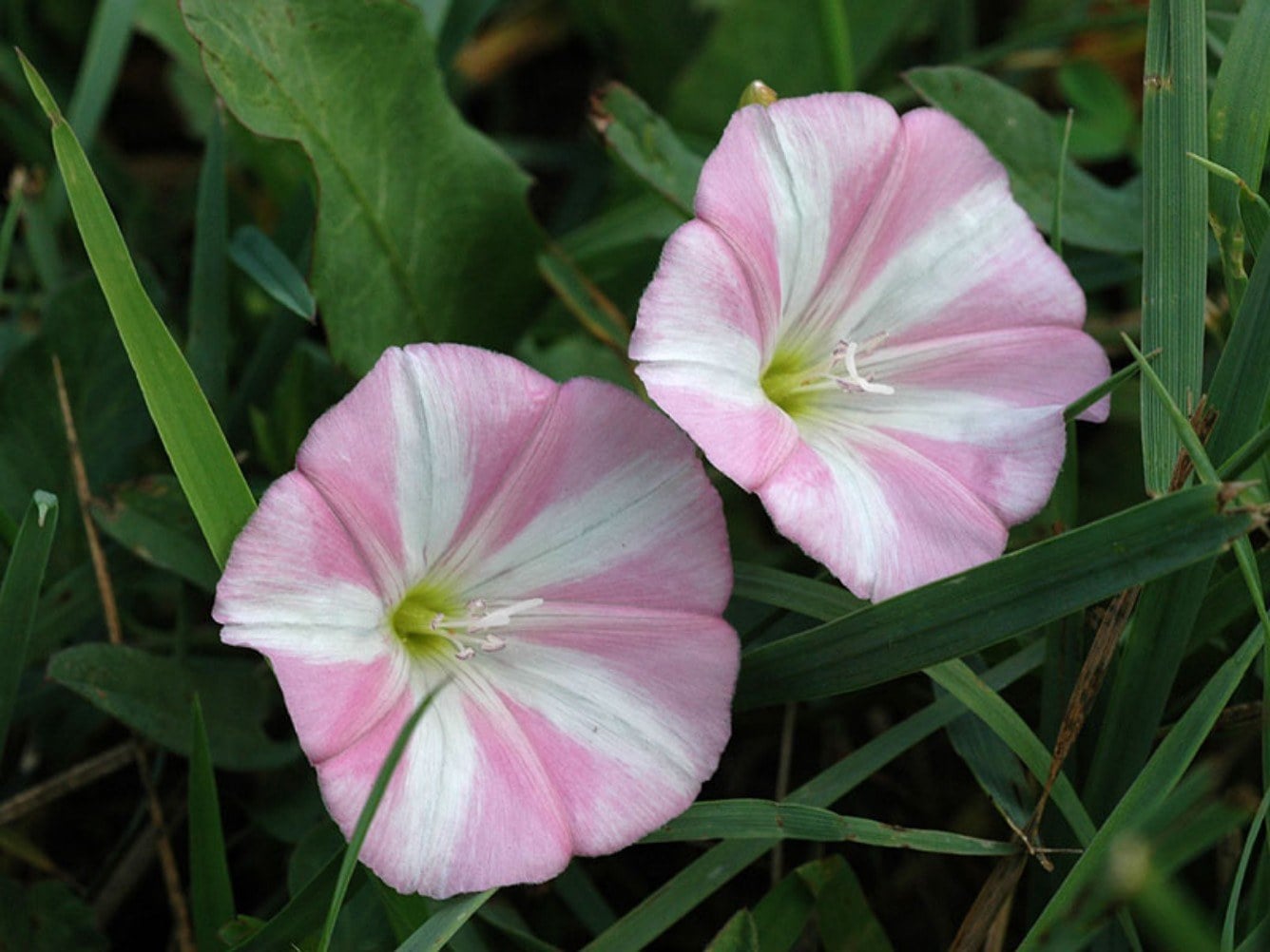
- Convolvulus arvensis
-
-
-
Edible and medicinal
- Perilla frutescens
-
-
-
Edible and medicinal
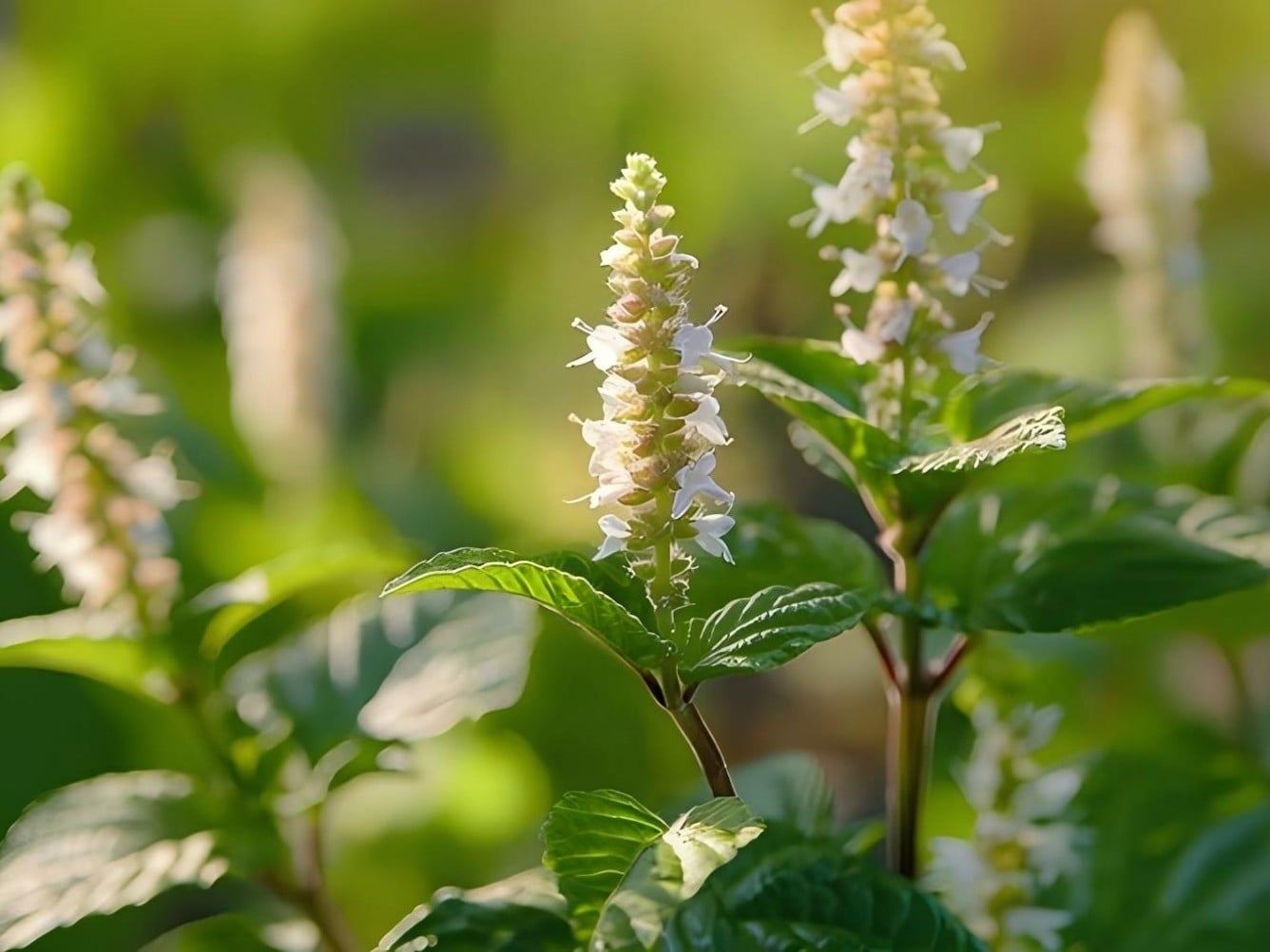
- Pogostemon cablin
-
-
-
Edible and medicinal
- Common fenugreek
-
-
-
Edible and medicinal
- Garden Thyme
-
 Poisonous and danger
 Edible and medicinal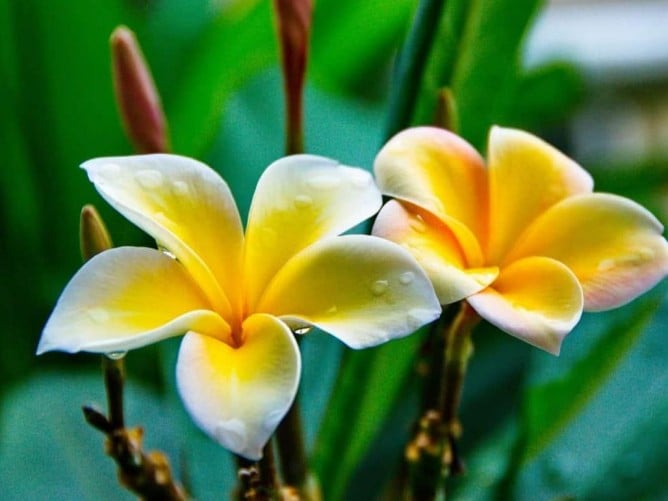
 Wild and common weed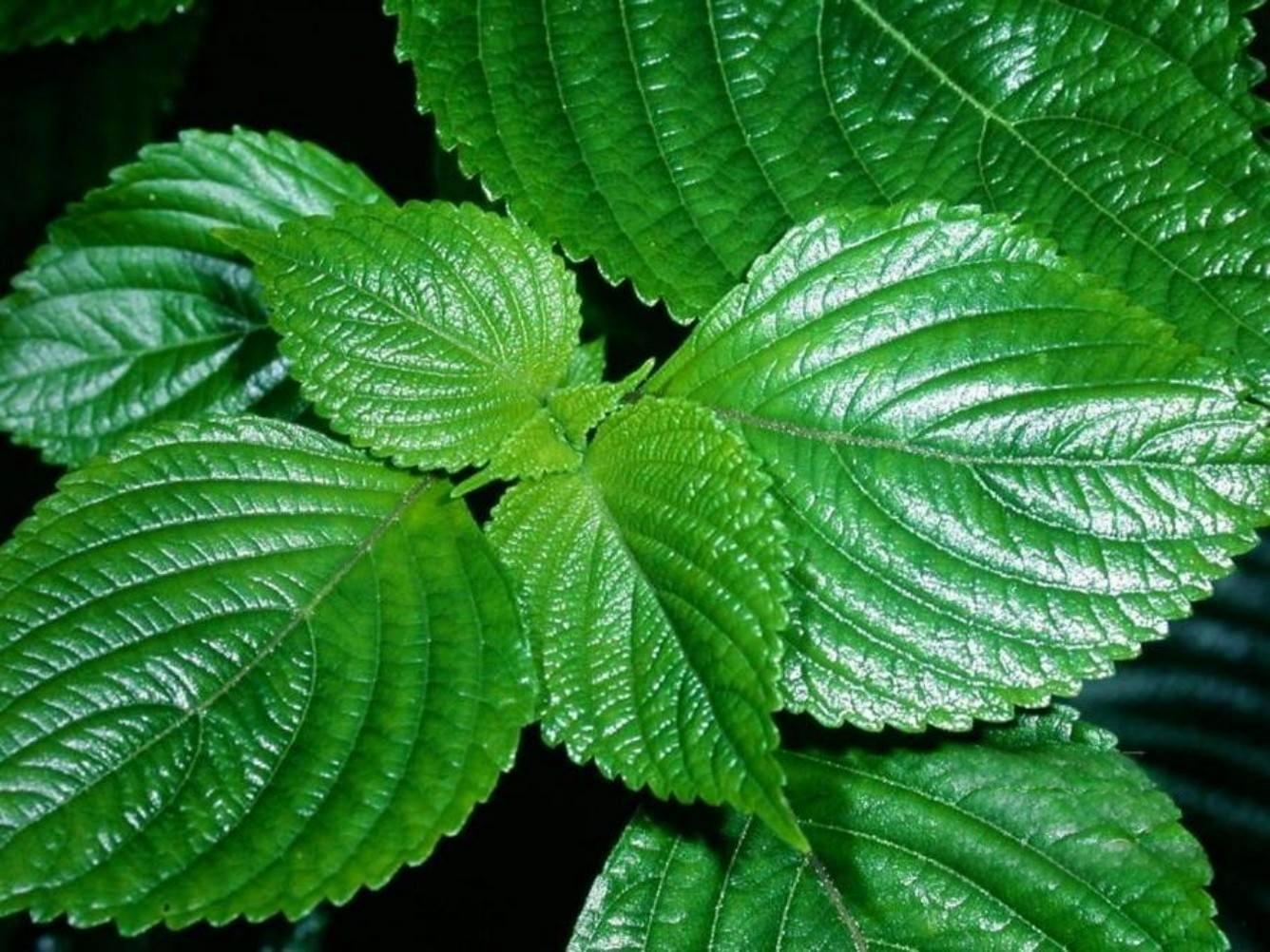
Advertisement