Ficus elastica
-
 Domestic and indoor
 Domestic and indoor
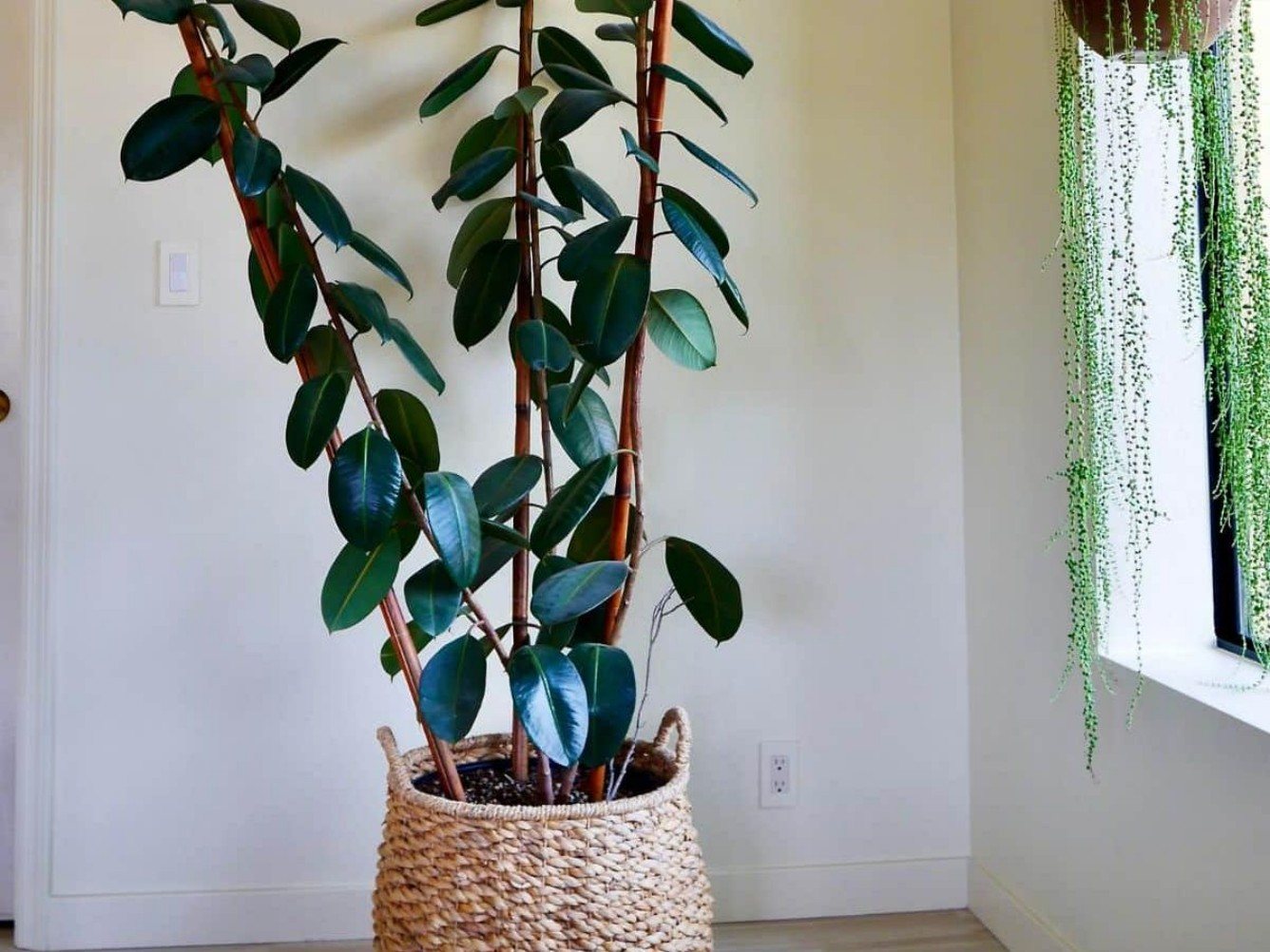
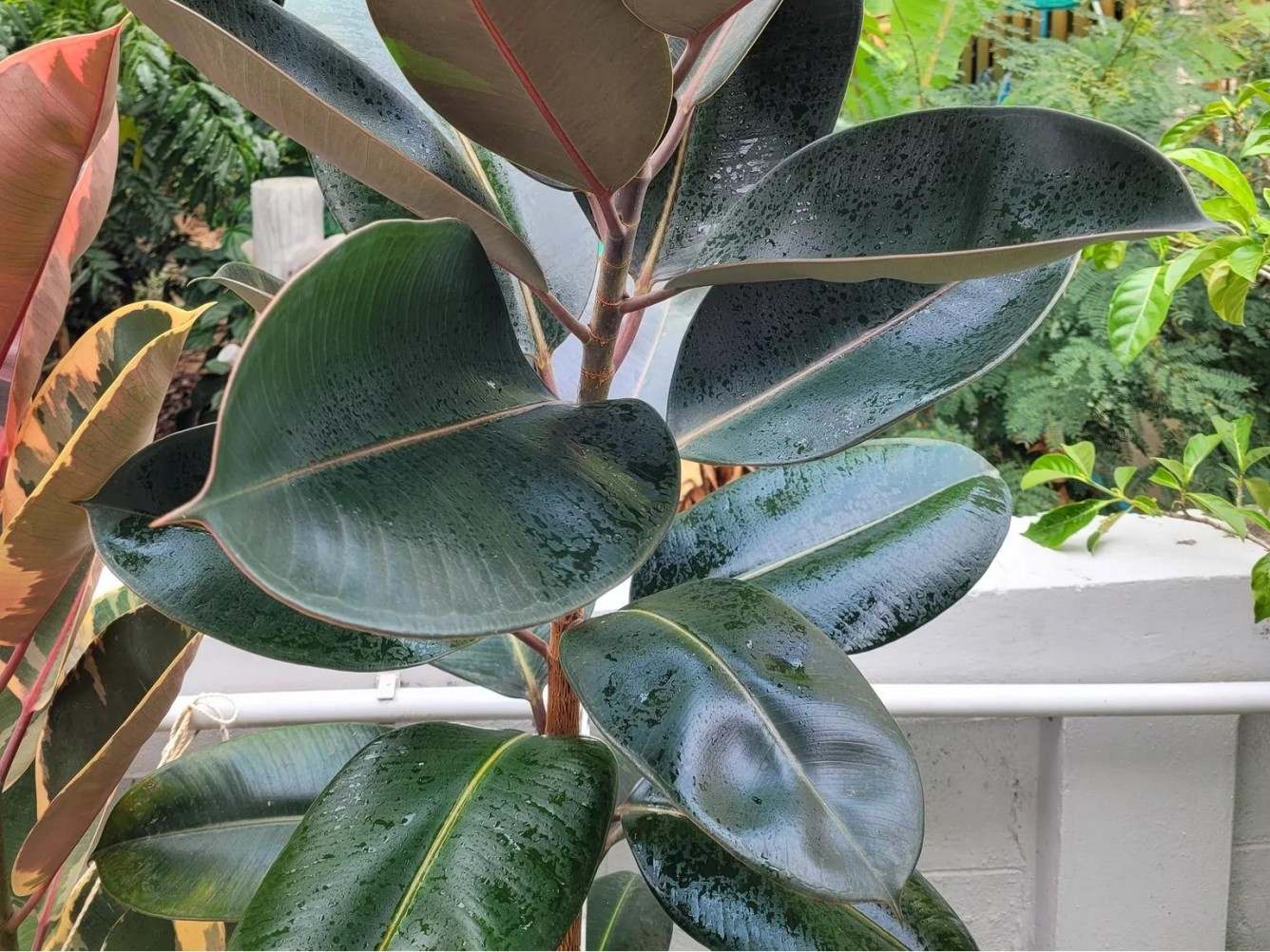
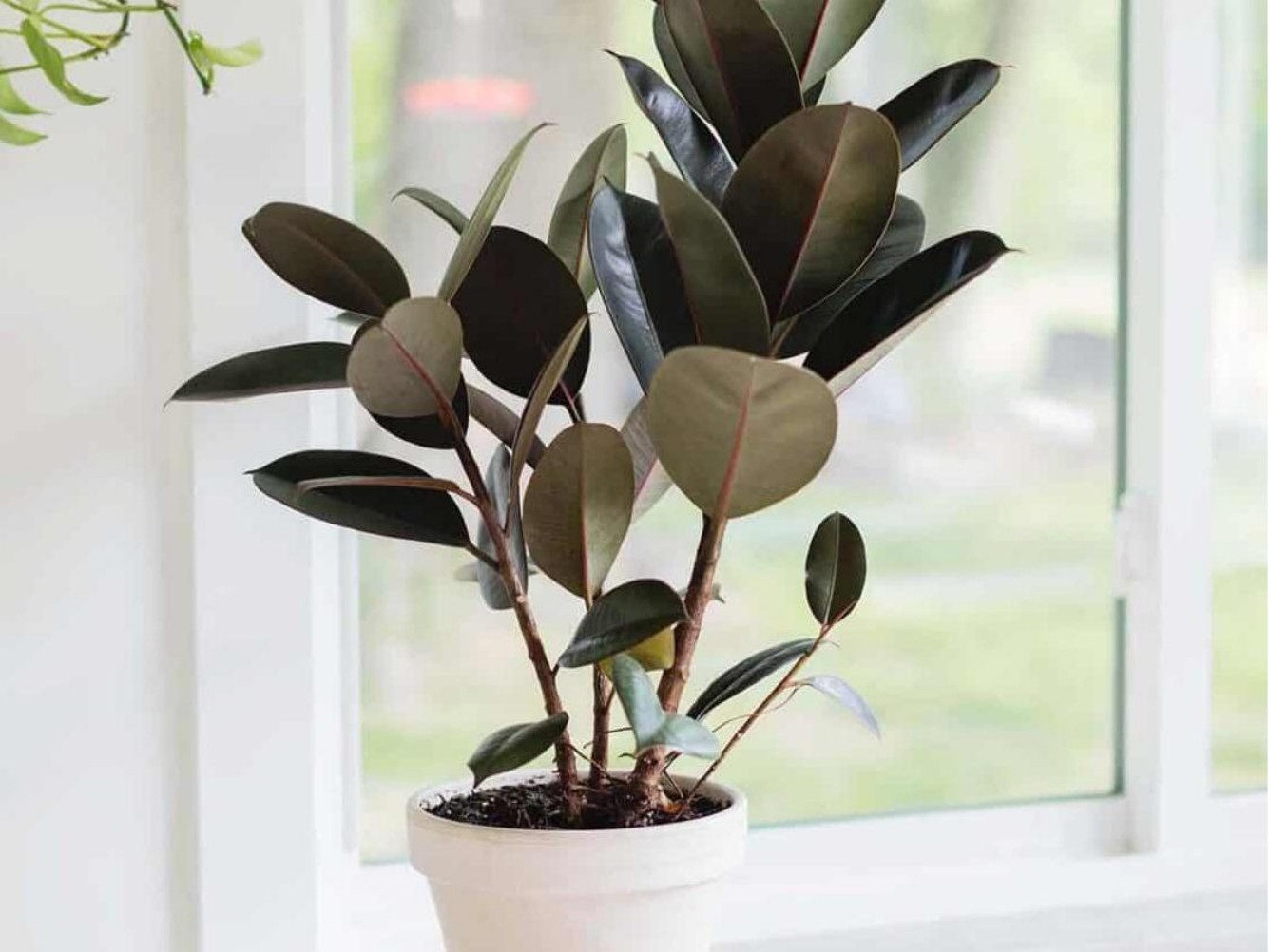
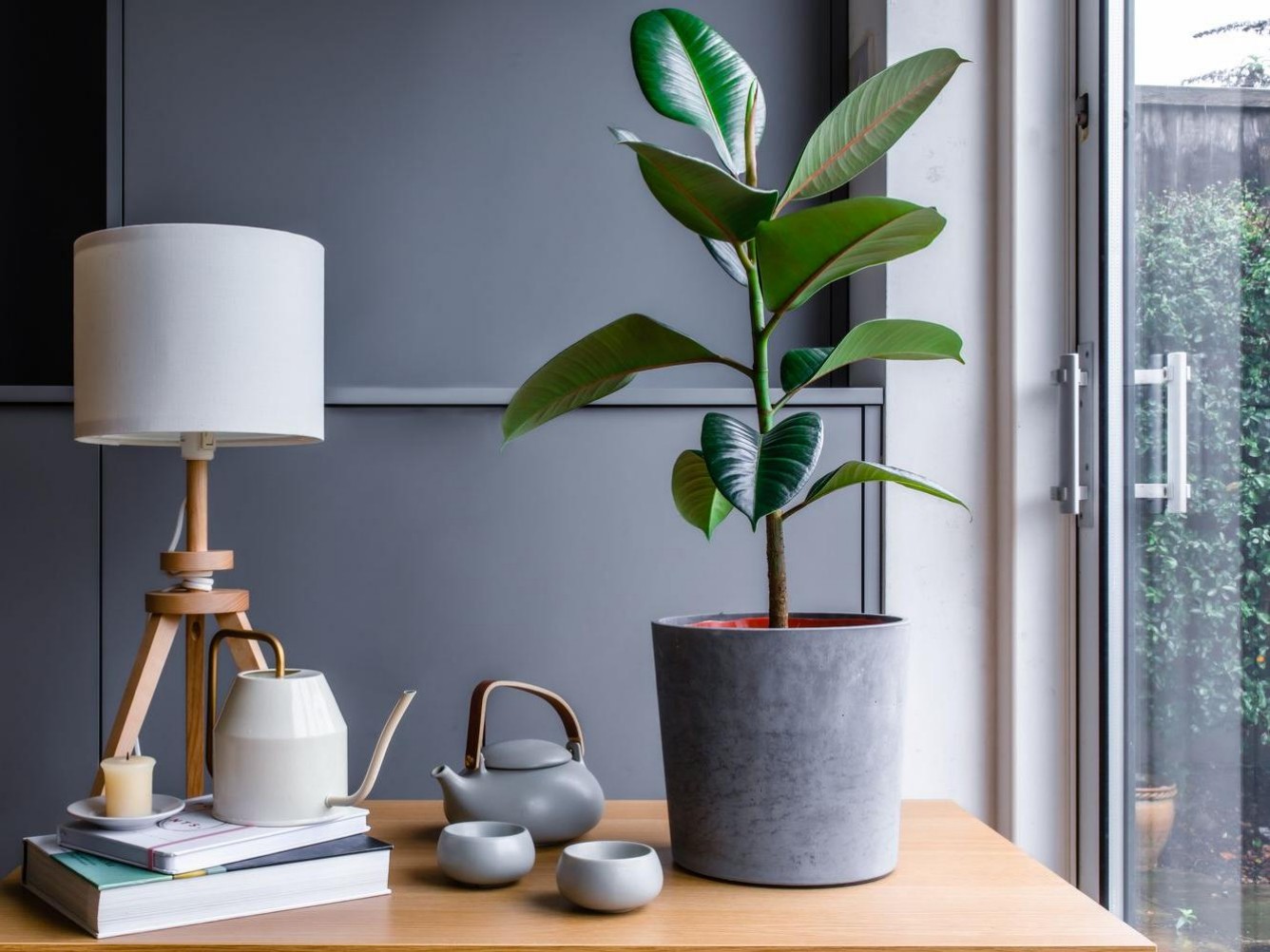
Nursing Skills
Ficus elastica prefers a warm, moist environment with plenty of light but not too much, and is relatively easy to care for. Keeping the potting soil slightly moist and well ventilated is the key to its healthy growth. Fertilizing once a month during the growing season promotes dense foliage. Pruning can control the shape and height of the tree and is also good for branching. As long as it is protected from cold and sunlight, it is one of the representatives of “everlasting” green plants.
Advertisement
Plant Properties
-
- Toxicity
- Slightly toxic, milky white sap irritates skin and pets
-
- Growth Cycle
- Perennial
-
- Plant type
- Woody evergreen
-
- Plant Height
- 1-2 meters
-
- Crown diameter
- 50-150 cm
-
- Leaf color
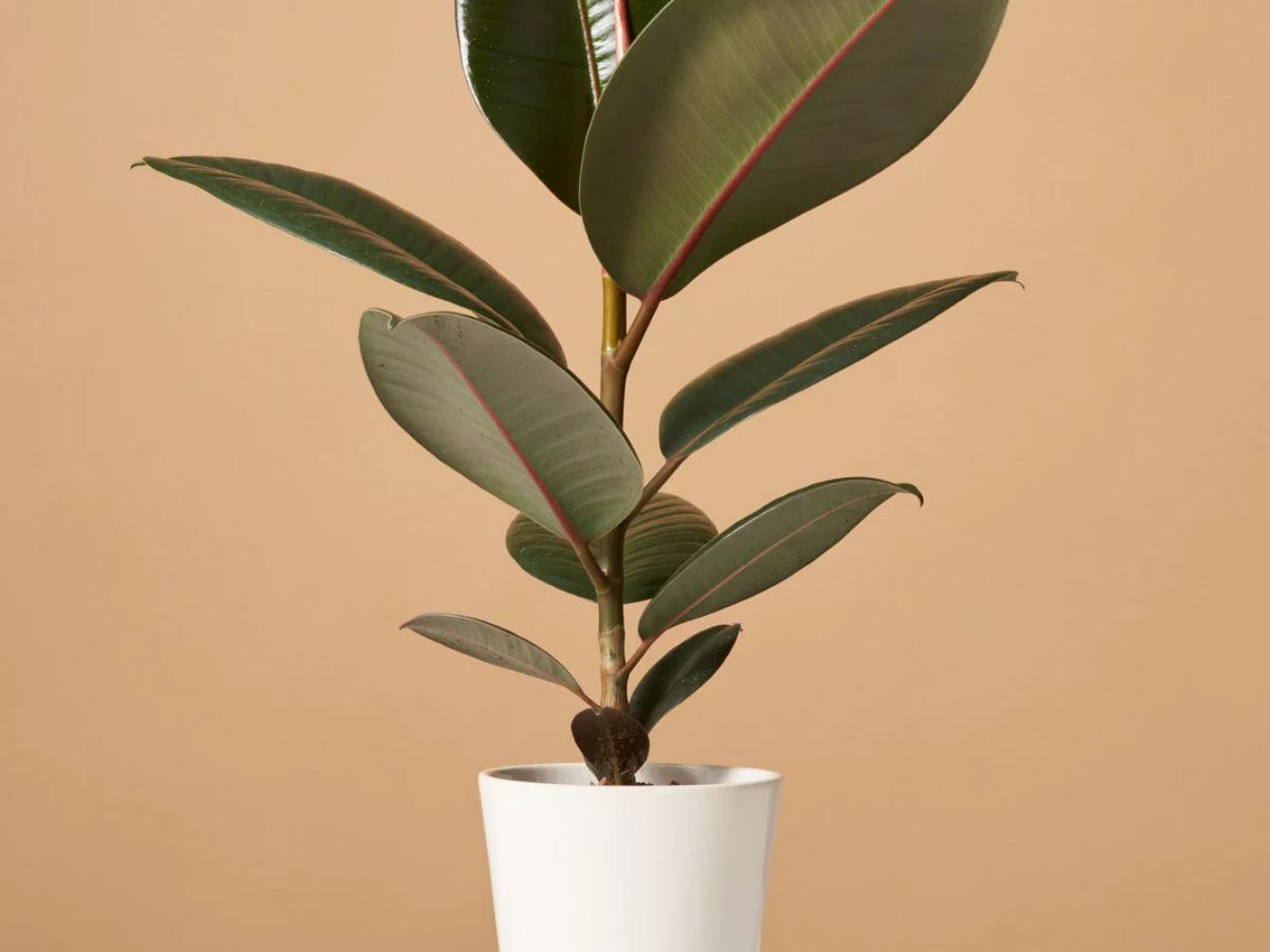
- Dark green, some varieties with purple edges or red veins
-
- Stem color
- Brownish-brown to dark red
-
- Leaf type
- Broadly elliptic
Plant Care Requirements
-
Light
Prefer bright diffused light, avoid strong direct light
-
Soil Moisture
Keep it slightly moist, avoid waterlogging.
-
Soil PH
Neutral or slightly acidic (pH 6.0-7.0)
-
Watering frequency
Once a week in spring and summer, once every 10-15 days in fall and winter
-
Fertilizer frequency
Once a month during the growing period with compound fertilizer or foliar fertilizer
-
Temperature
18-28°C
-
Planting time
Spring and summer is the best time to change pots
Advertisement
Plant Care Guide
-
What is the principle of watering Ficus elastica?
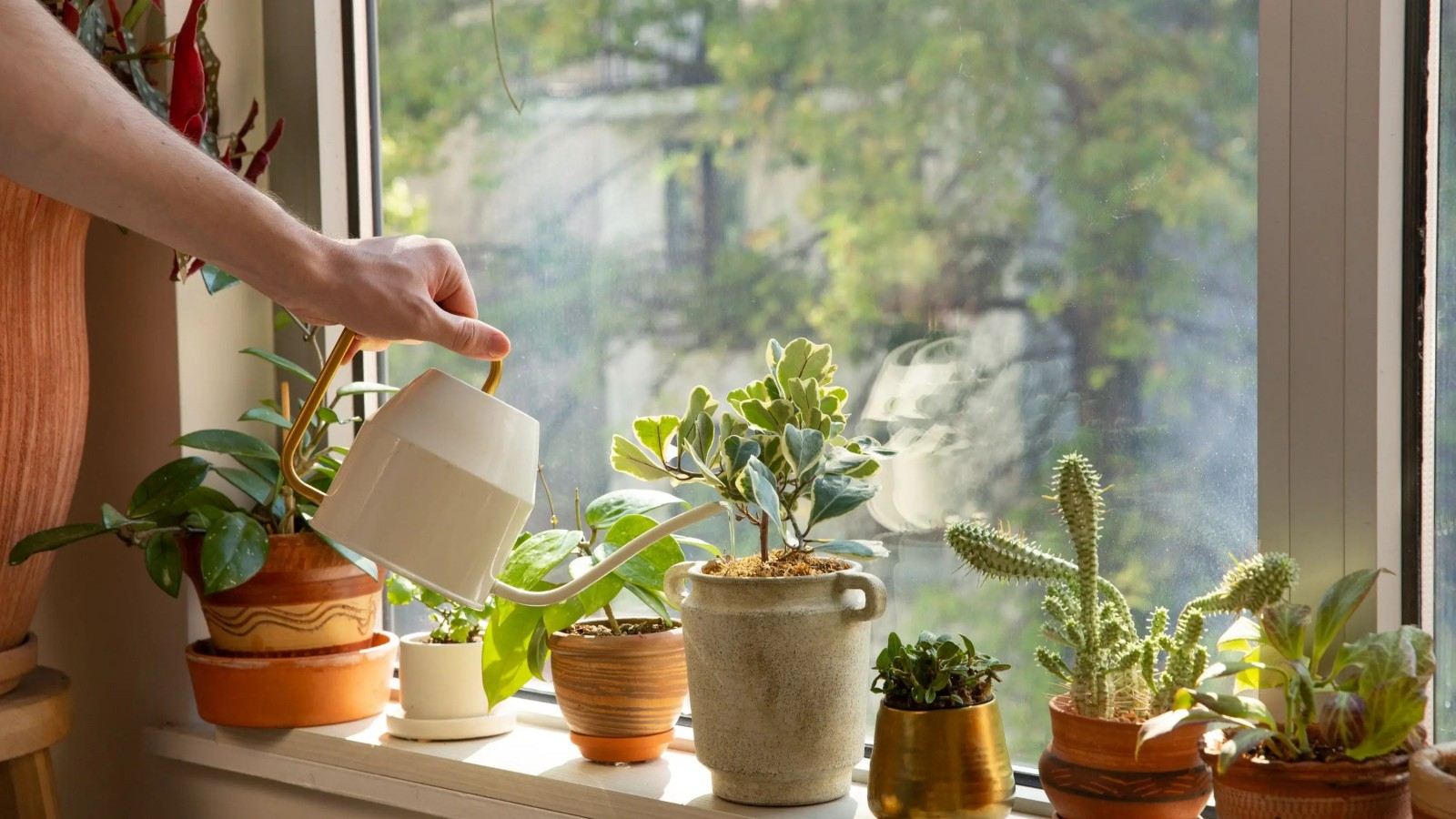
Once every 7 to 15 daysFicus elastica is afraid of waterlogging but not drought tolerant, watering should be “wet and dry”. During the growing season in spring and summer, water thoroughly once a week, and then replenish the water after the soil surface dries out; when the growth is slow in fall and winter, water once every 10-15 days. Stagnant water can lead to root rot, which manifests itself as yellowing roots and leaf loss, so it is important to make sure the bottom of the pot is well drained.
-
How much light does Ficus elastica need?
Bright Diffused LightIt prefers bright diffused light and can also adapt to semi-shade. Too much light can burn the leaves and leave scorch marks, while not enough light can cause the leaves to lose their luster and the internodes to grow longer. Ideally, plant indoors near a window. Spotted-leaf varieties require more light and should be avoided in shady corners.
-
Does Ficus elastica need regular pruning?
Regular pruningYes. Ficus elastica is a vigorous grower and if left unchecked, it can easily get very tall and overgrow its branches. Light pruning is recommended in the spring. Cutting back the top buds will encourage lateral growth and make the plant more compact and attractive. You can also cut off yellow and diseased leaves to keep the plant healthy. When pruning, be careful not to cut into the branches to avoid spilling color protectant or contaminating furniture.
-
How to propagate Ficus elastica?
CuttingsAt home, cuttings are a common method of propagating Ficus elastica. Select healthy branches to cut, dry them and insert them into moist vermiculite or perlite. Place the spikes in a warm, moist environment and they will root in about 4-6 weeks. They can also be grown hydroponically and transplanted to soil after rooting. The best time to take cuttings is late spring/early summer for a higher success rate.
-
Do I need to change the pot frequently?
1-2 yearsYoung plants are recommended to be repotted every 1-2 years to provide enough growing space and fresh soil. Mature plants can be repotted every 3 years or so. When changing pots, check the health of the root system, cut off the dead and decayed parts, and use well-drained potting soil. Pots that are too small can restrict root expansion and cause the plant to grow slowly.
-
Does Ficus elastica purify the air?
YesYes. Ficus elastica is on NASA's list of air-purifying plants for its ability to adsorb and decompose formaldehyde, benzene and other harmful substances in the air. Its broad leaves can effectively absorb pollutants and release oxygen. Although it is not as effective as mechanical purifiers, growing Ficus elastica in a closed environment is good for your health.
Advertisement
Frequently Asked Questions
-
1 What if my Ficus elastica loses its leaves?
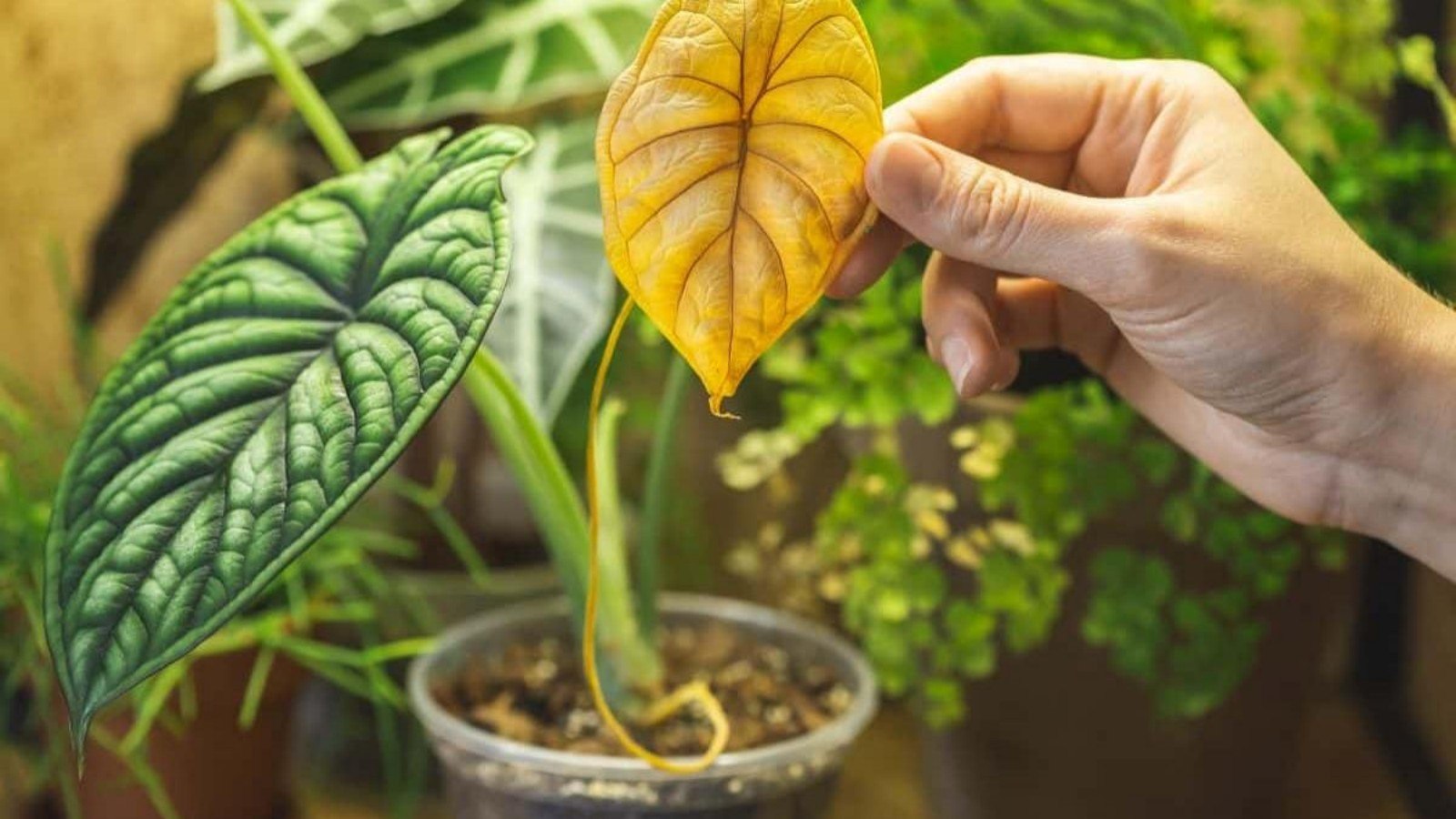
Leaf drop is usually caused by environmental stresses such as overwatering, low light, pot changes or sudden drops in temperature. Check if the soil is too wet and adjust to a “wet-dry-wet” watering regimen; move the plant to a well-lit area; and avoid frequent movement or exposure to cold winds. After stabilizing the environment, Ficus elastica can usually resume normal growth gradually.
-
2 Is Ficus elastica juice poisonous?
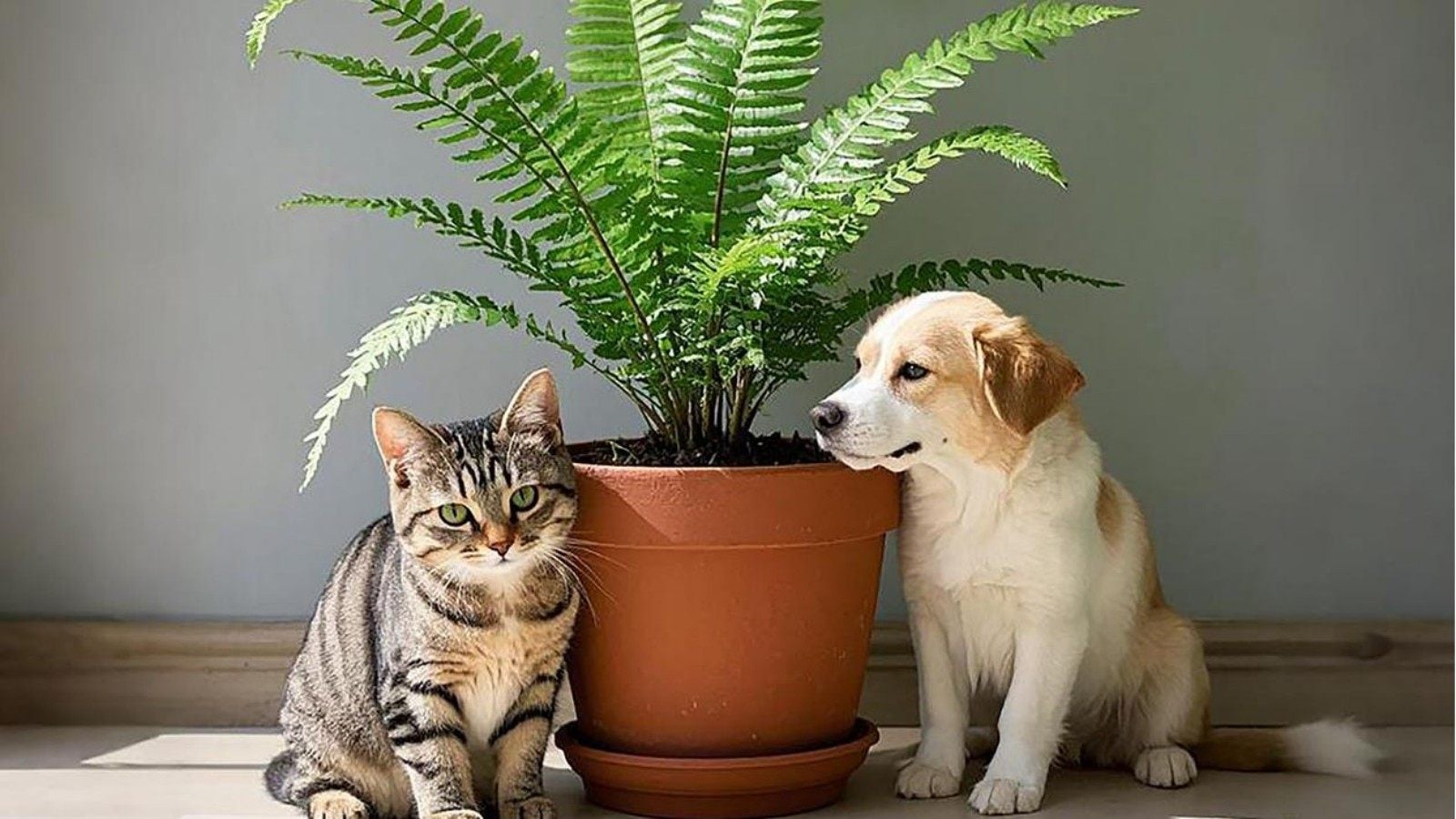
Yes, it is poisonous. The white milky sap from Ficus elastica wounds contains latex, which may cause itching, redness and swelling in people with sensitive skin, and can also be dangerous if accidentally ingested by pets and children. It is recommended that gloves be worn when caring for or trimming Ficus elastica and that contact with the eyes and mouth be avoided. In case of inadvertent contact, rinse immediately with water.
-
3 How to care for Ficus elastica in winter?
In winter, avoid the cold and keep the plant at a temperature of no less than 10°C, with an optimal temperature of 15-20°C. Reduce the frequency of watering and keep the soil dry. Place it indoors in a bright spot near a windowsill and out of direct cold air. If the room temperature is low, cover the plant with an insulating cloth or place a heating pad at night.
-
4 Can I place Ficus elastica next to a TV or under an air conditioner?
No. Although Ficus elastica is very adaptable, prolonged exposure to dry air-conditioned air or near TV radiation can cause the leaves to lose water, dry out or develop yellow spots. Rubber trees should be placed in a well-ventilated area without direct cold air, avoiding proximity to heat sources or electrical appliances, and keeping the environment moist.
-
5 What causes leaf curl on Ficus elastica?
Leaf curling is usually associated with excessively dry air, lack of water or insufficient light. Especially in winter, indoor heating can lead to lower humidity and leaves tend to curl. You should spray water properly to increase humidity and check if the soil is too dry so that it can be replenished promptly. If there is insufficient light, adjusting the position of the plant to provide more natural light can improve the situation.
-
6 Why doesn't Ficus elastica grow taller?
If your Ficus elastica is growing slowly, it may be due to insufficient light, improper fertilization or small pot size. Make sure it receives at least 4 hours of diffused light per day and apply a balanced fertilizer once a month during the growing season. Replacing potted plants with larger ones also helps the root system to expand and the plant to grow upwards. Avoid frequent top pruning as this may inhibit growth.
Advertisement
Introduction
Ficus elastica is an evergreen tree native to Southeast Asia, named for its broad, thick and shiny leaves, and is an extremely popular indoor foliage plant. It is not only beautiful and durable, but also has a certain air purification ability, can effectively absorb indoor harmful gases. With a variety of varieties and strong adaptability, the rubber tree is the preferred choice for landscaping in modern homes and office spaces.
Popular Plant Encyclopedia
-
-
Poisonous and danger
- Rhus typhina
-
-
-
Edible and medicinal
- Common sunflower
-
-
-
Poisonous and danger
- Plumeria rubra
-
-
-
Wild and common weed
- Convolvulus arvensis
-
-
-
Edible and medicinal
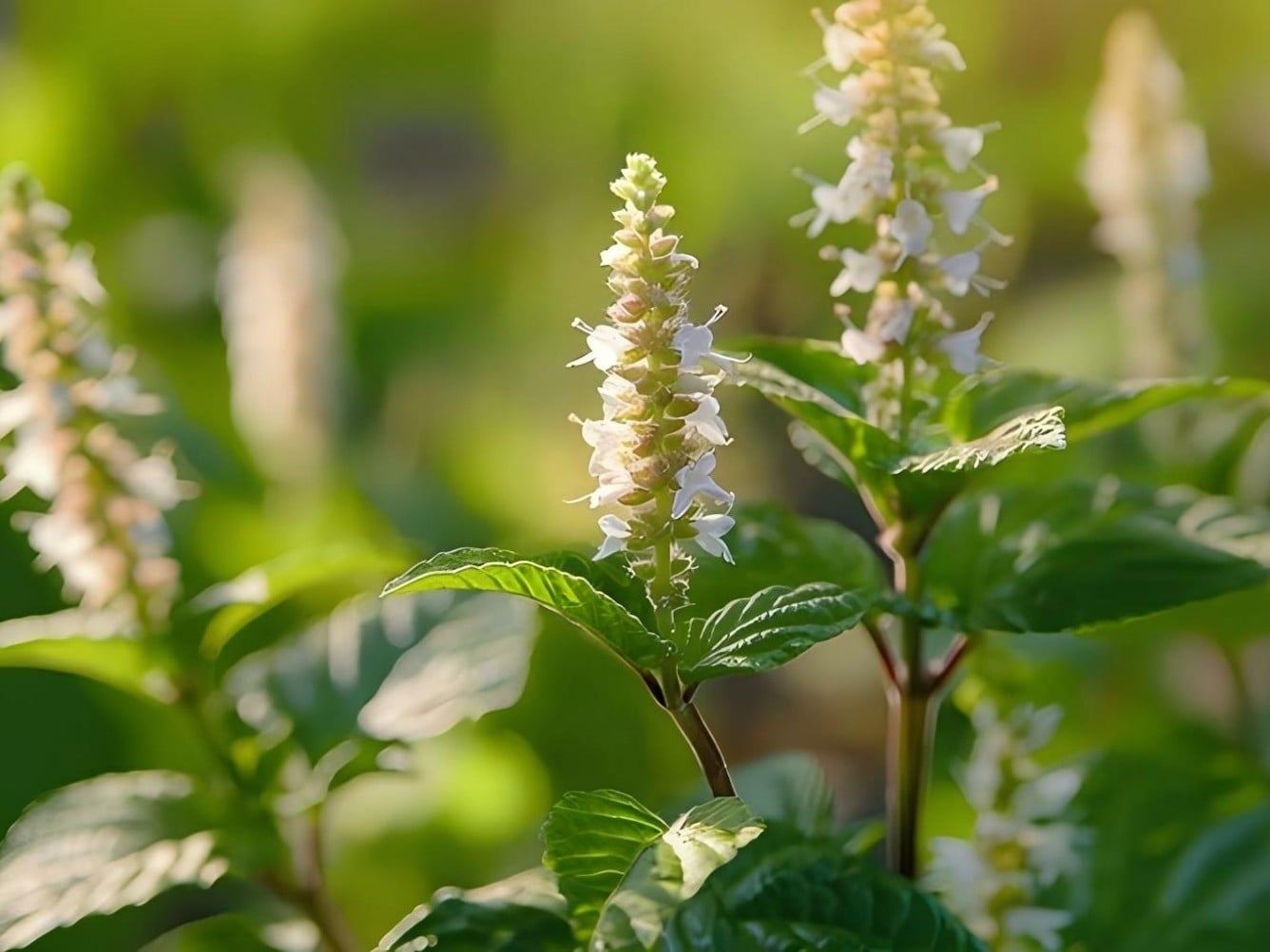
- Perilla frutescens
-
-
-
Edible and medicinal
- Pogostemon cablin
-
-
-
Edible and medicinal
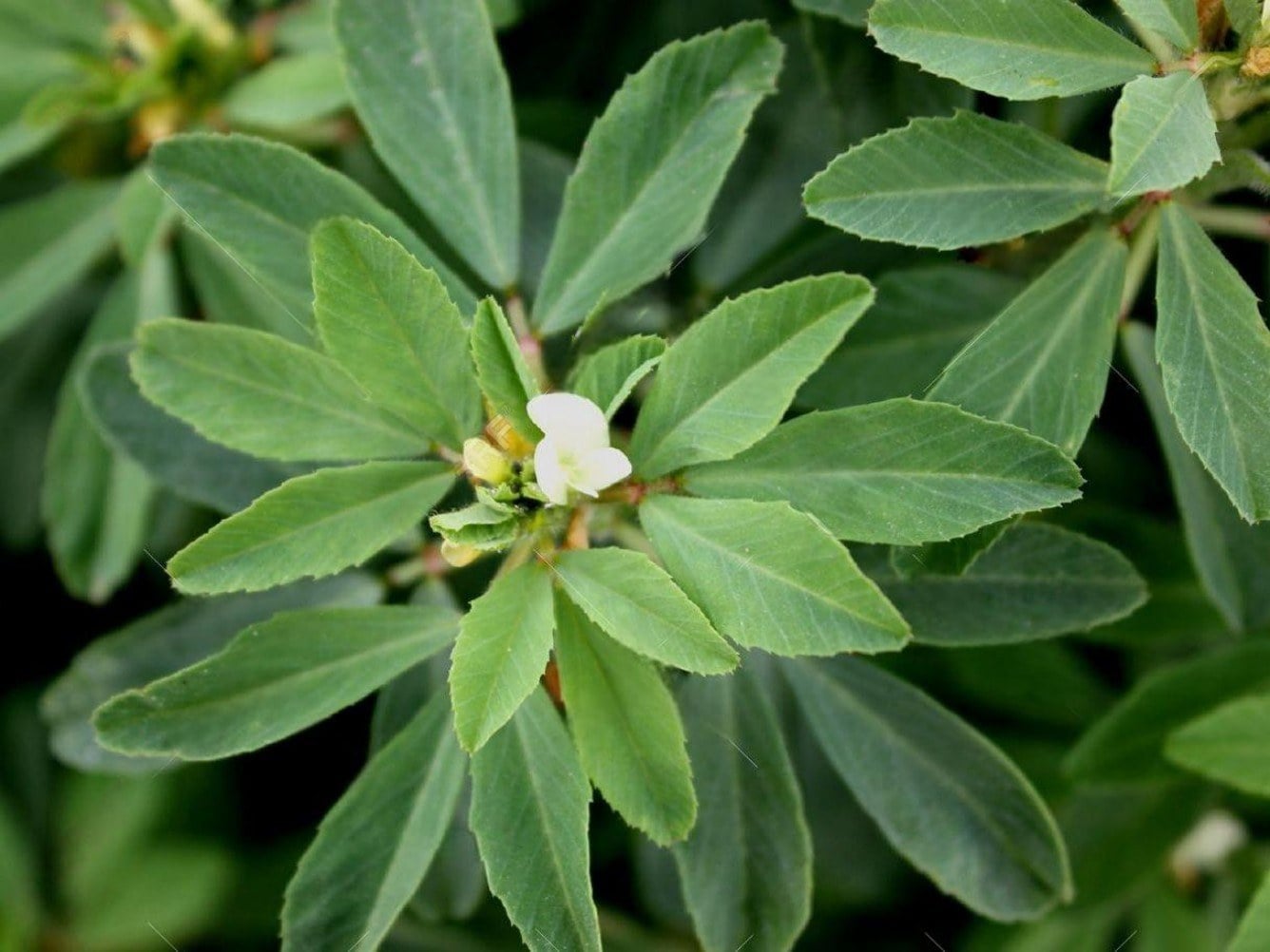
- Common fenugreek
-
-
-
Edible and medicinal
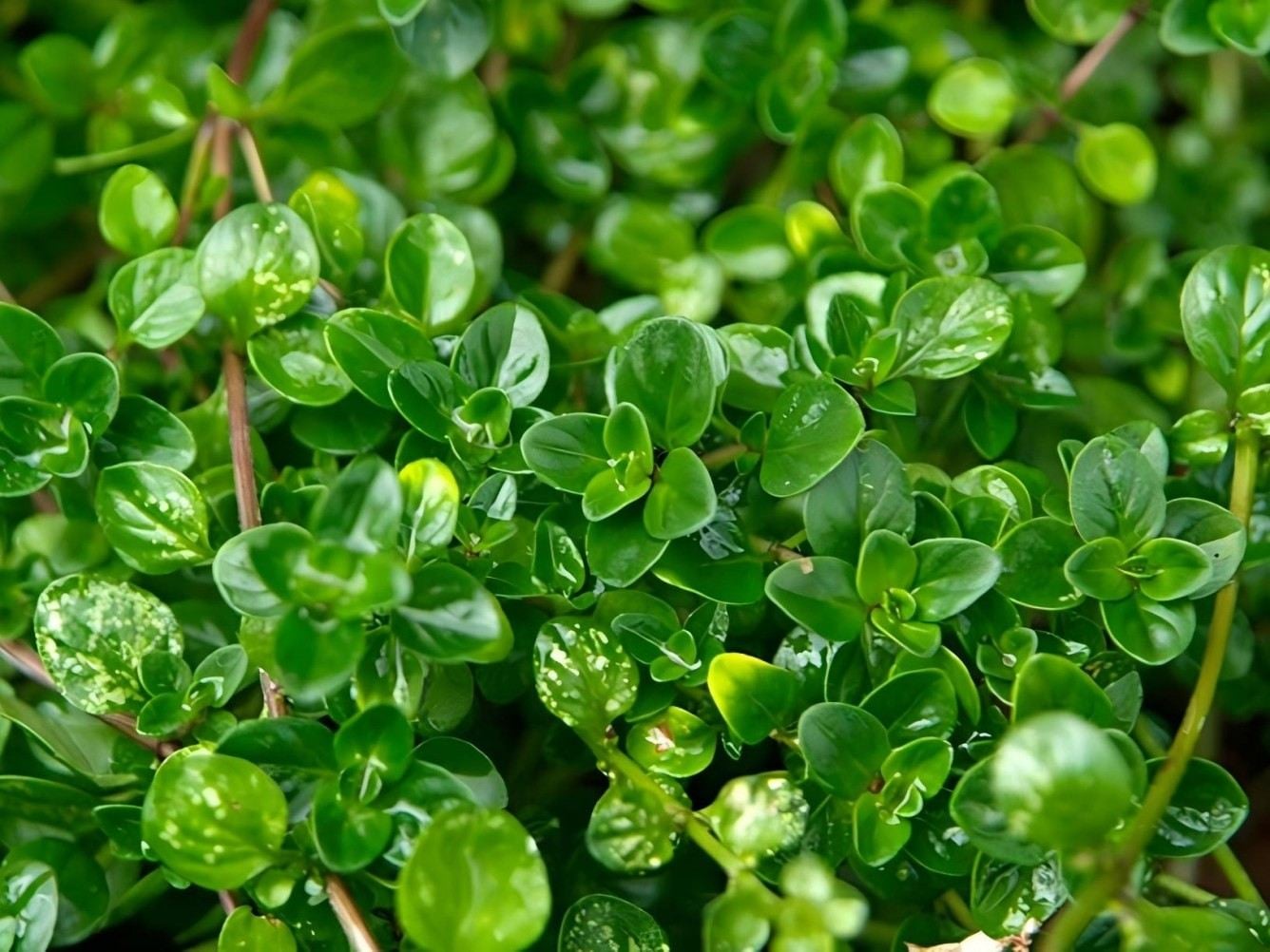
- Garden Thyme
-
 Poisonous and danger
 Edible and medicinal
 Wild and common weed
Advertisement