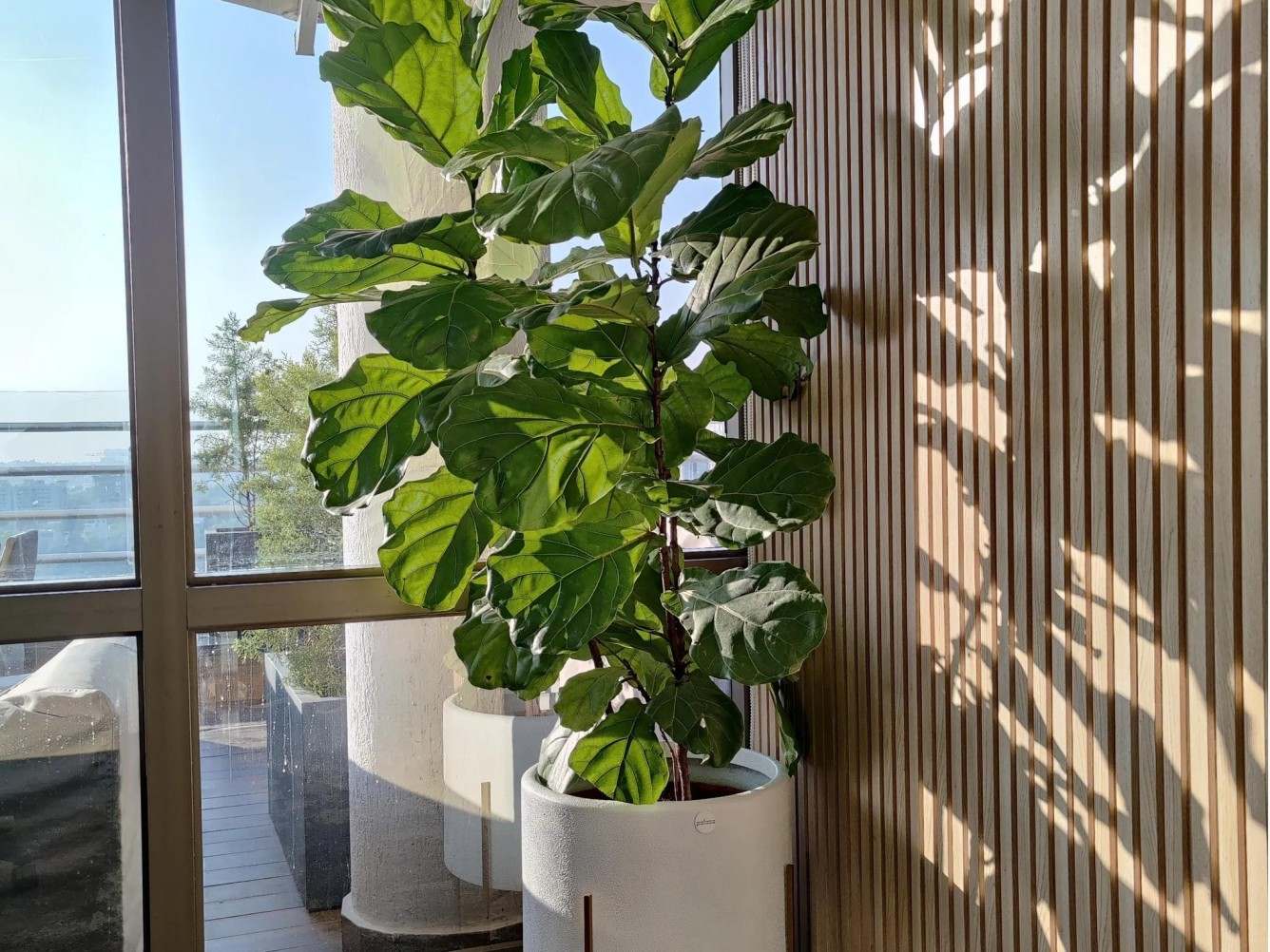
Fiddle Leaf Fig
-
 Domestic and indoor
 Domestic and indoor



Nursing Skills
This plant prefers bright, indirect light and should be kept out of direct sun to avoid leaf burn. Water moderately, letting the soil dry slightly between waterings. Ideal temperatures are 18–25°C. Ensure good air circulation and clean leaves regularly. Occasional pruning and repotting help maintain its health and shape.
Advertisement
Plant Properties
-
- Plant Type
- Evergreen tree type indoor foliage plants
-
- Plant Height
- Indoor cultivation up to 1.5-3 meters
-
- Leaf Type
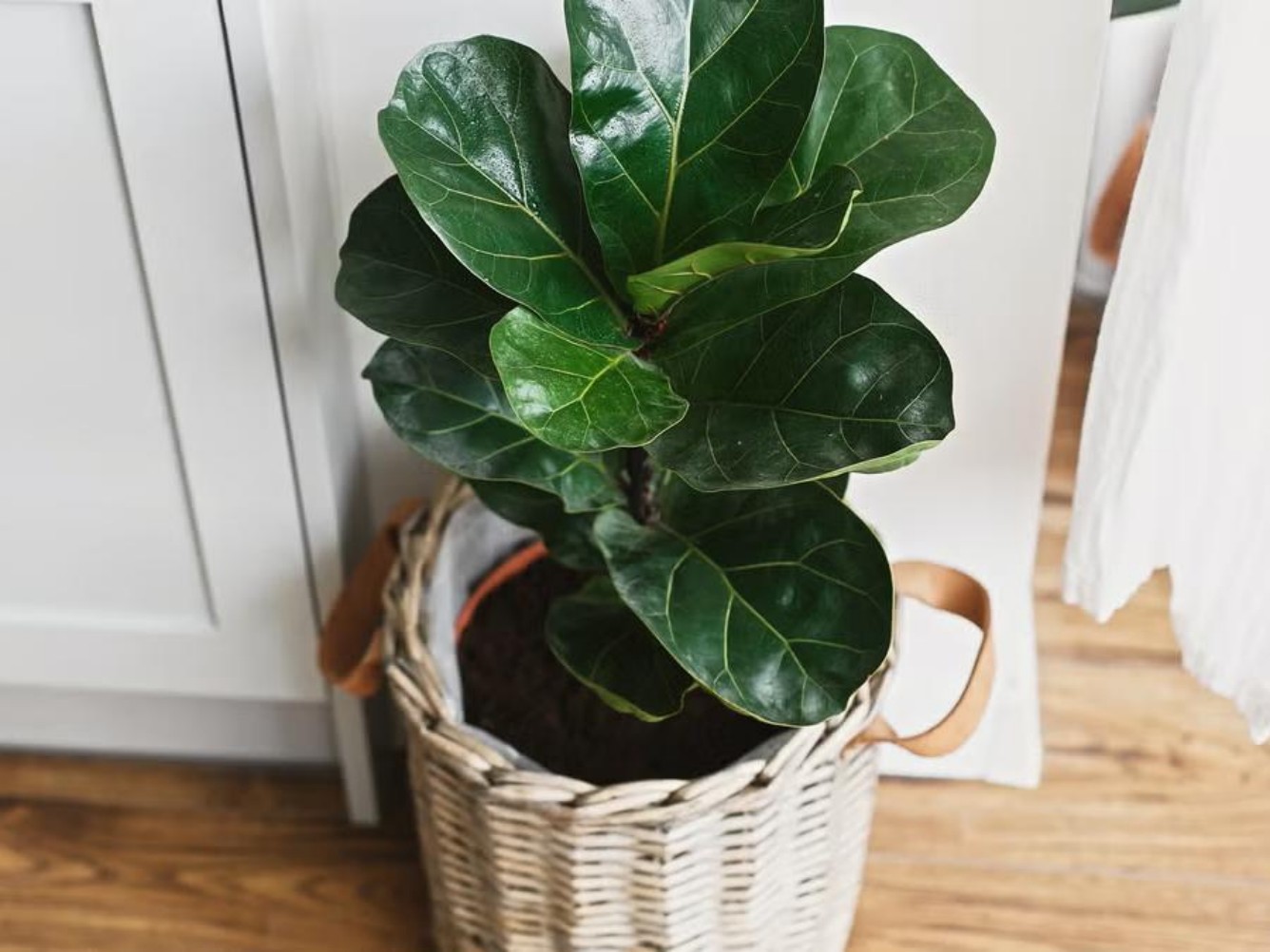
- Leathery and broad, fiddle-like with wavy edges
-
- Leaf color
- Dark green, glossy, with obvious veins
-
- Growth cycle
- Perennial
-
- Flowering period
- Rarely indoors
-
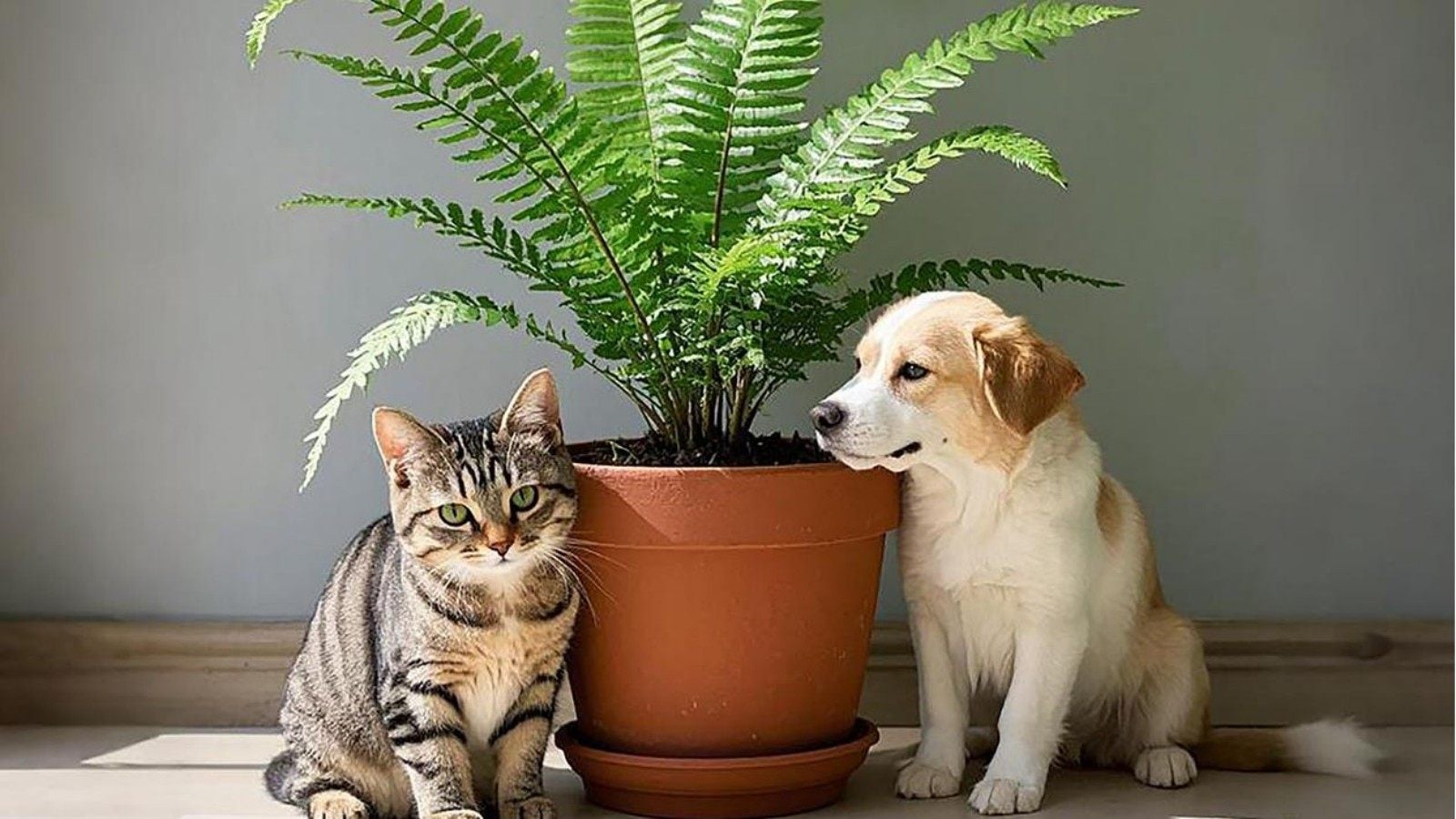
- Toxicity
- Poisonous
Plant Care Requirements
-
Light
Bright diffused light
-
Soil
Well-drained loam
-
Difficulty to grow
Medium-high
-
Humidity requirements
Medium to high
-
Temperature
18-26°C
-
Fertilization frequency
Once a month
-
Planting time
Best in spring
-
Ventilation needs
Good air circulation
Advertisement
Plant Care Guide
-
How do I water my Fiddle Leaf Fig properly?
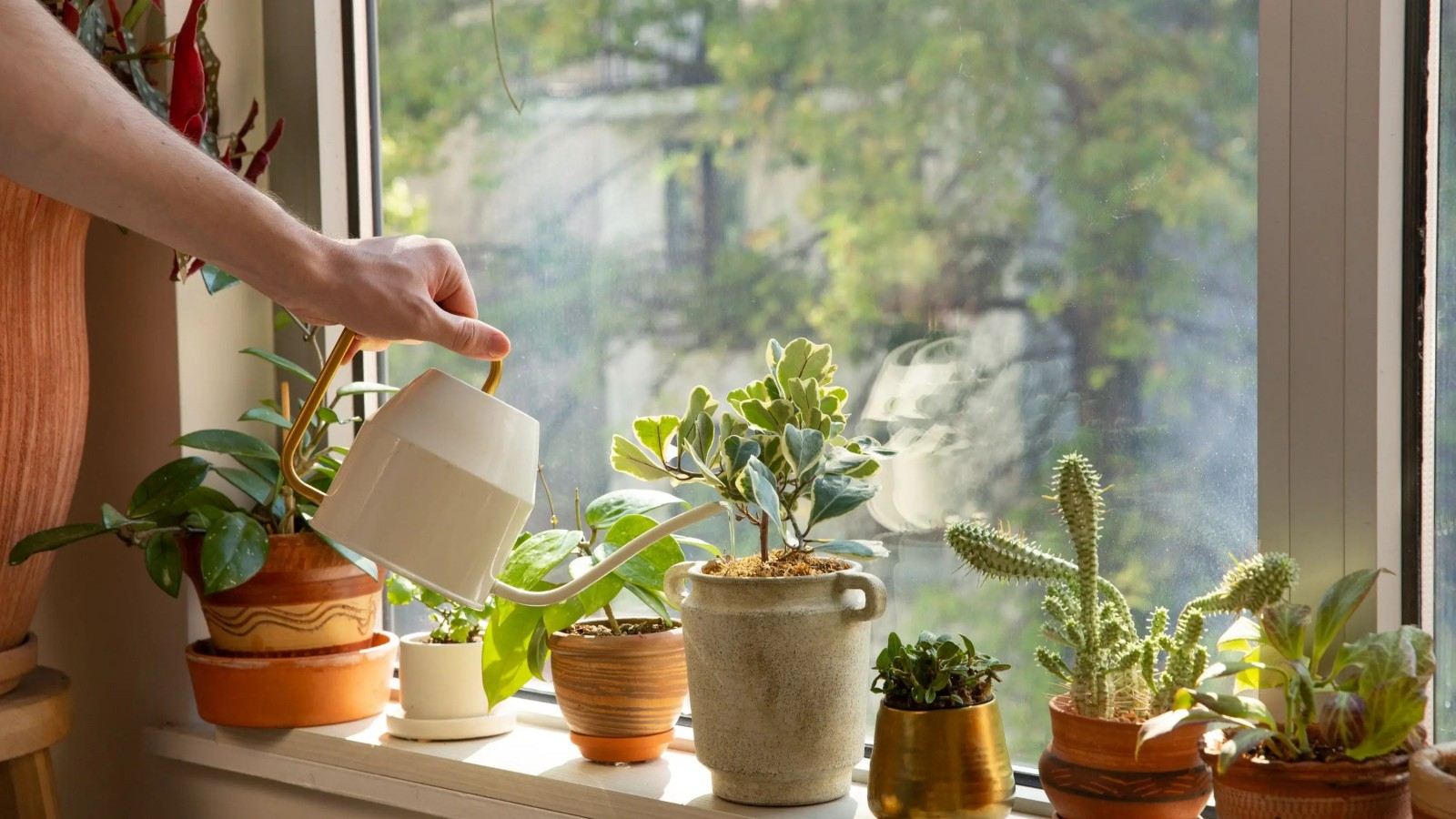
Top 2-3 cm dryCheck soil moisture with your finger—if the top 2–3 cm is dry, it's time to water. Use room-temperature water and pour slowly around the edge of the pot until water drains from the bottom. Always empty the saucer to prevent root rot. During colder months, reduce watering frequency but maintain humidity with a pebble tray or humidifier. Avoid misting directly on the leaves, as stagnant water can cause fungal issues. Establish a consistent watering routine and monitor for signs of overwatering such as yellowing leaves or a musty smell from the soil.
-
How should I prune my Fiddle Leaf Fig?
Spring pruningPrune in spring to encourage branching and shape control. Use sterilized pruning shears to cut above a node or leaf joint. Remove any dead, damaged, or overly tall stems. If the plant is too tall, cut the top of the main stem to promote lateral growth. Do not remove more than 10–15% of foliage at once, as excessive pruning can stress the plant. After pruning, keep the plant in bright but indirect light and avoid fertilizing for 2–3 weeks to let it recover.
-
How often should I repot my Fiddle Leaf Fig?
1–2 yearsPrune in spring to encourage branching and shape control. Use sterilized pruning shears to cut above a node or leaf joint. Remove any dead, damaged, or overly tall stems. If the plant is too tall, cut the top of the main stem to promote lateral growth. Do not remove more than 10–15% of foliage at once, as excessive pruning can stress the plant. After pruning, keep the plant in bright but indirect light and avoid fertilizing for 2–3 weeks to let it recover.
-
How do I clean dust from the leaves?
Monthly cleaningUse a soft, damp cloth to wipe both sides of each leaf monthly. This removes dust that can block sunlight and hinder photosynthesis. You can also spray with lukewarm water and gently dry with a microfiber cloth. Avoid using commercial leaf-shine sprays or oils, which can clog pores and hinder breathing. For large or tall plants, a soft brush or microfiber duster can be helpful. Always clean in a shaded spot to prevent sunburn on wet leaves.
-
Can I grow a Fiddle Leaf Fig outdoors?
Indoors is betterOnly if your climate is warm and humid year-round, such as USDA zones 10–12. Otherwise, it's best kept indoors. Outdoors, protect it from direct afternoon sun, strong winds, and nighttime temperatures below 10°C (50°F). Short-term outdoor placement is fine during mild spring or summer days, but bring it back indoors at night. If kept outside, monitor for pests like spider mites or aphids. Indoor care ensures more consistent conditions, which this plant prefers.
-
How can I encourage my Fiddle Leaf Fig to branch?
Prune the main stem aboveTo promote branching, prune the main stem just above a leaf node in spring. This stimulates dormant buds to grow into side branches. You can also try the notching method—make a shallow cut halfway through the stem above a leaf node without cutting it off. Rotate the plant regularly to ensure even light exposure. Consistent care, proper feeding, and adequate light also support fuller growth. Be patient; it may take weeks for new branches to form.
Advertisement
Frequently Asked Questions
-
1 Why are the leaves dropping off my Fiddle Leaf Fig?
Leaf drop can result from sudden environmental changes such as relocation, cold drafts, temperature fluctuations, or improper watering. Avoid moving the plant too often and keep it away from vents, radiators, or windows with fluctuating temperatures. Water only when the top soil is dry and avoid soggy conditions. Ensure the plant receives bright, indirect light and is not left in low-light corners. Minor leaf loss after repotting or seasonal changes is normal, but persistent leaf drop may signal root issues or fungal problems.
-
2 Why are the leaf tips turning brown or yellow?
This often indicates low humidity, overfertilization, or inconsistent watering. Dry indoor air, especially in winter, can stress the plant. Use a humidifier or a pebble tray to increase humidity. If fertilizer buildup is suspected, flush the soil thoroughly with water and reduce feeding. Brown tips can also appear if water is too hard or high in salts—try using distilled or filtered water. Regularly clean the leaves and ensure proper drainage to maintain healthy roots and foliage.
-
3 What should I do if my Fiddle Leaf Fig gets brown spots?
Brown spots may be caused by fungal infections, overwatering, or water sitting on the leaves. Improve air circulation and always water at the base, not on the leaves. Remove affected leaves and treat with a mild fungicide if necessary. Ensure the pot has adequate drainage and avoid crowding the plant with others. Brown spots that spread rapidly may indicate root rot; in this case, check the roots and repot in fresh soil if they appear black or mushy.
-
4 Why isn’t my Fiddle Leaf Fig growing new leaves?
Lack of growth may be due to insufficient light, low temperatures, or nutrient deficiencies. Make sure your plant gets at least 6 hours of bright, indirect light daily. Keep room temperatures consistently above 18°C (65°F). During the growing season, fertilize once a month with a balanced fertilizer. Also check if the plant is root-bound—if roots are tightly circling the pot, it may need repotting. Avoid overwatering and create a stable care routine to support consistent growth.
Advertisement
Introduction
The Fiddle Leaf Fig (Ficus lyrata) originates from the tropical rainforests of West Africa and is a popular evergreen ornamental tree. Named for its large, glossy, fiddle-shaped leaves, this plant adds a tropical and sculptural touch to indoor spaces. It is widely appreciated for its ability to purify air and elevate interior design aesthetics. With its upright form and bold foliage, the Fiddle Leaf Fig has become a favorite among decorators and plant enthusiasts.
Popular Plant Encyclopedia
-
-
Poisonous and danger
- Rhus typhina
-
-
-
Edible and medicinal
- Common sunflower
-
-
-
Poisonous and danger
- Plumeria rubra
-
-
-
Wild and common weed
- Convolvulus arvensis
-
-
-
Edible and medicinal
- Perilla frutescens
-
-
-
Edible and medicinal
- Pogostemon cablin
-
-
-
Edible and medicinal
- Common fenugreek
-
-
-
Edible and medicinal
- Garden Thyme
-
 Poisonous and danger
 Edible and medicinal
 Wild and common weed
Advertisement