Garden Thyme
-
 Edible and medicinal
 - Also known as: French thyme, German thyme
 Edible and medicinal
Nursing Skills
Garden Thyme thrives in full sun and well-drained soil with a neutral to slightly alkaline pH. Water sparingly, allowing the soil to dry between waterings. It prefers warm temperatures and benefits from occasional pruning to promote bushy growth. Avoid overwatering, and fertilize lightly in the growing season.
Advertisement
Plant Properties
-
- Lifespan
- Perennial
-
- Plant Type
- Herb, Shrub
-
- Bloom Time
- Late spring, Summer
-
- Harvest Time
- Early fall, Mid fall
-
- Plant Height
- 15 cm to 30 cm
-
- Leaf Color
- Green, Gray, Silver
-
- Flower Size
- 2.5 cm
-
- Fruit Color
- Brown, Copper
-
- Flower Color
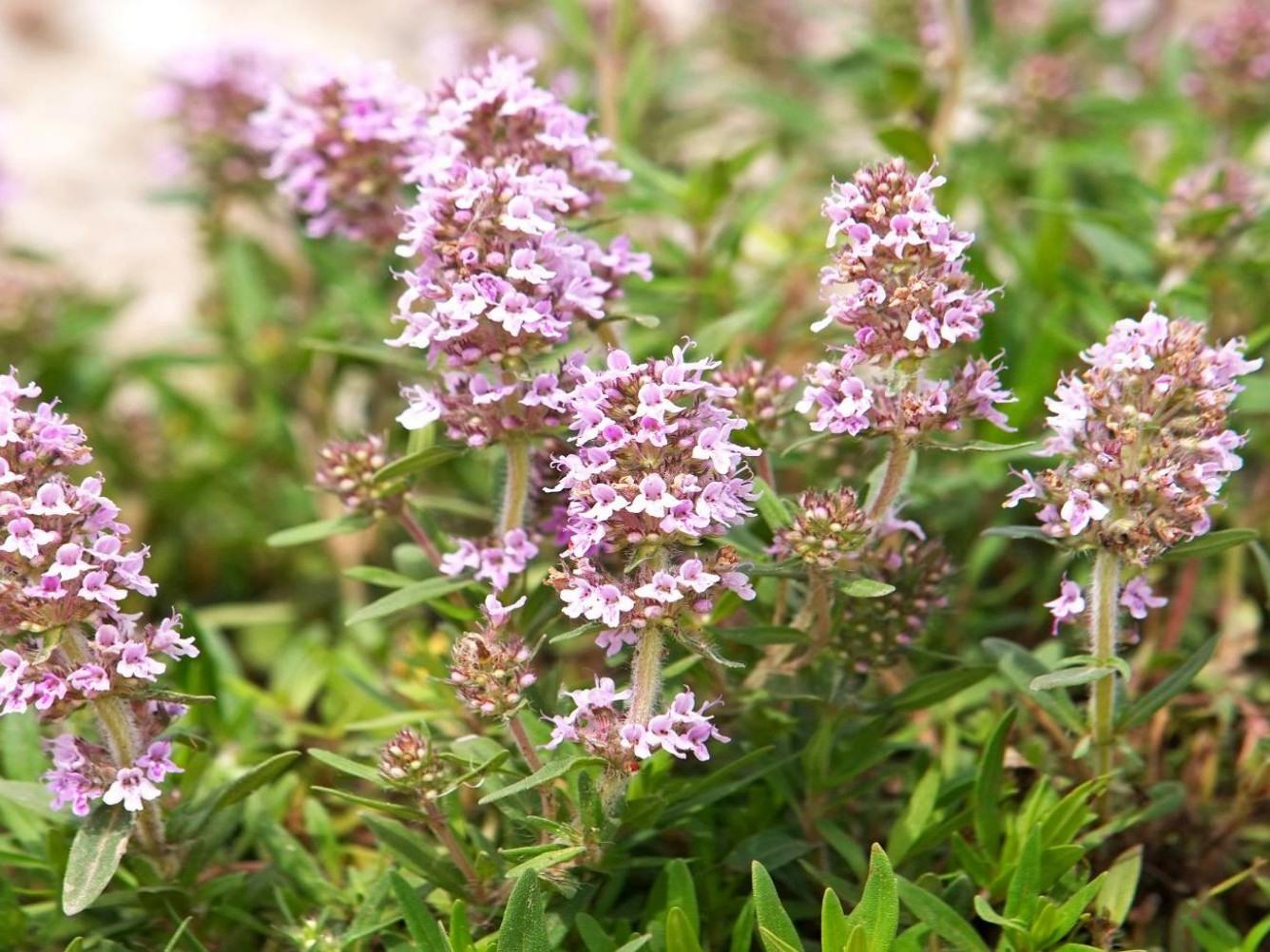
- White, Pink, Purple, Violet, Lavender
-
- Stem Color
- Green, Gray, Silver
-
- Leaf type
- Evergreen
Plant Care Requirements
-
Difficulty of care
Easy, ideal for beginners
-
Watering frequency
Moderate, water when the soil is dry
-
Light requirements
Full sun, at least 6 hours of direct sunlight daily
-
Soil pH
pH 6.5–7.5
-
Planting time
Spring, after the last frost
-
Hardiness zone
USDA zones 5–9
-
Growth rate
Moderate
-
Dormancy period
Winter
-
Ideal temperature
15–28°C
Advertisement
Plant Care Guide
-
How much sunlight does Garden Thyme need?
Garden Thyme is a Mediterranean herb that flourishes in full sun. It requires at least 6 to 8 hours of direct sunlight per day to grow compact and flavorful. If grown indoors, place thyme near a south-facing window or supplement with a grow light. Insufficient light may lead to weak, leggy stems and poor essential oil production, which reduces both its culinary and medicinal potency.
-
How often should I water Garden Thyme?
Water moderatelyWatering should be infrequent but thorough. Allow the soil to dry out between watering sessions, and avoid letting water sit at the roots. Overwatering is one of the most common issues with thyme, especially in clay-heavy or compacted soils. For container-grown plants, make sure the pot has drainage holes, and consider using a terra cotta pot to allow excess moisture to evaporate.
-
What type of soil does Garden Thyme prefer?
pH 6.5-7.5Garden Thyme thrives in well-drained soil with a pH between 6.5 and 7.5. It prefers sandy or loamy soils, similar to its native Mediterranean environment. Heavy clay or water-retentive soils should be amended with grit, sand, or compost to improve drainage. In raised beds or containers, use a cactus or herb mix to replicate dry conditions.
-
When is the best time to plant Garden Thyme?
SpringThe ideal planting time is in spring, after the last frost, when temperatures are consistently above 60°F (15°C). You can start thyme from seeds indoors 6–8 weeks before the last frost, or plant nursery seedlings outdoors once the soil warms. Fall planting is also possible in mild climates where winters aren’t severe, allowing plants to establish before dormancy.
-
Does Garden Thyme need fertilization?
Usually does not require a lot of fertilizerThyme does not need much fertilization and actually prefers lean soil. Fertilizing too often can cause excess leafy growth and dilute its flavor and aroma. If desired, you can feed thyme with a diluted liquid fertilizer or compost tea once in early spring. Organic matter like well-rotted compost or worm castings is usually sufficient for outdoor thyme.
-
How do I prune or harvest Garden Thyme?
Early spring pruningFrequent pruning helps thyme grow fuller and prevents it from becoming woody. Begin harvesting once the plant reaches 4–6 inches tall, and cut stems just above a leaf pair. Pruning should be done in the morning when oils are most concentrated. After flowering, cut back about a third of the plant to encourage new growth. In late fall, lightly trim to shape, but avoid heavy pruning before winter.
-
Can Garden Thyme survive winter, and how should I protect it?
USDA zones 5-9Garden Thyme is hardy in USDA zones 5–9. In colder climates (zones 5–6), add a thick layer of mulch or straw around the base in late fall to insulate roots. Potted thyme can be brought indoors and placed in a sunny window or under grow lights for winter use. In warmer zones, thyme may remain evergreen and continue growing slowly during winter.
Advertisement
Frequently Asked Questions
-
1 Can Garden Thyme grow indoors, and how should I care for it inside?
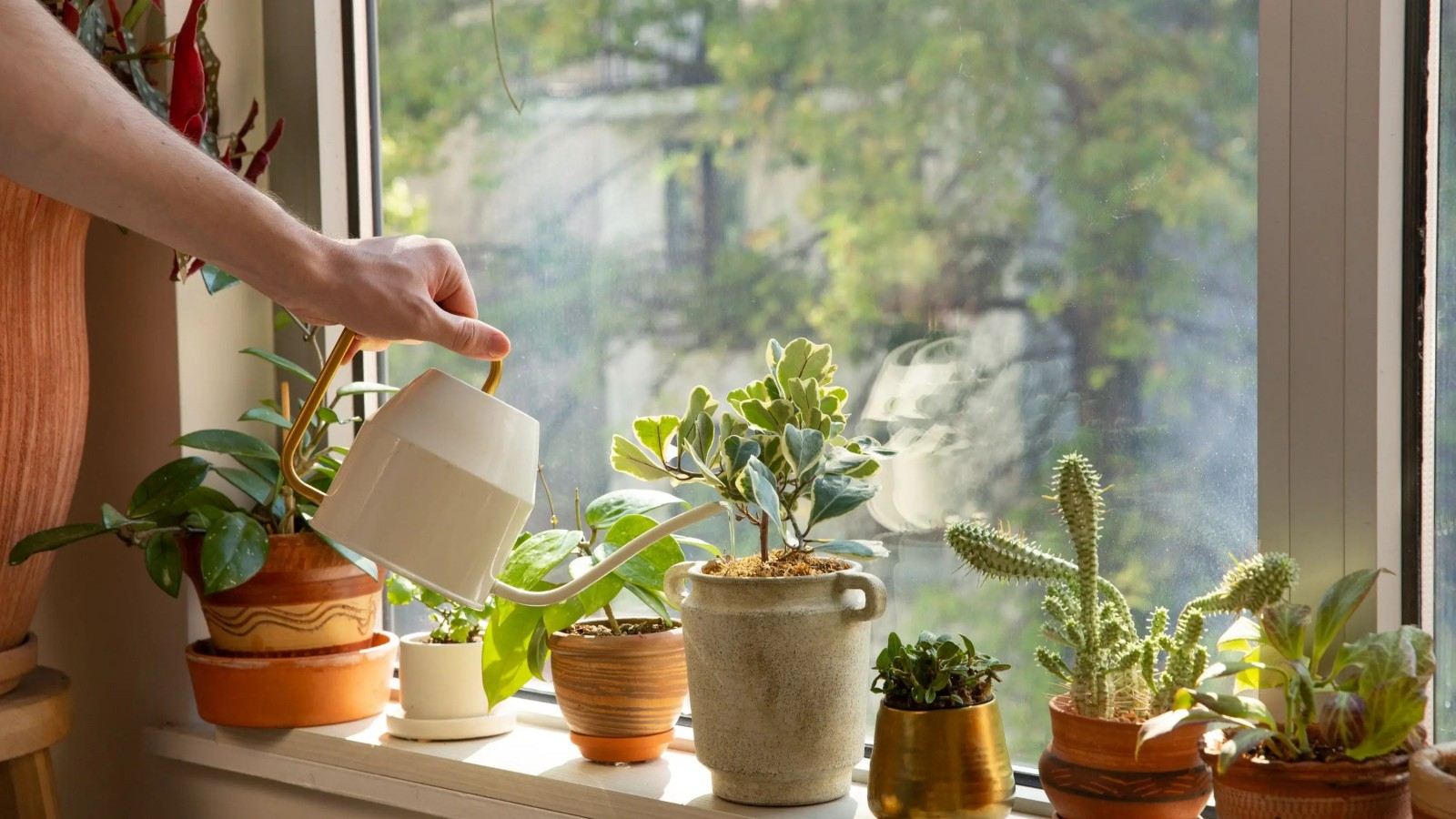
Yes, Garden Thyme can thrive indoors with the right conditions. Choose a sunny windowsill, preferably south-facing, that provides at least 6–8 hours of sunlight per day. If natural light is limited, use a full-spectrum grow light to supplement. Use a well-draining potting mix, ideally one formulated for herbs or succulents. Water sparingly—only when the top inch of soil is dry. Ensure the container has drainage holes to prevent root rot. Regular pruning helps maintain a compact shape and encourages new growth.
-
2 How do I propagate Garden Thyme at home?
Garden Thyme can be propagated by seeds, cuttings, or division. For seeds, start them indoors 6–8 weeks before the last frost, pressing lightly into the soil without covering as they need light to germinate. For cuttings, take a 4–6 inch stem, strip the lower leaves, and place it in water or moist potting mix. Roots should form in 2–3 weeks. Division can be done in early spring or fall by gently separating mature clumps and replanting them in new locations.
-
3 How can I prevent diseases and pests in my thyme plant?
Garden Thyme is generally pest-resistant, but poor growing conditions can make it susceptible to root rot, powdery mildew, aphids, or spider mites. Ensure good air circulation, avoid overhead watering, and keep the soil well-drained to prevent fungal diseases. Trim away any dense growth to improve airflow. Neem oil or insecticidal soap can help treat pest infestations. Rotating plants and keeping the garden area clean also minimize risk.
-
4 When and how should I harvest Garden Thyme for the best flavor?
The best time to harvest thyme is in the morning after dew has dried but before the sun becomes intense—this is when the essential oil concentration is highest. Snip off the top 4–6 inches of growth, cutting just above a leaf node to encourage regrowth. Avoid taking more than one-third of the plant at a time. The leaves can be used fresh or dried for later use by hanging small bunches upside down in a dry, shaded area with good ventilation.
-
5 How long does Garden Thyme live, and when should I replace or rejuvenate it?
Garden Thyme is a perennial herb and can live 3 to 5 years, sometimes longer under ideal conditions. However, over time it may become woody, sparse, or less productive. To extend its life, regular pruning, good airflow, and dividing older plants every 2–3 years are recommended. If the plant becomes too woody or stops producing robust foliage, it may be time to start new plants from cuttings or seeds to maintain fresh, vigorous growth.
Advertisement
Introduction
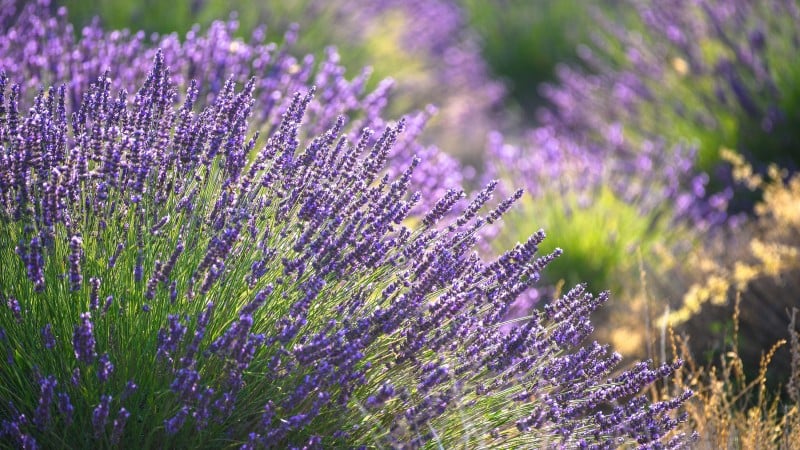
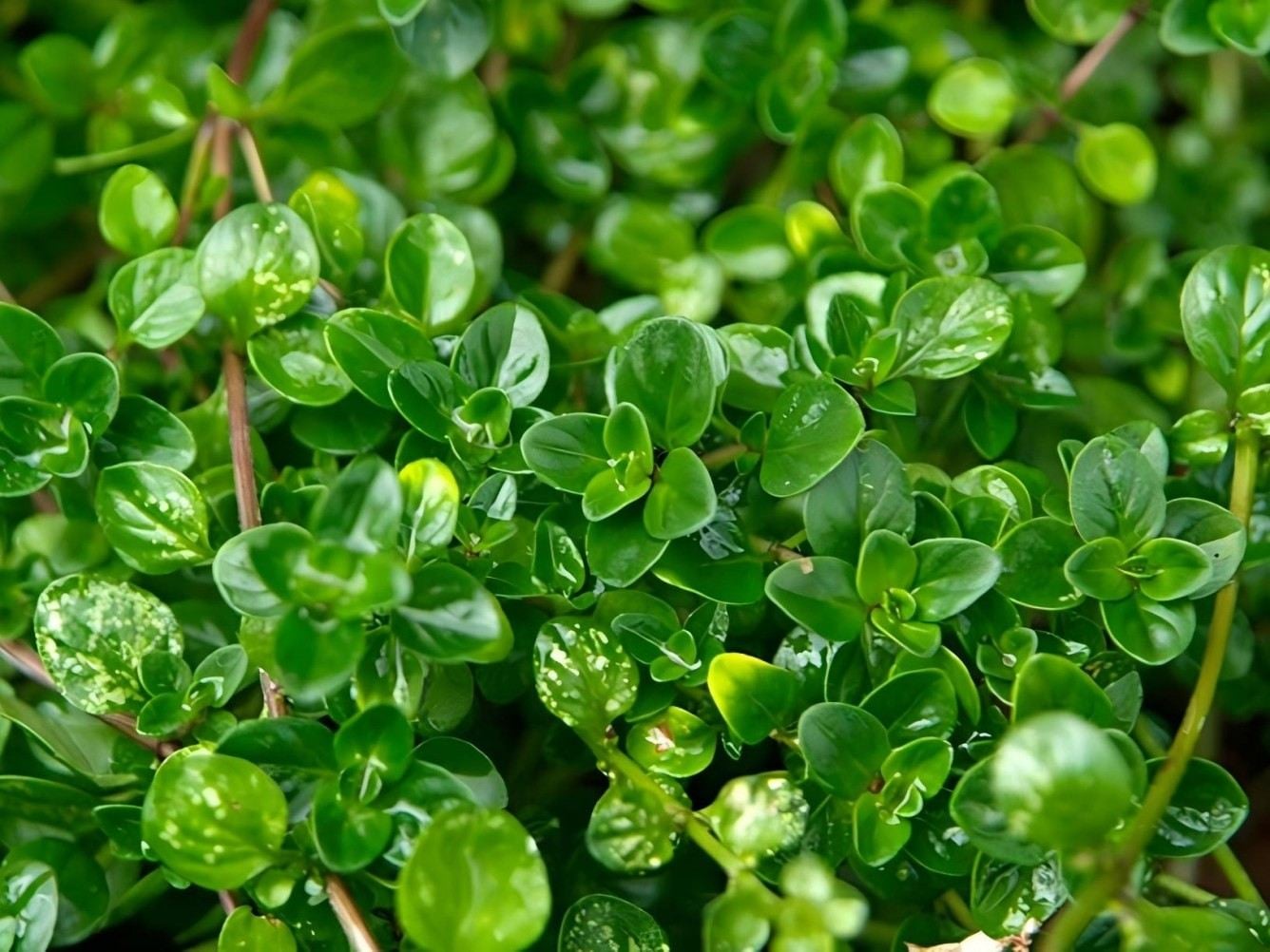
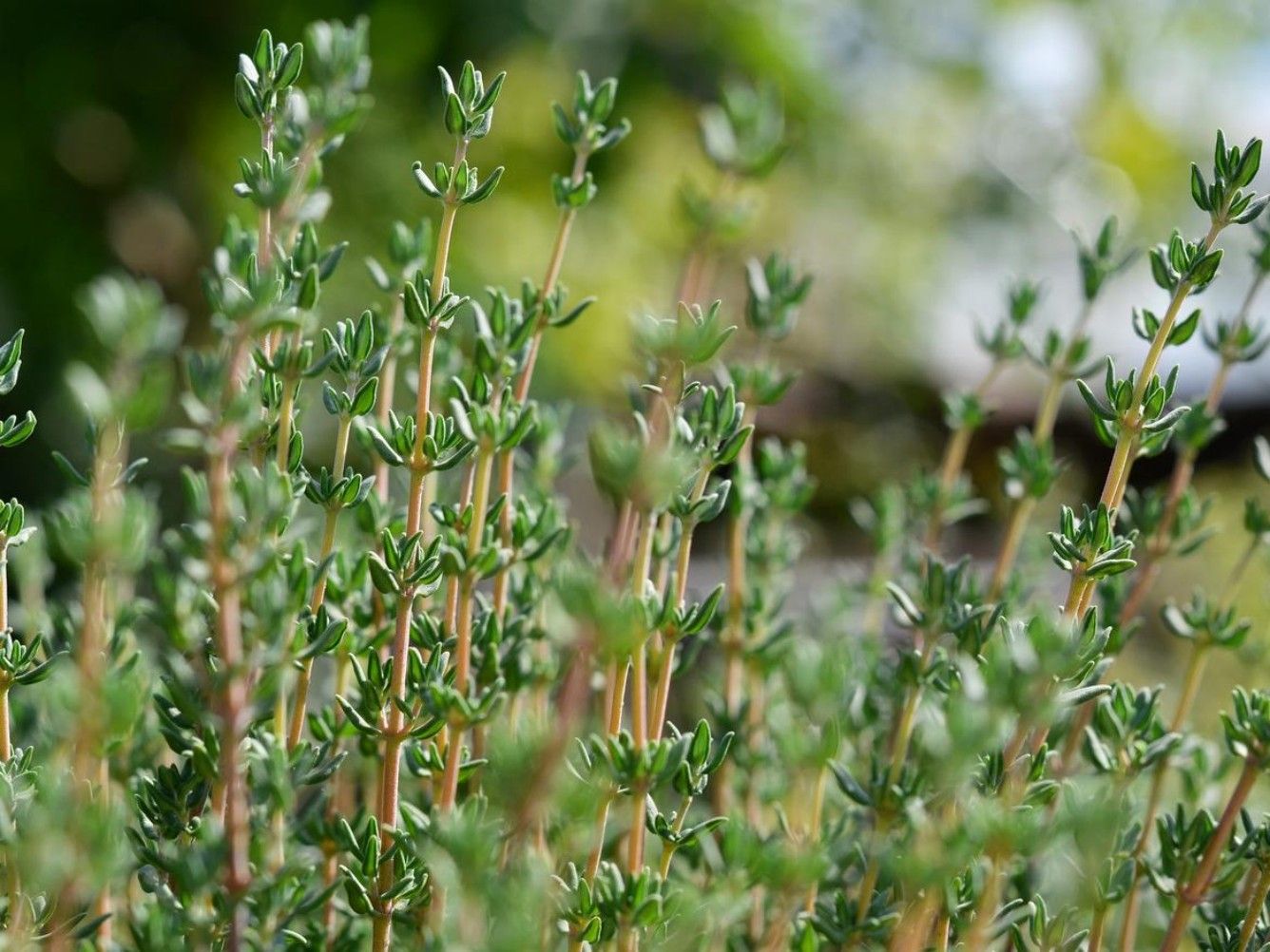
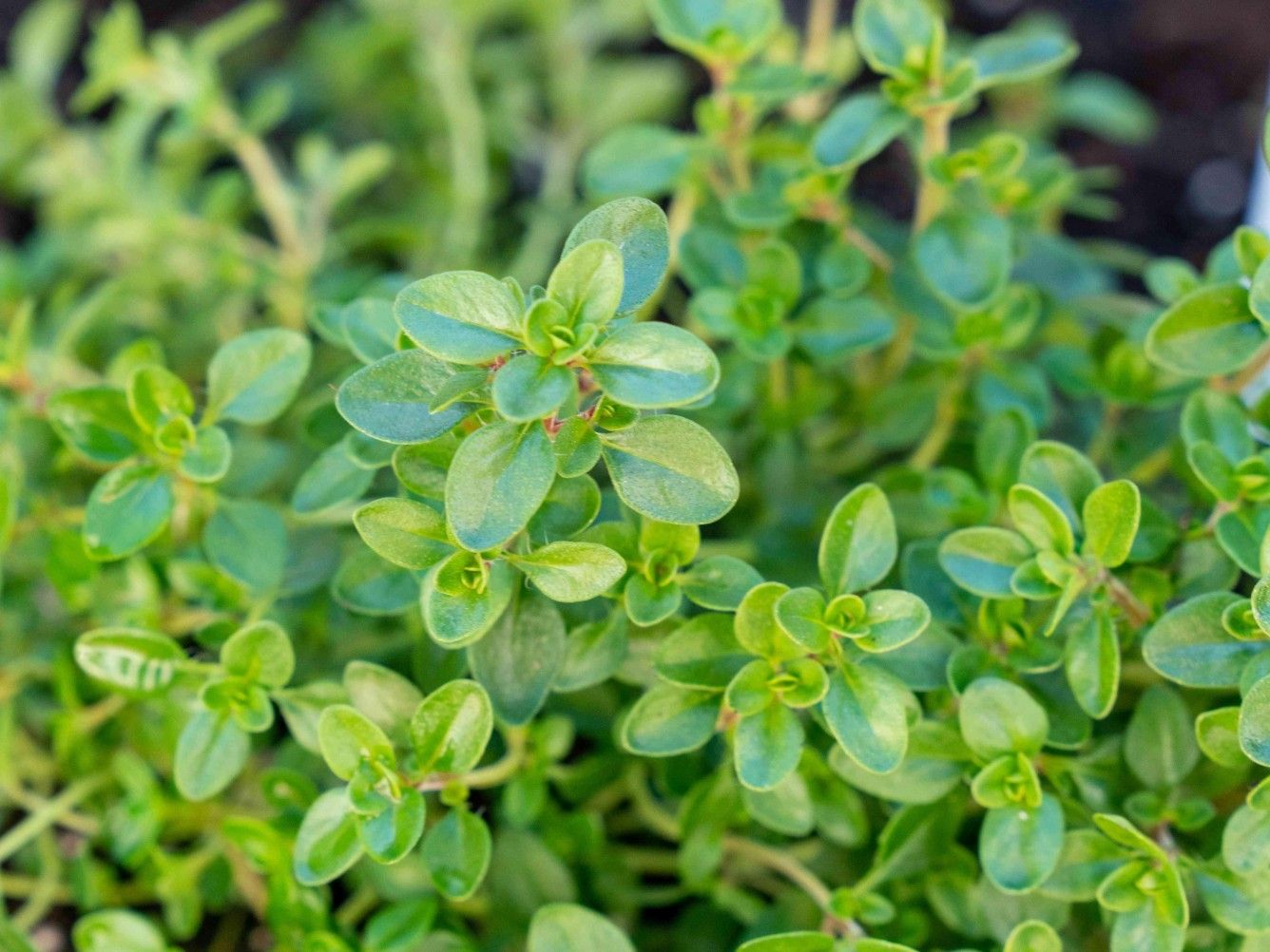
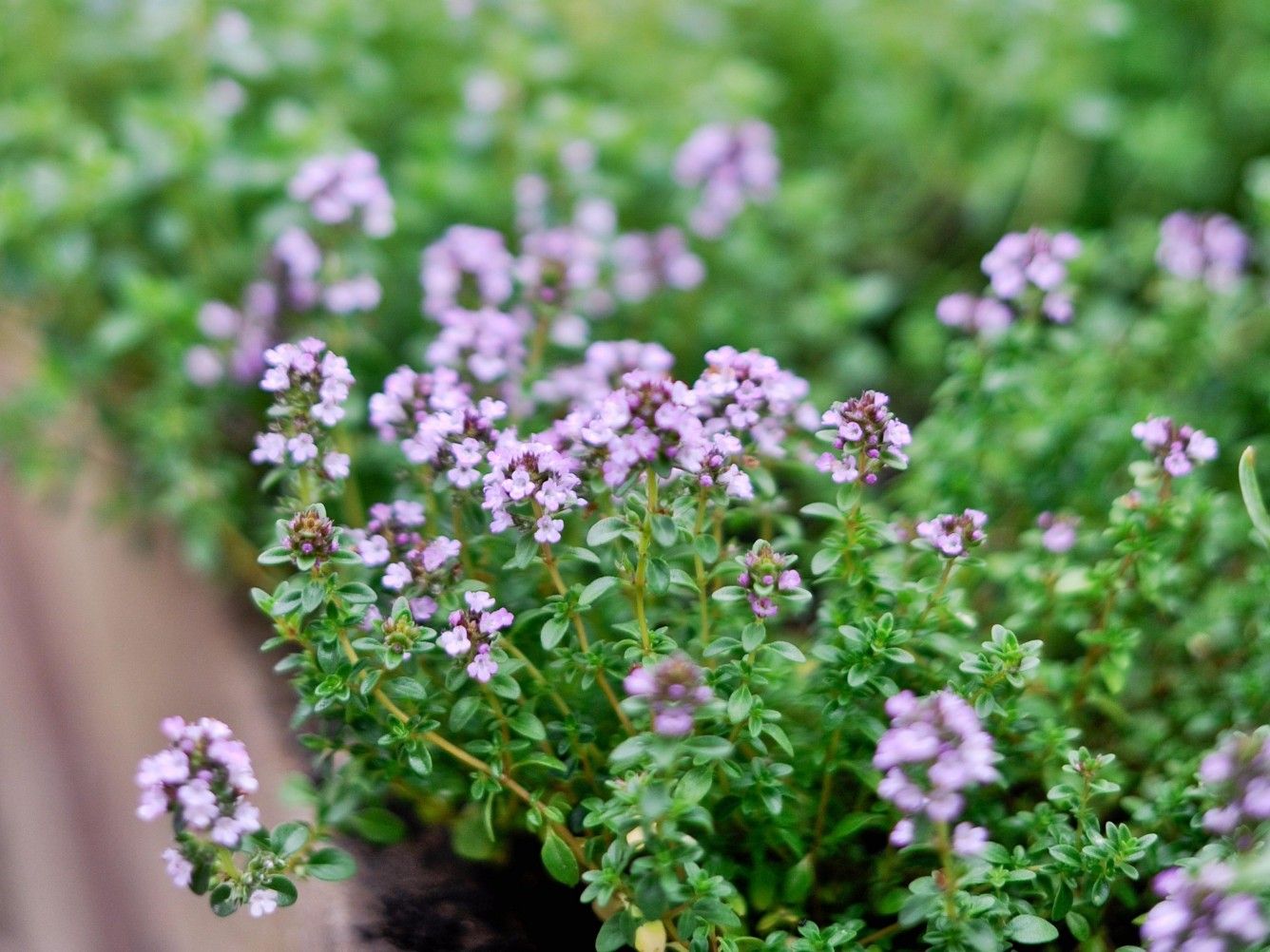
Garden Thyme is a low-growing, woody perennial herb known for its aromatic leaves and culinary versatility. Native to the Mediterranean region, it thrives in sunny, well-drained environments and is widely used in cooking, herbal medicine, and ornamental gardening. Its tiny purple or pink flowers attract bees and other pollinators, making it beneficial in ecological gardens. Garden Thyme is drought-tolerant, hardy, and easy to grow, making it a popular choice for herb gardens, rock gardens, and container planting.
Popular Plant Encyclopedia
-
-
Poisonous and danger
- Rhus typhina
-
-
-
Edible and medicinal
- Common sunflower
-
-
-
Poisonous and danger
- Plumeria rubra
-
-
-
Wild and common weed
- Convolvulus arvensis
-
-
-
Edible and medicinal
- Perilla frutescens
-
-
-
Edible and medicinal
- Pogostemon cablin
-
-
-
Edible and medicinal
- Common fenugreek
-
-
-
Edible and medicinal
- Garden Thyme
-
 Poisonous and danger
 Wild and common weed
Advertisement